
Travel to Botswana
A delta that floods the desert, elephants by the hundred along the Chobe River, salt pans to the horizon and lone baobabs: Botswana is southern Africa's classic safari destination, with few people and lots of space. Here is what to know before you search for cheap flights to Botswana.
Botswana in numbers
Capital
Gaborone
Population
About 2.4M
Area
~582,000 km²
Currency
Pula
Language
English, Setswana
UNESCO sites
2
Continent
Africa
Time zone
UTC+2
Airports covered
2
Why visit Botswana
Wild safari, far from the crowds
The Okavango Delta
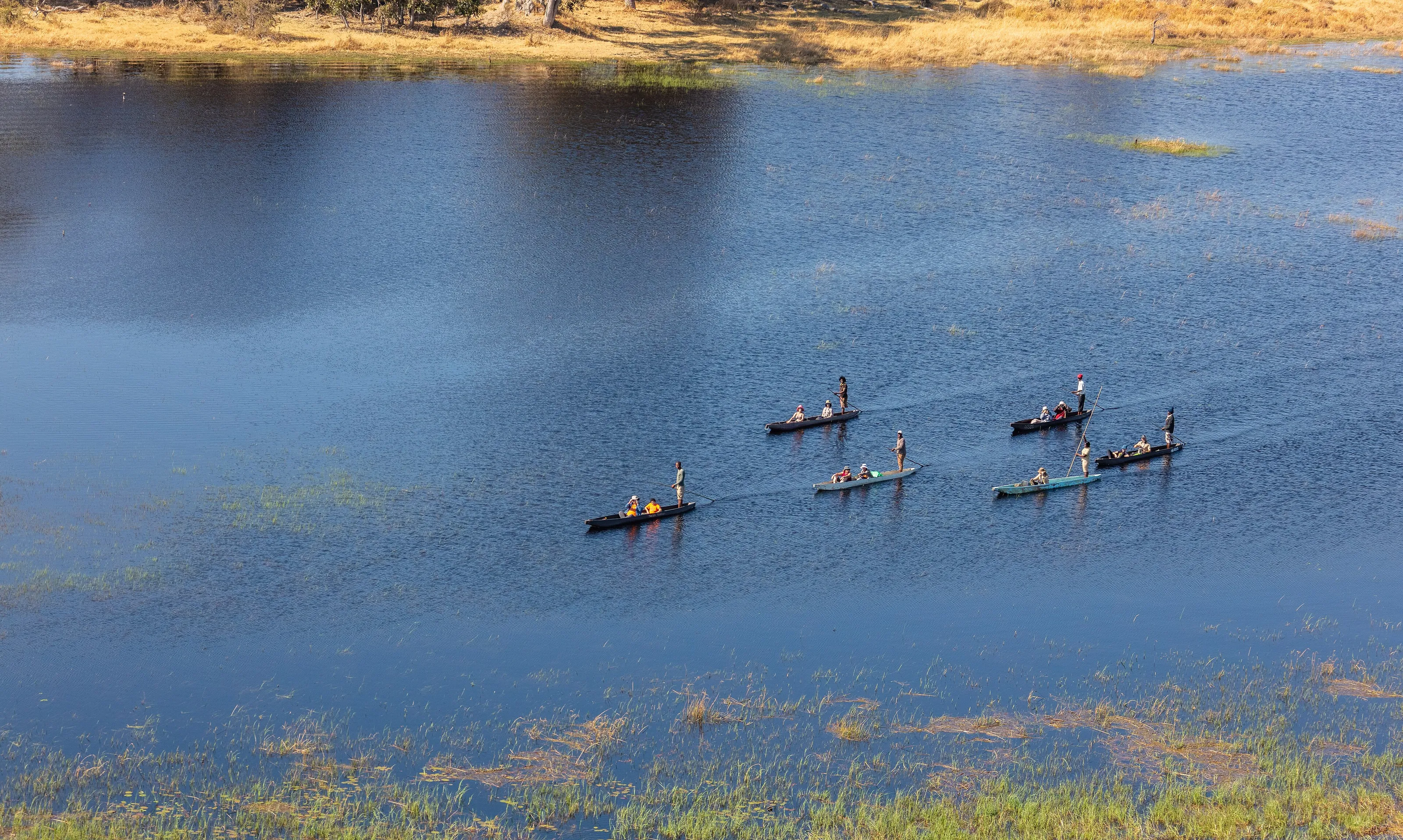
The Okavango River disappears into the Kalahari and forms one of the largest inland deltas in the world, around 18,000 km². Listed by UNESCO in 2014, it is explored by mokoro, the traditional dugout canoe, on foot or by light aircraft.
Chobe and its elephants
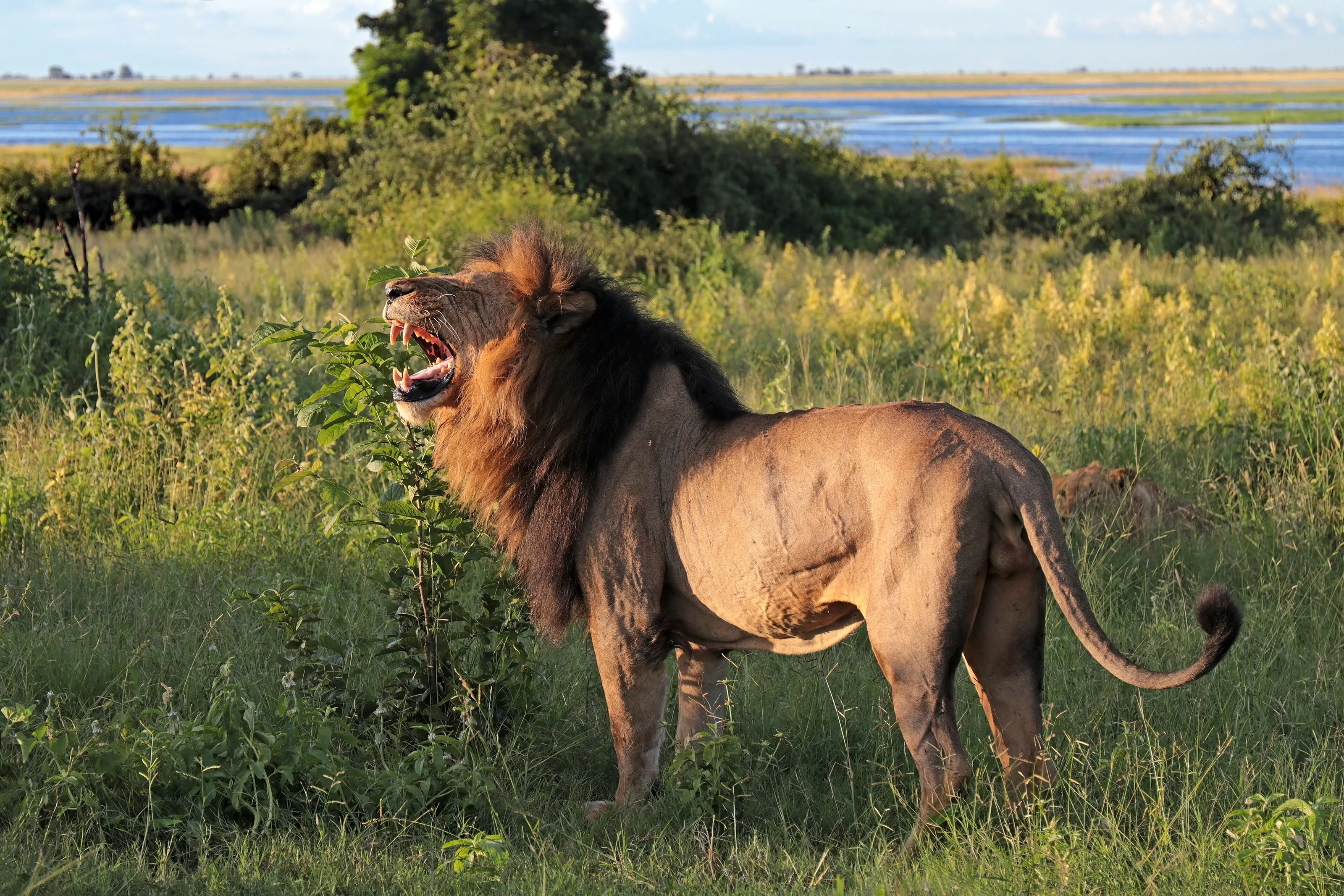
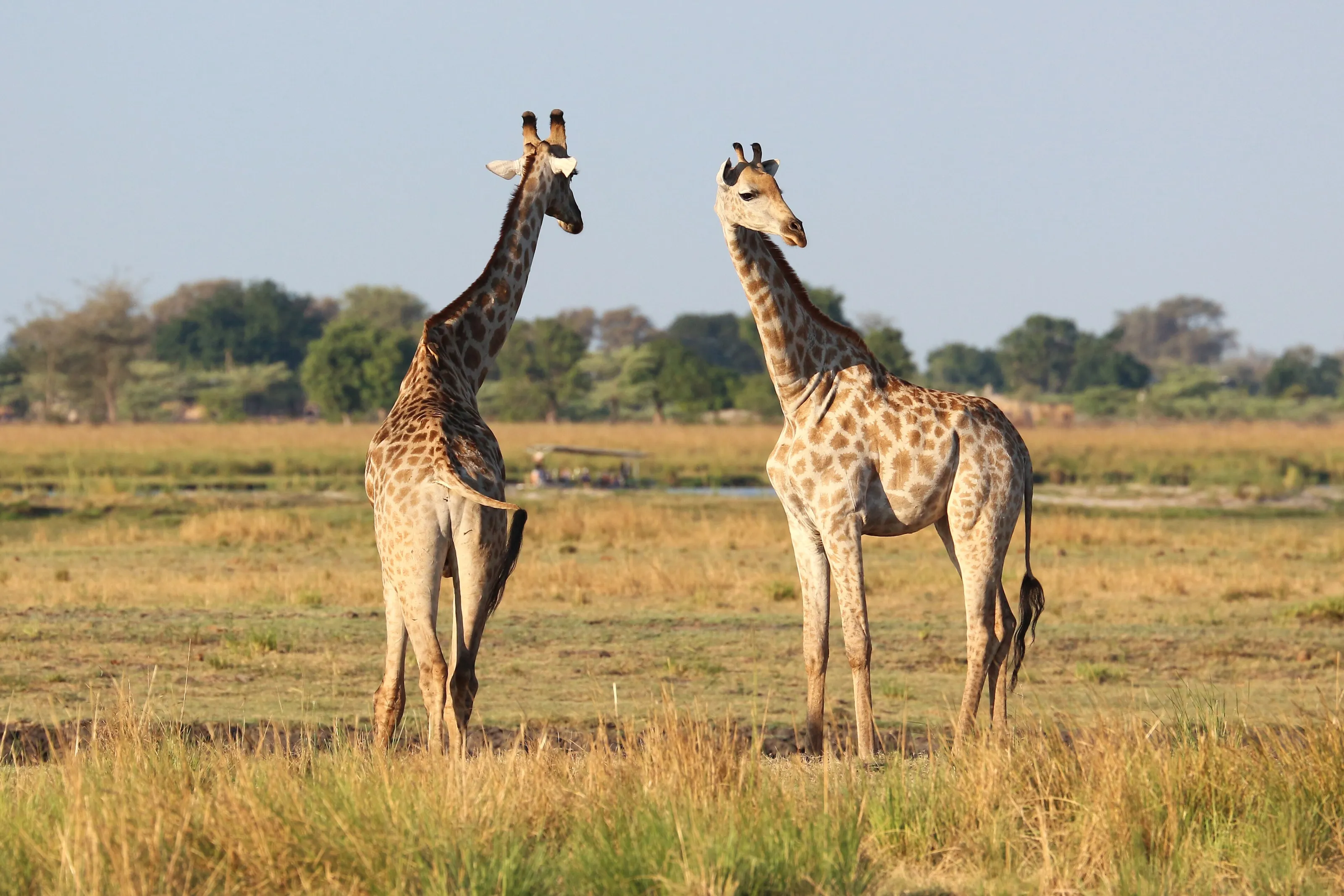
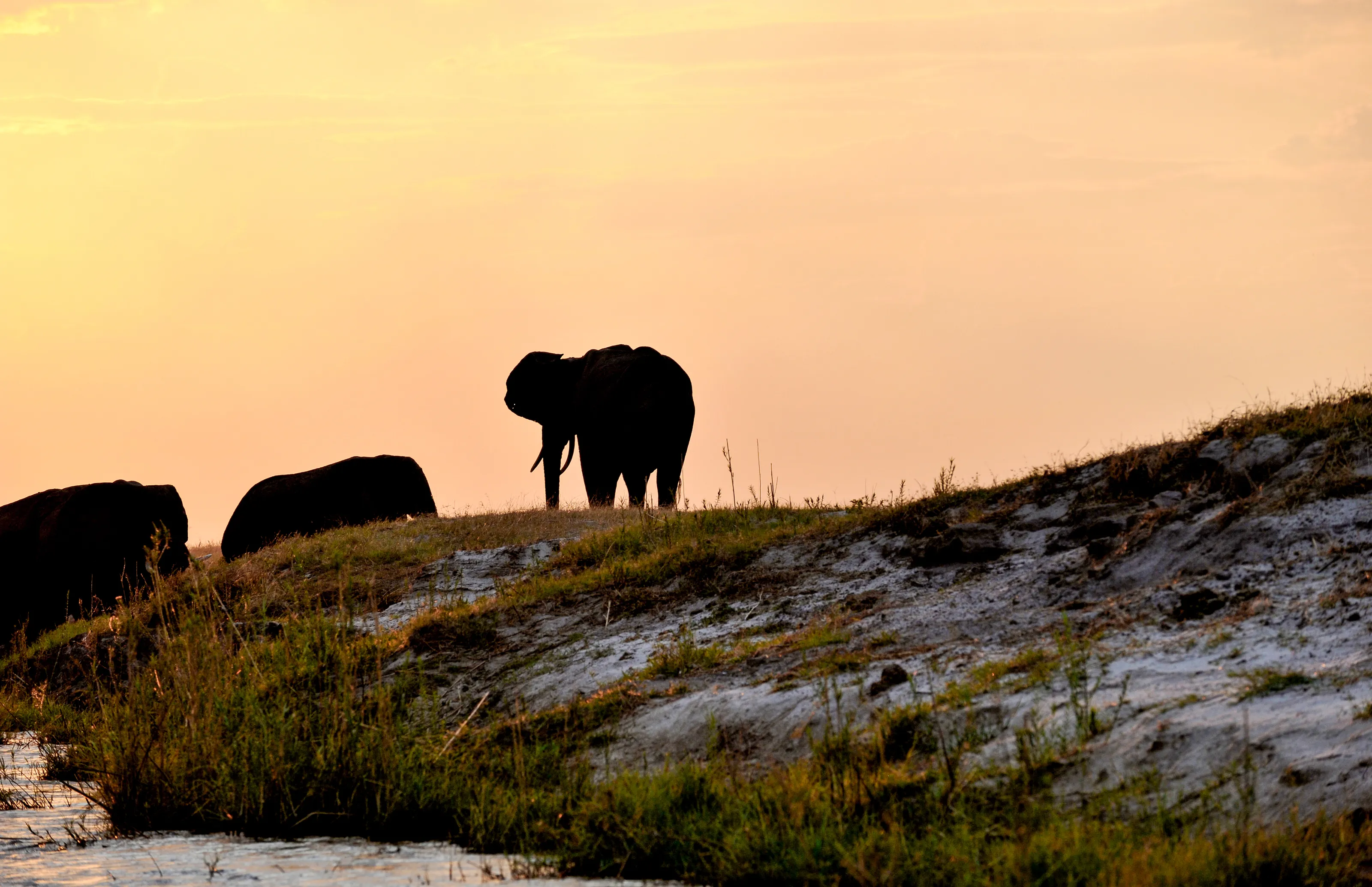
Along the Chobe River, elephants come to drink by the hundred in the dry season. Sunset boat cruises and 4x4 game drives give close encounters with lions, giraffes and buffalo.
Salt pans and baobabs
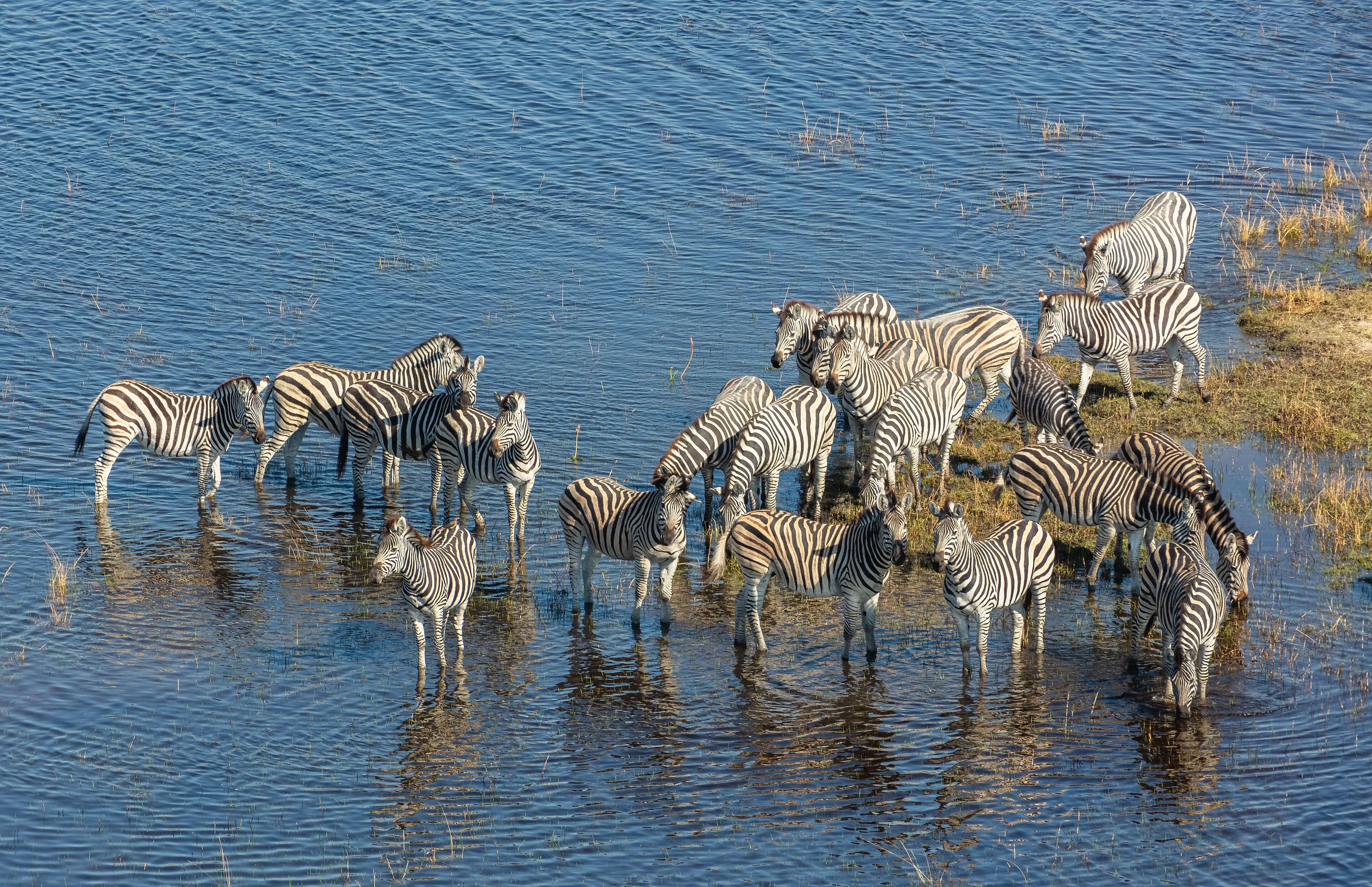
The Makgadikgadi salt pans form a vast white plain where baobabs, zebra and, after rains, flamingos survive. The Central Kalahari is one of the continent's biggest wildlife reserves.
Low-density tourism
The country favours small camps and quiet parks over mass numbers. The result is an intimate, wild stay, but a pricier one than in other safari countries.
Where to go
Okavango, Chobe, Makgadikgadi and Gaborone
Botswana is visited as a circuit between a few big stops: the delta around Maun, the Chobe area in the north-east and the Makgadikgadi pans in the centre. Distances are long, and many camps can only be reached by light aircraft or 4x4.
The Okavango Delta
Between June and August the flood from the Angolan highlands reaches the delta while the weather is dry, and the water draws wildlife, which is why this period is so popular. You travel by mokoro, silent and low on the water, or on foot with a guide across islands. Camps are reached from Maun by light aircraft or track.
Chobe National Park
Chobe is famous for its elephants, among the most numerous in Africa, and for river cruises at sunset. You also meet lions, giraffes, buffalo, hippos and crocodiles. The park is visited from Kasane, close to Victoria Falls, which can be combined into the same trip.
Makgadikgadi and the Central Kalahari
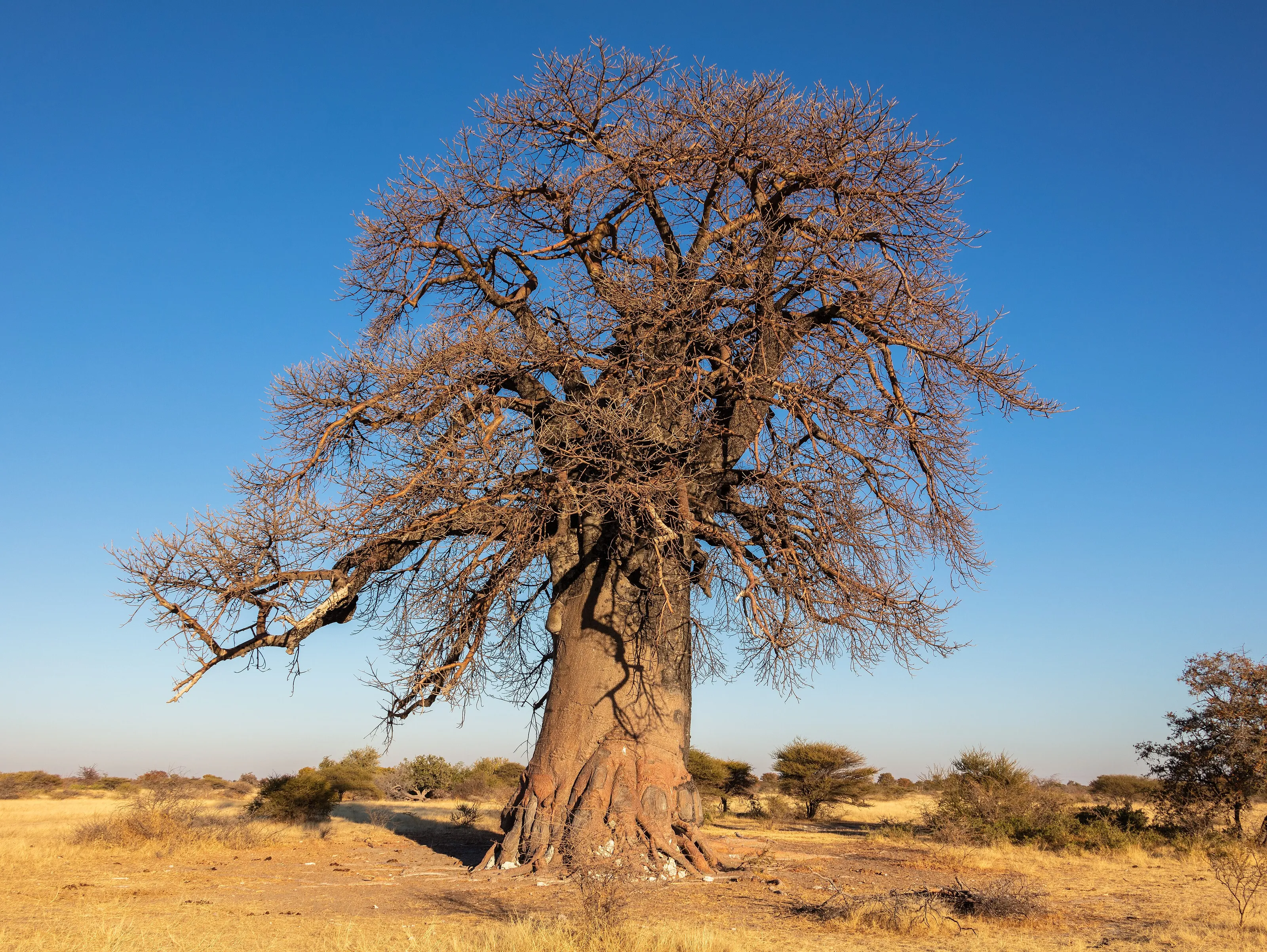
The Makgadikgadi pans are among the largest in the world and can be explored by quad bike or on foot with a guide. Baobabs serve as landmarks, and the rainy season draws zebra and flamingos. Further west the Central Kalahari reserve is a land of desert, San peoples and long silences.
Gaborone and Maun
Gaborone, the capital, is a quiet administrative city with a few museums and markets; most travellers pass through only on a connection. Maun, in the north, is the real gateway to the delta, with its airstrips and safari operators. To add a stop to the south, see our South Africa page.
Before you go
Hot, wet summers and dry winters ideal for safaris
| Region | Climate | Best time to visit |
|---|---|---|
| Okavango Delta (Maun) | Hot, humid summer from November to March; dry, cool winter from June to August with chilly nights. The flood peaks from June to August. | June to October |
| Chobe (Kasane) | Dry season from May to October: wildlife concentrates along the river. Very hot in October, rains from November to March. | June to October |
| Makgadikgadi salt pans | Dry and hot for most of the year; summer rains turn the plain into a temporary wetland. | May to October for the pans; November to March for zebra movements |
| Gaborone and the south | Hot summers with thunderstorms, mild dry winters, cool nights. | April to October |
The rainy season, from November to March, brings greener scenery, migratory birds and often lower prices, but tracks can become difficult. Winter nights are cool, even cold in the Kalahari: pack warm layers for morning game drives.
Getting around
Light aircraft, sand tracks and guided tours
Between the big parks, many travellers take light aircraft from Maun or Kasane to reach delta camps. Paved roads link the main towns, but tracks in the delta, Chobe and the Kalahari are sand and call for a 4x4. Driving is on the left, and animals on the road are a real hazard, especially at dusk.
For a first trip, a guided tour with a driver-guide or a camp-based safari keeps things simple: park fees, accommodation and transfers are organised. Self-driving is possible with an equipped vehicle but takes experience, water and spare fuel.
Food and culture
Seswaa, bogobe and Kalahari flavours
The festive dish is seswaa, beef cooked for hours then pounded, served with maize or sorghum porridge (bogobe, also called pap). It often comes with morogo, cooked greens, or magwinya, fried dough balls.
In safari camps, meals mix South African cooking and local produce, with an evening braai around the fire. Adventurous eaters can try phane, dried mopane caterpillars, a traditional snack.
Flying to Botswana
Botswana airports covered by SniperAir
Sir Seretse Khama International (Gaborone)
The capital's airport, about ten kilometres north of the centre, roughly twenty minutes by road. Handy for the south and regional connections.
Maun (Okavango Delta)
The gateway to the Okavango Delta, a few kilometres from central Maun. It is the starting point for light aircraft to delta camps and for roads to Chobe and Makgadikgadi.
FAQ
Frequently asked questions about Botswana
Which airport should I fly into for Botswana?
Maun (MUB) is ideal for the Okavango Delta and most safaris. Gaborone (GBE) suits the south and regional connections. For Chobe, travellers often go through Kasane; check against your itinerary.
When is the best time to visit Botswana?
June to October is the dry season: wildlife gathers around water and the delta flood is at its peak. The green season, from November to March, is wetter and quieter.
Is Botswana expensive to visit?
The country aims for low-density tourism, so camps and park fees are fairly high. The rest depends on your travel style. Choosing the season well and watching flight prices keeps costs down.
Do I need a visa to travel to Botswana?
Entry rules depend on your nationality and change over time. Check official sources and your government's travel advice before booking.
How long should I spend in Botswana?
Plan ten to twelve days to combine the delta, Chobe and Makgadikgadi. Each camp deserves two or three nights, and transfers take time.
What health precautions should I take?
Talk to your doctor or a travel clinic before departure: malaria prevention, especially in the north, and vaccines to check according to your route.
How do I get alerted when flights to Botswana drop in price?
Create a SniperAir alert profile with your departure airport and Maun or Gaborone as the destination. We track prices and notify you when an opportunity matches. See how it works.
Ready to track prices to Botswana?
Create an alert and let SniperAir do the rest.
Create my alert