
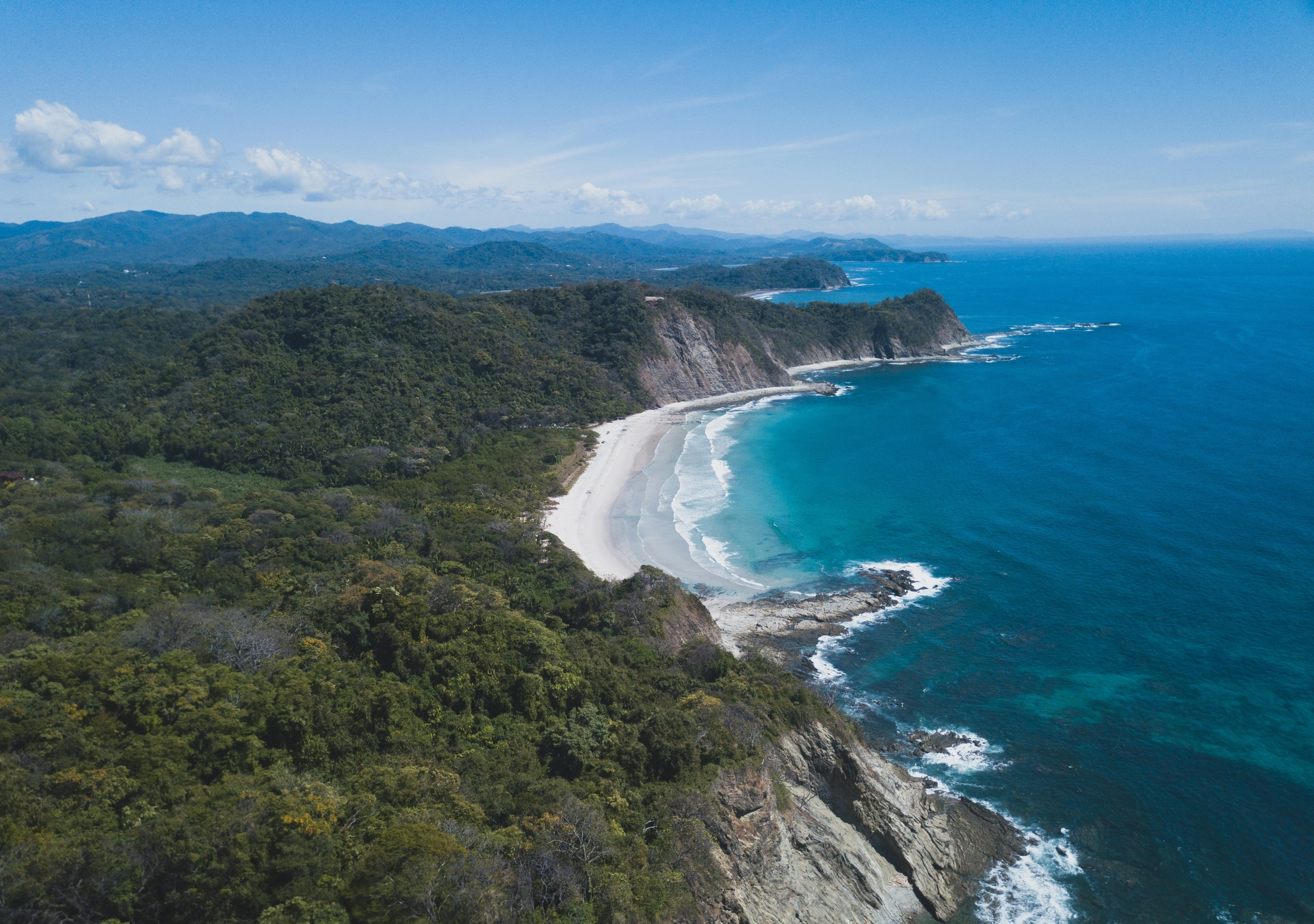
Travel to Costa Rica: cheap flights to San José and Liberia
No army since 1948, active and dormant volcanoes, cloud forests, two coastlines and roughly 5 percent of the planet's biodiversity: Costa Rica is one of Central America's most complete nature destinations, and the easiest to plan. Here is what to know before you go, then how to track flights to San José and Liberia.
Costa Rica in numbers
Capital
San José
Population
~5 million
Area
~51,100 km²
Currency
Costa Rican colón
Language
Spanish
Army
None
Continent
North America
Time zone
UTC-6
Airports covered
2
Why visit Costa Rica
A small country where nature is the main attraction
No army, big on nature
After a 44-day civil war in 1948, President Figueres abolished the army, and the 1949 constitution gave universal suffrage and social guarantees. National Geographic named Costa Rica the happiest country in the world in 2017.
Volcanoes and two coastlines
Fourteen volcanoes are known, six of them active in the last 75 years, and the Pacific and Caribbean coasts are only a short trip apart. Arenal, a perfect cone, erupted from 1968 until 2010 and is now dormant.
Wildlife you can actually see
Corcovado is the only park where all four Costa Rican monkey species live; Tortuguero is the Amazon of Central America, reached only by boat; and Playa Grande is a major nesting site for leatherback turtles.
A walk from sea to sea
The 280 km Camino de Costa Rica crosses the country from the Atlantic to the Pacific coast, through beaches, swamps, rainforest and mountains, for those who want more than a weekend.
Regions and highlights
From the volcanoes of the Central Valley to the beaches of two oceans
Arenal, Monteverde and the Central Valley
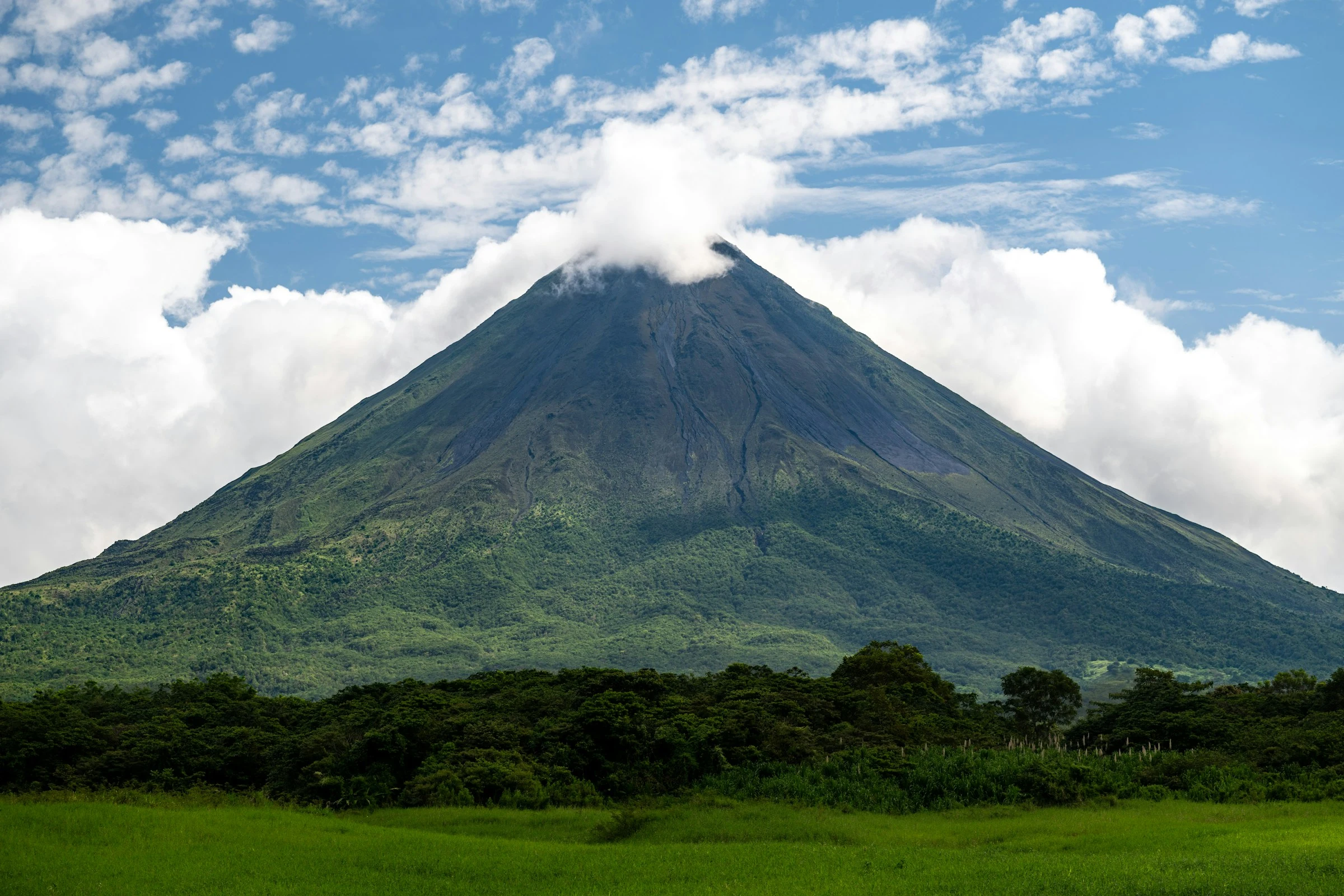
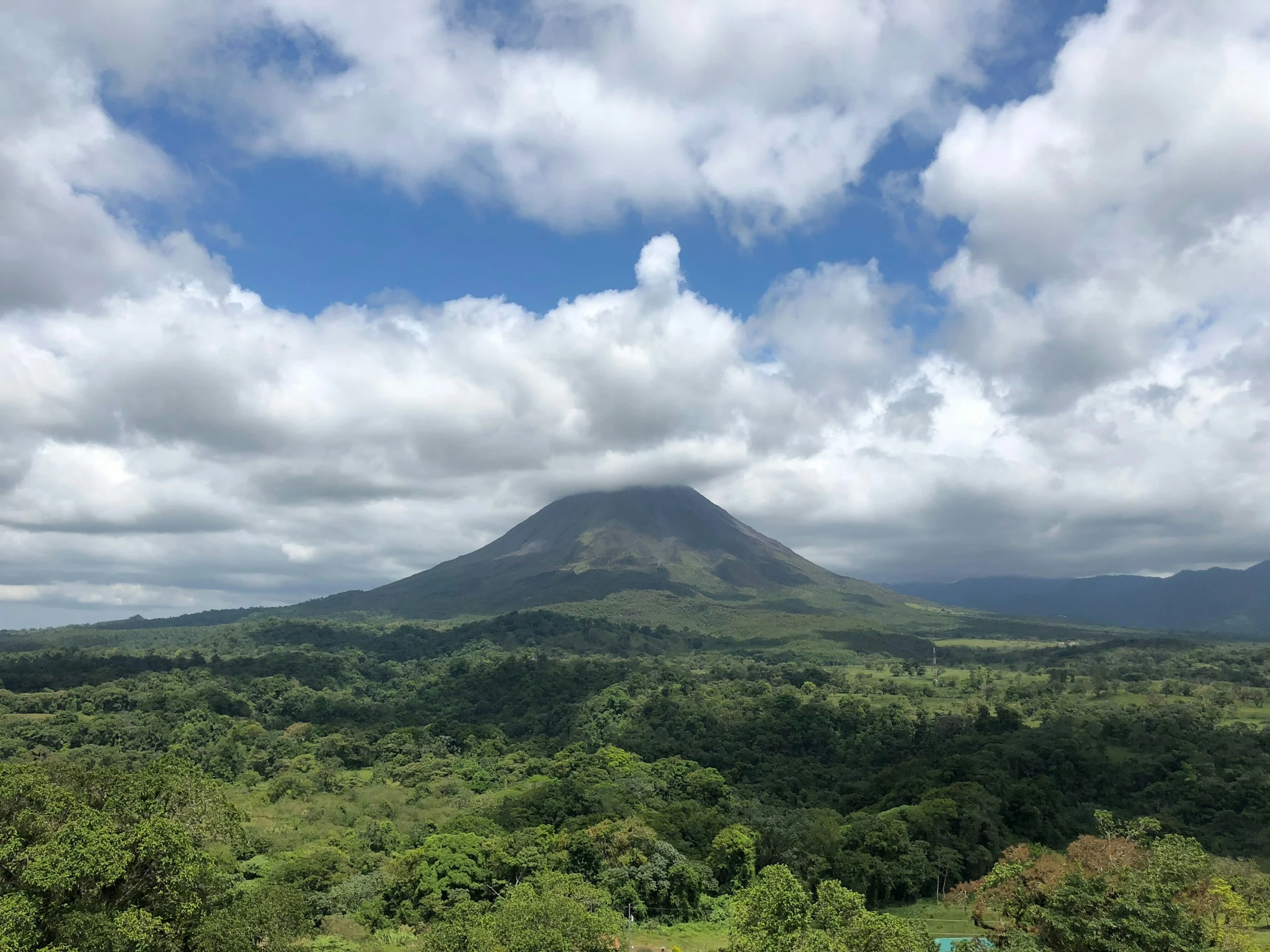
Arenal Volcano (1,633 m) rises as a near-perfect cone above La Fortuna; hot springs, Lake Arenal and hiking surround it. Monteverde and Santa Elena protect cloud forests prized by birdwatchers, and the Central Valley holds San José, Alajuela, Heredia, Cartago and the Poás and Irazú volcanoes. Irazú, at 3,431 m, is the country's highest volcano.
Guanacaste and the Nicoya Peninsula
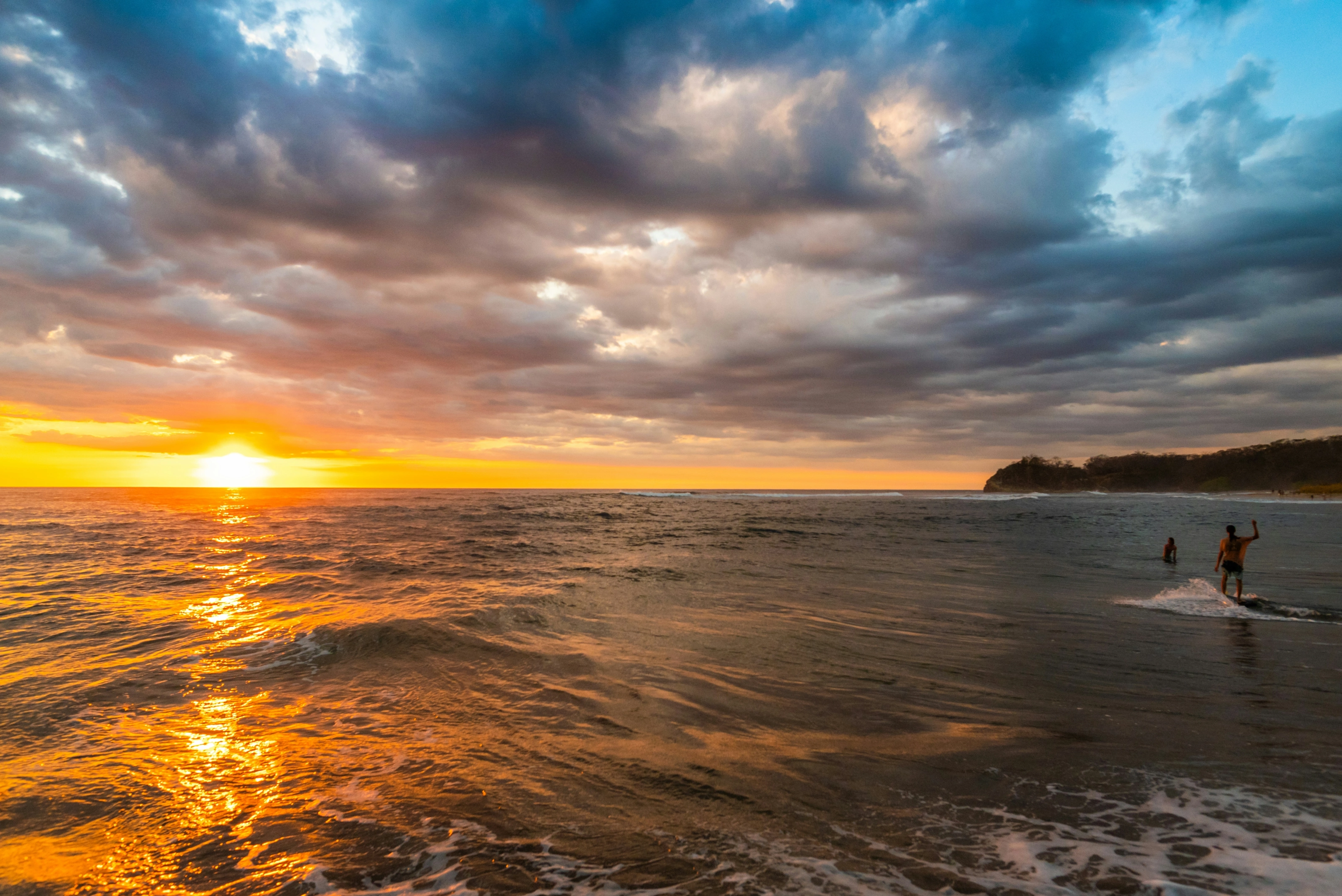
Liberia is the gateway to the north-west Pacific coast: Tamarindo, Playa Hermosa, Playa del Coco and the Papagayo Peninsula, plus Rincón de la Vieja volcano park. Farther south, Santa Teresa and Montezuma draw surfers, yoga retreats and a bohemian crowd.
Manuel Antonio, Corcovado and the south
Manuel Antonio is a tiny national park with clear-water beaches and lots of wildlife, among Central America's best-known destinations. Jacó and Dominical are surf towns, and Pavones is famous for a long left-hand wave. Corcovado, on the Osa Peninsula, has black-sand beaches fronted by thick rainforest.
Tortuguero and the Caribbean
Tortuguero is only reachable by boat or plane, with canals and nesting turtles. Cahuita and Puerto Viejo de Talamanca offer beaches, rainforest and Afro-Caribbean culture, and Limonese Creole is still spoken in Limón.
Food and culture
Gallo pinto, casado and tres leches
Costa Rican cooking is simple and wholesome rather than spicy. Gallo pinto, rice and beans cooked together with cilantro and onion, is the breakfast staple; casado is the typical lunch, with rice, beans, salad, fried plantain and meat, chicken or fish. Try sopa negra, a black-bean soup, and tres leches cake for dessert. Fresh fruit is abundant, and markets are the best place to sample it.
The marimba is the national instrument, and the Spanish language and Catholic faith shape daily life, with Chibcha influence in the south and Nahuatl in the north-west. The Caribbean side adds an Afro-Caribbean flavour of its own.
Getting around
Two main airports for two coasts, then buses, shuttles and domestic flights
Four airports have international flights. Juan Santamaría (SJO), in Alajuela about 20 km north-west of downtown San José, is the biggest and busiest, and handled over five million passengers a year before COVID. Daniel Oduber Quirós (LIR) lies 11 km west-south-west of Liberia and serves the Pacific-coast beach resorts, with direct flights from North America and Europe. Picking the right airport can save several hours of driving.
Roads vary a lot, with potholes in rural areas, and night driving is discouraged. Buses and taxis cover almost everywhere, and domestic flights and tourist shuttles fill the gaps. For a longer trip through the region, Colombia and Mexico have their own pages.
Before you go
Dry season, green season and microclimates
| Area | Climate | Best time |
|---|---|---|
| Central Valley (San José) | Mild, around 20 °C on average; rain mostly in the afternoon from May to November | December to April |
| Guanacaste and north Pacific | Hot with a distinct dry season (around 27 °C on the coast) | December to April |
| Caribbean (Tortuguero, Limón) | Humid all year, with over 5,000 mm of rain a year on the slopes | Varies; quieter in September and October |
| Mountains and volcanoes | Below 10 °C on the highest summits, damp cloud forests | Dry season for clear summits |
The dry season runs from December to April and the rainy season from May to November. September and October are the wettest months, marketed as the Green Season. Hurricanes rarely hit the country. Visitors from most developed countries enter visa-free for up to 180 days with an onward ticket; check the rules for your nationality before travelling.
Flying to Costa Rica
The Costa Rican airports tracked by SniperAir
Juan Santamaría International (San José)
In Alajuela, about 20 km north-west of downtown San José: the biggest and busiest airport in the country, convenient for the Central Valley, Arenal, Monteverde and the central Pacific.
Daniel Oduber Quirós (Liberia)
Eleven kilometres west-south-west of Liberia in Guanacaste: the airport for the north-west Pacific beaches, with direct flights from North America and Europe.
FAQ
Frequently asked questions about Costa Rica
Which airport should I choose for Costa Rica?
San José (SJO) for the Central Valley, volcanoes and most parks; Liberia (LIR) if you are heading to the beaches of Guanacaste and Nicoya. Compare the two with a SniperAir alert.
When is the best time to travel to Costa Rica?
The dry season, from December to April, is the most popular. From May to November it rains mostly in the afternoon and the landscape is greener; September and October are the wettest and quietest months.
Is Costa Rica expensive?
It is one of the pricier countries in Central America, a bit more than its northern neighbours. Meals at local sodas and buses remain affordable; the budget depends mostly on lodging and activities. Compare options with our partners before booking.
Do I need a visa for Costa Rica?
Visitors from most developed countries enter visa-free for up to 180 days with an onward ticket. A yellow fever certificate is required if arriving from an endemic country. Check current rules before you travel.
How long should I stay in Costa Rica?
At least two weeks to combine volcanoes, cloud forest and beaches. With one week, pick a single region such as Arenal and Guanacaste.
Is Costa Rica safe?
It is one of the most stable and safest countries in Central America, but pickpocketing is common near San José and on buses. Never leave valuables in a car, and watch for currents on some beaches.
How do I get alerted when a flight to Costa Rica drops below my budget?
Create a SniperAir alert with your departure airport and San José or Liberia as the destination: we track prices and notify you as soon as an opportunity matches your criteria. See also how it works.
Ready to track prices to Costa Rica?
Create an alert and let SniperAir do the rest.
Create my alert