
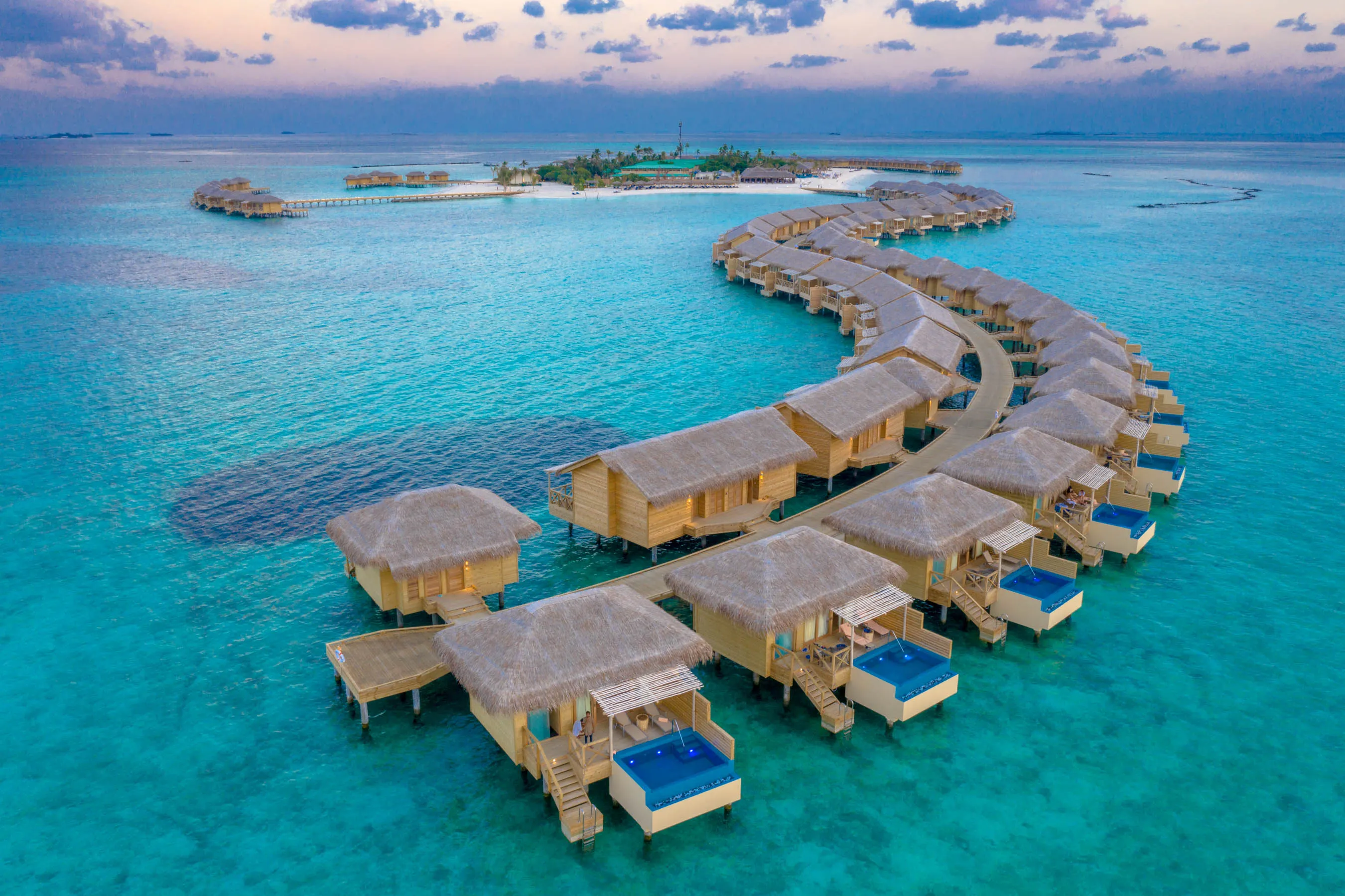
Travel to the Maldives
About 1,200 islands strung into atolls across the equator, lagoons of an almost unreal turquoise, reefs a few strokes from the beach and a country where you pick an island the way you pick a trip. Here is what to know before you look for cheap flights to the Maldives.
The Maldives in numbers
Capital
Malé
Islands
About 1,200
Land area
~298 km²
Currency
Rufiyaa
Languages
Dhivehi, English
Elevation
A few metres
Continent
Asia
Time zone
UTC+5
Airports covered
1
Why visit the Maldives
Lagoons, reefs and an island for every way of travelling
Lagoons from another world
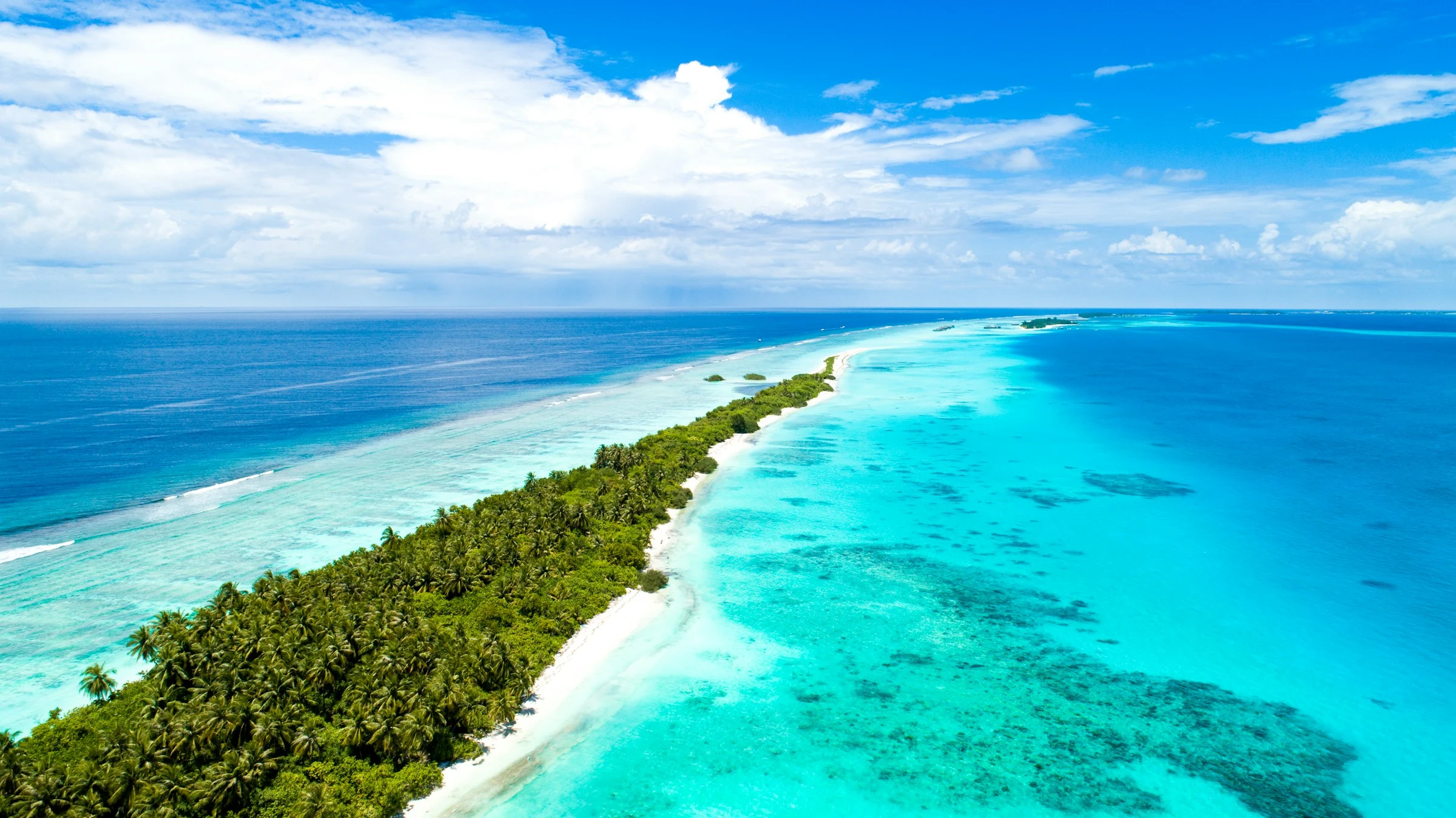
The atolls are rings of coral enclosing shallow lagoons, which is where those gradients of turquoise and deep blue come from. The sand is white, the water warm all year and the sea stays calm behind the reef.
Snorkelling from your doorstep
Many islands have their own house reef: slip on a mask from the beach and meet parrotfish, rays and turtles. Diving is the other big draw, with manta rays and whale sharks at certain atolls.
Resort, guesthouse or liveaboard
A private resort island with an overwater villa, a guesthouse on an inhabited island at a gentler budget, or a dive boat that changes atoll every day: one archipelago, very different trips.
An island and Muslim culture
Maldivians speak Dhivehi and have lived from the sea for centuries; Islam is the state religion. In the markets of Malé and in the villages you taste tuna and coconut and hear the bodu beru drums.
Atolls and islands
Malé, Ari, Baa and the south: where to base yourself in the Maldives
In the Maldives the real question is not what to see but which island to sleep on. The atoll you choose sets the transfer time, the kind of reef and the budget, so it pays to plan.
Malé and Ari atolls: overwater villas and reefs
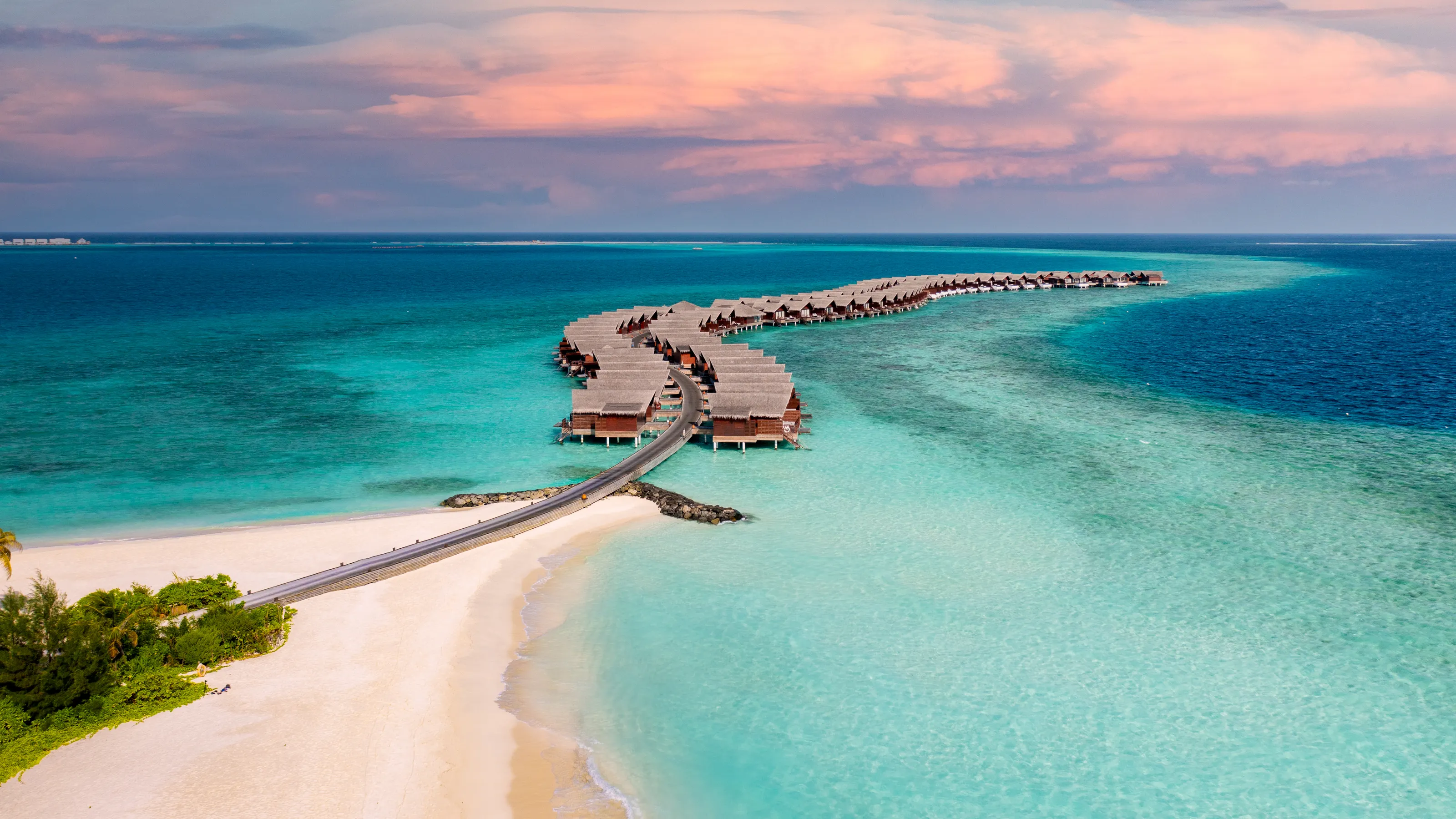
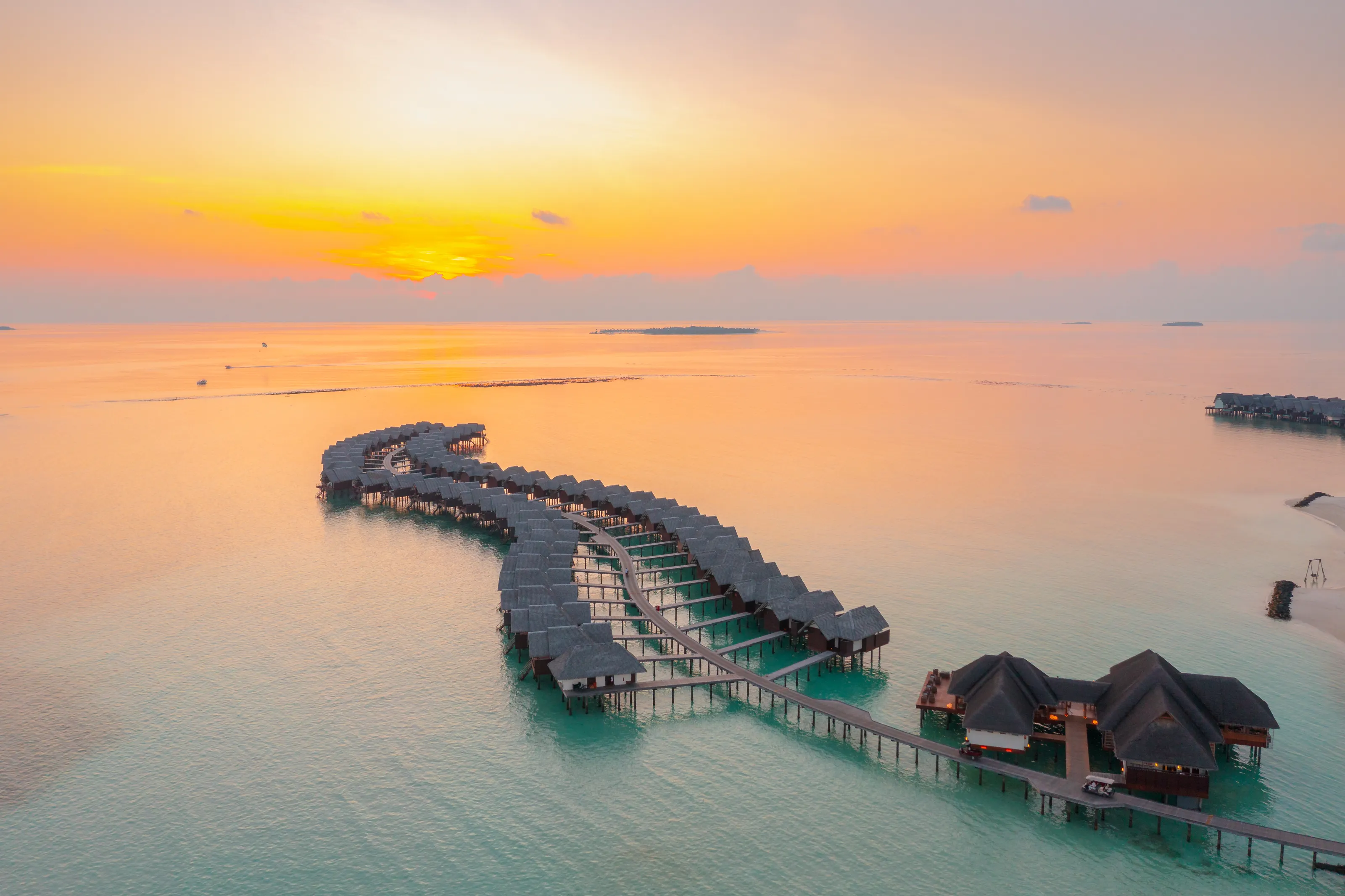
Around the capital the North and South Malé atolls are the easiest to reach: a speedboat ride of a few dozen minutes will do. Ari atoll, further west, is known for its reefs and whale shark encounters. This is overwater-villa country, with wooden jetties and decks opening onto the lagoon and a sunset as the evening's entertainment.
Sandbanks, reefs and diving
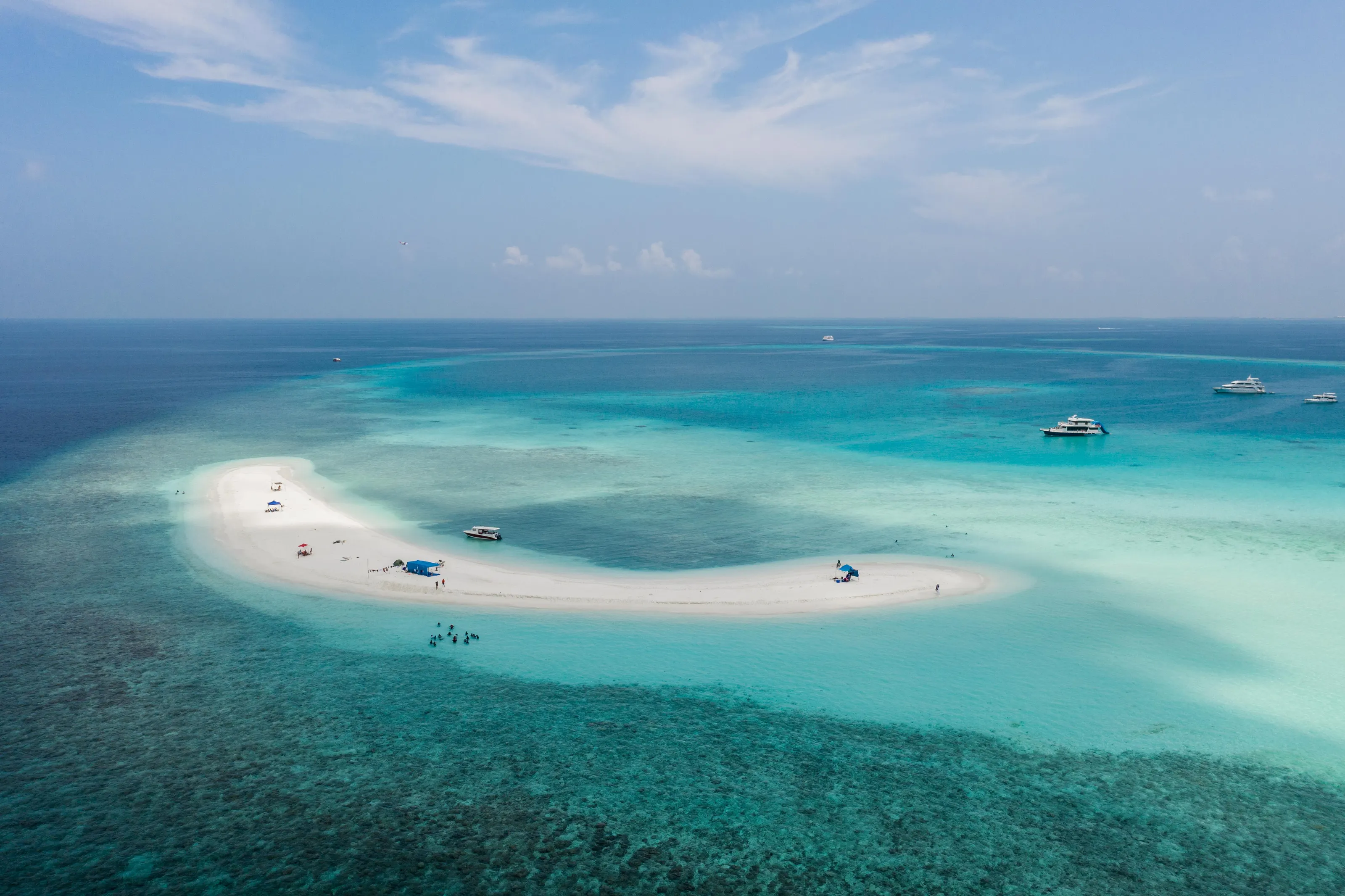
One boat trip is enough to reach a white sandbank that rises from the lagoon at low tide: picnic, swim and take photos. The channels between atolls draw big pelagic fish, and Baa atoll, a UNESCO biosphere reserve, is known for its gatherings of manta rays in the right season.
Malé and the inhabited islands of the south
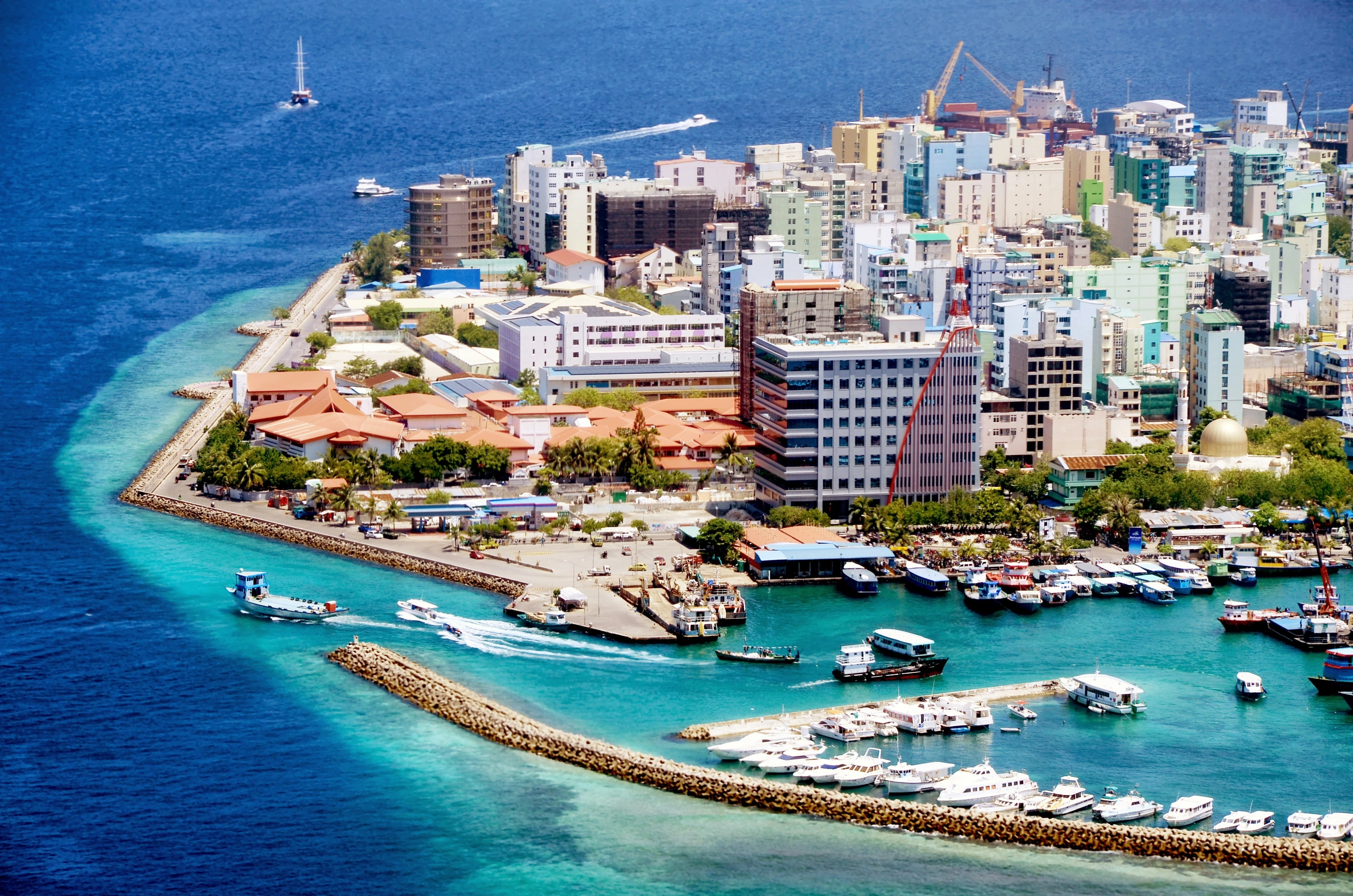
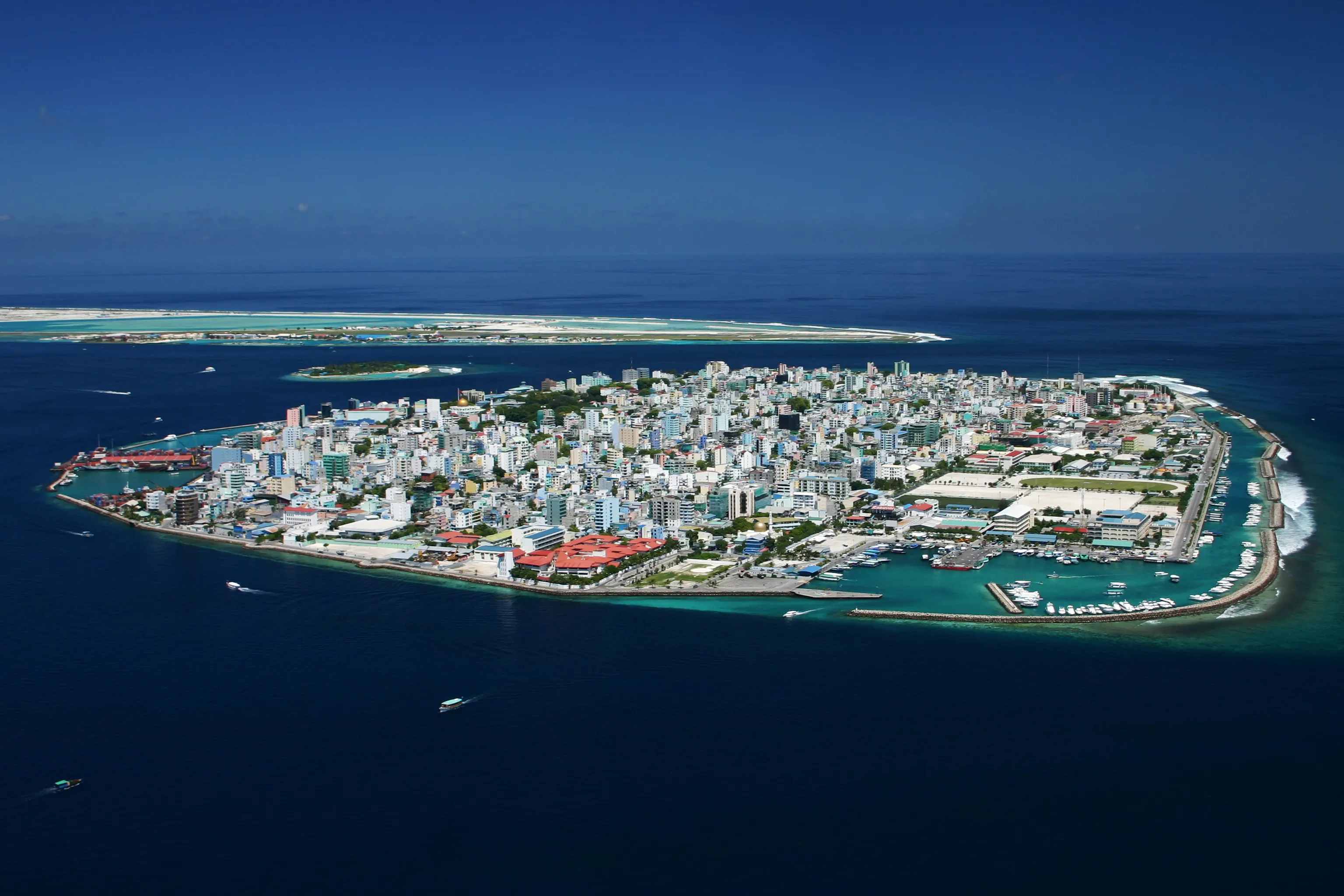
Malé is a compact capital: fish market, golden-domed mosque, busy lanes and a harbour in constant motion. To see everyday life, carry on to the inhabited islands. Fuvahmulah, a single-island atoll in the south, is known to divers for its tiger sharks, while Addu atoll in the far south offers wrecks, reefs and roads you can cycle.
Palm-fringed beaches and guesthouses
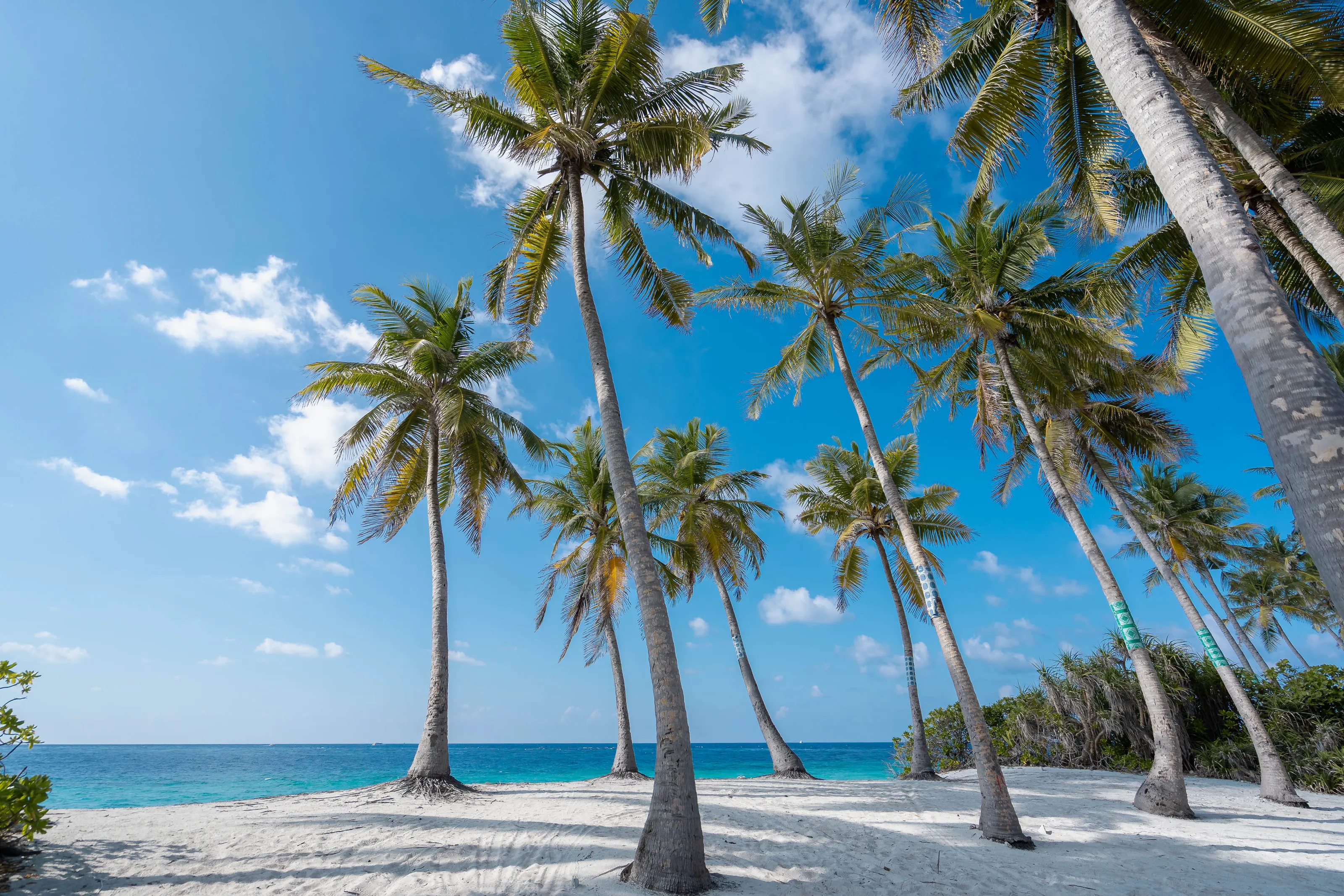
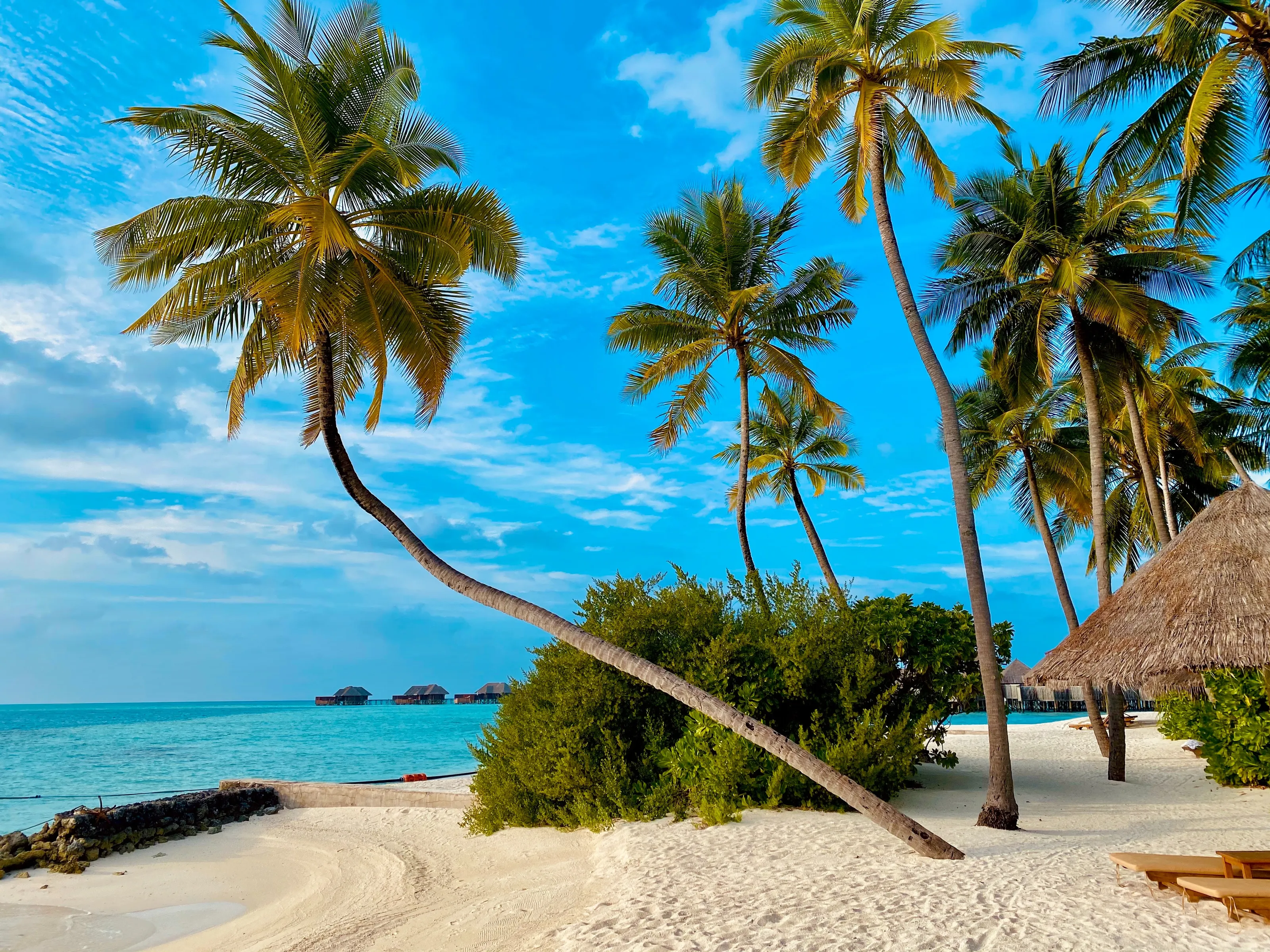
On inhabited islands, guesthouses offer beaches set aside for visitors, fishing trips and fish meals at a local table. It is the simplest way to travel in the Maldives without a resort: you keep the lagoon, the snorkelling and the white sand, and gain time with the people who live there.
Before you go
Dry season from November to April, wet season from May to October
| Period | Climate | What it means |
|---|---|---|
| November to April | Dry north-east monsoon: sun dominates, the sea is calm and humidity is lower. | High season: the best choice for the beach, but prices rise. |
| February and March | The driest and sunniest months. | Great for diving, with excellent visibility. |
| April | The hottest month, before the monsoon changes. | Noticeably hot; the first showers arrive. |
| May to October | Wet south-west monsoon: wind, showers and storms are possible, often broken by bright spells. | Fares are often lower; plankton and manta rays at some atolls. |
Temperatures stay around 28 to 31 °C all year in a tropical monsoon climate, with rainfall that can reach 2,000 mm a year. Pack high-factor sun protection, a hat and reef shoes, and keep an eye on flight prices before fixing your dates.
Getting around
Seaplane, speedboat and domestic flights
You do not drive to your island: the transfer is part of the trip. Seaplanes skim over the atolls and land on the lagoon, speedboats serve the islands close to Malé, and domestic flights complete the network to the far atolls. Public ferries link the inhabited islands, slower but cheap.
Before booking your stay, check how you will transfer, how long it takes and when: seaplanes fly only in daylight, so a late arrival may mean a night near the airport.
Food and culture
Tuna, coconut and bodu beru drums
The Maldives is a Muslim country and alcohol is limited to resort islands. On inhabited islands, more modest dress is expected away from the visitor beaches. That reserve is part of a warm welcome shaped by Arab, Indian and South Asian influences, which you hear in bodu beru drumming, dance and shell crafts.
At the table everything comes from the sea: tuna in every form, a fish broth called garudhiya, and rice and curries scented with coconut. Breakfast is mas huni, a mix of tuna, grated coconut and onion served with flatbread.
Flying to the Maldives
The Maldivian airport covered by SniperAir
Velana International
The country's one main gateway, on Hulhulé island, a few kilometres from Malé and linked to the capital by a bridge. From here most visitors take a seaplane, a speedboat or a domestic flight to their island.
SniperAir destinations
Discover our destination pages
FAQ
Frequently asked questions about the Maldives
Which airport do I fly into for the Maldives?
Velana International in Malé (MLE) is the country's gateway and the airport SniperAir tracks. It sits on Hulhulé island, minutes from central Malé, and from there you continue by seaplane, boat or domestic flight.
When is the best time to travel to the Maldives?
December to April for sun and a calm sea, with February and March among the driest months. May to October brings the wet monsoon, wind and showers, but also lower fares and manta ray encounters at some atolls.
Is travelling to the Maldives expensive?
It depends mostly on where you stay: a resort island with an overwater villa costs far more than a guesthouse on an inhabited island. The flight is the most variable item, which is why it pays to watch prices before picking dates.
Do I need a visa for the Maldives?
A tourist visa is generally granted on arrival under conditions such as a booked stay, a return ticket and enough funds. Rules change, so check official sources and your government's travel advice before you go.
How long should I spend in the Maldives?
Allow a week to ten days for a stay on one island, more if you add a dive cruise or several atolls. For a short trip, pick an atoll close to Malé to keep the transfer brief.
Can I travel to the Maldives without a resort?
Yes: guesthouses on inhabited islands offer visitor beaches, snorkelling and excursions. Alcohol is limited to resort islands, though, and respectful dress is expected in villages.
How do I get alerted when a flight to the Maldives gets cheaper?
Create a SniperAir alert profile with your departure airport and Malé as the destination: we watch prices and notify you as soon as an opportunity matches. See how it works.
Ready to track fares to the Maldives?
Create an alert and let SniperAir do the rest.
Create my alert