
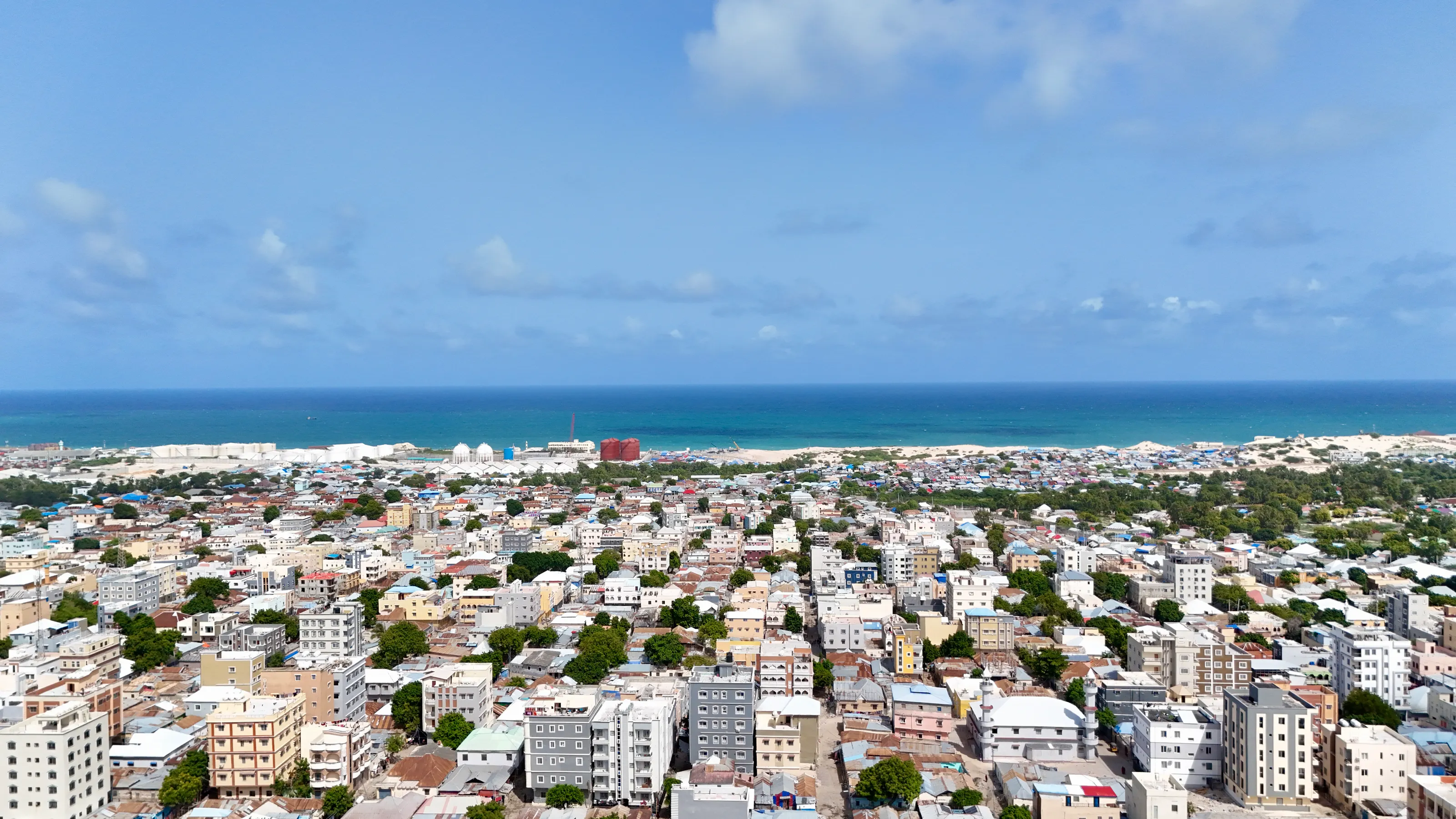
Travel to Somalia: coast, rock art and cities
The longest coastline of mainland Africa, Indian Ocean beaches, an old trading city where Ibn Battuta called in 1331 and the Neolithic rock paintings of Laas Geel: Somalia is a country of coast and memory, to discover when conditions allow. Here is some background before you look at flights to Somalia.
Before reading further: many governments advise against or restrict travel to Somalia, and the situation can change. Check the official advice of your country of departure before considering any trip; this page only presents cultural and natural landmarks.
Somalia at a glance
Capital
Mogadishu
Area
About 638,000 km²
Currency
Somali shilling
Languages
Somali and Arabic
Highest point
Shimbiris
Coast
Over 3,000 km
Continent
Africa
Time zone
UTC+3
Airports covered
1
Why it fascinates
An immense coast, painted shelters and seaside cities
The continent's longest coast
Between the Gulf of Aden and the Indian Ocean, Somalia unrolls more than 3,000 km of shoreline: beaches, dunes and old ports.
Mogadishu, a trading city
In the Middle Ages Mogadishu was a great Indian Ocean trading post, known for its textiles; the 13th-century Fakr ad-Din Mosque keeps its trace.
Laas Geel, Neolithic art
About twenty caves and niches, around ten of them decorated with adorned cattle and human figures: the most important rock-art site of the Horn of Africa.
Milder highlands
In the north, altitude softens the climate: Hargeisa, at about 1,300 m, averages 18 to 24 C through the year.
Highlights
Mogadishu, Laas Geel, Hargeisa and the Gulf of Aden coast
These are the places that give Somalia its reputation for coast, heritage and culture. They are presented as cultural information, landmarks to discover when conditions allow; this page offers no itinerary and no on-the-ground advice.
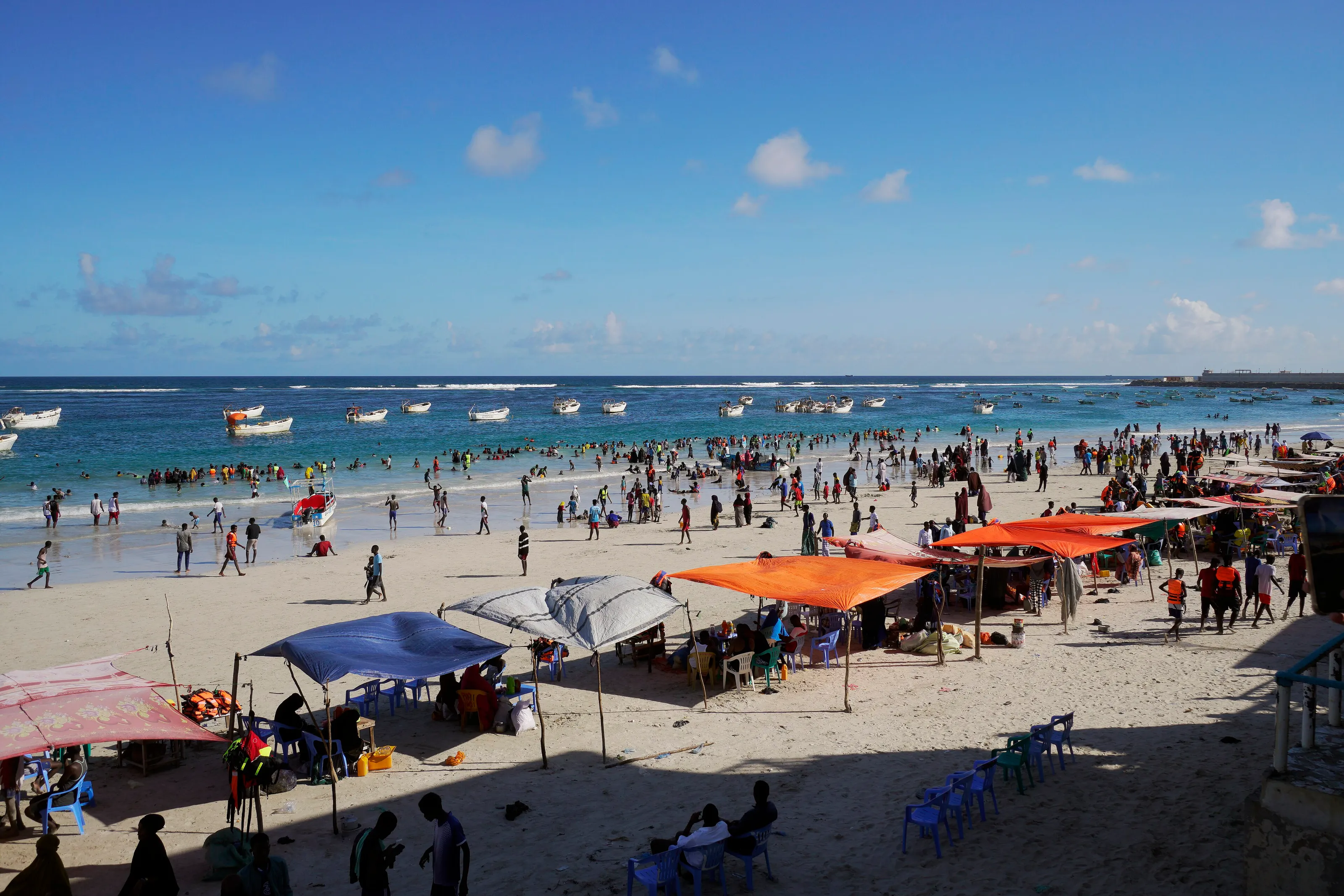
Mogadishu, the Indian Ocean and Lido Beach
On the Indian Ocean, Mogadishu was a great trading port: Ibn Battuta described it in 1331 as an exceedingly large city with wealthy merchants and textiles exported as far as Egypt. The old districts of Hamar Weyne and Shangani and the 13th-century Fakr ad-Din Mosque recall that history. The climate is semi-arid, averaging about 27 C with high humidity; Lido Beach is a well-known coastal landmark.
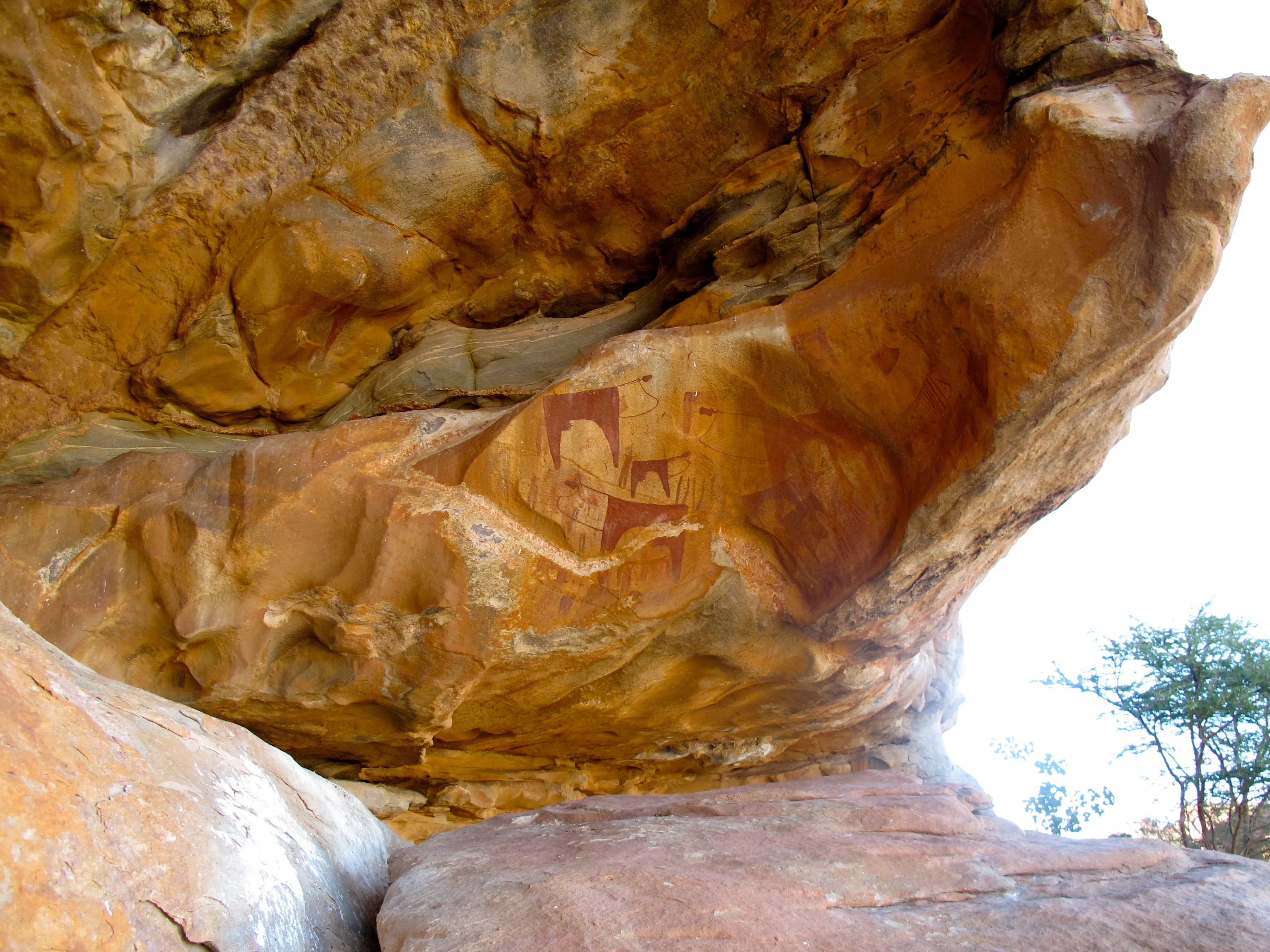
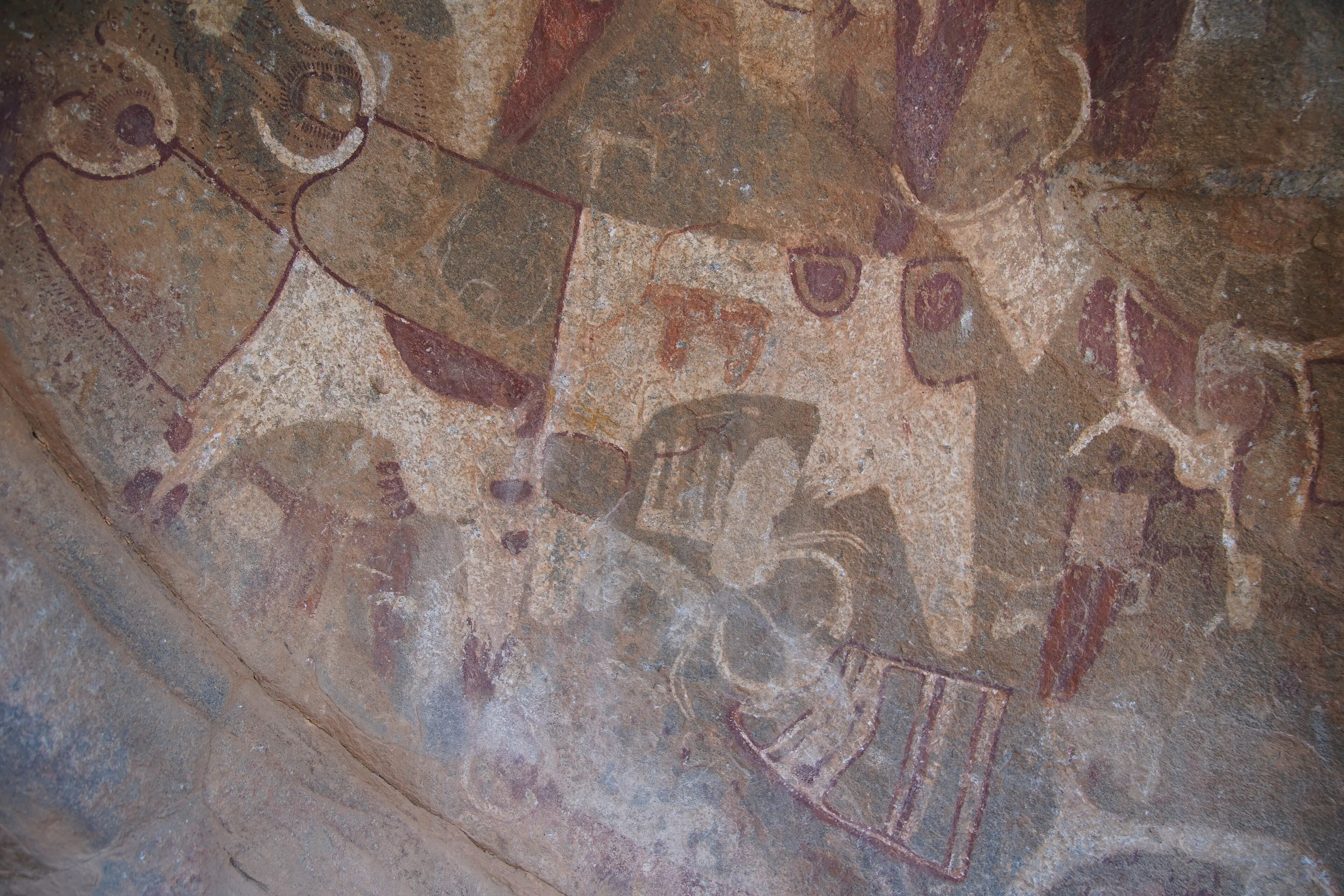
Laas Geel, the painted shelters of the Neolithic
About fifty kilometres from Hargeisa, in the north, Laas Geel is a red granite outcrop with decorated rock shelters, found in 2002 by a French team after local people pointed them out. They show cattle wearing ornaments, figures with arms spread, a domestic dog, canids and a giraffe, in red and yellow ochre, white and black; the paintings are thought to be about 5,000 years old.
Hargeisa and the northern highlands
In a valley of the Ogo mountains, at about 1,300 m, Hargeisa enjoys a semi-arid climate tempered by altitude: about 18 C in December and January, 24 C in June, with rain from April to September. It is a trading hub, surrounded by hills and prehistoric sites such as Laas Geel.
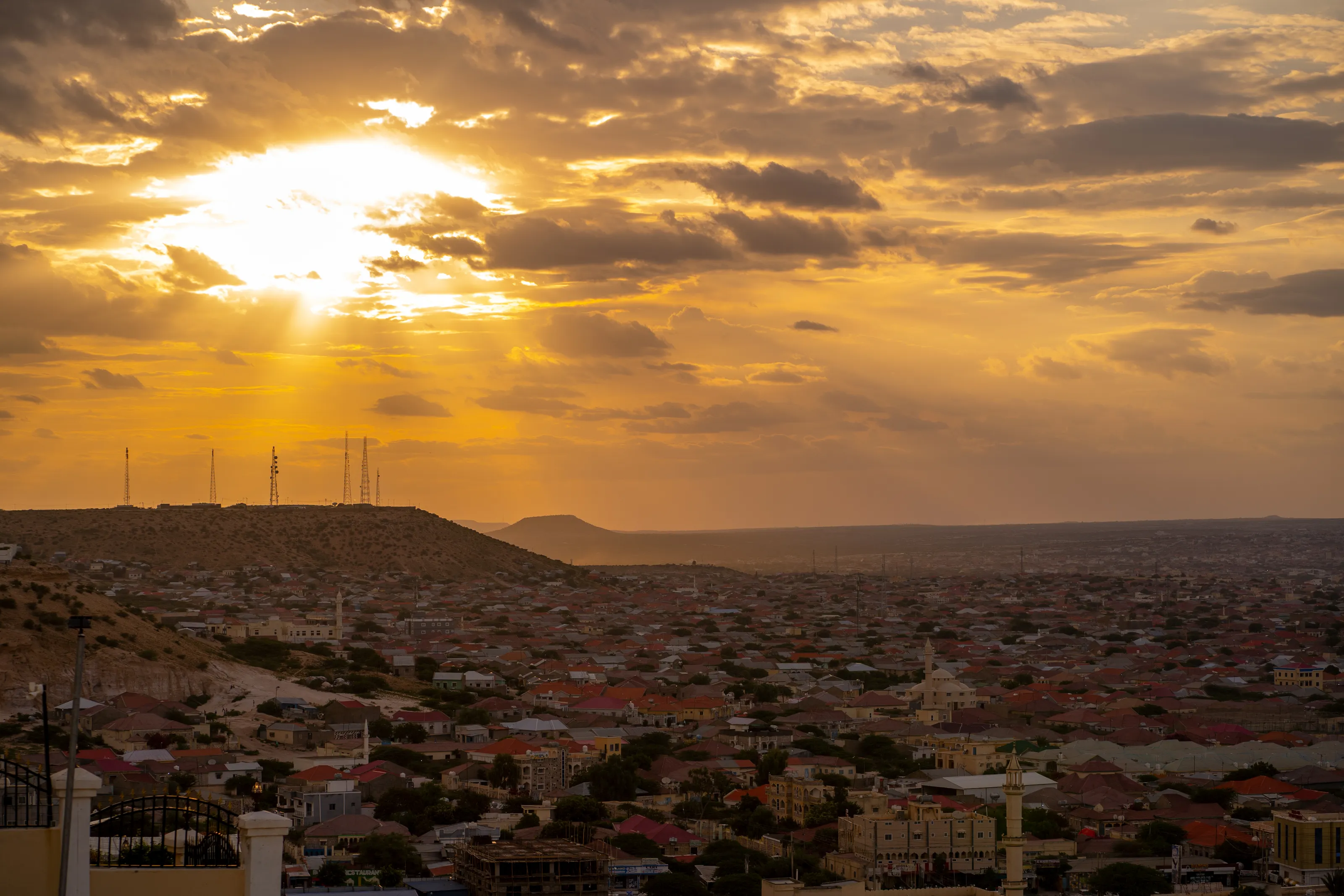
Berbera and the Gulf of Aden coast
On the southern shore of the Gulf of Aden, Berbera has one of the few sheltered harbours on that coast and for centuries was a major exchange point between the interior and merchants from Arabia and India. Summers are very hot, above 40 C; the nearby beaches of Batalale and Bathela have earned it the nickname Beach City.
Before you go
Monsoons, a hot coast and highlands: the climate of Somalia
| Area | Climate | Period often cited |
|---|---|---|
| Mogadishu and the south coast | Semi-arid, hot and humid all year (about 27 C average), about 430 mm of rain. | May to October and December to February, milder |
| Hargeisa and Laas Geel | Semi-arid tempered by altitude, 18 to 24 C on average, rain from April to September. | Drier season, October to March |
| Berbera and the Gulf of Aden | Hot and arid, above 40 C in summer, very little rain. | Winter |
| Interior and south | Arid plains below 100 m, heat all year. | Monsoon periods |
Many governments advise against or restrict travel to Somalia. These climate notes are cultural information only; check your departure country's official advice before considering any trip, and follow it. Entry requirements vary by nationality.
Getting around
A large country, from the shoreline to the highlands
Somalia covers nearly 640,000 km2: arid plains in the centre and south, more mountainous terrain in the north. Travel conditions change and depend on decisions that only the official sources of your country of departure can reliably communicate.
This page offers no itinerary and no on-the-ground advice. It presents the country for what is most precious about it: its coast, heritage and culture, to discover when conditions allow.
Culture and food
Oral poetry, spiced rice and spiced tea
Somali culture is famous for its oral poetry, passed from generation to generation. Mogadishu was a crossroads of Indian Ocean trade, and its cooking carries the mark.
At the table you find bariis, spiced rice, goat or camel meat, sambusas, camel milk and bananas, with spiced tea to go with conversation.
Travel to Somalia
The Somali airport tracked by SniperAir
Aden Adde International
Mogadishu's airport, in the capital. Some services may be suspended or limited: check the situation before any booking.
FAQ
Frequently asked questions about flights to Somalia
Which airport for a flight to Somalia?
SniperAir tracks Mogadishu (MGQ). Some services may be suspended or limited: check with airlines and the authorities before any booking. Other cities have their own airports, not covered.
When is the best time to travel to Somalia?
It depends on the region: in Mogadishu the monsoon periods (May to October, December to February) are milder; in the north the drier season runs from October to March. These are only climate notes.
Is travelling to Somalia expensive?
The budget depends on many factors, and the flight is often a large share. We give no prices or estimates: conditions can change and fares vary widely.
Do I need a visa for Somalia?
A visa is generally required, but conditions vary by nationality and can change. Ask the competent authorities and check the official website of your country of departure.
How long should I plan for?
The length depends entirely on conditions at the time, and SniperAir offers no itinerary. Distances are long; the answer belongs with official sources.
What should I know before going?
Many governments advise against or restrict travel to Somalia, and the situation can change. Check the official advice of your country of departure before considering any trip. This page is cultural information: it does not recommend travelling.
How do I get alerted when a flight to Somalia changes price?
SniperAir monitors flight prices and sends alerts; we do not sell or book any ticket. Create an alert profile with your departure airport if you follow this destination. See how it works.
Follow flight prices to Somalia?
Create an alert and let SniperAir do the rest.
Create my alert