
Travel to Dominica: cheap flights to the Lesser Antilles' Nature Island
Rainforest that runs down to the sea, waterfalls, hot springs, a lake that boils at the bottom of a crater and sperm whales living offshore: Dominica, between Guadeloupe and Martinique, is the Caribbean island for hiking and nature. Not to be confused with the Dominican Republic, a much larger, Spanish-speaking country on another island. Here is what you need to plan the trip, then start watching cheap flights to Dominica.
Dominica at a glance
Capital
Roseau
Area
About 750 km2
Highest point
About 1,450 m
Currency
East Caribbean dollar
Languages
English and creole
Driving
On the left
Continent
North America
Time zone
UTC-4
Airports covered
1
Why visit Dominica
Rainforest, waterfalls, volcanoes and whales
An unspoiled rainforest
Dominica is nicknamed the Nature Island: mountains clad in rainforest, rivers, hiking trails and hot springs. Here you walk more than you tan, through landscapes of intense green.
Waterfalls and clear pools
Emerald Pool, Trafalgar Falls, Middleham Falls: short walks lead to cascades and pools you can swim in. Most can be seen in a day from Roseau.
A UNESCO-listed park
Morne Trois Pitons National Park holds the Valley of Desolation and the Boiling Lake, a crater lake that boils; a long hike for well-equipped walkers, preferably with a guide.
Sperm whales and diving
Sperm whales live in the island's waters all year, and the leeward coast is good for whale watching, snorkelling and diving. Scotts Head in the south is a classic site.
Places to see
Morne Trois Pitons, Trafalgar Falls, Roseau and Scotts Head
Dominica is about fifty kilometres long, and its winding roads mean distances are measured in hours rather than kilometres. Here is a quick tour, from the forest at the centre to the south coast.
Morne Trois Pitons, Emerald Pool and the Boiling Lake
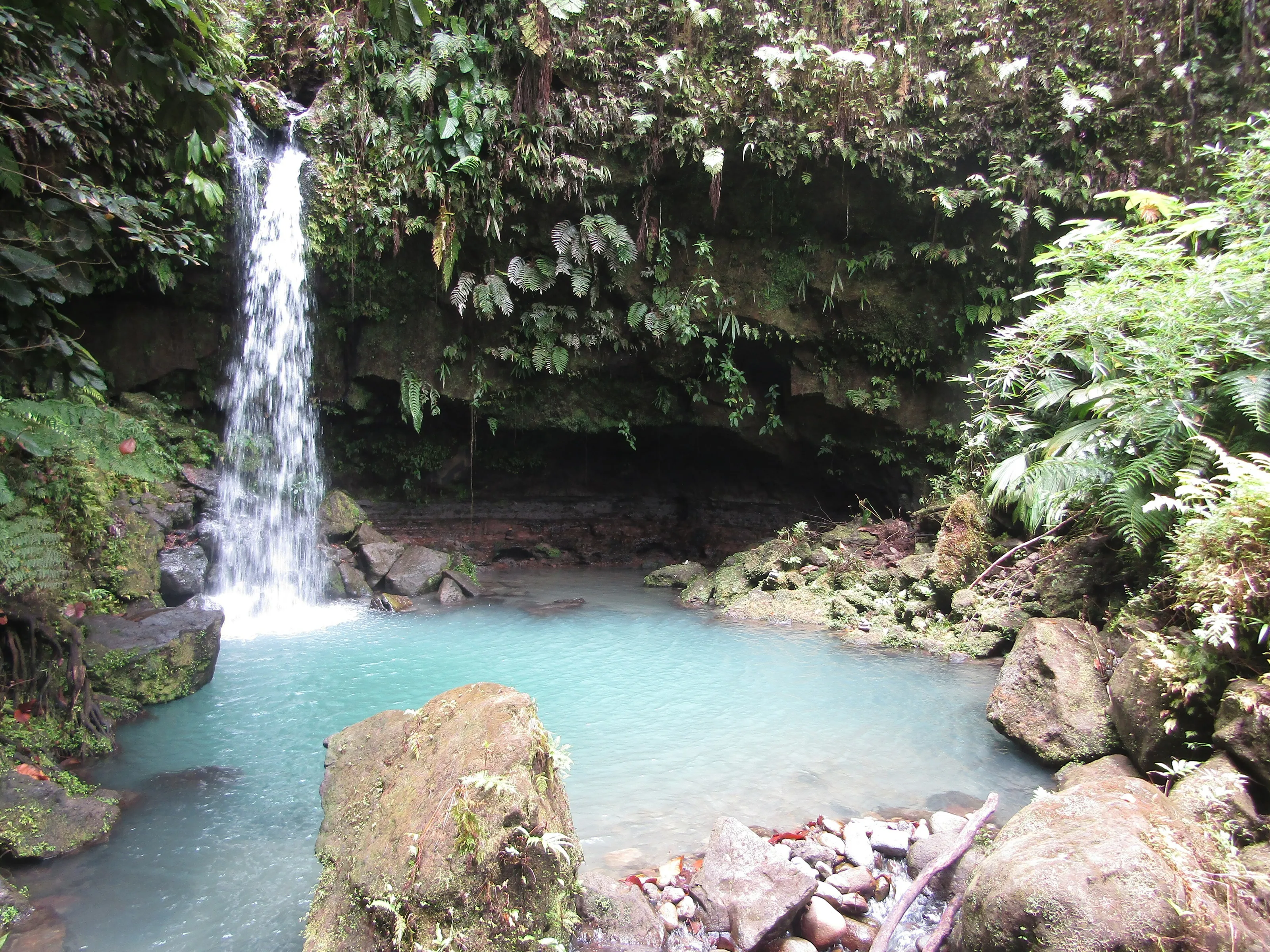
Morne Trois Pitons National Park holds most of the island's wonders: Emerald Pool, a turquoise basin under a waterfall reached by a short trail; the Valley of Desolation with its boiling mud and fumaroles; and the Boiling Lake, the goal of a long hike for experienced walkers. Titou Gorge lets you swim in a narrow rift.
Trafalgar Falls and Wotten Waven
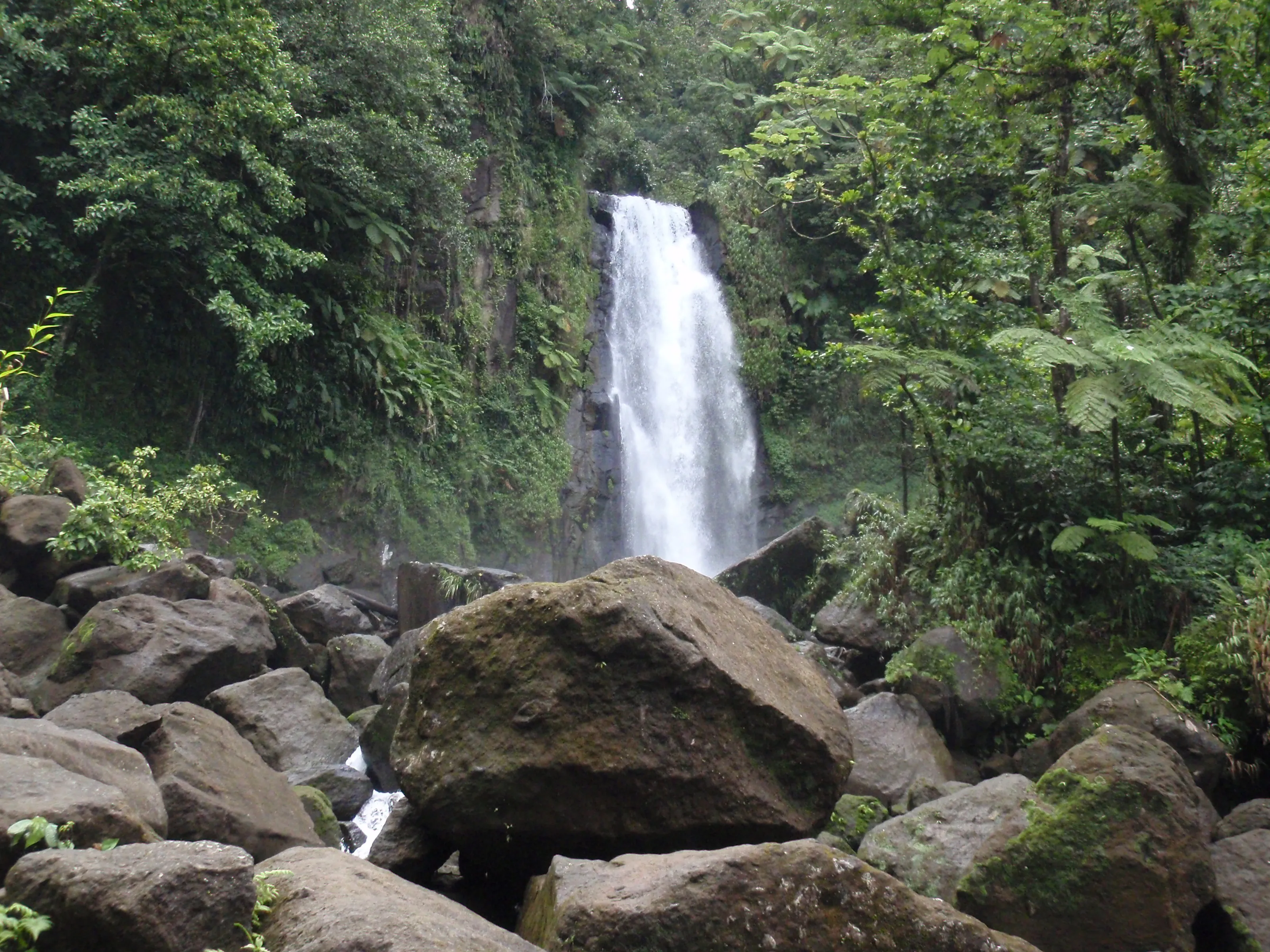
A few kilometres from Roseau, twin waterfalls drop from the forest, reached by a short trail with a viewpoint. Close by, the hot springs of Wotten Waven offer a soak in natural baths after a walk.
Roseau, the capital
Roseau, on the west coast, is a small town of creole houses and a lively market, with a pier where cruise ships dock. It is the gateway to the island: accommodation, guides and excursions to the national park and the coast start here.
Scotts Head and the Waitukubuli Trail
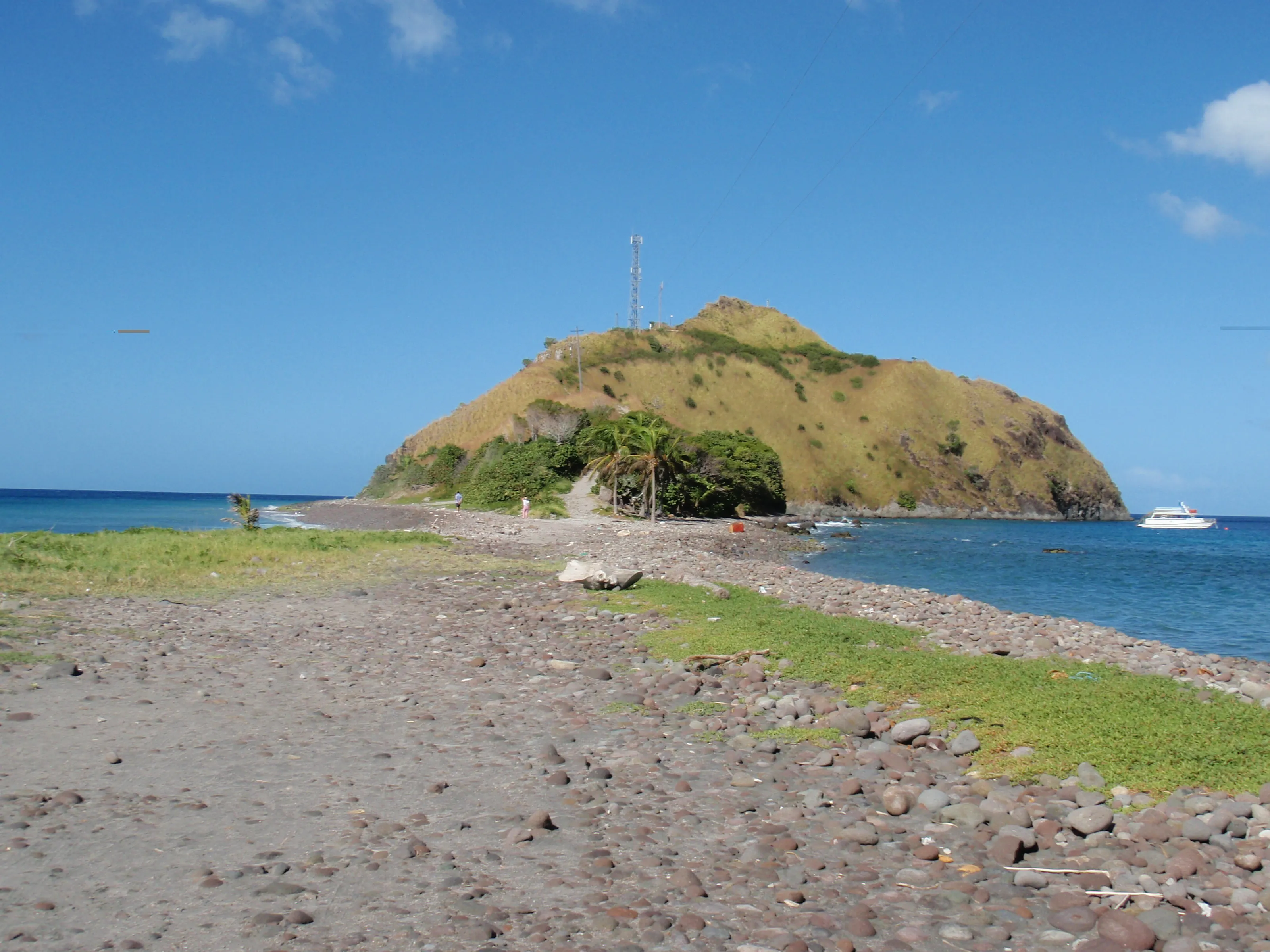
In the south-west, Scotts Head is a fishing village continued by a peninsula tied to the island by a spit of pebbles, with a lighthouse and the ruins of a fort. The bay is part of a marine reserve good for snorkelling and diving; it is also the start of the Waitukubuli National Trail, a 185 km path that crosses the island to the north.
Sperm whales, dolphins and diving
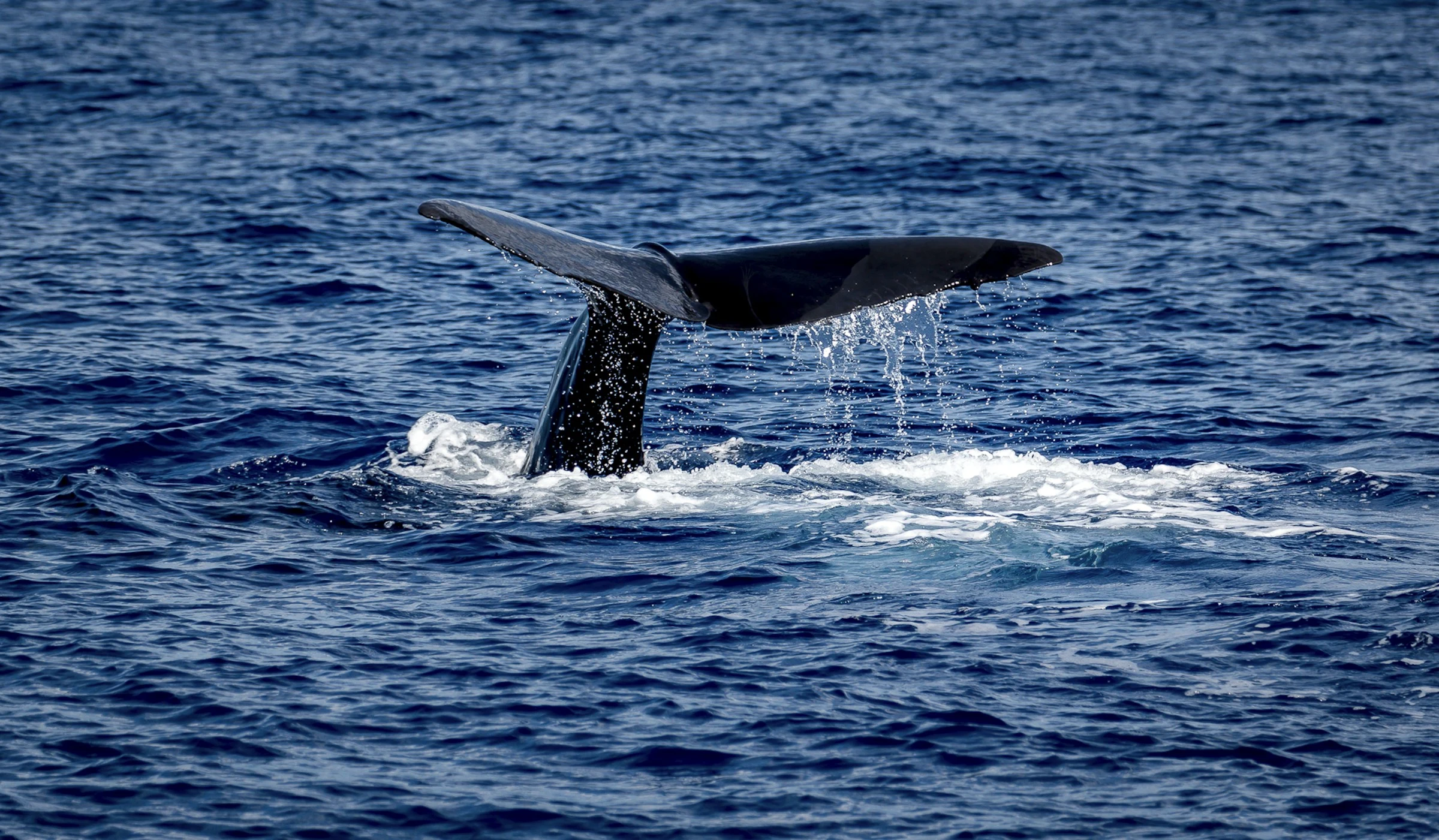
Off the west coast, deep water shelters sperm whales all year, and dolphins are often seen. Whale-watching trips leave from Roseau or coastal villages with local operators. For divers, drop-offs and underwater hot springs make the island's name.
Before you go
Hot and humid all year, with a drier spell
| Area | Climate | Best time |
|---|---|---|
| Roseau and the west coast | Drier and sunnier, on the leeward side. | February to May |
| Morne Trois Pitons National Park | Very humid, muddy trails; rain gear essential. | February to May |
| Scotts Head and the south | Seas often calm in the bay; easy snorkelling. | February to May |
| Whale watching | Sperm whales present all year; trips in calm seas. | November to March, but possible all year |
The climate is humid tropical, moderated by the north-east trade winds: roughly 26 to 32 C by day depending on the season, with very heavy rain on the windward coast and in the hills, less on the west coast. The hurricane season runs from June to November; Hurricane Maria devastated the island in 2017. Check forecasts, keep your dates flexible and consider travel insurance. Dominica sets its own entry rules, with an online immigration form: check the official conditions for your nationality.
Getting around
Rental cars, taxis, buses and guides
Roads are narrow, winding and steep, and traffic drives on the left. Many visitors prefer taxis or guides who know the trails and the timing. A rental car is possible on a temporary local licence (check this); allow more time than you expect for every journey.
Minibuses link Roseau with the main villages. For the Boiling Lake and long hikes, a guide is strongly advised. The Waitukubuli National Trail is split into fourteen segments, and visitors need a trail pass.
Food and culture
Creole food, music and the Kalinago people
The table is creole: fresh fish, root vegetables and bananas, garden produce, fruit juices and local rum. The World Creole Music Festival and the Mas Domnik carnival punctuate the year and celebrate the island's culture, where a French-based creole is spoken alongside English.
The Kalinago Territory in the east recalls the island's first inhabitants, who called it Wai'tu kubuli, 'tall is her body'. The island passed from French to British rule before independence in 1978; Hurricane Maria in 2017 deeply marked its landscape and its people.
Travel to Dominica
The Dominica airport covered by SniperAir
Douglas-Charles
On the north-east coast, about forty-five minutes to an hour by road from Roseau. The airport handles regional flights only: travellers usually connect through Antigua, San Juan, Saint Lucia or Barbados, or reach the island from Guadeloupe or Martinique by sea or air.
FAQ
Frequently asked questions about Dominica
Which airport should I use to travel to Dominica?
DOM, Douglas-Charles Airport, on the north-east coast. SniperAir tracks DOM for you. It handles regional flights only, so a connection is almost always needed.
When is the best time to travel to Dominica?
February to May is warm with fewer rainy days. The hurricane season runs from June to November, so keep dates flexible and consider travel insurance. Sperm whales can be seen all year.
Is Dominica expensive?
The budget stays rather moderate: small guesthouses, creole meals, hikes that are free or inexpensive. Guides and boat excursions are the main costs. Watching flights ahead of time helps keep the budget under control.
Do I need a visa for Dominica?
The country has its own entry rules, which depend on your nationality, with an online immigration form. A valid passport is expected. Always check the official conditions before booking.
How long should I spend in Dominica?
Five to eight days lets you combine Roseau, Morne Trois Pitons National Park, the south coast and a whale-watching trip. A keen hiker can stay longer.
Which currency is used in Dominica?
The East Caribbean dollar. Cards work in hotels and restaurants; keep cash for small places, markets and guides.
How do I get alerted when a flight to Dominica drops below my budget?
Create a SniperAir alert with your departure airport and DOM, set your maximum price, and we notify you as soon as a fare falls below it. SniperAir tracks prices and sends alerts. See how it works.
Ready to track prices to Dominica?
Create an alert and let SniperAir do the rest.
Create my alert