
Travel to Papua New Guinea: cheap flights to Port Moresby
The eastern half of New Guinea is the most linguistically diverse country on Earth, with more than 800 languages. People come for the Kokoda Track, the traditional festivals of the Highlands and a 9,000-year-old agricultural site on the UNESCO list. Here is what to know before you go, and how to watch fares to Port Moresby.
Papua New Guinea at a glance
Capital
Port Moresby
Population
~10 million
Area
462,840 km²
Currency
Kina
Languages
English, Tok Pisin, Hiri Motu
Highest point
Mount Wilhelm
UNESCO sites
1
Independence
1975
Airports covered
1
Why visit Papua New Guinea
A country with more than 800 languages
The world's most linguistically diverse country
About 840 languages are recorded, and the constitution protects traditional communities and ways of life. English, Tok Pisin, Hiri Motu and PNG Sign Language are official.
Kuk, a cradle of agriculture
In the Western Highlands, the Kuk site, listed by UNESCO in 2008, preserves drainage ditches about 9,000 years old: one of the few places where agriculture was invented independently.
The Kokoda Track
About 96 km on foot between Owers' Corner and Kokoda village, in the footsteps of the July to November 1942 campaign. The trek takes four to twelve days and needs a permit and a licensed operator.
Birds-of-paradise and wild nature
Birds-of-paradise appear on the national emblem, and the land supports about 5 percent of all known species, across very mountainous terrain.
Regions and places to see
Port Moresby, Kokoda, the Highlands and the Sepik
Port Moresby, the gateway
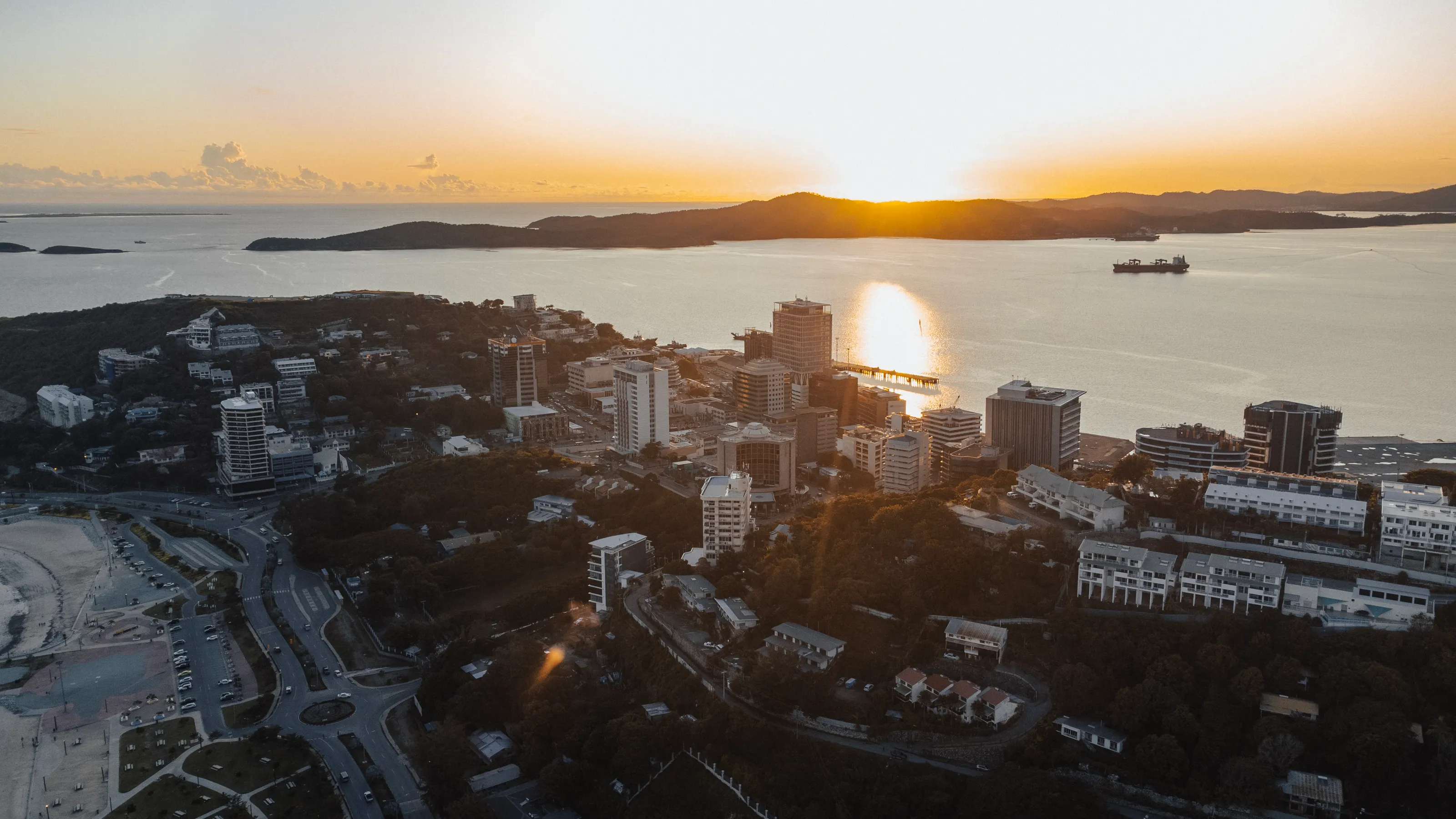
The capital on the Coral Sea was founded after Captain John Moresby sighted the site in 1873. Visit the National Museum, Parliament at Waigani and the National Botanical Garden; nearby are Rouna Falls, Varirata National Park and the Sogeri Plateau. The Hiri Moale Festival is held on Ela Beach.
The Kokoda Track
From Owers' Corner, about 50 km east of Port Moresby, to Kokoda village, the track climbs to 2,490 m at Mount Bellamy. Days are hot and humid, nights cold and rain heavy: serious fitness preparation is needed.
The Highlands
In the Wahgi Valley near Mount Hagen, the Kuk site shows the earliest cultivation, including taro and banana. Mount Wilhelm, at 4,509 m, is the highest point in the country, where nights can freeze.
The Sepik and the coast
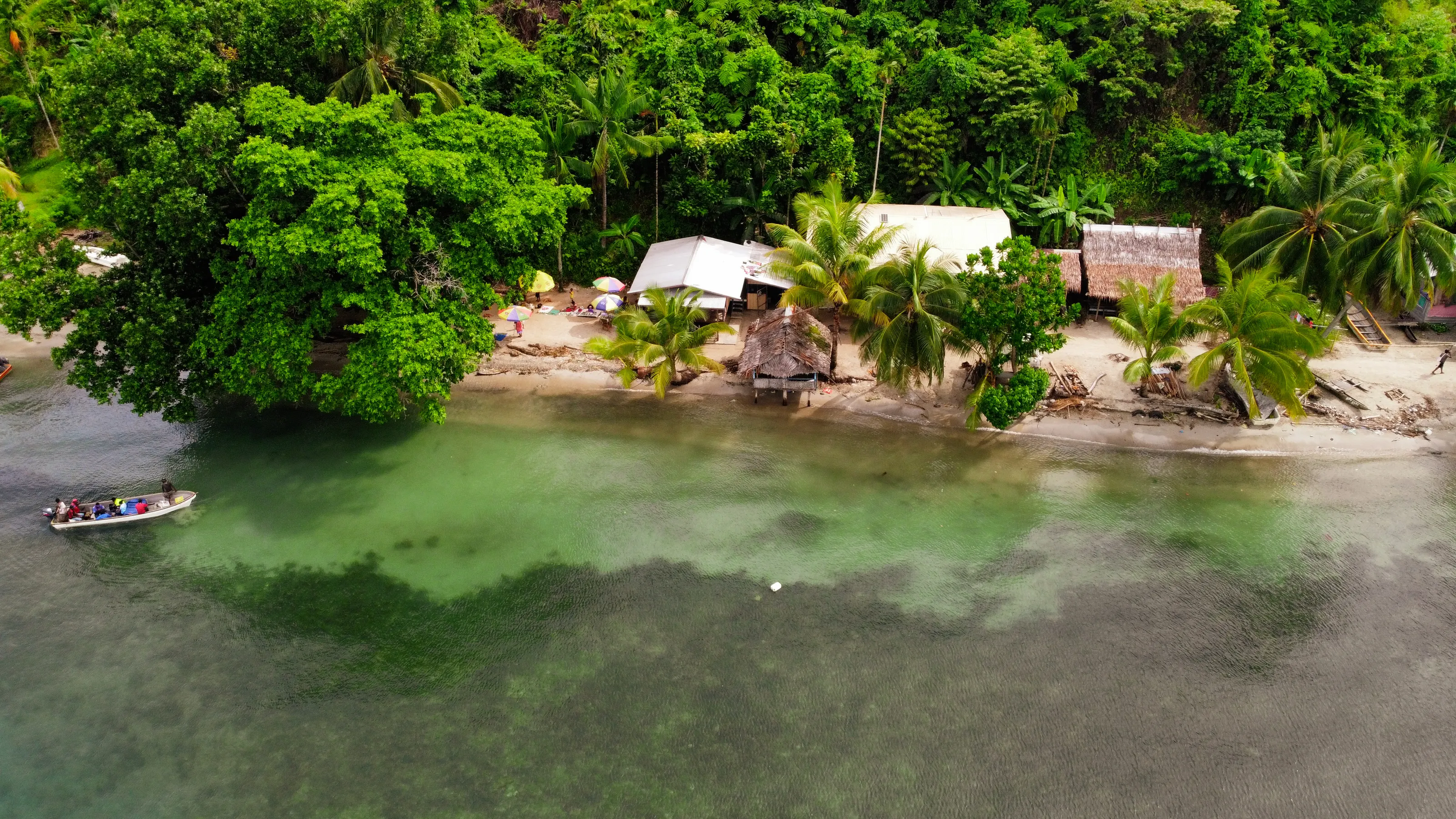
The Sepik is the country's longest river at 1,126 km. On the coast, as at Madang, which receives about 3,100 mm of rain a year, temperatures hover around 30 C day and night.
Culture and local life
Sing-sing, garamut drums and languages
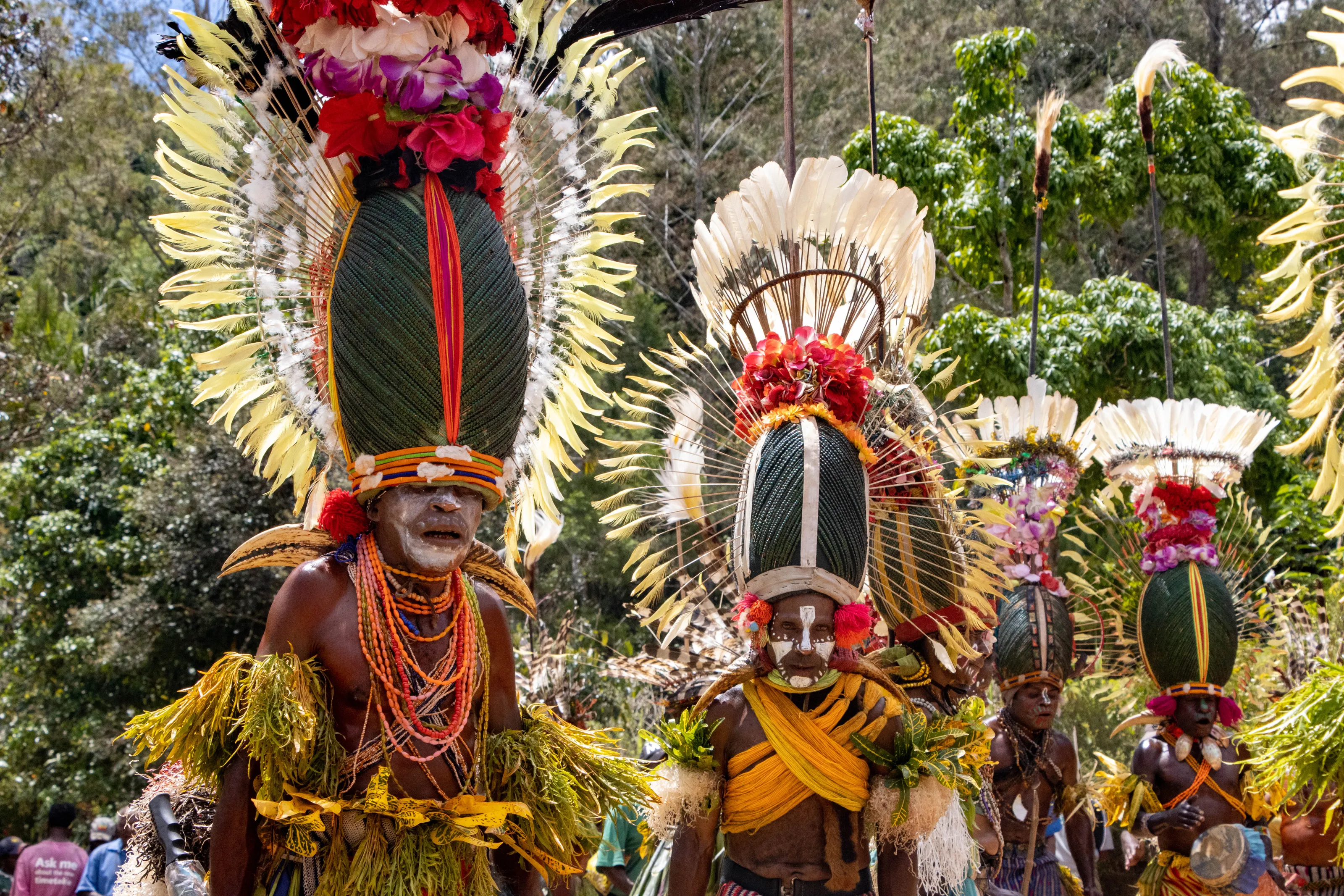
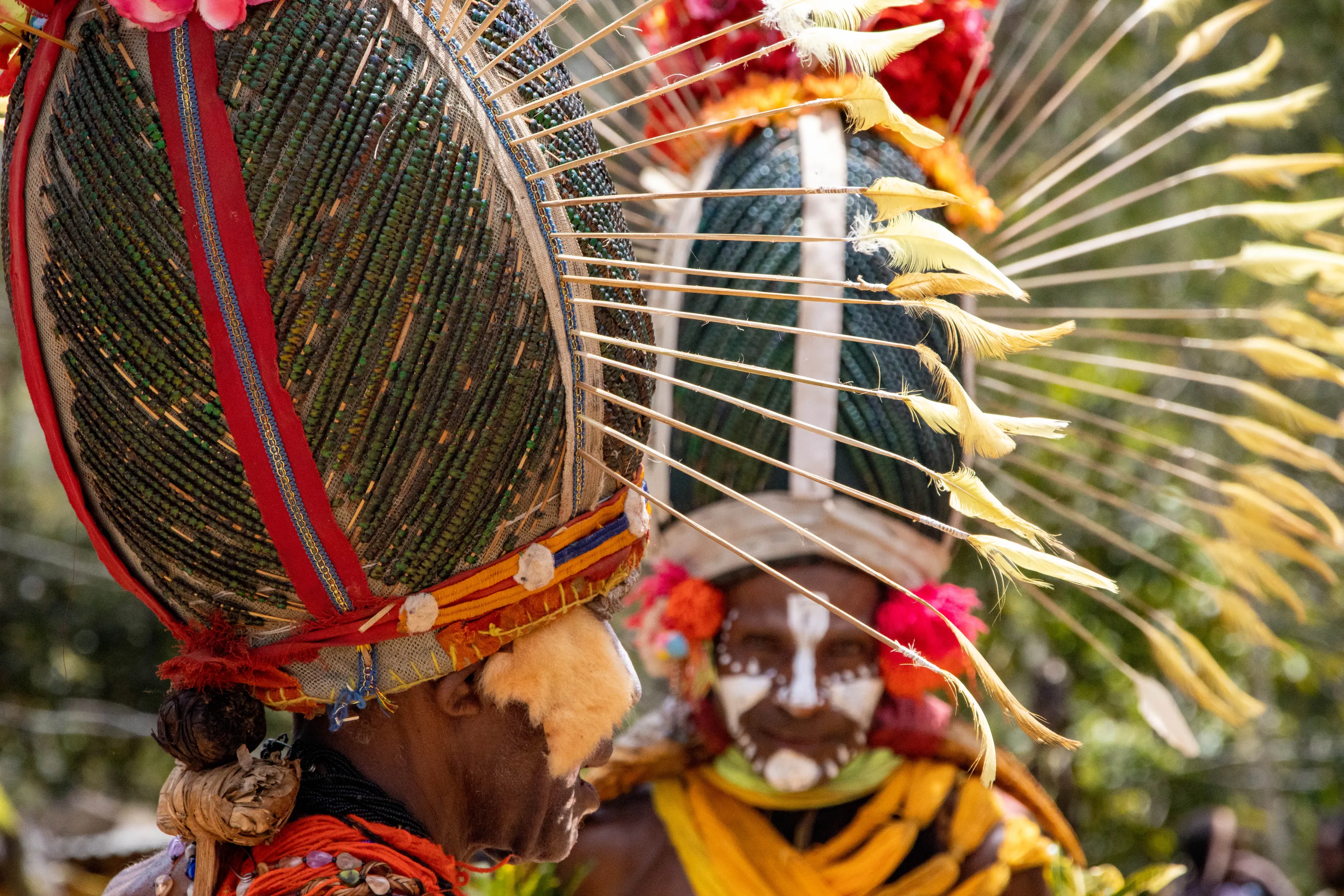
Traditional music is part of rites and village festivals, the sing-sing, where wooden garamut slit drums are beaten. Nearly 40 percent of people live from subsistence farming, and 95.5 percent are Christian according to 2011 figures.
Independence came on 16 September 1975, after self-government in 1973. Bougainville saw a conflict from 1988, ended by a peace agreement in 2001. Distances and the lack of roads between regions mean most visitors travel with local operators.
Getting around
Flights, boats and trails
Very few roads link the country's main areas: you get around mostly by air or boat, so build slack into your plans. Jacksons International Airport in Port Moresby is in Saraga, about 8 km from the centre, with Air Niugini, Qantas and Philippine Airlines.
To combine with other destinations, Australia is the nearest neighbour, and Indonesia occupies the other half of the island of New Guinea. In the Pacific, also look at Vanuatu or Fiji; Honiara in the Solomon Islands is served from Port Moresby.
Before you go
A drier season from June to November
| Area | Climate | Worth knowing |
|---|---|---|
| Port Moresby | Tropical savanna, about 900 mm of rain a year, highs above 29.9 C | Dry season June to November |
| Coasts and lowlands | Hot and humid, about 30 C day and night | Strong humidity, heavy rain |
| Highlands | Cool, with possible frost at night | Pack warm clothes |
| Kokoda Track | Hot days, cold nights, heavy rain | Risk of tropical disease: medical preparation |
The mean lowland temperature is about 24 C according to some sources, and it falls markedly with altitude. Entry depends on your nationality, and we invite you to check your own government's official travel advice before you go.
Travel to Papua New Guinea
The Papua New Guinea airport covered by SniperAir
Jacksons International
In Saraga, about 8 km from central Port Moresby: the country's main international airport, linked to Brisbane, Cairns, Singapore, Hong Kong, Manila and Sydney.
FAQ
Frequently asked questions about Papua New Guinea
Which airport do I fly into for Papua New Guinea?
Jacksons International (POM) in Port Moresby, about 8 km from the centre. It is linked to Australia, Asia and the Pacific, notably by Air Niugini and Qantas.
When is the best time to go?
June to November is the dry season around Port Moresby. The rest of the country stays hot and humid, with variations by region and altitude.
Is Papua New Guinea expensive?
Domestic flights, accommodation and local operators weigh on the budget, and the currency is the kina. Compare offers with our partners before booking.
Do I need a visa for Papua New Guinea?
It depends on your nationality: check entry rules with the authorities before you go, keep a valid passport and check your own government's official travel advice.
How long should I stay in Papua New Guinea?
Allow 10 to 15 days with a local operator, plus four to twelve more days for the Kokoda Track.
How do I get alerted when a flight to Port Moresby drops below my budget?
Create a SniperAir alert with your departure airport and Port Moresby as destination. We watch prices and notify you when an opportunity matches. See how it works.
Ready to watch fares to Papua New Guinea?
Create an alert and let SniperAir do the rest.
Create my alert