
Travel to the Turks and Caicos Islands: cheap flights to Providenciales and Grace Bay
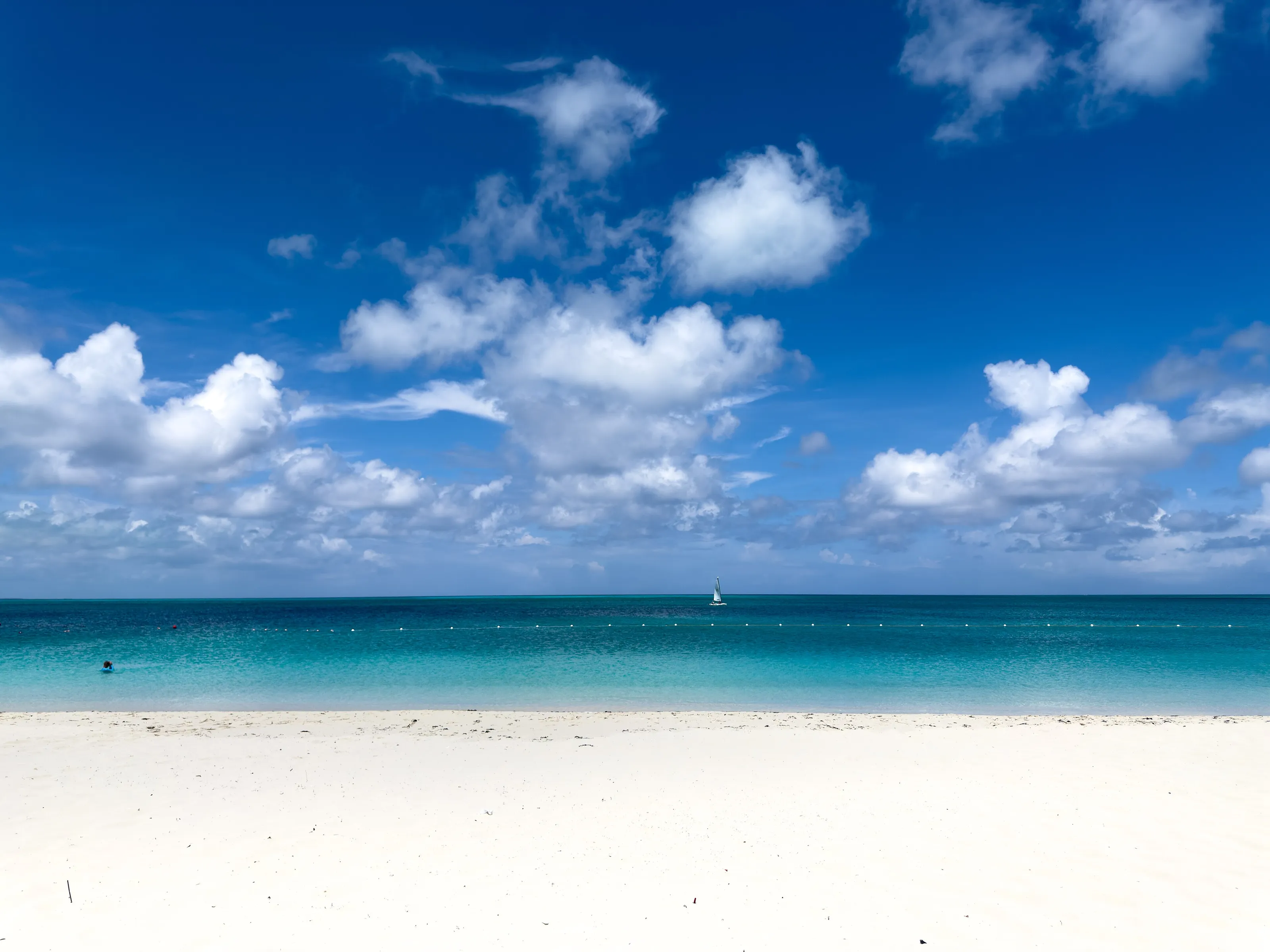
White sand as far as you can see, a sea of an almost unreal turquoise, a lagoon dotted with islets, one of the longest barrier reefs in the world and, in winter, humpback whales passing offshore: the Turks and Caicos Islands are a beach-and-sea destination with a rare calm, south-east of the Bahamas. Here is how to plan a trip, and then how to watch for cheap flights to Turks and Caicos.
Turks and Caicos at a glance
Capital
Cockburn Town
Islands
About thirty
Area
About 430 km2
Currency
US dollar
Language
English
Driving
On the left
Continent
North America
Time zone
UTC-5
Airports covered
1
Why visit Turks and Caicos
White sand, lagoons, reef and whales
White-sand beaches
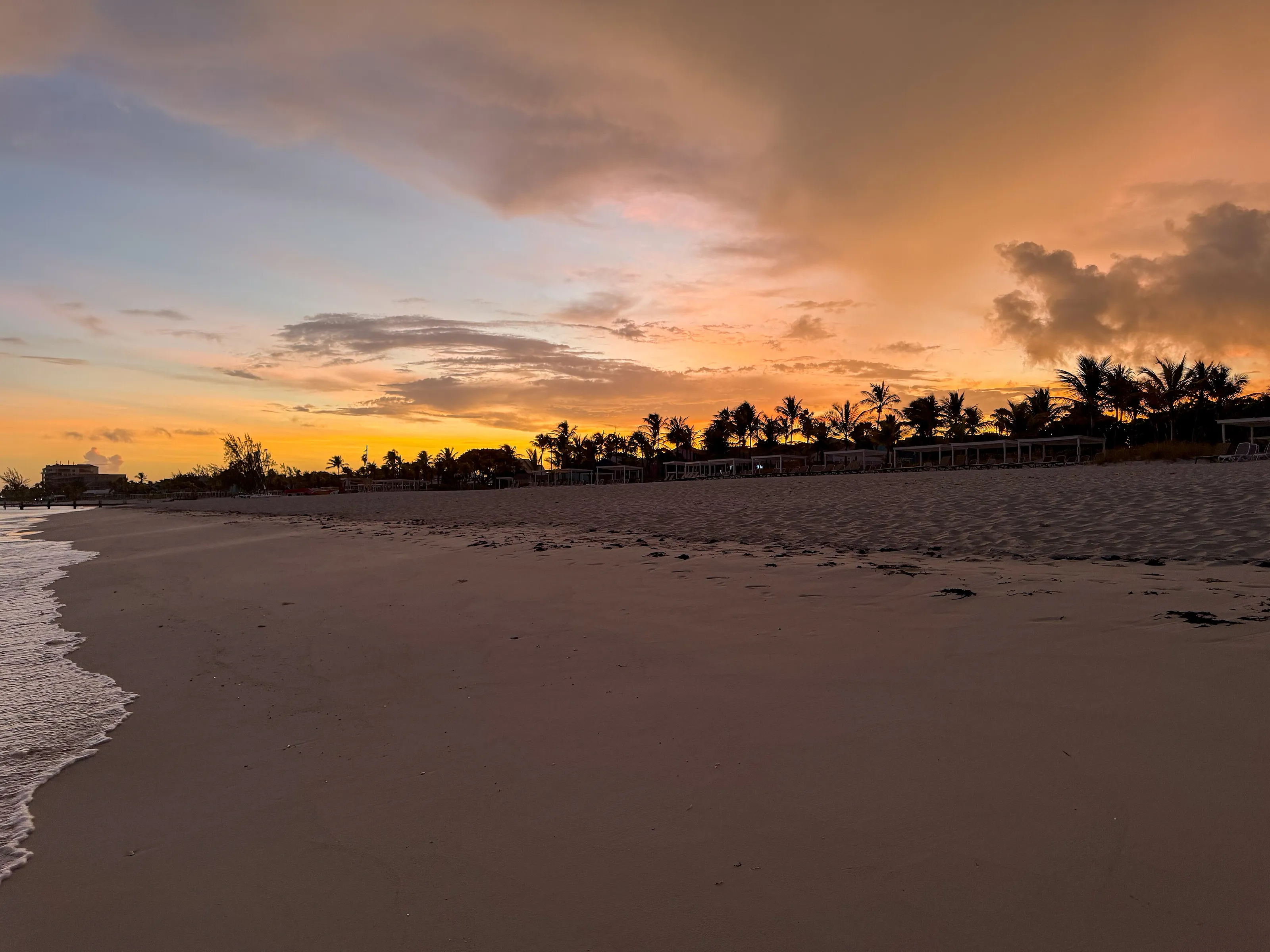
On Providenciales, long beaches of pale sand line a turquoise sea that is often calm. Hotels and restaurants stretch behind, but there is still plenty of room to walk and watch the sunset.
Lagoons and islets
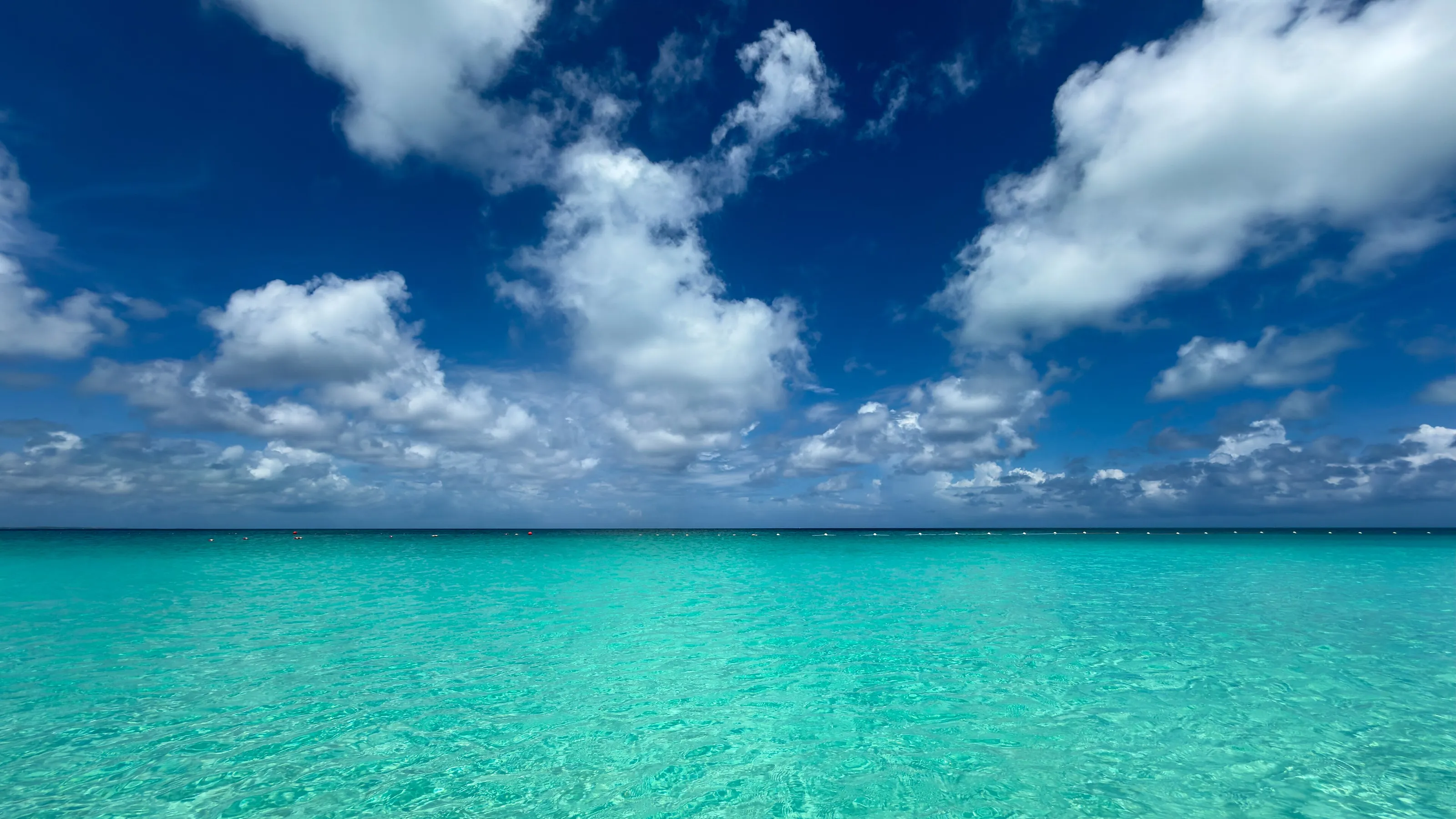
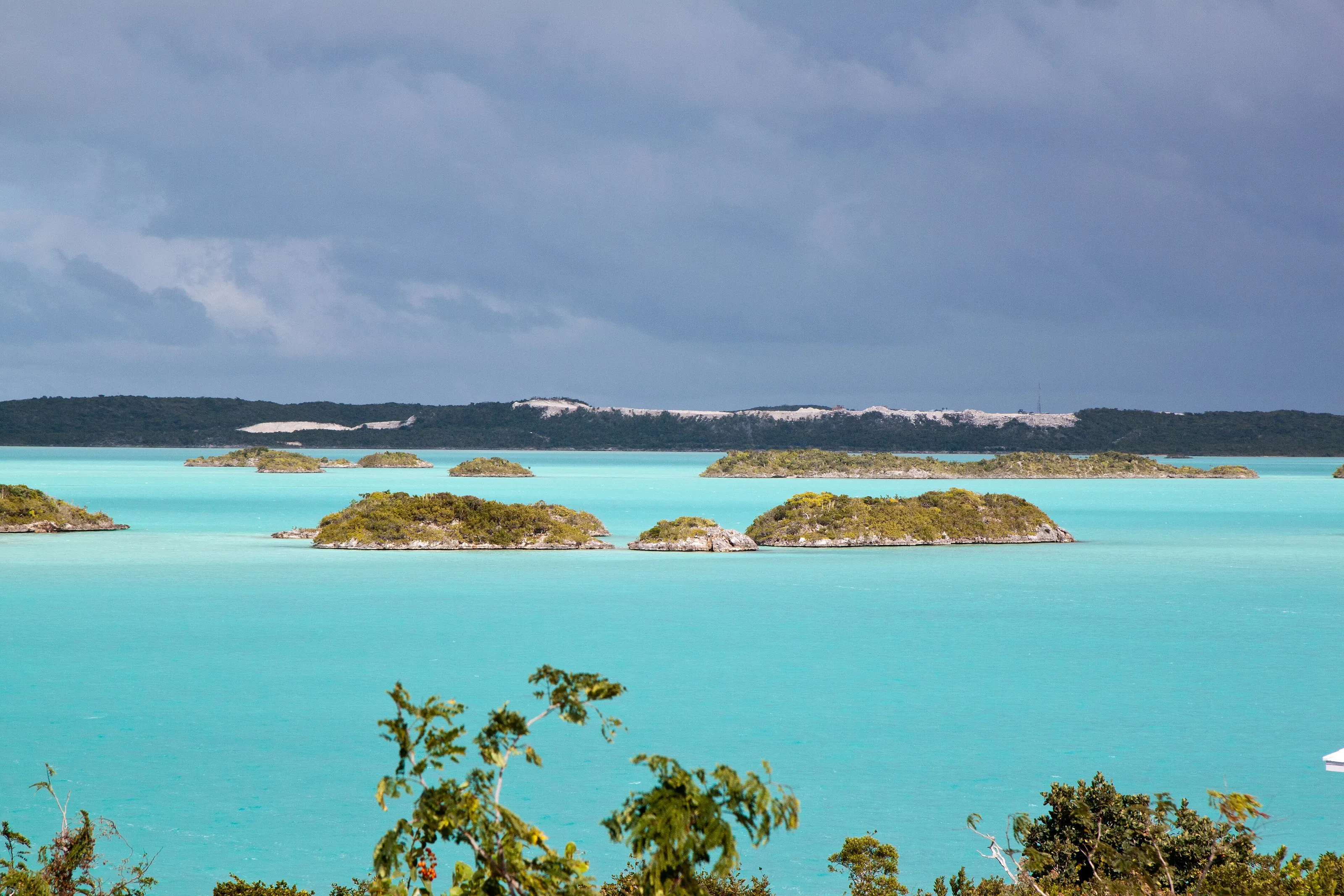
On the south-west of Providenciales, Chalk Sound is a lagoon of intense turquoise dotted with small rocky islets covered in vegetation. You can take it in by car, kayak or boat.
A reef and whales
The archipelago is fringed by one of the longest barrier reefs in the world, ideal for snorkelling and diving. Each winter humpback whales pass through the Turks Island Passage, off Grand Turk and Salt Cay.
Slow-paced islands
Middle Caicos and North Caicos are nearly empty, and Salt Cay keeps the feel of a former salt village: a way to mix resort life with quiet days of discovery.
Where to go
Providenciales, Chalk Sound, North and Middle Caicos, Grand Turk
Most travellers arrive in Providenciales, which has the hotels, restaurants and beaches, then fan out to the other islands by plane, ferry or boat. Here are the places that earn their place, from the beaches to the quietest islands.
Providenciales and its white-sand beaches
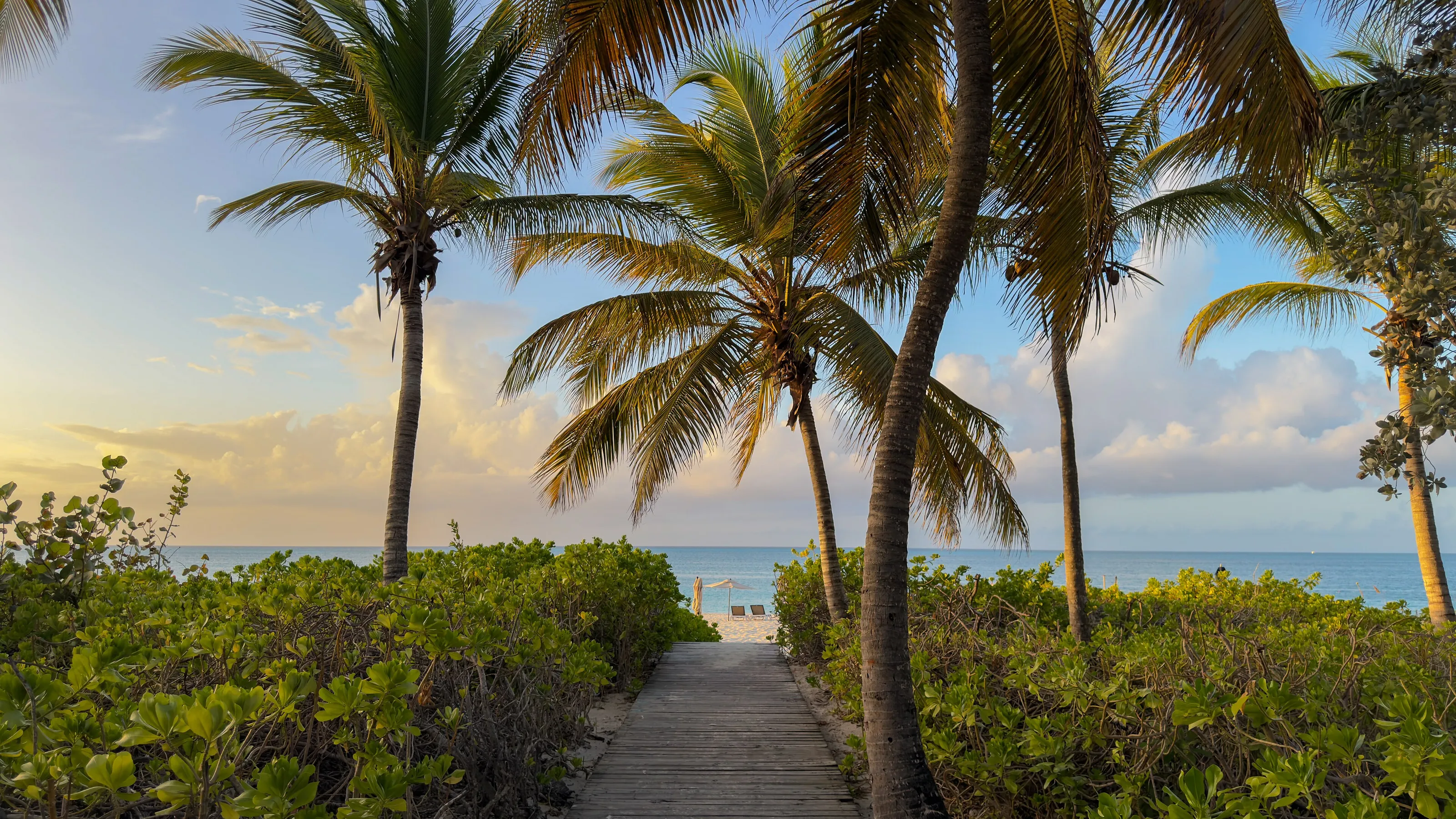
Providenciales is the archipelago's tourism hub. Grace Bay offers a long beach of white sand and turquoise sea, with hotels, restaurants and boat trips. Elsewhere, other beaches stay far quieter, often reached by simple paths between palm trees.
Chalk Sound, the turquoise lagoon
On the south-west of Providenciales, Chalk Sound spreads out vivid turquoise water dotted with rocky, vegetation-covered islets. Viewpoints along the road let you admire it, and the bay can also be explored by kayak or boat for snorkelling.
North Caicos and Middle Caicos
Quieter and very thinly populated, these islands are reached by ferry or small plane from Providenciales. Expect open landscapes, almost empty beaches and caves, such as the Conch Bar caves on Middle Caicos.
Grand Turk and Salt Cay
Grand Turk is home to the capital, Cockburn Town, with its colonial streets and wall dives. Salt Cay, smaller, lived for a long time from salt raking and remains very quiet. Humpback whales pass offshore of both islands in winter.
Reef, snorkelling and diving
The barrier reef around the archipelago is one of the longest in the world. Think snorkelling in shallow water, wall dives near Grand Turk and boat trips to islets such as Little Water Cay, known for its iguanas.
Before you go
Warm all year, with a more pleasant dry season
| Area | Climate | Best time |
|---|---|---|
| Providenciales and Grace Bay | Hot and sunny; steady trade winds, little rain over the year. | December to April |
| Chalk Sound and lagoons | Calm water, best in clear weather. | December to April |
| North and Middle Caicos | Heat and little shade; bring water and sunscreen. | December to April |
| Grand Turk and Salt Cay | Humpback whales offshore in winter. | January to April or so |
Temperatures vary little: in summer they rarely exceed 33 C, and winter nights rarely drop below 18 C. The Atlantic hurricane season runs from June to November: check forecasts before booking, stay flexible on dates and consider travel insurance. The territory has its own entry rules: check the conditions on official sites for your nationality.
Getting around
Rental car, taxis, planes and ferries between islands
On Providenciales, traffic drives on the left. A rental car is the freest way to move between beaches, and taxis and hotel shuttles complete the picture. There is no railway.
For the other islands you take a small plane, a ferry or a boat, depending on the island. Sea excursions (snorkelling, islets, whale watching) are often booked through hotels or local operators.
Culture and food
Salt, conch and Caribbean traditions
The name Caicos is thought to come from the Lucayan caya hico, a string of islands; the Turks Islands owe theirs to a cactus shaped like a cap. The economy long rested on salt, before tourism took over from the 1980s.
At the table, conch is king: fritters, salad or chowder. You will also find lobster, grilled fish, johnnycakes and tropical fruit. The archipelago has the only conch farm in the world.
Travel to the Turks and Caicos Islands
The Turks and Caicos airport covered by SniperAir
Providenciales International
On Providenciales, the territory's main entry point: about ten to fifteen minutes by road from Grace Bay and the main hotels.
FAQ
Turks and Caicos travel FAQ
Which airport should I use to travel to Turks and Caicos?
PLS, Providenciales International, the territory's main entry point. SniperAir tracks PLS for you. The other islands are then a hop away by plane or ferry.
When is the best time to travel to Turks and Caicos?
December to April is warm with little rain. The hurricane season runs from June to November, so keep dates flexible and consider travel insurance. Humpback whales are seen in winter.
Are the Turks and Caicos Islands expensive?
It is a rather upmarket destination, especially in resorts. You can balance it with simpler lodging, local meals and beach days. Watching flights ahead of time helps keep the budget under control.
Do I need a visa for the Turks and Caicos Islands?
The territory has its own entry rules, which depend on your nationality. A valid passport is expected. Always check the official conditions before booking.
How long should I spend in the Turks and Caicos Islands?
Four to seven days is enough for Providenciales. Add two or three days for Grand Turk or for North and Middle Caicos.
Which currency is used in the Turks and Caicos Islands?
The US dollar is the only legal tender. Cards are taken in hotels and restaurants; keep a little cash for small places.
How do I get alerted when a flight to Turks and Caicos drops below my budget?
Create a SniperAir alert with your departure airport and PLS, set your maximum price, and we notify you as soon as a fare falls below it. SniperAir tracks prices and sends alerts. See how it works.
Ready to watch prices to the Turks and Caicos Islands?
Create an alert and let SniperAir do the rest.
Create my alert