
Travel to Romania
Medieval Transylvanian citadels, painted monasteries, Carpathian peaks above 2,500 m, the Danube Delta and lively cities such as Cluj-Napoca and Timișoara: Romania is a big Latin-language country that is still very affordable. This guide covers what to know before you travel to Romania and how to catch cheap flights to Cluj or Timișoara.
Romania in numbers
Capital
Bucharest
Population
~19 M
Area
238,397 km²
Currency
Romanian leu
Language
Romanian
UNESCO sites
Several
Continent
Europe
Time zone
UTC+2
Airports covered
2
Why visit Romania
A big Latin country, from the Carpathians to the Black Sea
Medieval Transylvania
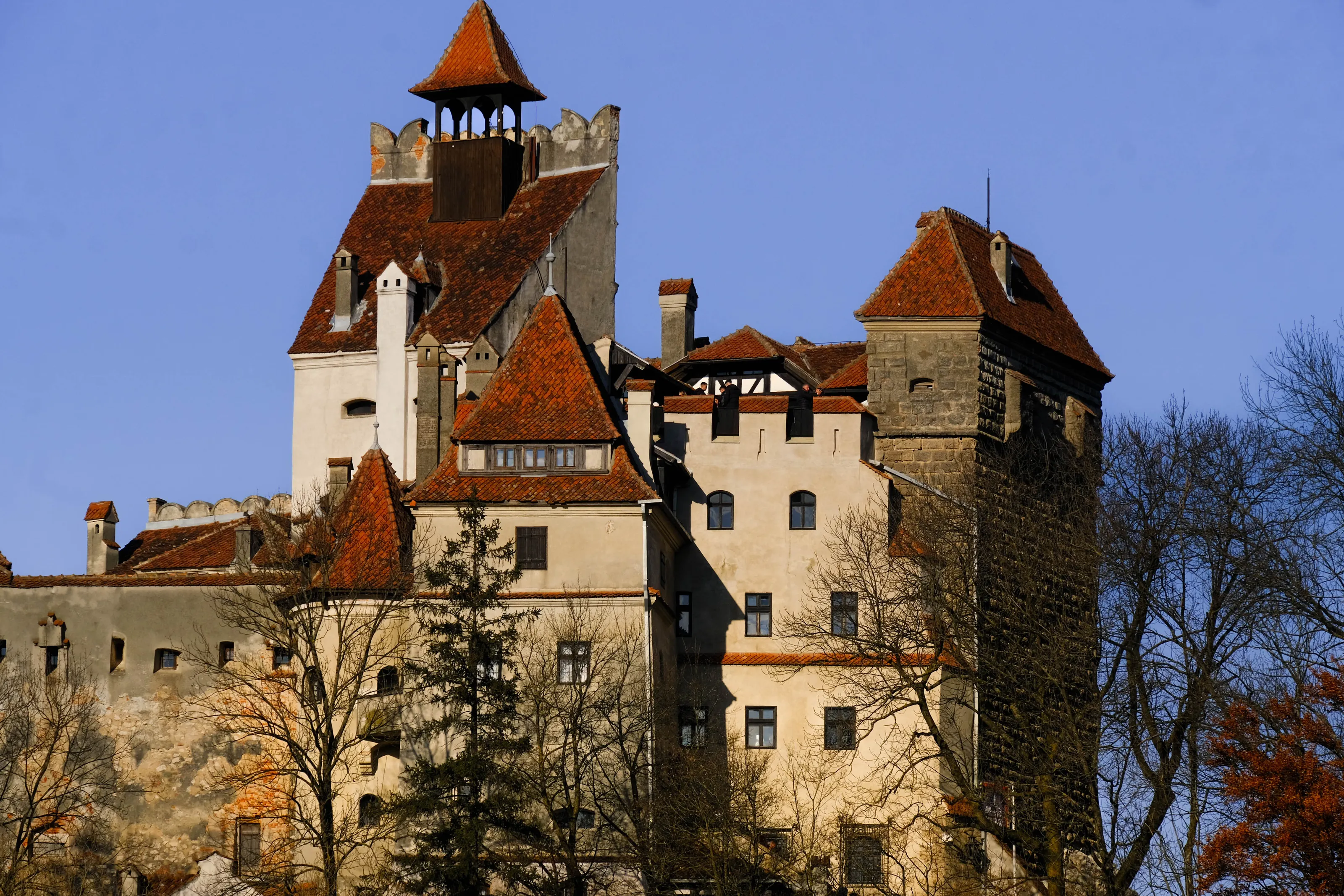
Brașov's medieval downtown, Bran Castle, Sibiu, European Capital of Culture in 2007, and Sighișoara, the last inhabited medieval citadel in Europe according to Wikivoyage: fortified churches and citadels are on UNESCO's list.
The Carpathians and their roads
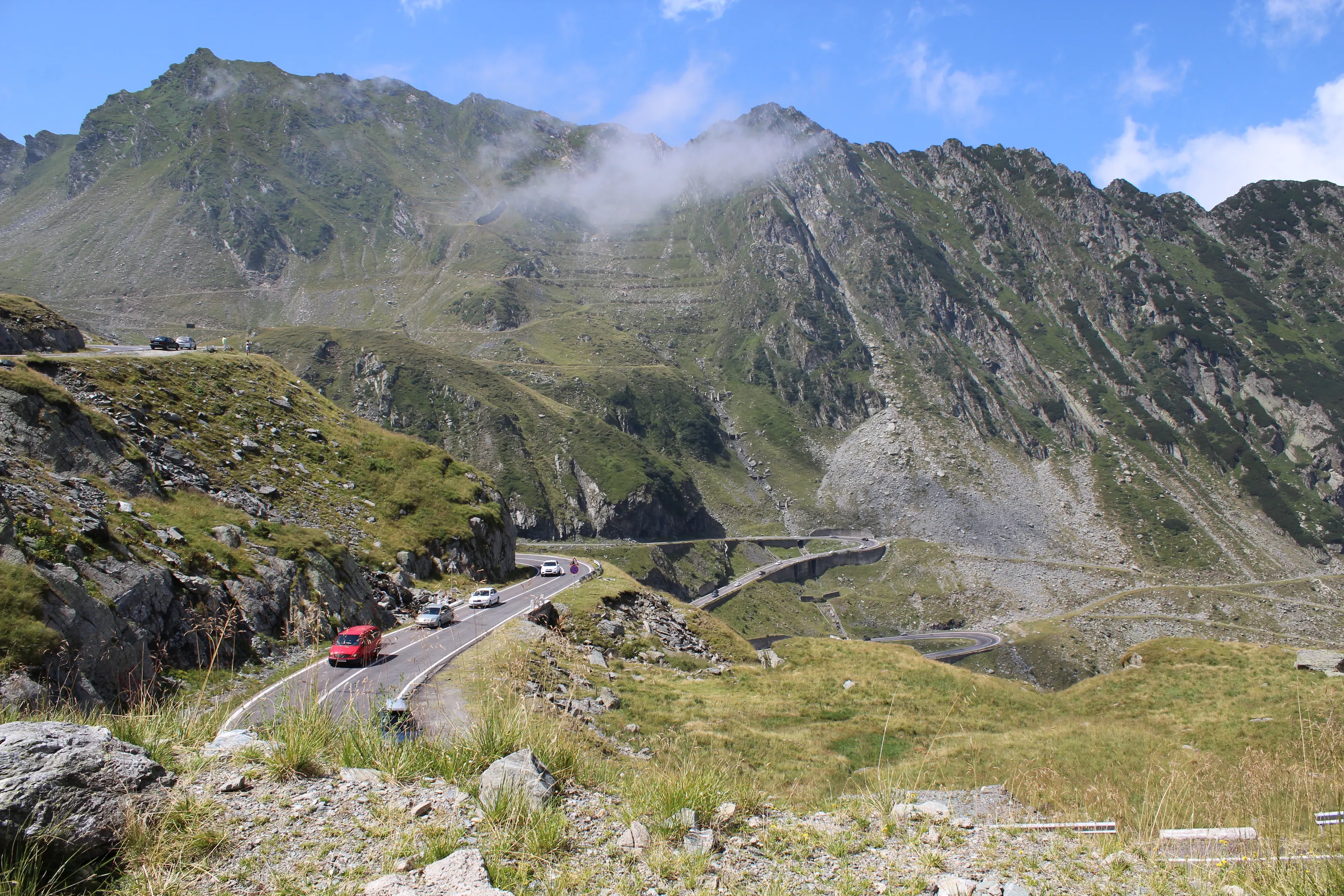
Fourteen mountain ranges rise above 2,000 m, the highest being Moldoveanu at 2,544 m. The Transfăgărășan road is billed by Top Gear as the best road in the world, and the Transalpina climbs to 2,145 m.
The Danube Delta and the Black Sea
The second-largest and best-preserved delta in Europe, the Danube Delta covers 5,800 km² of wetlands, a biosphere reserve and World Heritage site; the Black Sea offers Constanța and the resort of Mamaia.
Young cities and modest prices
Cluj-Napoca, a big university city, and Timișoara, European Capital of Culture in 2023, mix cafés, parks and Austro-Hungarian architecture at prices well below Western Europe.
Signature places
Bucharest, Transylvania, Cluj-Napoca, Timișoara and the Delta
Romania is vast: it is better to pick one or two regions than to chain everything. The two airports we track open the door to Transylvania and the Banat.
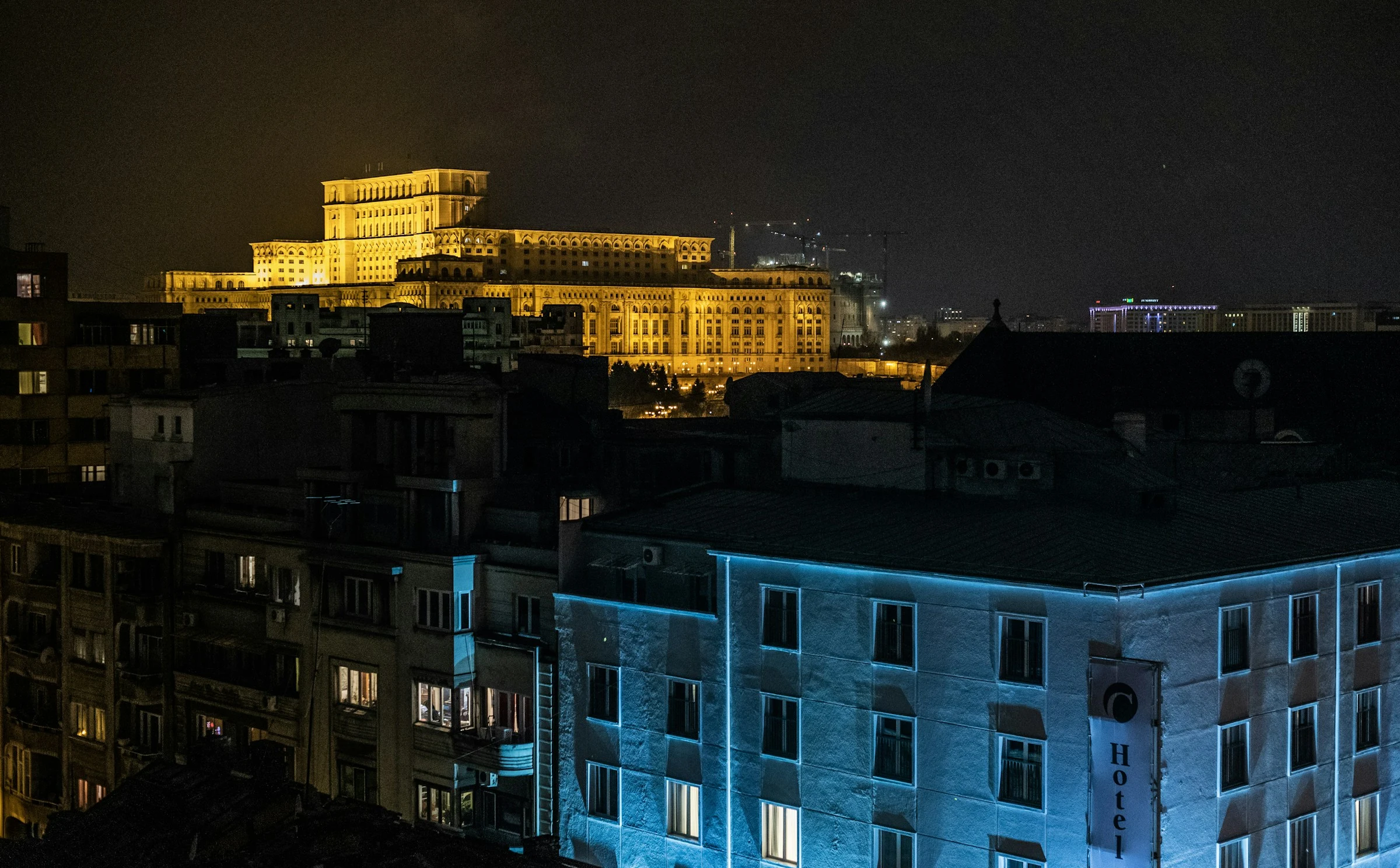
Bucharest, a monumental capital
The Palace of the Parliament, built under Ceaușescu, is described as the world's second-largest building after the Pentagon and overlooks older neighbourhoods. The old town has been revamped, and the visit can add Herăstrău Park with the Village Museum, the Arch of Triumph and the Romanian Athenaeum.
Transylvania: Brașov, Sibiu, Sighișoara
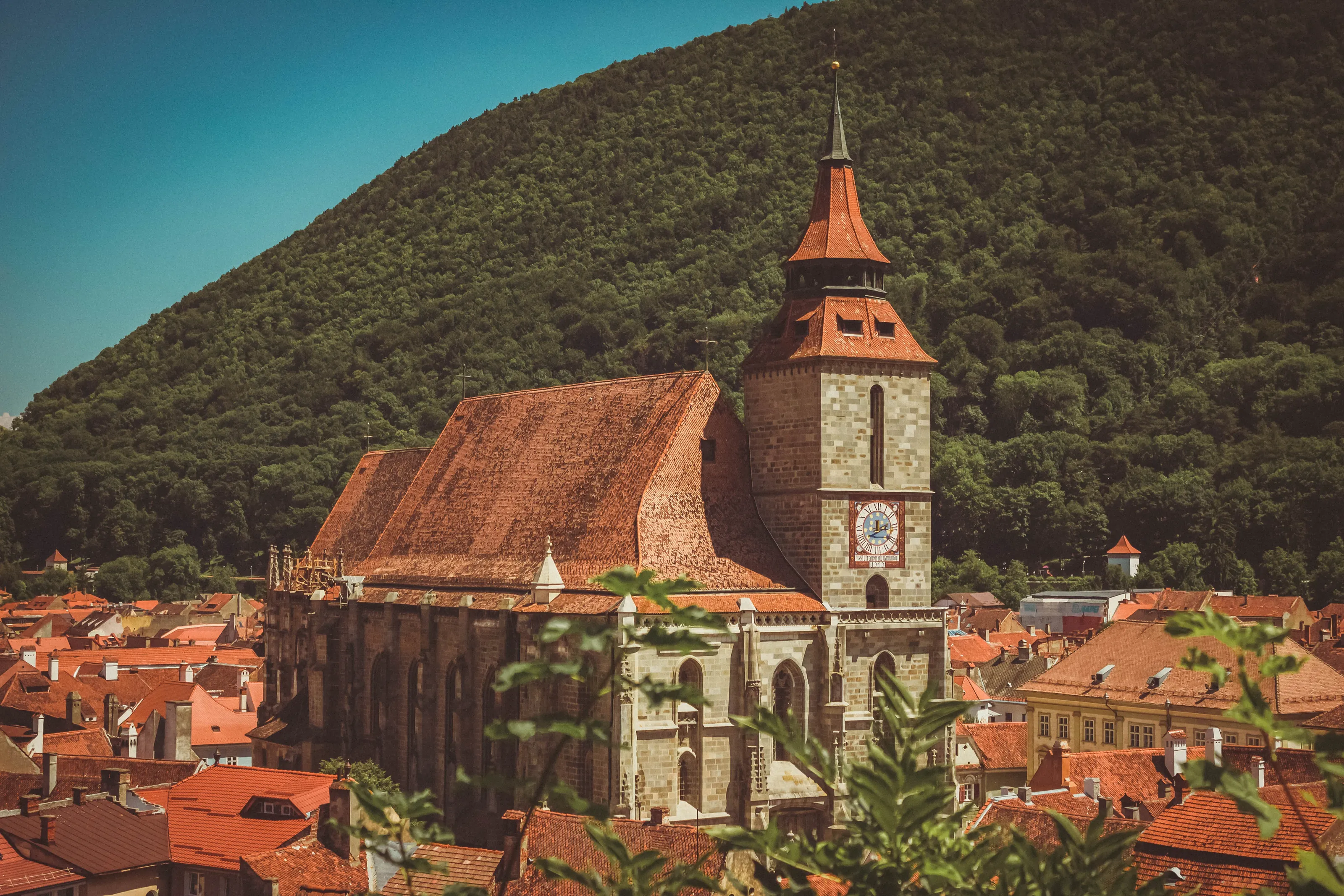
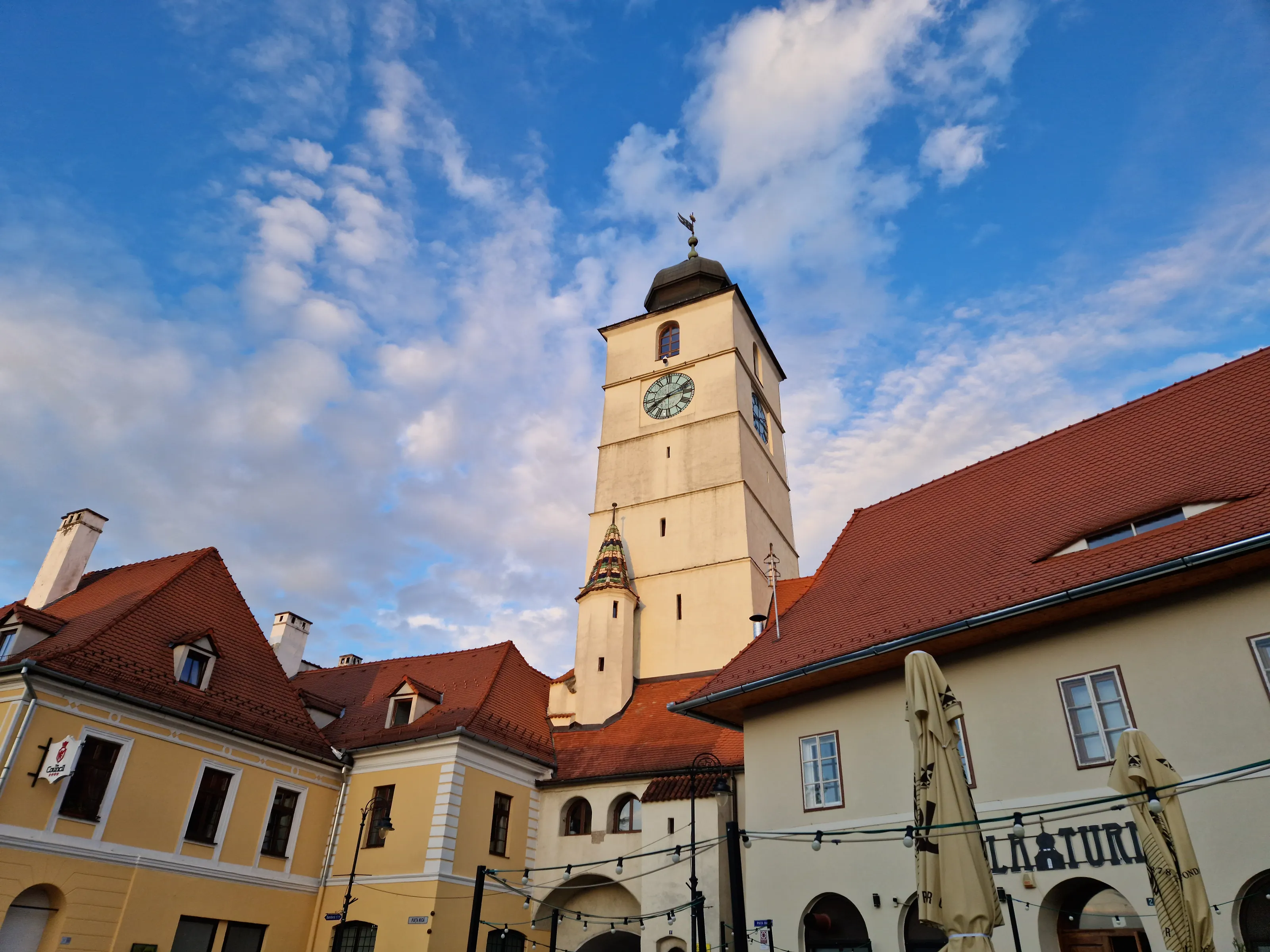
Brașov offers a well kept medieval centre with the Râșnov fortress and Bran Castle nearby. Sibiu has the best-preserved historic sites in the country, and Sighișoara's inhabited citadel is among the best preserved in Europe.
Cluj-Napoca, the Transylvanian capital
The second city, with 286,598 inhabitants in 2021, Cluj-Napoca revolves around one of Europe's largest universities. Visit Union Square with the Gothic St Michael's Church and its 50 m neo-Gothic tower, the National Art Museum and a 14-hectare Botanical Garden; the Turda salt mine is 40 minutes away by bus.
Timișoara and the Banat
Capital of the Banat with 250,849 inhabitants in 2021, Timișoara was European Capital of Culture in 2023. The 1989 anti-communist revolution began here, and in 1884 it was one of the first cities in Europe with electric street lighting. Known as the "City of Parks", it brings together Baroque and Secession buildings around Victory and Union Squares.
Bukovina, Maramureș, the Delta and the Black Sea
Further afield: the painted monasteries of Bukovina from Suceava, the wooden churches of Maramureș, Danube Delta boat trips to see pelicans and cranes, and the Black Sea coast.
Getting around
Long distances: train, road and domestic flights
The second-largest country in Central Europe after Poland according to Wikivoyage, Romania means long journeys. Trains suit Brașov, Sighișoara, Oradea and Cluj-Napoca; only three highways link Bucharest with the sea and the north, and road quality is a weak point.
From Cluj, trolleybus 5, bus 8 and an express line link the airport with the centre. Keep belongings close at stations and on crowded transport, and prefer official taxis or ride-hailing apps.
Before you go
Four regions, four seasons
| Region | Climate | Best time to visit |
|---|---|---|
| Bucharest and Wallachia | Hot summers with maximums averaging 28 °C and spells above 35 °C, cold winters | May to September; December for Christmas markets |
| Transylvania (Cluj, Brașov, Sibiu) | Continental, snowy winters, pleasant summers | June to September; December to March for skiing |
| Banat (Timișoara) | Continental, hot summers | May to September |
| Danube Delta and Black Sea | Milder winters on the coast, summers around 25 °C | May to September |
Romania has been in the EU since 2007 and in the Schengen area since 2025, but still uses the leu rather than the euro. Rainfall is around 570 mm a year in Bucharest.
To combine several countries in the region, see also Bulgaria and Poland.
Food
Sarmale, polenta and Romanian wine
Romanian food mixes Balkan and Central European influences. Sarmale (stuffed cabbage leaves) are the emblematic dish, alongside ardei umpluți (stuffed peppers), mămăligă (polenta) and bulz, roasted polenta filled with cheeses, bacon and sour cream.
You will also find friptură (steak) and salată de boeuf, and Romanian wine is one of the country's assets.
Flying to Romania
The Romanian airports SniperAir covers
Avram Iancu Cluj International (Cluj-Napoca)
East of the city, trolleybus 5 and bus 8 reach the centre; Wizz Air flies in from many European cities.
Timișoara Traian Vuia International (Timișoara)
In the north-east of the city, a Wizz Air base and the gateway to the Banat.
FAQ
Frequently asked questions about Romania
What is the best airport to fly into for Romania?
It depends on the region: Cluj-Napoca (CLJ) for Transylvania, Timișoara (TSR) for the Banat and the west. SniperAir tracks both.
When is the best time to travel to Romania?
May to September for cities, the Black Sea and the Delta; June to September for the mountains; December to March for skiing and Christmas markets.
Is Romania expensive?
No: prices are low for Europe, with Bucharest and Cluj a little pricier, and cards are accepted in cities. The currency is the leu.
Do I need a visa for Romania?
Romania has been part of Schengen since 2025: EU citizens need only an ID card or passport, and visa-exempt visitors can stay up to 90 days in 180.
How long should I spend in Romania?
Three days for a city such as Cluj-Napoca or Timișoara, seven to ten days for a Transylvania circuit, twelve with Bukovina, the Delta or the sea.
Can I visit Bran Castle from Brașov?
Yes: Bran Castle and the Râșnov fortress are close to Brașov, in the heart of Transylvania.
How do I get alerted when a flight to Romania drops below my budget?
Create a SniperAir alert profile with your departure airport and Cluj or Timișoara as your destination: we track prices for you and notify you the moment a deal matching your criteria appears.
Ready to track prices to Romania?
Create an alert and let SniperAir do the rest.
Create my alert