
Travel to Singapore
A city-state one degree north of the equator, where the Supertrees of Gardens by the Bay stand near the temples of Chinatown, hawker stalls serve street food all day and a beach island lies a few metro stops from downtown. Here is what to plan before you look for cheap flights to Singapore.
Singapore in numbers
Status
City-state
Population
About 6 M
Area
~730 km²
Currency
Singapore dollar
Languages
English, Malay, Mandarin, Tamil
Independence
1965
Continent
Asia
Time zone
UTC+8
Airports covered
1
Why visit Singapore
A skyline, futuristic gardens, colourful districts and hawker food
A skyline around the bay
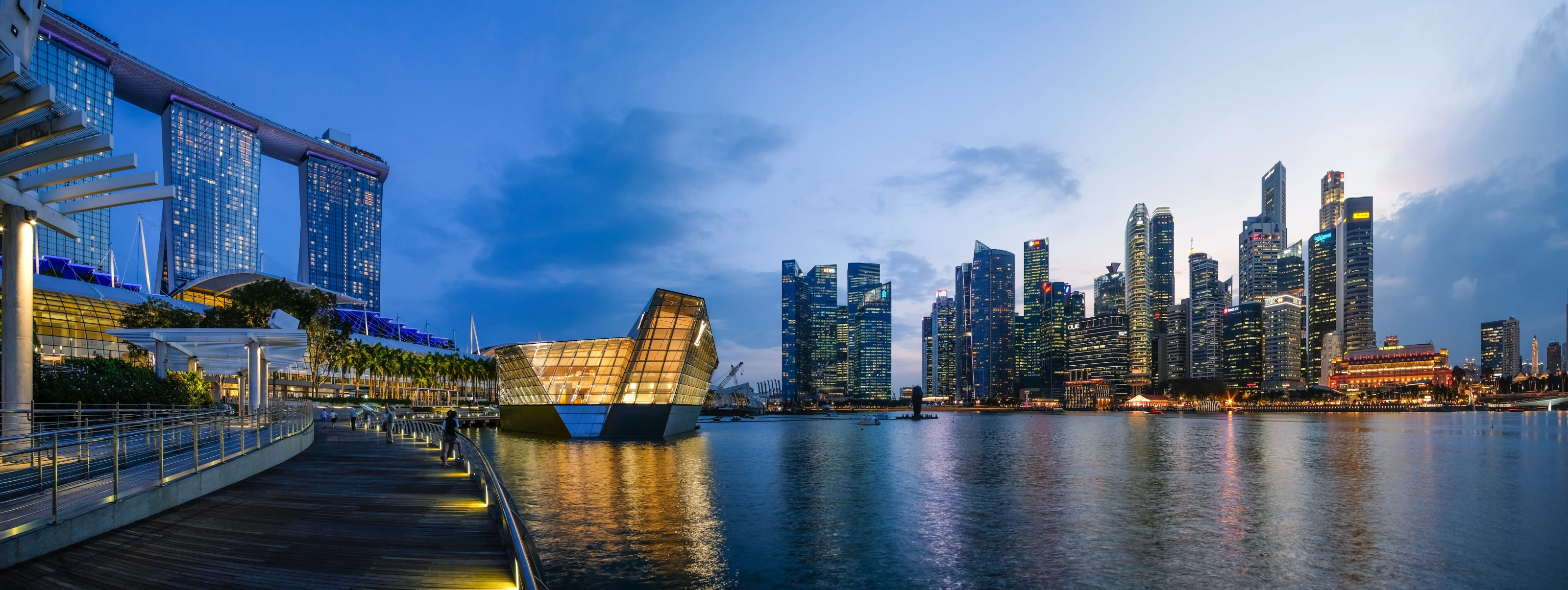
Around Marina Bay, the financial towers, Marina Bay Sands and its rooftop pool form one of Asia's most recognisable cityscapes, especially as the lights come on after dusk.
The city in a garden
Singapore has made greenery a policy: the Supertrees of Gardens by the Bay, the UNESCO-listed Botanic Gardens, Bukit Timah nature reserve and the trails of Pulau Ubin are all within reach by metro.
Districts with stories
Chinatown, Little India and Kampong Glam each tell a migration story. Temples, mosques, fabric shops and colourful Peranakan houses can be explored on foot in a few hours.
A table like no other
In hawker centres, dozens of stalls serve chicken rice, laksa or chilli crab at modest prices. Chinese, Malay, Indian and Peranakan cooking blend and can be tasted at any hour.
Landmarks
Marina Bay, Gardens by the Bay, Chinatown and Sentosa
Singapore is best explored district by district, all linked by metro: the bay and its gardens, the historic enclaves, then Sentosa and the green spaces for a change of pace. Three days cover the essentials.
Marina Bay, the Merlion and the skyline
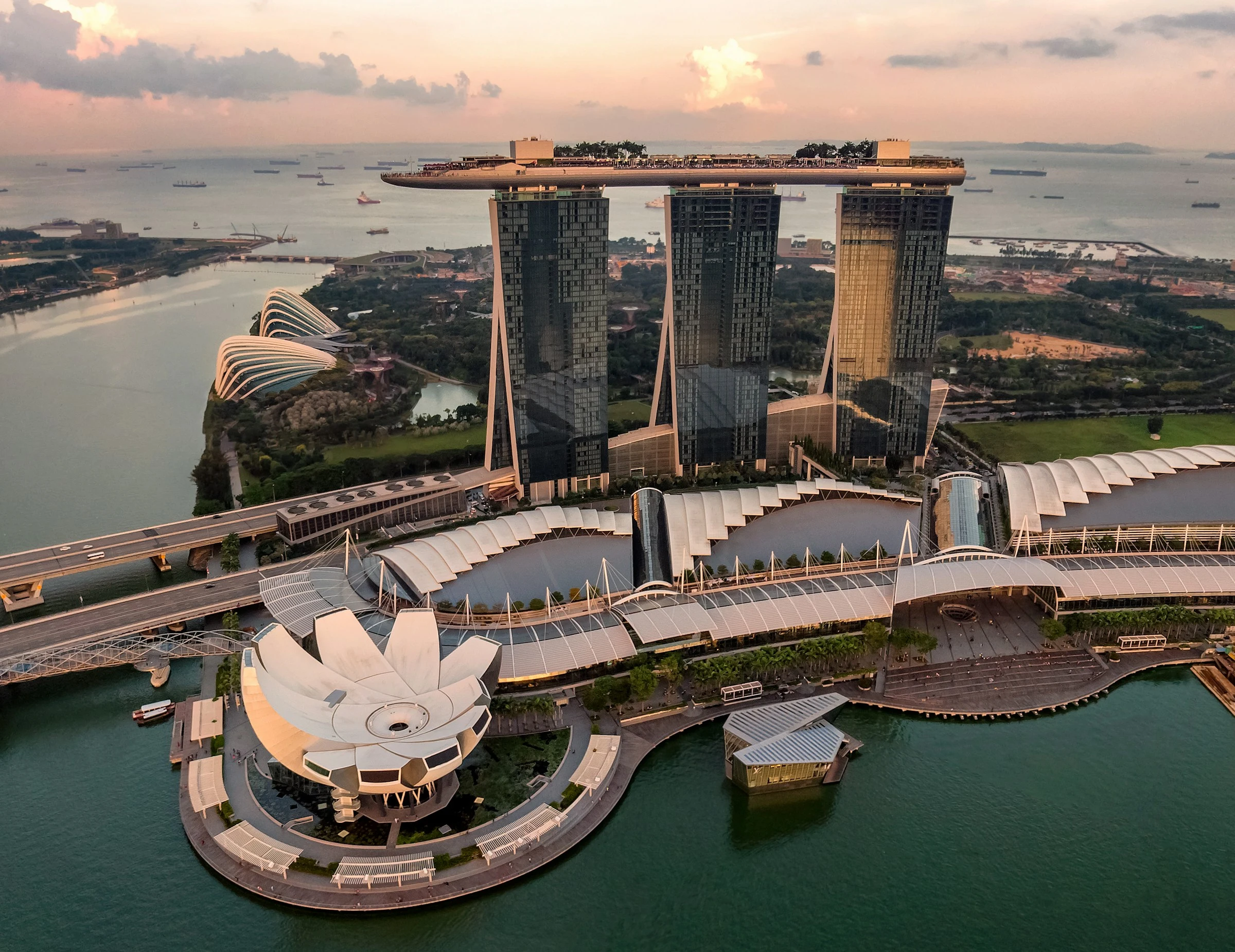
A walk around the bay takes in the Merlion, the city's half-lion, half-fish emblem, the Esplanade, the financial district towers and, across the water, the three towers of Marina Bay Sands topped by a hanging garden deck. Dusk is the best moment, when the facades light up and reflect in the water.
Gardens by the Bay and the Botanic Gardens
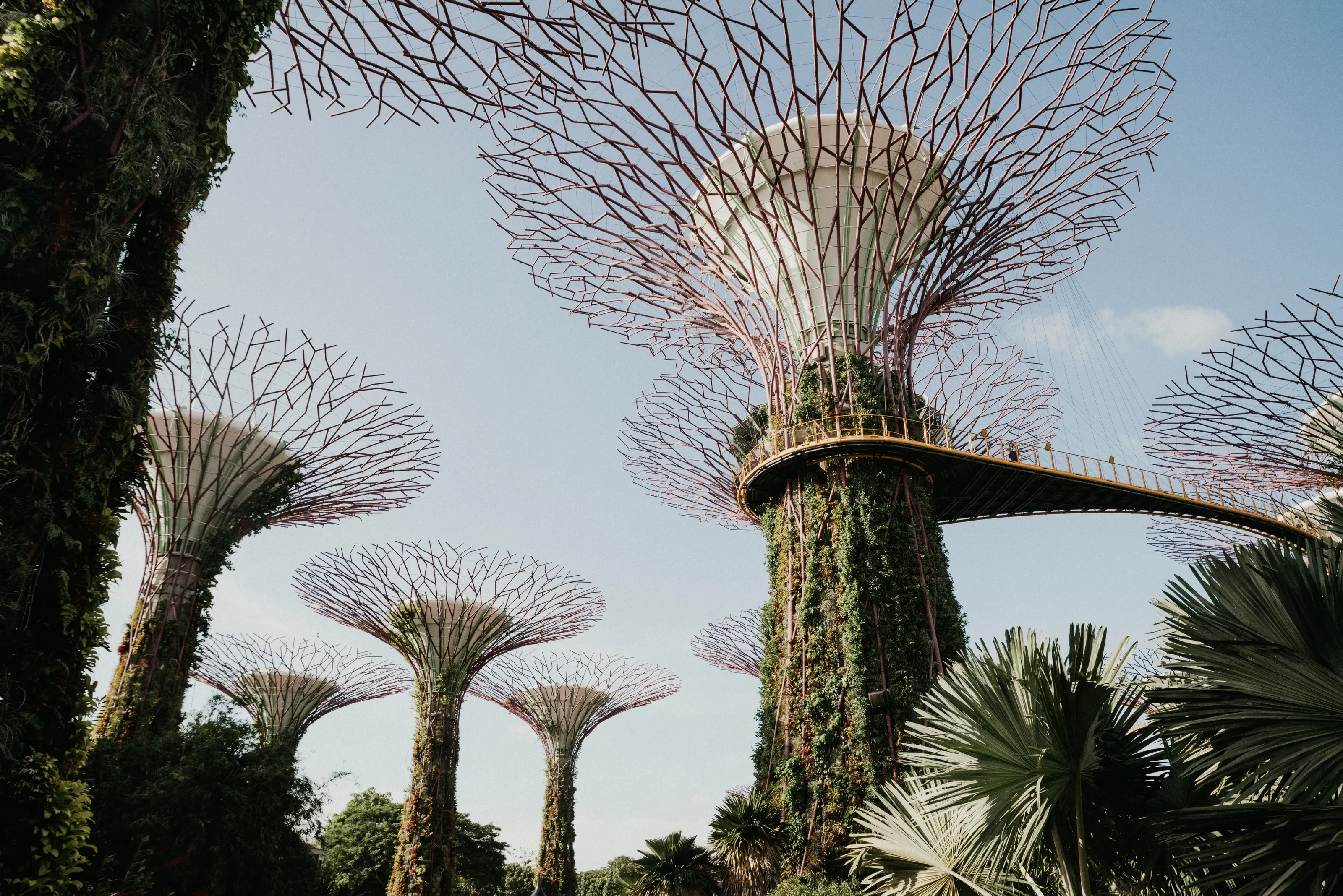
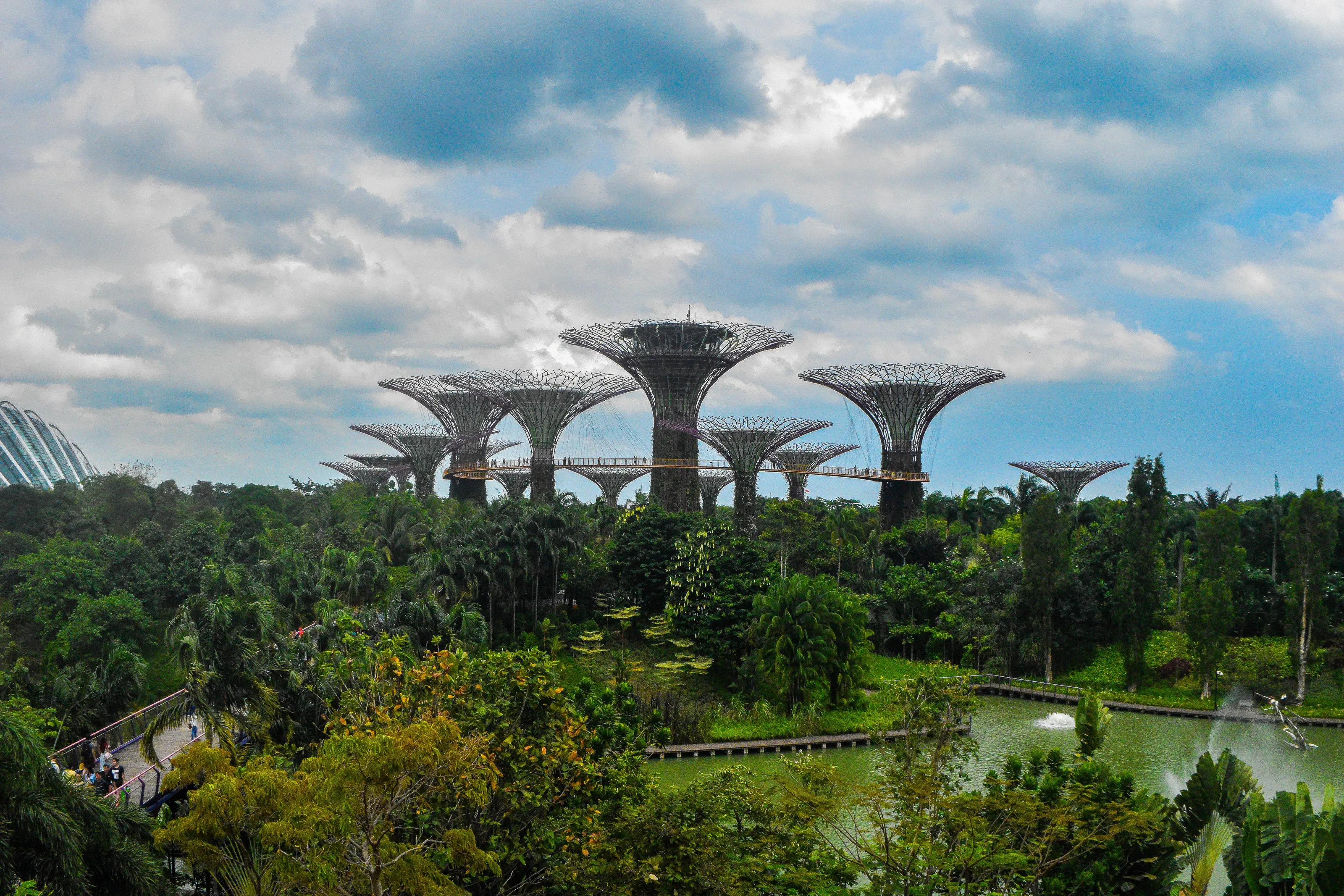
Gardens by the Bay is known for its Supertrees, tall vertical structures covered in plants, linked by an elevated walkway. The Flower Dome and Cloud Forest conservatories gather whole climates under glass. The Botanic Gardens, founded in 1822 and listed by UNESCO, offer a calmer break, especially around the orchid collection.
Chinatown, Little India and Kampong Glam
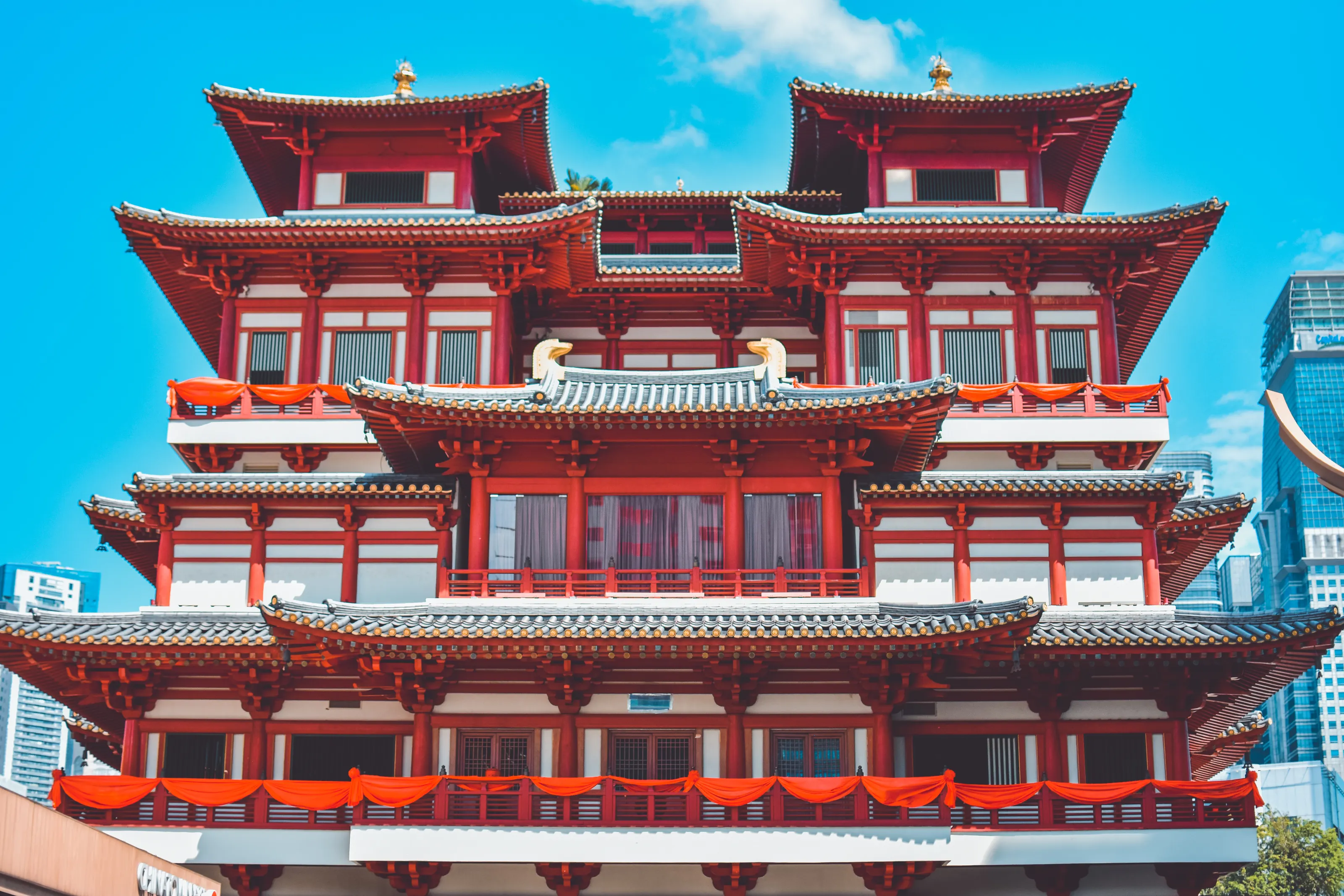
Chinatown stands out for its shophouses, covered markets and the Buddha Tooth Relic Temple, with its red roofs and golden detailing. Little India blends flower garlands, spices and Hindu temples, while Kampong Glam, around the Sultan Mosque, holds lanes, fabric shops and cafes. Each district takes about half a day.
Sentosa, the southern islands and nature
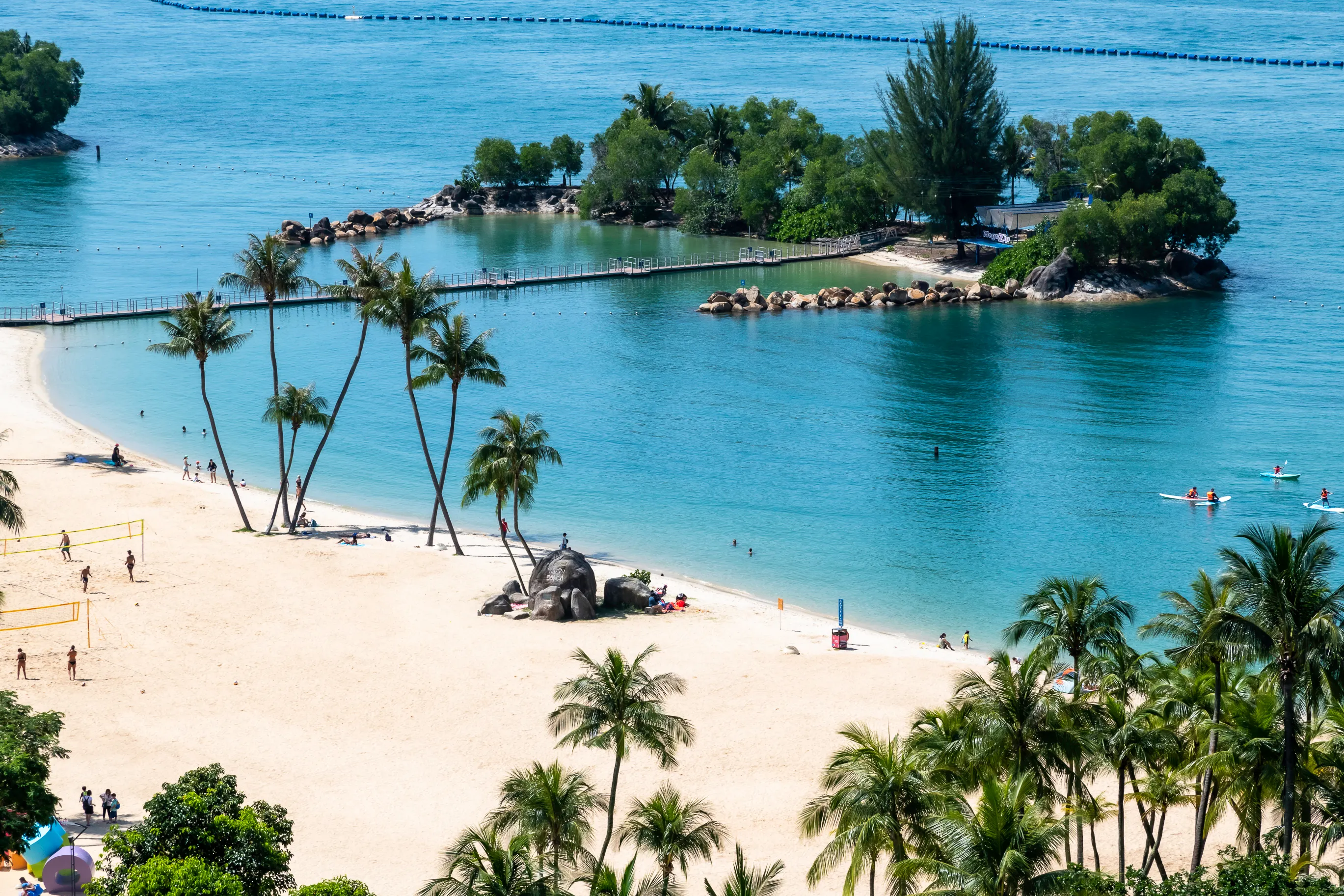
Sentosa, a few minutes from downtown by cable car, metro or on foot from HarbourFront, combines landscaped beaches, theme parks and pools. For a wilder feel, St John's and Kusu islands have quiet beaches, and Pulau Ubin in the north-east keeps dirt tracks and mangroves. Bukit Timah nature reserve protects the island's highest point, around 160 metres.
Before you go
Hot and humid all year: when to travel to Singapore
| Period | Climate | Tip |
|---|---|---|
| February to April | Hot and humid, with fewer showers than the rest of the year. | The most comfortable time for walking around |
| May to September | Hot, with possible late-day storms and the south-west monsoon. | Pack an umbrella and plan indoor visits |
| October to January | More frequent rain, especially during the year-end monsoon. | Keep backup plans: museums, conservatories, malls |
| All year | Very stable temperatures and strong humidity. | Light clothes, water, sun protection |
Singapore has no marked seasons: the temperature gap between months is small and showers can come at any time. Malls, metro stations and museums are air-conditioned, which helps on hot days. Keep an eye on fares before you lock in your dates.
Getting around
MRT metro, buses, taxis and walking
The MRT metro, with several lines covering nearly every district worth visiting, is the simplest way to get around. Buses complete the network, and taxis or ride-hailing cars are common. A transit card or contactless payment saves you from hunting for change.
From Changi Airport, on the east side of the island, the metro reaches downtown in about half an hour. Distances are short, and most sights can be done on foot in small loops. Rules are strict (no eating on the metro, fines for littering), so it is best to follow them to the letter.
Food and culture
Hawker centres, chicken rice, laksa and chilli crab
Singapore is a place where Chinese, Malay, Indian and Eurasian communities live side by side, with English as the common language. Buddhist temples, mosques and Hindu temples stand a few streets apart, and festivals such as Chinese New Year, Deepavali or Hari Raya mark the calendar.
Eating happens in hawker centres, halls of stalls with shared tables: chicken rice, noodles, laksa, satay, chilli crab and Peranakan dishes that blend Chinese and Malay flavours. Each stall specialises in one or two dishes. Prices stay moderate compared with restaurants.
Flying to Singapore
The Singapore airport covered by SniperAir
Singapore Changi
The country's main airport, on the east side of the island, about twenty kilometres from the centre: allow half an hour by metro or car. A Singapore Airlines hub and a major stopover for many carriers, which gives you more options when comparing fares.
FAQ
Frequently asked questions about Singapore
Which airport do I fly into for Singapore?
One civil airport handles long-haul flights: Singapore Changi (SIN), about half an hour from downtown. SniperAir tracks it.
When is the best time to travel to Singapore?
The climate is hot and humid all year. February to April is generally the most pleasant window, with fewer showers; from October to January the rain is more frequent.
Is travelling to Singapore expensive?
Singapore is among the pricier destinations in Asia, especially for accommodation. Eating at hawker centres and using the metro helps balance the budget.
Do I need a visa for Singapore?
It depends on your nationality and the length of your stay. Check the entry conditions and the online arrival declaration on the official immigration website before you travel.
How long should I spend in Singapore?
Three to four days cover the bay, the gardens, the historic districts and Sentosa. A long layover is enough for a first look.
What should I see first?
Marina Bay at dusk, Gardens by the Bay, Chinatown, a meal at a hawker centre, then Sentosa or a nature day on Pulau Ubin.
How do I get alerted when a flight to Singapore gets cheaper?
Create a SniperAir alert profile with your departure airport and Singapore Changi as destination: we track prices and notify you as soon as a matching deal appears. See how it works.
Ready to track fares to Singapore?
Create an alert and let SniperAir do the rest.
Create my alert