
Travel to Jordan
A Nabataean city carved into pink sandstone, a red desert where you sleep under the stars, nearly intact Roman ruins, a sea you float on and a coral reef at Aqaba: here is what to plan before you look for cheap flights to Jordan.
Jordan in numbers
Capital
Amman
Population
About 11.5 M
Area
~89,300 km²
Currency
Jordanian dinar
Languages
Arabic
Lowest point
Dead Sea
Continent
Asia
Time zone
UTC+3
Airports covered
2
Why visit Jordan
Petra, desert, Roman ruins, the Dead Sea and the Red Sea
Petra, the stone city
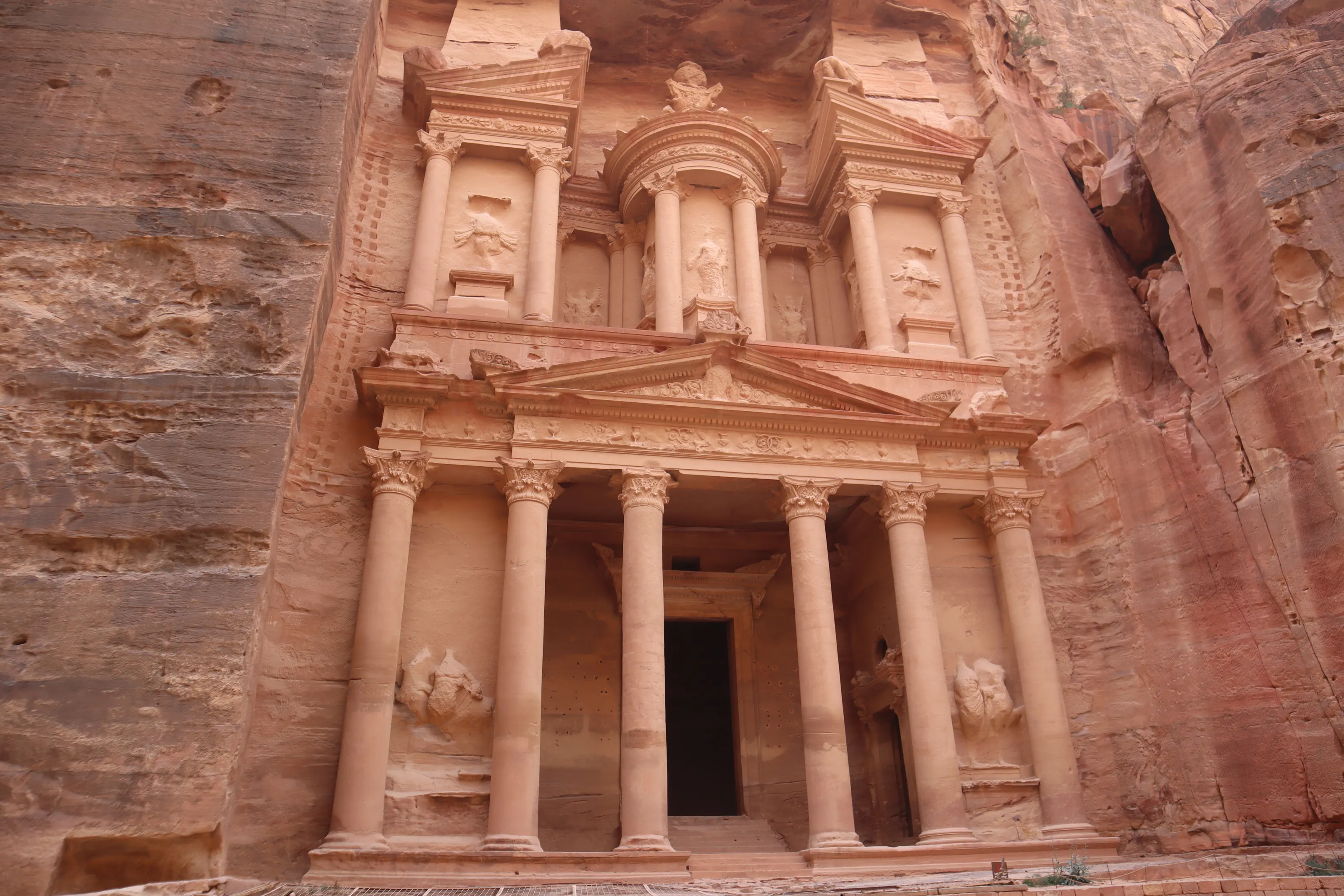
The capital of the Nabataeans, Petra is reached through a narrow gorge, the Siq, which opens onto Al-Khazneh, a monumental facade cut into the cliff. The site has been a World Heritage property since 1985.
Wadi Rum, the red desert
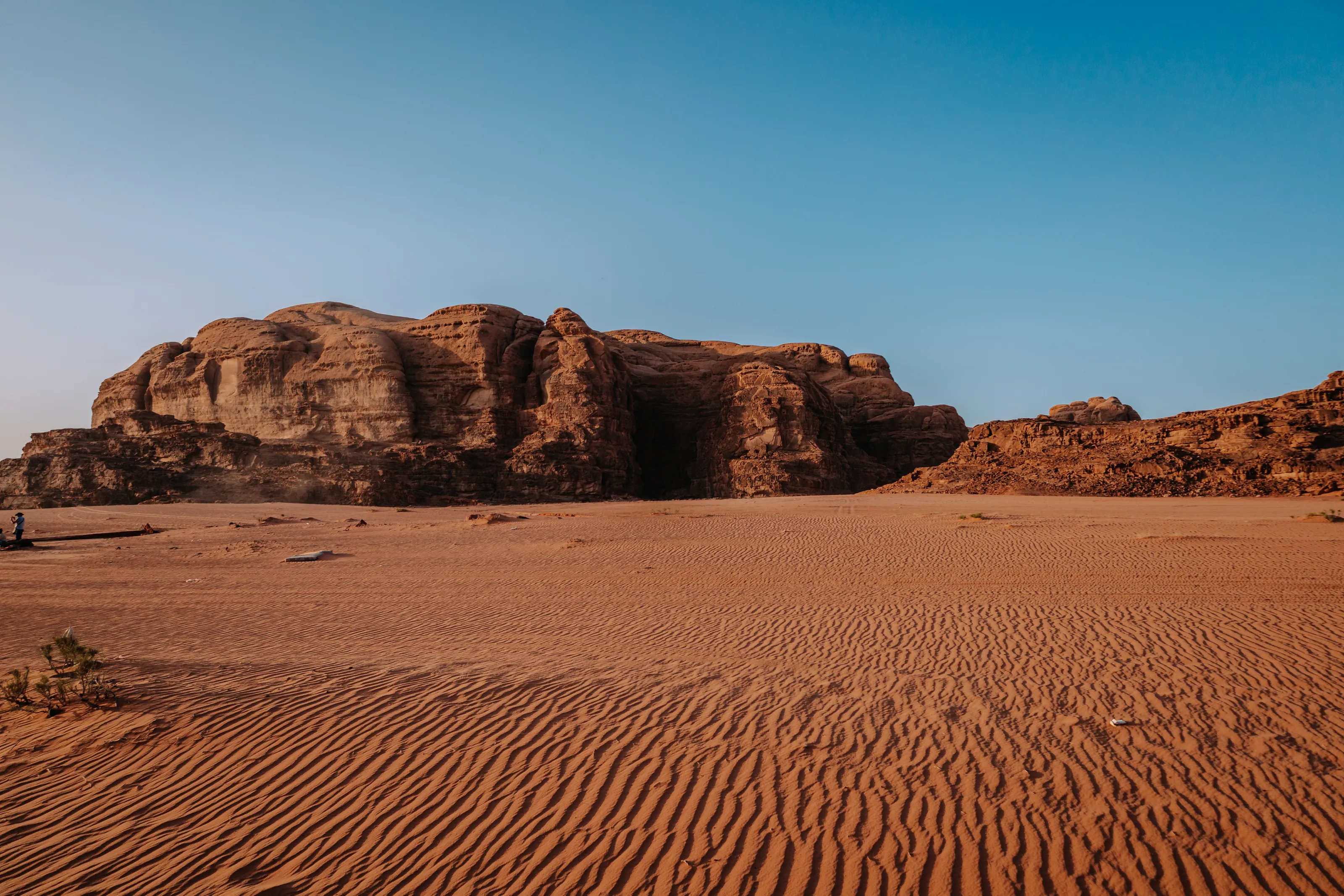
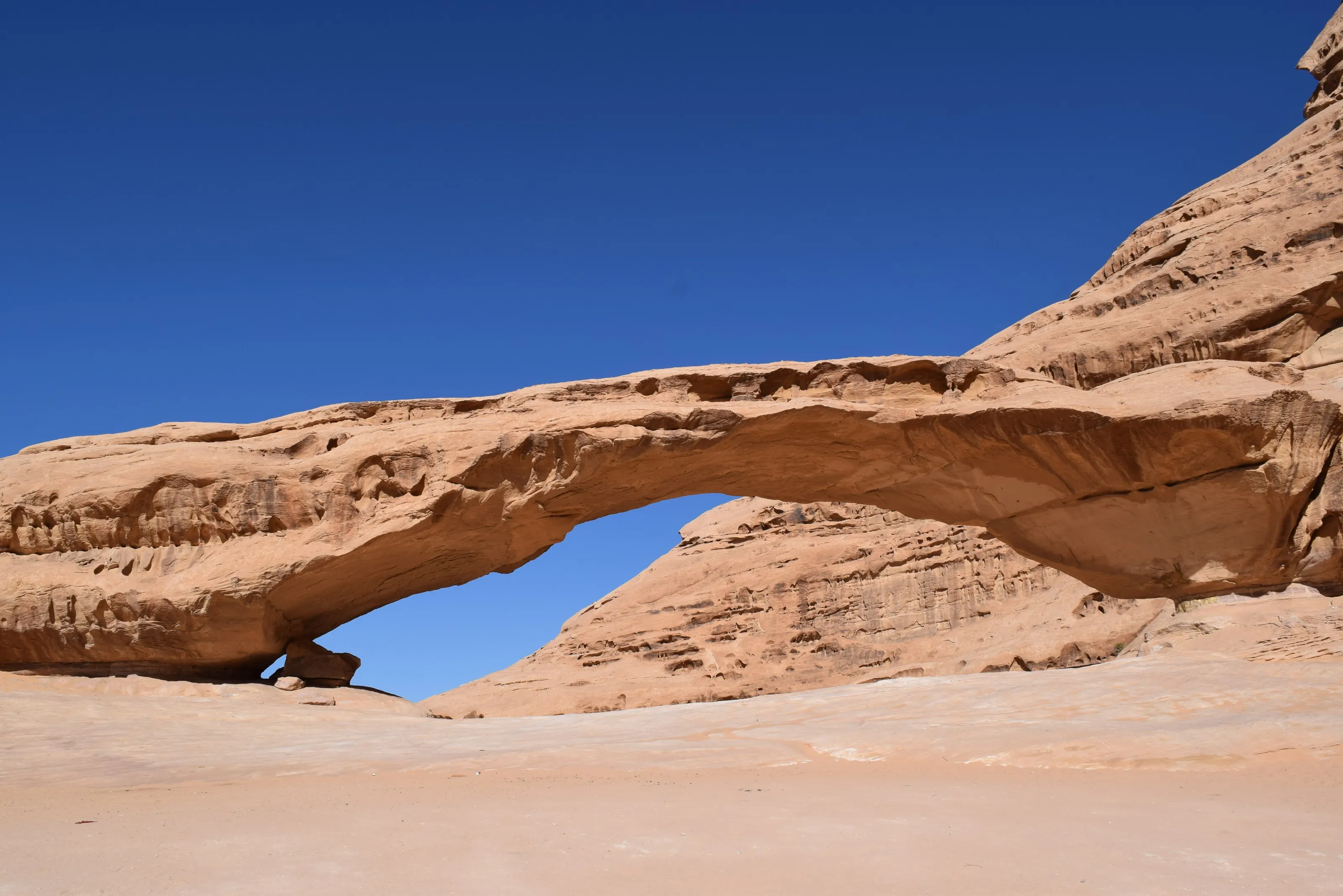
Sandstone cliffs, dunes, natural arches and a starry sky: Wadi Rum is explored by jeep, camel or on foot, with an optional night in a Bedouin camp.
Centuries of history
Jerash, a Roman city of the Decapolis, the Umayyad palace on the Amman Citadel, the desert castles, Madaba and Karak tell of successive civilisations in a country smaller than it looks.
Dead Sea and Red Sea
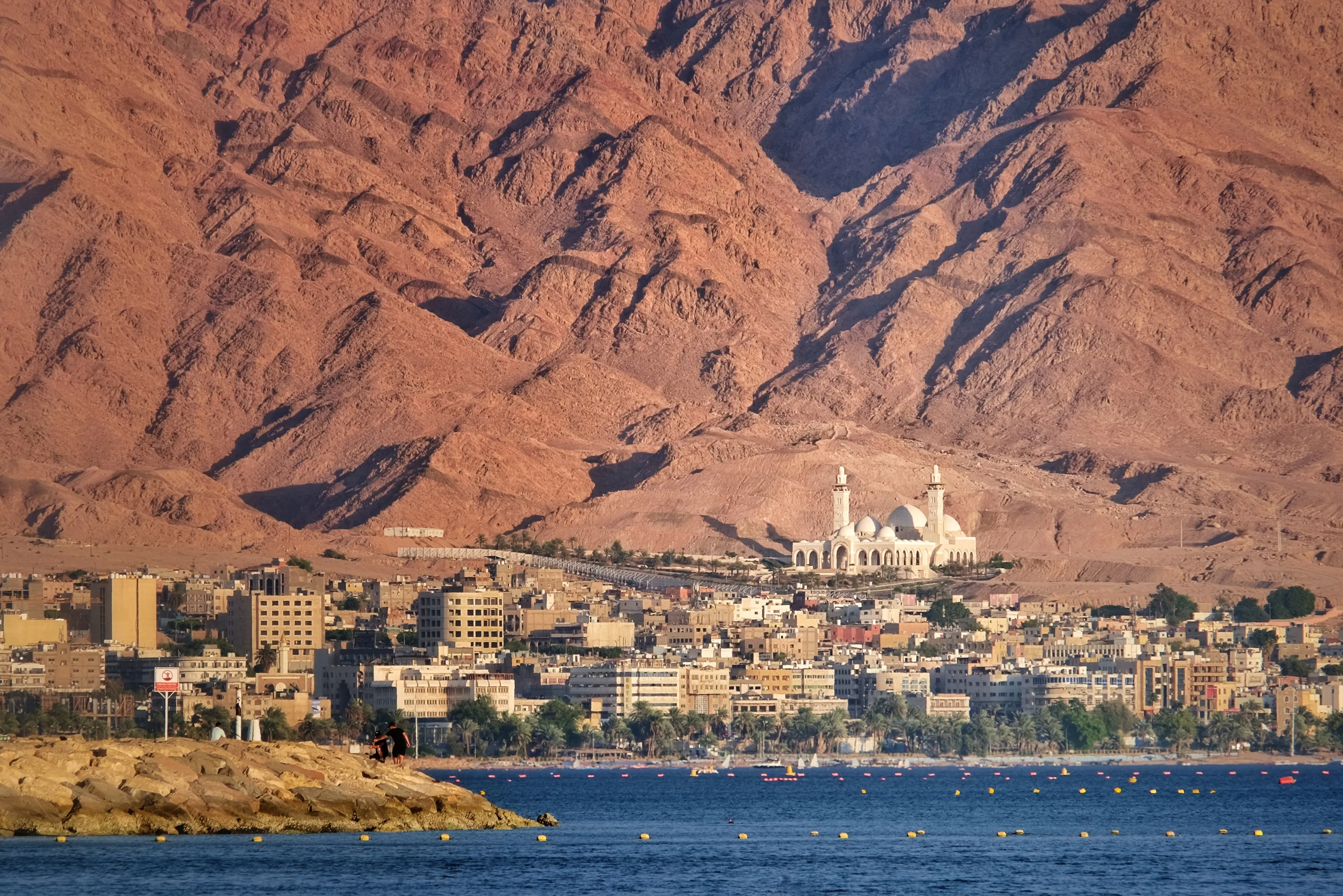
The Dead Sea, the lowest dry point on Earth, lets you float effortlessly. Further south, Aqaba opens onto the Red Sea, its reefs and diving.
Landmarks
Petra, Wadi Rum, Amman, Jerash, the Dead Sea and Aqaba
A Jordan itinerary often follows a north-south line: Amman and Jerash, Petra, Wadi Rum, then the Red Sea at Aqaba, with a stop at the Dead Sea. Distances are short, and seven to nine days cover the essentials.
Petra, from the Siq to the Monastery
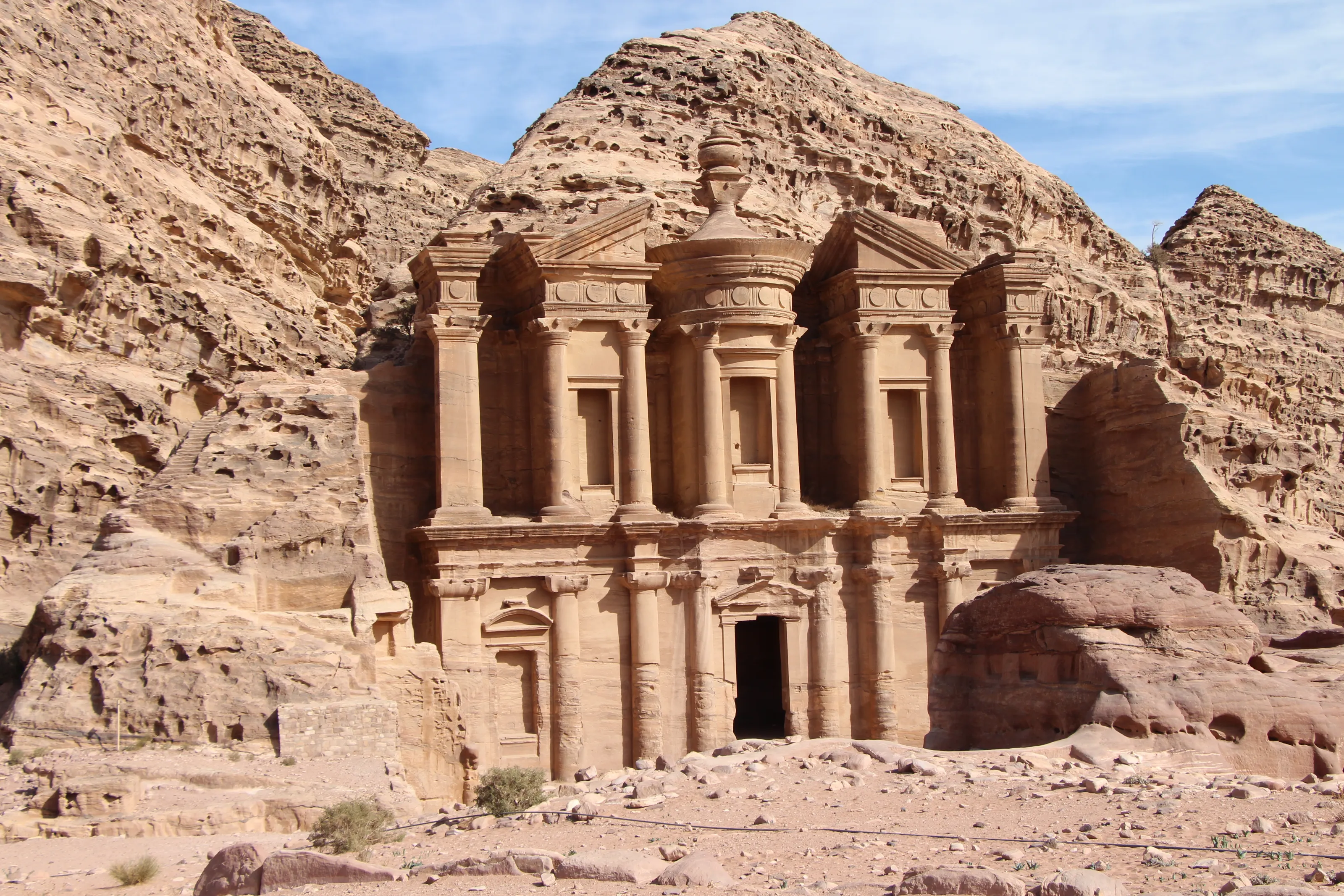
Petra is entered through the Siq, a corridor over a kilometre long between sandstone walls with pink reflections, which opens onto Al-Khazneh. Beyond it the city stretches out with its royal tombs and theatre. A long staircase climbs to the Monastery, Ad Deir, even larger than the Treasury and far less crowded. Two days let you avoid rushing.
Wadi Rum and its starry nights
Wadi Rum, also called the Valley of the Moon, lines up sandstone mountains, canyons and wide stretches of red sand. You cross it by 4x4 with a Bedouin guide, then sleep in a tent or under the stars. Natural arches and ancient inscriptions turn up along the way.
Amman and Jerash
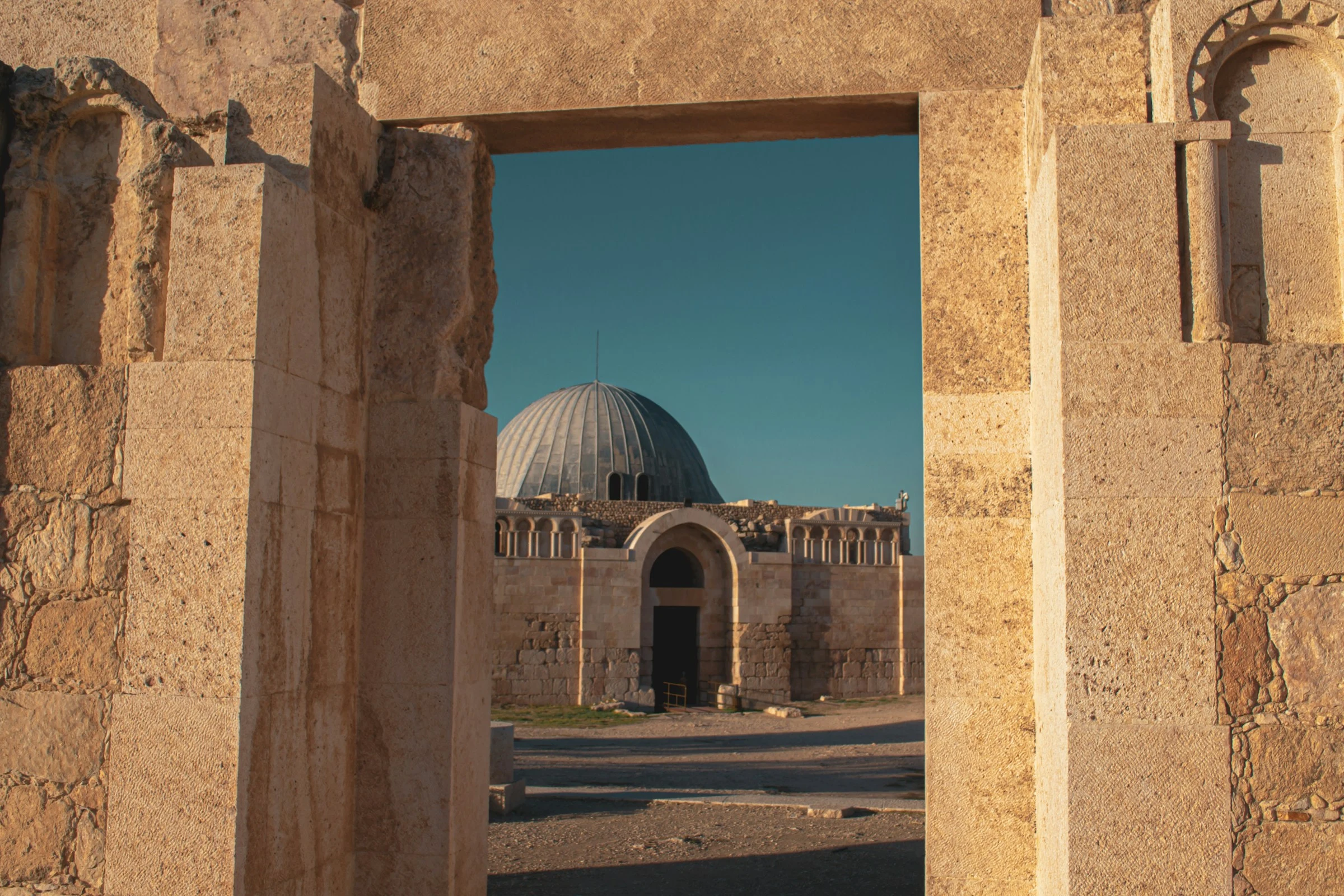
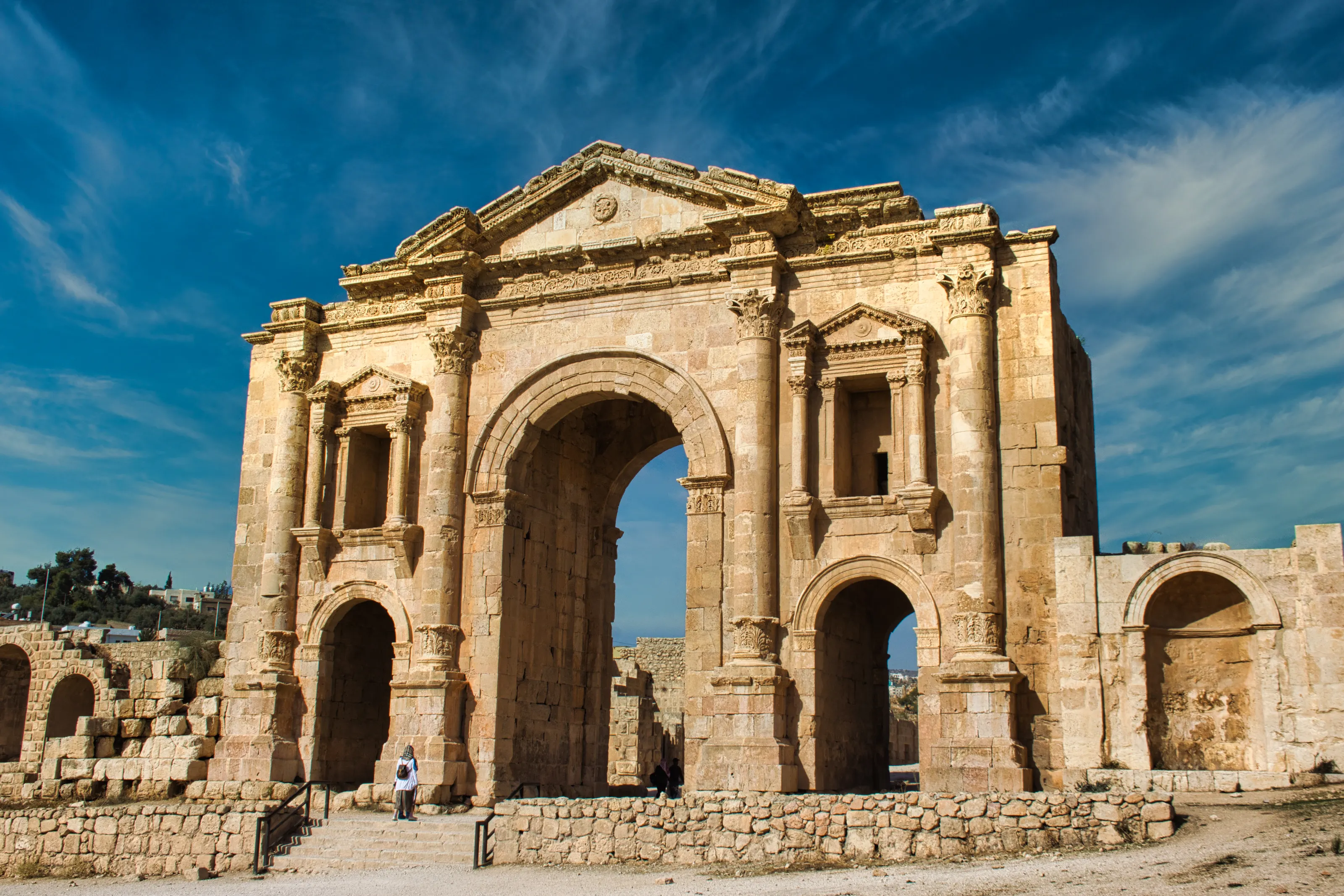
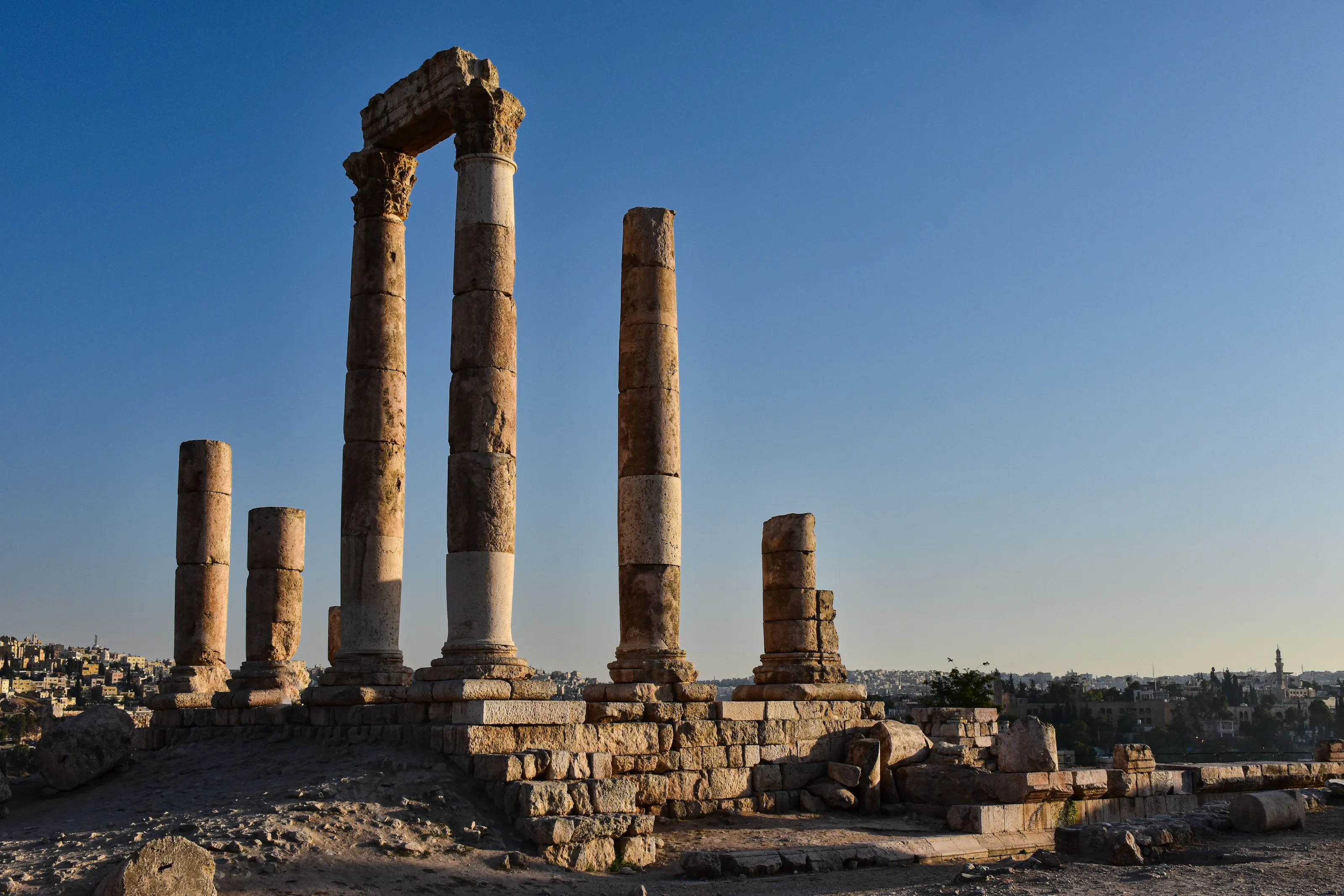
Amman climbs its hills around the Citadel, whose Umayyad palace and dome overlook the city, with its Roman theatre and cafes where sage tea is served. About an hour away, Jerash keeps its colonnaded streets, an oval forum and Hadrian's Arch, one of the best-preserved Roman complexes in the region.
The Dead Sea and Aqaba
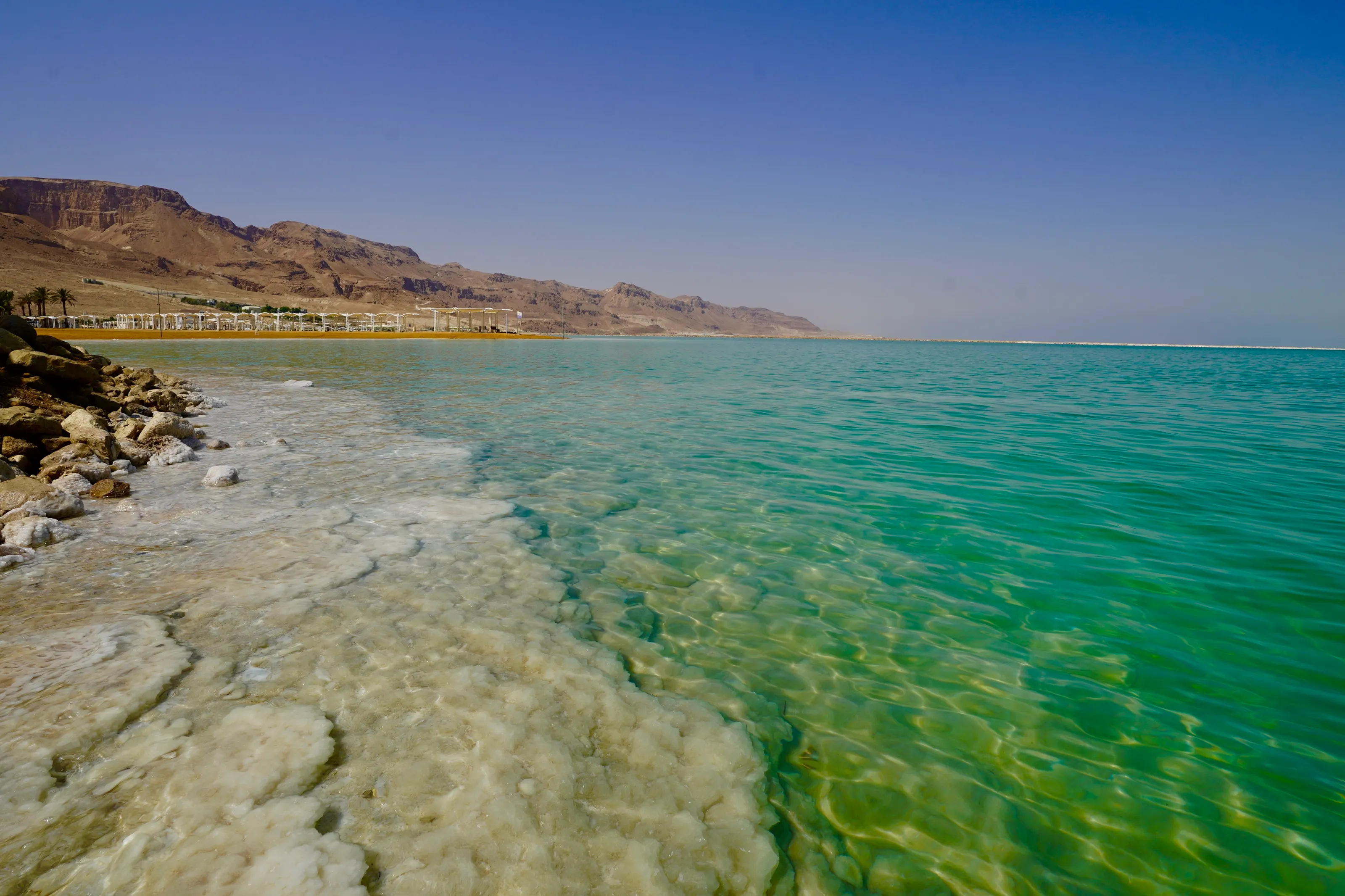
On the Dead Sea, in very salty water, you float effortlessly and coat yourself in mineral mud, facing arid hills. At Aqaba, to the south, the Red Sea offers diving and snorkelling on coral reefs, with a relaxed seaside-resort feel.
Before you go
Spring and autumn are ideal, summer is very hot in the desert
| Area | Climate | Best time to visit |
|---|---|---|
| Petra and Wadi Rum | Very hot summers, cool winters with cold nights in the desert. | March to May and September to November |
| Amman and Jerash | Cool, rainy winters, hot dry summers on the heights. | March to May and September to November |
| Dead Sea | Very hot in summer, mild in winter. | October to April |
| Aqaba and the Red Sea | Mild winters, very hot summers; pleasant sea for much of the year. | October to April for sightseeing, all year for diving |
The day-to-night temperature gap is marked in the desert: bring a warm jacket for evenings. Pack a hat, plenty of water and sun protection, and keep an eye on fares before you lock in your dates.
Getting around
Rental cars, drivers, buses and taxis
The road network links Amman, Jerash, Petra, Wadi Rum and Aqaba well. Most travellers rent a car, hire a driver or take intercity buses. Taxis are common in towns, and desert excursions go with local guides.
The rail network does not carry passengers on a regular basis, so rely on the road and allow some slack for morning trips: distances look short, but mountain roads slow things down.
Food and culture
Mezze, mansaf, sage tea and Bedouin hospitality
Hospitality is a strong trait: you are readily offered tea or Arabic coffee. Bedouin culture, with its songs, crafts and feel for the desert, is recognised on UNESCO's intangible heritage list for the Petra and Wadi Rum area. Modest dress is expected at religious sites.
At the table, mezze (hummus, moutabal, falafel, salads) come before mansaf, the national dish of lamb in fermented yoghurt served on rice. Hot bread, honey pastries and cardamom coffee round off the meal.
Flying to Jordan
The Jordanian airports covered by SniperAir
Queen Alia International
Amman's airport, south of the capital, about thirty-five kilometres from the centre: allow forty to fifty minutes by road. The country's main gateway.
Aqaba King Hussein International
Aqaba's airport, very close to the city, handy for the Red Sea and Wadi Rum. It offers flights to Amman and some European links.
SniperAir destinations
Discover our destination pages
FAQ
Frequently asked questions about Jordan
Which airport do I fly into for Jordan?
Amman (AMM) is the main gateway, about 35 km from the capital. Aqaba (AQJ) serves the Red Sea. SniperAir tracks both airports.
When is the best time to travel to Jordan?
March to May and September to November offer pleasant temperatures for Petra and the desert. Summer is very hot, and winter can be cool and rainy on the heights.
Is travelling to Jordan expensive?
Living costs are generally moderate for meals and local transport, but site entry fees, desert excursions and lodging in tourist areas weigh on the budget.
Do I need a visa for Jordan?
It depends on your nationality. Check the entry conditions on the official Jordanian authorities' website before you travel.
How long should I spend in Jordan?
Seven to nine days cover Amman, Jerash, Petra (two days), Wadi Rum and the Dead Sea or Aqaba. One week is enough if you limit yourself to Petra and Wadi Rum.
What travel precautions should I take?
Check the travel advice page of your foreign ministry before departure, buy travel insurance, dress modestly at places of worship and drink plenty of water.
How do I get alerted when a flight to Jordan gets cheaper?
Create a SniperAir alert profile with your departure airport and Amman or Aqaba as destination: we track prices and notify you as soon as a matching deal appears. See how it works.
Ready to track fares to Jordan?
Create an alert and let SniperAir do the rest.
Create my alert