
Travel to Nicaragua
The land of lakes and volcanoes is Central America's largest country and one of its better-value routes: colonial Granada on a huge freshwater lake, an island made of two volcanoes and surf on the Pacific. Here is what to know before you start tracking flights.
Nicaragua in numbers
Capital
Managua
Population
~7.1 million
Area
~130,400 km²
Currency
Córdoba
Language
Spanish
Nickname
Lakes and volcanoes
Continent
North America
Time zone
UTC-6
Airports covered
1
Why visit Nicaragua
Colonial cities, crater lakes and volcanoes
Granada, founded in 1524
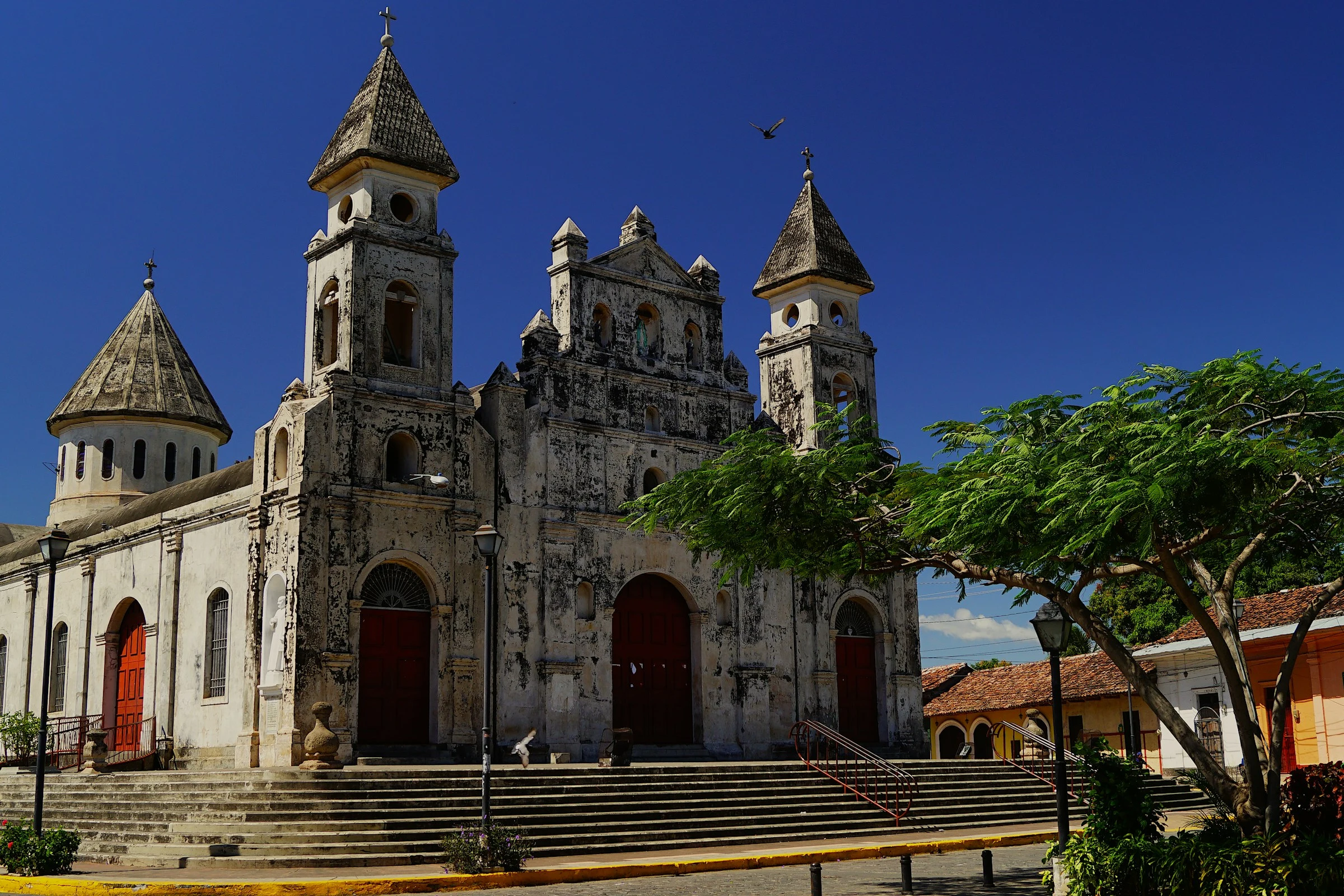
On the shore of Lake Nicaragua, Granada is described as one of the most visited sites in Central America. It rivalled León for centuries.
Ometepe, an island of two volcanoes
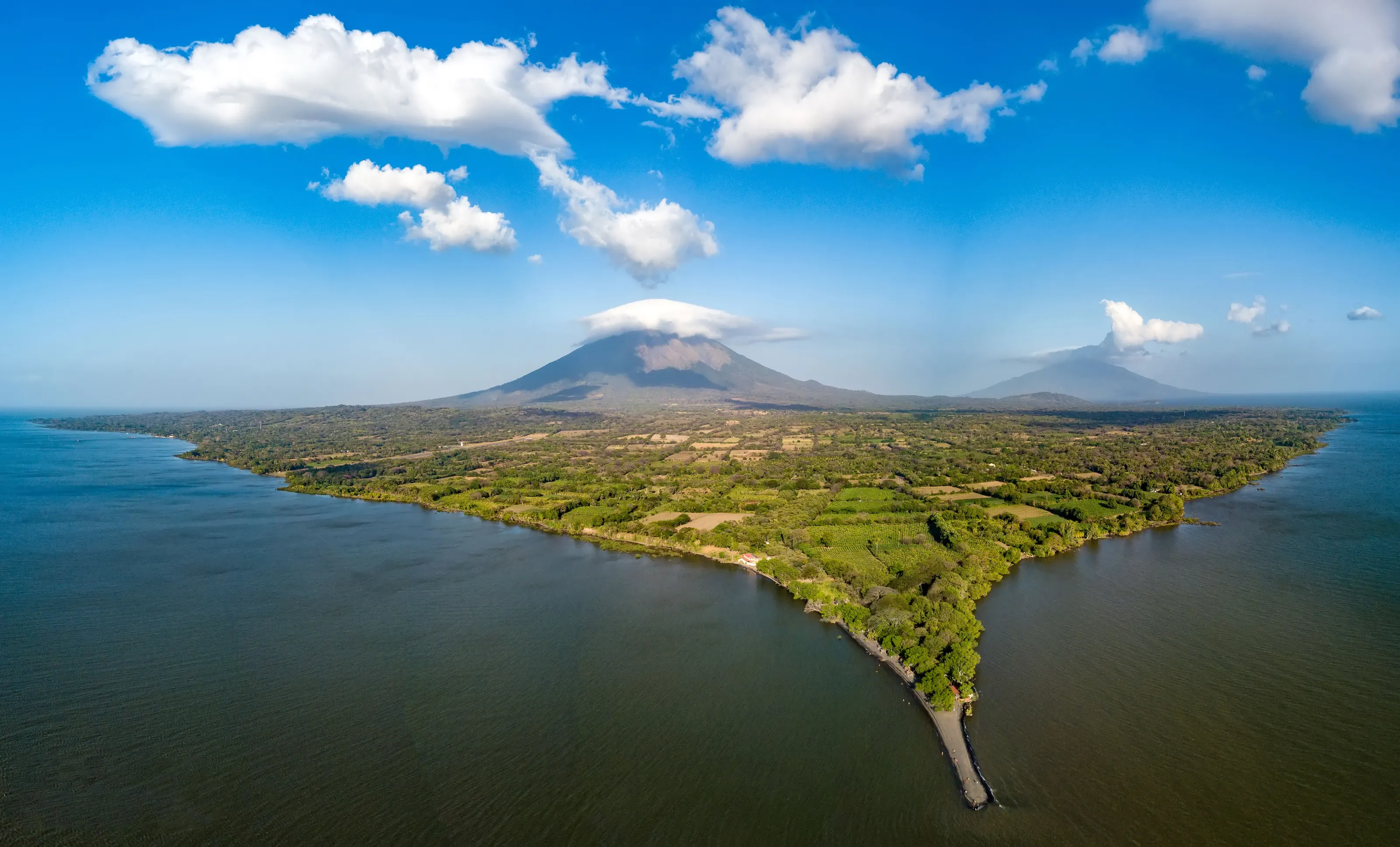
Concepción and Maderas rise from Lake Nicaragua, and a local guide is required for climbs.
Las Isletas and Mombacho
About 365 islets near Granada formed when part of Mombacho collapsed into the lake; the dormant volcano rises to 1,345 m.
León and its cathedral
A student town known for left-wing politics and a large cathedral, with the ruins of León Viejo nearby.
Highlights
Granada, León, Masaya and the Pacific coast
Most itineraries stay on the Pacific side, where the colonial cities, the volcanoes and the beaches are within a few hours of Managua.
Granada
A colonial city of churches, plazas and the lake front. English, French and Dutch pirates raided it by sailing up the San Juan River, and in 1856 William Walker's forces burned much of it, leaving the words "Here was Granada". La Merced Church was built between 1534 and 1783.
León
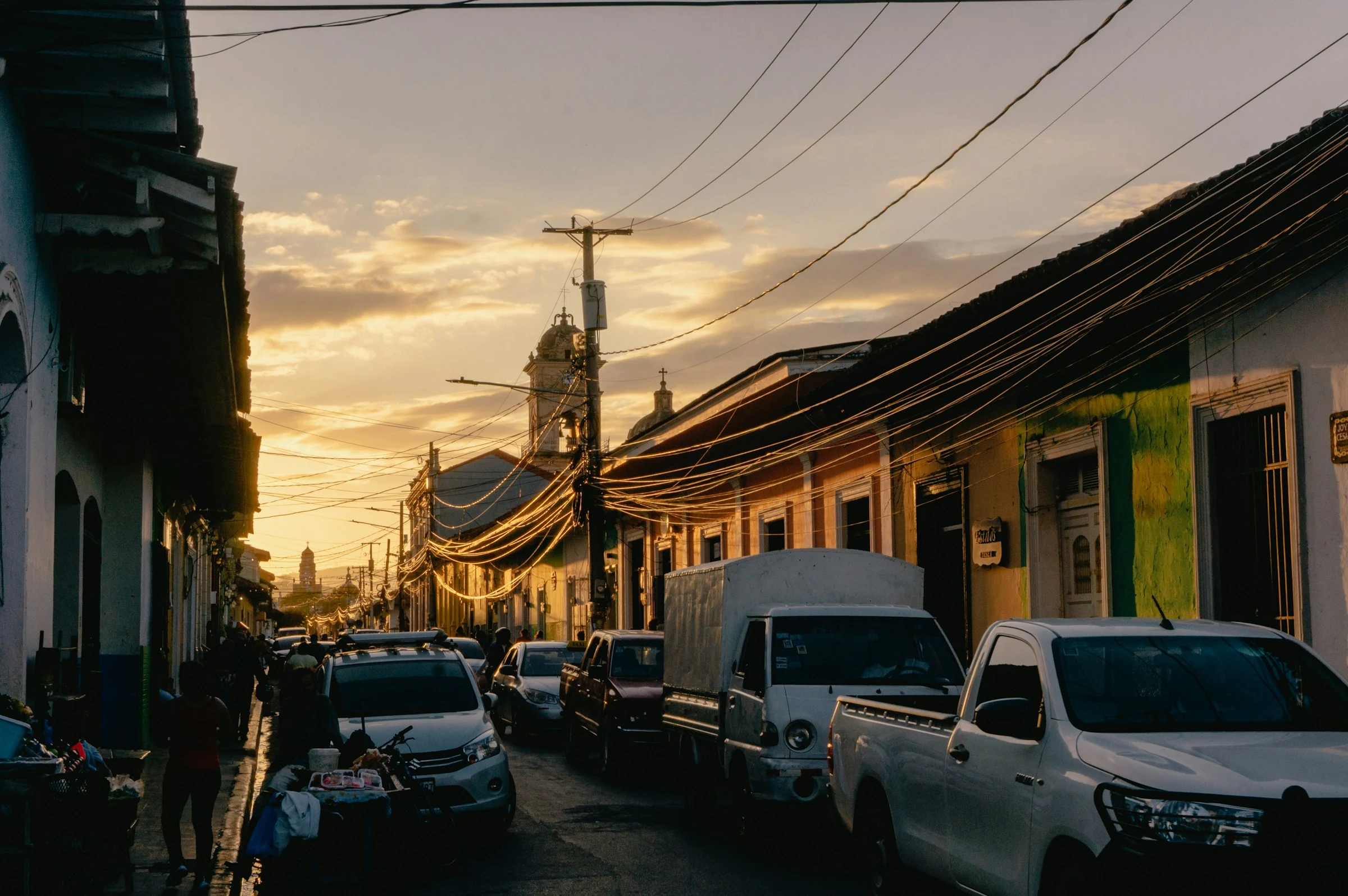
A colonial city of students and a large cathedral, relatively safe by most accounts. The ruins of León Viejo remain from the city destroyed by the Momotombo eruption of 1610.
Masaya
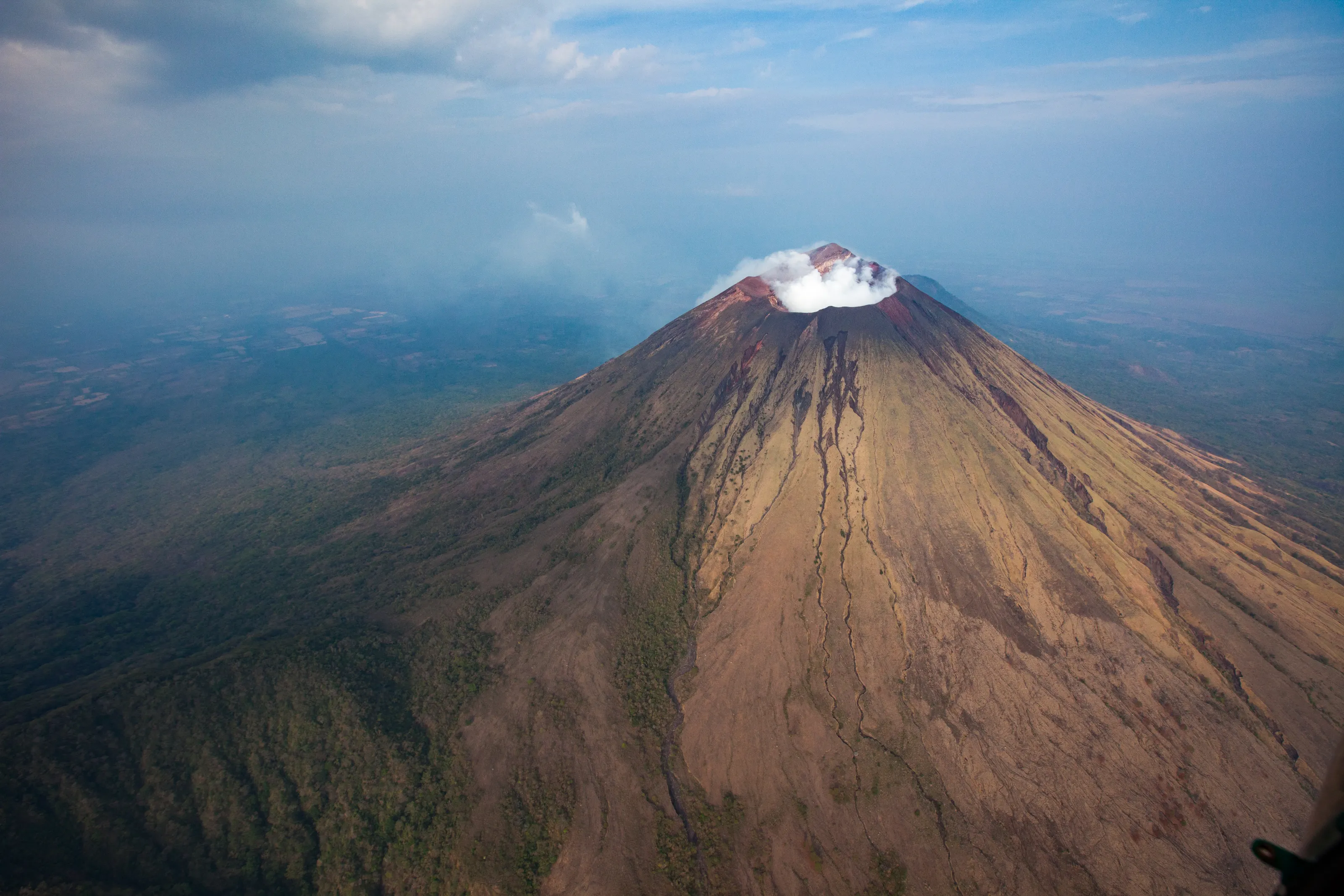
A craft-market town beside Volcán Masaya park, with access to the Pueblos Blancos. Hammocks and Flor de Caña rum are the classic souvenirs.
Ometepe and San Juan del Sur
Ometepe is the lake island of two volcanoes. San Juan del Sur is the surfing and nightlife town on the Pacific coast.
Corn Islands and the Río San Juan
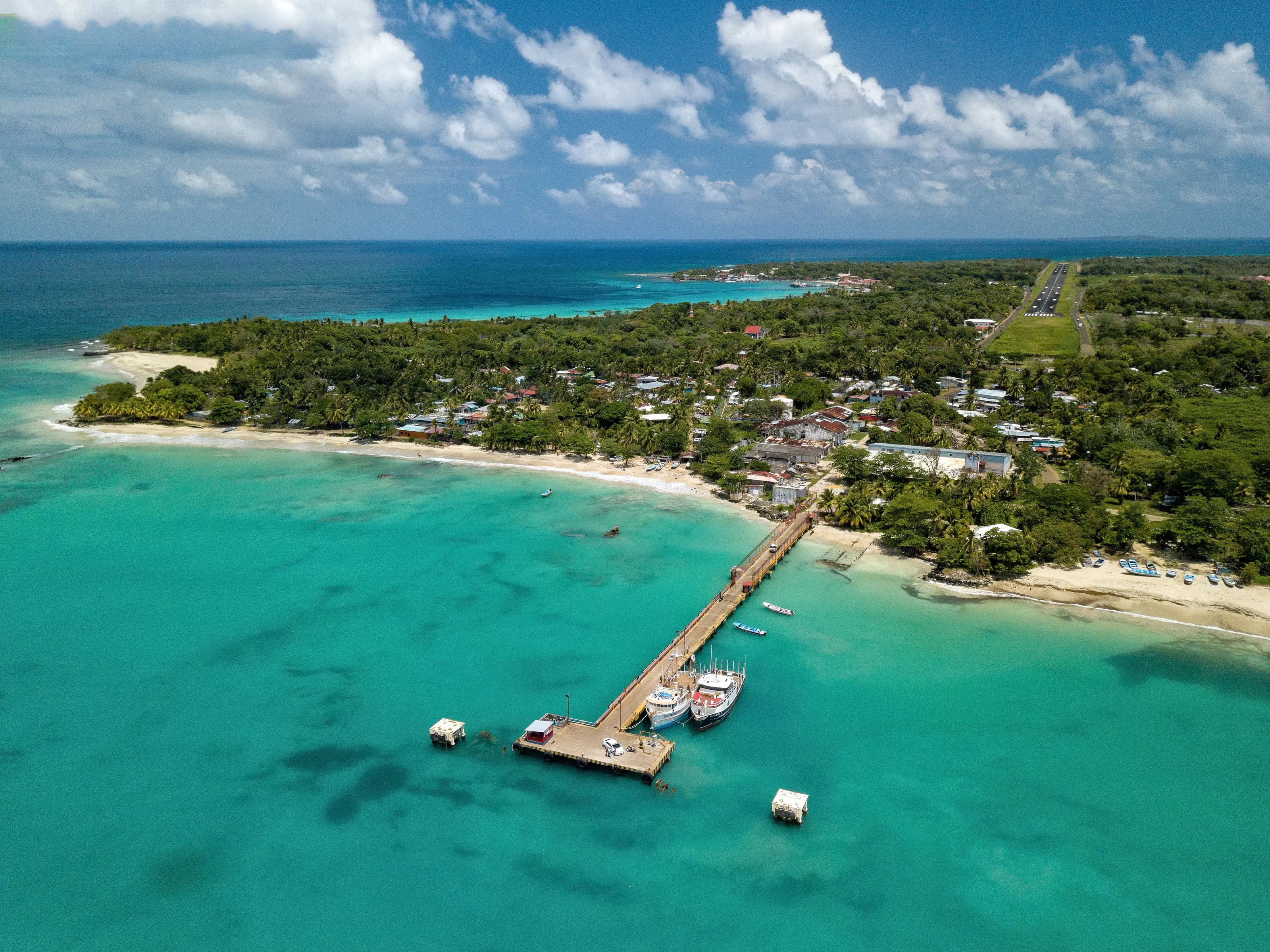
On the Caribbean side, the Corn Islands and Pearl Lagoon are the main destinations; the Río San Juan leads to El Castillo and the Solentiname Islands.
Before you go
Dry season, rainy season and entry
| Area | Climate | What to do |
|---|---|---|
| Pacific side | Dry season about November to April; rainy season May to October with sudden heavy downpours | Granada, León, volcanoes, surf |
| Caribbean coast | Wetter year-round | Corn Islands, Creole culture |
| Northern highlands | Cool and often foggy | Coffee, cigars, hiking |
Hurricanes are a risk from July to October on the Caribbean side. Prices rise sharply during Semana Santa.
Many nationalities enter visa-free, others pay about US$10 for a tourist card on arrival, and a 90-day stay is shared among Nicaragua, Guatemala, El Salvador and Honduras. Border checks are thorough. Check current rules and your government's travel advice.
To extend your trip, see also Costa Rica to the south and Panama. Honduras and Guatemala fit into the same route.
Getting around
Chicken buses, microbuses and taxis
Buses are the main transport, often former US school buses, and a ride costs about US$1 to US$3-4. Microbuses are faster and serve nearby cities. Taxis have no meters, so agree on the fare first. Shuttles run from the airport to Granada.
There are no trains, and the guidebook advises against self-driving because of poor roads. Never move your car after an accident until police arrive.
Food and culture
Gallo pinto, nacatamales and Flor de Caña
Nicaragua declared independence from Spain on 15 September 1821 and became a fully independent republic in 1838. Granada and León long represented the conservative and liberal sides of the country.
Try gallo pinto, nacatamales (traditionally eaten on Sundays), quesillo and vigorón, with Flor de Caña rum or Victoria beer.
Flying to Nicaragua
The Nicaraguan airport SniperAir covers
Augusto C. Sandino (Managua)
The main international gateway, about 20 km from the centre of Managua. Ordinary taxis are quoted at roughly US$5-10; shuttles also run to Granada.
FAQ
Frequently asked questions about Nicaragua
Which airport do I fly into for Nicaragua?
Augusto C. Sandino (MGA) in Managua. From there shuttles and buses reach Granada and other cities.
What's the best time to visit Nicaragua?
The Pacific dry season, about November to April. The Caribbean coast is wetter year-round.
What should I see first in Nicaragua?
Granada, León, Ometepe and Masaya are the classics, with San Juan del Sur for the Pacific coast.
Do I need a visa for Nicaragua?
Many nationalities can enter visa-free, with a tourist card on arrival for some. Rules change, so confirm them with official sources.
Is Nicaragua safe?
Conditions vary by region. Avoid walking alone at night, use licensed taxis, and read your government's travel advice before you go.
How long should I spend in Nicaragua?
Ten to twelve days covers Granada, León, Ometepe and San Juan del Sur.
How do I get alerted when a flight to Nicaragua drops below my budget?
Create a SniperAir alert profile with your departure airport and Managua as your destination: we track prices for you and notify you the moment a deal matching your criteria appears.
Ready to track prices to Nicaragua?
Create an alert and let SniperAir do the rest.
Create my alert