
Travel to Nepal
Eight of the ten highest peaks on Earth, stupas with painted eyes, royal squares of brick and carved wood, a lake of coloured boats below the Annapurnas and a jungle of rhinos: here is what to plan before you look for cheap flights to Nepal.
Nepal in numbers
Capital
Kathmandu
Population
About 30 M
Area
~147,000 km²
Currency
Nepalese rupee
Languages
Nepali
Highest point
Close to 8,850 m
Continent
Asia
Time zone
UTC+5:45
Airports covered
1
Why visit Nepal
The Himalayas, the Kathmandu Valley, lakes and Terai jungle
The roof of the world
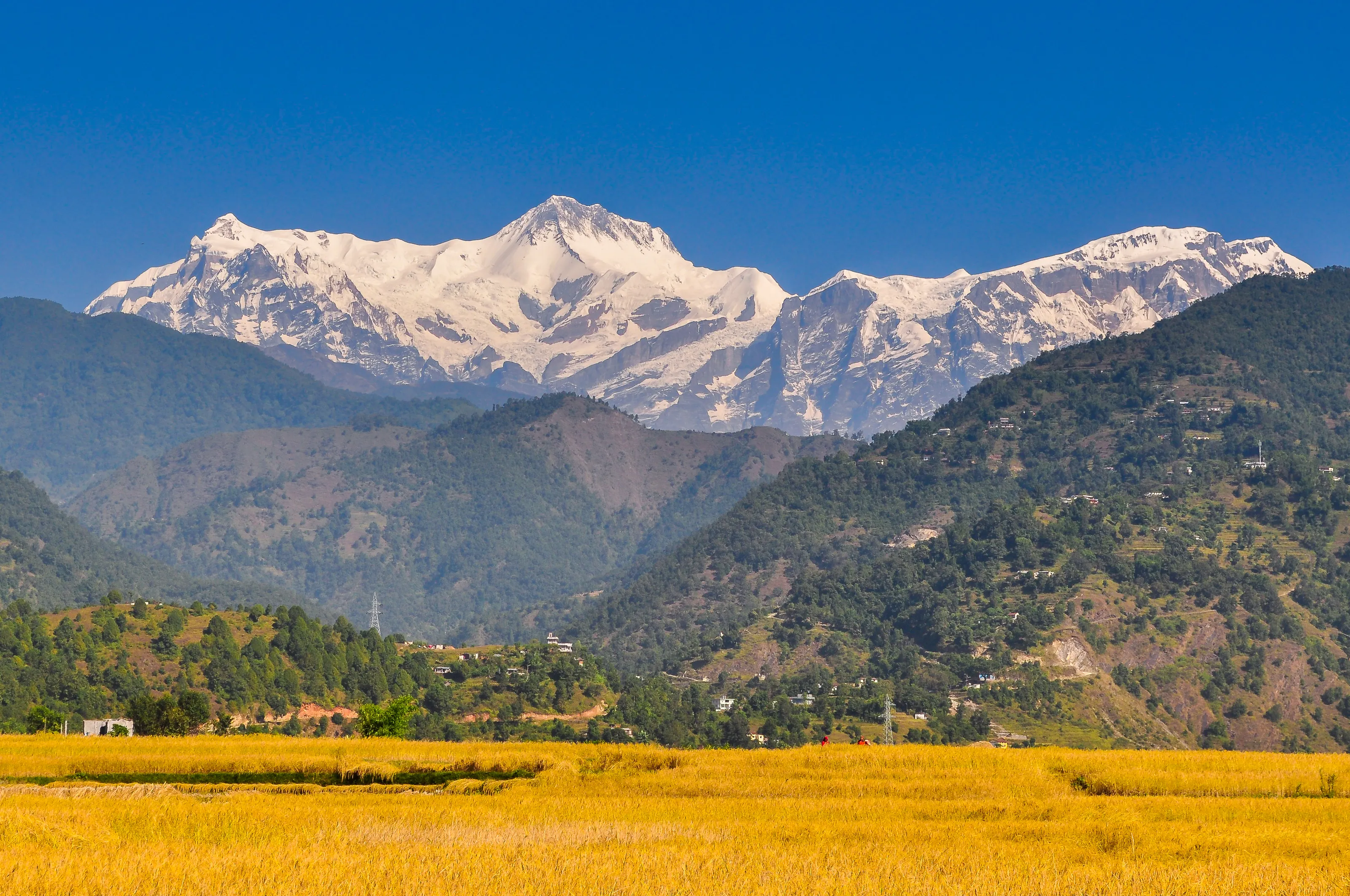
Nepal holds eight of the world's ten highest mountains, including Everest. You can admire them from Pokhara or on a trek in the Annapurna or Khumbu regions, with teahouses and Sherpa villages along the way.
Cities as museums
The Kathmandu Valley packs tiered temples, stupas, palaces and the royal squares of Kathmandu, Patan and Bhaktapur, a legacy of the Newar kingdoms. Its major monuments are UNESCO-listed.
Lumbini and Buddhism
Lumbini, Buddha's traditional birthplace, is a UNESCO site and a pilgrimage goal. In the Kathmandu Valley, Boudhanath and Swayambhunath draw Hindu and Buddhist pilgrims and visitors alike.
Jungle and wildlife
In the south, Chitwan National Park, on the Terai plain, shelters Indian rhinos, leopards and hundreds of bird species. You explore it on foot, by jeep or by canoe.
Landmarks
Kathmandu, Bhaktapur, Pokhara, Everest and Chitwan
A trip to Nepal usually combines the Kathmandu Valley, Pokhara and its mountains, a stay in the Terai jungle and, for the adventurous, a trek of a few days to a few weeks in the Himalayas.
Kathmandu, Boudhanath and Swayambhunath
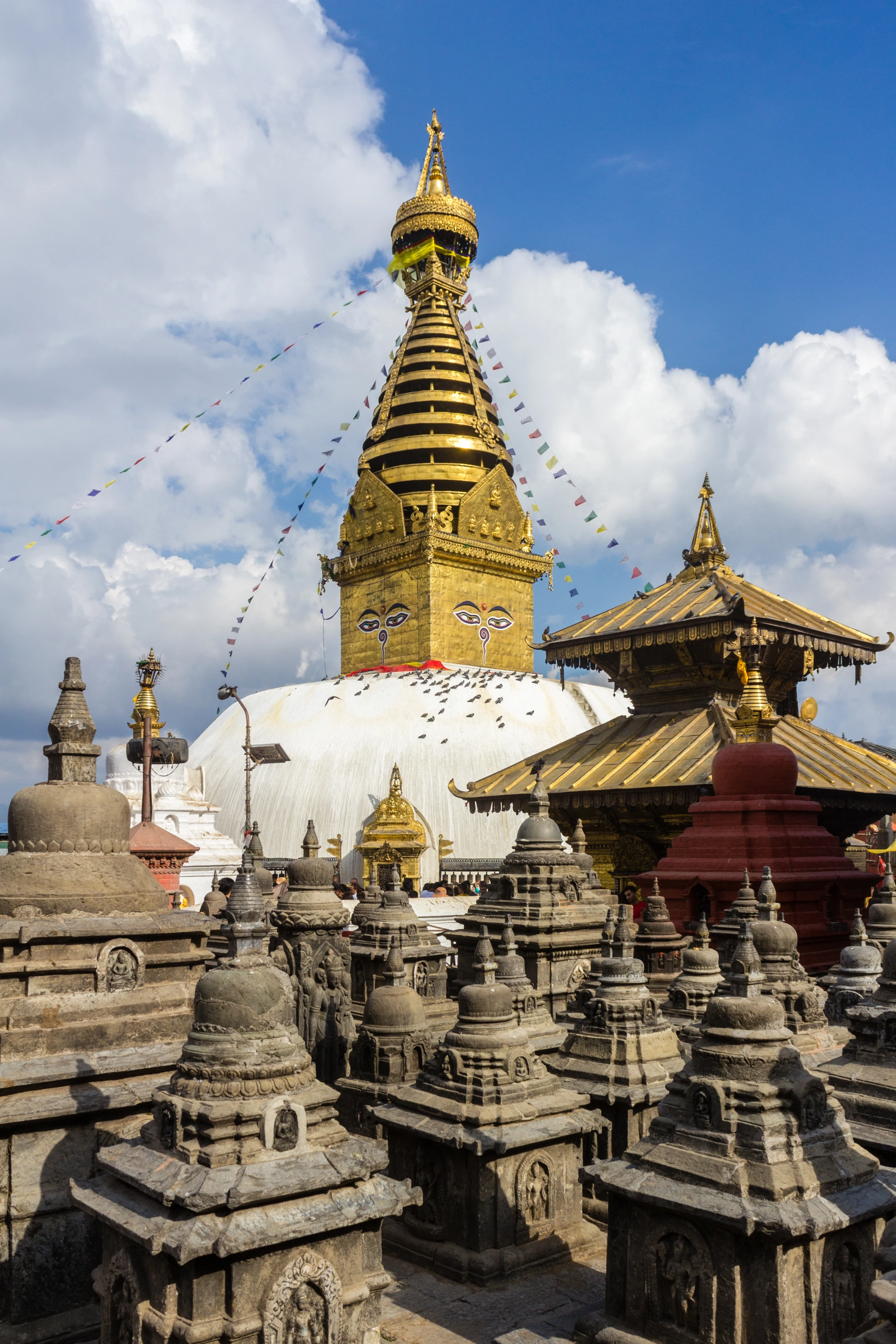
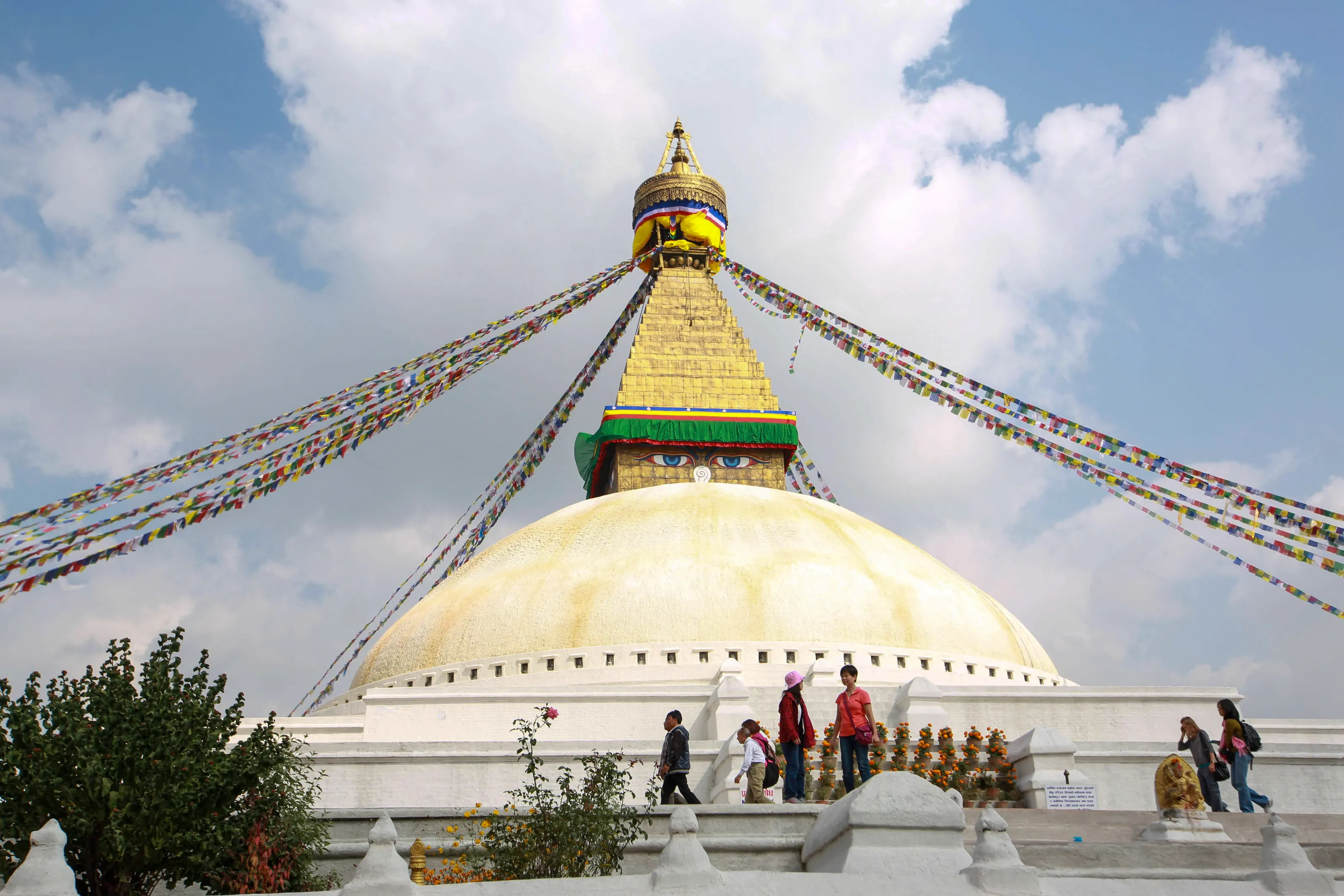
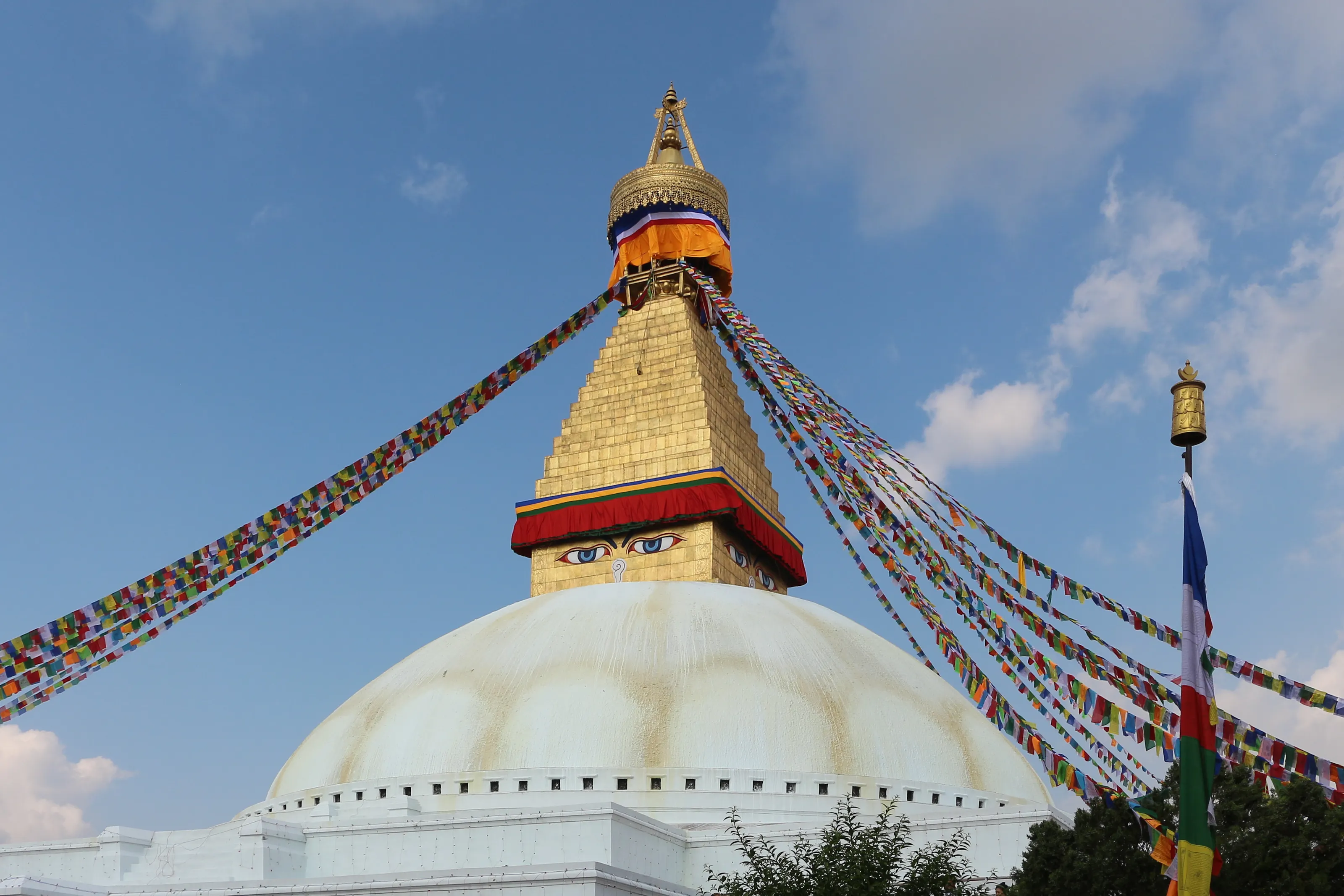
Kathmandu mixes narrow lanes, spice markets and multi-roofed temples. At Boudhanath, one of the world's largest stupas, pilgrims walk around the white dome under prayer flags. Swayambhunath, the Monkey Temple, overlooks the city from its hill and its painted eyes gaze over the valley.
Bhaktapur, Patan and the Newar valley
In Bhaktapur and Patan, former capitals of Newar kingdoms, the Durbar squares line up palaces, pagodas and finely carved wooden windows. You wander among pottery and sculpture workshops without the density of the capital. A day per town is enough to soak up the atmosphere.
Pokhara, Phewa Lake and Annapurna views
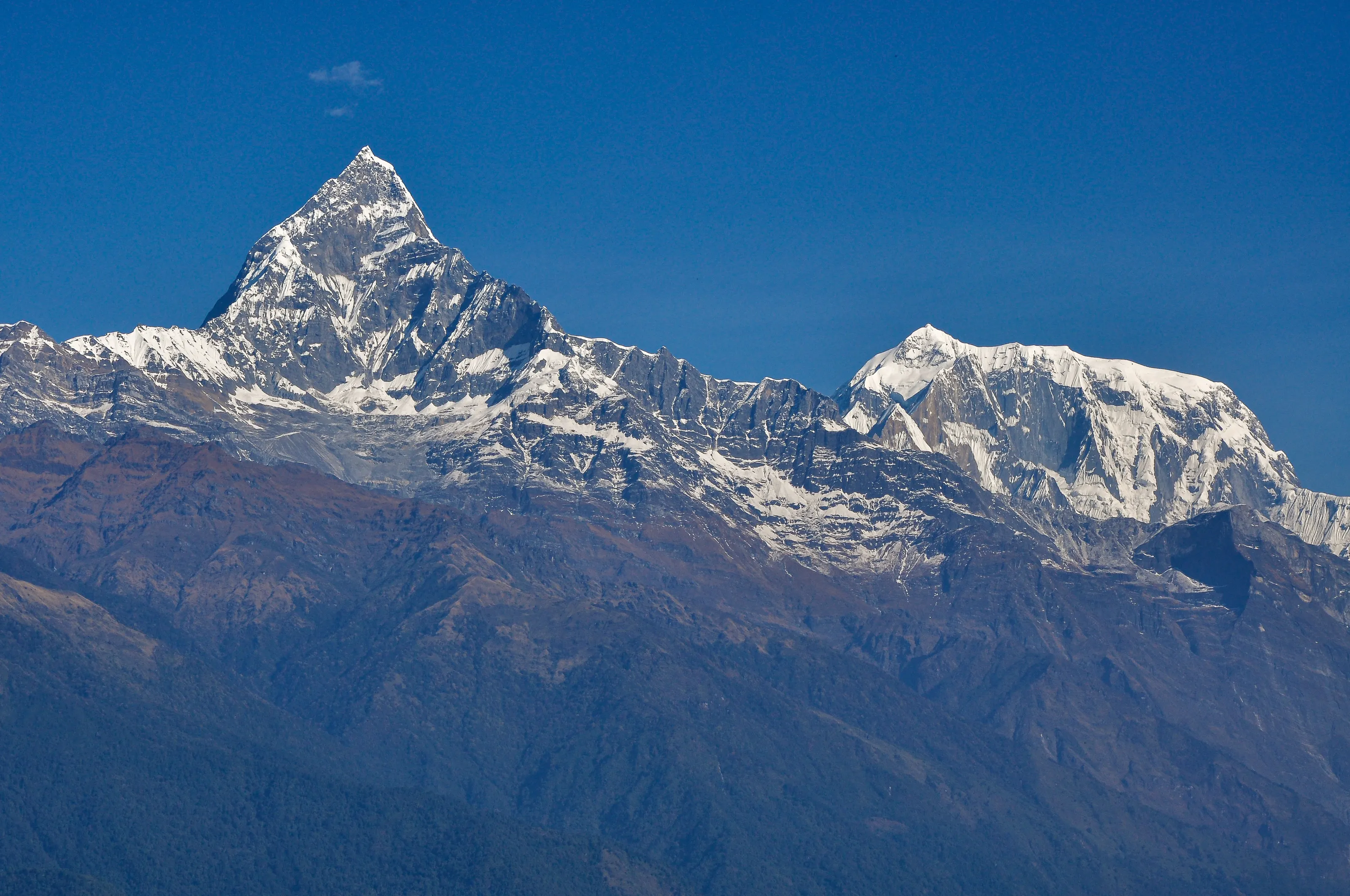
Pokhara is the main base for Annapurna treks, but also a relaxed stop in its own right: the coloured boats of Phewa Lake, cafe terraces and, on clear days, snow-capped peaks, including Machapuchare with its fishtail tip, reflected in the water at sunrise.
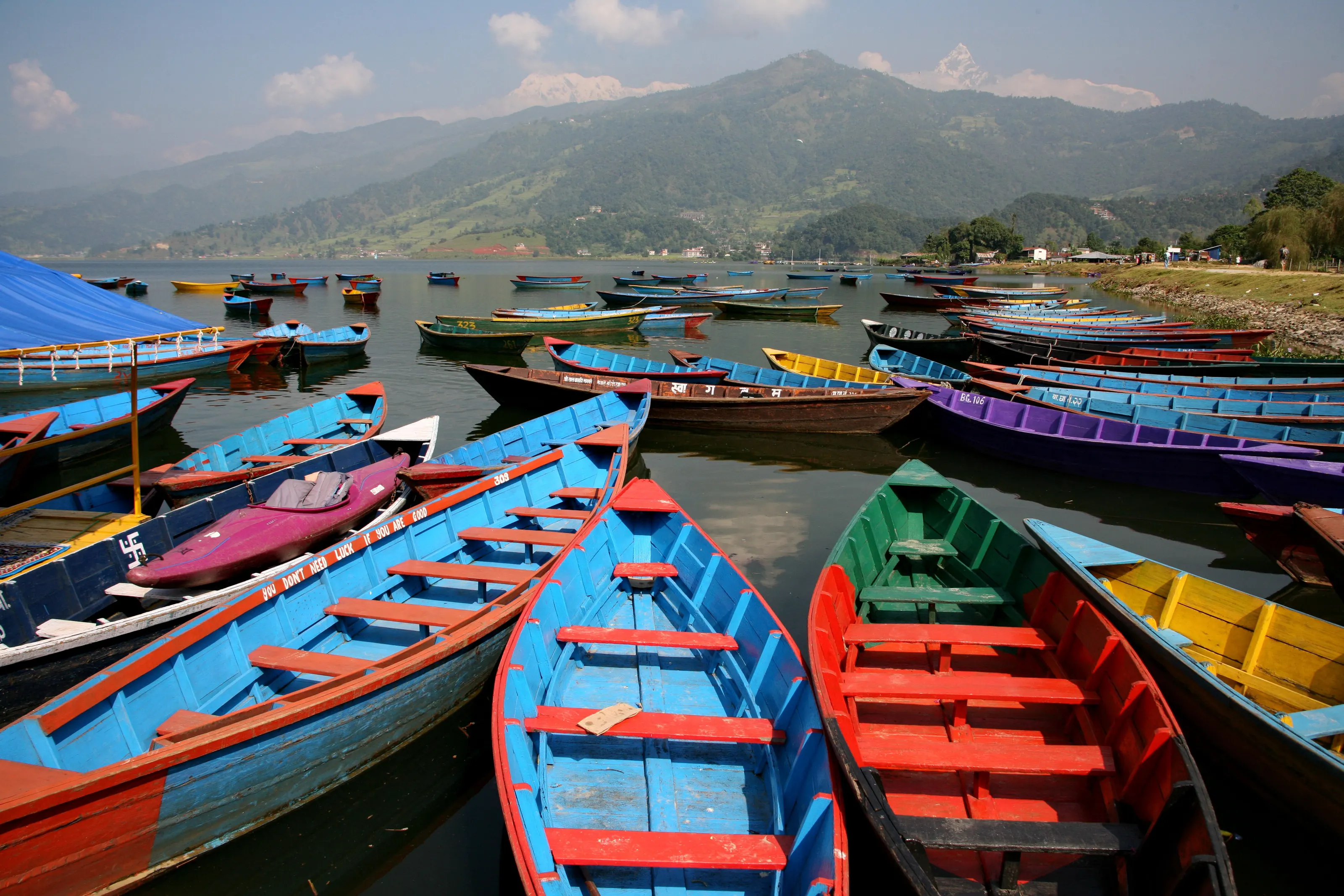
Everest, Annapurna, Chitwan and Lumbini
To see Everest up close, Khumbu treks start from Lukla, reached by small plane from Kathmandu. The Annapurna Circuit and Annapurna base camp are other classics. In the south, Chitwan offers safaris to see rhinos, and Lumbini, in the west, gathers temples and monasteries around Buddha's birthplace.
Before you go
Monsoon, clear autumn and blooming spring: when to travel to Nepal
| Area | Climate | Best time to visit |
|---|---|---|
| Kathmandu Valley and Pokhara | Temperate, with a monsoon from June to September; cool mornings and evenings in winter. | October-November and March-May |
| High-mountain treks (Annapurna, Khumbu) | Cold at altitude, variable conditions, snowy passes depending on the season. | October-November and March-May |
| Terai and Chitwan | Hot and humid; very hot before the monsoon. | October to March |
| All regions | Altitude changes everything: one day can go from warm to cold. | Pack layers |
The summer monsoon often hides the peaks and makes some roads difficult. Autumn, after the rains, brings the clearest air; spring brings rhododendron forests in bloom. Keep an eye on fares before you lock in your dates.
Getting around
Domestic flights, mountain roads and taxis
From Kathmandu airport, the centre is only a few kilometres away, but traffic can slow the ride. Between towns, distances are short on the map and long on the road: a domestic flight links Kathmandu and Pokhara in about half an hour, while the bus takes most of a day.
For treks, small planes serve mountain airstrips, with schedules that depend on the weather. Build slack into your plans, take insurance covering high-altitude hiking and, depending on your route, get a trekking permit, which the official tourism board describes.
Food and culture
Dal bhat, momos and the festivals of Dashain and Tihar
Nepal is made of dozens of peoples and languages: Newar in the Kathmandu Valley, Sherpa and Tibetan in the high mountains, Tharu in the Terai. Hinduism is the majority religion and Buddhism is highly visible, and the two often share the same places of worship. The Dashain and Tihar festivals in autumn mark the year.
The staple is dal bhat, a plate of rice, lentils and vegetables served with refills, along with momos, steamed dumplings of Tibetan inspiration. Modest dress is expected in temples, and shoes come off at the door.
Flying to Nepal
The Nepalese airport covered by SniperAir
Tribhuvan International
Kathmandu's airport, the country's only major air gateway, a few kilometres from the centre: allow twenty to forty minutes by road depending on traffic. Flights to Pokhara and the mountains leave from here.
SniperAir destinations
Discover our destination pages
FAQ
Frequently asked questions about Nepal
Which airport do I fly into for Nepal?
Kathmandu (KTM) is the country's main international airport. Domestic flights then reach Pokhara and mountain airstrips. SniperAir tracks KTM.
When is the best time to travel to Nepal?
Autumn (October-November) and spring (March to May) offer the best conditions for trekking and mountain views. The monsoon, from June to September, is the rainy season.
Is travelling to Nepal expensive?
On the ground, living costs are generally moderate, especially for meals, simple lodging and local transport. A guided trek or domestic flights push the budget up.
Do I need a visa for Nepal?
Requirements depend on your nationality and the length of your stay. Check the visa page of the Nepal tourism board or the official immigration website before you travel.
How long should I spend in Nepal?
Allow eight to ten days for the Kathmandu Valley, Pokhara and Chitwan, and two to three weeks if you add a trek.
Do I need to prepare for altitude?
Yes: on a trek, climb gradually, give your body time to acclimatise and buy insurance covering high-altitude hiking and evacuation.
How do I get alerted when a flight to Nepal gets cheaper?
Create a SniperAir alert profile with your departure airport and Kathmandu as destination: we track prices and notify you as soon as a matching deal appears. See how it works.
Ready to track fares to Nepal?
Create an alert and let SniperAir do the rest.
Create my alert