
Traveling to Germany
A federation of 16 states with no single dominant city, Germany is the third-largest economy in the world and a country of fairy-tale castles, 55 UNESCO World Heritage properties, Cold War history and the most extensive Christmas market tradition on Earth. Berlin, Munich, Hamburg, Cologne and Frankfurt each offer a different trip, and the rail and motorway network makes a multi-region journey easy. Here's what you need to know before you go.
Germany in numbers
Capital
Berlin
Population
83.5 M
Currency
Euro (€)
Language
German
International visitors
37.4 M
Continent
Europe
Time zone
UTC+1
Airports covered
16
Why visit Germany
Between 20th-century memory and regional living
20th-century history
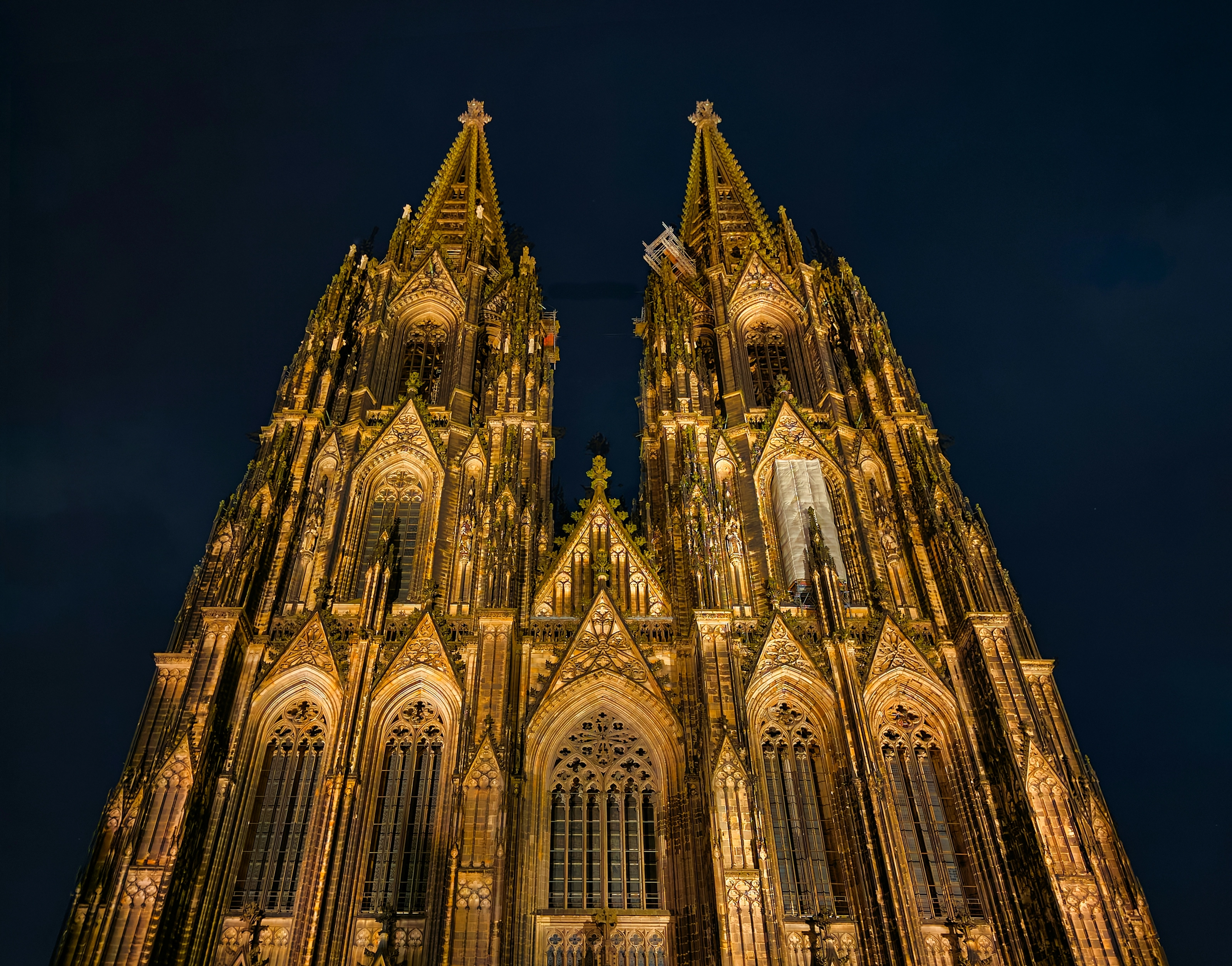
The Berlin Wall and its memorials bear witness to recent history that Germany honors through numerous places of remembrance. Beyond the capital, the Palaces and Parks of Potsdam and Berlin, the Bauhaus sites in Weimar and Dessau and the Cologne Cathedral, whose towers rise 157 metres, are among the country's 55 UNESCO World Heritage properties.
Alternative culture & museums
Berlin's art scene and its UNESCO-listed Museum Island make the capital a major European cultural hub, while Hamburg is known for its harbour and its music, and Frankfurt for its skyline. Each city has a distinct character, so a trip rarely feels the same twice.
Christmas markets & traditions
German Christmas markets rank among the most celebrated in Europe, rooted in strong regional traditions: the country counts well over 2,500 of them, around 1,500 of them large. Nuremberg's Christkindlesmarkt draws about 2.5 million visitors, Cologne's about 5 million, and Munich's Nikolausmarkt is documented as far back as 1310.
Beer & regional cuisine
Every German region nurtures its own specialties and brewing traditions, from Bavaria to the Rhineland. The Reinheitsgebot beer purity law was issued in Ingolstadt on 23 April 1516, and Oktoberfest, first held in 1810, set a record of 7.2 million visitors in 2023. Think Weisswurst and pretzels in Bavaria, Currywurst in Berlin, Spätzle in Swabia and Kölsch in Cologne.
Traveling to Germany
Berlin's airport covered by SniperAir
Berlin Brandenburg
The capital's sole airport since 2020, it replaced Tegel and Schönefeld.
Beyond Berlin, SniperAir already covers 15 other German airports — from Düsseldorf to Dresden — with more destination pages being added progressively. Whichever you choose, the rail network and the Autobahn, about 13,200 km long, make it easy to continue overland.
SniperAir destinations in Germany
Explore our destination pages
Germany
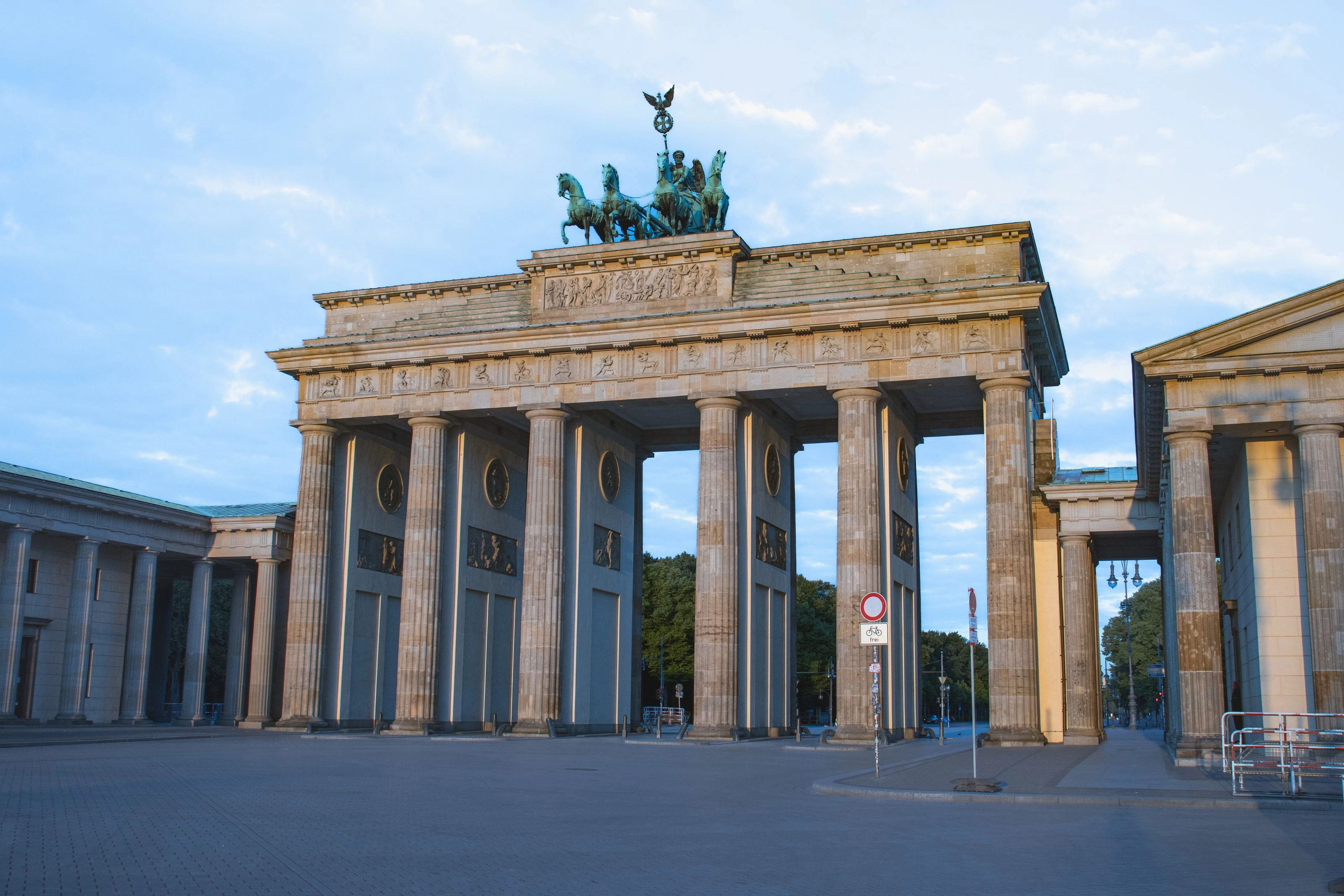
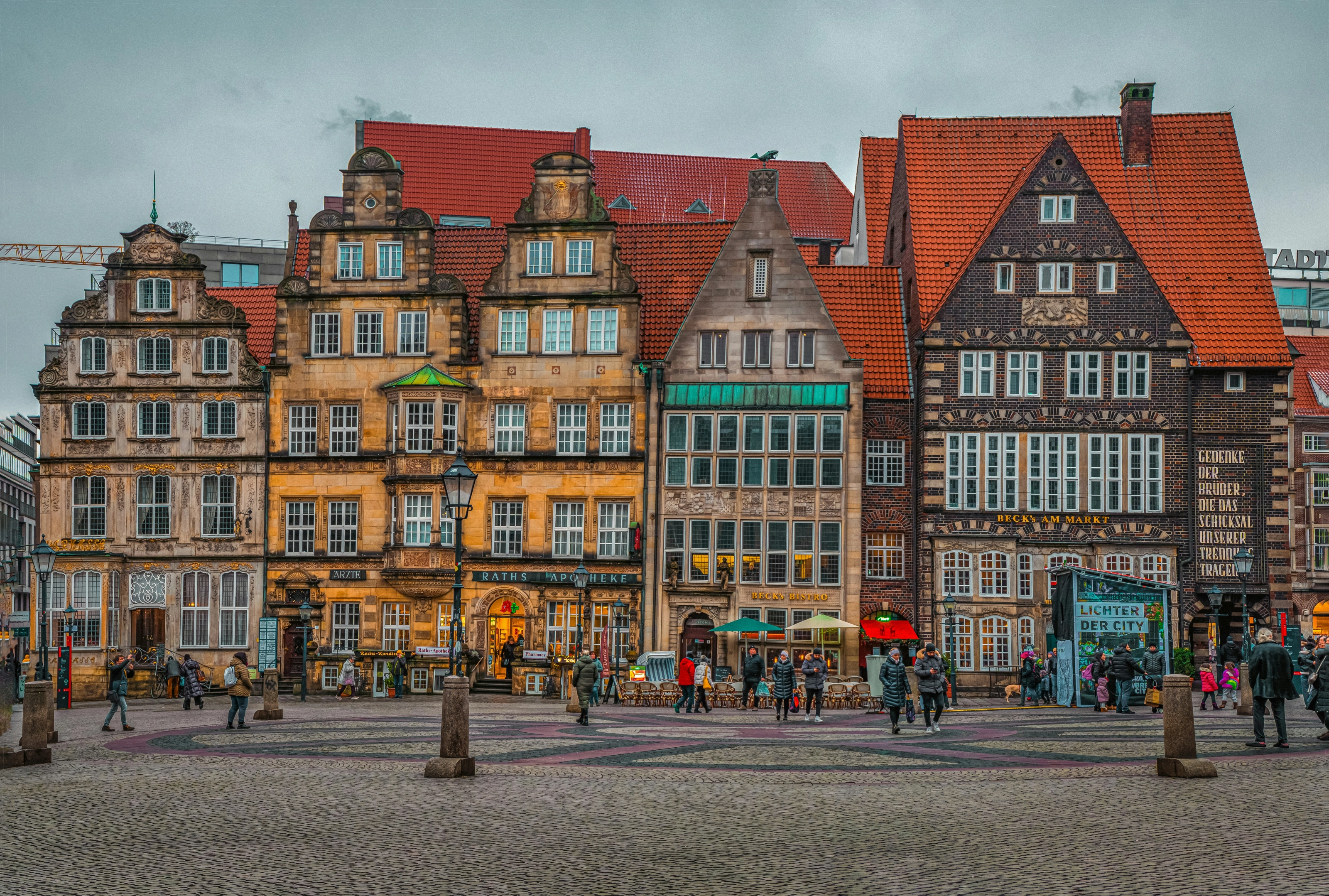
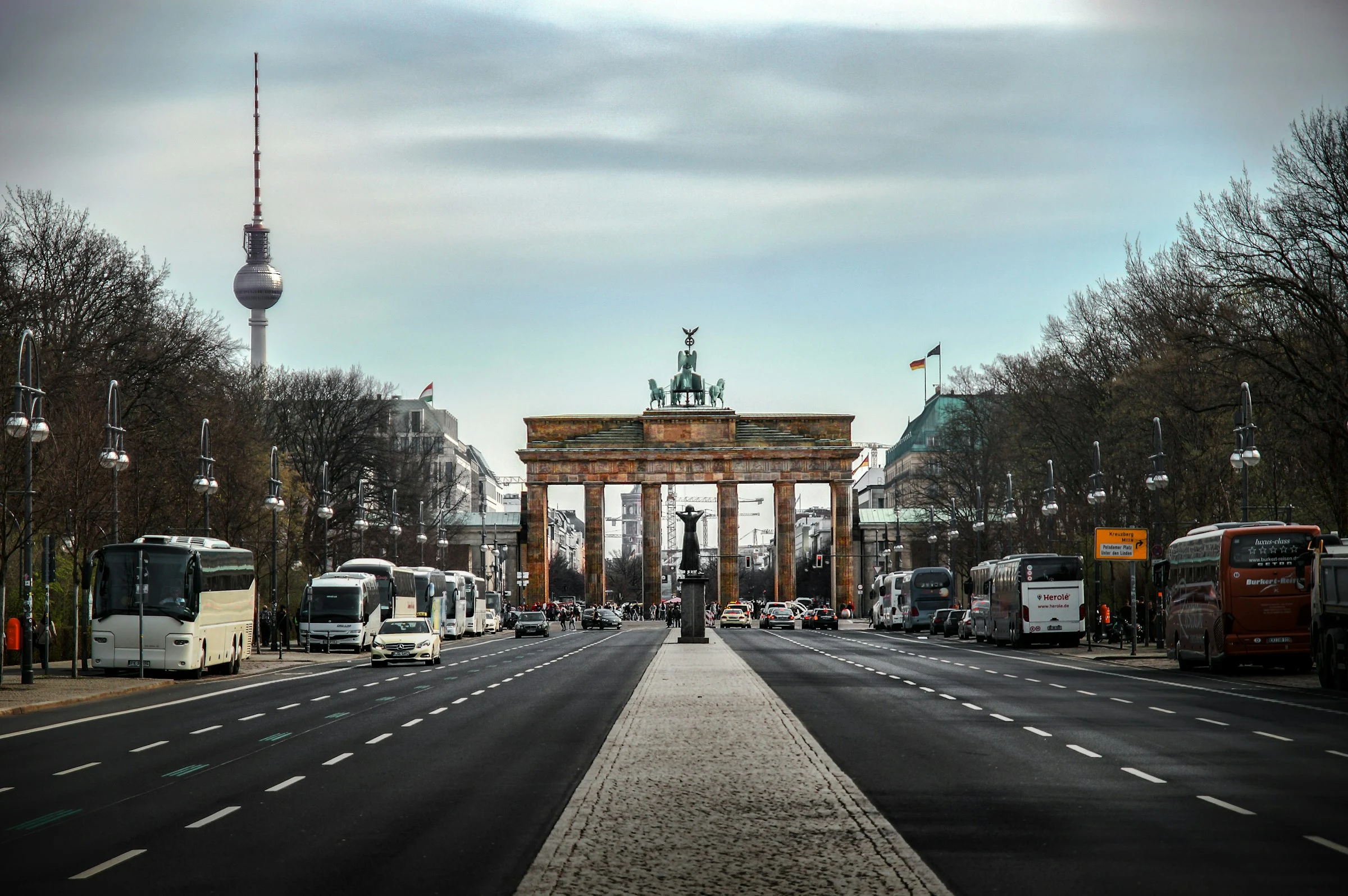
Berlin
The capital, its Wall, its museums and its sole airport, Berlin Brandenburg (BER), open since 2020 in place of Tegel and Schönefeld.
Discover
Germany
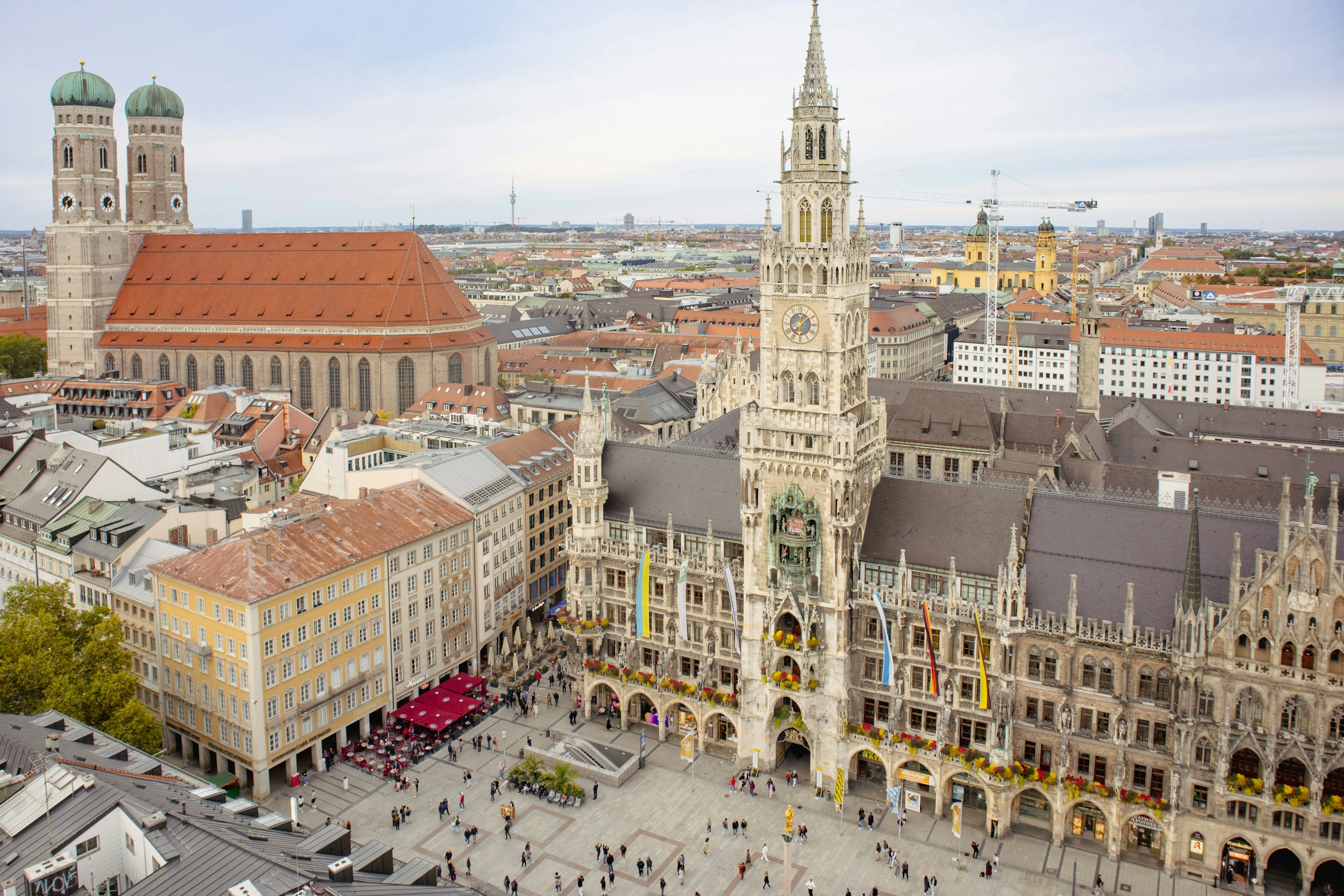
Munich
Munich: Marienplatz, the Frauenkirche, Nymphenburg and the English Garden, beer gardens and Oktoberfest, with price alerts on flights to MUC.
Discover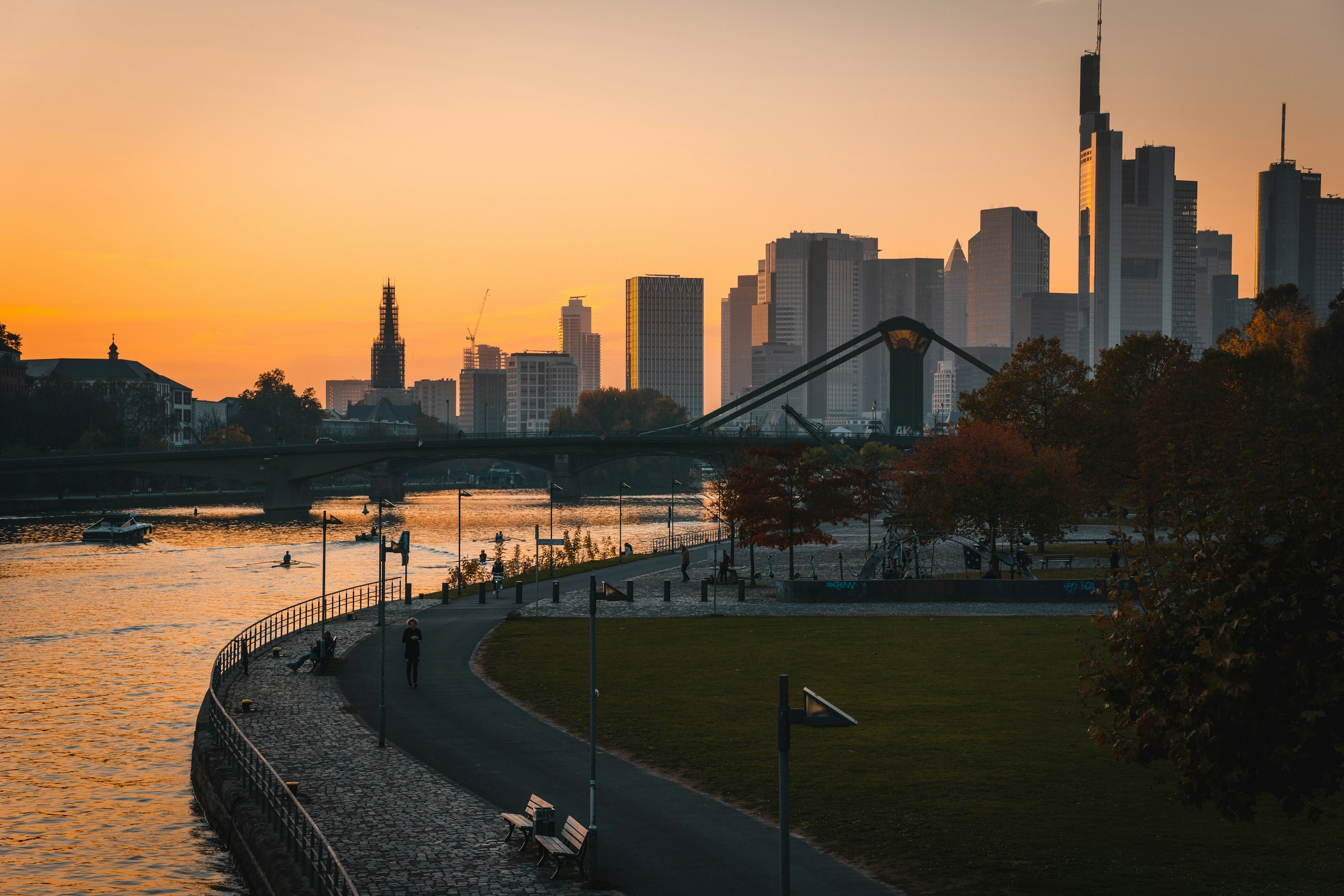
Germany
Frankfurt
Frankfurt: the Mainhattan skyline, Römerberg, Museumsufer and Sachsenhausen cider taverns, with price alerts on flights to FRA.
Discover
Germany
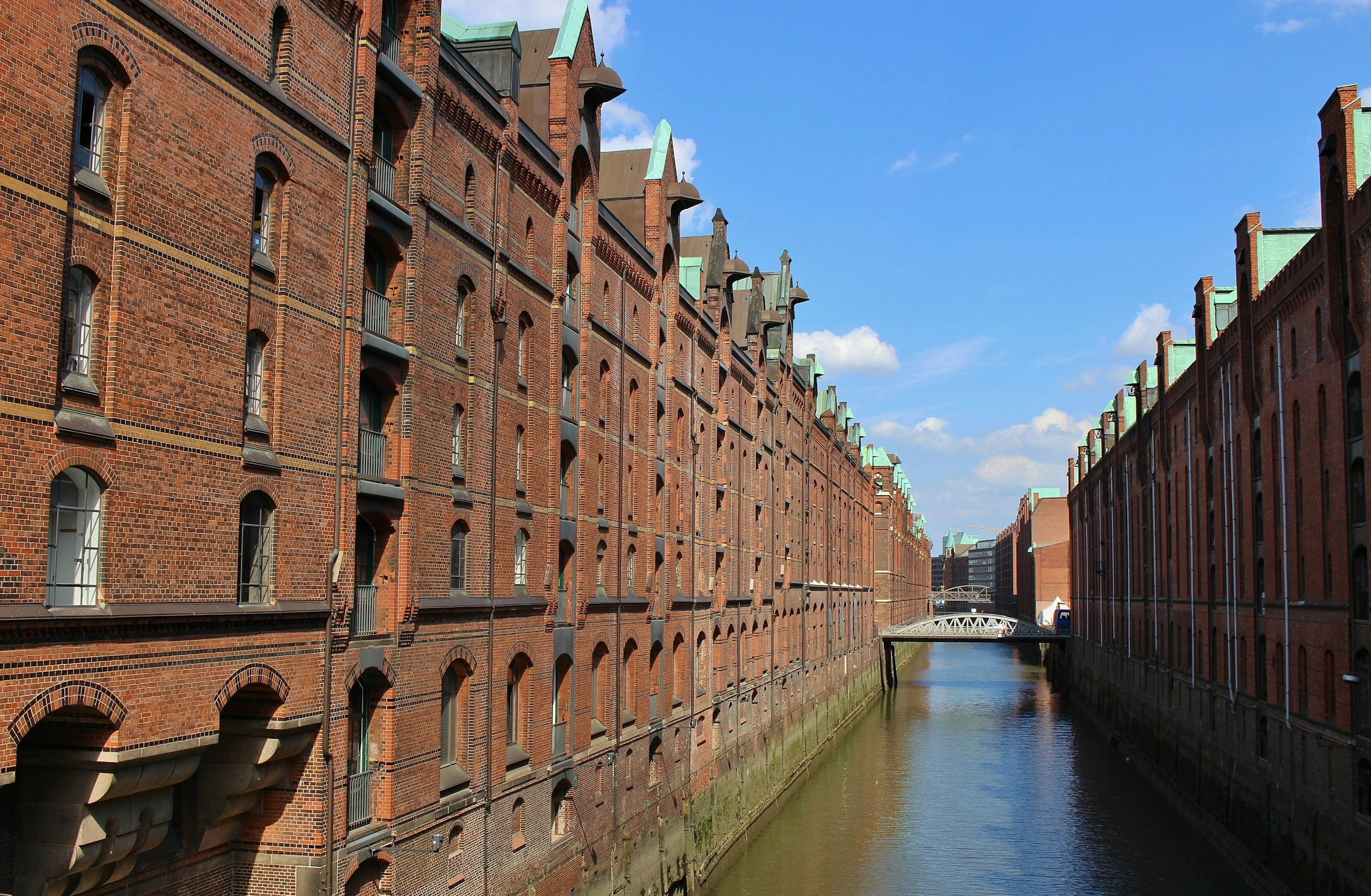
Hamburg
Hamburg: the Speicherstadt, the Elbphilharmonie, the Alster lakes and the harbour on the Elbe, with price alerts on flights to HAM.
Discover
Germany
Cologne
Cologne: the Gothic cathedral, the Hohenzollern Bridge, the Rhine riverbanks, Kölsch beer and Carnival, with price alerts on flights to CGN.
Discover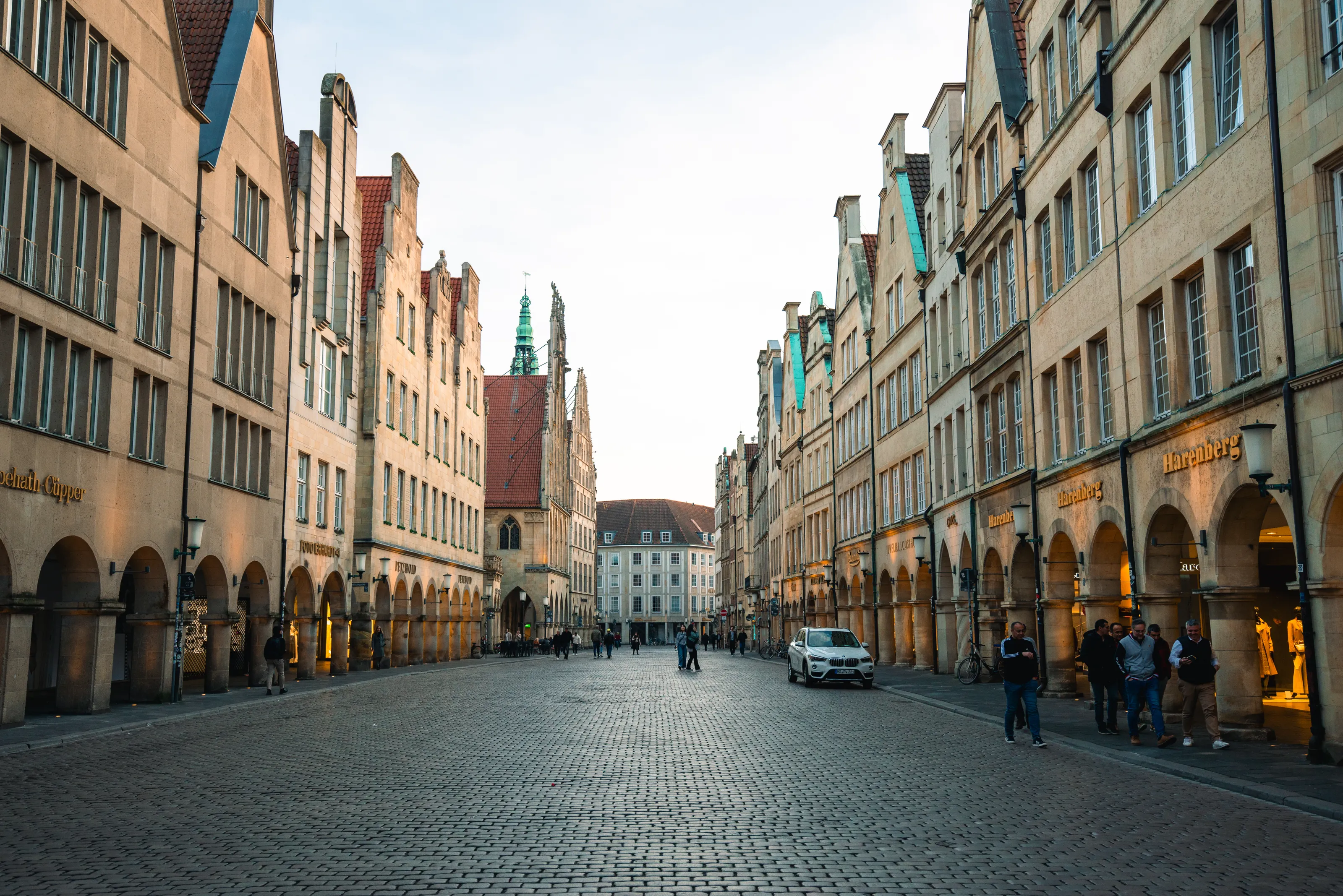
Germany
Münster
Germany's bicycle city, where the Peace of Westphalia was negotiated, with its rebuilt Prinzipalmarkt.
Discover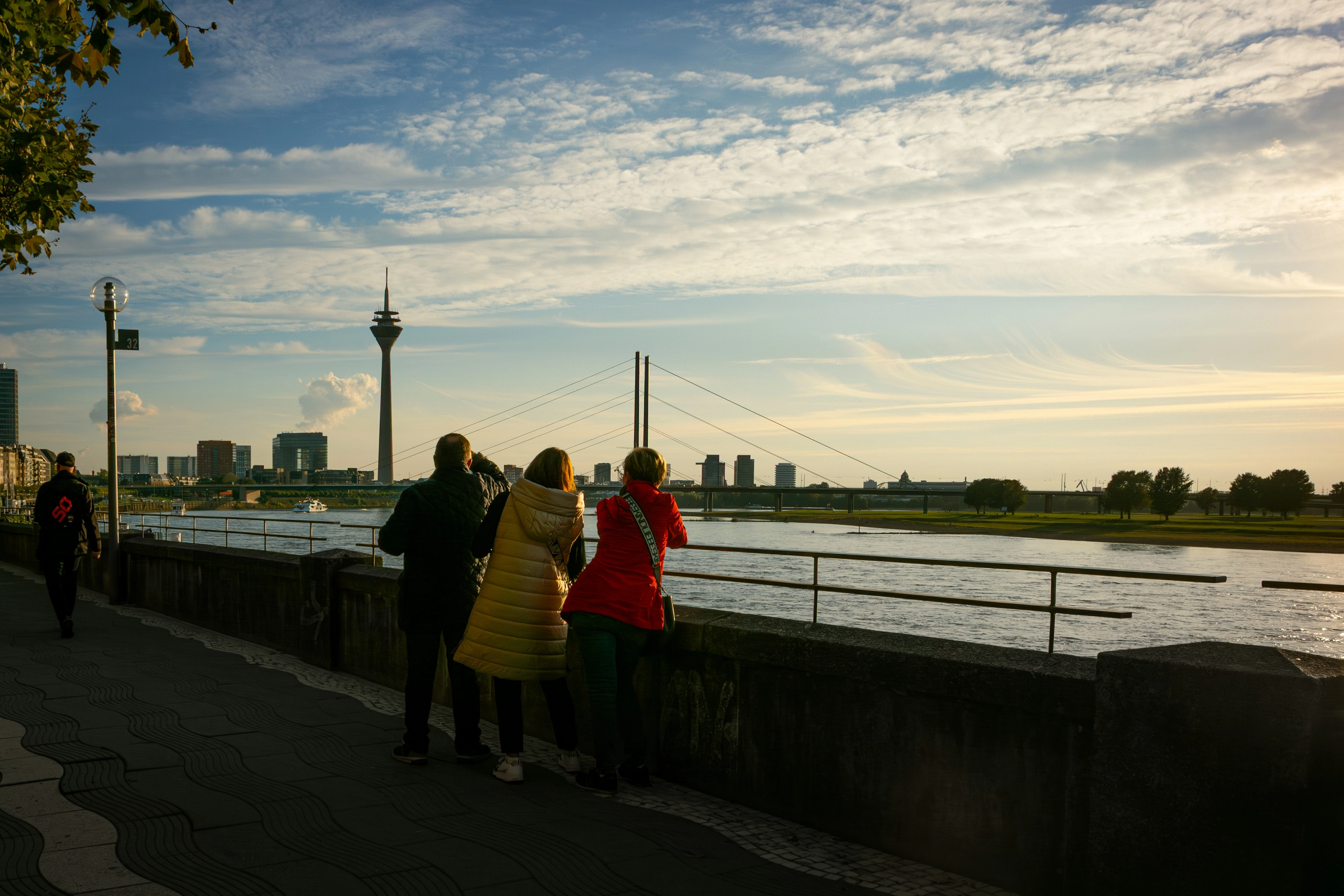
Germany
Düsseldorf
Düsseldorf: the Rhine promenade, the TV tower, Gehry's Medienhafen, Königsallee and Altbier, with price alerts on flights to DUS.
Discover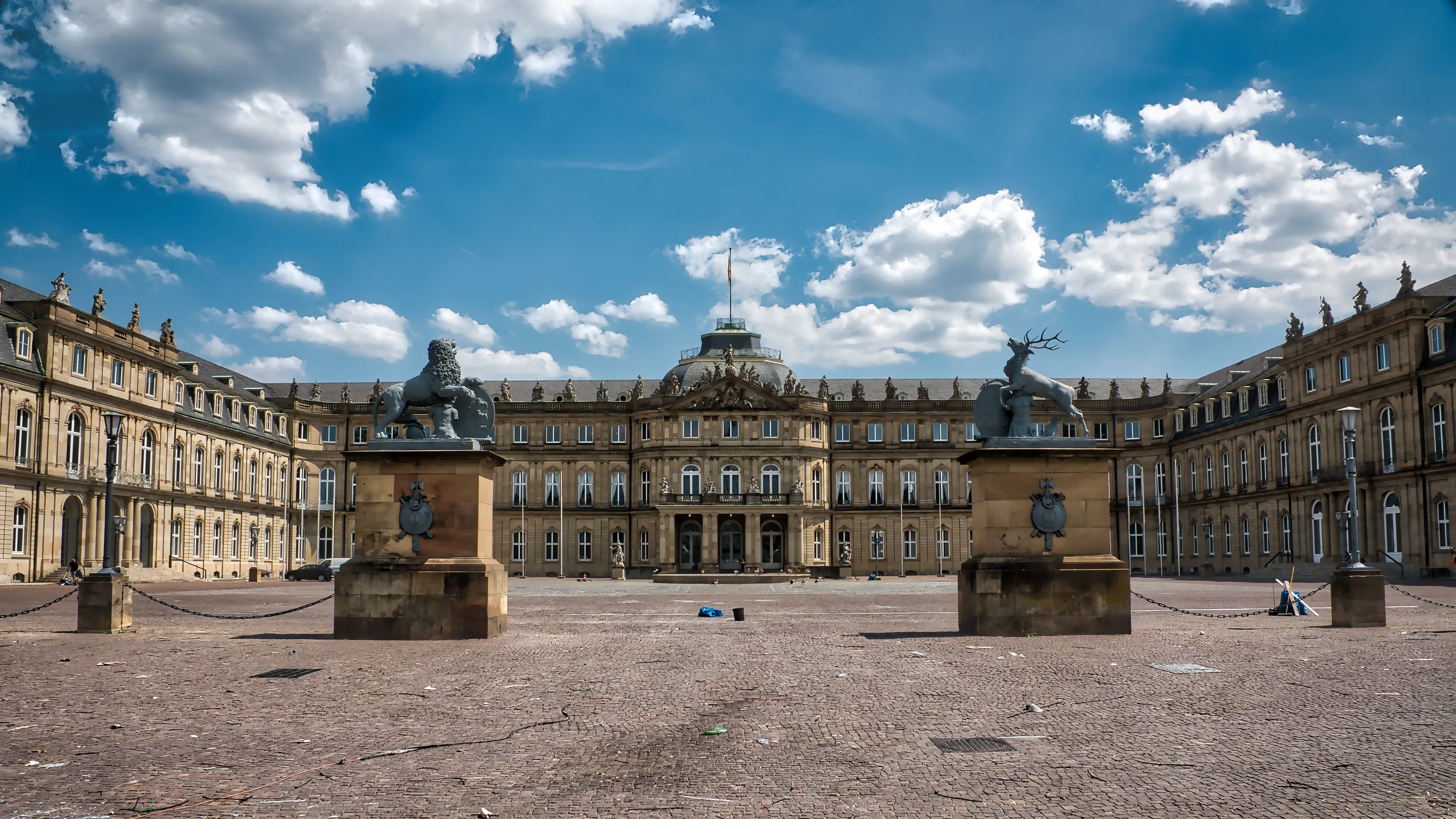
Germany
Stuttgart
Stuttgart: Schlossplatz, the New Palace, Solitude Palace, vineyards in a green basin and Swabian food, with price alerts on flights to STR.
Discover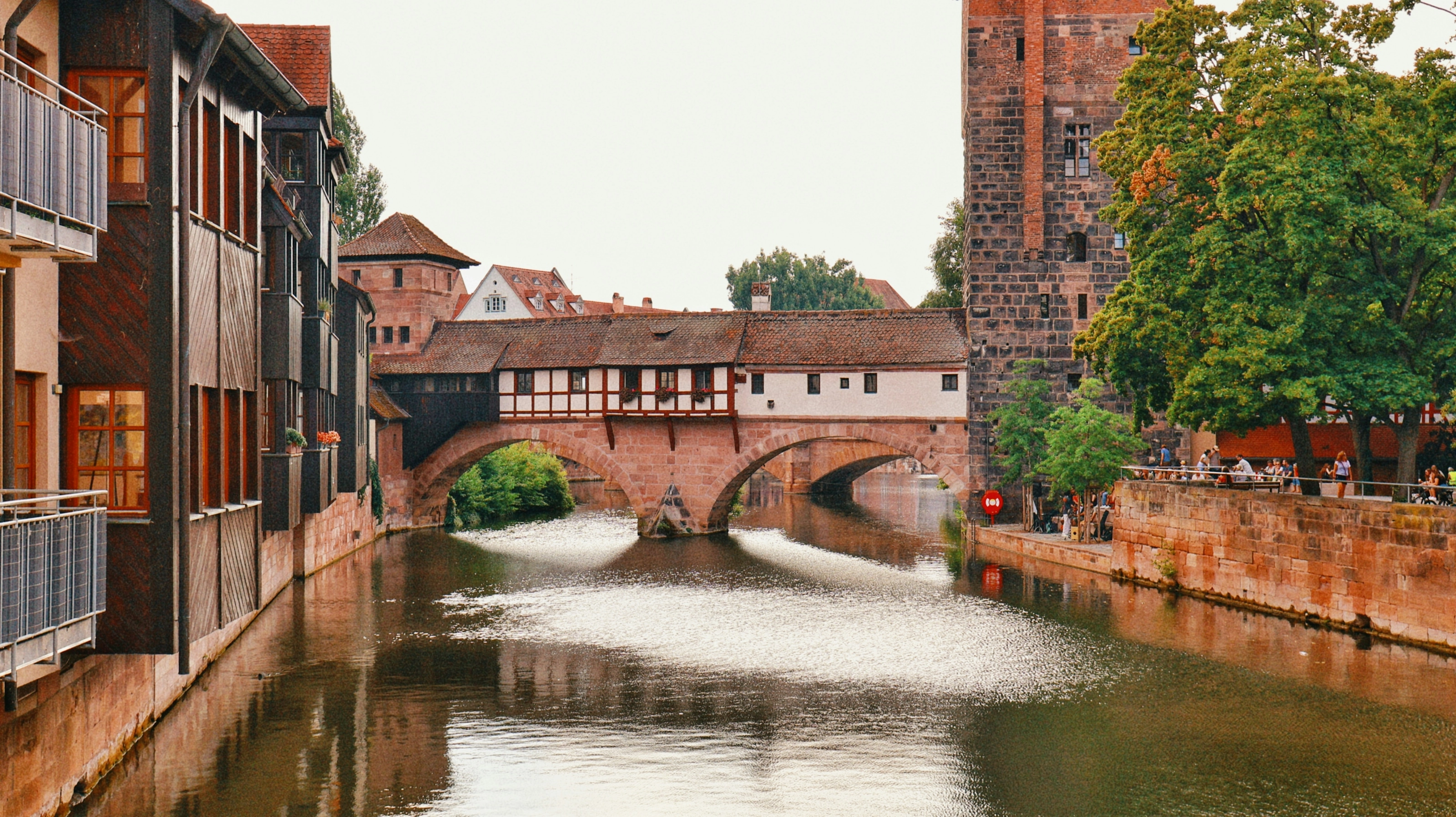
Germany
Nuremberg
Nuremberg: the imperial castle, a medieval old town on the Pegnitz, the Christmas market and bratwurst, with price alerts on flights to NUE.
Discover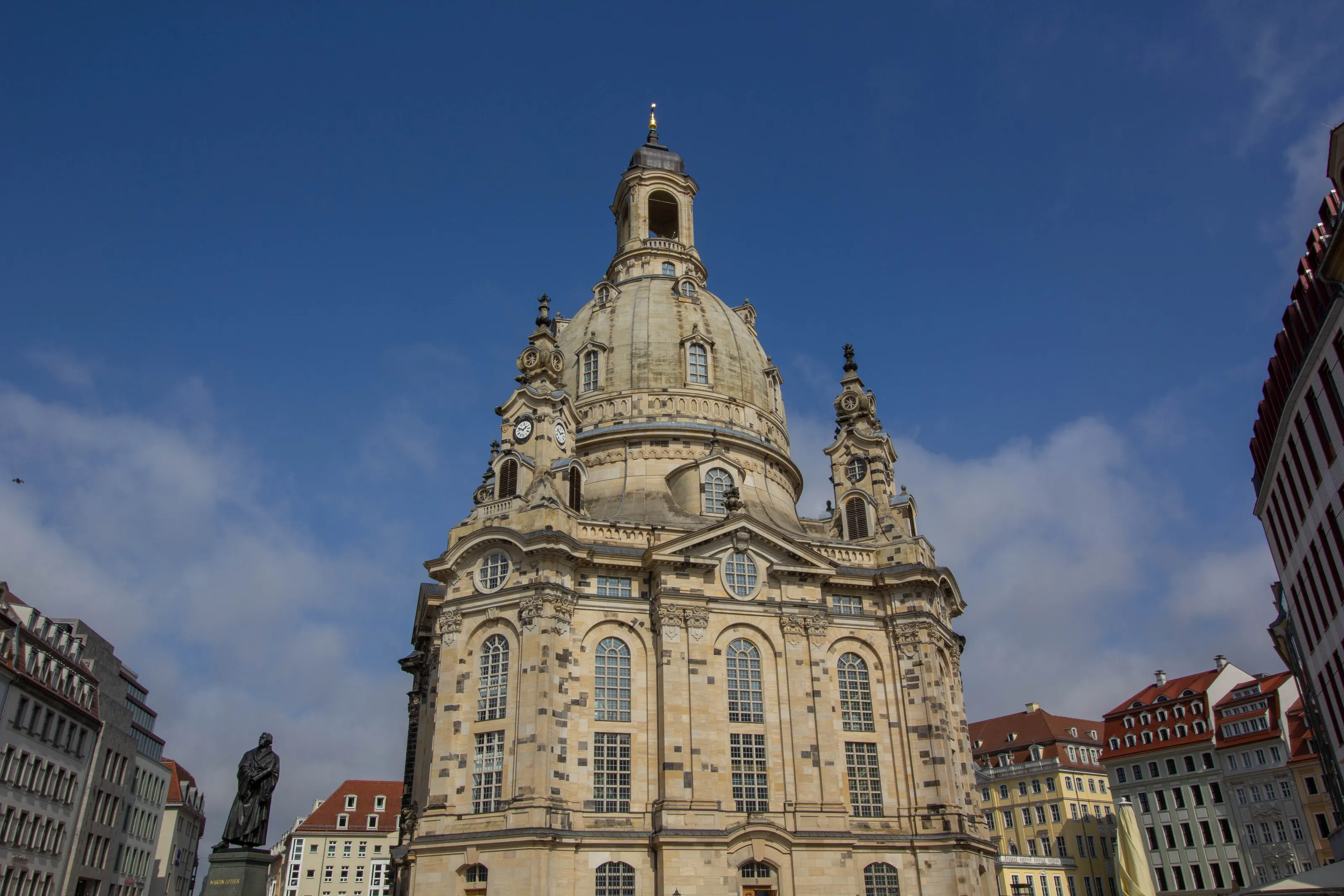
Germany
Dresden
Dresden: the rebuilt Frauenkirche, the Baroque Zwinger, the Fürstenzug, Brühl's Terrace and the Elbe banks, with price alerts on flights to DRS.
DiscoverOther German cities (Dortmund, Hanover, Bremen...) will join this list progressively.
Before you go
Sixteen states, four main travel regions
| Region | Mood | Key cities |
|---|---|---|
| North | Ports, the Baltic and the North Sea | Hamburg, Bremen, Kiel |
| East | 20th-century history, cultural capital | Berlin, Dresden, Leipzig |
| West & Rhineland | Cathedrals, vineyards, big trade fairs | Cologne, Düsseldorf, Frankfurt |
| South & Bavaria | Alps, romantic castles, brewing traditions | Munich, Nuremberg, Stuttgart |
FAQ
Frequently asked questions about Germany
What is the best airport to fly into Germany?
Berlin Brandenburg (BER) has been the capital's sole airport since 2020. SniperAir also covers 15 other German airports depending on the region you're visiting.
What is the best time to visit Germany?
Spring is mild, while summer brings plenty of outdoor festivals. Winter, though colder, remains popular for its Christmas markets.
Is Germany just Berlin?
No — SniperAir already covers 16 German airports, from Munich to Hamburg. Munich, Frankfurt, Hamburg, Cologne, Düsseldorf, Stuttgart, Nuremberg and Dresden already have their own page, and other cities will follow progressively.
How do I get around Germany once I have landed?
Trains are the easiest way to link regions: ICE services run at up to 300 km/h and the Berlin to Munich Sprinter takes about four hours. Deutsche Bahn delays are common, so allow buffers for connections and reserve seats at peak times. The Deutschlandticket covers local and regional transport but not ICE, IC or EC trains, and the Autobahn network, about 13,200 km long, suits road trips.
How many days should I plan for a trip to Germany?
Ten to fourteen days let you combine Berlin, Dresden, Nuremberg, Munich and the Alps, while a week is enough for Bavaria alone. The country suits history buffs, families, road-trippers and Christmas market fans, and it is generally very safe, though pickpockets operate around stations and markets.
Do I need a visa to visit Germany?
It depends on your nationality. European Union citizens need no special formalities; for other nationalities, it's best to check entry requirements with the relevant authorities before booking.
How do I get alerted when a flight to Germany drops below my budget?
Create a SniperAir alert profile with your departure airport and your German destination: we track prices for you and notify you as soon as an opportunity matching your criteria appears.
Ready to track prices to Germany?
Create an alert and let SniperAir do the rest.
Create my alert