
Travel to South Africa
Three capitals, twelve official languages and a coastline on two oceans: South Africa, the rainbow nation, mixes Table Mountain, Big Five safaris, wine country and the history of Robben Island. Here is what to know before you book.
South Africa at a glance
Capitals
3
Population
~62 M
Area
~1.22 M km²
Currency
Rand
Languages
12 official
UNESCO sites
12
Continent
Africa
Time zone
UTC+2
Airports covered
8
Why visit South Africa
A rainbow nation with a lot of country in it
If you want to travel to South Africa for its variety, you are in the right place: desert in the northwest, subtropical coast in the east and a Mediterranean climate around Cape Town, all in one country.
A biodiversity hotspot
Distinctive biomes and plant and animal life, plus a rich fossil record in the Cradle of Humankind near Johannesburg.
Twelve World Heritage Sites
The country ties with Ethiopia for the most in Africa, from Robben Island and the Cape Floral Region to Maloti-Drakensberg and the Vredefort Dome.
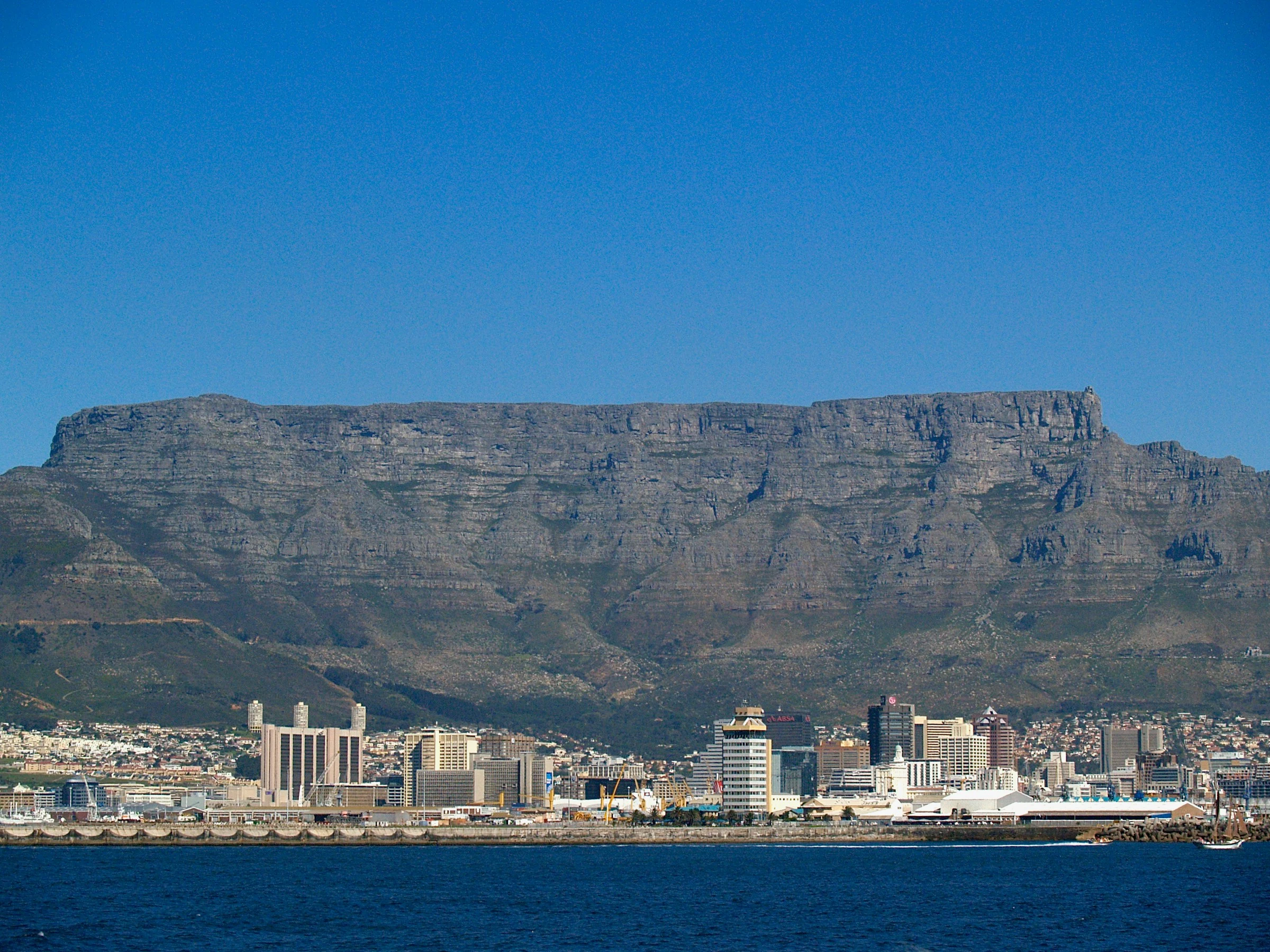
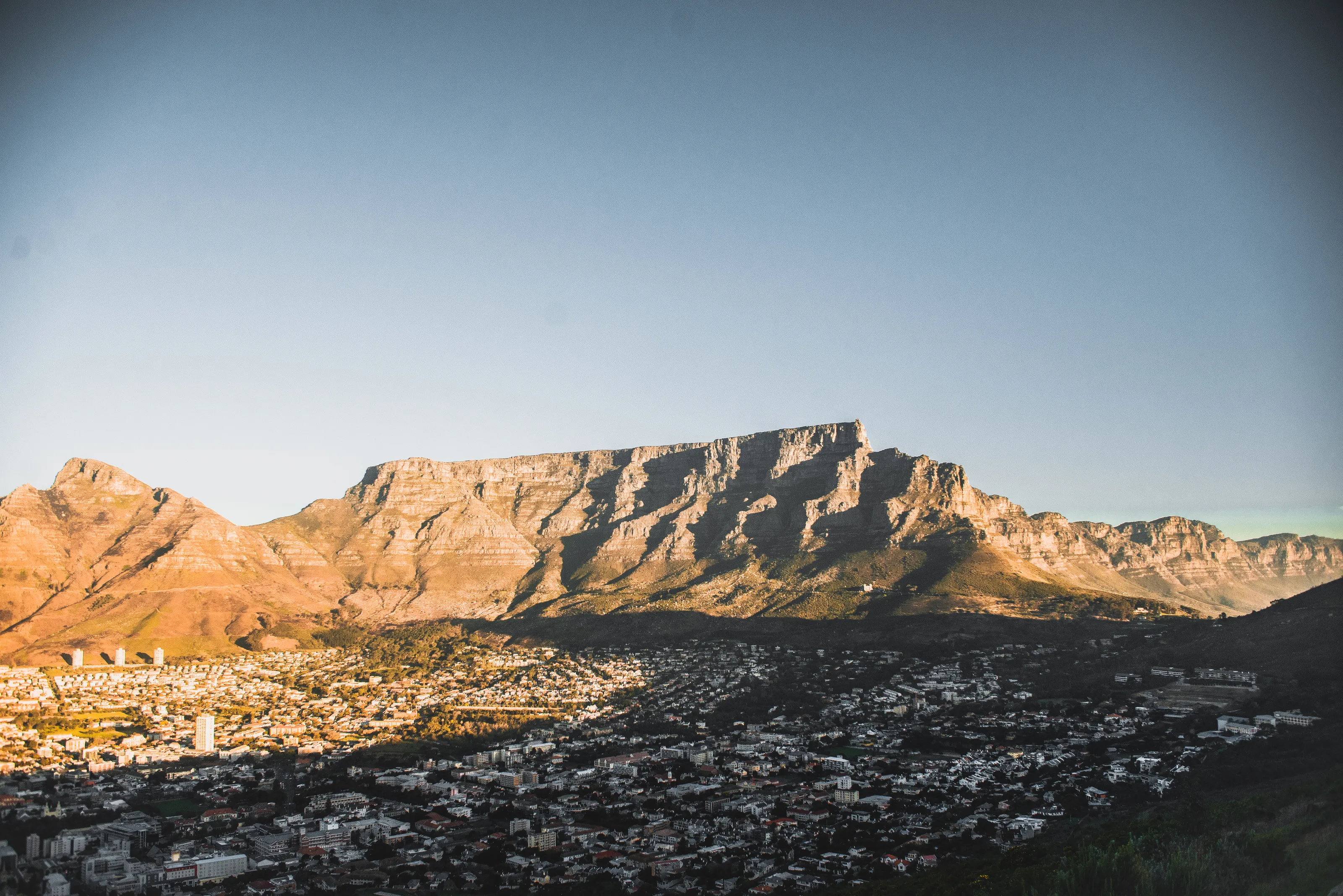
Table Mountain, a New7Wonder
About 1,085 m high with a plateau roughly 3 km wide, it was named one of the New7Wonders of Nature in November 2011.
The Big Five at Kruger
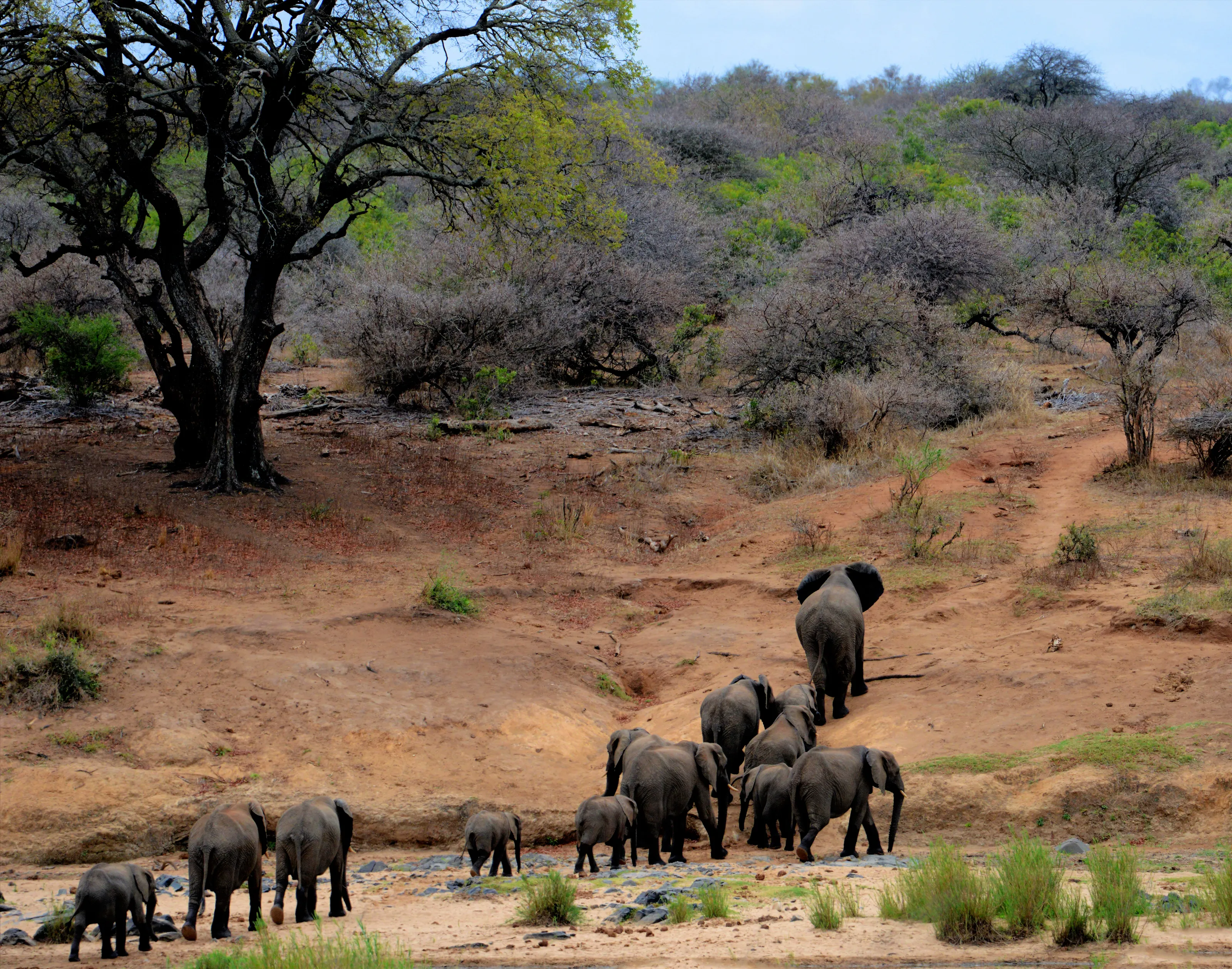
The park holds 147 species of large mammals, more than any other African game reserve according to Wikipedia.
Places to see
Cape Town, Johannesburg, Durban, Kruger and the Garden Route
Distances are long. A good first trip links Cape Town with the Garden Route, then flies to Kruger.
Cape Town and the Winelands
Cape Town is the legislative capital, set between the sea and Table Mountain, whose cableway opened on 4 October 1929. The Platteklip Gorge trail takes about 2.5 hours and is very hot in summer with almost no shade. Robben Island, where Nelson Mandela was imprisoned, lies offshore, and the Winelands around Stellenbosch are close by.
Johannesburg and Durban
Johannesburg is the economic hub and the most common entry point to Southern Africa, and visits to townships such as Soweto are increasingly popular. Durban, the largest city in KwaZulu-Natal and the third largest in South Africa, is a coastal holiday destination with a large Indian community.
Kruger National Park
Kruger, in Mpumalanga, was established in 1926 and covers almost 20,000 km². It is a top destination for seeing the Big Five. The rainy season runs from September to May, and September and October are the driest months.
Garden Route, Gqeberha and the Drakensberg
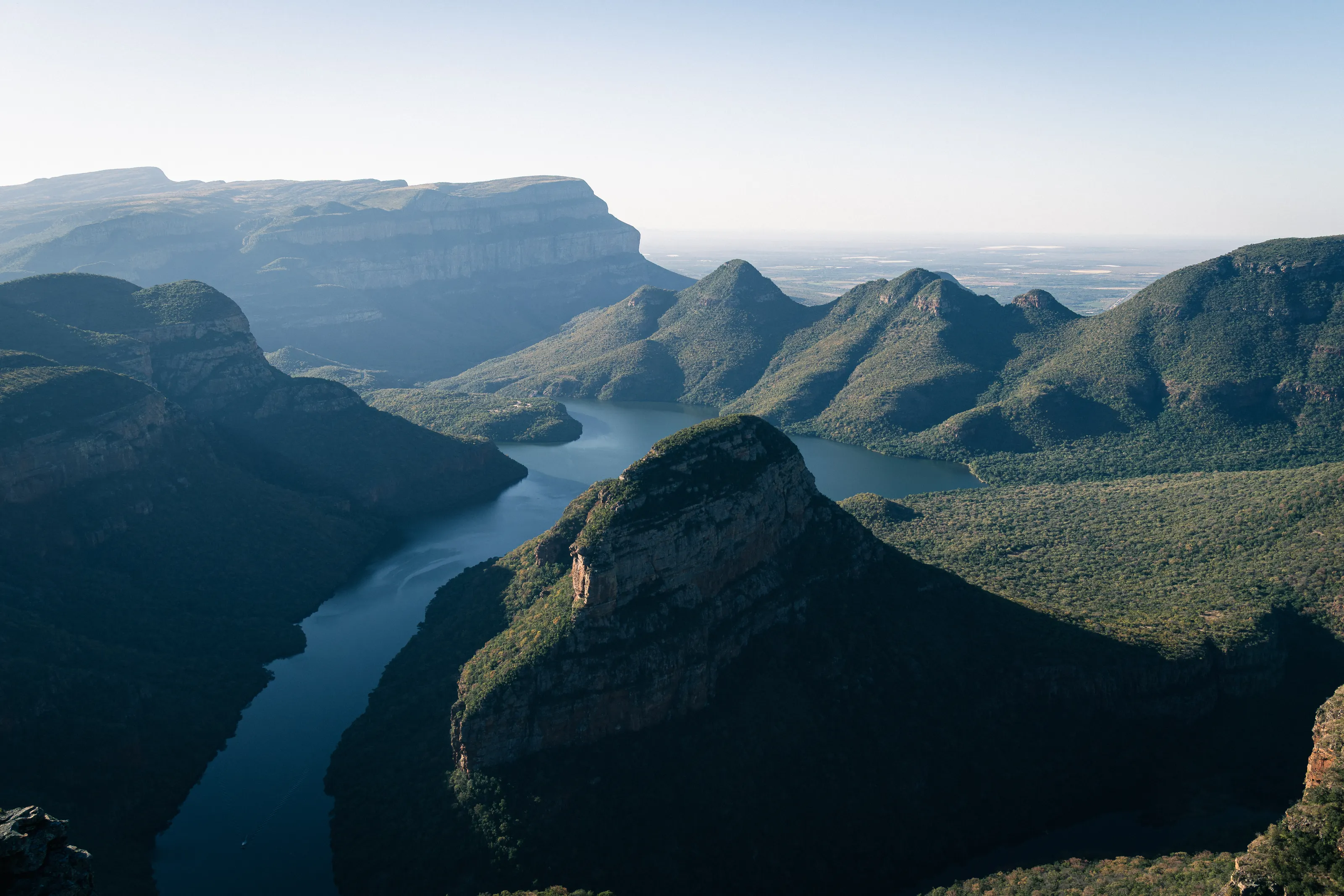
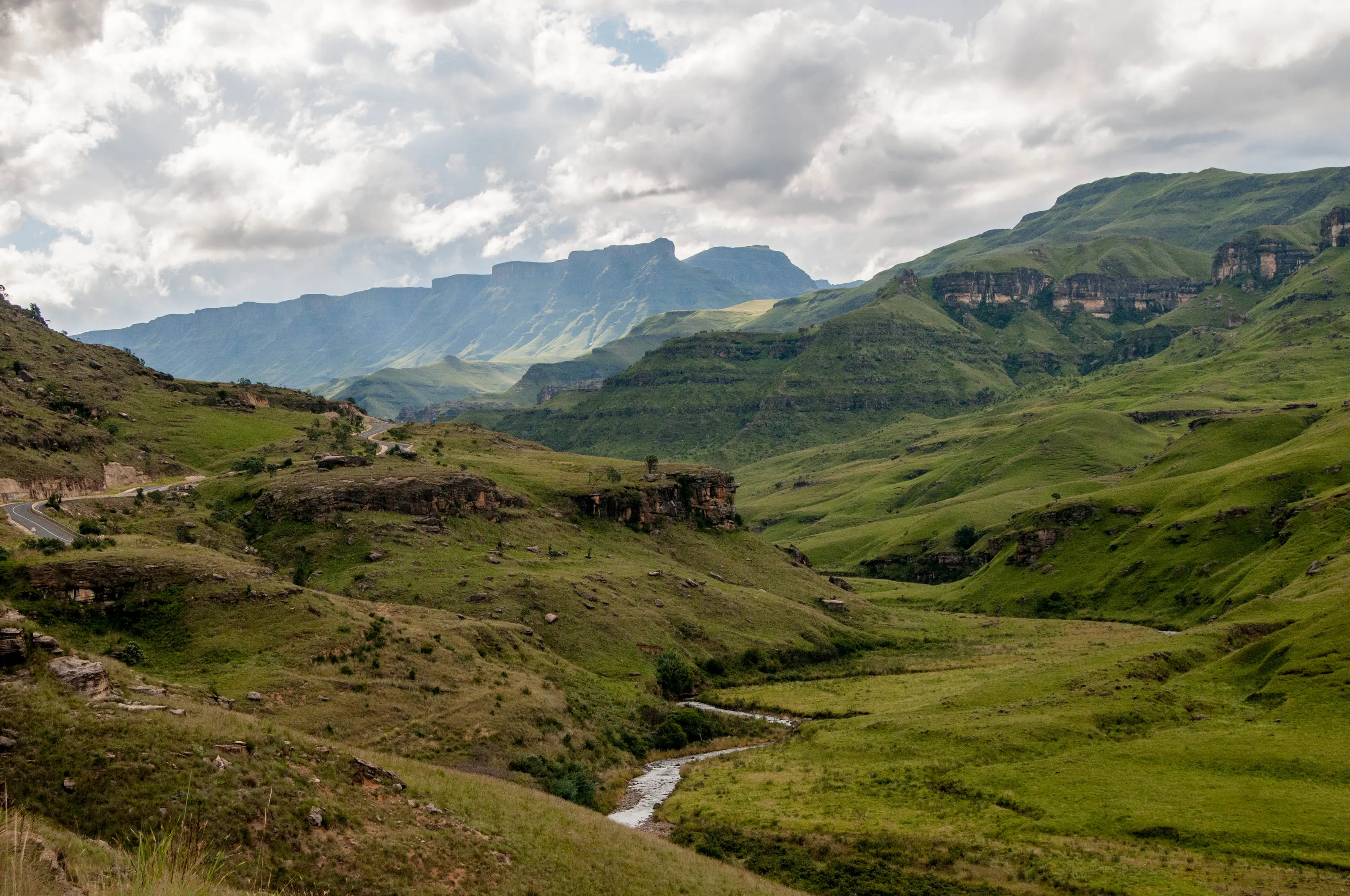
The Garden Route runs from Mossel Bay to Gqeberha, passing Knysna and Tsitsikamma, and Oudtshoorn is a roughly 50 km detour. Gqeberha is known for beaches, Addo Elephant National Park and nearby Jeffreys Bay, a surfing destination. The Drakensberg offers hiking, rock art and peaks above 3,000 m, with Tugela Falls listed as the world's second-highest waterfall.
Getting around
Left-hand driving, domestic flights and the Baz Bus
Traffic drives on the left. Major roads are generally in good condition, but accident rates are high, speed limits are not always followed and animals on roads are common. Multiple daily flights link major centres, and low-cost carriers can be cheaper than the national airline.
Long-distance buses connect major cities, and the Baz Bus offers hop-on, hop-off travel, including Cape Town to Gqeberha via the Garden Route. Minibus taxis are cheap but poorly maintained, long-distance rail is very limited, and Bolt and Uber are available in cities.
Before you go
Where it rains, and when
| Region | Climate | Rain |
|---|---|---|
| Cape Town and Western Cape | Mediterranean, hot dry summers and mild wet winters | Winter |
| Eastern Cape | Rain spread through the year | All year |
| Kruger and the northeast | Subtropical to tropical | September to May, driest in September and October |
| Northwest | Desert | Very little |
Winters can be near zero in places, and summers can exceed 35 °C. School holidays, including mid-December to mid-January, make accommodation harder to find.
Many nationalities enter visa-free for 30 or 90 days, while others need an e-visa or visa; your passport should have two blank facing pages and be valid for at least 30 days after departure. Check the current rules and read your government's official travel advice before you book. Baggage theft is common at O.R. Tambo, so secure your luggage, and avoid being outside at night in areas considered unsafe.
Money and costs
Rand, cheap minibus taxis and resort prices
The currency is the rand. Minibus taxis cost about 25 cents per kilometre per person on main routes, while food and drinks bought inside tourist resorts can cost more than at outside supermarkets. Ride-hailing apps are handy in cities, and you can authenticate copies of your documents free at any police station.
Flying to South Africa
South African airports covered by SniperAir
OR Tambo International (Johannesburg)
The main international hub, 20 km northeast of Johannesburg Central, with a Gautrain station in the terminal.
Cape Town International (Cape Town)
The country's second-busiest airport, about 20 km from the city centre, reached by road from the N2.
King Shaka International (Durban)
The third-busiest airport, serving KwaZulu-Natal.
East London Airport (East London)
For the Eastern Cape coast.
George Airport (George)
For the Garden Route towns such as Knysna.
Port Elizabeth / Gqeberha
For Gqeberha's beaches, Addo Elephant National Park and Jeffreys Bay.
Kruger Mpumalanga International (Kruger)
The Mpumalanga gateway for Kruger safaris.
Skukuza (Kruger, internal flights)
An airstrip inside the park at Skukuza, Kruger's administrative headquarters.
SniperAir destinations
Discover our destination pages
South Africa
Cape Town
Cape Town: Table Mountain, Bo-Kaap and the V&A Waterfront, with price alerts for flights to CPT airport, at South Africa's south-western tip.
Discover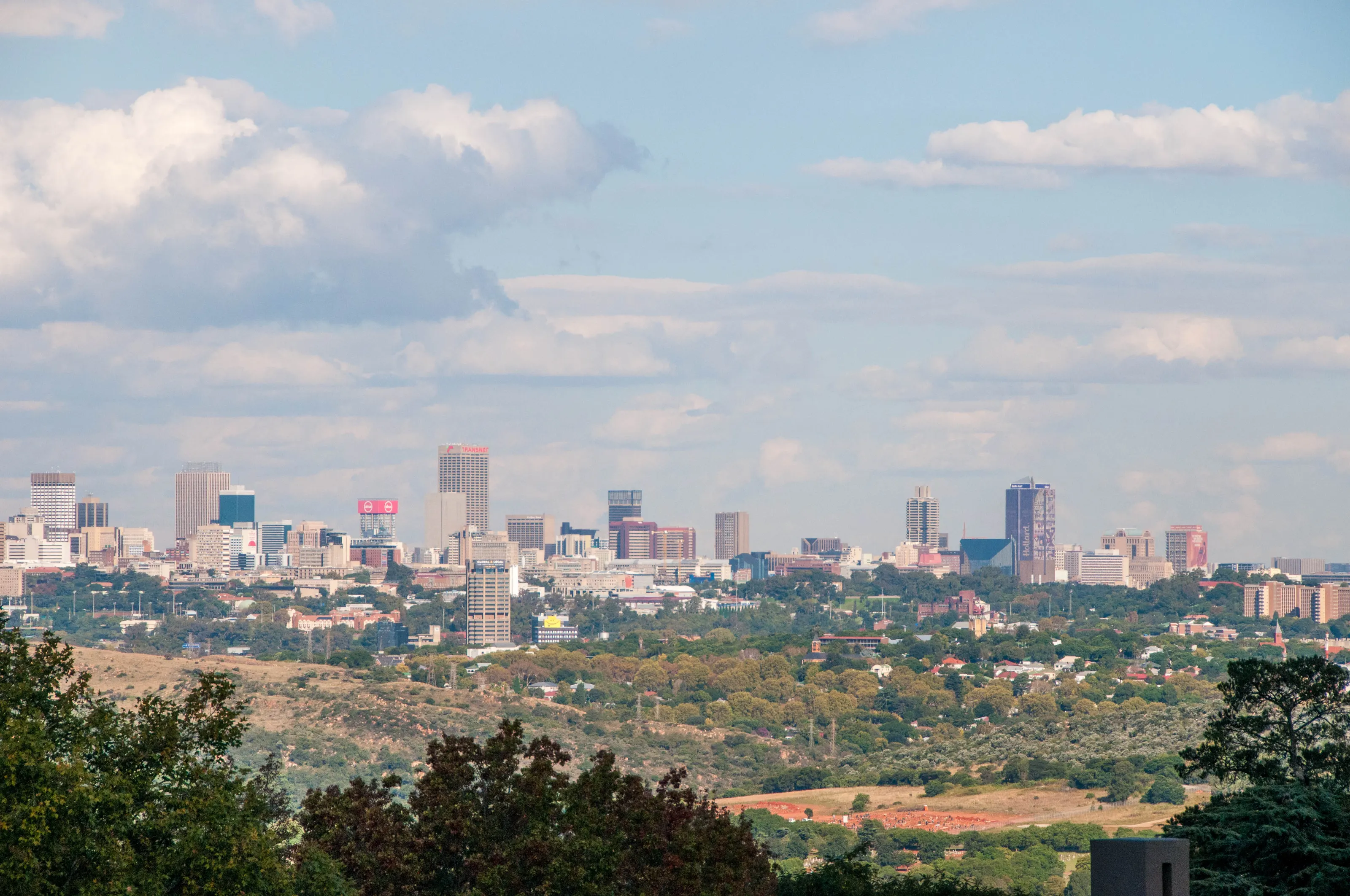
South Africa
Johannesburg
Johannesburg: Soweto, the Apartheid Museum and the towers of Sandton, with price alerts for flights to JNB airport, the Gauteng metropolis.
Discover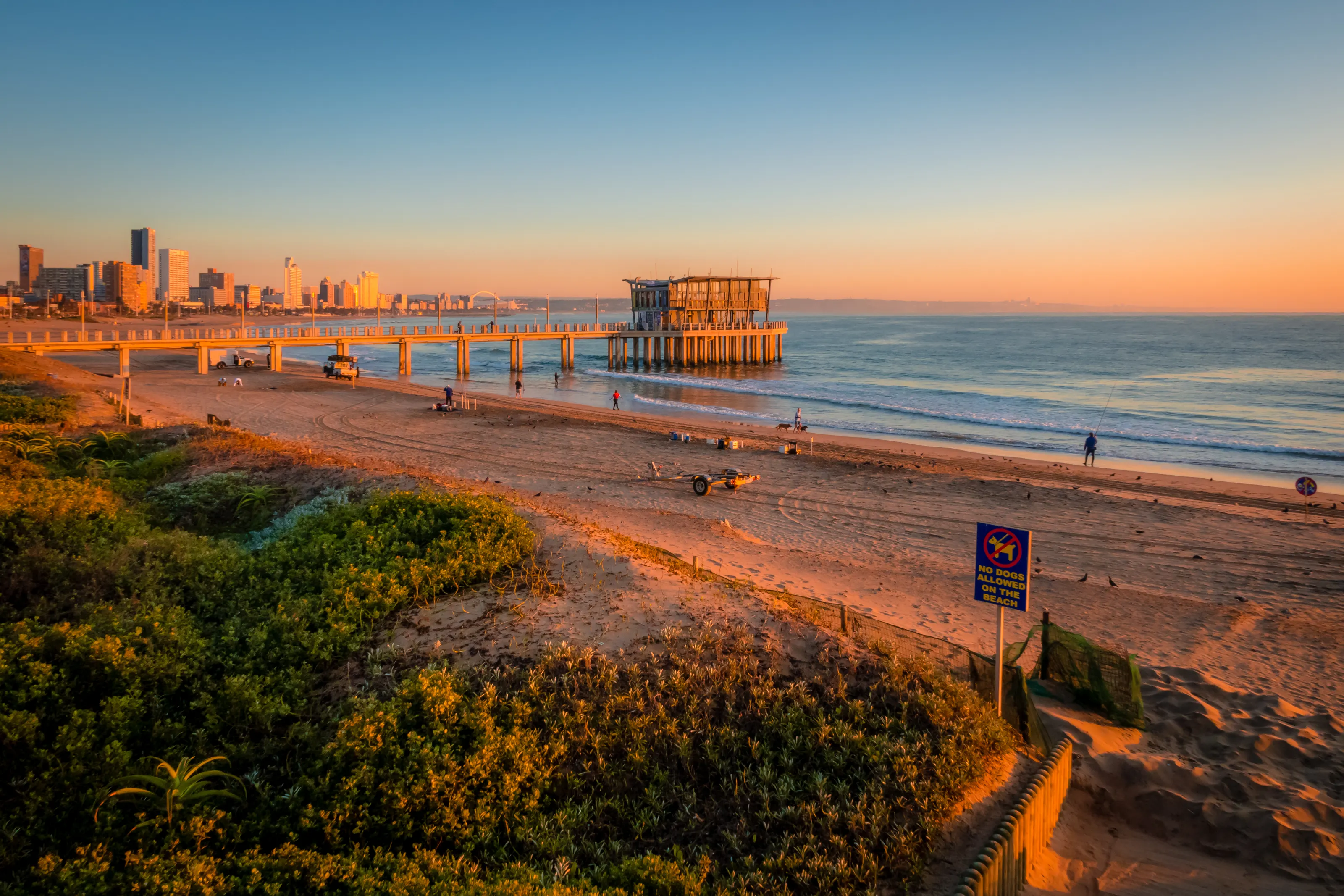
South Africa
Durban
Durban: the Golden Mile, Moses Mabhida Stadium and bunny chow, with price alerts for flights to DUR airport, on the Indian Ocean coast.
DiscoverFAQ
Frequently asked questions about South Africa
Which airport for cheap flights to South Africa?
OR Tambo (JNB) in Johannesburg is the main hub, with Cape Town (CPT) and Durban (DUR) next. For Kruger, MQP and SZK serve the park directly.
When is the best time to visit South Africa?
It depends on the region and there is no single best time. Cape Town has summer sun and winter rain, and Kruger's driest months are September and October. School holidays make accommodation harder to find.
Is South Africa expensive?
Minibus taxis and many everyday costs are low, but prices inside tourist resorts can be higher than at nearby supermarkets. Costs vary widely by region and activity.
Do I need a visa for South Africa?
Many nationalities can enter visa-free for 30 or 90 days, others need an e-visa or visa. Check the current rules, passport validity and return ticket requirements before you book.
How long should I stay in South Africa?
Ten to fourteen days cover Cape Town, the Garden Route and Kruger comfortably, with more time if you add Johannesburg and Durban.
Is South Africa safe for tourists?
Take sensible precautions: secure your luggage at the airport, avoid being outside at night in areas considered unsafe and read your government's official travel advice before booking. The emergency number is 112.
How can I be alerted when a flight to South Africa drops under my budget?
Create a SniperAir alert profile with your departure airport and Johannesburg, Cape Town or another South African airport. We watch prices for you and notify you as soon as an opportunity matches your criteria.
Ready to track prices to South Africa?
Create an alert and let SniperAir do the rest.
Create my alert