
Travel to Sweden
White nights, aurora-lit winters and a law that opens the countryside to everyone: in Sweden, light and nature set the calendar. Add calm, design and a daily coffee break, and you have a Nordic trip that suits city lovers and hikers alike. Here's what to know before you go.
Sweden in numbers
Capital
Stockholm
Population
~10.5M
Area
449,964 km²
Currency
Swedish krona
Language
Swedish
UNESCO sites
15
Continent
Europe
Time zone
UTC+1
Airports covered
11
Why visit Sweden
A country where nature is open to everybody
Allemansrätten, the right of public access
Walk, paddle, pick berries and mushrooms, and pitch a tent for a night or two on most uncultivated land. The right of public access has been anchored in the constitution since 1994 and shapes how people travel here.
Cities on the water
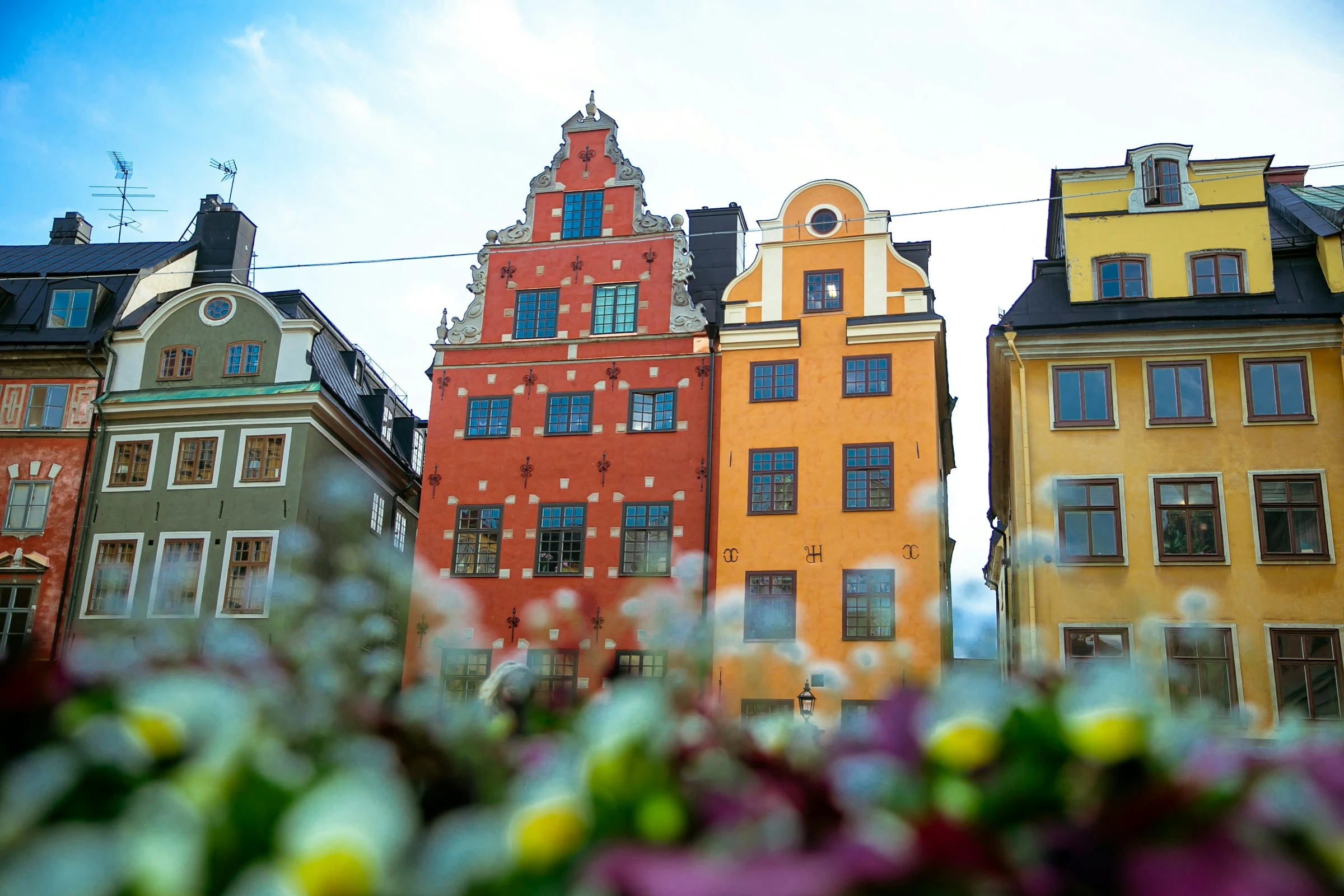
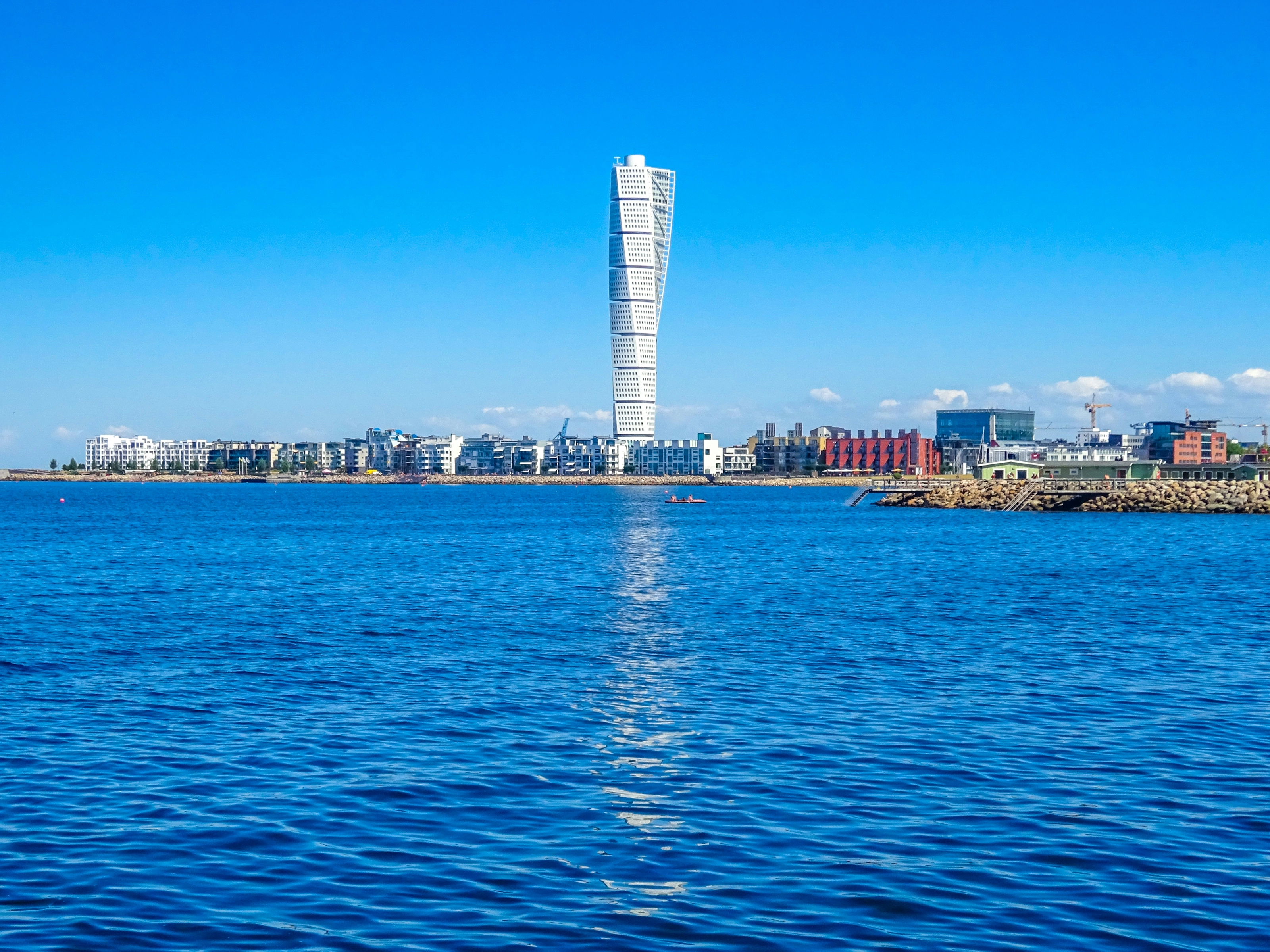
Stockholm spread over 14 islands with an archipelago of about 24,000 more, Gothenburg's car-free islands, and Malmö's Öresund Bridge to Copenhagen: water is never far away.
Northern lights & midnight sun
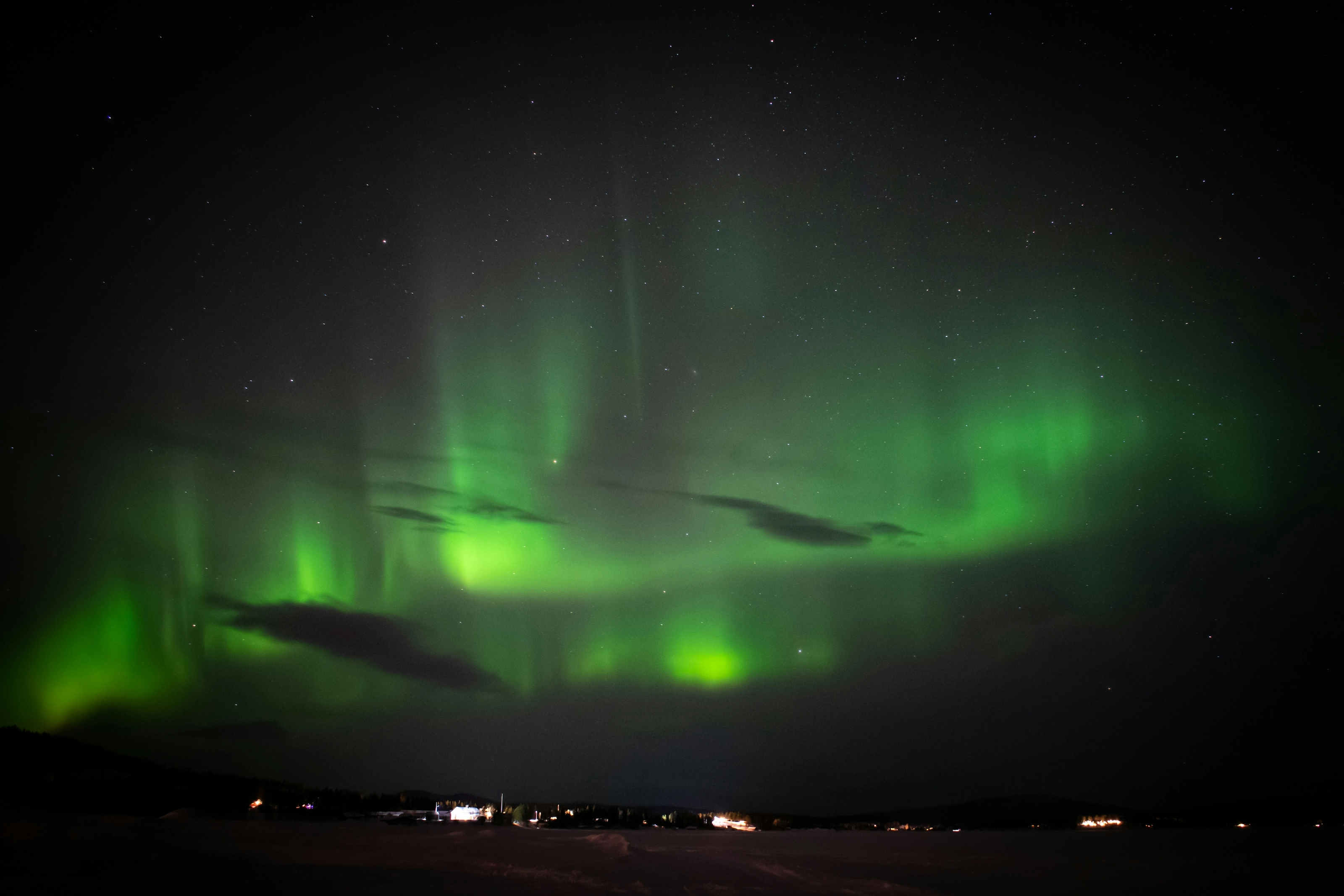
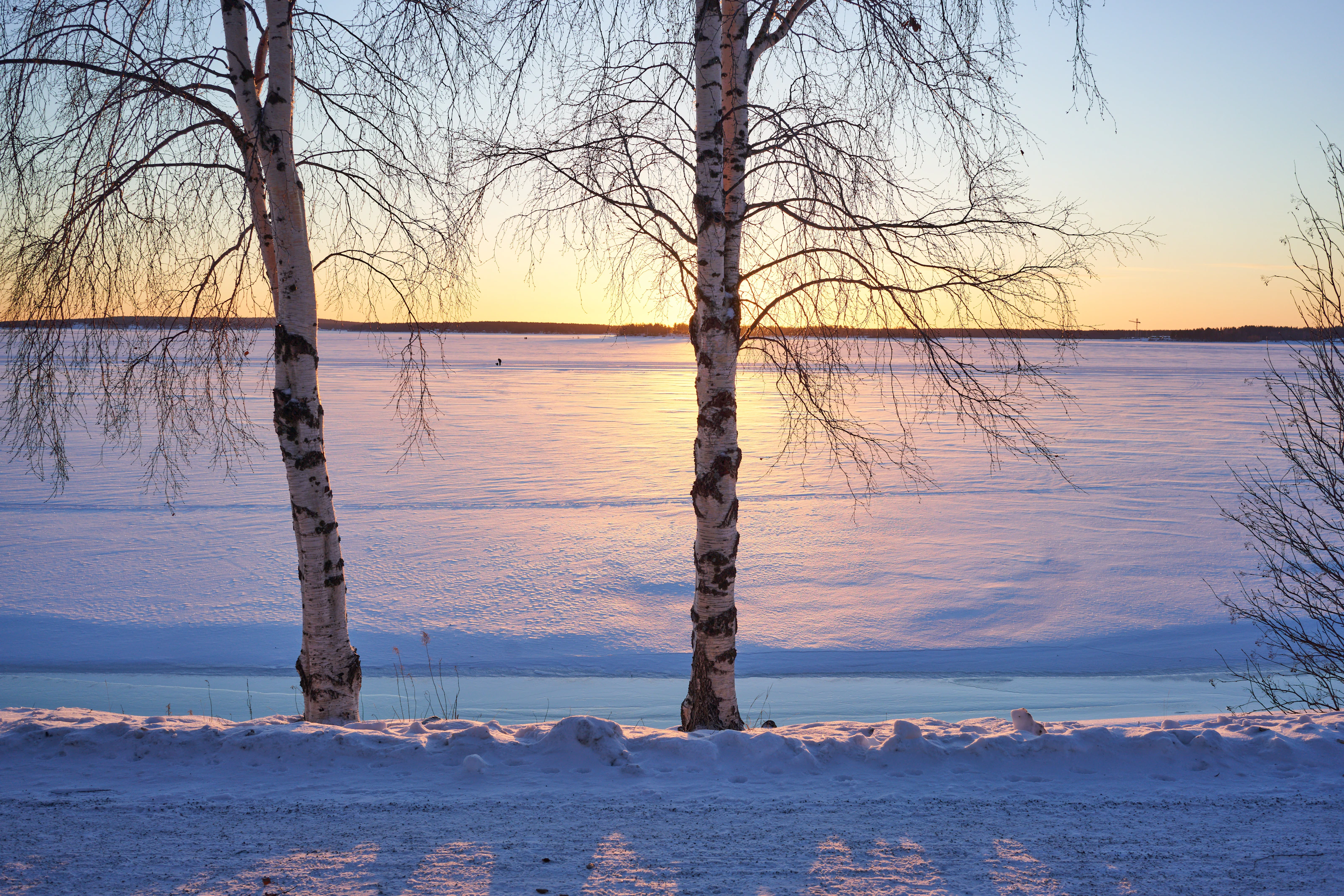
Around Kiruna in Lapland the sun does not rise for a spell around Christmas, then stays up around the clock from late May to mid-July. Aurora season runs roughly from September to March.
Design, heritage & fika
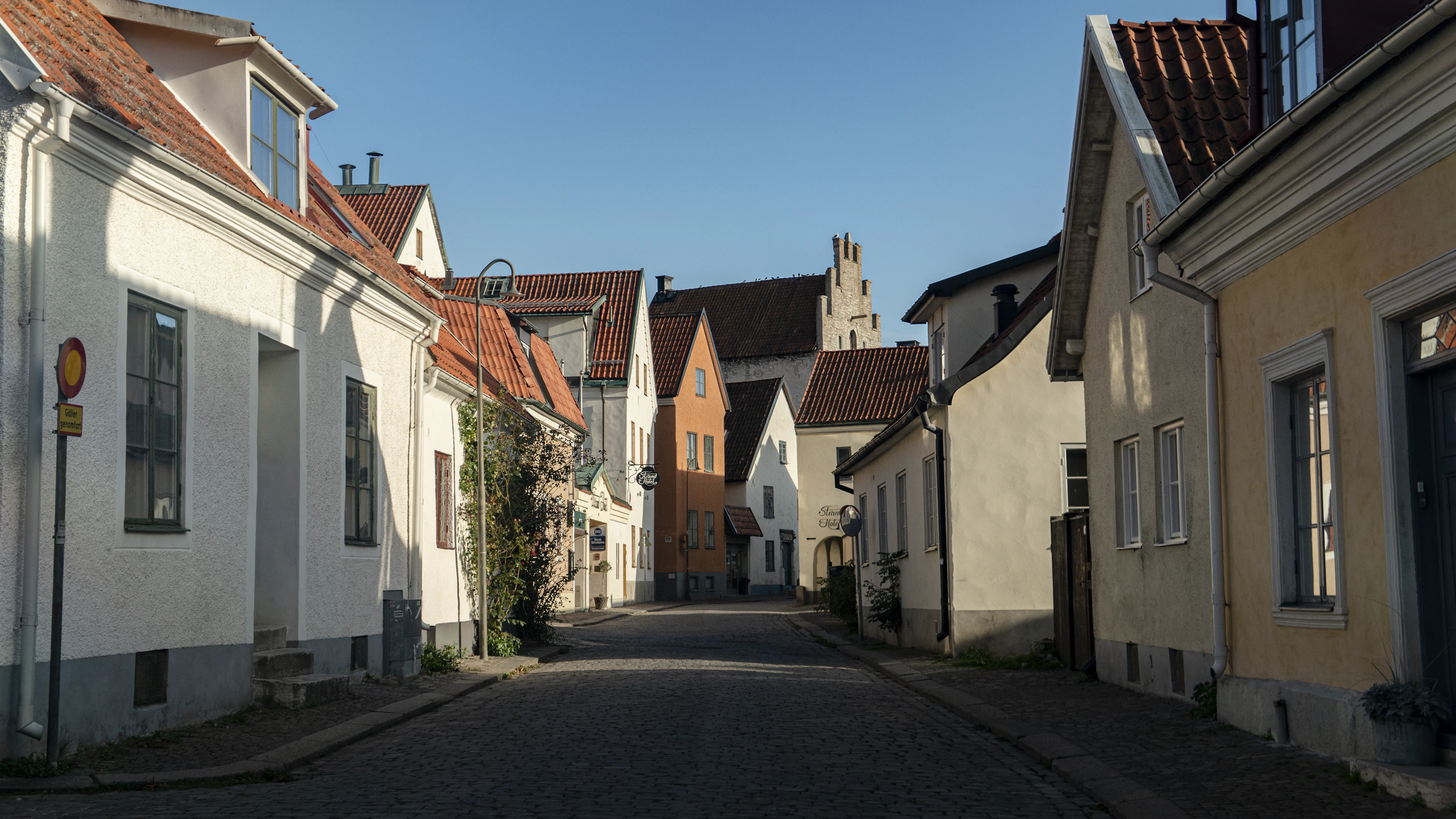
Fifteen UNESCO World Heritage properties, from Drottningholm Palace to the Hanseatic town of Visby, plus a design culture and a coffee-and-cinnamon-bun habit known as fika.
Getting around
High-speed trains, ferries and flights to the far north
SJ high-speed trains connect Stockholm, Gothenburg and Malmö, with Stockholm to Gothenburg taking about three hours. For the north, a night train from Stockholm to Kiruna takes 15 to 17 hours, so flying is the quickest option. Ferries run from Stockholm to Helsinki, and from Nynäshamn to Visby on the island of Gotland. Sweden is nearly cashless: cards and the Swish app are accepted almost everywhere, and some rural cafés take only Swish or cash.
Before you go
Four regions, four ways to travel
| Region | Climate | Best time to visit |
|---|---|---|
| Stockholm & central Sweden | Mild summers (21 to 24 °C), cold winters around 0 to 2 °C in the daytime | June to August; late May and September for fewer crowds |
| Gothenburg & the west coast | Milder and wetter in winter, 3 to 4 °C in the daytime, October the rainiest month | May to September |
| Malmö & Skåne | Temperate oceanic, summers around 21 °C, winters near freezing | June to September |
| Lapland (Kiruna) | Polar night in December, midnight sun from late May to mid-July, January highs around -8 °C | Late February to March and September for aurora, June to August for hiking |
Many Swedes take their holidays from July to mid-August, so some shops and restaurants slow down outside the big cities.
Flying to Sweden
The main Swedish airports tracked by SniperAir
Stockholm Arlanda
The main international airport, linked to Stockholm Central by the Arlanda Express.
Stockholm Bromma
Around 10 km from the center, mostly for domestic routes.
Gothenburg Landvetter
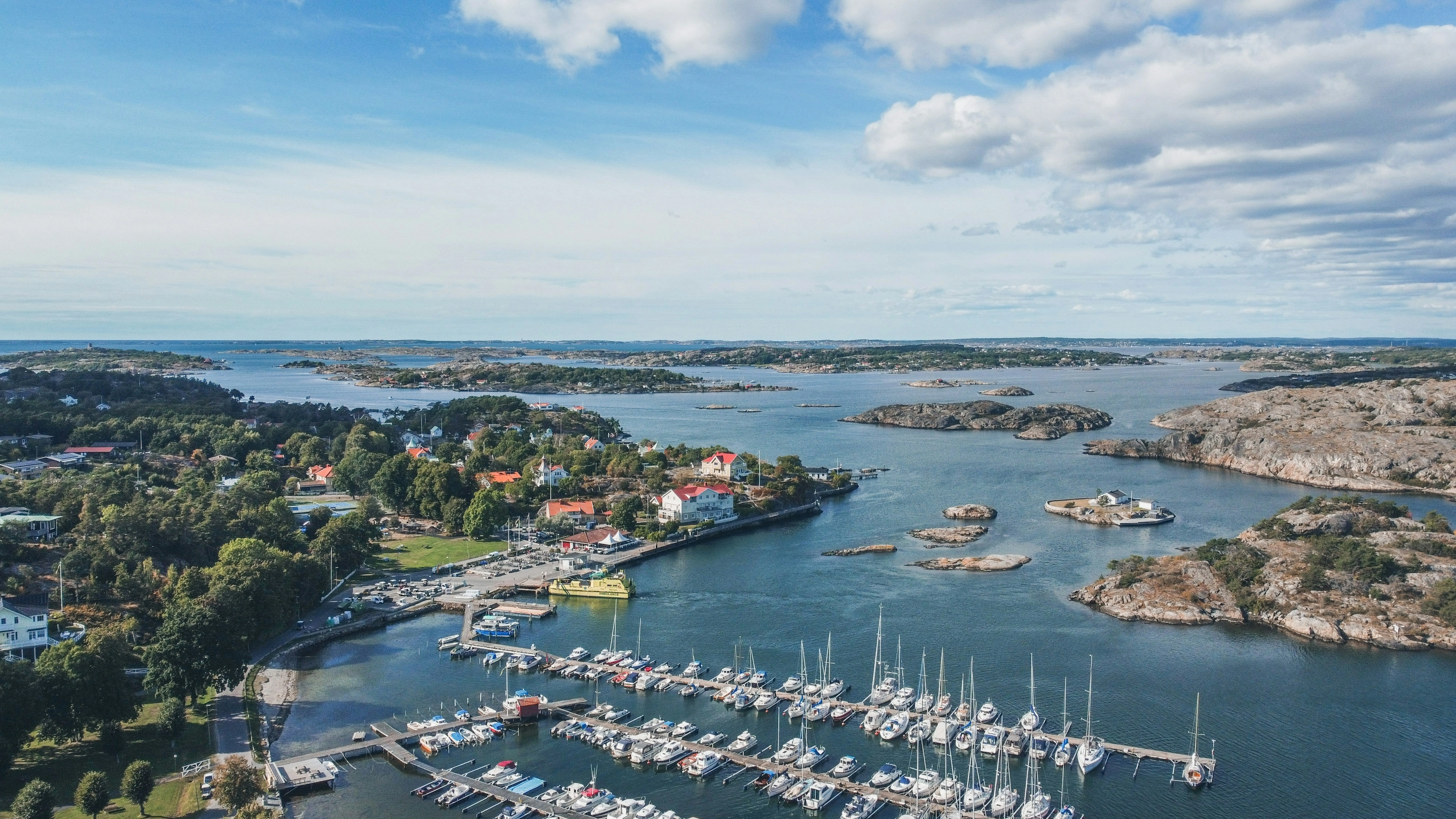
The west coast, the archipelago and Sweden's second-largest city.
Malmö
Skåne and the Öresund Bridge, with Copenhagen a short train ride away.
Kiruna
Swedish Lapland, northern lights and the Icehotel.
SniperAir destinations in Sweden
Explore our destination pages
FAQ
Frequently asked questions about Sweden
What's the best airport for arriving in Sweden?
Stockholm Arlanda (ARN) has the most international connections. For the west coast, Gothenburg Landvetter (GOT) avoids a connection, and for Lapland, Kiruna (KRN) has direct flights from Stockholm.
What's the best time to visit Sweden?
Mid-June to mid-August for warmth and light, though many Swedes are on holiday from July to mid-August. For snow and northern lights in Lapland, aim for late February and March, or September to avoid the deepest cold.
Can you see the northern lights in Sweden?
Yes, mainly in Lapland from roughly late September to late March, away from city lights. Abisko National Park near Kiruna is famous for its clear skies and its Aurora Sky Station.
Is Sweden an expensive destination?
Yes, accommodation and dining cost more than in much of Europe. The weekday lunch special (dagens rätt) is the budget-friendly way to eat, and cards are accepted almost everywhere.
Do I need a visa to travel to Sweden?
Sweden is in the Schengen area. EU, EEA and Swiss citizens need an ID card or passport, and visa-free visitors can stay 90 days in any 180-day period.
How do I get alerted when a flight to Sweden drops below my budget?
Create a SniperAir alert profile with your departure airport and your Swedish destination: we track prices for you and notify you the moment a deal matching your criteria appears.
Ready to track prices to Sweden?
Create an alert and let SniperAir do the rest.
Create my alert