
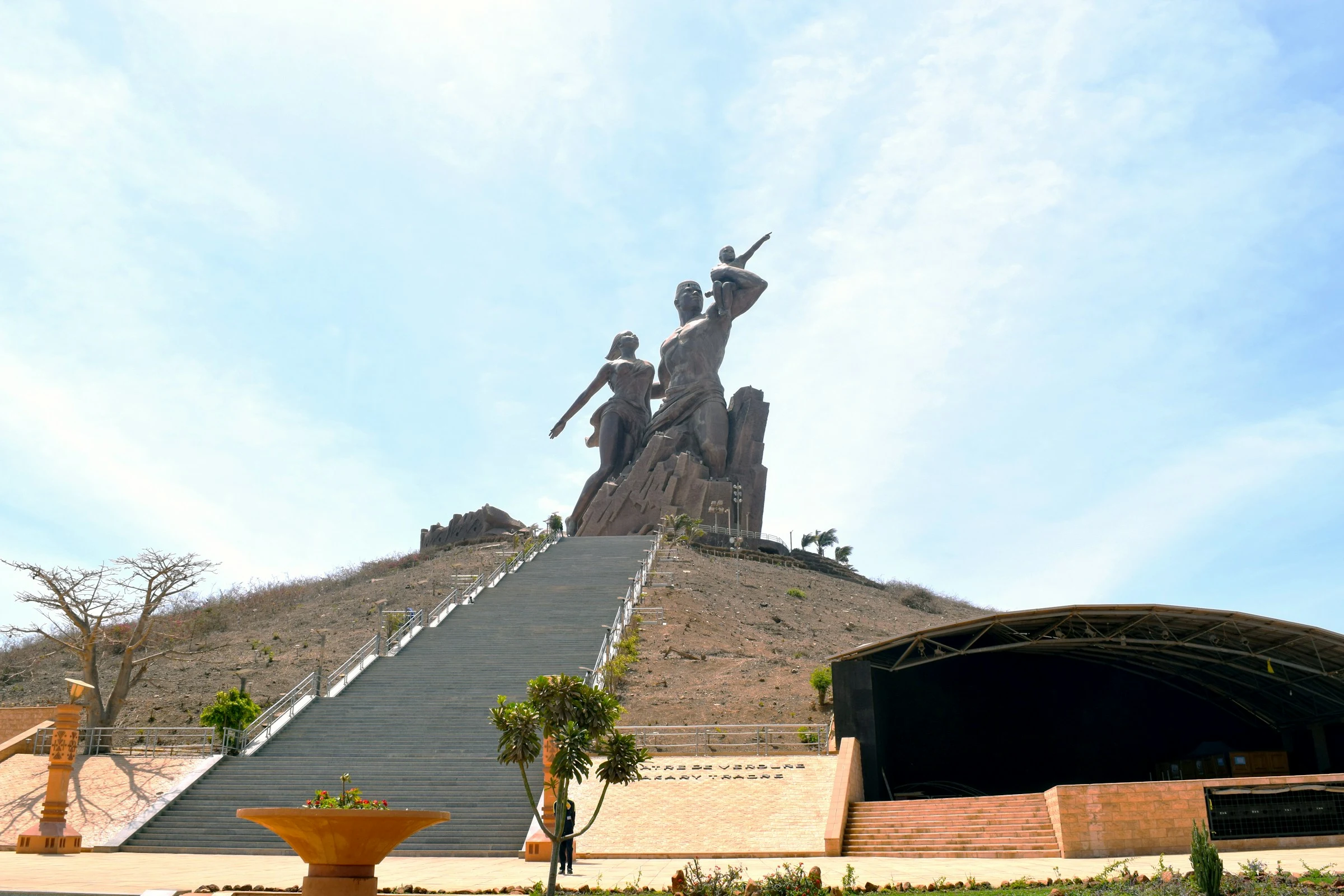
Travel to Senegal
Dakar sits on the westernmost point of mainland Africa, and from there Senegal unfolds into a salt lake that turns pink, a former slave-trade island, mangrove deltas, bird sanctuaries and palm-lined beaches in Casamance. Here is what to know before you go.
Senegal at a glance
Capital
Dakar
Population
~18 M
Area
196,722 km²
Currency
CFA franc
Languages
French, Wolof
UNESCO sites
7
Continent
Africa
Time zone
UTC+0
Airports covered
2
Why visit Senegal
The edge of Africa, with music, history and big skies
If you want to travel to Senegal for a first taste of West Africa, the country is compact, the Atlantic coast is on your doorstep and one language, Wolof, is shared by roughly four in five people.
The westernmost tip of mainland Africa
Dakar stands at the tip of the Cap-Vert peninsula. The country also almost surrounds The Gambia, which follows its river inland and splits Casamance from the rest of Senegal.
Seven UNESCO World Heritage sites
Goree Island, the island city of Saint-Louis, the Saloum Delta, Bassari Country, the Stone Circles of Senegambia, Djoudj Bird Sanctuary and Niokolo-Koba National Park.
A lake that really is pink
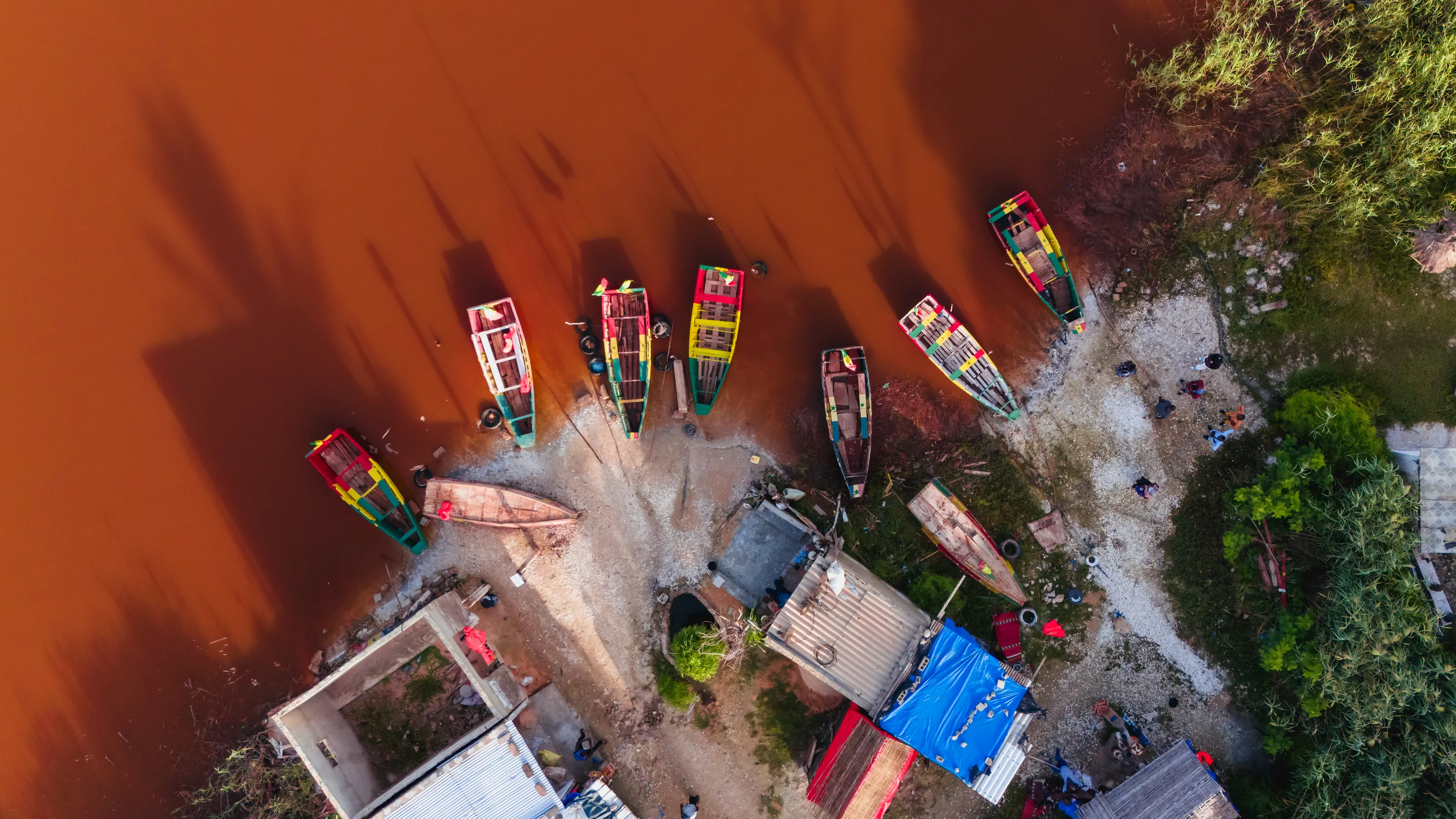
Lake Retba, near Dakar, is a salt lake whose colour comes from organisms in the water. Salt is still harvested from it.
Wildlife and bird life
Niokolo-Koba covers 9,500 km² and shelters around 80 mammal species and 300 bird species, while Djoudj is one of West Africa's largest bird reserves.
Places to see
Dakar, Goree, Saint-Louis, the south coast and Casamance
Most first trips link Dakar with one or two regions, plus a beach stay. Roads are the slow part, so pick your bases carefully.
Dakar and Goree Island
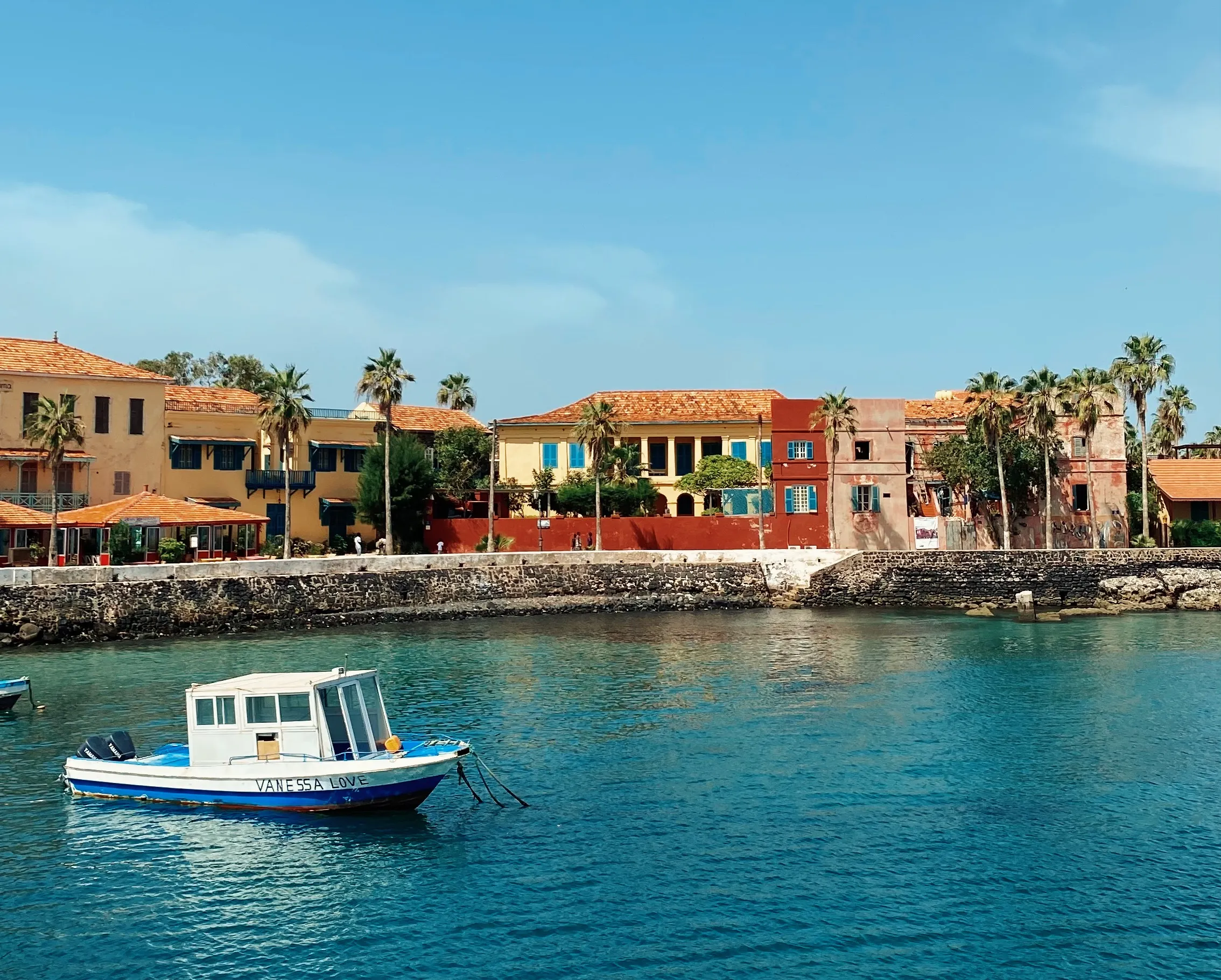
The Soumbedioune and Kermel markets in Dakar are the places to browse local craft, and Ngor island is another stop near the capital. Goree, reached by ferry from Dakar, holds the Slave House, a memorial to the Atlantic slave trade. France took control of the island in 1677, and a guided visit is recommended to understand the site.
Saint-Louis and the north
Saint-Louis was the capital of Senegal and of French West Africa. Its island city on the Senegal River is UNESCO listed for its colonial architecture, and the Faidherbe Bridge, opened in 1897, links it to the mainland. North of the city, the Djoudj sanctuary is a stop for birdwatchers.
South of Dakar: Petite Cote and the Saloum Delta
Saly, Mbour and Nianing form the resort strip known as the Petite Cote, where watersports, golf and surfing are on offer. Further south, the Saloum Delta National Park, created in 1976, is a maze of mangroves and islets, and the shell islands of Joal-Fadiouth are close by. The pilgrimage city of Touba, home to the Mouride brotherhood, has strict rules on alcohol and smoking.
Niokolo-Koba and Casamance
Tambacounda is the gateway to Niokolo-Koba, where game viewing is best in the early morning and evening, and the Fathala Reserve offers a roughly three-hour mini-safari. In green Casamance, Ziguinchor is the regional capital, and Cap Skirring has some of the country's quietest beaches along coconut palms, with a golf course nearby.
Food and culture
Thieboudienne, yassa and the hospitality of teranga
Thieboudienne, "the rice of fish", is the national dish: fish marinated with parsley, lemon, garlic and onion, cooked with tomato and vegetables, with rice added at the end so it takes on a reddish colour. Yassa pairs chicken or fish with onion and lemon, maafe is a tomato and peanut stew, and dibi is Senegalese barbecue, usually grilled lamb. Thiakry, a millet dessert with yogurt, and bissap, a purple-red hibiscus drink, round out a meal. Dishes are often shared from a single bowl, which reflects teranga, the Senegalese idea of hospitality. Music is part of everyday life, from mbalax to sabar drumming, and Dakar hosts a contemporary art biennale.
Getting around
Shared sept-places cars, Dakar's TER and the Ziguinchor ferry
The workhorse between cities is the sept-place, a shared seven-seat car that leaves once full. Agree the price first, since tourists are often overcharged, and consider paying for two seats for extra comfort. In Dakar there are city buses, and a commuter train, the TER, has linked the city with Diamniadio since December 2021.
For Casamance, flights and a ferry of about 18 hours run from Dakar to Ziguinchor, though ferry tickets sell out. Self-driving needs an international driving permit and patience: road signs are scarce and traffic jams near Dakar can last up to two hours. Night driving is not recommended.
Before you go
When to go and what to know
| Region | Climate | Best time |
|---|---|---|
| Dakar and the coast | Highs around 30 °C in the rainy months, about 25 °C from December to February; about 600 mm of rain a year | November to April |
| Saint-Louis and the north | Dry and hot, with the harmattan wind from December to April | November to February |
| Petite Cote and Saloum | Warm all year, rains from June to October | November to May |
| Casamance and Cap Skirring | Tropical, highs near 31 °C, heavy rain from July to September, almost none from December to May | December to May |
Entry rules depend on your nationality, so check the official requirements before you book. A yellow fever certificate is required if you arrive from an at-risk area, and malaria precautions and bottled water are usually advised. Read your government's official travel advice before booking. Senegal uses the CFA franc, which is pegged to the euro; ATMs are scarce outside the big cities, so carry cash.
Flying to Senegal
Senegalese airports covered by SniperAir
Blaise Diagne (Dakar)
Opened in December 2017 at Diass, roughly 45 km from central Dakar by motorway. It replaced the old Leopold Sedar Senghor airport.
Cap Skirring (Casamance)
A small airport serving Basse Casamance, close to the beaches and the Guinea-Bissau border.
FAQ
Frequently asked questions about Senegal
Which airport should I choose for cheap flights to Senegal?
Blaise Diagne (DSS) handles most international flights and lies about 45 km from Dakar. Cap Skirring (CSK) is the one for Casamance beaches.
When is the best time to travel to Senegal?
The dry season, roughly November to April, is the most comfortable. Rains fall between June and October and peak in August, especially in the south.
Is Senegal an expensive destination?
It is not a cheap country. Hotels in Dakar can approach European levels, while rural camps and local meals are affordable. Cards are accepted mainly in larger hotels, so bring cash.
Do I need a visa or vaccinations for Senegal?
It depends on your nationality, so check official entry rules before booking. A yellow fever certificate is required if you come from an at-risk area, and a medical consultation before departure is wise.
How long should I stay in Senegal?
Plan 8 to 10 days for Dakar, Goree, Saint-Louis, Lake Retba and the Petite Cote, and 4 to 5 more days for Casamance.
What safety precautions should I take in Senegal?
Expect petty theft and scams near tourist sites and the airport. Read your government's official travel advice before booking, and check the latest information before heading to Casamance.
How can I be alerted when a flight to Senegal drops under my budget?
Create a SniperAir alert profile with your departure airport and Dakar or Cap Skirring. We watch prices for you and notify you as soon as an opportunity matches your criteria.
Ready to track prices to Senegal?
Create an alert and let SniperAir do the rest.
Create my alert