Traveling to South Korea
South Korea packs an intense trip without being uniform: palaces and contemporary districts in Seoul, a port and beaches in Busan, volcanism and haenyeo divers on Jeju. After Japanese annexation and the 1950-1953 war that turned Busan into a refuge and provisional capital, the country went through reconstruction, industrialisation and a technological and cultural rise that shaped the country it is today. Here's what to know before you go.
South Korea in numbers
Capital
Seoul
Population
~51.6 M
Currency
South Korean won (KRW)
Language
Korean
International visitors
~10.7 M
UNESCO sites
17
Continent
Asia
Time zone
UTC+9 (KST)
Airports covered
4
Why visit South Korea
From Seoul to Jeju, via Busan
Seoul, palaces and modernity
Gyeongbokgung, Changdeokgung and Jongmyo sit alongside Bukchon, Gwangjang Market and a fast-changing design scene.
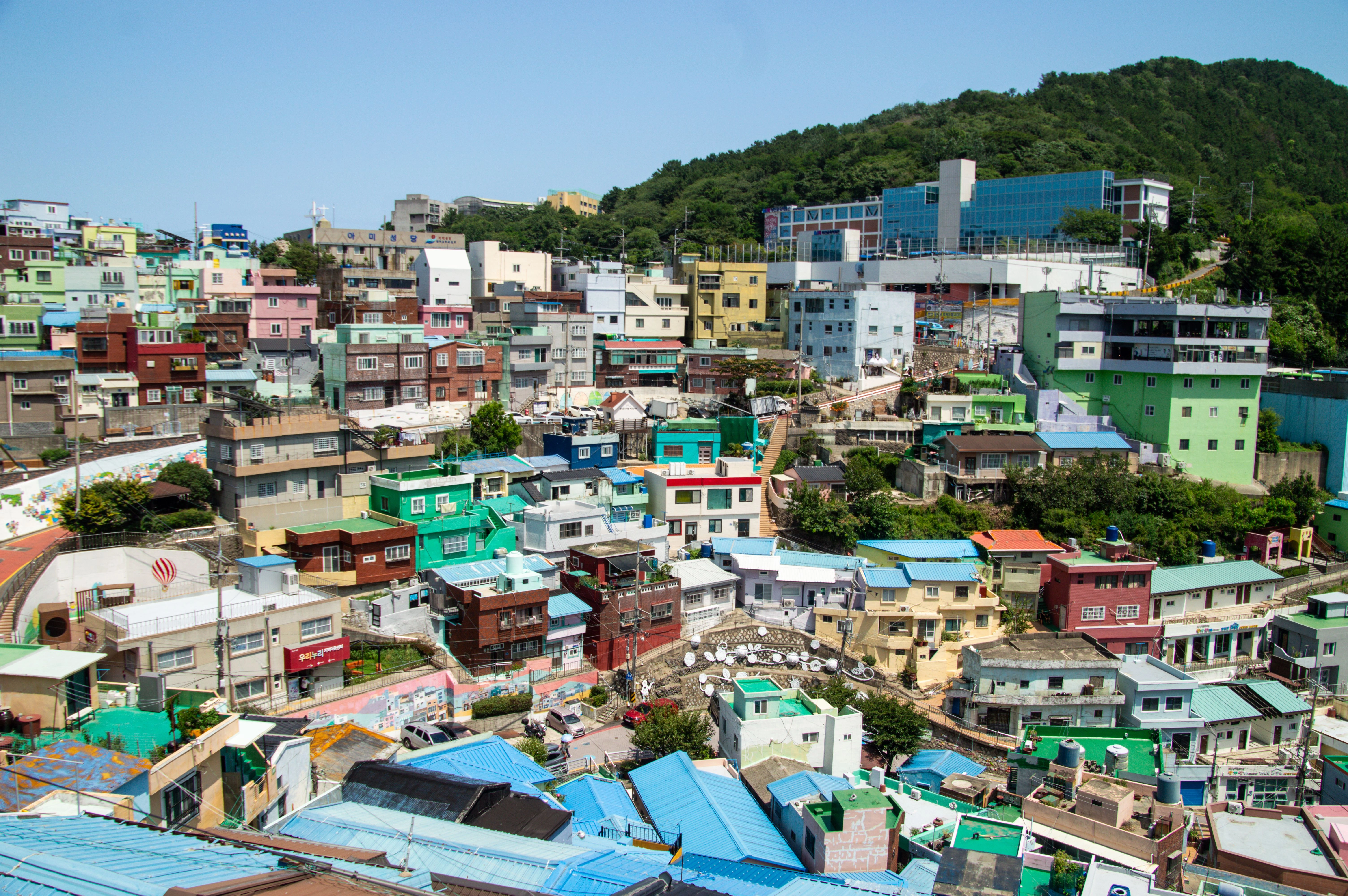
Busan, a port city's memory
Born as a Korean War refuge, the country's second city combines markets, urban beaches and coastal temples.
Jeju, volcanism and haenyeo divers
Hallasan (1,950 m), lava tubes and haenyeo divers make the island a UNESCO-listed natural site.
17 UNESCO World Heritage sites
From the royal tumuli of Gyeongju to the Confucian villages of Andong, Korea combines ancient kingdoms with living traditions.
Traveling to South Korea
Four airports covered by SniperAir
Incheon International Airport
The country's main international airport, west of Seoul.
Gimpo International Airport
Seoul's domestic airport, also linked to a few regional routes.
Gimhae International Airport (Busan)
The gateway to the south-east of the country and the extension to Gyeongju.
Jeju International Airport
Access to the volcanic island of Jeju, one of the country's busiest airports.
SniperAir already tracks prices to the country's main gateways.
SniperAir destinations in South Korea
Discover our destination pages
South Korea
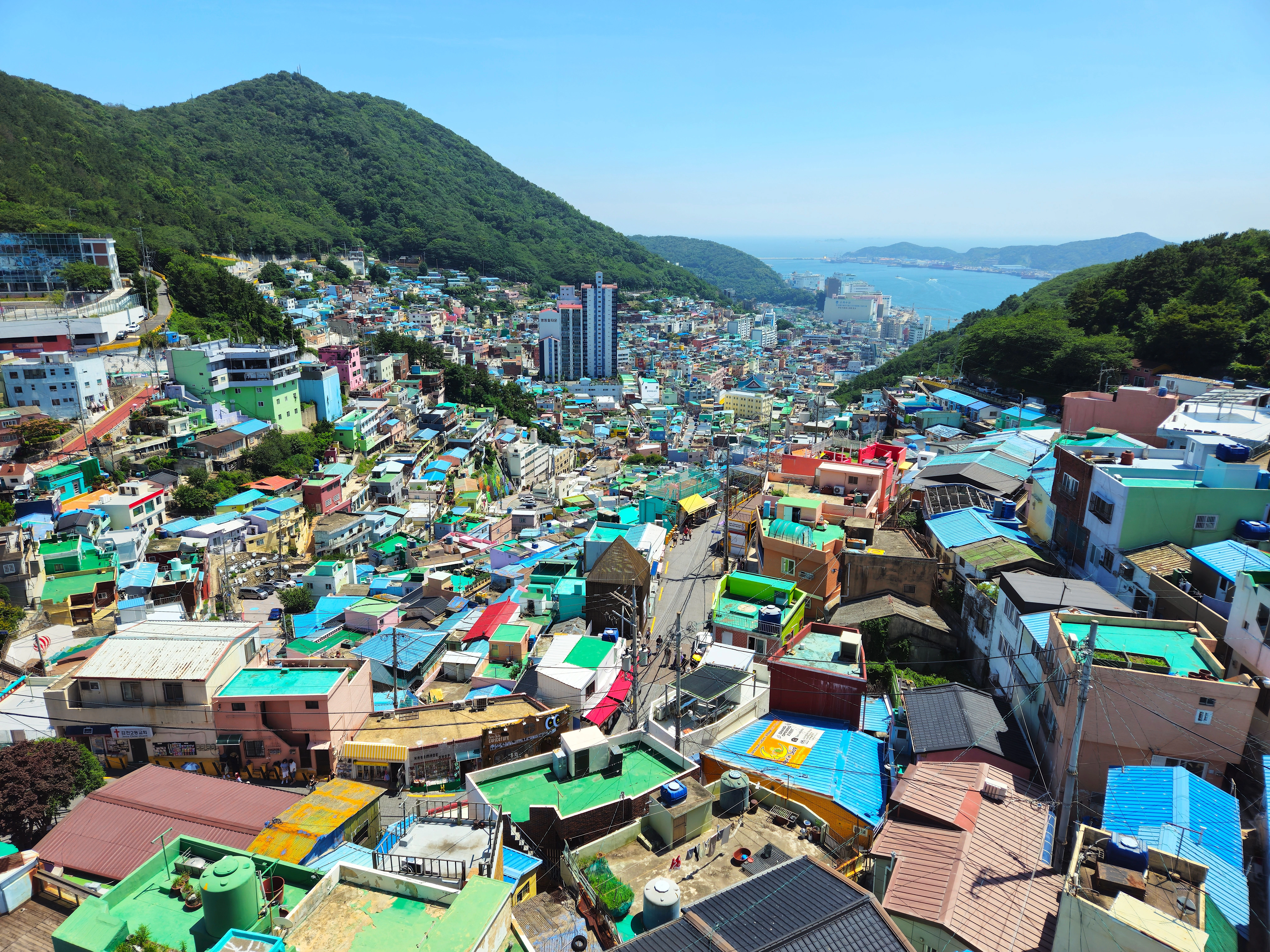
Busan
Port, markets and beaches: the city that's far more than a smaller Seoul.
DiscoverMore Korean cities will progressively join this list.
FAQ
Frequently asked questions about South Korea
What's the best airport to arrive in South Korea?
Incheon (ICN) is the main international airport, west of Seoul. SniperAir also covers Gimpo, Busan and Jeju.
Do you need a visa to visit South Korea?
Entry requirements depend on nationality, passport and purpose of travel. Check K-ETA/visa rules with the Korean authorities or your consulate on the exact date of your trip.
Is South Korea more than just Seoul?
Yes — Busan for the port and beaches, Jeju for volcanism and haenyeo divers, or Gyeongju and Andong for Silla and Confucian heritage all offer very different trips.
What's the distance between Seoul and Busan?
The Gyeongbu rail line is given as 447.1 km by VisitKorea; travel time depends on the service and the station.
How do I get alerted when a flight to South Korea drops below my budget?
Create a SniperAir alert profile with your departure airport and your Korean destination: we track prices for you and notify you as soon as a deal matching your criteria appears.
Ready to track prices to South Korea?
Create an alert and let SniperAir do the rest.
Create my alert