
Travel to Lesotho
Lesotho is the only country in the world that lies entirely above 1,000 metres, a high kingdom of plateaus, gorges and passes set inside South Africa. Here you can ride a Basotho pony between mountain villages, ski in winter and abseil beside a waterfall of nearly 190 metres. Here is what to know before you look for cheap flights to Lesotho.
Lesotho in numbers
Capital
Maseru
Population
About 2M
Area
~30,400 km²
Currency
Loti
Language
Sesotho, English
UNESCO sites
1
Continent
Africa
Time zone
UTC+2
Airports covered
1
Why visit Lesotho
A kingdom in the sky to explore by pony, boot and 4x4
A country entirely at altitude
Even its lowest point sits above 1,000 metres, and over 80% of the land is higher than 1,800 metres. Thabana Ntlenyana, at 3,482 metres, is the highest peak in southern Africa. Dry air and clear light bring roughly 300 sunny days a year.
Pony trekking and hiking
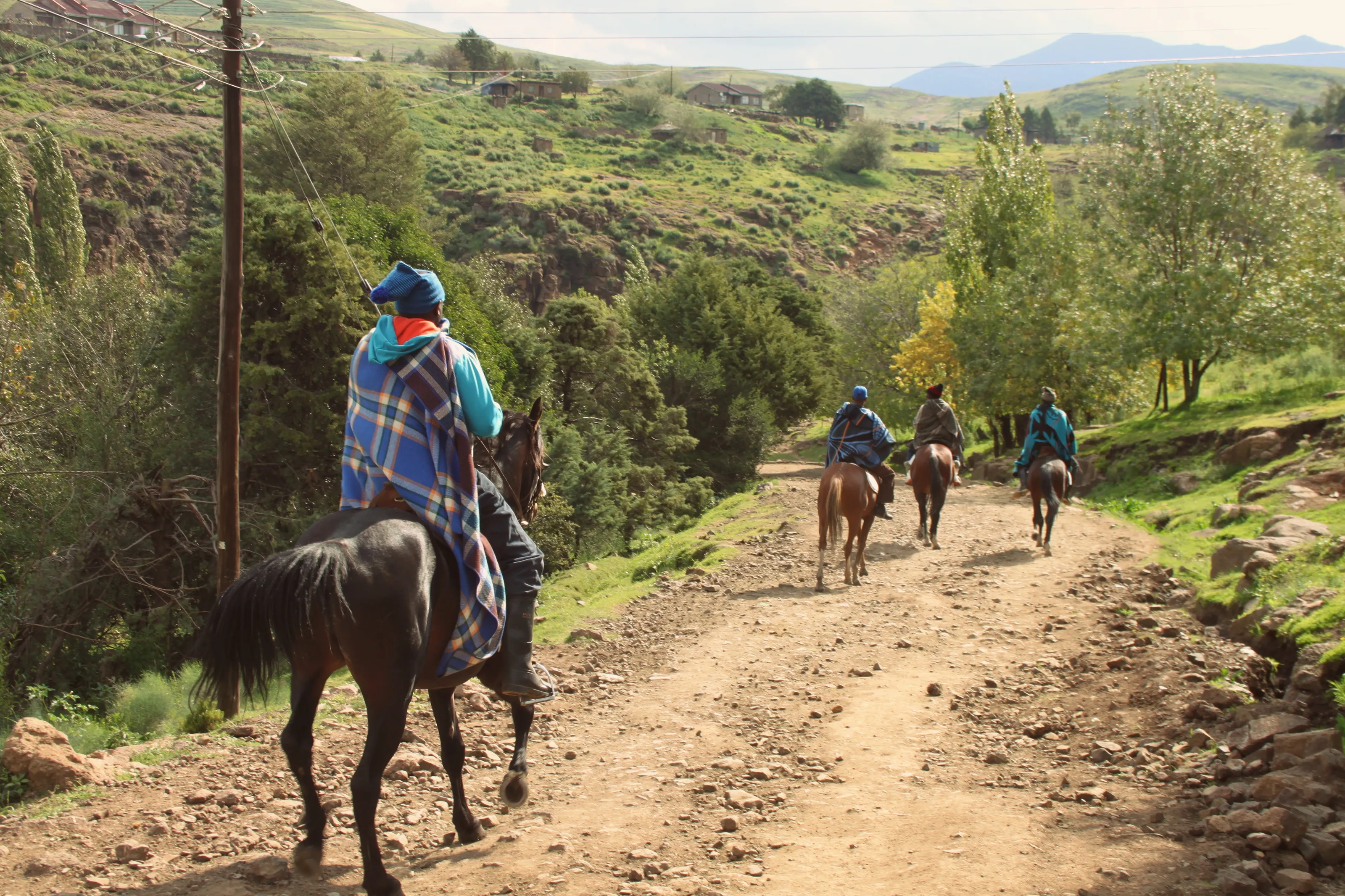
The highlands have almost no fences, and the sure-footed Basotho pony remains the traditional way to cross the mountains and reach villages no car can. Lodges at Malealea and Semonkong offer rides of a few hours or several days.
Falls, dams and a legendary pass
Maletsunyane Falls, Katse Dam and Sani Pass make for dramatic scenery that few visitors see. Out here you are more likely to meet herders wrapped in Basotho blankets than tour buses.
A living culture
The conical mokorotlo hat, blankets worn in all seasons, villages of rondavels, the Morija festival and the mountain fortress of Thaba Bosiu: Basotho culture, shaped around King Moshoeshoe I, appears around every valley.
Where to go
Katse, Semonkong, Sani Pass and Maseru
Most trips start in Maseru, the capital, then climb towards the dams and the highlands or drive south to Semonkong. Leave room in the schedule: mountain roads wind, and some tracks need a 4x4. To combine with a safari or a coastal stay, see also our South Africa page.
Katse Dam and the highlands
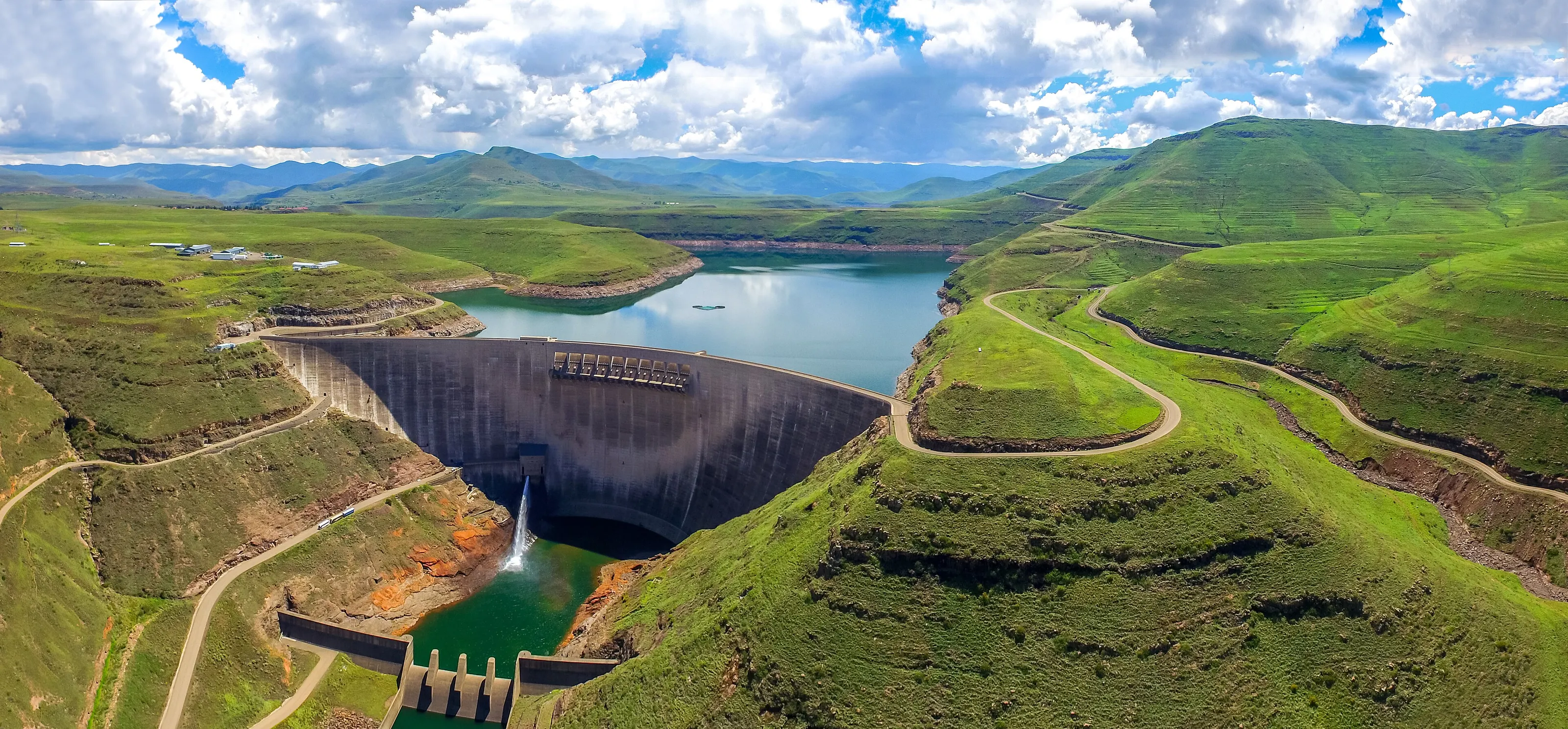
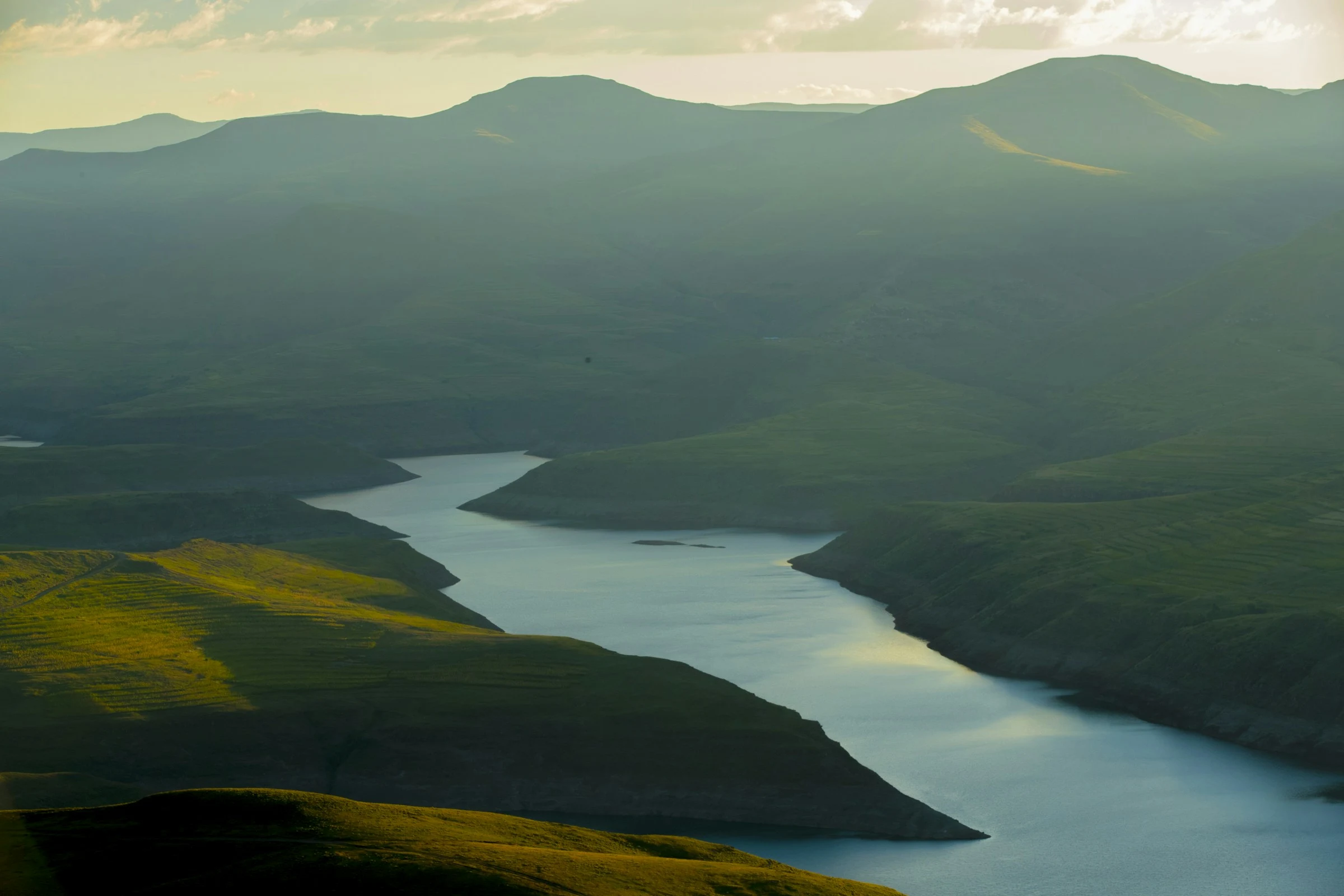
In the Maloti mountains, Katse Dam, about 185 metres high, closes a narrow valley and feeds the Lesotho Highlands Water Project, which sends water to South Africa. A visitor centre and guided tours show the inside of the dam, and the reservoir invites pony rides and hikes. Around it, ridges, gullies and stone villages show what the highlands are like: very few trees, a great deal of sky.
Semonkong and Maletsunyane Falls
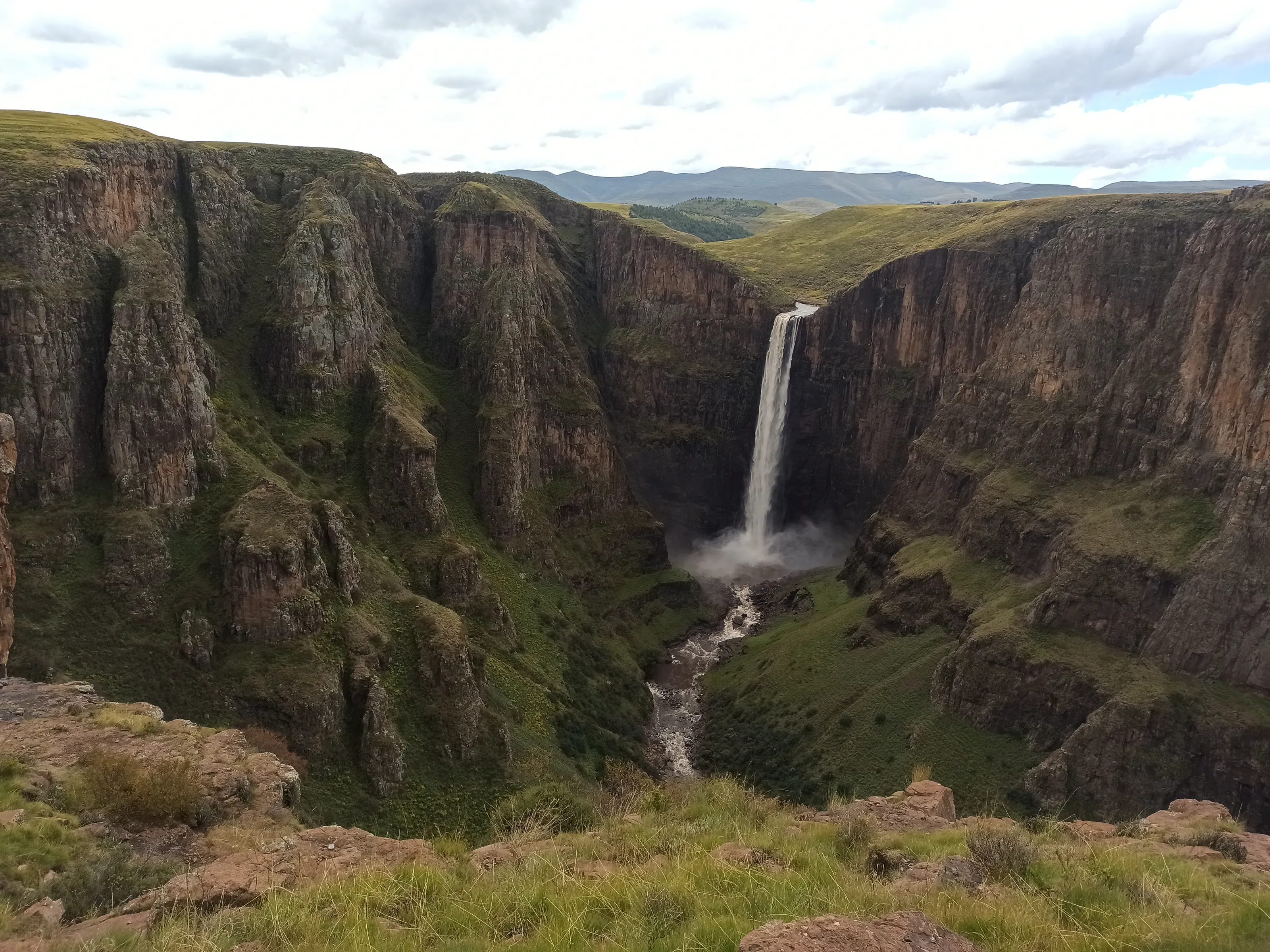
At the end of a road that climbs from Maseru, Semonkong is the base for Maletsunyane Falls, a single drop of about 190 metres and one of the highest in southern Africa. You can hike or ride there and, for the bold, abseil beside it; in winter ice forms around the cascade. The village also serves as a base for multi-day rides.
Sani Pass and the Drakensberg
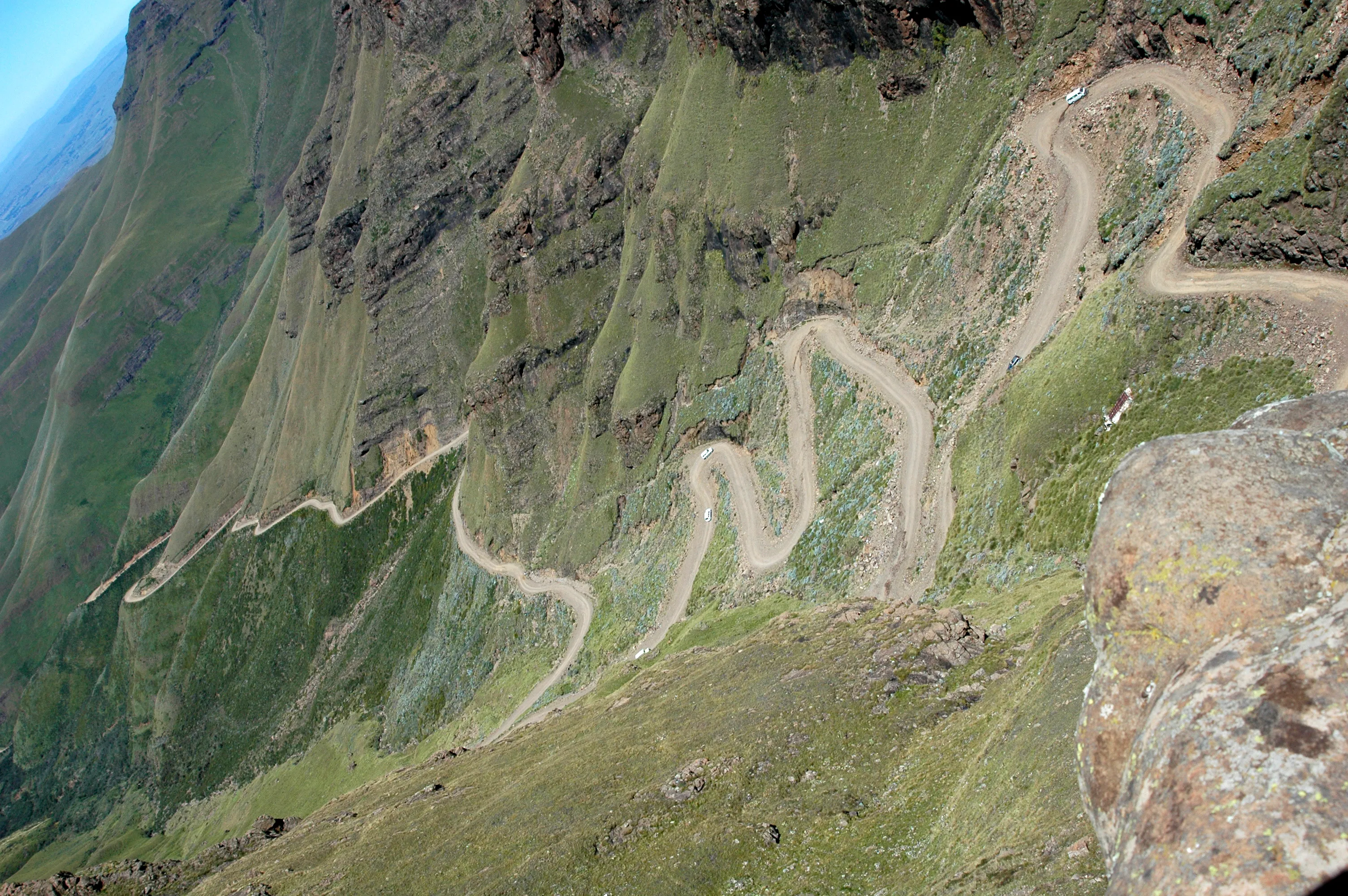
In the east, Sani Pass links South Africa and Lesotho along a very steep track that is limited to 4x4 vehicles from the South African border post. At the top, a chalet houses what is described as the highest pub in Africa, with views over the Drakensberg escarpment. In winter the nearby ridges turn white and Afriski, at Oxbow, opens its slopes from June to September.
Maseru, Thaba Bosiu and the lowlands
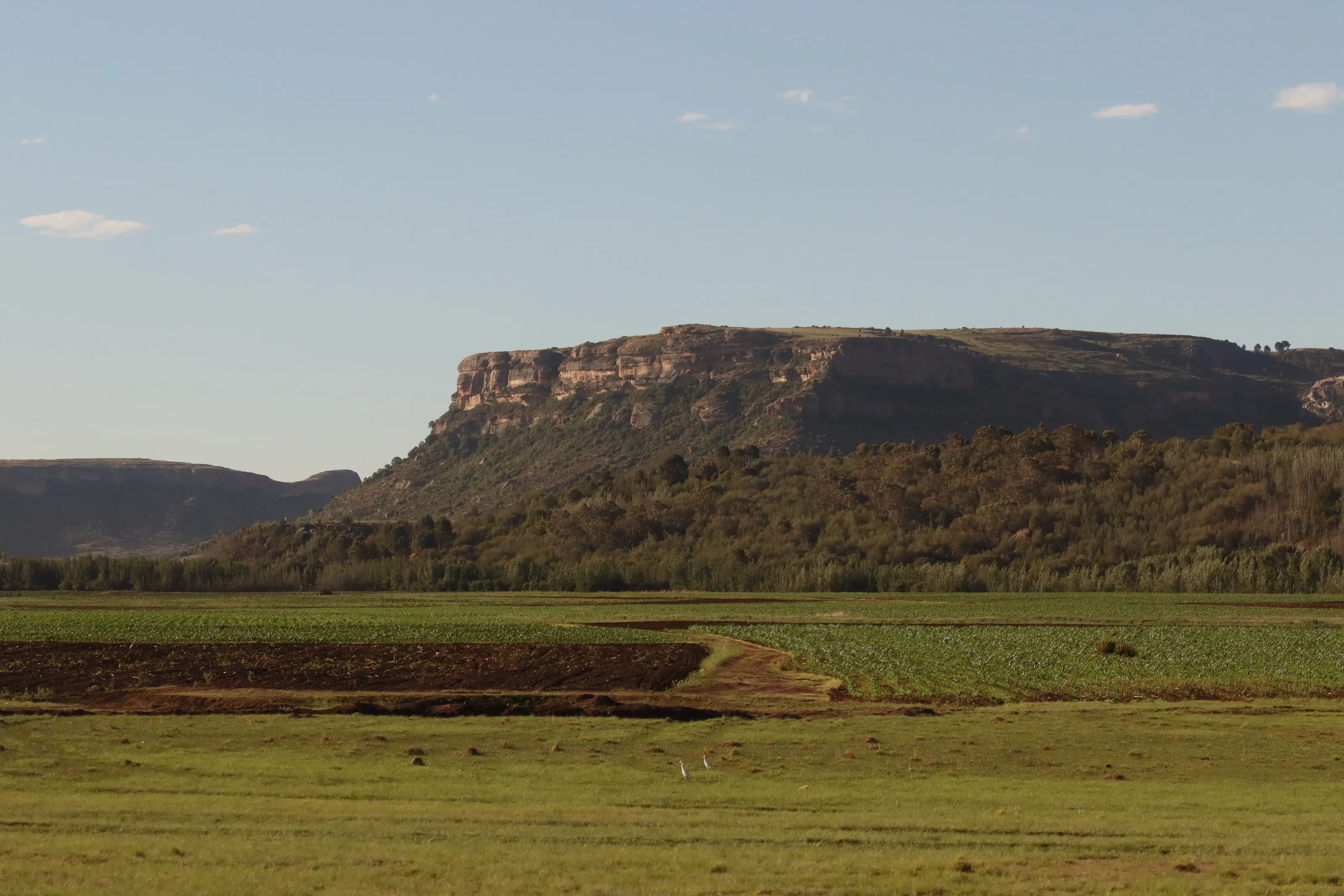
Maseru, in the west, is a low-lying lively town of markets and blanket shops. East of the capital, the fortress of Thaba Bosiu recalls King Moshoeshoe I, founder of the kingdom. Further on, Morija has a museum, dinosaur footprints and an annual arts festival, and the Teyateyaneng area is known for crafts. Sandstone mesas and maize fields shape this plateau landscape.
Before you go
Four distinct seasons, from summer sun to winter snow
| Region | Climate | Best time to visit |
|---|---|---|
| Maseru and lowlands | Around 30 C in summer; dry, sunny winters with cold nights and possible frost. Summer thunderstorms are frequent. | October-November, March-April |
| Eastern highlands | Very cold winter nights, snow from May to September and sometimes all year on the peaks. Mist and storms in summer. | October to April for hiking |
| Semonkong and the south | Rain mostly October to April, paths can be slippery. The falls are strongest after rain and freeze in winter. | October-November, March-April |
| Oxbow, Afriski and Sani Pass | Cold and snowy in winter, with a ski season from June to September. The pass is 4x4 only and snow can close it. | June to September for skiing |
The seasons are the reverse of Europe. Rain falls mostly between October and April, and June is the driest month. Temperatures swing widely between day and night, so pack warm layers even in summer, as houses generally have no central heating. Keep an eye on flight prices before fixing your dates.
Getting around
Minibus taxis, mountain roads and driving on the left
Lesotho has no passenger railway. Minibus taxis carry most public transport, with fares set by the government, and leave from the ranks of Maseru. The main north-south roads are sealed; in the mountains the tracks are slower and some need a 4x4. Traffic drives on the left, and tall, often unmarked speed bumps are the main hazard.
Most visitors rent a car or book a guide, making sure the insurance covers Lesotho. Fill up in Maseru, as fuel can run short in the mountains. Many travellers also arrive overland from South Africa, through the Maseru or Ficksburg border posts that stay open day and night.
Food and culture
Pap, motoho and the Basotho blanket
Basotho cooking is built on maize: pap, a thick porridge served with vegetable sauce, goes with grilled meat known as chesanyama. Motoho, a fermented sorghum porridge, is described as the national dish. The local beer is Maluti, and fermented ginger beer is a regional favourite.
The mokorotlo hat, whose shape echoes a rock near Thaba Bosiu, appears on the flag and on number plates. Basotho wear wool blankets all year, with patterns such as the maize cob. People are welcoming, and it is polite to give and receive with both hands and to stay calm whatever happens.
Flying to Lesotho
The Lesotho airport tracked by SniperAir
Moshoeshoe I International
Lesotho's international airport, about 20 km south of Maseru. Connections mostly run through Johannesburg. Arrange your transfer into town in advance.
FAQ
Frequently asked questions about Lesotho
Which airport should I fly into for Lesotho?
Moshoeshoe I (MSU), roughly twenty kilometres from Maseru, is the country's only international airport. Many travellers combine Lesotho with South Africa, arriving by car or minibus from Johannesburg, four to six hours away.
When is the best time to visit Lesotho?
The southern summer, October to April, brings long sunny days, with a rain peak in mid-summer. October-November and March-April are often the most pleasant for hiking. For skiing at Afriski, aim for June to September and expect very cold nights.
Is Lesotho expensive to visit?
Costs on the ground stay modest, especially in simple lodges and by minibus. The budget depends mostly on the flight, on activities such as pony trekking or abseiling, and on car rental. Choosing your season and watching flight prices helps keep the total down.
Do I need a visa for Lesotho?
Entry rules depend on your nationality and change over time. A passport valid for at least six months is generally needed, and a yellow fever certificate may be requested depending on where you travel from. Check official sources and your government's travel advice before booking.
How long should I spend in Lesotho?
Five to seven days cover Maseru, Katse Dam, Semonkong and a pony trek. Add Sani Pass, Malealea and the parks and you are closer to ten days. The country combines well with South Africa.
Is Lesotho safe for travellers?
It is considered safer than its neighbour, but stay careful: avoid walking alone at night in Maseru, take care on mountain roads and during summer thunderstorms. At altitude, drink plenty of water and protect yourself from sun and cold.
How do I get alerted when flights to Lesotho drop in price?
Create a SniperAir alert profile with your departure airport and Maseru as the destination. We track prices and notify you as soon as a matching opportunity appears. See how it works.
Ready to track prices to Lesotho?
Create an alert and let SniperAir do the rest.
Create my alert