
Travel to Réunion
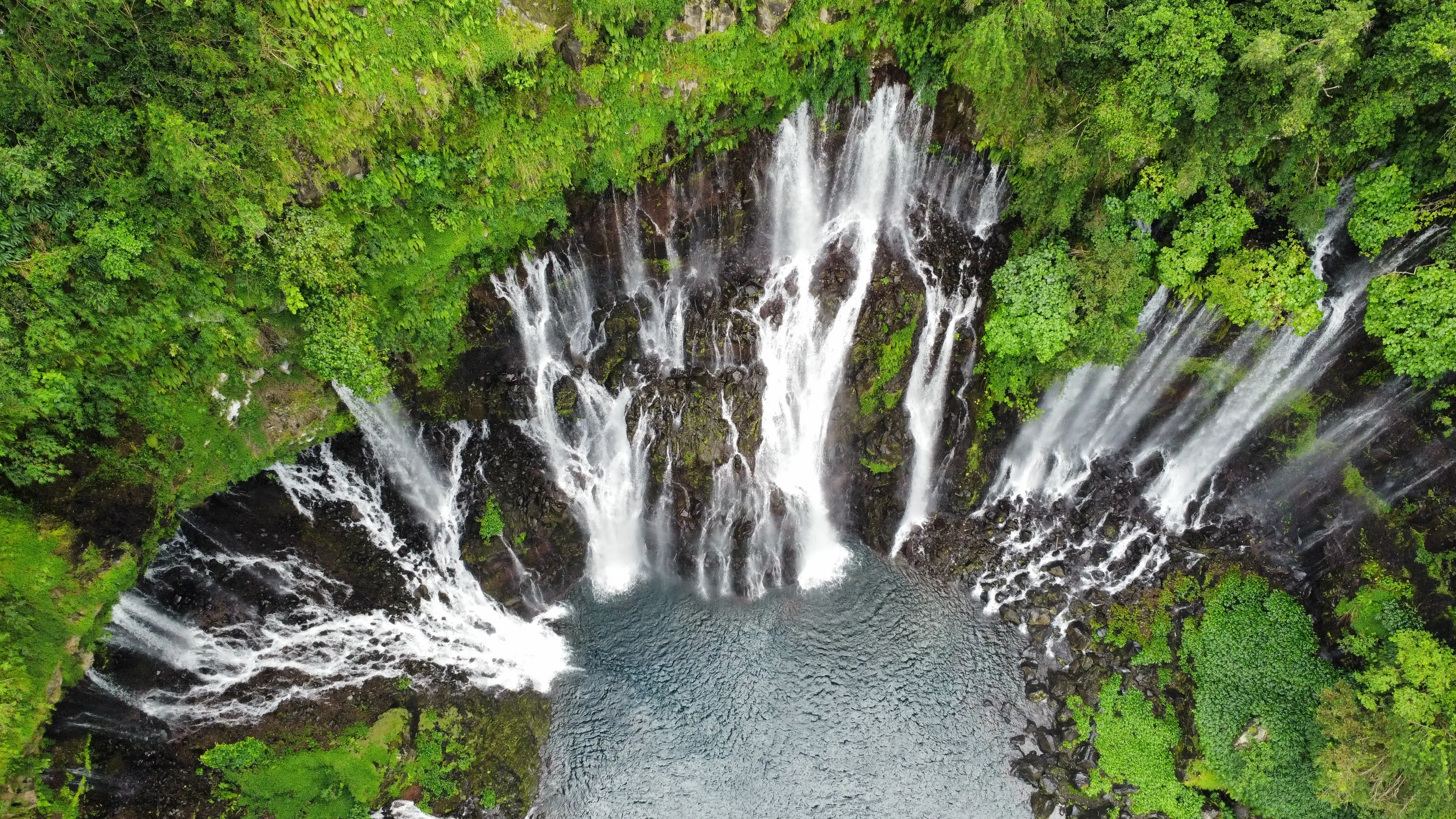
One of the most active volcanoes in the world, cirques you can only enter on foot, green ramparts that rise above 3,000 m, waterfalls by the road and a lagoon on the west coast: Réunion, a French island department in the Indian Ocean, squeezes into an oval of about 2,500 km² landscapes that are usually thousands of kilometres apart. Here is what to know before you look for cheap flights to Réunion.
Réunion in numbers
Capital
Saint-Denis
Population
Over 900,000
Area
~2,500 km²
Currency
Euro
Language
French, Creole
UNESCO sites
1
Continent
Africa
Time zone
UTC+4
Airports covered
1
Why visit Réunion
A volcano, three cirques and a lagoon on a single island
The Piton de la Fournaise
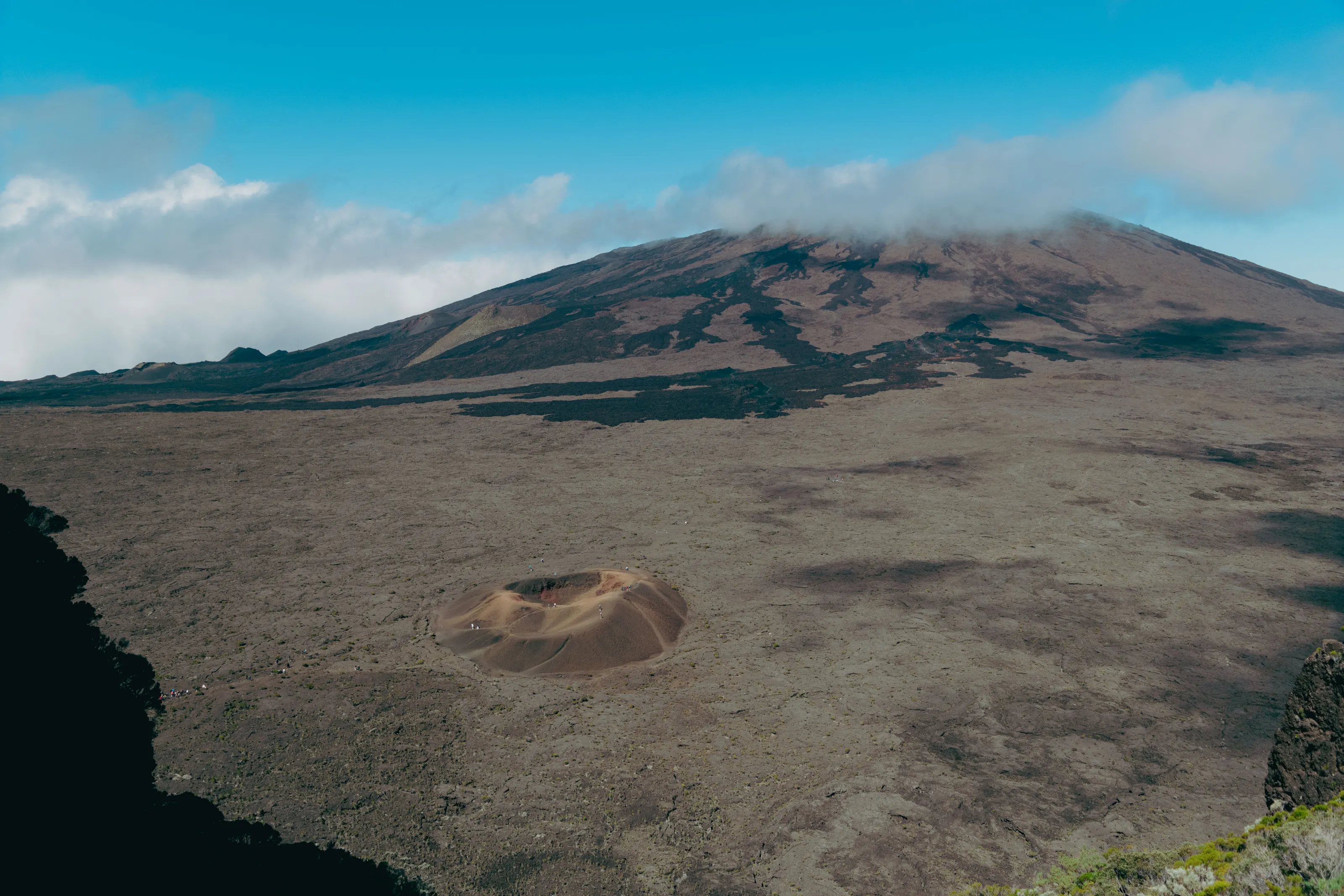
One of the most active volcanoes on Earth is visited from Pas de Bellecombe, on the edge of the Enclos Fouqué. A hike leads to the Dolomieu crater, and the lunar scenery of the Plaine des Sables is close by.
The cirques of Mafate, Salazie and Cilaos
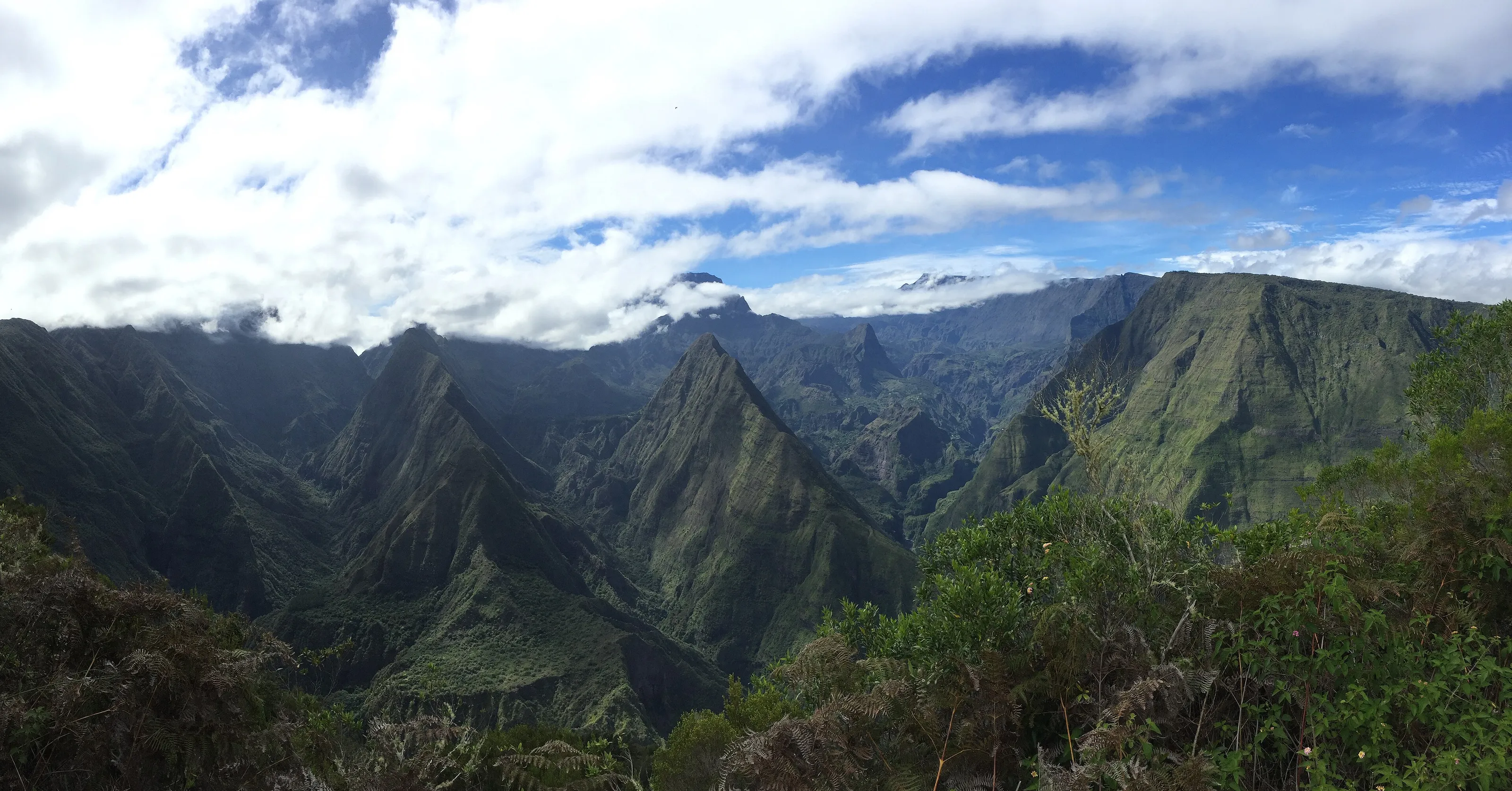
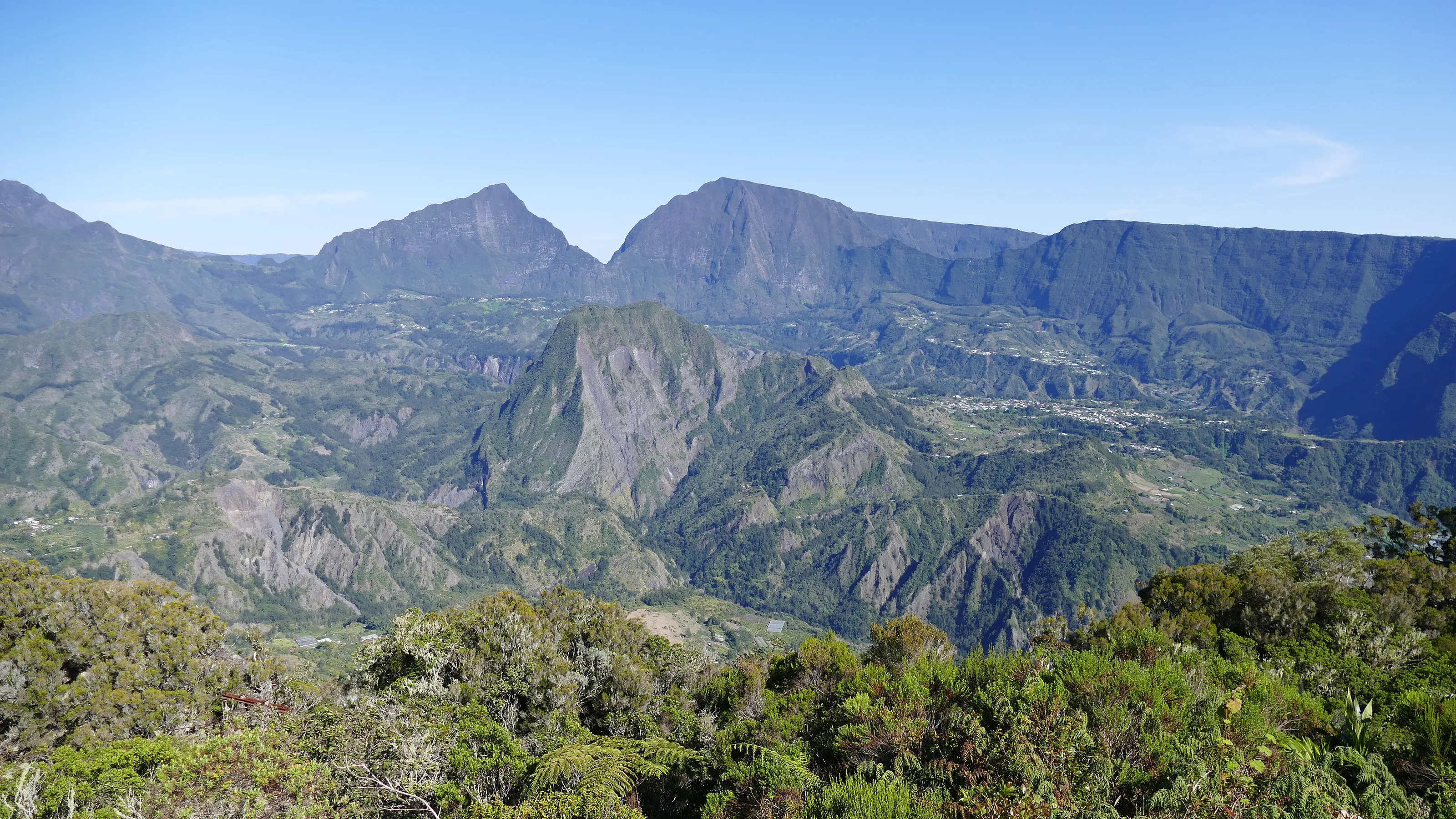
Three huge bowls with sheer walls, at the heart of a UNESCO-listed area. Mafate can only be entered on foot: you sleep in gîtes in hamlets without roads, at walking pace.
Hiking and outdoor adventure
From sunrise at the summit of the Piton des Neiges, the highest point at 3,070 m, to canyoning in waterfalls and paragliding, the island is a playground for walkers and adventurers.
A mixed Creole culture
Curry, sausage rougail and rhum arrangé, maloya and séga music, Creole language: the island blends European, African, Malagasy, Indian and Chinese roots, tasted at every meal.
Where to go
The volcano, the cirques, the wild coast, the west and the towns
The island is explored by hire car: the winding roads into the cirques take time, but distances remain short. Many travellers split their stay between three bases: the west for the beach, the highlands for the cirques and the south-east for the volcano.
The Piton de la Fournaise and the wild south coast
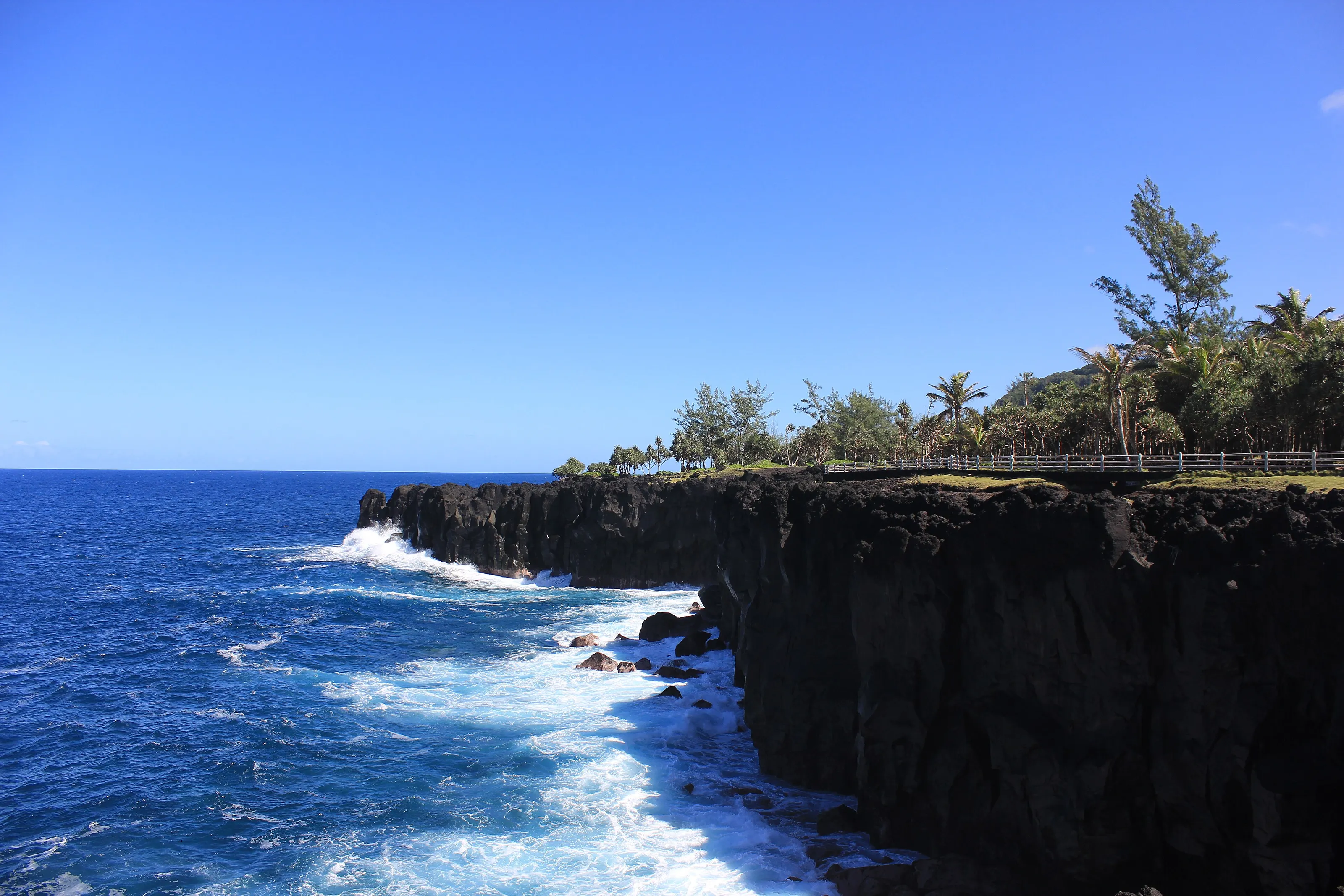
The road crosses the Plaine des Sables to Pas de Bellecombe, where you look out over the Enclos Fouqué and the volcano. The Grand Brûlé flows and lava tubes tell the story of past eruptions. Lower down on the south coast, the black lava cliffs of Cap Méchant drop into the ocean, and the lava road crosses flows that reached the sea. Conditions change fast at altitude: bring a jacket and follow the safety guidance.
Mafate, Salazie and Cilaos: the three cirques
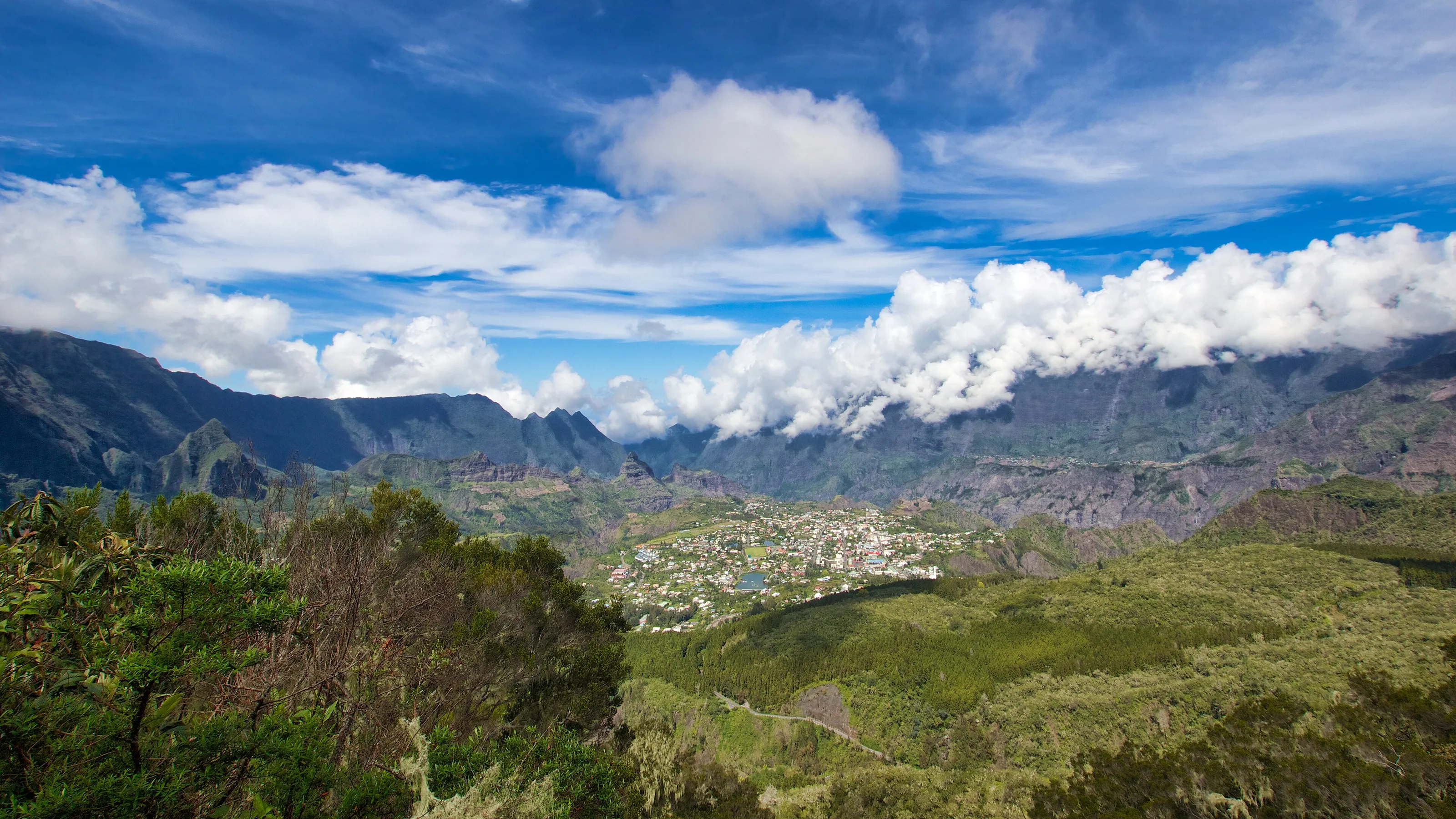
Mafate, once a refuge for runaway slaves, can only be reached on foot, in a day or, better, with a night in a gîte in a hamlet such as Marla or Grand Place. Salazie, with the village of Hell-Bourg and the Bélouve forest, is the greenest and wettest cirque. Cilaos, a mountain village at the end of a road of hairpin bends, is explored along trails and viewpoints.
The west coast, lagoon and beaches
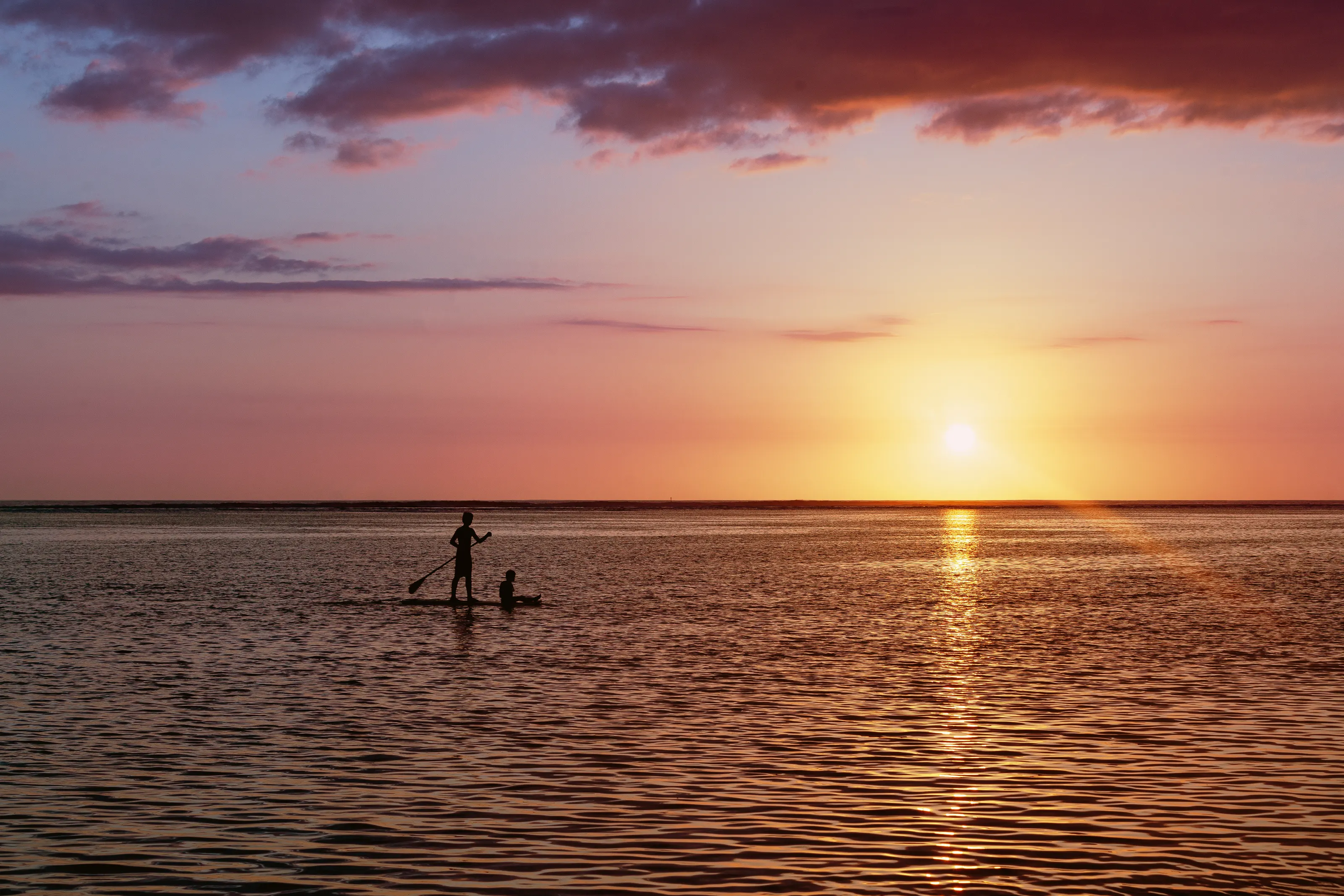
The west coast is the sunniest and most sheltered. Around Saint-Gilles a lagoon protected by a coral reef allows swimming, snorkelling and paddleboarding. Between June and October humpback whales pass offshore and can be seen by boat or from the coast. Swim only in supervised areas and respect local guidance, particularly regarding shark risk.
Saint-Denis, Saint-Pierre and the towns
Saint-Denis, the prefecture, mixes Creole architecture, markets and the Barachois seafront. Saint-Pierre, in the south, has its seafront and café terraces. Between hikes, street markets are the best place to taste fruit and spices. To extend your Indian Ocean trip, see also our Mauritius page or our Madagascar page.
Before you go
A hot summer from November to April, a cool dry winter ideal for hiking
| Region | Climate | Best time to visit |
|---|---|---|
| West coast (Saint-Gilles, lagoon) | The driest, sunniest coast: roughly 26 to 28 C in winter and 28 to 31 C in summer. | May to November |
| East coast and wild south | Wet all year, with showers even in the dry season. Lush vegetation and waterfalls. | May to November, with a rain jacket |
| Cirques (Mafate, Salazie, Cilaos) | Cool at altitude, winter nights of 8 to 10 C around 1,000 m. Afternoon mist, mornings often clear. | May to October for hiking |
| Volcano and Plaine des Sables | Altitude, wind and cool temperatures, changeable weather. Start early to enjoy clear views. | May to November |
The cyclone season officially runs from November to April, and most rain falls from January to March. Outside those months, from May to November, the island is drier and cooler, and humpback whales are present from June to October.
Getting around
Hire car, mountain roads and buses
A car remains the simplest way to get around, especially to reach the cirques and the volcano: mountain roads are narrow and winding, and traffic is heavy around Saint-Denis and Saint-Gilles at rush hour. Hire companies have desks at the airport, and traffic drives on the right as in France.
Buses link the main towns and the airport to Saint-Denis, and taxis cover short trips. For one-way hikes, plan a return ride or a transfer with your accommodation.
Reunionese food
Carri, sausage rougail and rhum arrangé
Carri, the Creole curry of chicken, fish or prawns, sausage rougail built on tomato, and massalé are the signature dishes. They come with rice, grains, brèdes (greens) and achards, spicy pickled vegetables.
As starters, people nibble samosas, bouchons and bonbons piment. The day often ends with punch or rhum arrangé, and fritters and cakes are eaten in the afternoon rather than as dessert.
Flying to Réunion
The Réunion airport covered by SniperAir
Roland Garros
The island's main airport, about 10 km from Saint-Denis, or 15 to 20 minutes by road. Buses, taxis and car hire are on site, and most flights from Europe land here.
FAQ
Frequently asked questions about Réunion
Which airport should I fly into for Réunion?
Roland Garros (RUN), near Saint-Denis, is the island's main airport and handles most international routes. Saint-Pierre Pierrefonds in the south mainly serves regional links.
When is the best time to visit Réunion?
From May to November, the cool dry season is best for hiking, and humpback whales are present from June to October. From November to April it is hotter, with cyclone season and most of the rain.
Is Réunion expensive to visit?
Prices follow French levels: car hire and accommodation weigh most, while markets and Creole meals stay affordable. Choosing your season and tracking flight prices helps keep the cost down.
Do I need a visa to travel to Réunion?
Réunion is French territory but is not part of the Schengen area, so entry conditions depend on your nationality and change over time. Check official websites and your government's travel advice before booking.
How long should I spend in Réunion?
Plan seven to ten days to combine a cirque, the volcano and a few days by the lagoon. Five days is enough for a first taste.
Can I swim anywhere in Réunion?
No: swim only in supervised areas and in the lagoon, and follow local guidance, notably on shark risk in some parts of the west coast.
How do I get alerted when flights to Réunion drop in price?
Create a SniperAir alert profile with your departure airport and Saint-Denis as the destination. We track prices and notify you as soon as an opportunity matches. See how it works.
Ready to track prices to Réunion?
Create an alert and let SniperAir do the rest.
Create my alert