
Travel to Paraguay
A country where Guaraní is spoken as much as Spanish, a capital founded in 1537, ruined Jesuit missions and one of the world's biggest dams: Paraguay remains one of South America's quietest destinations. This guide covers what to know before you travel to Paraguay and how to find cheap flights to Asunción.
Paraguay in numbers
Capital
Asunción
Population
6.5 to 7.5 M
Area
~407,000 km²
Currency
Guaraní
Language
Spanish and Guaraní
UNESCO sites
1
Continent
South America
Time zone
UTC-3
Airports covered
1
Why visit Paraguay
Guaraní, Jesuits and great rivers
A country with two languages
Guaraní and Spanish are both official, and the national culture blends the two: ao po'í embroidery, ñandutí lace and music of lilting polkas and languid guaranías played on the native harp.
Asunción, the Mother of Cities
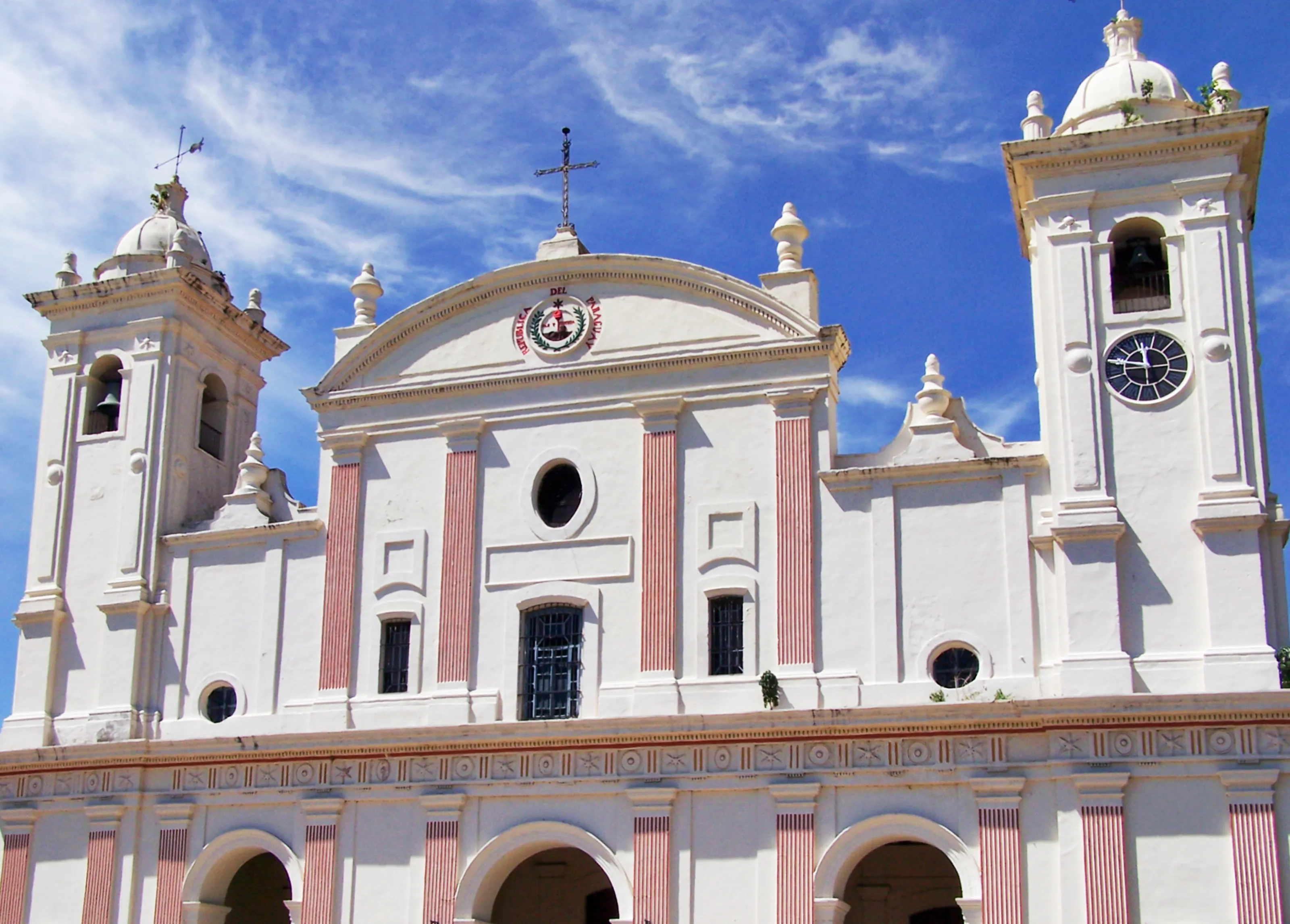
Founded in 1537, Asunción is one of the oldest cities in South America. Spanish expeditions set out from here to found Villarrica, Corrientes, Santa Fe, Córdoba and Santa Cruz de la Sierra, among many others.
Jesuit mission ruins
In the 17th century Paraguay was the centre of Jesuit missions. The ruins of La Santísima Trinidad de Paraná and Jesús de Tavarangué are now UNESCO World Heritage Sites.
Rivers, wetlands and hydropower
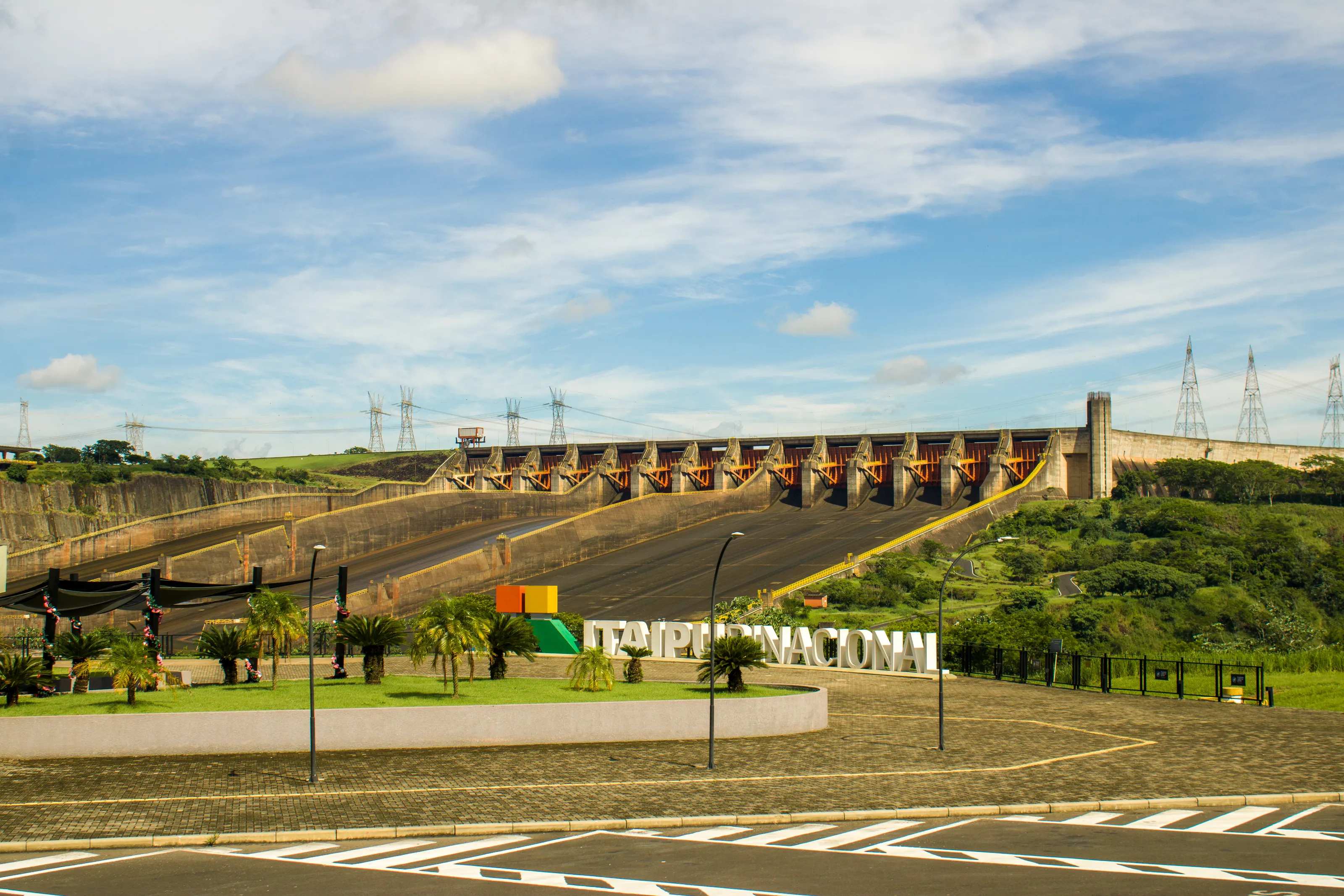
The Paraná and Paraguay rivers shape the country, and the Itaipu Dam, shared with Brazil, is the third-largest hydroelectric dam in the world by output.
Signature places
Asunción, Encarnación, Ciudad del Este and the Chaco
A classic trip combines Asunción, the south with its Jesuit missions, and then a detour to the great rivers or the Chaco.
Asunción, capital on the river
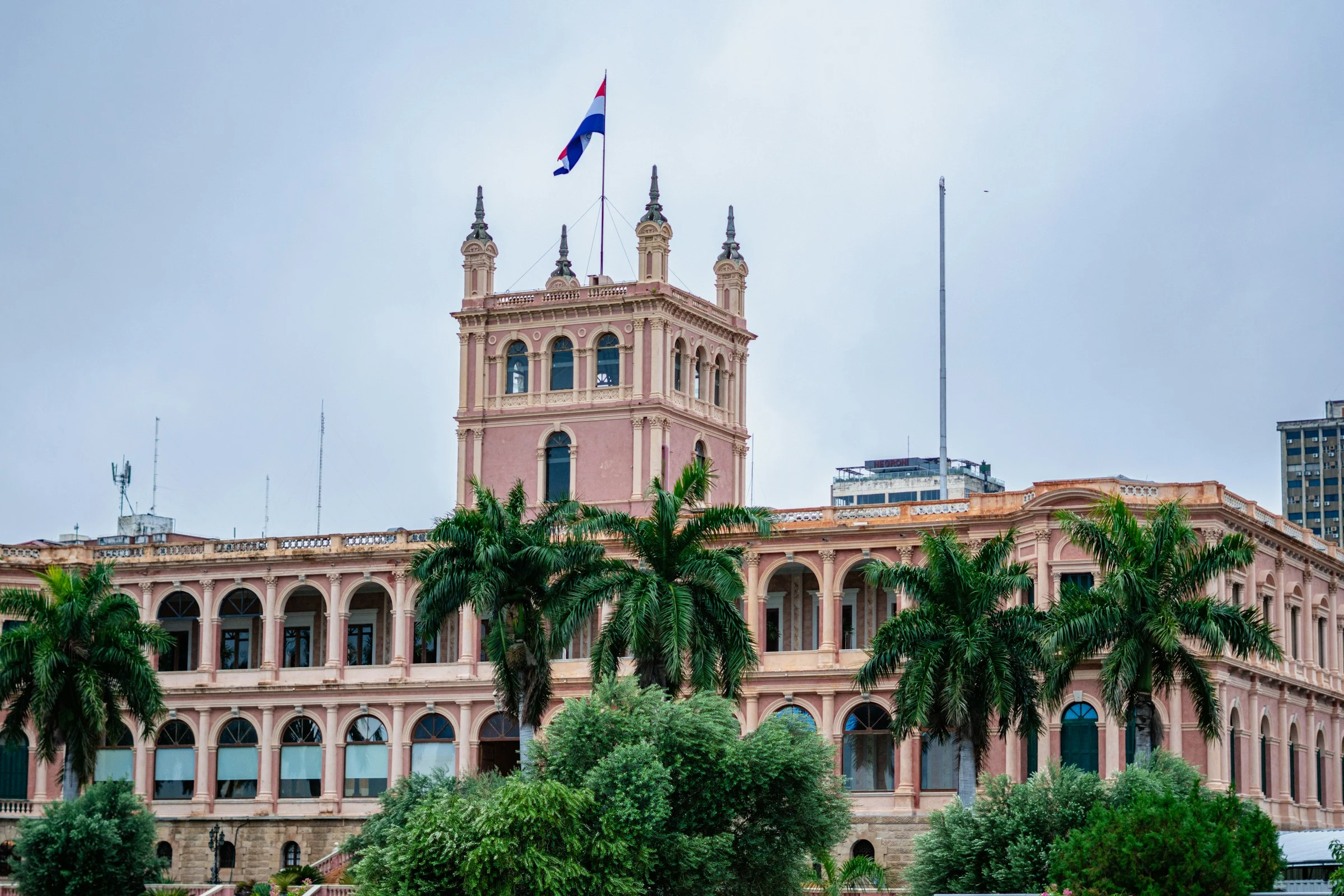
The Palacio de los López, the presidential seat, is a neoclassical landmark on the bay of Asunción. The city lies on the east bank of the Paraguay River, with a historic centre that is best explored with care after dark. Asunción was named American Capital of Culture in 2009.
Encarnación and the Jesuit ruins
In the south, Encarnación has turned the banks of the wide Paraná into freshwater beaches and is the country's top summer destination; its carnival is the biggest in Paraguay. The Jesuit ruins of Trinidad and Jesús are close by.
Ciudad del Este and Itaipu
In the east, Ciudad del Este is the shopping city for visitors from the region, and the Itaipu hydroelectric plant, shared with Brazil, can be visited at Hernandarias.
The Chaco, lakes and countryside
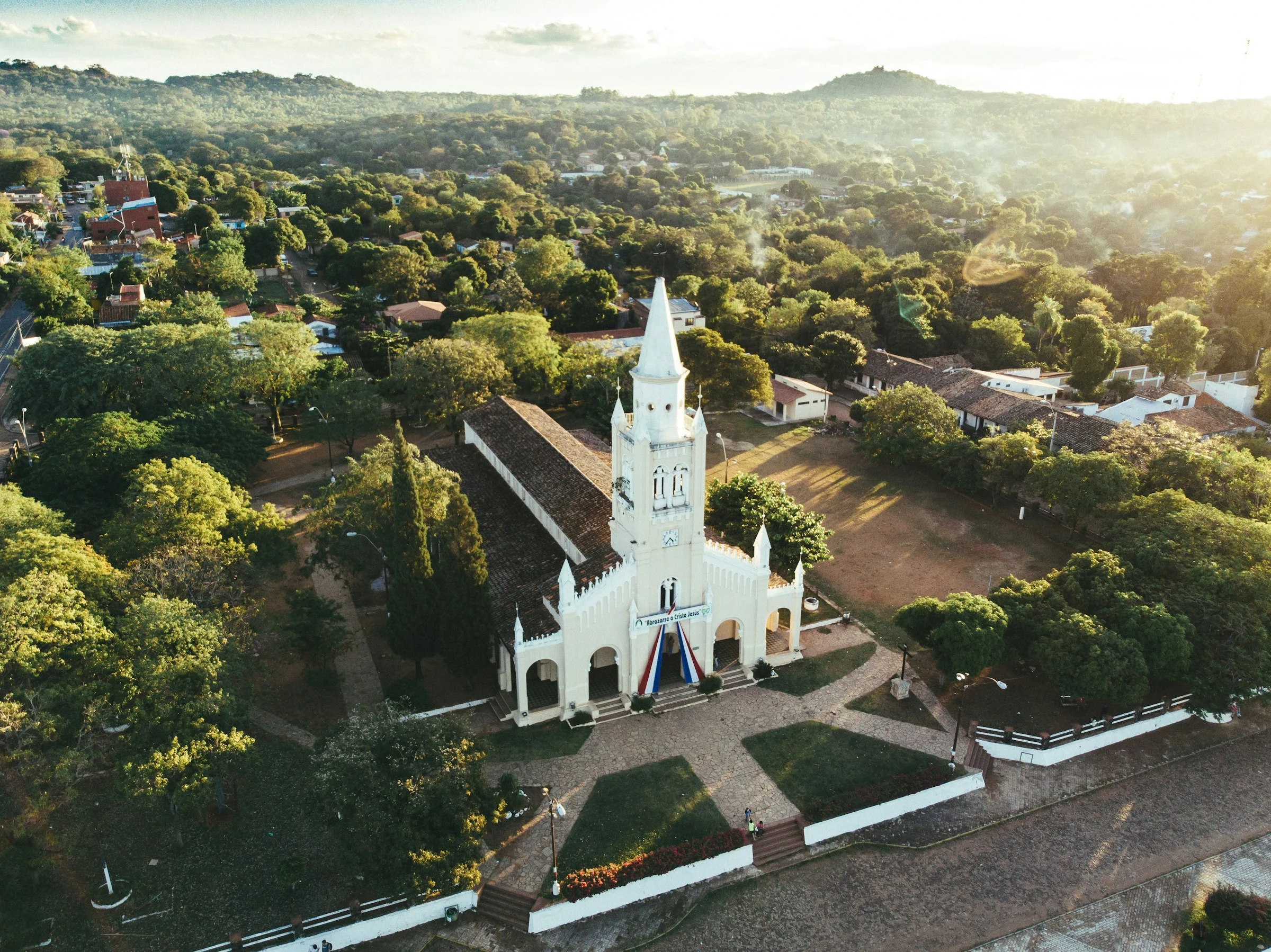
West of the Paraguay River, the Gran Chaco is sparsely populated and is explored on expeditions or eco-adventures. In the east, Lake Ypacaraí, marshes and the Paraguayan Pantanal complete a land of woods and water.
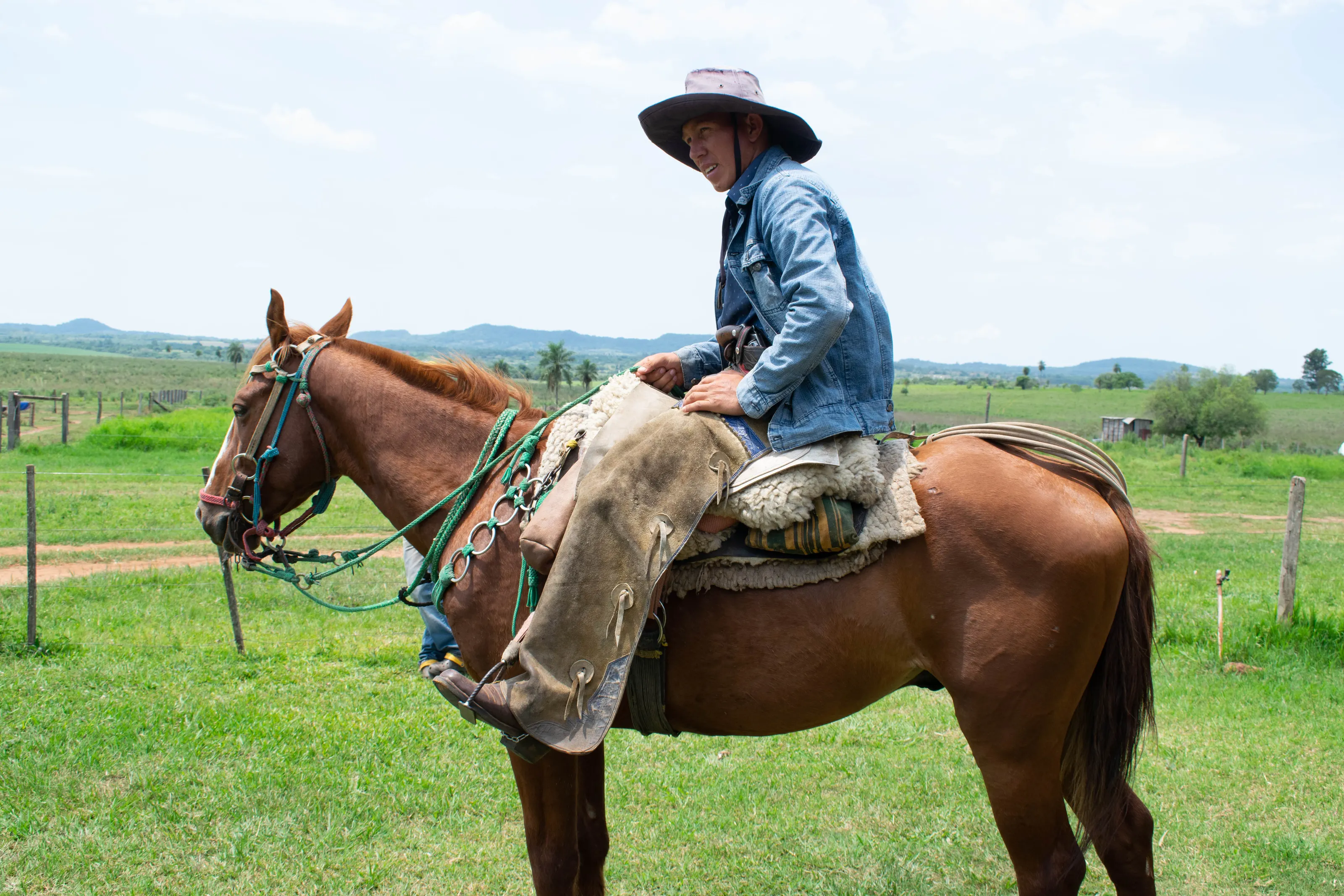
Everyday culture
Tereré, cold mate, is shared among friends everywhere, while sopa paraguaya and chipa turn up in markets.
Getting around
Buses between towns, care on the road
The road network is thin: few routes link the main cities, and most roads are unpaved. Long-distance buses are the usual way to reach Asunción, Encarnación and Ciudad del Este.
Driving at night is not recommended because of cattle and horses on the road and poor lighting and signs. In the Chaco, roads are almost empty, so plan ahead. Heavy storms in the wet season can cause river floods.
Before you go
Humid heat and two very different regions
| Region | Climate | Best time to visit |
|---|---|---|
| Asunción and the east | Humid subtropical; January averages about 29 C by day, with heavy storms in the wet season | May to September |
| South (Encarnación, missions) | Warm and wet, with rain in every month in the southeast | May to September; summer for the Paraná beaches |
| Far east forest belt | About 170 cm of rain a year | May to September |
| Western Chaco | Semi-arid, no more than 50 cm of rain a year | May to September |
Without mountains to act as a barrier, winds and temperatures can change fast: warm Amazon winds from October to March, cold Andean winds from May to August, and frost possible from April to September. Dengue is endemic with a peak from November to April, so protect yourself against mosquitoes.
Many visitors, including UK passport holders, can stay up to 90 days without a visa. A yellow fever certificate is required if you arrive from a country with transmission risk; keep your entry stamp, as leaving without one brings a fine. Before booking, consult your government's official travel advice.
Combining countries? See also Argentina and Brazil, which border Paraguay together with Bolivia.
Food
Sopa paraguaya, chipa and tereré
Paraguayan cooking is built on manioc, corn and cheese. Sopa paraguaya is a thick corn bread resembling a savoury cake, and chipa is a bagel-like bread of cornmeal, manioc starch and cheese.
Tereré, cold mate drunk in groups, is the everyday drink and a symbol of friendship; street sellers offer refreshing herbs to help with the heat.
Flying to Paraguay
The Paraguayan airport SniperAir covers
Silvio Pettirossi International (Asunción)
The country's main international airport, in Luque, serving Asunción and, indirectly, Clorinda in Argentina; the main hub for LATAM Paraguay and Paranair. The financial district is about ten minutes away.
FAQ
Frequently asked questions about Paraguay
What is the best airport to fly into for Paraguay?
Silvio Pettirossi (ASU), in Luque near Asunción, is the main international airport and the one SniperAir tracks. Encarnación and the Jesuit missions are reached by road.
When is the best time to travel to Paraguay?
May to September for more comfortable weather; summer, from November to March, is very hot, humid and stormy, though it is also the beach season on the Paraná.
Is Paraguay expensive?
Prices are modest for South America; buses and local meals are inexpensive, while international hotels are concentrated in Asunción.
Do I need a visa for Paraguay?
Many visitors do not need a visa for tourist stays of up to 90 days. Yellow fever vaccination is required when arriving from certain neighbouring countries; check the rules for your nationality.
How long should I spend in Paraguay?
Three to five days cover Asunción and the Jesuit missions; add a few days for Ciudad del Este or a Chaco expedition.
What languages are spoken in Paraguay?
Spanish and Guaraní are both official, and Guaraní is spoken by about 90 percent of people, often alongside Spanish.
How do I get alerted when a flight to Paraguay drops below my budget?
Create a SniperAir alert profile with your departure airport and Asunción as your destination: we track prices for you and notify you as soon as an opportunity matching your criteria is found.
Ready to track prices to Paraguay?
Create an alert and let SniperAir do the rest.
Create my alert