
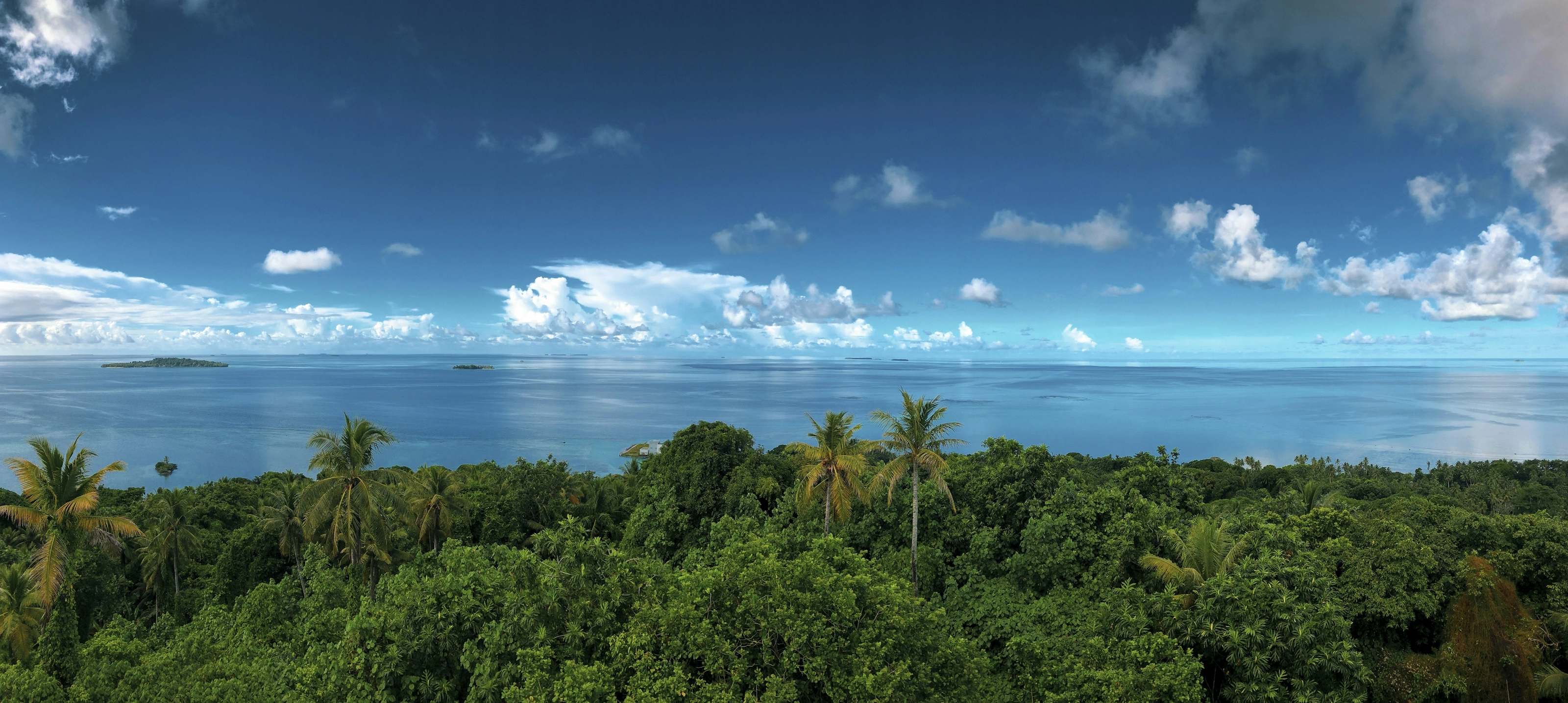
Travel to Micronesia: cheap flights to Yap
Four states scattered over hundreds of islands: a stone currency that never moves, artificial islets on the UNESCO list and a lagoon that is the graveyard of 1944's fleet. The Federated States of Micronesia, in free association with the United States, offer diving and living culture far from everything. Here is what to know before you go, and how to watch fares to Yap.
Micronesia at a glance
Capital
Palikir
Population
75,000 to 112,000
Area
~702 km²
Currency
US dollar
Languages
English and local languages
States
4
UNESCO sites
1
Time zone
UTC+10 and UTC+11
Airports covered
1
Why visit Micronesia
An island nation where custom is still alive
Yap's stone money
The rai, calcite discs up to about 4 m across, were mostly quarried in Palau. They still serve in customary exchanges: ownership can change without the stone moving.
Nan Madol, the city on the water
On Pohnpei, 92 artificial islets linked by canals served as capital of the Saudeleur dynasty. The UNESCO site, listed in 2016, covers more than 18 km².
Chuuk, a graveyard of ships
Chuuk Lagoon, about 2,130 km², holds wrecks from Operation Hailstone (17 February 1944), several of them under 15 m of water: a dive site with a worldwide reputation.
Manta rays within fin reach
At Yap, Mi'il Channel is a meeting point with manta rays that pass close to divers; the resident population has been protected since 2008.
Islands and places to see
Yap, Pohnpei, Chuuk and Kosrae
Yap, the most traditional
Four main islands inside one reef, hills peaking at 178 m, villages where men's houses (faluw) are still in use and stone-money banks along the paths. Colonia is the state capital; ask permission before entering traditional buildings. Currents can be strong in the dive channels.
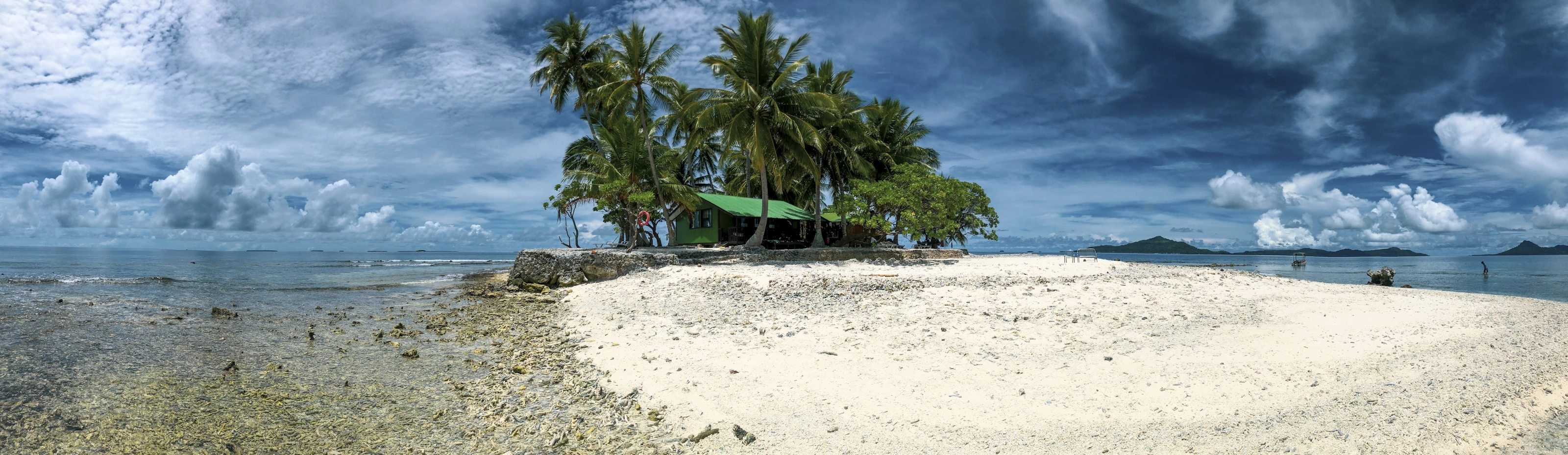
Pohnpei and Nan Madol
Home to the capital Palikir, Pohnpei is very wet and forested. Visitors come for Nan Madol, built between the 9th and 12th centuries, and for the view of Kolonia from Sokehs Ridge.
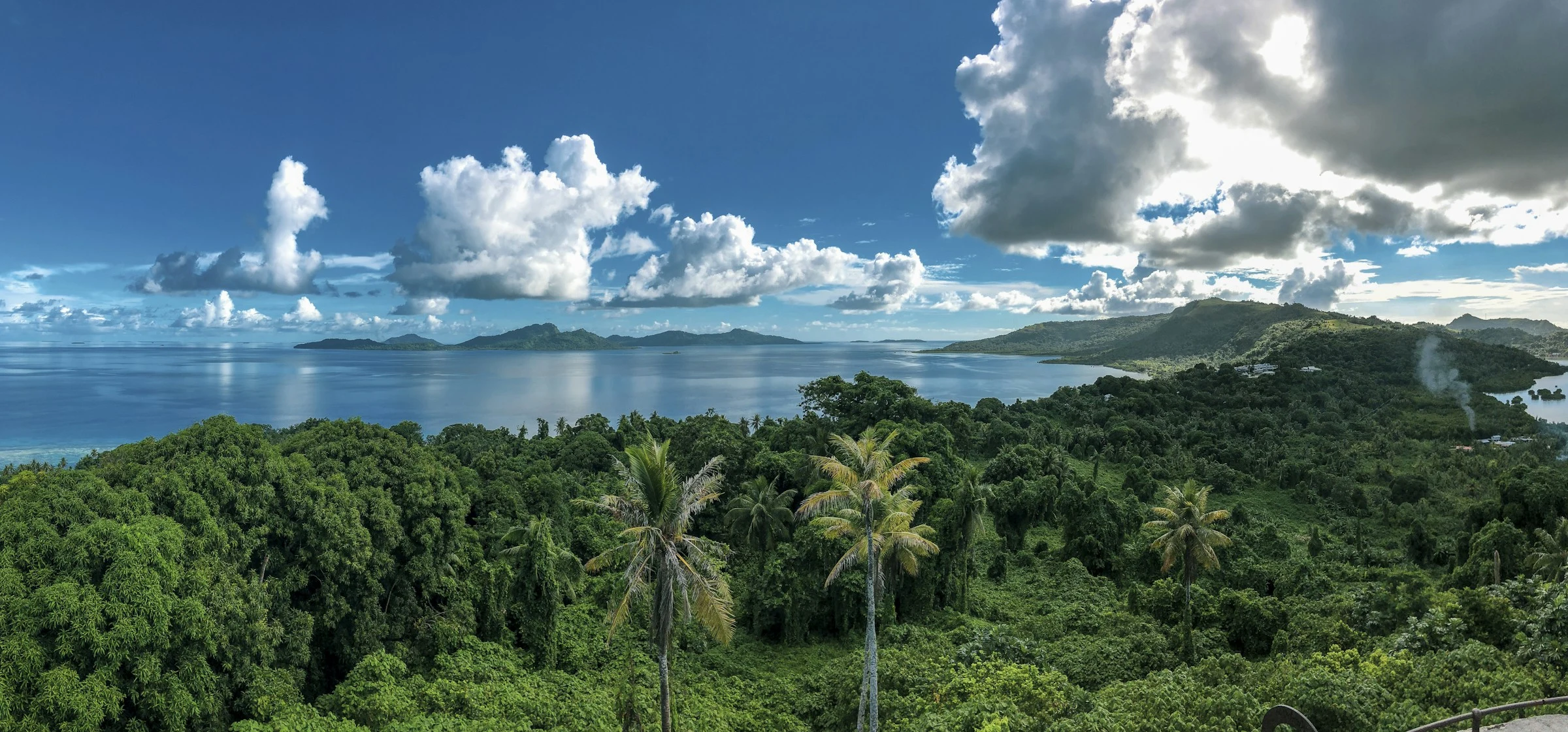
Chuuk and its wrecks
Weno, with about 13,700 people, is the country's largest town and the base for wreck diving on the Fujikawa Maru and the submarine I-169. The ships are also Japanese war graves, so visit with respect.
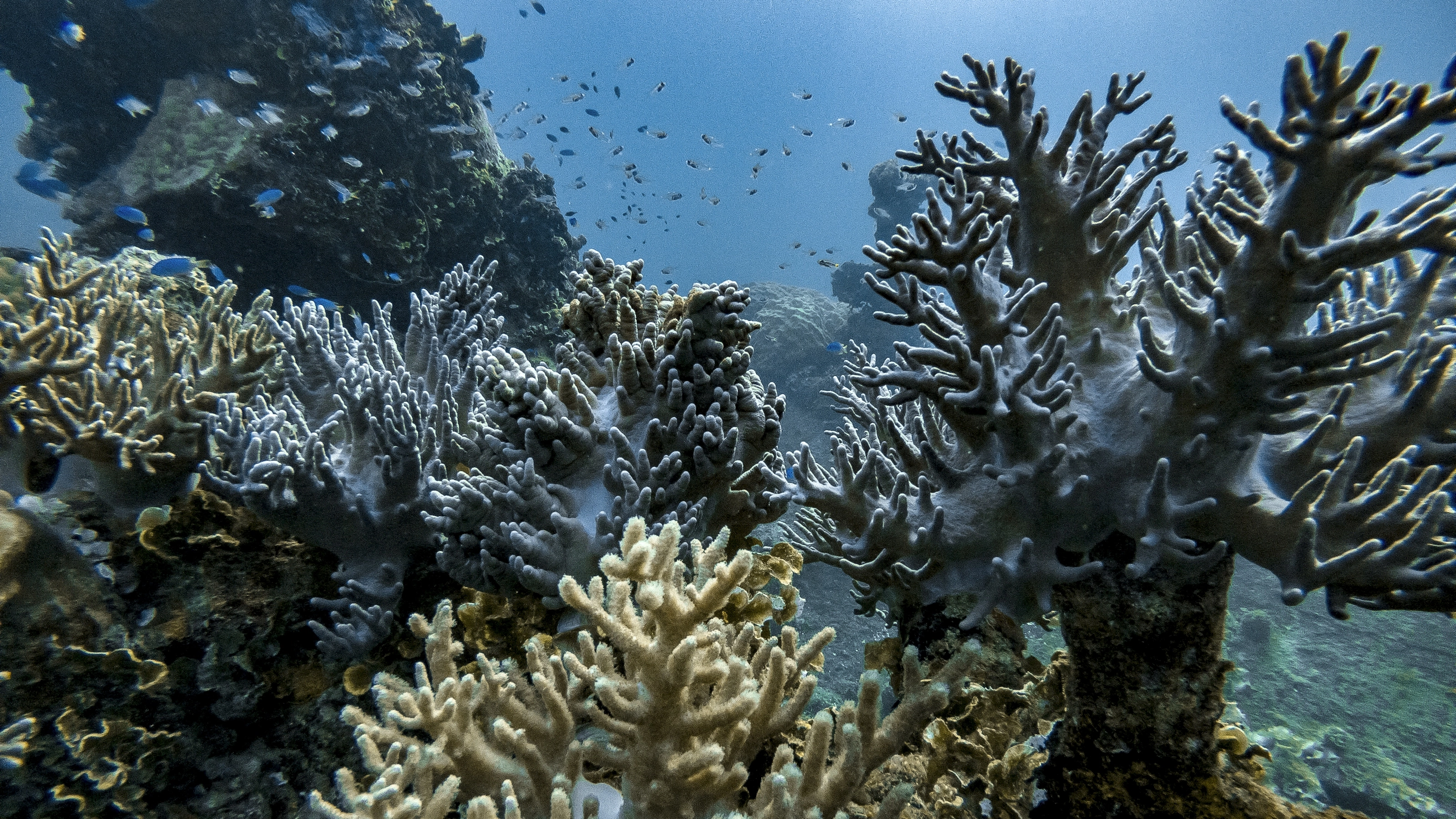
Kosrae, the green island
Kosrae, with about 7,800 residents, is mostly Protestant and has few outlying atolls: a wooded, quiet island that sees few visitors.
Culture and local life
Fishing, taro and customary rank
The economy rests largely on fishing, subsistence farming and US aid; taro, breadfruit, coconut and fish form the basis of meals. On Yap, society follows a customary rank system of at least seven tiers, and other traditional currencies exist, such as shell necklaces.
The country has been independent since 1986 under a Compact of Free Association with the United States, which lets Micronesians live and work there. 3 November is the national day. Tourist infrastructure is limited, so this is a destination for self-reliant travellers.
Getting around
Regional flights, boats and rough tracks
Each of the four states has an international airport, but you can only move between islands by air or by boat. Yap's airport has a 1,829 m runway and United's link to Guam; regional carriers fly to Palau, Chuuk and Pohnpei. Build in slack: distance and weather can shift flights.
To combine with other destinations, Guam and Palau are the closest neighbours, and the region continues towards the Philippines. Because the country is associated with the United States, the United States page gives the wider context.
Before you go
Drier from November to April
| Area | Climate | Best time |
|---|---|---|
| Yap | Tropical; about 3,100 mm of rain a year, wettest June to October | November to April; manta rays November to May |
| Pohnpei | Very wet, over 6,000 mm on windward slopes | November to April |
| Chuuk | Hot and humid, 30 to 32 C by day | November to April for diving |
| Kosrae | The wettest state, about 5,150 mm a year | November to April |
Temperatures run from 22 to 25 C at night to 30 to 32 C by day. The wet season lasts from May to October, and El Niño and La Niña change conditions a lot from year to year. Entry depends on your nationality: check with the authorities before you travel.
Travel to Micronesia
The Micronesian airport covered by SniperAir
Yap International
On Yap island in Yap State: a 1,829 m runway, the United link to Guam and regional flights to Palau, Chuuk and Pohnpei.
FAQ
Frequently asked questions about Micronesia
Which airport do I fly into for Micronesia?
SniperAir covers Yap (YAP), on Yap island. Each state also has its own international airport: Chuuk, Pohnpei and Kosrae.
When is the best time to go?
November to April is drier; May to October is the wet season. For Yap's manta rays, sources mostly cite November to May.
Is Micronesia expensive?
Distance and a small number of places to stay weigh on the budget, and the US dollar is the currency. Compare offers with our partners before booking.
Do I need a visa for Micronesia?
It depends on your nationality: check entry rules with the authorities before you go and keep a valid passport.
How long should I stay in Micronesia?
Seven to ten days for one main island and an excursion. The country is spread over a huge area, so choose one or two states.
How do I get alerted when a flight to Yap drops below my budget?
Create a SniperAir alert with your departure airport and Yap as destination. We watch prices and notify you when an opportunity matches. See how it works.
Ready to watch fares to Micronesia?
Create an alert and let SniperAir do the rest.
Create my alert