
Travel to Iceland
Geysers, glacier lagoons, hot springs and lava fields, all within a few hours of an international airport. Iceland is easy to reach and easy to get around, and the scenery changes every hour. Here is what to know before you travel to Iceland, and how to catch cheap flights to Iceland when prices drop.
Iceland in numbers
Capital
Reykjavík
Population
~395,000
Area
~103,000 km²
Currency
Icelandic króna
Language
Icelandic
UNESCO sites
3
Continent
Europe
Time zone
UTC
Airports covered
3
Why visit Iceland
Raw landscapes with surprisingly easy logistics
Where two plates pull apart
Iceland sits on the Mid-Atlantic Ridge between Europe and North America, which is why geysers, lava fields and hot springs are part of the everyday landscape.
Green energy, hot pools everywhere
Geothermal and hydropower supply effectively all of the country's electricity, and natural hot pools are a local habit as much as a tourist attraction.
Midnight sun and aurora winters
Reykjavík has near-permanent daylight from 20 May to 24 July, then under five hours of daylight in early winter, with northern lights from September to April.
Three UNESCO sites
Þingvellir National Park (2004), the volcanic island of Surtsey (2008) and Vatnajökull National Park (2019), plus Reykjavík as a UNESCO City of Literature since 2011.
Signature places
The Golden Circle, the south coast, the highlands and the north
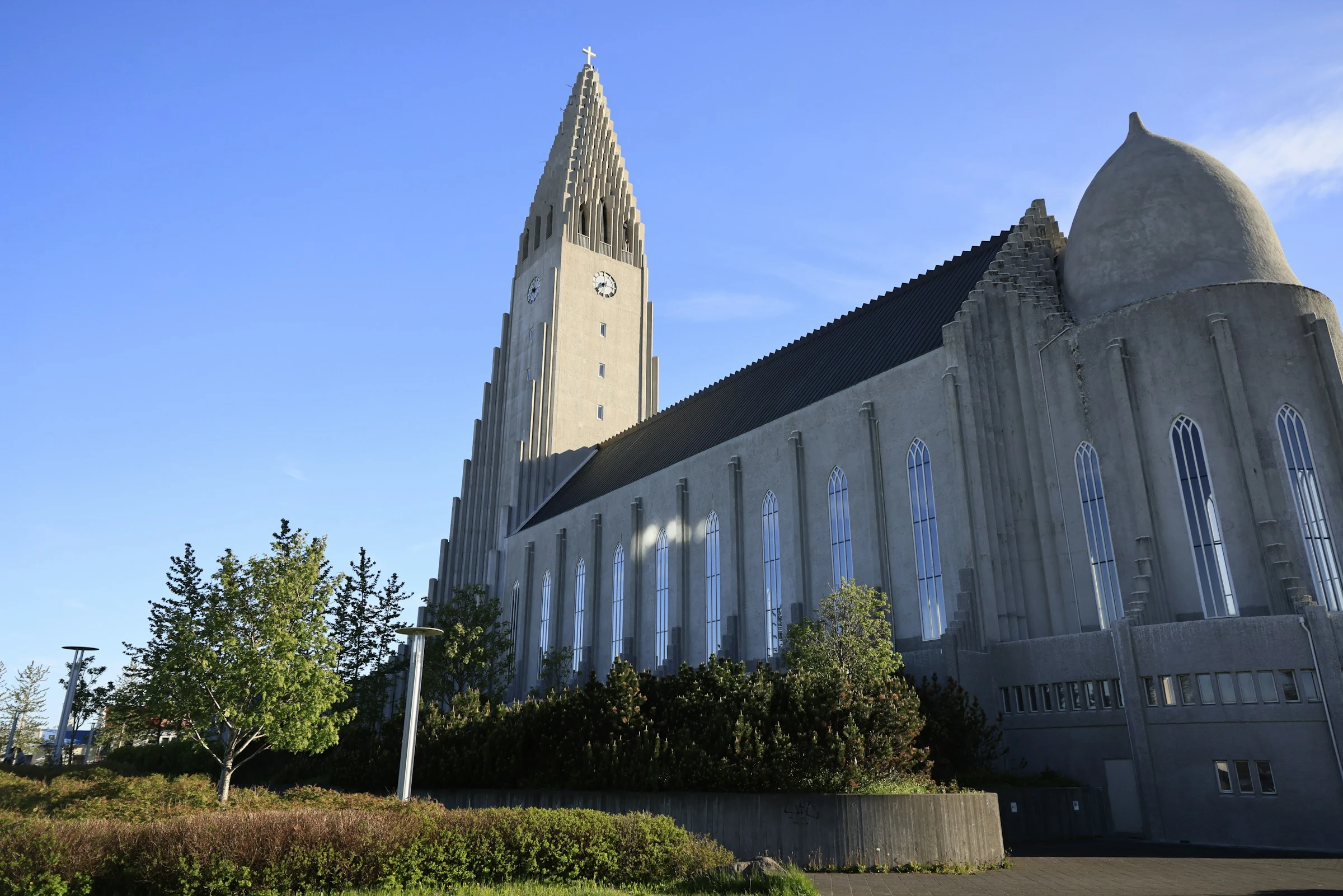
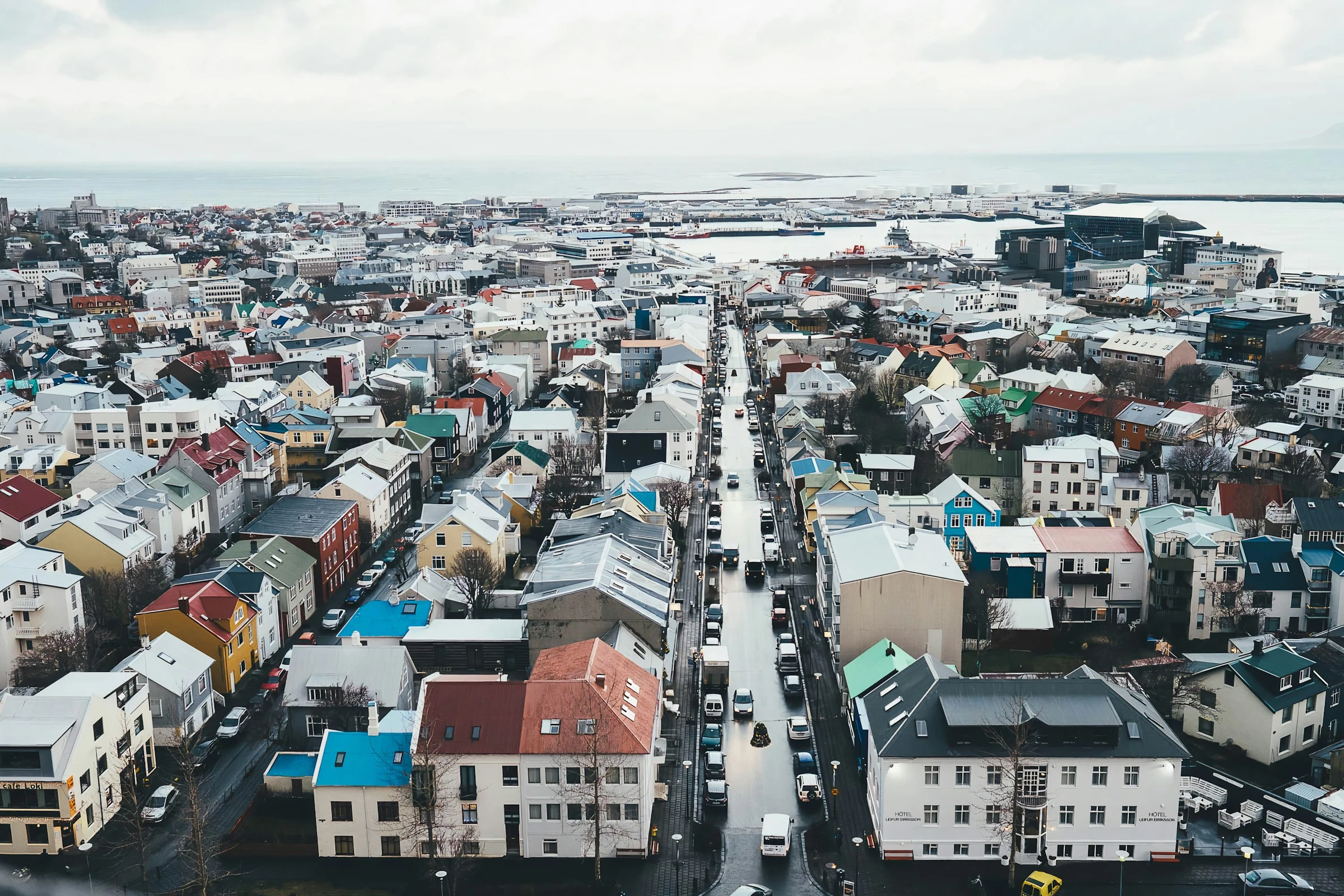
Most trips start in Reykjavík, a compact capital with the Hallgrímskirkja church, the Harpa concert hall and a harbour you can walk to. From there you can reach geysers, waterfalls and lava fields on day trips by car or tour bus.
Reykjavík and the Golden Circle
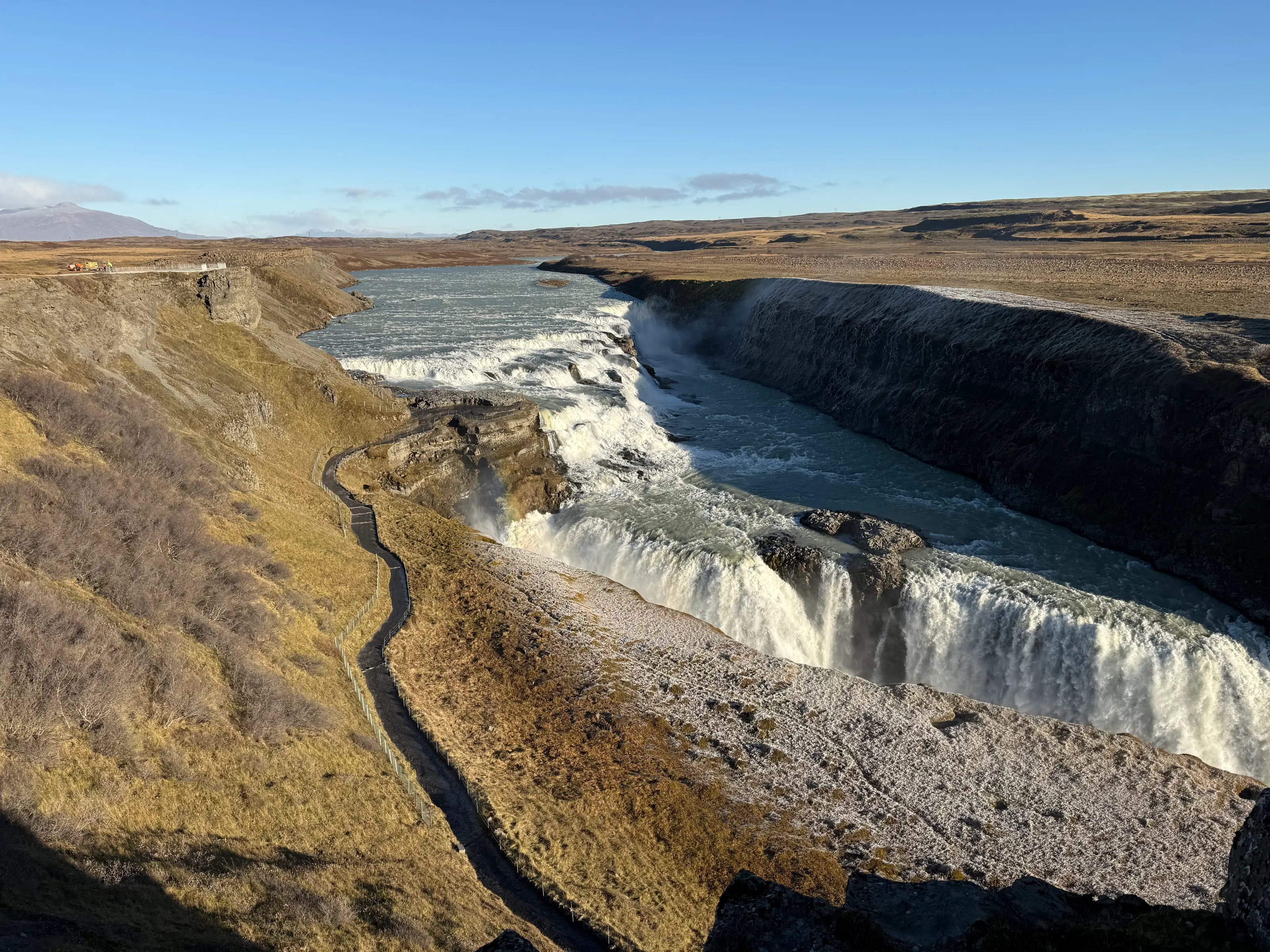
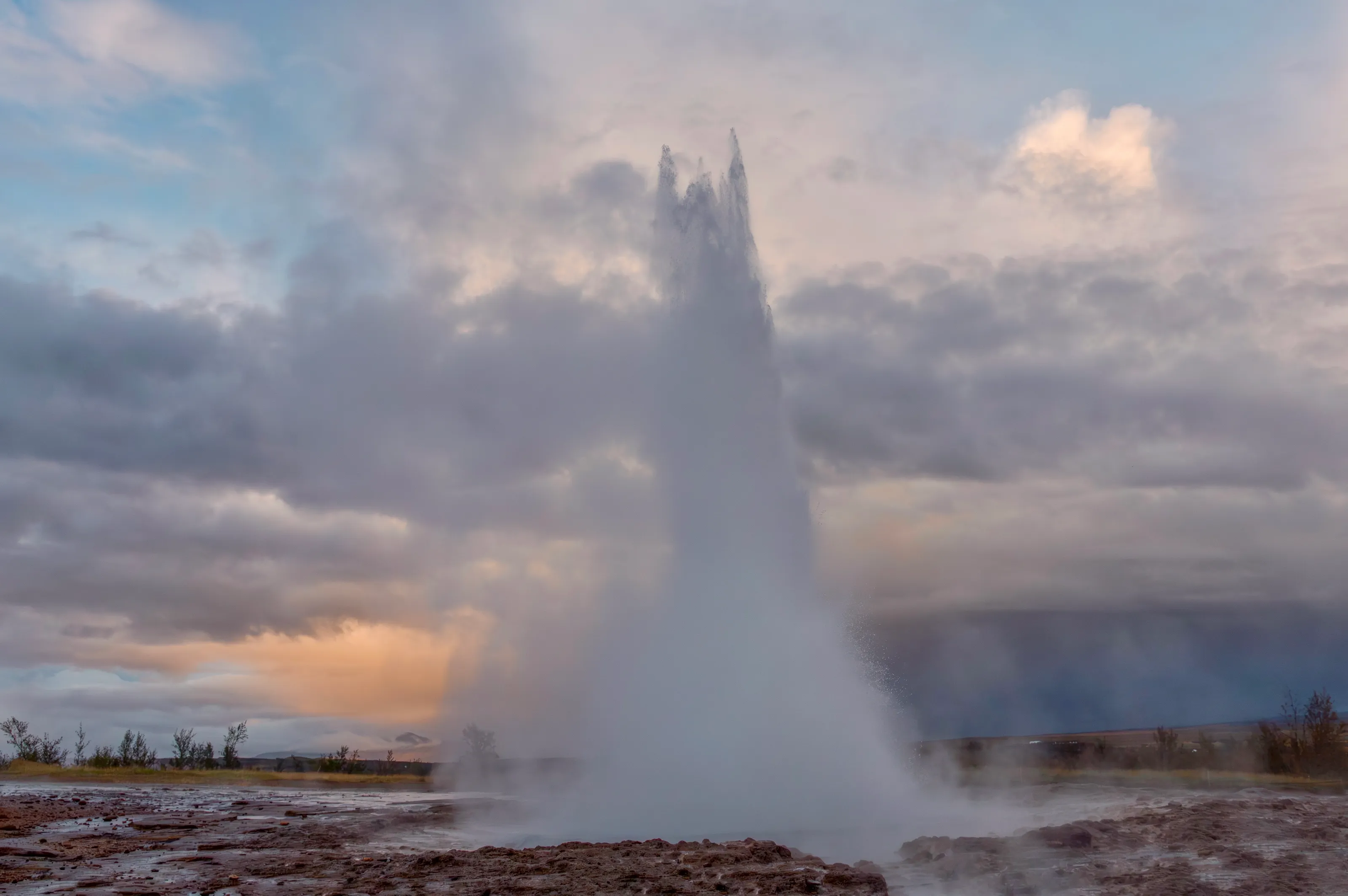
The Golden Circle links three classics within about 100 km of the capital. At Þingvellir, the site of the first Althing in 930, you can walk in the rift between the North American and Eurasian plates. Geysir gave its name to every geyser in the world, and Strokkur erupts every few minutes. Gullfoss is a double waterfall with a drop of 32 m.
South coast and glaciers
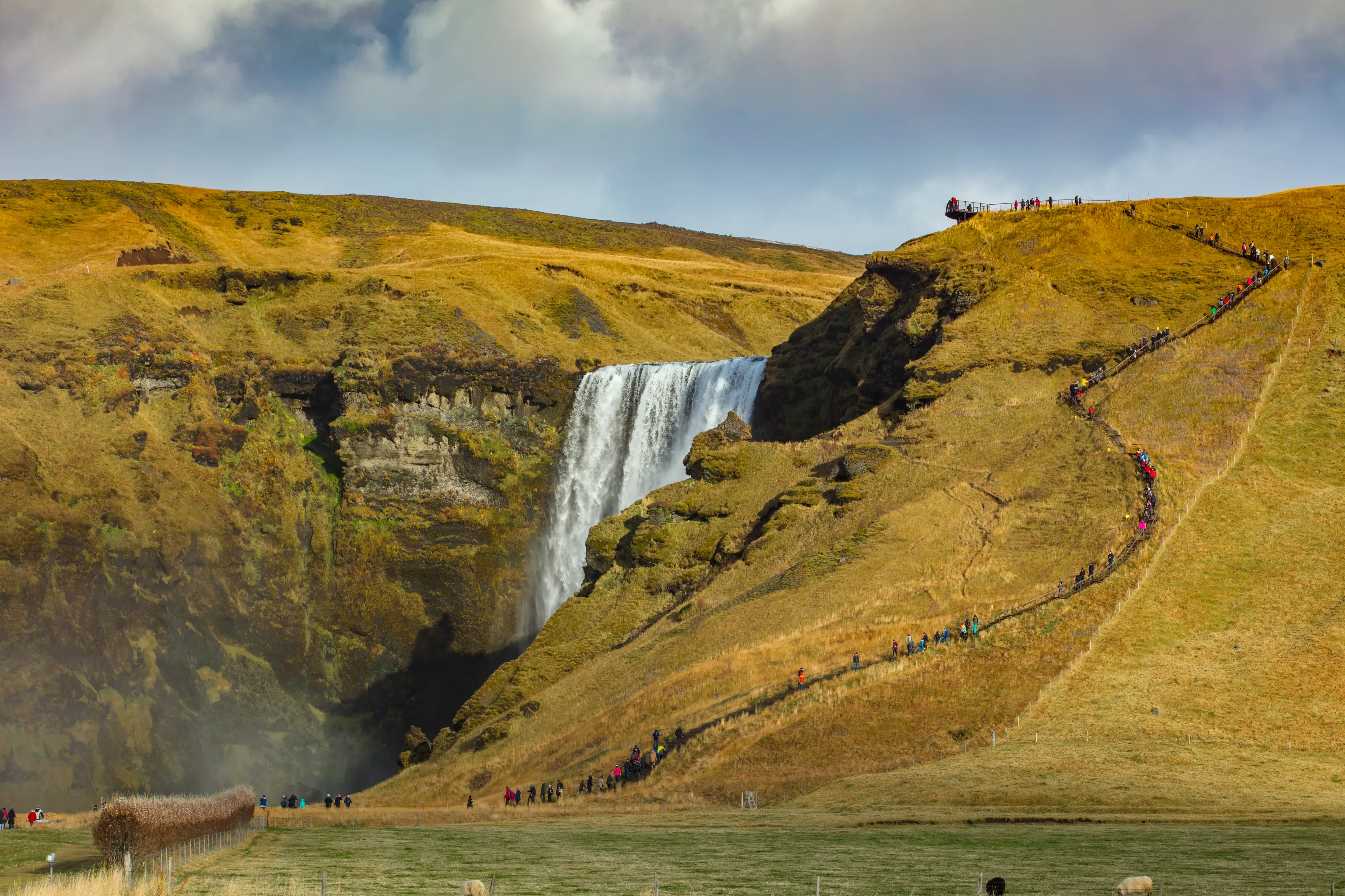
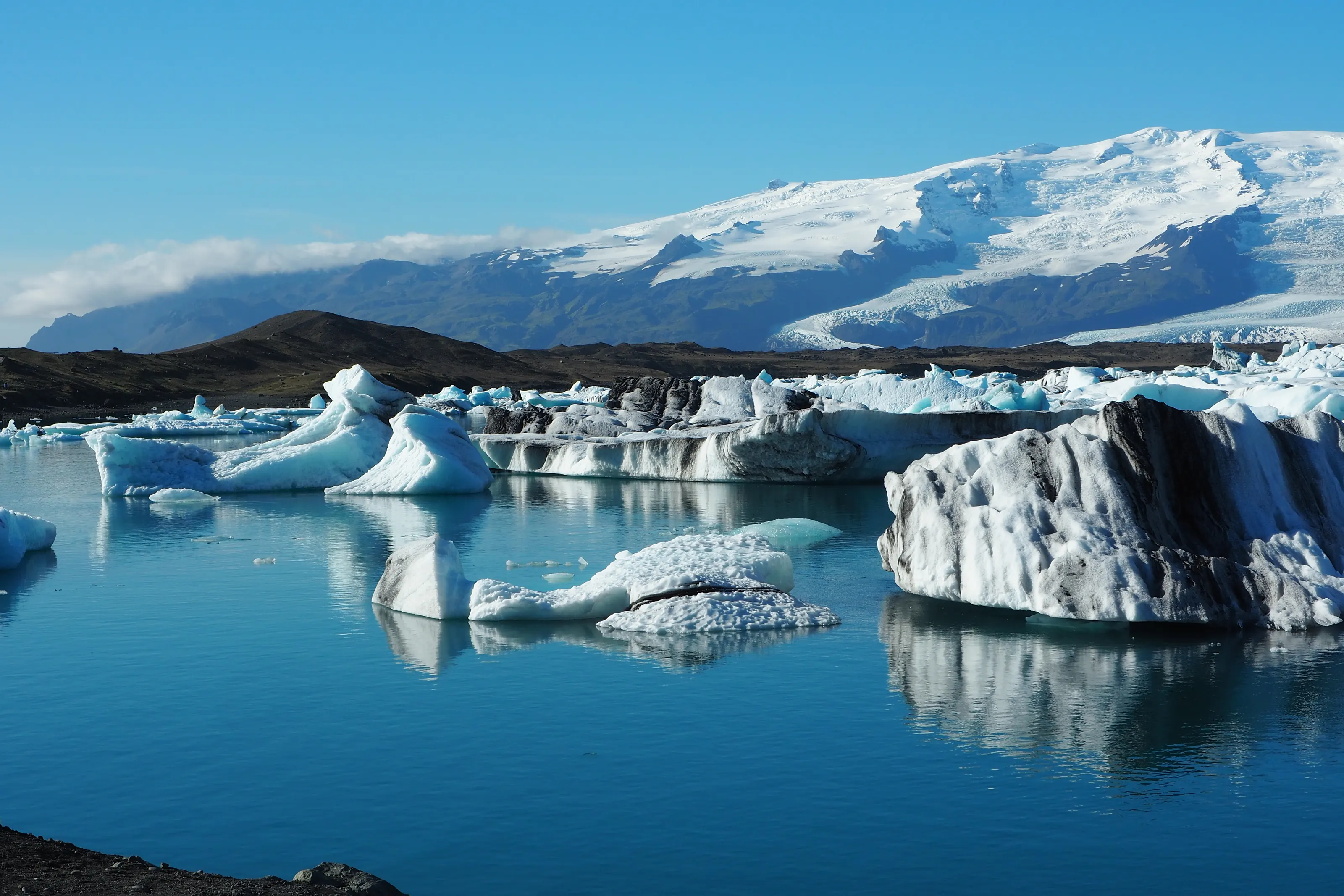
Seljalandsfoss and Skógafoss are the two big waterfalls of the south, and Skaftafell opens onto Vatnajökull, Europe's largest glacier. At Jökulsárlón, icebergs break off a glacier tongue and drift towards the sea, sometimes washing up on black sand beaches.
The Blue Lagoon and Reykjanes
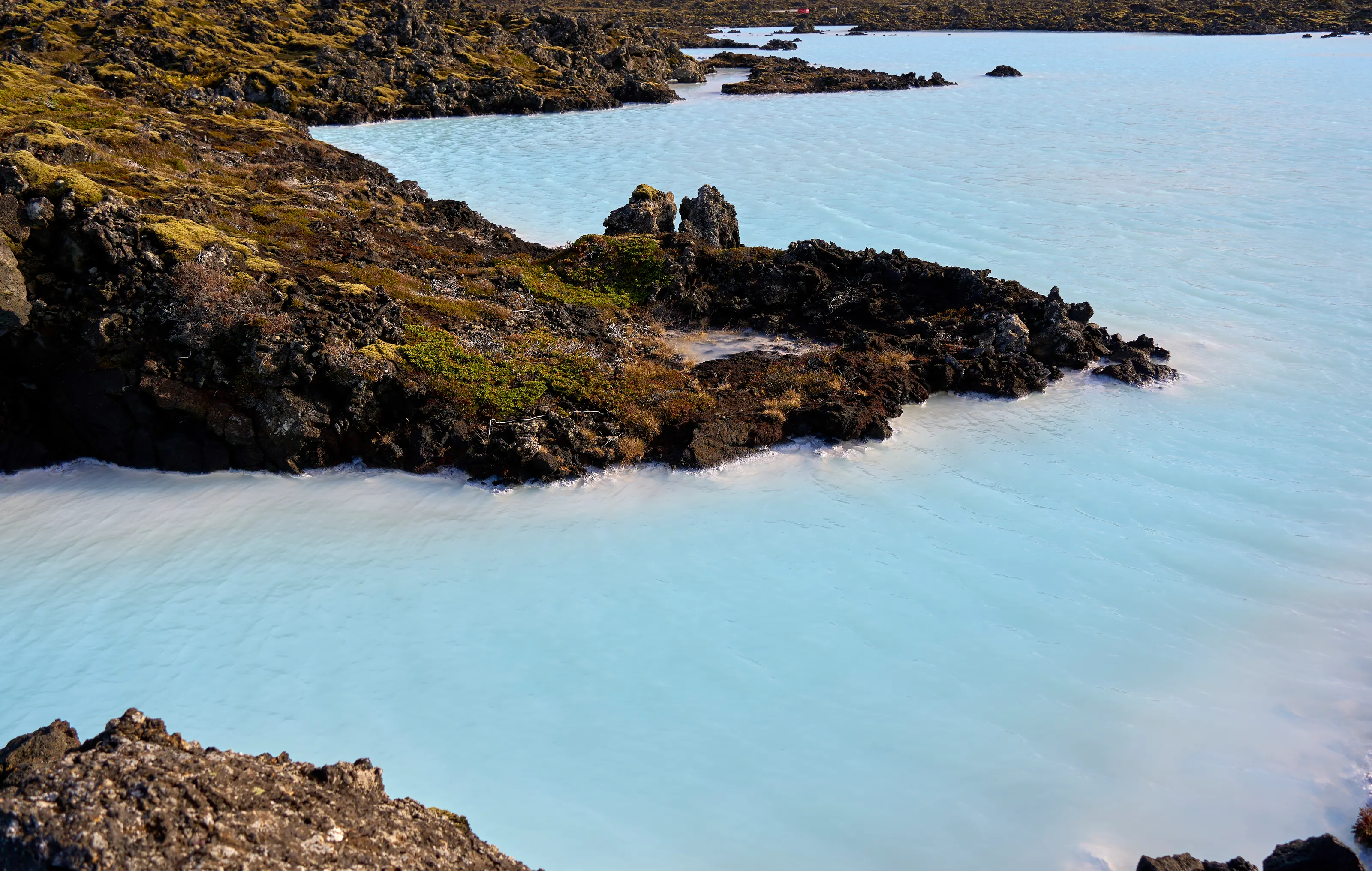
Between Keflavík airport and Reykjavík, the Blue Lagoon is the country's best-known geothermal spa, with milky blue water warmed naturally to about 39 C. It is a popular first or last stop on a trip.
Highlands, north and east
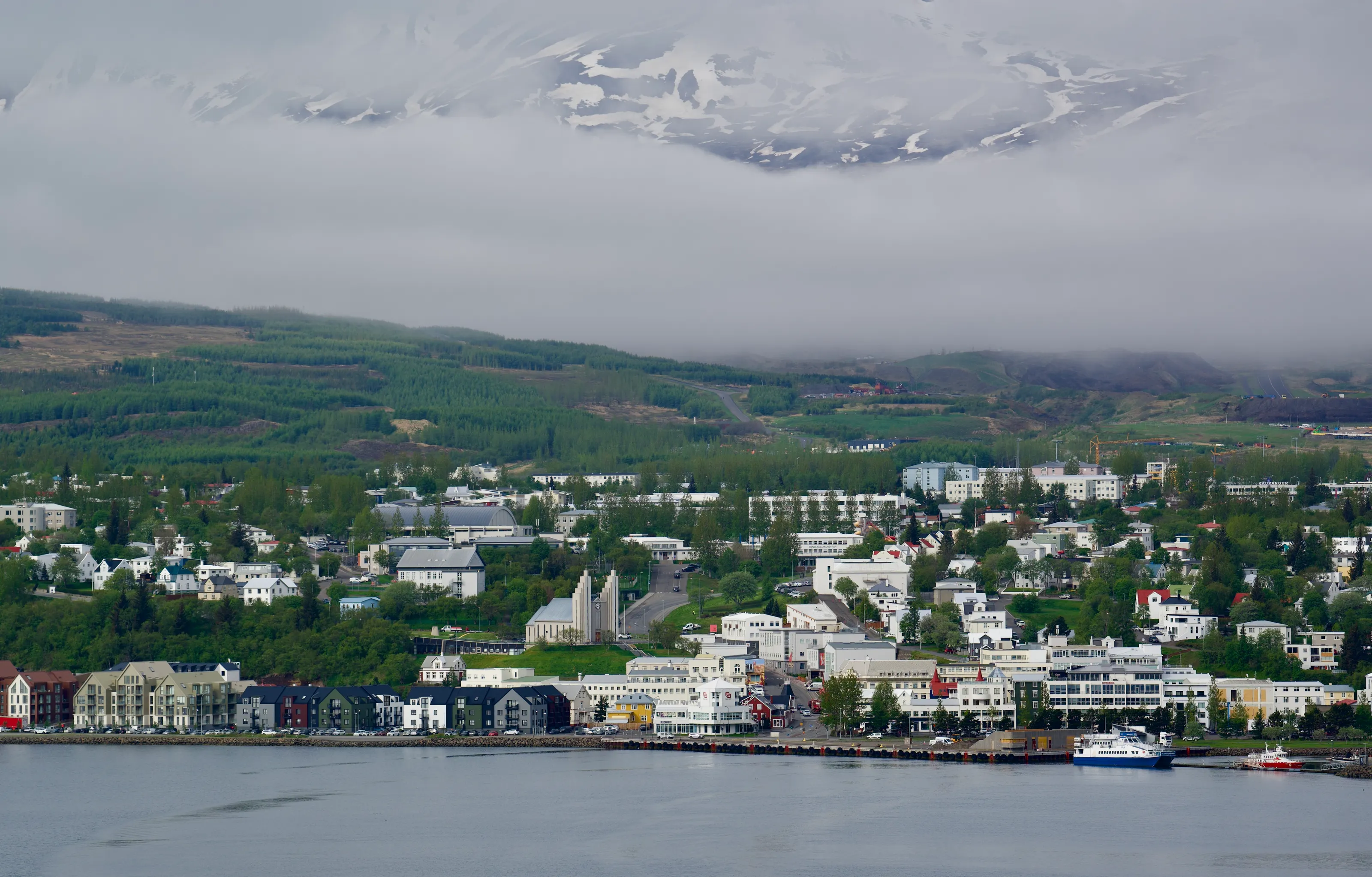
In summer, special buses and 4x4 vehicles reach Landmannalaugar and the Laugavegur trek. The north has Akureyri, Goðafoss, the Mývatn area with its craters and mud pools, and Húsavík for whale watching. In the east, Seyðisfjörður is the port for the ferry from Denmark via the Faroe Islands.
Getting around
No trains, so plan around the car, the bus or a short flight
No passenger railway has ever operated in Iceland. The Ring Road, Route 1, circles the island for about 1,300 km, and there are no motorways. F-roads are unpaved, 4x4-only and open only after the snow melts; check SafeTravel before you set off, because conditions and weather alerts can change quickly.
Long-distance buses run mostly in summer, domestic flights leave from Reykjavík and Akureyri, and local ferries serve a few islands. Traffic drives on the right and off-road driving is prohibited. Cards are accepted almost everywhere.
Before you go
Four regions, four ways to see Iceland
| Region | Climate | Best time to visit |
|---|---|---|
| Reykjavík and the south-west | Mild for the latitude: about 5 C annual average, 10 to 15 C in summer, windy winters comparable to New York | June to August; September to March for northern lights |
| South coast | Warmer, wetter and windier than the north, with up to 2,000 mm of rain a year | June to August for waterfalls and glaciers |
| Akureyri and the north | Drier, under 500 mm of rain a year, more snow in winter | June to August; February and March for snow and aurora |
| Highlands | The coldest part of the country; F-roads closed outside summer | July to early September |
Iceland is in the Schengen area and the EEA but not in the EU. It has a very strong summer season, so booking early or travelling in spring or autumn can save money.
If you are planning a Nordic trip, compare it with Norway.
Food and everyday life
Fish, lamb and skyr, with a modern Nordic twist
Traditional Icelandic food is built on fish, lamb and dairy, with little spice. Skyr is a yoghurt-like fresh cheese, hangikjöt is smoked lamb, harðfiskur is dried fish eaten with butter, and rye bread is sometimes baked underground using geothermal heat. Brave visitors can try hákarl, cured shark.
Reykjavík also has a New Nordic fine-dining scene, and vegetarian dishes are widely available. Iceland is expensive, with high VAT and import duties, so the supermarkets Bónus, Netto and Krónan help keep costs down. Plan four to five days for Reykjavík, the Golden Circle and the south coast, or a week and more for a Ring Road trip.
Flying to Iceland
The Icelandic airports SniperAir covers
Keflavík International (Reykjavík)
Iceland's main international gateway, about 50 km from the capital, with the Flybus taking around 45 minutes to Reykjavík.
Reykjavík Domestic (Reykjavík)
About 2 km from the city centre, used for domestic flights and links to Greenland. Allow at least three hours between an international and a domestic connection.
Akureyri (Akureyri)
About 3 km south of the town centre, with domestic flights and a few seasonal international services.
SniperAir destinations
Discover our destination pages
FAQ
Frequently asked questions about Iceland
Which airport should I fly into for Iceland?
Keflavík (KEF) handles most international flights and is about 50 km from Reykjavík. Reykjavík Domestic (RKV) and Akureyri (AEY) are mainly for domestic flights.
When is the best time to travel to Iceland?
June to August for open roads, highland trails and near-constant daylight. September to March for the northern lights, with very short days in December.
Can I see the northern lights in Iceland?
Yes, from September to April on dark, clear nights away from city lights. In midsummer the nights are too bright.
Is Iceland expensive?
Yes. Accommodation, food and car rental are expensive, so budget as you would for Norway or Switzerland. Flights can be cheap, which is why a price alert is useful.
Do I need a visa for Iceland?
Iceland is part of the Schengen area. EU, EEA and Swiss citizens need only an ID card or passport, and visa-exempt visitors can stay up to 90 days in any 180.
How long should I spend in Iceland?
Four to five days covers Reykjavík, the Golden Circle and the south coast. For the full Ring Road, plan a week or more.
How do I get alerted when a flight to Iceland drops below my budget?
Create a SniperAir alert profile with your departure airport and your Icelandic destination: we track prices for you and notify you the moment a deal matching your criteria appears.
Ready to track prices to Iceland?
Create an alert and let SniperAir do the rest.
Create my alert