
Travel to Nigeria
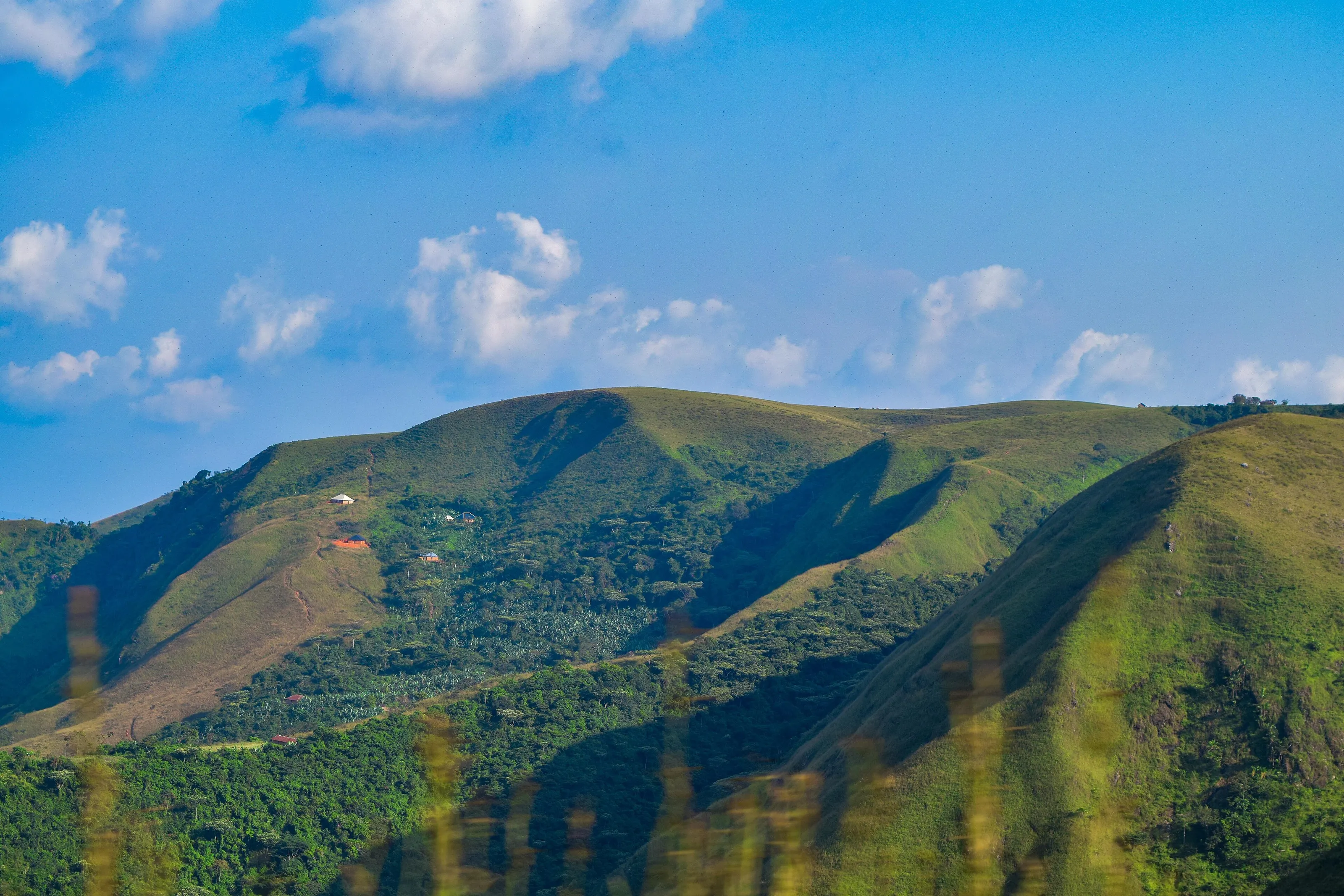
Africa's most populous country is also one of its richest in cultures: more than 250 ethnic groups, music and cinema known worldwide, a granite monolith near Abuja, waterfalls in the savanna and green hills on the Obudu Plateau. Nigeria is often entered through Lagos, but it does not stop there. Here is what to know before you look for cheap flights to Nigeria.
Nigeria in numbers
Capital
Abuja
Population
Over 220M
Area
~924,000 km²
Currency
Naira
Language
English
UNESCO sites
2
Continent
Africa
Time zone
UTC+1
Airports covered
1
Why visit Nigeria
A mosaic of cultures, landscapes and rhythms
A rare cultural diversity
Hausa, Yoruba, Igbo and hundreds of other peoples: Nigeria counts more than 250 ethnic groups and about 500 languages. Festivals, markets, architecture and cooking change from region to region.
Lagos, the creative metropolis
One of Africa's largest urban areas brings together art galleries, theatre, beaches, nightlife and festivals. Nollywood, afrobeat and fashion set the city's rhythm.
Landscapes to discover
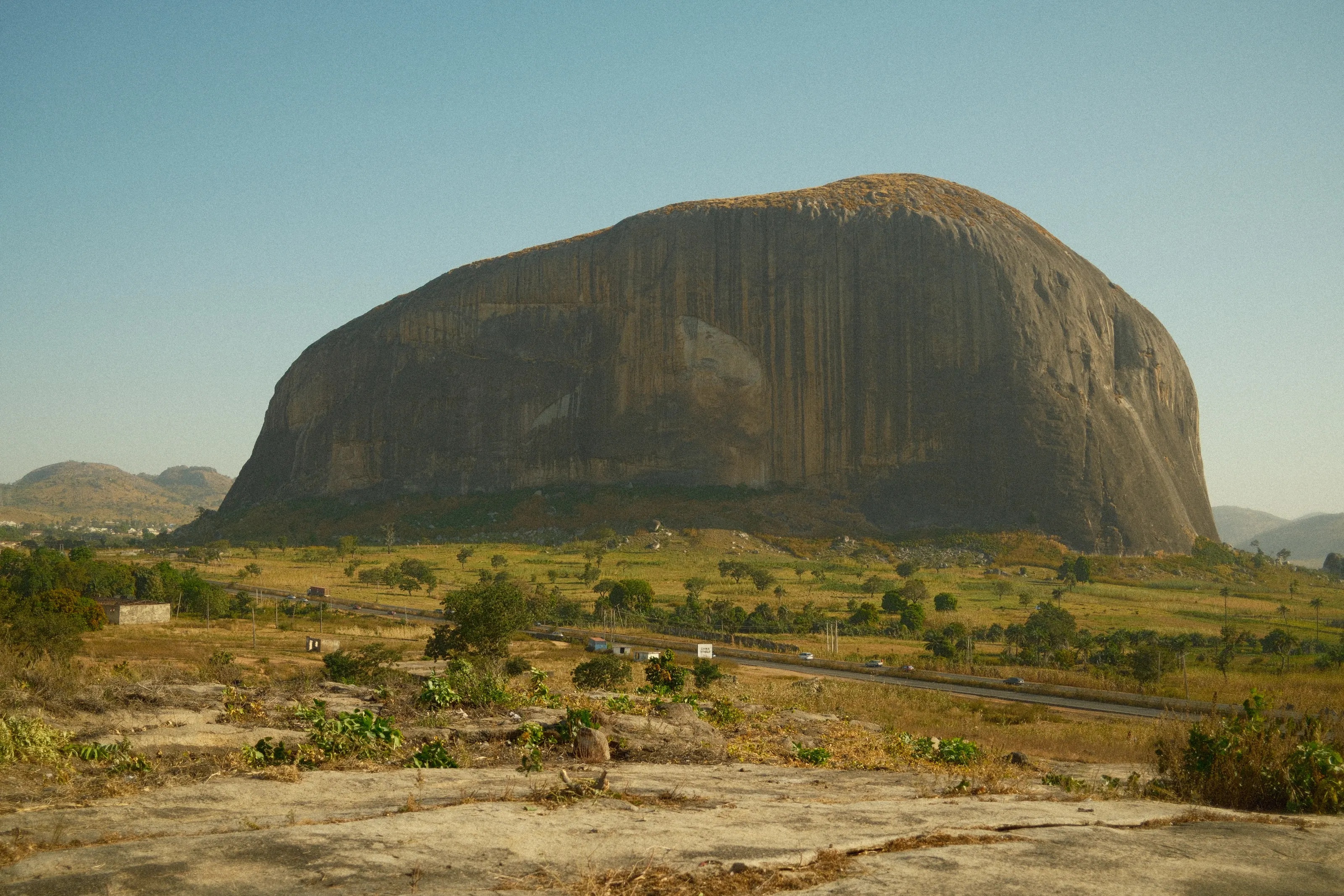
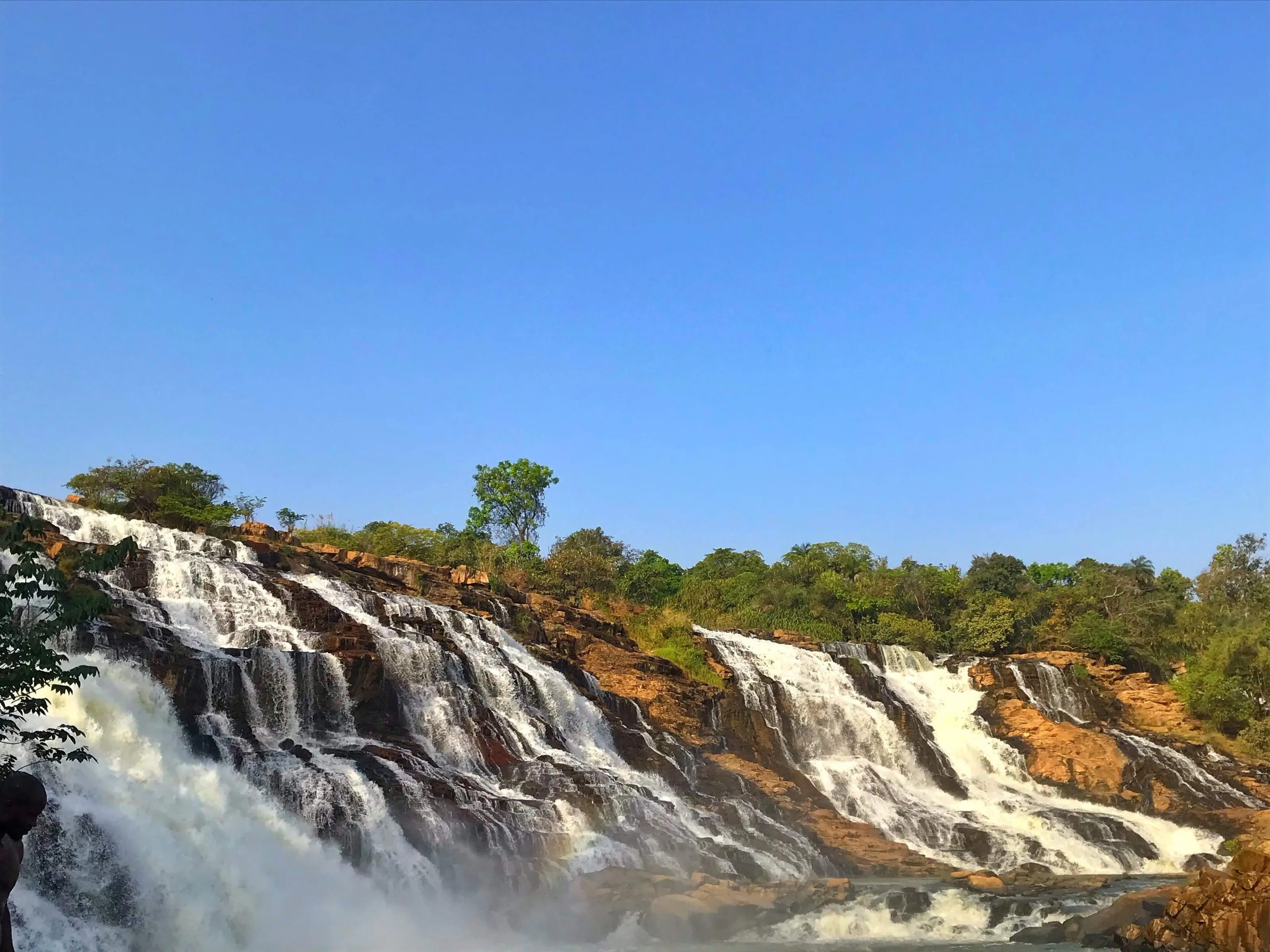
Zuma Rock, a granite monolith at the gateway to Abuja, Gurara Falls in Niger State, the rocky hills of Idanre, the grasslands of the Obudu Plateau: natural sites are many but little known.
A history thousands of years deep
The Nok culture goes back to around 1500 BC. The Hausa kingdoms, the Kingdom of Benin and Oyo, the Sokoto Caliphate and two UNESCO sites mark that past.
Where to go
Lagos, Abuja, the south-west hills and the Obudu Plateau
Nigeria is huge: most travellers start from Lagos and pick one or two regions, usually by domestic flight or with a driver. It is better to plan few stops and generous time margins, especially in cities.
Abuja, Zuma Rock and Gurara Falls
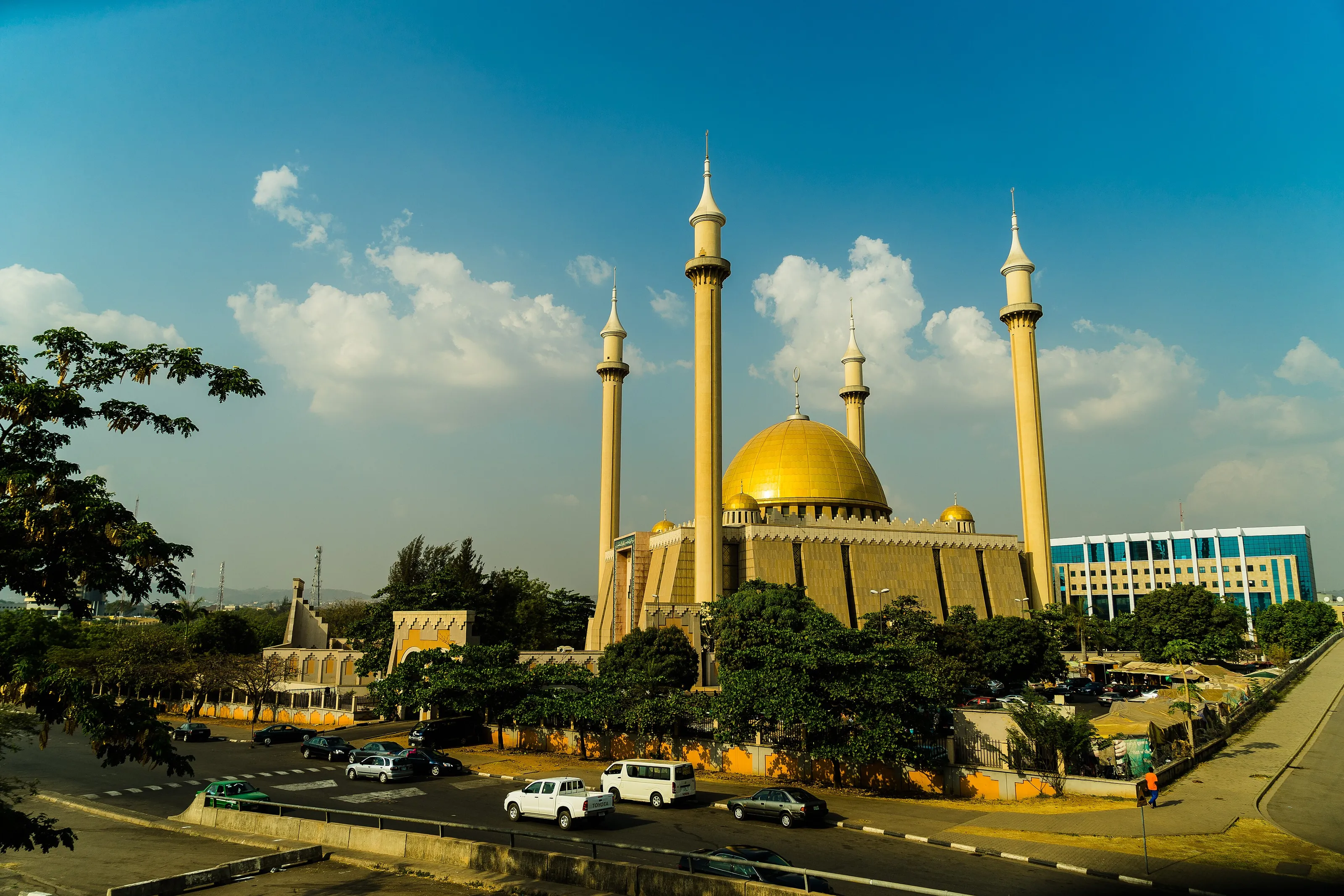
Abuja, the federal capital, is a planned city with parks, including Millennium Park, and a National Mosque with a big golden dome. At the city's gates Zuma Rock rises above the plain: this enormous monolith is the emblem of Abuja. Further west in Niger State, Gurara Falls pour in white cascades over ochre rocks.
Lagos, its beaches and cultural life
Lagos is the country's biggest city: the Nike Art Gallery, the Lekki Conservation Centre with its treetop walkway, the National Theatre, beaches such as Elegushi and Alpha, and renowned nightlife. Festivals, including Eyo, punctuate the year, and December draws many visitors, so prices can rise. Traffic is heavy: allow plenty of time for each trip.
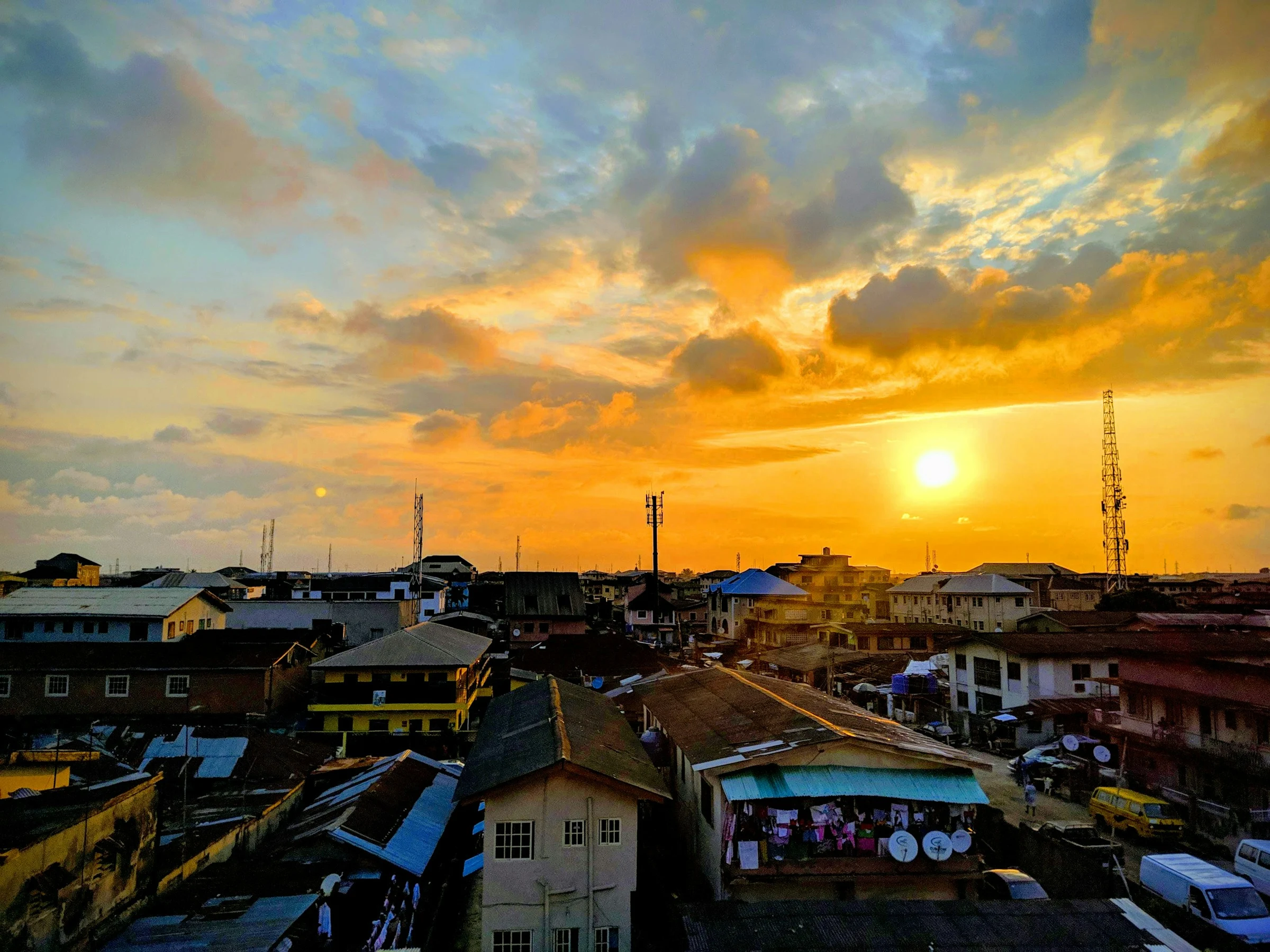
Idanre, Osogbo and the south-west
At Idanre, in Ondo State, great granite hills tower over the town and are climbed by a long stairway up to the old quarters. Osogbo has the UNESCO-listed Osun-Osogbo Sacred Grove. At Abeokuta, about 50 km north of Lagos, you climb Olumo Rock and visit the textile market.
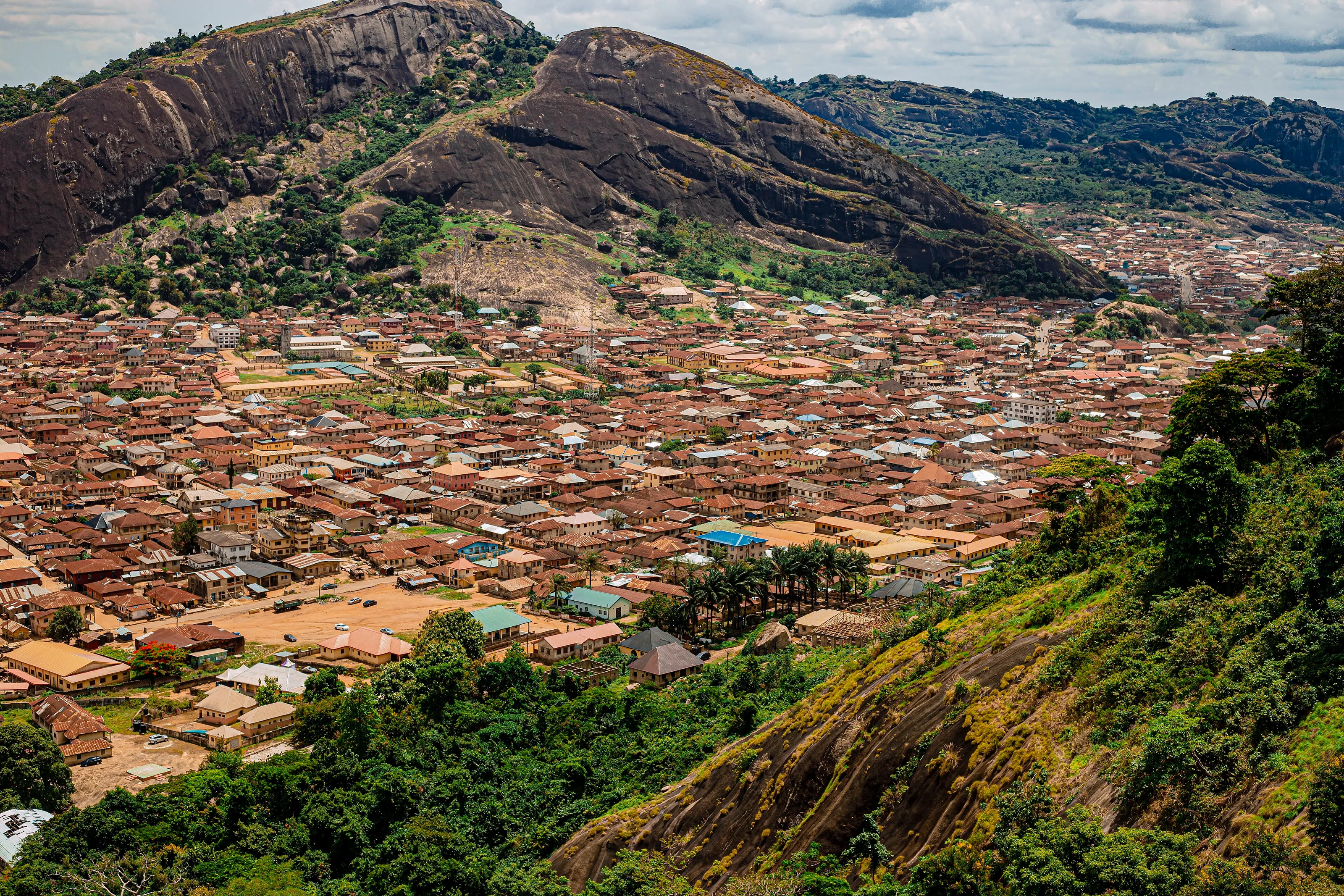
Obudu, Calabar and the south-east
The Obudu Plateau in Cross River State offers green hills and cool mountain air. Calabar, the state capital, is regarded as one of the safest and cleanest cities in the country and hosts a big carnival in December. To complete a trip in West Africa, see also our Benin page or our Cameroon page.
Before you go
A dry season from November to March, strong rains in the south
| Region | Climate | Best time to visit |
|---|---|---|
| Lagos and the south coast | Hot and very humid all year, around 30 C. Rainy season from April to October. | November to March |
| Abuja and the centre | Savanna climate with a summer rainy season and a dry winter marked by the Harmattan, a dry wind from the Sahara. | November to March |
| South-east (Obudu, Calabar) | Hot and humid, cooler on the plateau at altitude. Heavy rain during much of the year. | November to February, Calabar carnival in December |
| North (Kano, Yankari) | Drier and hotter, rainy season from June to September, big temperature swings between day and night. | November to February |
The Harmattan, from November to March, brings dry dusty air and sometimes reduces visibility, but roads are easier. The rainy months make vegetation vivid and some roads difficult.
Getting around
Domestic flights, drivers and Lagos traffic
The country has a large domestic flight network run by several private airlines. Nigerians themselves often prefer planes or trains to roads between big cities: it is the simplest way to go from Lagos to Abuja.
In cities traffic jams are frequent, especially in Lagos: allow extra time and, if possible, a driver or transport organised by your accommodation, notably for airport transfers.
Nigerian food
Jollof, suya, egusi and pounded yam
Jollof rice, cooked in a tomato and pepper sauce, is the dish the whole country argues over. Suya, a spicy peanut-rubbed meat skewer, is eaten in the evening on street corners, and egusi, a seed soup, goes with pounded yam.
Pepper soups, fiery fish or meat stews, puff-puff fritters and moi moi, a bean cake, complete a meal in which chilli is never far.
Flying to Nigeria
The Nigerian airport covered by SniperAir
Murtala Muhammed International
The country's main international airport, in Ikeja, about 20 km from the business districts of Lagos Island. Allow 45 minutes to over two hours by road depending on traffic, and leave a generous margin.
FAQ
Frequently asked questions about Nigeria
Which airport should I fly into for Nigeria?
Lagos (LOS) is the country's main international airport and the usual entry point. Abuja also has an international airport, useful for the capital.
When is the best time to visit Nigeria?
The drier season, November to March, is the most pleasant, with many festivals in December. The rains, April to October in the south, make vegetation greener but complicate some journeys.
Is Nigeria expensive to visit?
Prices vary a lot by city and season: accommodation in Lagos, especially in December, can be costly, while local meals stay affordable. Tracking flight prices helps keep the cost down.
Do I need a visa to travel to Nigeria?
Entry rules depend on your nationality and change over time: an electronic visa exists for many travellers, and a yellow fever vaccination certificate is often requested. Check your own government's official websites before booking.
How long should I spend in Nigeria?
Plan seven to ten days to combine Lagos with one other region, for example Abuja or the south-east. A few days are enough for Lagos alone.
Where can I find travel advice for Nigeria?
Conditions vary by region and change over time: consult the official information of your country of departure before booking and before leaving, and ask your accommodation for local advice.
How do I get alerted when flights to Nigeria drop in price?
Create a SniperAir alert profile with your departure airport and Lagos as the destination. We track prices and notify you as soon as an opportunity matches. See how it works.
Ready to track prices to Nigeria?
Create an alert and let SniperAir do the rest.
Create my alert