
Travel to Venezuela
The world's tallest uninterrupted waterfall, flat-topped tepuis on the UNESCO list, a coral archipelago, Andes crossed by a record-breaking cable car and Caribbean beaches: Venezuela packs in almost every South American landscape. This guide covers what to know before you travel to Venezuela and follow cheap flights to Caracas, with the precautions that apply.
Venezuela in numbers
Capital
Caracas
Population
28 to 32 M
Area
Over 910,000 km²
Currency
Bolívar
Language
Spanish
UNESCO sites
3
Continent
South America
Time zone
UTC-4
Airports covered
1
Why visit Venezuela
Tepuis, the Caribbean and the Andes in one country
Angel Falls, the tallest waterfall on Earth
In Canaima National Park, the falls plunge from Auyán-tepui in an uninterrupted drop of 807 m. They are named after aviator Jimmie Angel; in Pemon the name means the place of the deepest jump.
Canaima and its table mountains
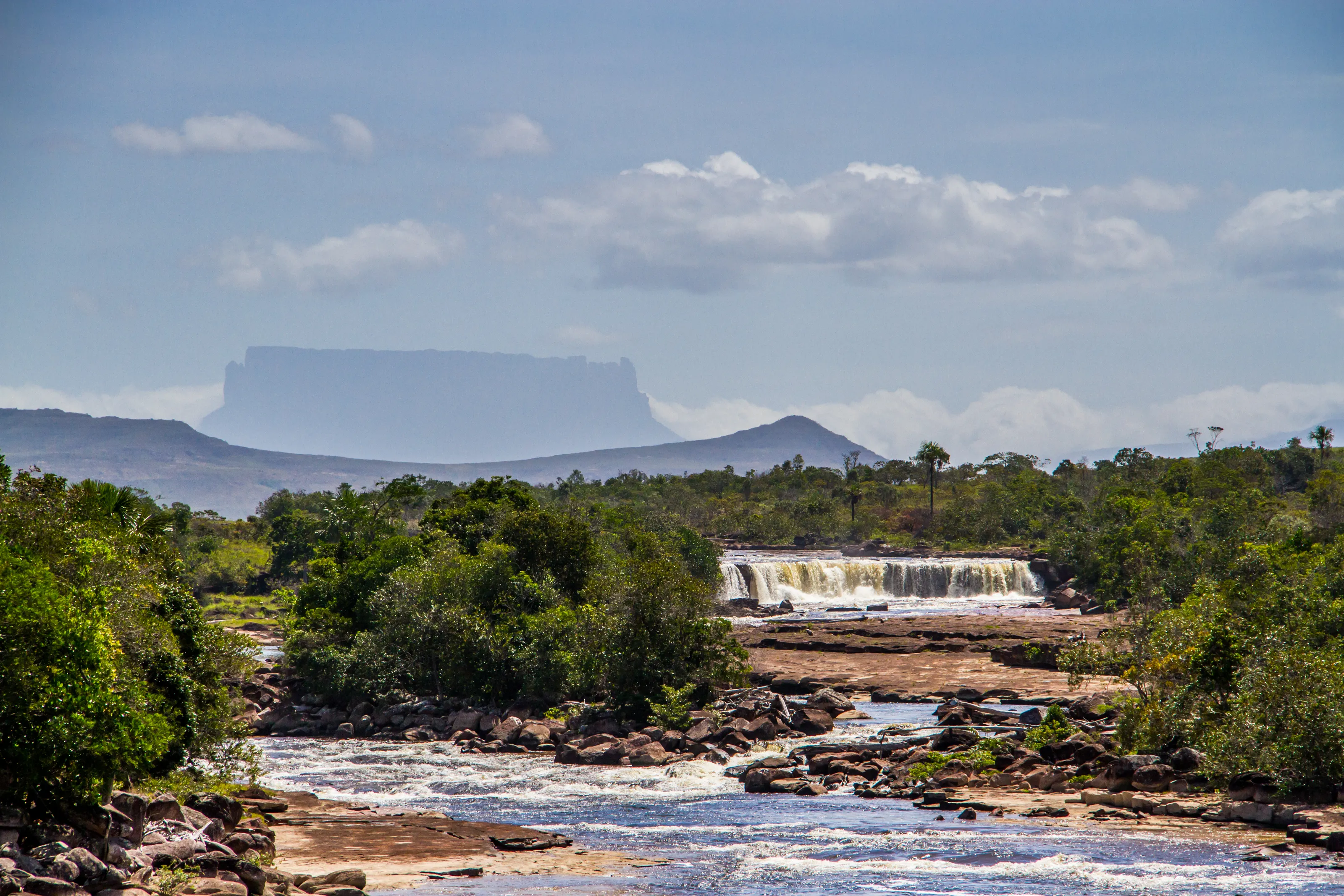
A UNESCO site since 1994, the park covers about 30,000 km² of cliffs, tepuis and savanna, with Mount Roraima (2,810 m) at the junction of Venezuela, Guyana and Brazil.
Los Roques, Margarita and Morrocoy
An archipelago of about 350 islands and a pristine coral reef, big Margarita Island with beaches and colonial forts, and the white-sand cays of Morrocoy: the Caribbean coast offers several kinds of stay.
The Andes of Mérida and a record cable car
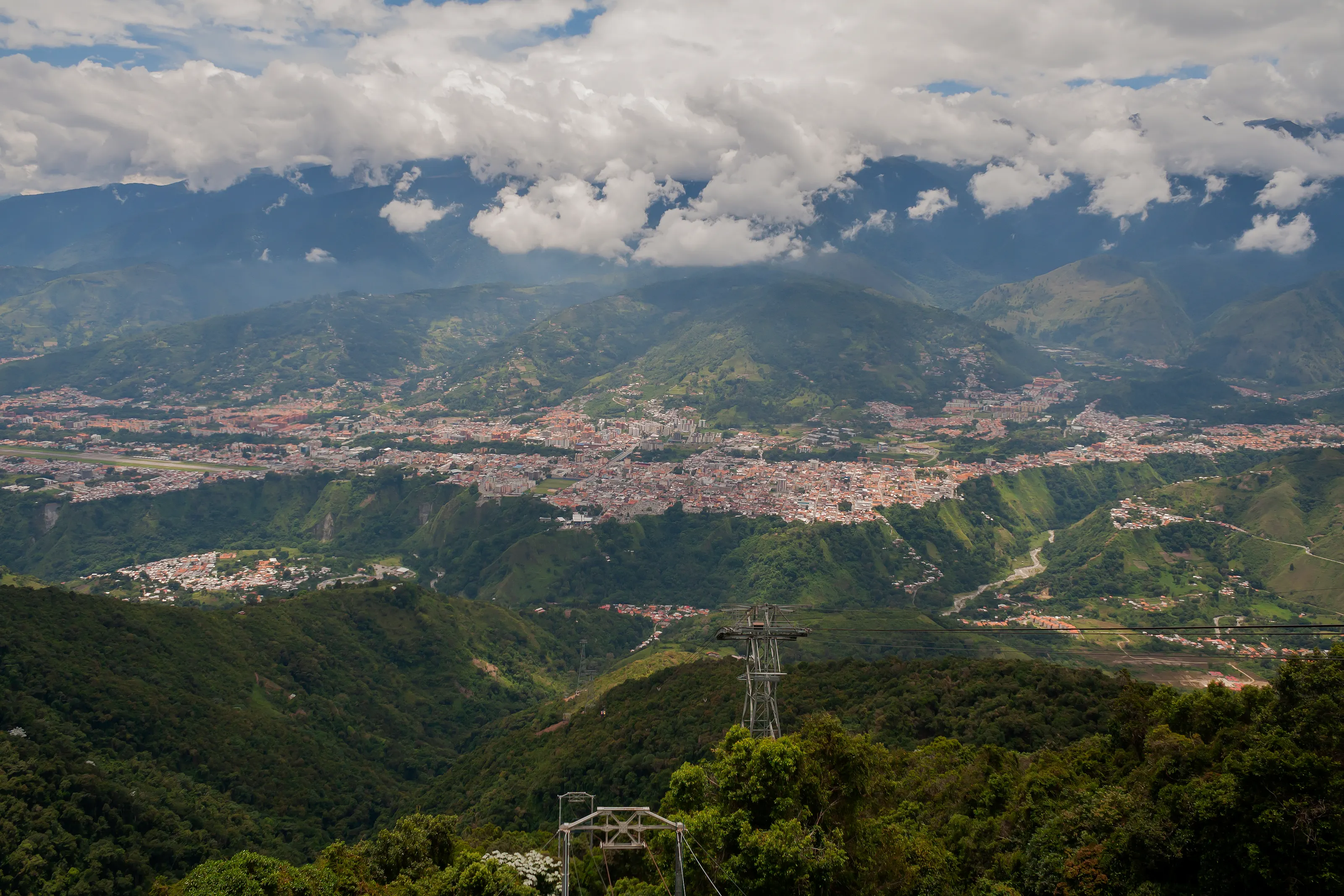
The Mérida Cable Car, billed as the highest and second-longest in the world, climbs from the city to Pico Espejo at close to 4,800 m in four sections over 12.5 km.
Signature places
Caracas, Mérida, Canaima, Los Roques and the coast
Most travellers combine the capital, one region of their choice (Andes, Canaima or Caribbean) and a day of nature.
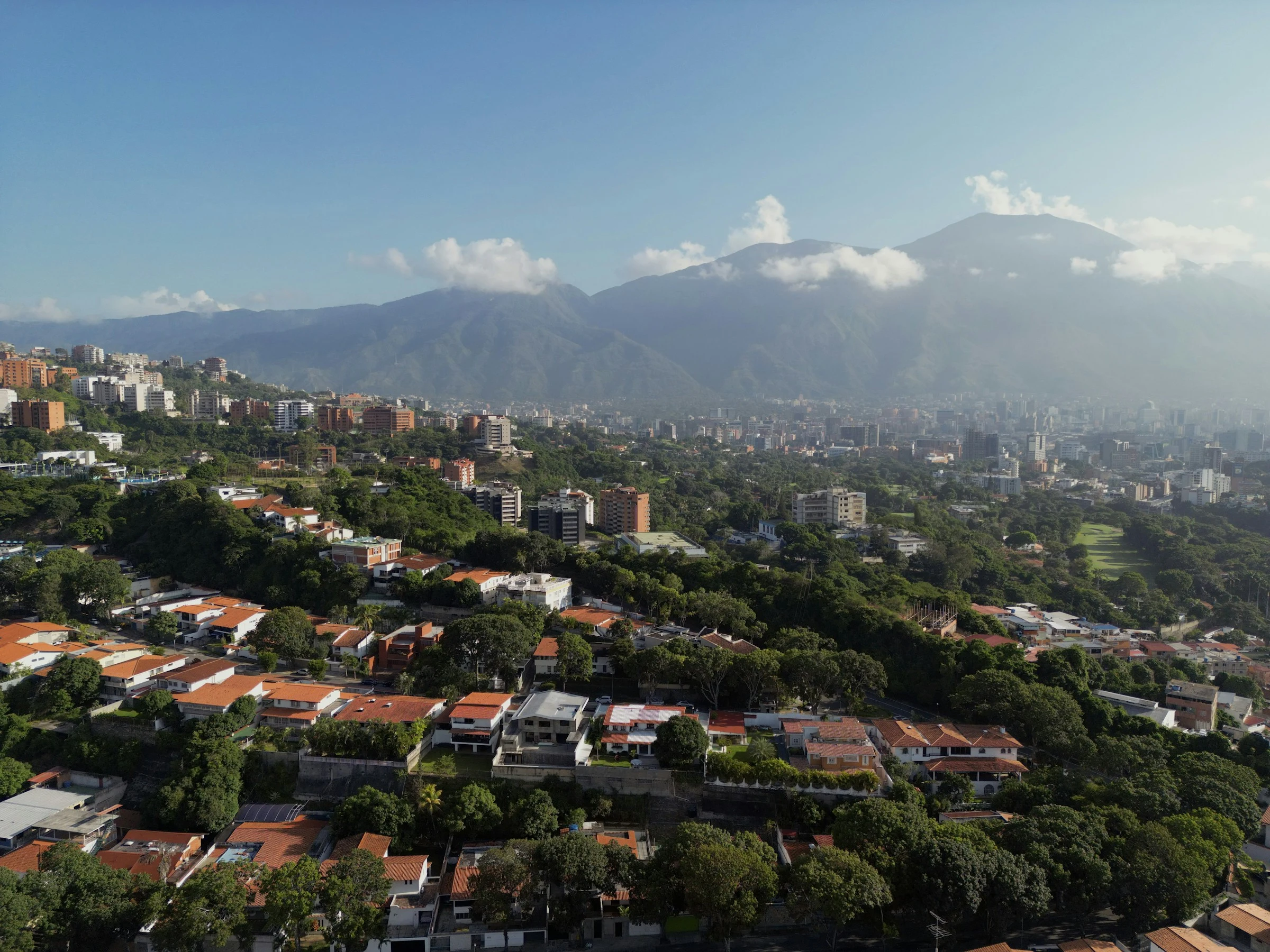
Caracas, a capital below the Ávila
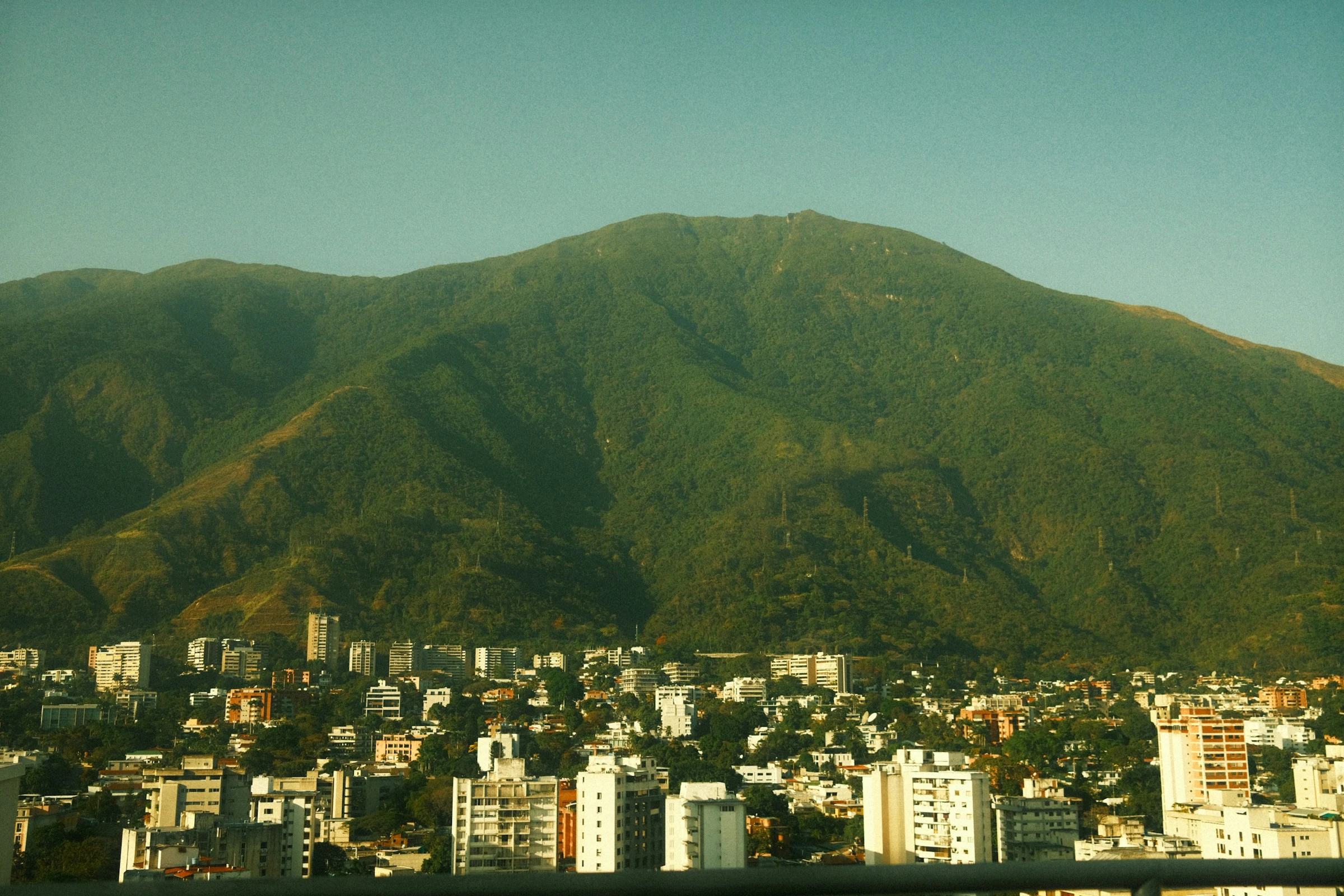
Founded in 1567, Caracas fills a valley around 900 m above sea level, 12 km from the sea but separated from it by the 2,200 m Cerro El Ávila. The city has numerous museums, including the Museum of Contemporary Art, tall towers such as Parque Central, and the Ciudad Universitaria, a UNESCO site since 2000.
Mérida and the Andes
The main city of the Venezuelan Andes, Mérida sits at about 1,600 m and is the base for trips into the páramos and for the cable car, which reopened in October 2016. Mountain villages such as Mucuchíes can be reached by road.
Canaima, the Gran Sabana and Angel Falls
Canaima National Park spans about 30,000 km² and access is limited, so trips to Angel Falls are best arranged in advance with an agency. Mount Roraima, a plateau with 400 to 1,000 m cliffs, draws trekkers.
Los Roques, Margarita and Morrocoy
Los Roques, about 128 km north of La Guaira, is a national park where controlled tourism protects a pristine reef. Margarita Island is one of the country's top tourist destinations, with beaches, castles and fortresses, and Morrocoy National Park has crystalline beaches on small cays close to the mainland.
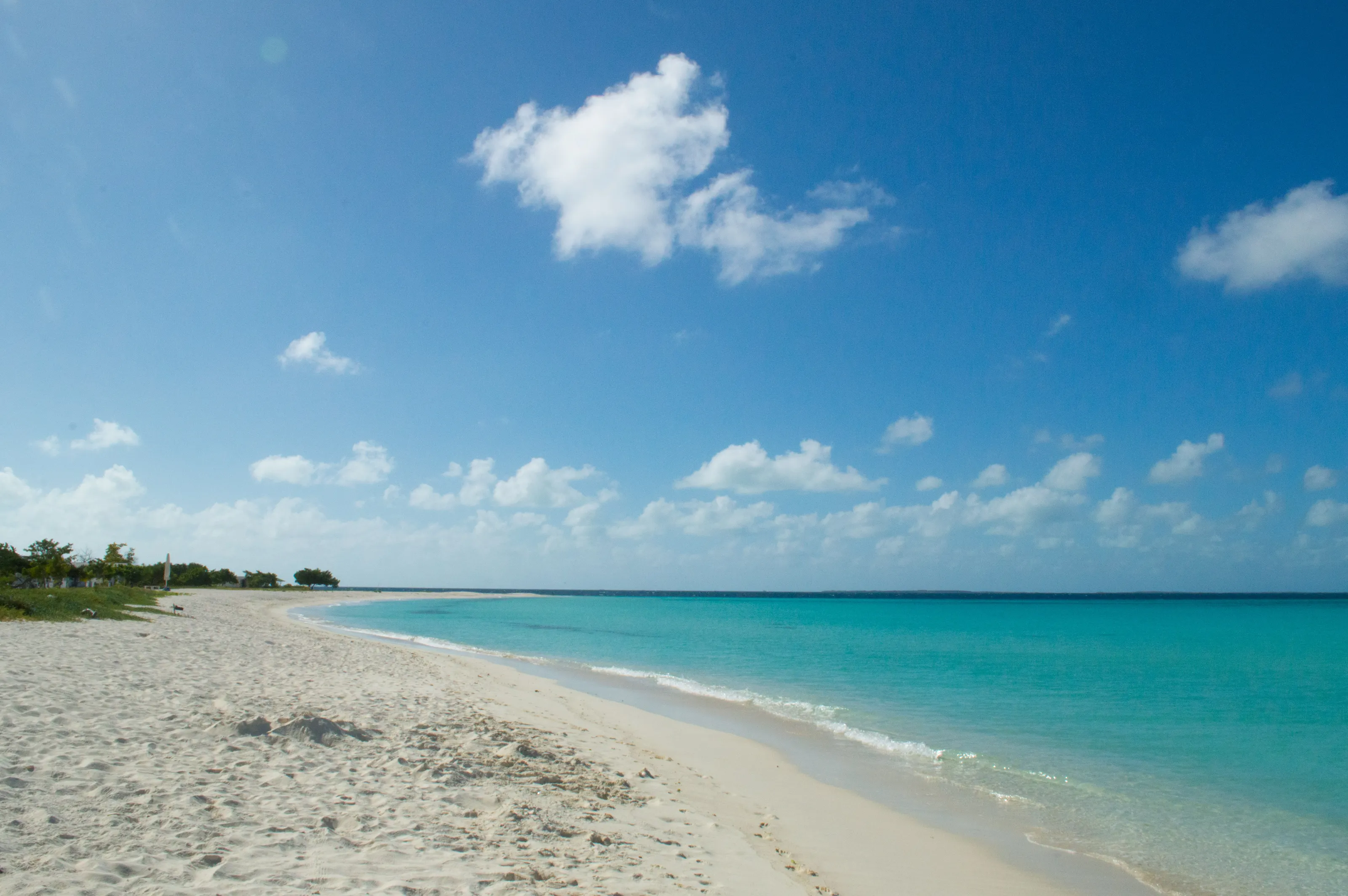
Coro and the coast
Coro, founded in 1527, is a colonial city on the UNESCO list near the dunes of the médanos. Morrocoy's cays lie on the same western coast.
Getting around
Long distances and careful planning
Distances between the main regions are long, so check air and road connections carefully before each leg. The 20 km road between Caracas and the coast crosses an area exposed to earthquake activity.
Official advice recommends avoiding driving at night in the interior and using a marked or pre-arranged taxi from the airport.
Before you go
Four regions, four moods
| Region | Climate | Best time to visit |
|---|---|---|
| Caracas and the central coast | Tempered by altitude, averaging about 22.5 C in Caracas, with the rainy season mostly May to October | December to April |
| Andes (Mérida) | Temperate to cold depending on altitude; páramos average about 8 C a year | December to April |
| Canaima and the Gran Sabana | Hot and very wet in the rainy season | December to April |
| Caribbean (Los Roques, Margarita) | Hot tropical weather all year | December to April |
The country was struck on 24 June 2026 by two large earthquakes that caused heavy damage in the northwest and centre, especially in Caracas and La Guaira. The state of infrastructure, accommodation and airports is changing, so check before you book.
Consult your government's official travel advice before booking. Carry a passport valid for at least six months, and check yellow fever vaccination and dengue precautions.
Food
Arepas, pabellón criollo and hallacas
The arepa, a grilled or fried cornmeal cake with fillings, is the staple of the Venezuelan table. The pabellón criollo, the most common dish, combines shredded beef, rice, black beans and fried plantain.
At Christmas, hallacas (cornmeal dough with a meat filling, cooked in banana leaf) and pan de jamón are essential. For a drink, try papelón con limón.
Flying to Venezuela
The Venezuelan airport SniperAir covers
Simón Bolívar International (Caracas)
The country's main international airport, at Maiquetía on the coast, roughly half an hour to an hour from Caracas depending on traffic. Since the June 2026 earthquakes its operating status may have changed, so check flights with airlines and official sources before booking.
FAQ
Frequently asked questions about Venezuela
What is the best airport to fly into for Venezuela?
Simón Bolívar (CCS), at Maiquetía near Caracas, is the main international airport and the one SniperAir tracks. Check with your airline that it is served on your dates.
When is the best time to travel to Venezuela?
The drier season, around December to April, suits most regions; the rainy season covers mainly May to October.
Should I check travel advice before going?
Yes. Consult your government's official travel advice before booking: the situation and recommendations change, including after the double earthquake of 24 June 2026.
Do I need a visa for Venezuela?
Rules depend on nationality and can change, so check with the embassy. Your passport should be valid for at least six months, and a return ticket and accommodation booking may be requested.
How long should I spend in Venezuela?
Allow 7 to 10 days to combine Caracas, the Andes or the coast and Canaima; a week covers a single region.
Can I see Angel Falls?
Yes, in Canaima National Park, where the falls drop 807 m uninterrupted; the trip should be arranged in advance with an agency.
How do I get alerted when a flight to Venezuela drops below my budget?
Create a SniperAir alert profile with your departure airport and Caracas as your destination: we track prices for you and notify you as soon as an opportunity matching your criteria is found.
Ready to track prices to Venezuela?
Create an alert and let SniperAir do the rest.
Create my alert