
Travel to Panama: cheap flights to Panama City
An 82 km canal that links two oceans, a skyscraper capital, a colonial old quarter listed by UNESCO and Caribbean islands with clear water: Panama really is the Crossroads of the Americas. Here is what to know before you go, then how to track flights to Panama City.
Panama in numbers
Capital
Panama City
Population
Over 4 million
Area
~75,000 km²
Currency
Balboa
Language
Spanish
Canal
~82 km
Independence
1903
Continent
North America
Airports covered
1
Why visit Panama
An isthmus joining two oceans, two continents and a thousand landscapes
The Panama Canal
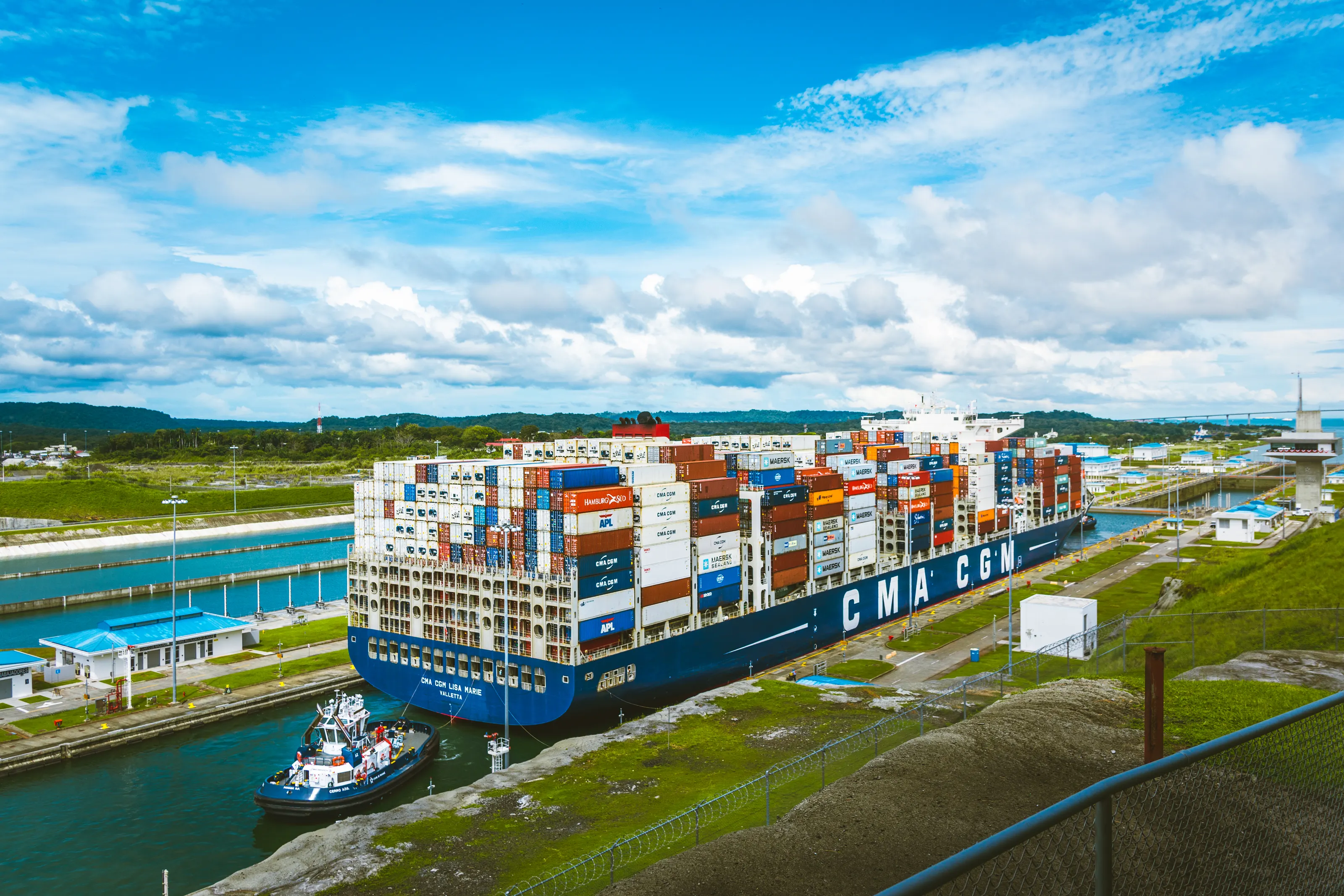
Opened on 15 August 1914, the canal cuts across the isthmus for about 82 km, with locks that lift ships to Gatun Lake, 26 m above sea level. A third set of locks, in service since 2016, takes larger ships. You can watch them from the Miraflores Locks.
A birdwatcher's country
Panama is often cited as having more bird species than almost any country, close to 900 according to Wikivoyage. Jungles cover around 40 percent of the land, and rainforest begins minutes from the capital.
Casco Viejo, the old town
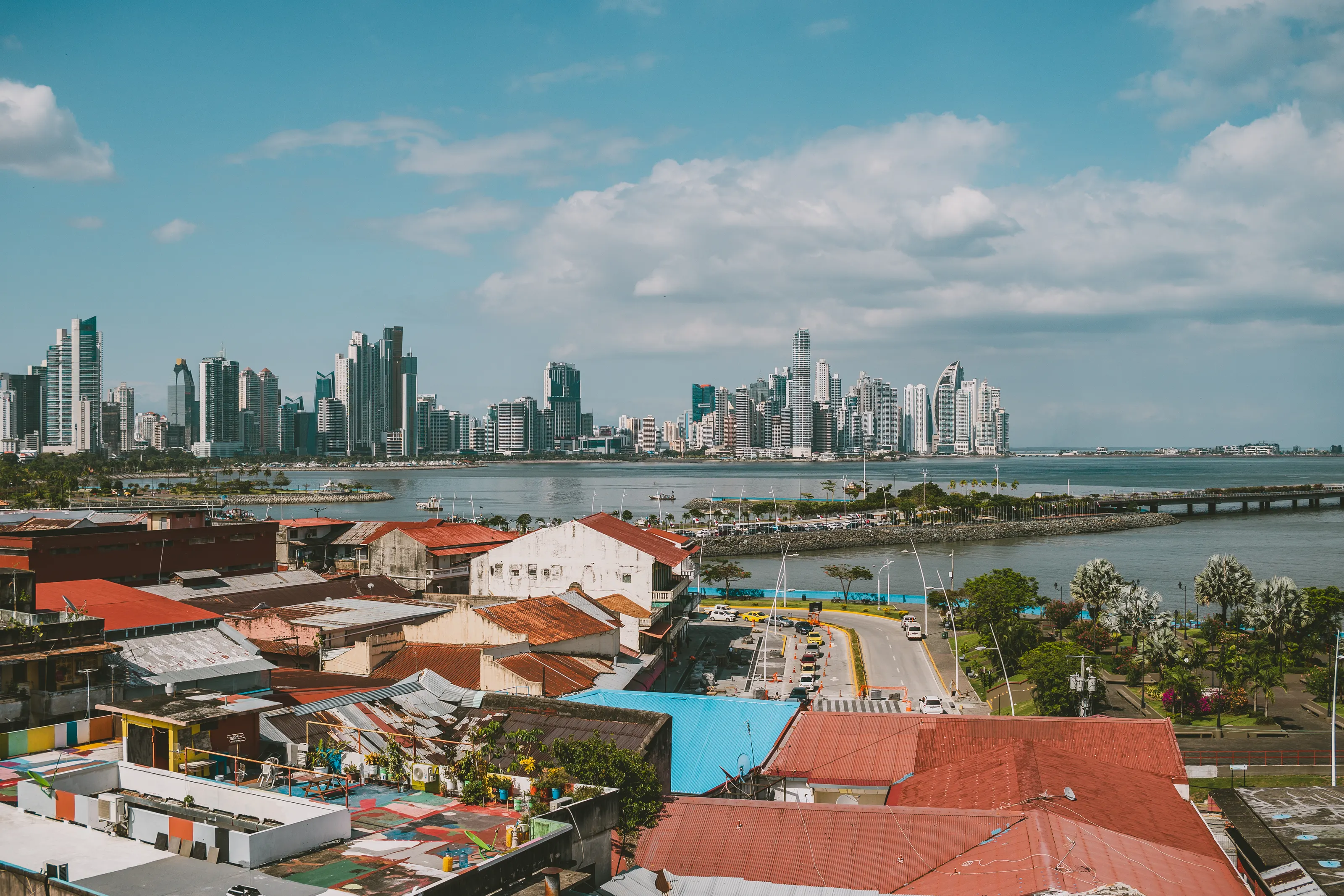
Rebuilt in 1673 after the pirate Henry Morgan destroyed Panama Viejo in 1671, Casco Viejo blends Spanish colonial, Caribbean, French and Art Deco styles. It is a UNESCO site, now filled with boutique hotels, bars and galleries.
Two oceans and autonomous islands
Bocas del Toro has white-sand beaches on the Caribbean, while the San Blas Islands, an autonomous territory run by the Guna people, number in the hundreds. Coiba National Marine Park is often called the Galapagos of Central America.
Regions and highlights
From Panama City to the Caribbean islands and the Chiriqui highlands
Panama City and the canal
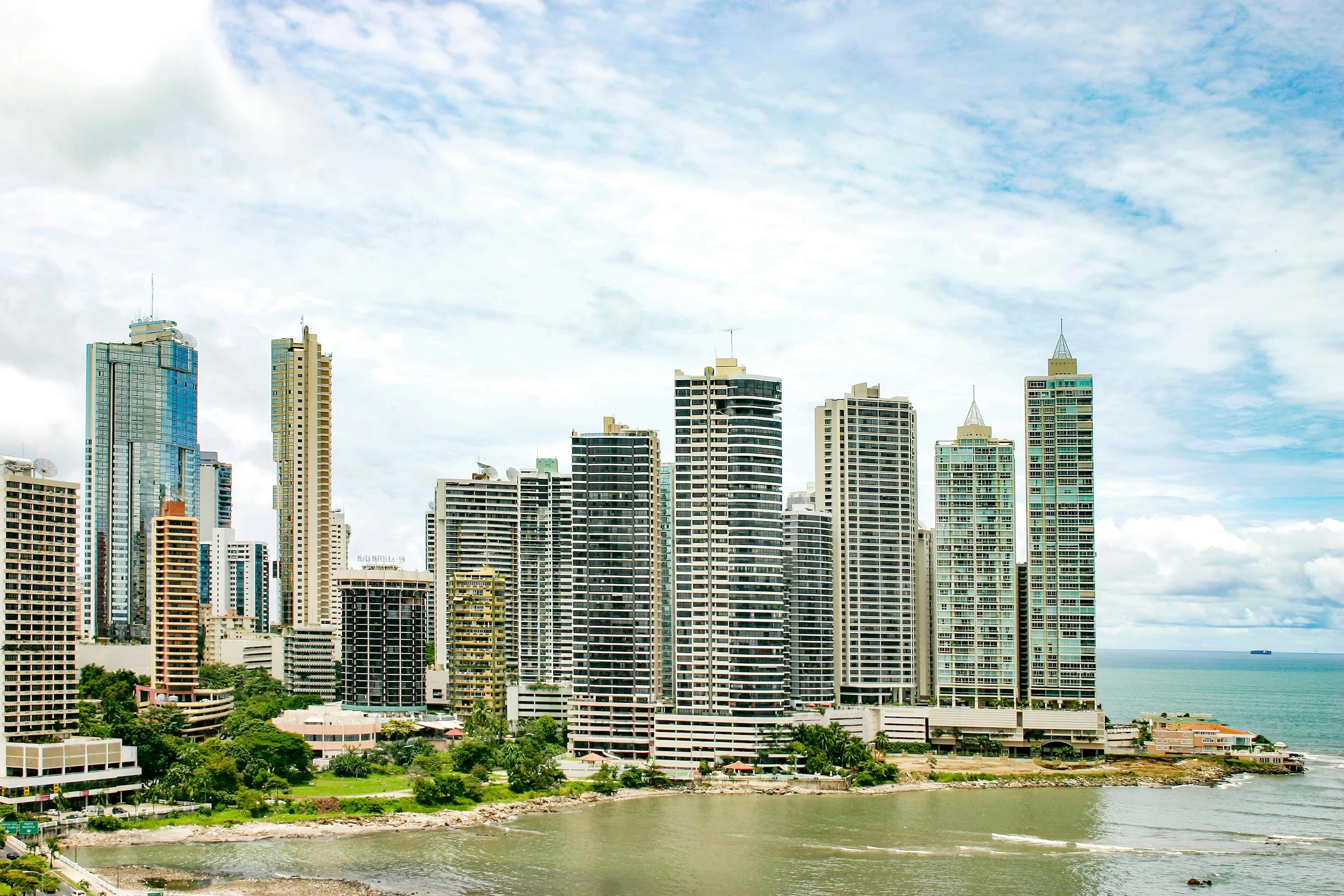
The capital combines a skyscraper district, Casco Viejo, the Amador Causeway and a financial centre with nearly 80 international banks. The Miraflores Locks are a day trip, and a scenic train runs beside the canal to Colon. Soberania National Park lies 15 minutes from the city for rainforest hiking and birdwatching on Pipeline Road.
Bocas del Toro and San Blas
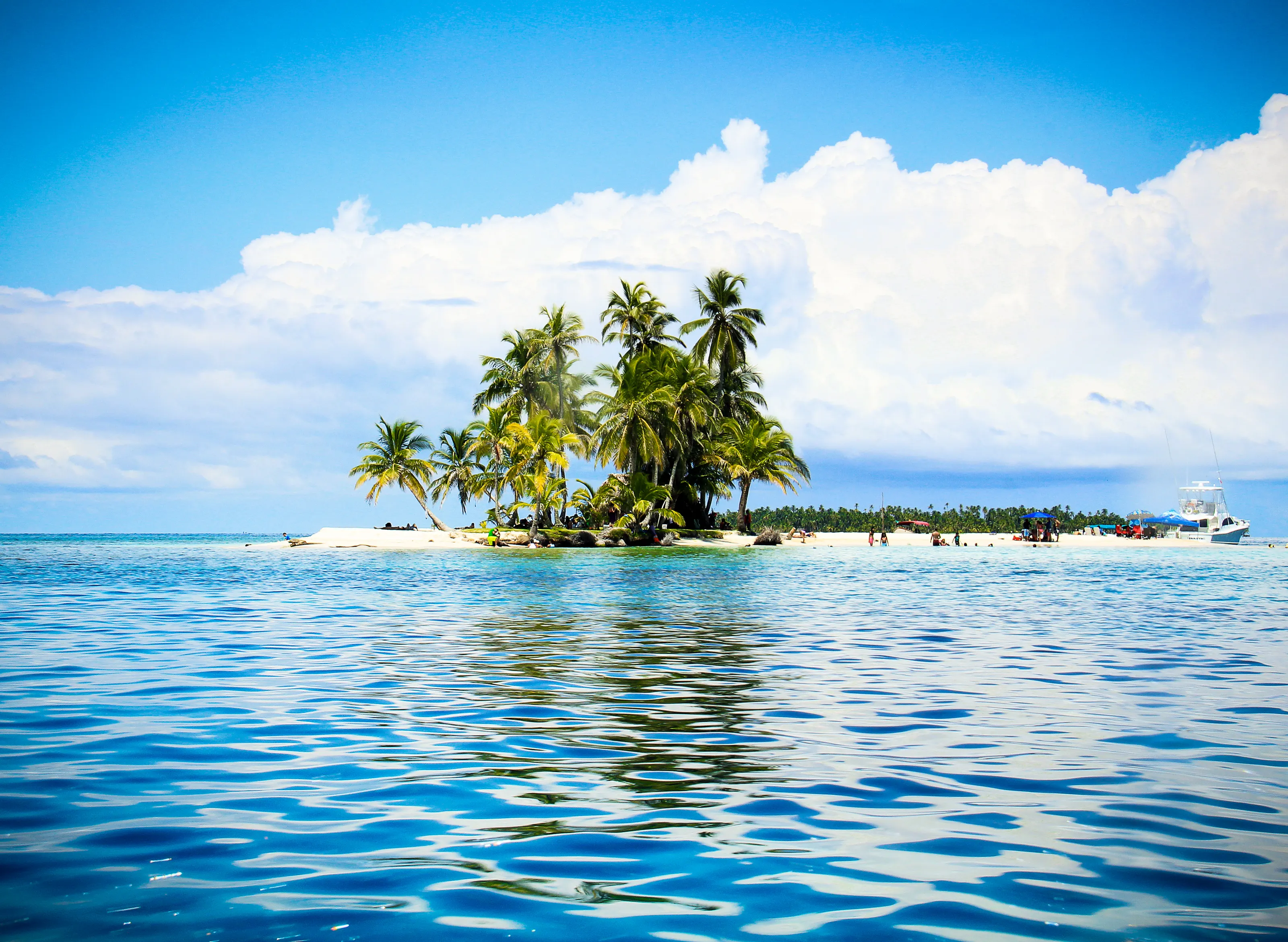
The Bocas del Toro archipelago in the north-west is one of the country's most popular beach destinations. On the north-east coast the San Blas Islands are managed by the Guna people, who have preserved their culture. Portobelo, closer to the capital, has colonial fortresses recognised by UNESCO.
Boquete, El Valle and the highlands
Boquete is the coffee-growing capital of the Chiriqui Highlands, beside Baru Volcano, the country's highest peak at 3,475 m. El Valle sits in the second-biggest inhabited volcanic caldera in the world, and Cerro Punta borders the cloud forest. Nights here can be chilly.
Pacific islands and Azuero
Taboga is an easy getaway from the capital, the Pearl Islands are farther out, and Coiba draws divers and snorkellers. Playa Venao and Santa Catalina are surf spots, and Las Tablas hosts the country's biggest carnival.
Food and culture
Sancocho, carimañolas and culantro
Panamanian cuisine mixes Afro-Caribbean, French and Spanish influences, with more plantain than beans and plenty of coconut rice. If it had to be summed up in one word, it would be culantro, a local plant that tastes like cilantro but stronger. Sancocho, a chicken and yam soup, is the national dish. Mondongo, arroz con pollo, tamales and fried carimañolas are common. Fondas, small eateries near schools and sports fields, serve quick cheap lunches, and chichas (fruit, water and sugar) are the local cool drinks.
Seven Indigenous peoples still preserve their languages and ways of life. Carnival, which begins 40 days before Holy Week, is the main festival, with its biggest celebration in Las Tablas. Panamanians dress with care: shorts are a rarity in the capital.
Getting around
An air hub, buses and a train beside the canal
Tocumen (PTY), about 32 km east of Panama City, is Copa Airlines' hub, with non-stop flights to almost 20 countries in the western hemisphere. Domestic flights depart from Albrook, near the city centre.
Buses reach almost every town, and the train between Panama City and Colon runs beside the canal for about an hour. There is no continuous road to Colombia, because the Darien is jungle without a road. For a longer trip, neighbouring Colombia has its own page, and Costa Rica lies to the west.
Before you go
Two seasons, a warm climate all year
| Area | Climate | Best time |
|---|---|---|
| Panama City and the canal | 30 to 33 °C by day, 21 to 23 °C at night; dry season December to April, rain May to November | December to March |
| Caribbean coast (Bocas del Toro, San Blas) | Wetter; around 3,000 mm of rain a year on the Caribbean side | January to April |
| Highlands (Boquete, El Valle) | Cooler at night; bring a warm, rain-proof layer | December to April |
| Pacific islands (Coiba, Taboga) | Hot and humid; calmer seas in the dry season | December to April |
The dry season, called summer, runs from December to April; the rainy season, called winter, from May to November, with showers mostly in the afternoon. Panama is unlikely to lie in the path of hurricanes. Visitors from most of Europe, the Americas and Asia-Pacific can enter visa-free for up to 180 days with a valid passport and an onward ticket; check the rules for your nationality before you travel.
Flying to Panama
The Panama airport tracked by SniperAir
Tocumen International (Panama City)
About 32 km east of Panama City: the Copa Airlines hub for the Americas, with direct links to many American cities and some in Europe.
FAQ
Frequently asked questions about Panama
Which airport do I fly into for Panama?
Tocumen (PTY), about 32 km east of Panama City, is the main international airport and Copa Airlines' hub. Domestic flights leave from Albrook.
When is the best time to travel to Panama?
The dry season, from December to April, is the most popular, with little rain and lower humidity. From May to November rain falls mostly late in the day and the landscape is greener.
Is Panama expensive?
Panama is a high-income economy with hotels for every budget, but simple meals in family restaurants remain inexpensive. Compare options with our partners before booking.
Do I need a visa for Panama?
Visitors from most of Europe, the Americas and Asia-Pacific can enter visa-free for up to 180 days with a valid passport and an onward ticket. Check current rules before you travel.
How long should I stay in Panama?
Plan 7 to 10 days to combine Panama City and the canal, a rainforest or mountain region and an archipelago.
Is Panama safe?
Most of Panama is considered very safe. Avoid the border region with Colombia, much of Colon and some Panama City neighbourhoods such as El Chorrillo or Curundu, especially at night.
How do I get alerted when a flight to Panama drops below my budget?
Create a SniperAir alert with your departure airport and Panama City as the destination: we track prices and notify you as soon as an opportunity matches your criteria. See also how it works.
Ready to track prices to Panama?
Create an alert and let SniperAir do the rest.
Create my alert