
Travel to Benin
Once the powerful Kingdom of Dahomey, Benin packs earthen royal palaces, a village built on a lake, the home of vodun and one of West Africa's last great wildlife parks into a country just over 300 km wide. Here's what to know before you go.
Benin in numbers
Capital
Porto-Novo
Population
~15M
Area
Over 110,000 km²
Currency
CFA franc
Language
French
UNESCO sites
Abomey, Pendjari
Continent
Africa
Time zone
UTC+1
Airports covered
1
Why visit Benin
Dahomey's royal palaces, a lake village and West Africa's elephants
The Royal Palaces of Abomey
Ten palaces on 47 hectares, built by the twelve kings who ruled Dahomey from 1625 to 1900. At their peak they could house up to 8,000 people, and polychrome earthen bas-reliefs record the kingdom's history.
Pendjari National Park
A UNESCO site since 2017 as part of the W-Arly-Pendjari complex, home to more than 800 elephants counted between 2005 and 2010, plus lions, hippos, buffalo and many birds.
Ganvie, the Venice of Africa
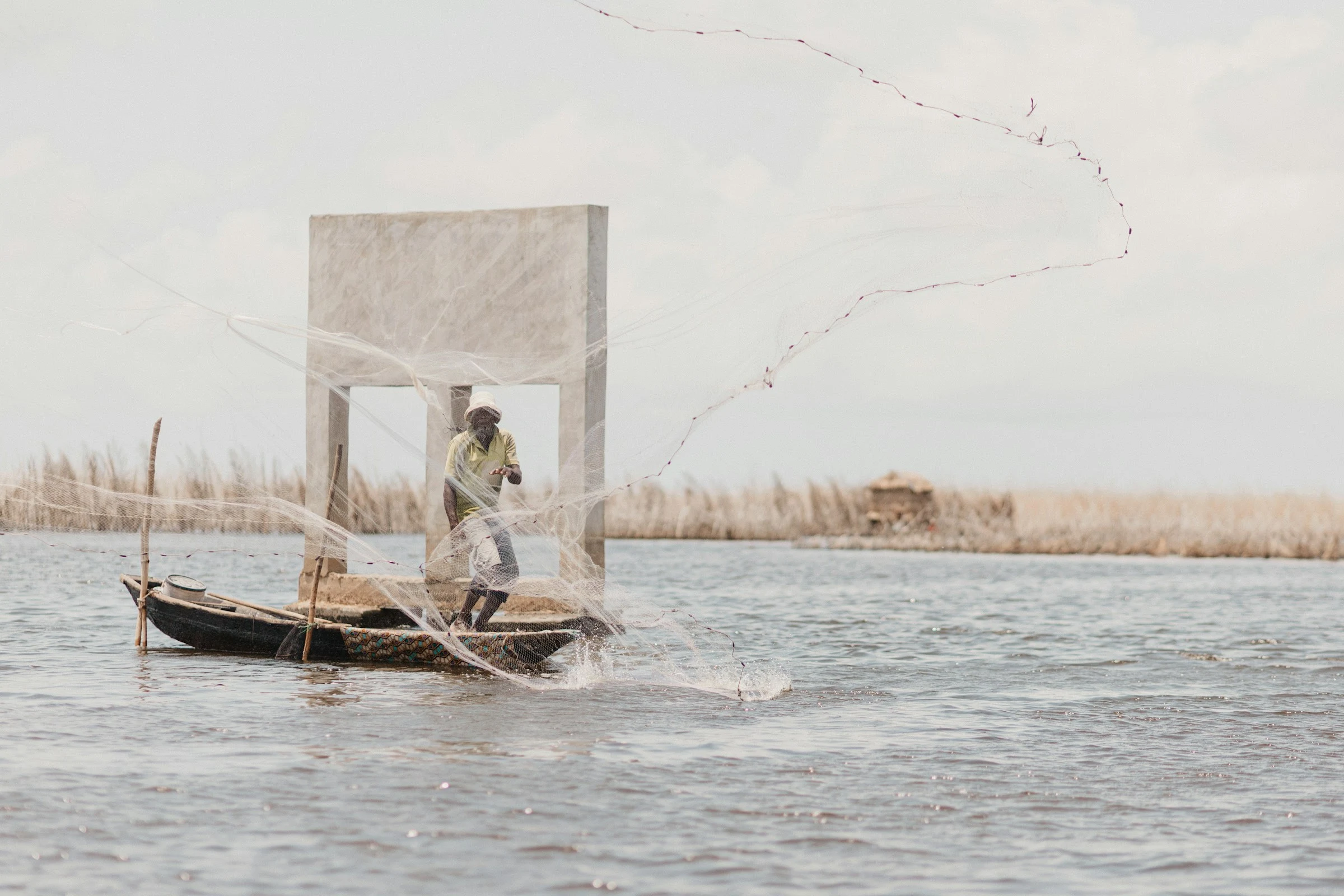
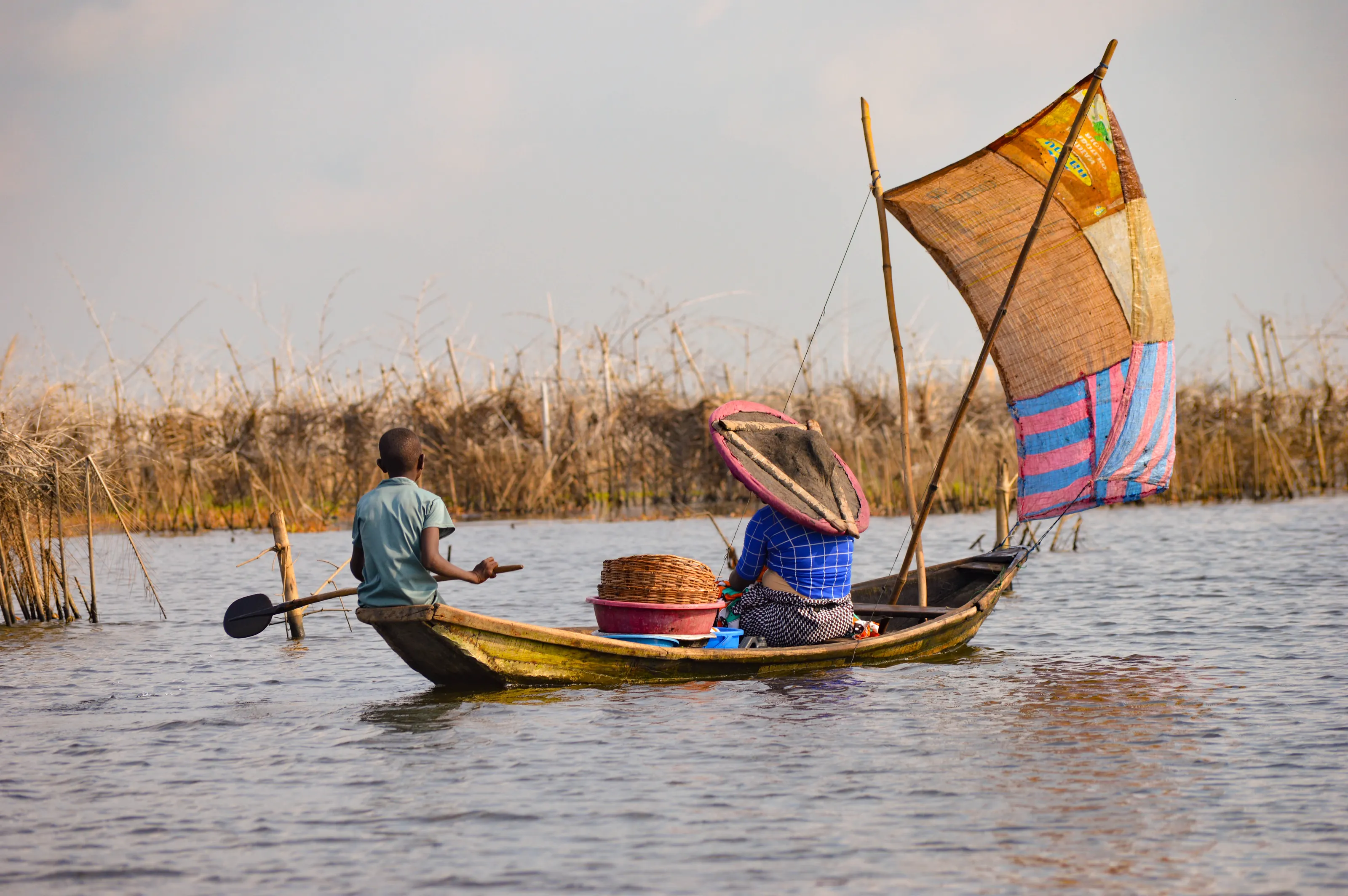
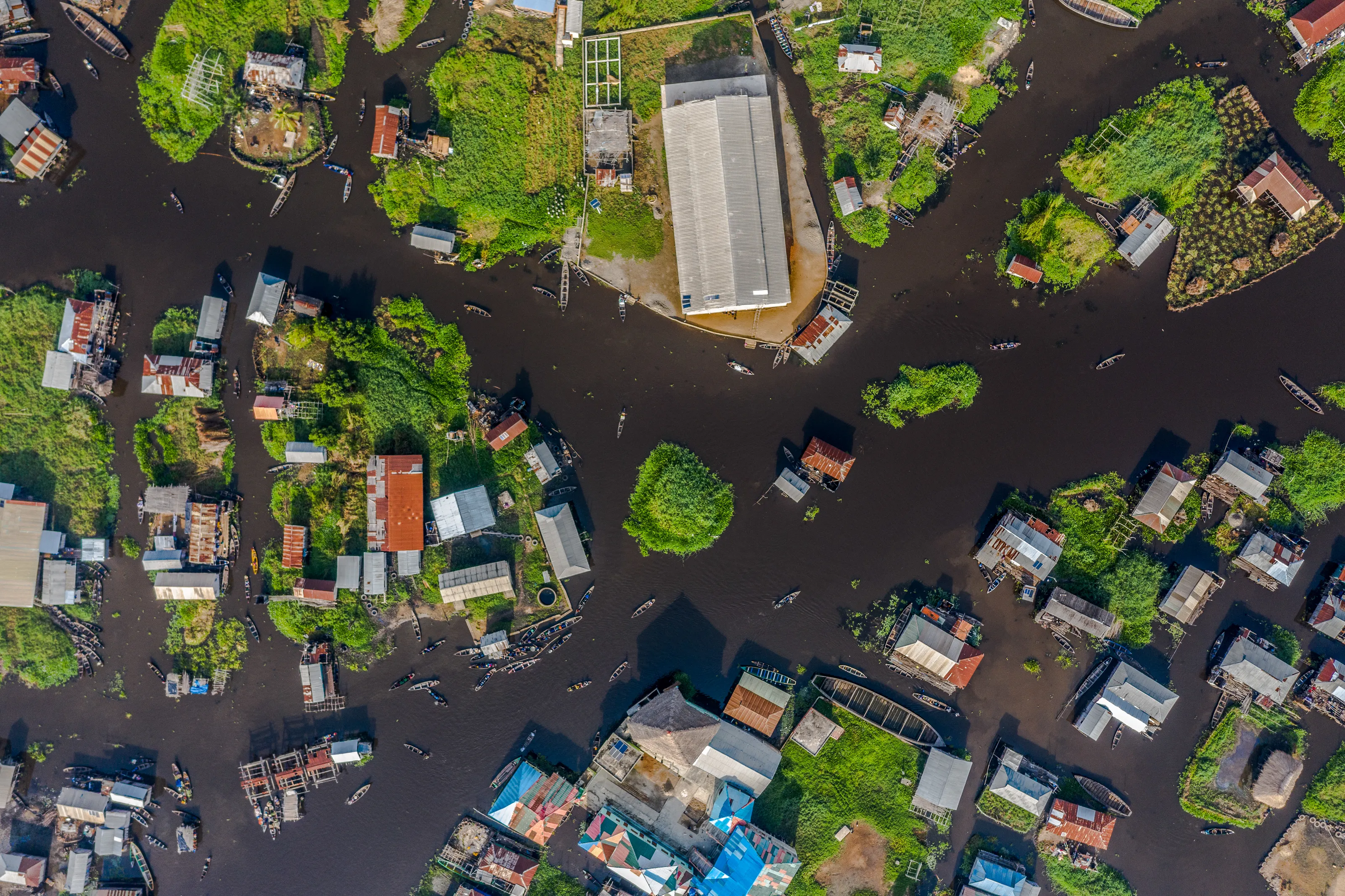
The Tofinu built their stilt village on Lake Nokoue to escape slave raiders. Today around 20,000 people live there, and the only way in is by wooden boat.
The home of vodun
Ouidah, once a major slave-trade port, is the place to explore the Slave Route, the python temple and the story of a religion that is now celebrated every 10 January.
Where to go
Cotonou, Ouidah, Abomey, Lake Nokoue and the northern parks
Most visitors base themselves in Cotonou and make day trips to the south. The north is a separate trip with a different pace.
Cotonou
The seat of government and the largest city, squeezed between the Atlantic and Lake Nokoue. The official city population is around 679,000, but more than two million people live in the wider urban area, which keeps spreading west. The name comes from the Fon for "by the river of death".

Ouidah
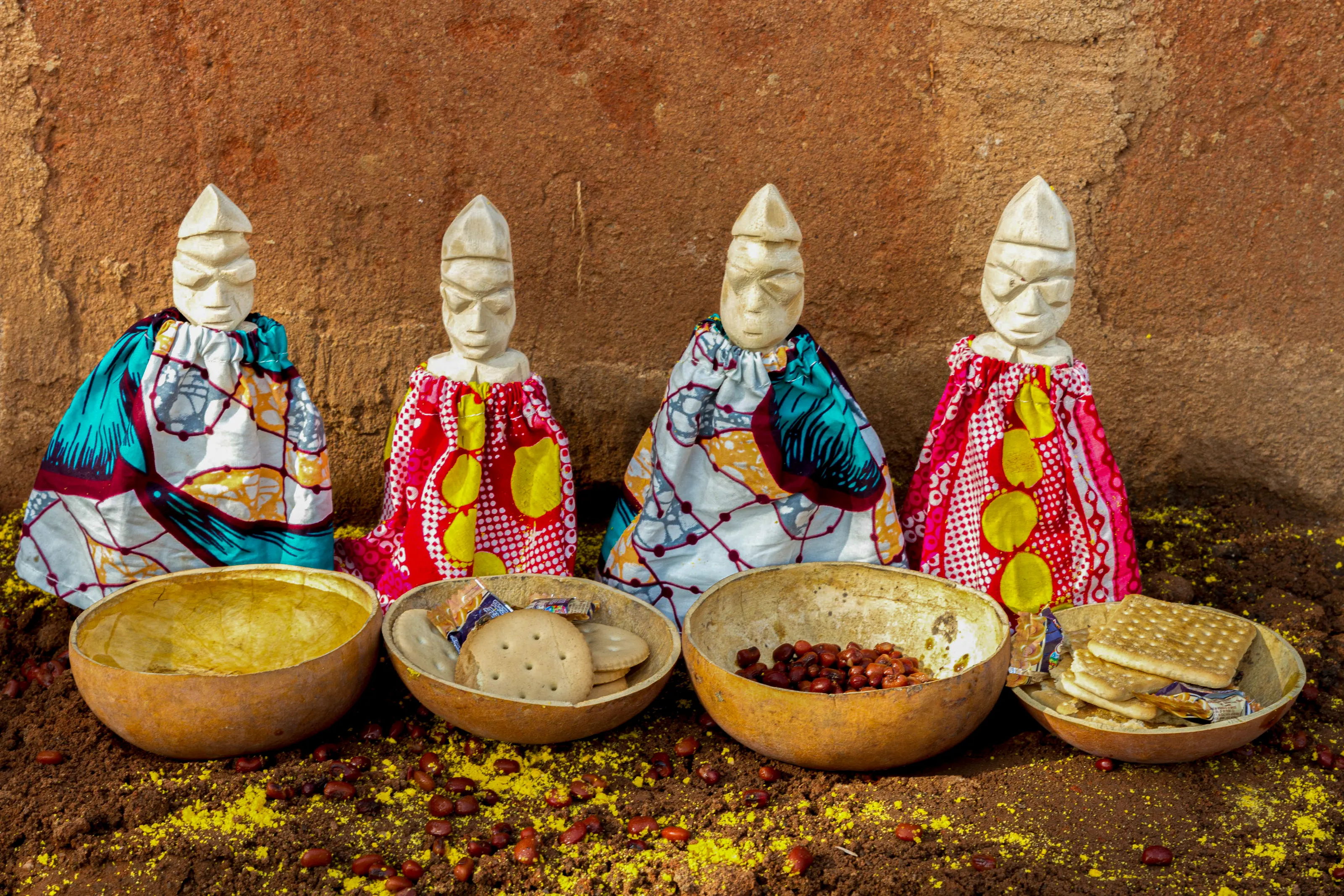
The old Portuguese fort now houses the history museum, and the Slave Route runs to the beach where captives were put onto canoes. The town is also the centre of vodun culture.
Abomey
The palaces of kings Ghezo and Glele hold the Historical Museum of Abomey. A tornado damaged the site on 15 March 1984, and UNESCO removed it from the List in Danger in July 2007 after restoration. Bas-reliefs made of anthill earth, palm oil and mineral pigments are among the highlights.
Lake Nokoue and Ganvie
Ganvie means "I was rescued here" in Fon. The village has been on UNESCO's Tentative List since 31 October 1996. Fishing and fish farming are the main trades alongside tourism.
The north: Pendjari and the Atakora
Pendjari covers 2,755 km² and the wider W-Arly-Pendjari complex holds more than 3,800 elephants. Hills and cliffs of the Atakora range are visible from the park. It is open year-round, but from June to November heavy rain can make some parts inaccessible. Check your government's travel advice before planning the far north.
Getting around
Taxis, a short rail line and long roads north
Benin has about 6,787 km of roads, of which 1,357 km are paved, and the Trans-West African Coastal Highway links Cotonou with Nigeria to the east and Togo, Ghana and Ivory Coast to the west. Rail runs on 578 km of single metre-gauge track. For day trips from Cotonou a hired car and driver is the simplest option, and you should agree taxi fares before getting in.
Before you go
Two rainy seasons on the coast, one in the north
| Period | Climate | Good for |
|---|---|---|
| December to March | Main dry season, harmattan dust haze from the Sahara | Pendjari safaris and city visits |
| April to late July | Principal rainy season on the coast | Quieter travel and a green countryside, with heavy showers |
| July to September | Cooler dry spell on the coast | Cotonou, Ouidah and Abomey |
| September to November | Shorter rains | Fewer visitors; northern tracks can be wet |
In Cotonou the average high is 31 °C and the low 24 °C, with about 1,300 mm of rain a year on the coast. Entry rules and health requirements vary by nationality, so check official sources and your government's travel advice before booking.
Planning a longer West Africa trip? See Ivory Coast and Senegal; neighbouring Togo, Mali and Gabon are also on our African list.
Food and culture
Corn dough, peanut sauce and smoked fish
Southern cooking is built around corn dough served with peanut or tomato sauces, with fish, chicken and goat. In the north yams are the staple. Chicken roasted on sticks over a fire and smoked fish are typical, and meals tend to be light on meat and generous on vegetable fat.
French is the official language, but Fon, Yoruba, Bariba and Dendi are widely spoken. A 2025 law officially recognises sixteen sub-national kingdoms and dozens of chiefdoms in Benin, and the first Beninese novel, L'Esclave by Felix Couchoro, was published in 1929.
Cheap flights to Benin
The Cotonou airport SniperAir tracks
Cotonou Cadjehoun (Cardinal Bernardin Gantin)
The country's main airport, inside Cotonou and roughly 5 to 6 km from the centre. It has direct services to Paris, Brussels and Istanbul and to several West African capitals.
FAQ
Frequently asked questions about Benin
What's the best airport for arriving in Benin?
Cotonou (COO) is the main international gateway. From Cotonou, Pendjari in the north is a long drive.
What's the best time to visit Benin?
The dry season from December to March is the most comfortable, especially for safaris in Pendjari. The harmattan can leave a dusty haze until spring.
Can you see elephants in Benin?
Yes, in Pendjari National Park in the north-west, part of the UNESCO-listed W-Arly-Pendjari complex. Sightings are never guaranteed.
Is Benin an expensive destination?
Everyday costs are modest by many standards, but good accommodation and safari trips push the budget up. Agree prices for taxis and motorbike taxis in advance.
Do I need a visa to travel to Benin?
It depends on your nationality and the rules change. Check the visa or e-visa and any vaccination requirements on official websites and in your government's travel advice.
How many days should I spend in Benin?
Five to seven days cover Cotonou, Ouidah, Ganvie and Abomey. Add three or four days for Pendjari.
How do I get alerted when a flight to Benin drops below my budget?
Create a SniperAir alert profile with your departure airport and Cotonou as the destination: we track prices for you and notify you the moment a deal matching your criteria appears. See how it works for the details.
Ready to track prices to Benin?
Create an alert and let SniperAir do the rest.
Create my alert