
Travel to Vietnam
A long, narrow country with karsts that dive into the sea, terraced rice fields, an imperial citadel, noisy cities and tropical beaches, all carried by one of the world's best-loved street food scenes. Here is what to know before you look for cheap flights to Vietnam.
Vietnam in numbers
Capital
Hanoi
Population
Over 100M
Area
~331,000 km²
Currency
Dong
Language
Vietnamese
Largest city
Ho Chi Minh City
Continent
Asia
Time zone
UTC+7
Airports covered
6
Why visit Vietnam
Karsts, rice terraces, imperial cities and street food
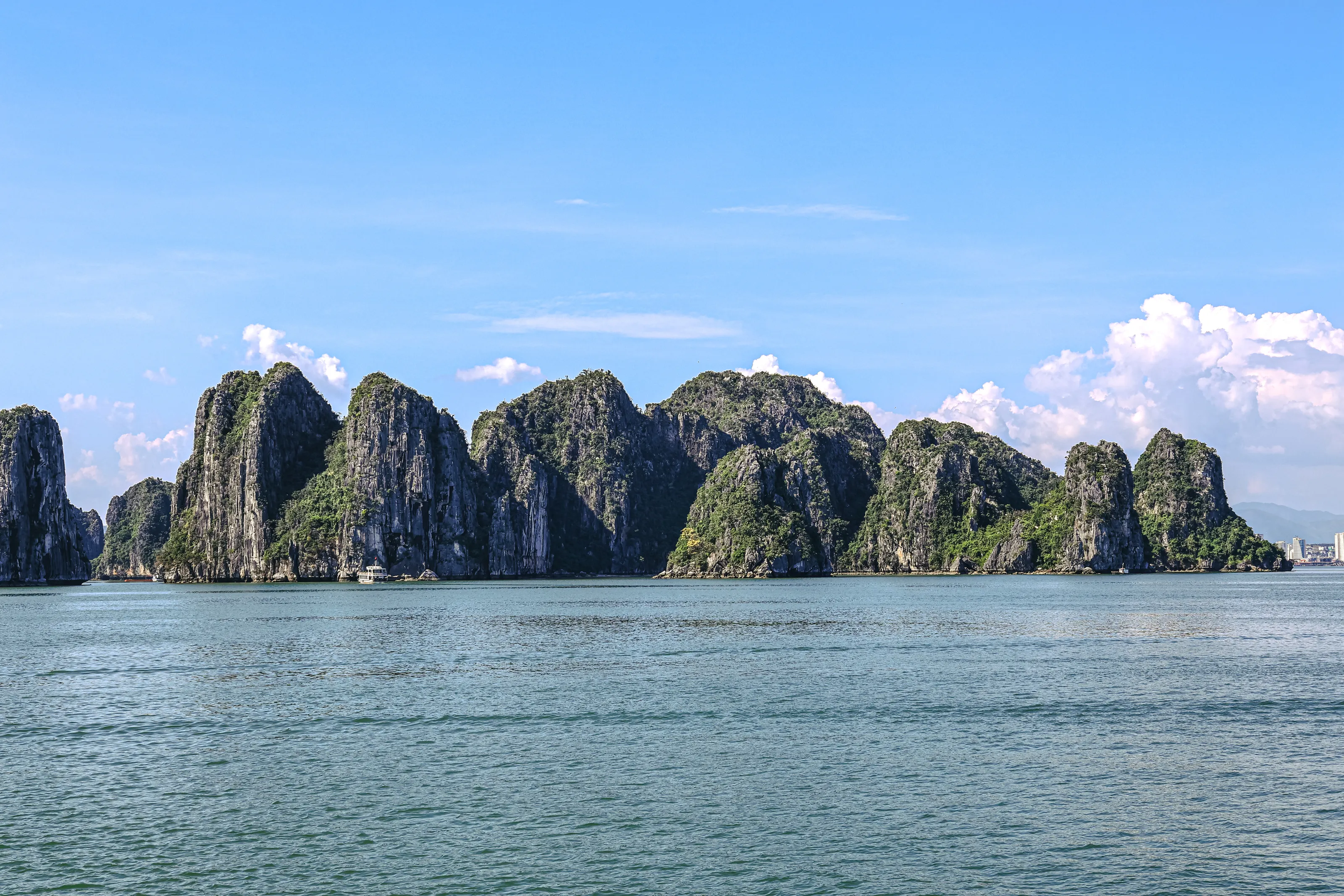
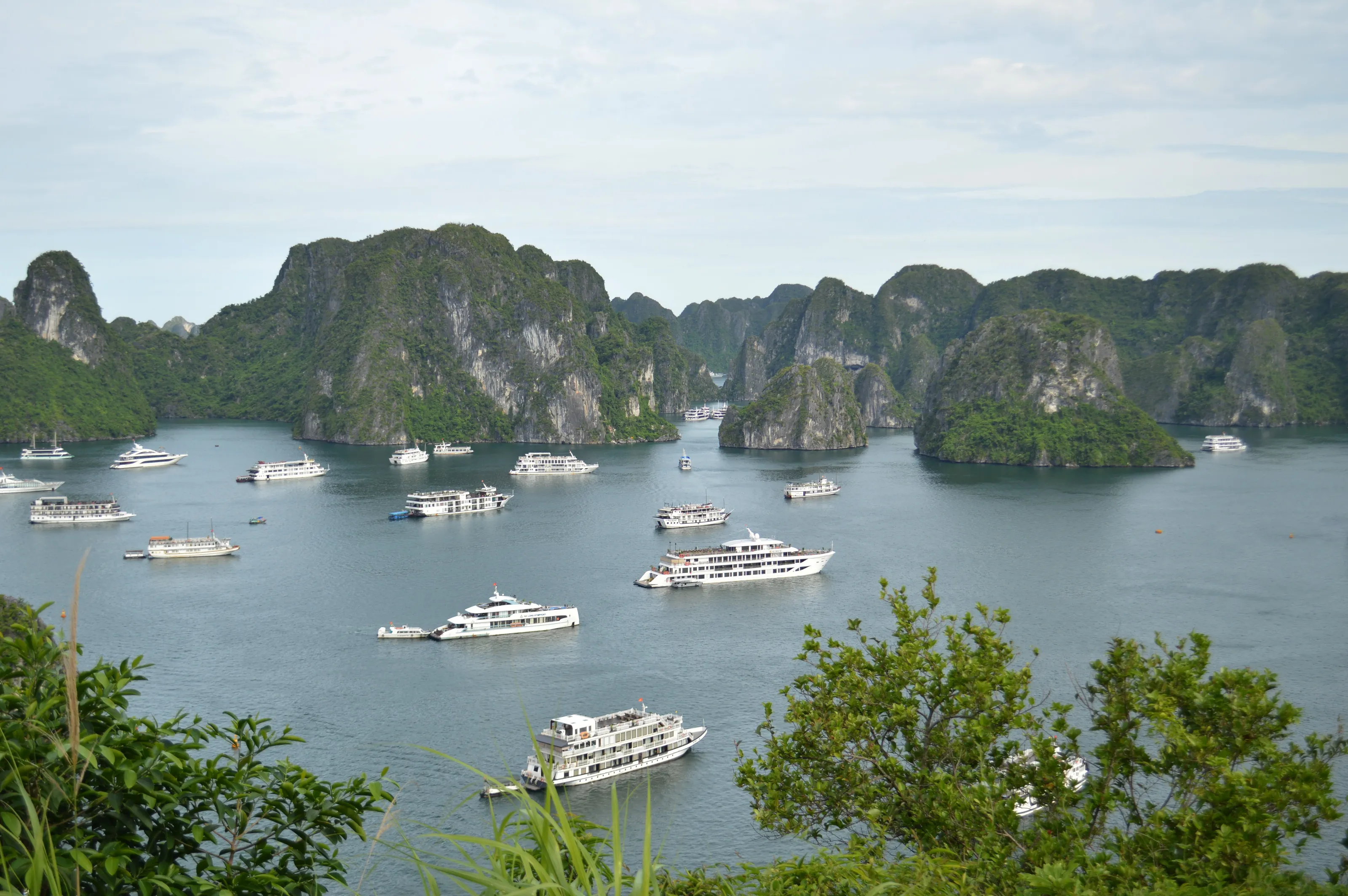
The karsts of Ha Long Bay and Ninh Binh
In the north, thousands of limestone pinnacles rise from the sea or the rice fields. Ha Long Bay is explored by cruise between the islets, while at Ninh Binh you glide by boat past cliffs, pagodas and caves.
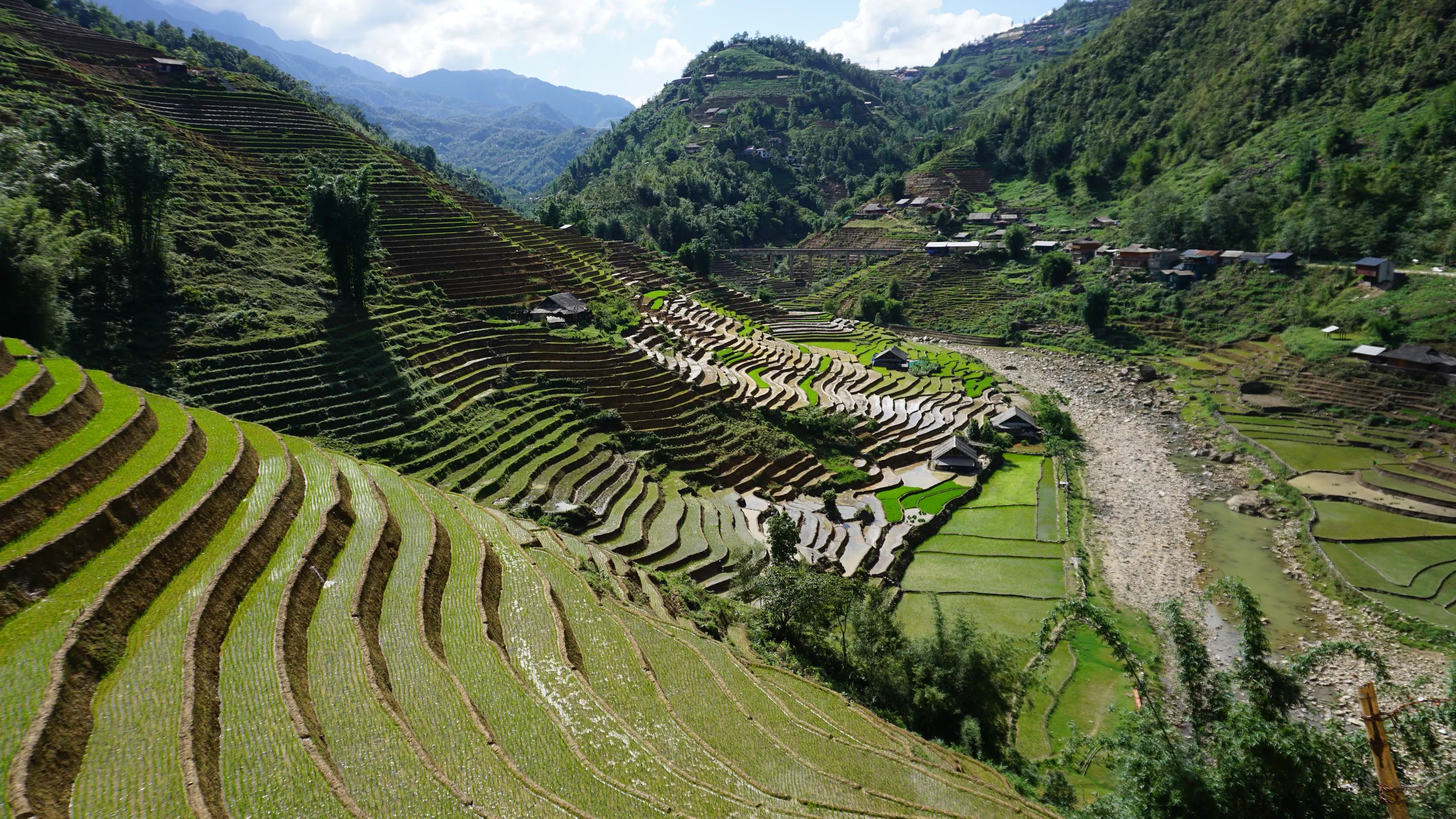
Terraced rice fields and mountains
Around Sa Pa in the north-west the slopes are carved into terraces that turn green, then gold, through the year. You walk between minority villages, markets and misty valleys.
From imperial palace to paper lantern
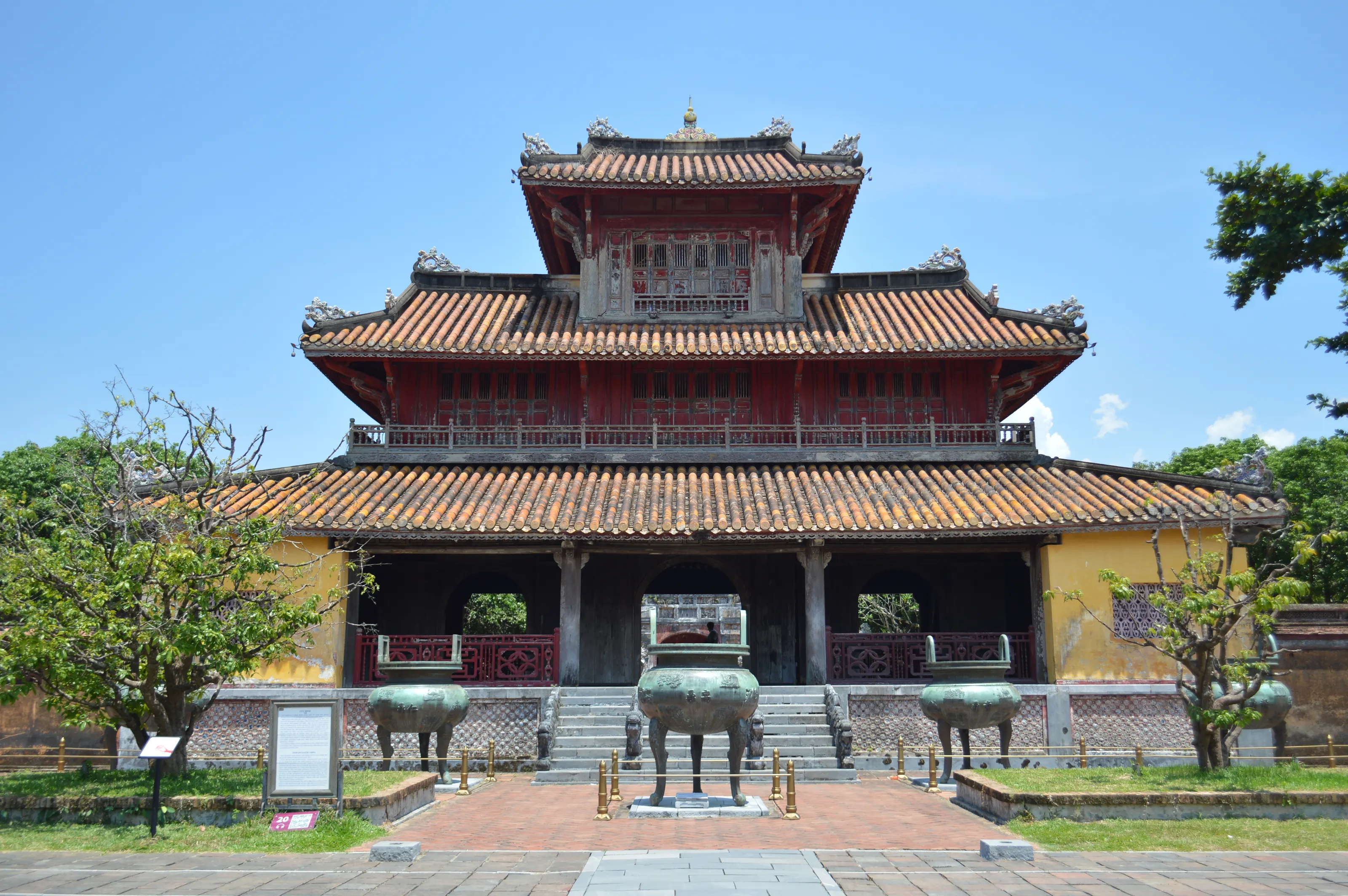
Hue keeps the Nguyen imperial citadel, Hoi An its old town of yellow houses and lanterns. Between them Da Nang brings beaches and mountains, and the Hai Van Pass road has fine viewpoints.
Cooking you taste in the street
Morning pho, Hanoi's bun cha, crisp banh mi, Hoi An's cao lau and coffee with condensed milk: in Vietnam you eat standing or on a small stool, and it is part of the trip.
Regions and landmarks
North to south: Hanoi, Hue, Ho Chi Minh City and the islands
Vietnam stretches more than 1,600 km from end to end, so most people travel north to south, or the reverse, mixing domestic flights, trains and buses. These are the stops that appear in most itineraries.
The north: Hanoi, Ha Long, Ninh Binh and Sa Pa
Hanoi, a quiet yet dense capital, is best met in its old quarter, around its lakes and along its street stalls. A few hours away, UNESCO-listed Ha Long Bay lines up its limestone islets, and Ninh Binh offers the same mood by river. Further north-west, Sa Pa and its terraced rice fields suit walkers, especially around harvest time.

The centre: Hue, Da Nang and Hoi An
Hue, the former imperial capital, keeps its gates, tiled pavilions and the emperors' tombs along the Perfume River. Da Nang, a big seaside city, is a base for the beach, the nearby mountains and the famous Golden Bridge held up by two giant hands. Hoi An, half an hour away, charms with its pedestrian old town, its tailors and its lantern-lit evenings.

Ho Chi Minh City and the south
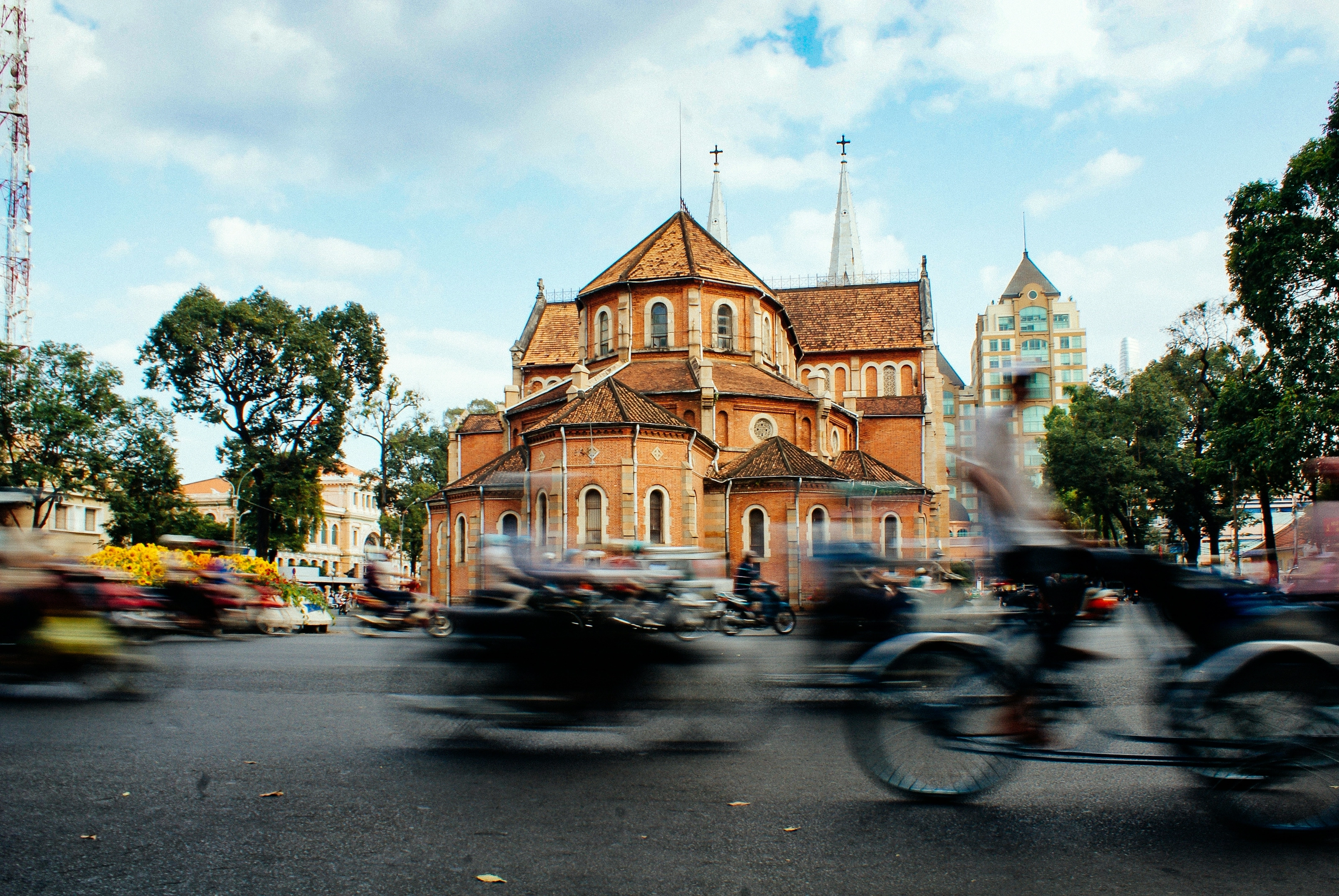
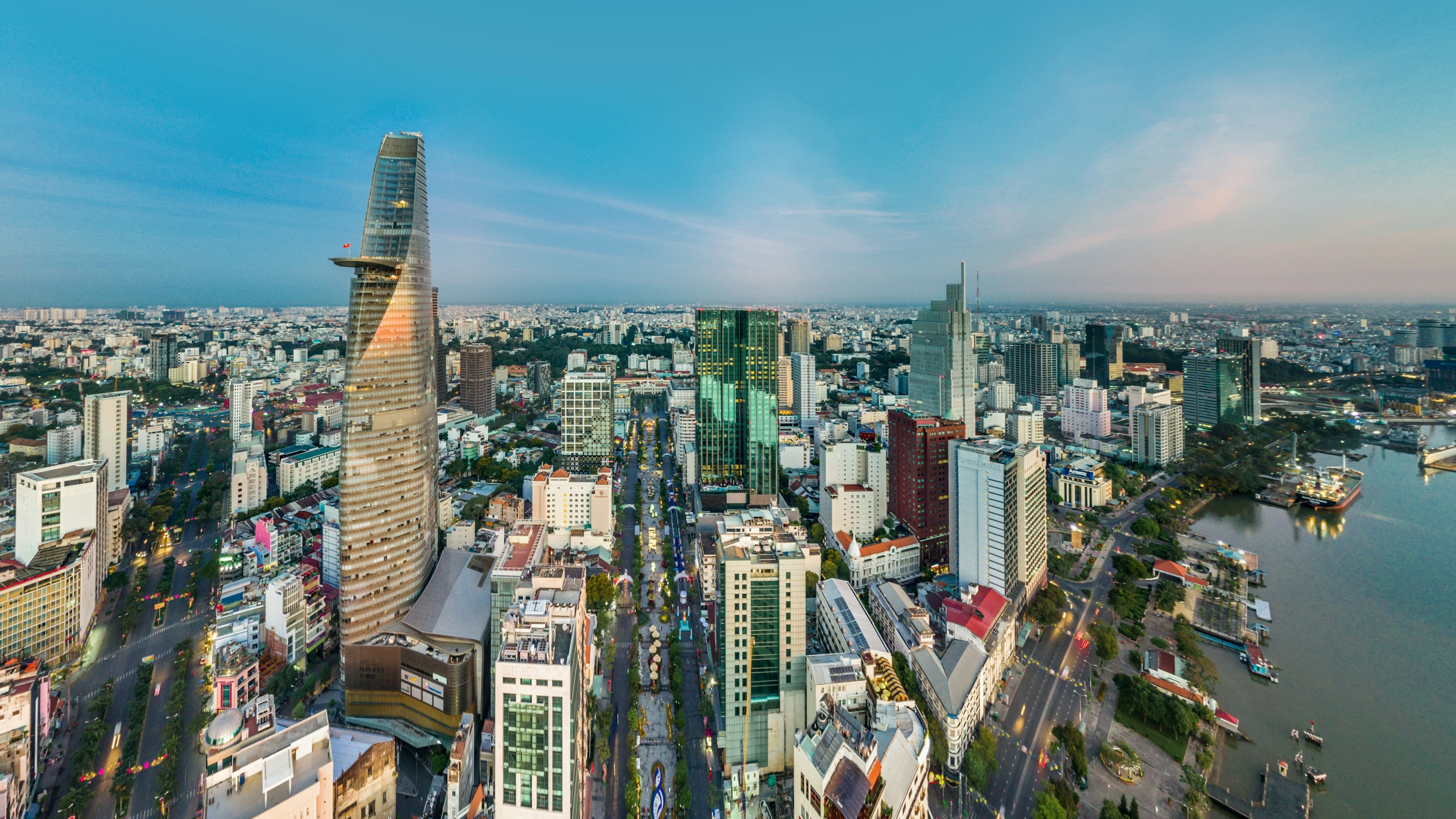
Ho Chi Minh City, the former Saigon, is the country's biggest city: red-brick Notre-Dame Cathedral, the central post office, Ben Thanh market, streets full of thousands of motorbikes and modern towers above the river. From here day trips lead to the Mekong Delta, with its floating markets and canals, and to Da Lat, a cooler hill town.
Beaches and islands: Nha Trang, Phu Quoc and Con Dao
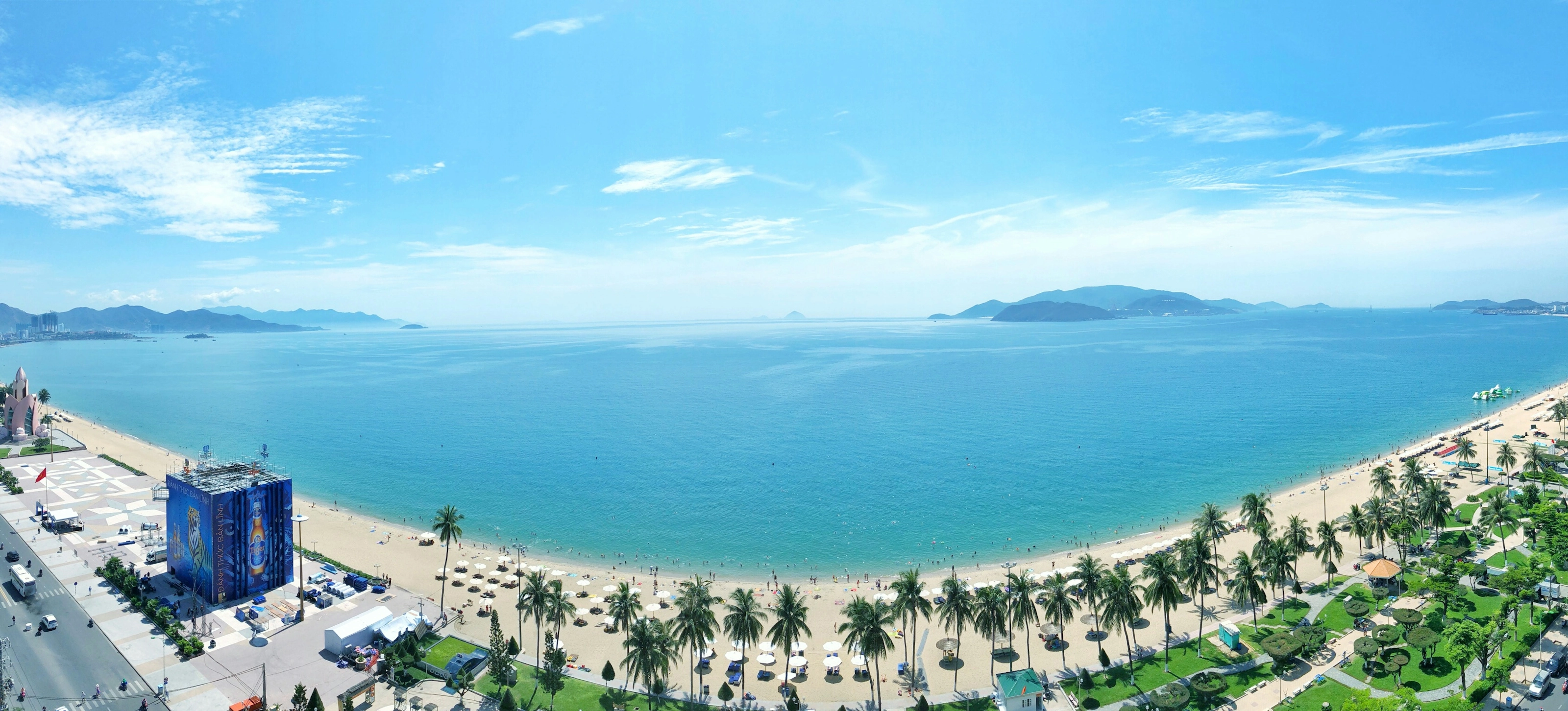
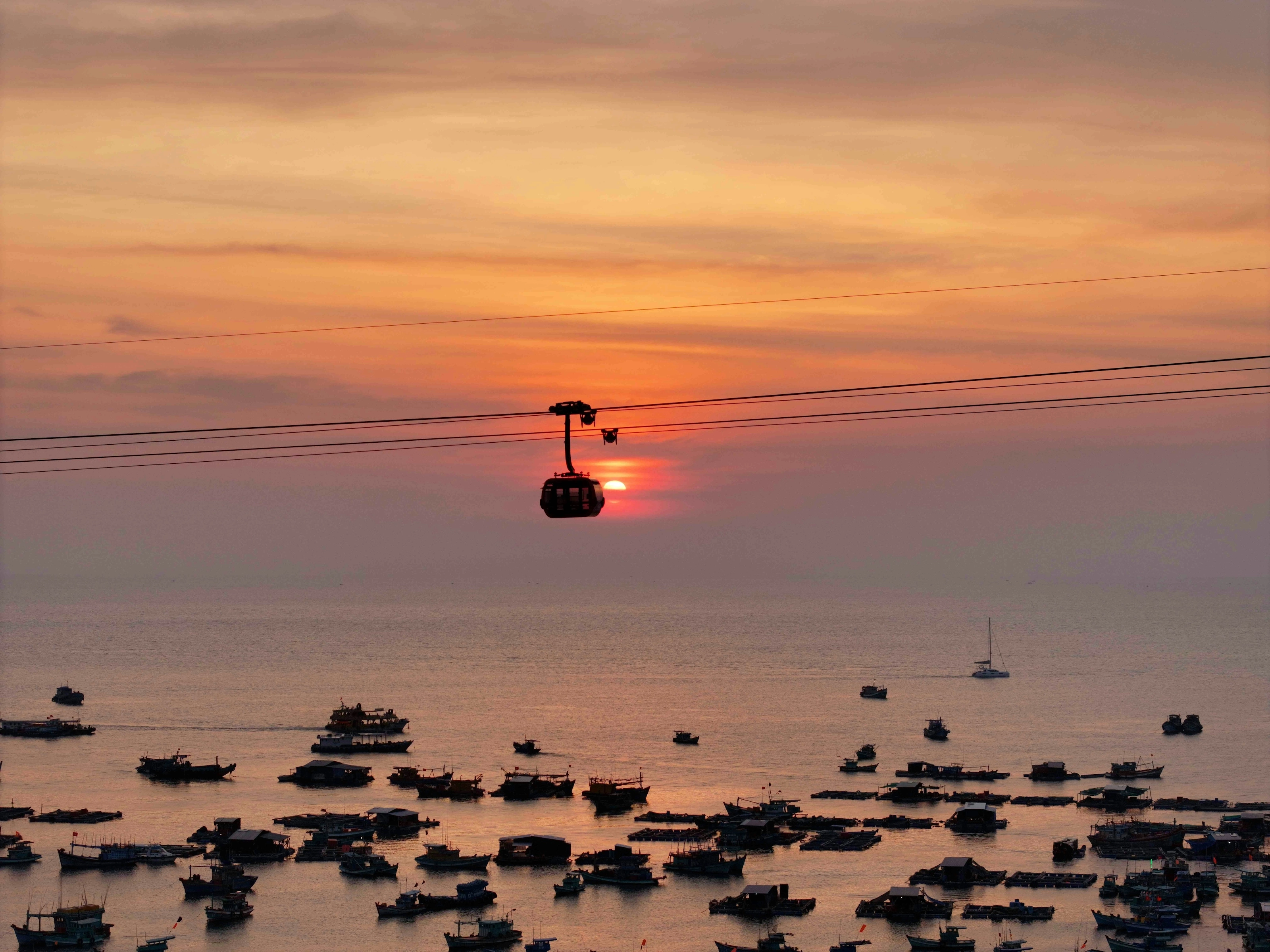
Nha Trang stretches its big bay and sandy beaches along the south-central coast, with boat trips to nearby islets. Phu Quoc, in the Gulf of Thailand, mixes beaches, night markets and a cable car, while wilder Con Dao protects its nature in a national park where sea turtles come to nest.
Before you go
The best time to go changes with the region
| Area | Climate | Best time to visit |
|---|---|---|
| North: Hanoi, Ha Long, Sa Pa | Four seasons: a cool, often misty winter and a hot, rainy summer. It can be cold in the mountains in December and January. | October to April, with lovely autumn colours |
| Centre: Hue, Da Nang, Hoi An | Monsoon rains mostly in autumn, with typhoon and flood risks; spring and summer are drier. | February to August |
| South: Ho Chi Minh City, Mekong | Two seasons, dry and rainy; hot all year, with rain usually in the afternoon. | November to April |
| Islands: Phu Quoc, Nha Trang, Con Dao | Phu Quoc and Con Dao are more pleasant in the dry season; Nha Trang prefers the drier months of the centre. | Roughly November to April for Phu Quoc, January to August for Nha Trang |
Rainfall averages 1,500 to 2,000 mm a year, mostly during the monsoon, and humidity is high almost everywhere. Pack light clothes, a rain jacket and sun protection, and keep an eye on flight prices before fixing your dates.
Getting around
Domestic flights, trains, night buses and motorbikes
For long distances, domestic flights link Hanoi, Da Nang, Ho Chi Minh City and the islands in one to two hours. The north-south train calls at Hue, Da Nang and Nha Trang, but it takes more than a day to go from Hanoi to Ho Chi Minh City. Night buses with sleeper berths are a budget option.
In towns, taxis, app-booked cars and motorbike taxis make short trips easy. Traffic is dense: cross the road slowly and at a steady pace, and the motorbikes will flow around you. Boats and short flights serve the islands.
Food and culture
Pho, bun cha, banh mi and coffee with condensed milk
The cooking changes from north to south: the north favours noodle soups and restrained flavours, the centre spicier dishes like Hoi An's cao lau, the south fresh herbs and sweet-and-savoury notes. Spring rolls, banh mi and bun cha are eaten on a plastic stool for a modest budget.
The country carries the mark of Buddhism, Confucianism and the French presence: pagodas, ancestral temples, cathedrals, bakeries and cafés. Tet, the lunar new year, sets the calendar and closes many shops.
Flying to Vietnam
The Vietnamese airports covered by SniperAir
Tân Sơn Nhất International
Ho Chi Minh City's airport, a few kilometres from the centre, so half an hour to forty-five minutes depending on traffic. The main gateway to the south.
Nội Bài International
Hanoi's airport, about 25 to 30 kilometres from the centre, or 45 minutes to an hour by road. The gateway to the north, Ha Long and Ninh Binh.
Da Nang International
An airport very close to town, about ten to fifteen minutes by road. It serves Da Nang, Hoi An and Hue.
Cam Ranh International
Nha Trang's airport, about 30 kilometres south of the city, around forty minutes by road.
Phu Quoc International
The airport of Phu Quoc island, about fifteen minutes from Duong Dong town.
Con Dao
The small airport of the Con Dao islands, a few kilometres from Con Son town, for the national park and the beaches.
SniperAir destinations
Discover our destination pages

Vietnam
Hanoi
Hanoi: the Old Quarter, Hoan Kiem Lake and the Temple of Literature, pho and bun cha, with price alerts on flights to HAN.
Discover
Vietnam
Ho Chi Minh City
Ho Chi Minh City: Saigon, its Notre-Dame Cathedral, the Reunification Palace and Cholon, with price alerts on flights to SGN.
Discover
Vietnam
Da Nang
Da Nang: My Khe beach, the Dragon Bridge, the Marble Mountains and Ba Na Hills, with price alerts on flights to DAD.
Discover
Vietnam
Phu Quoc
Phu Quoc: Sao beach, the Hon Thom cable car, the night market and fish sauce, with price alerts on flights to PQC.
Discover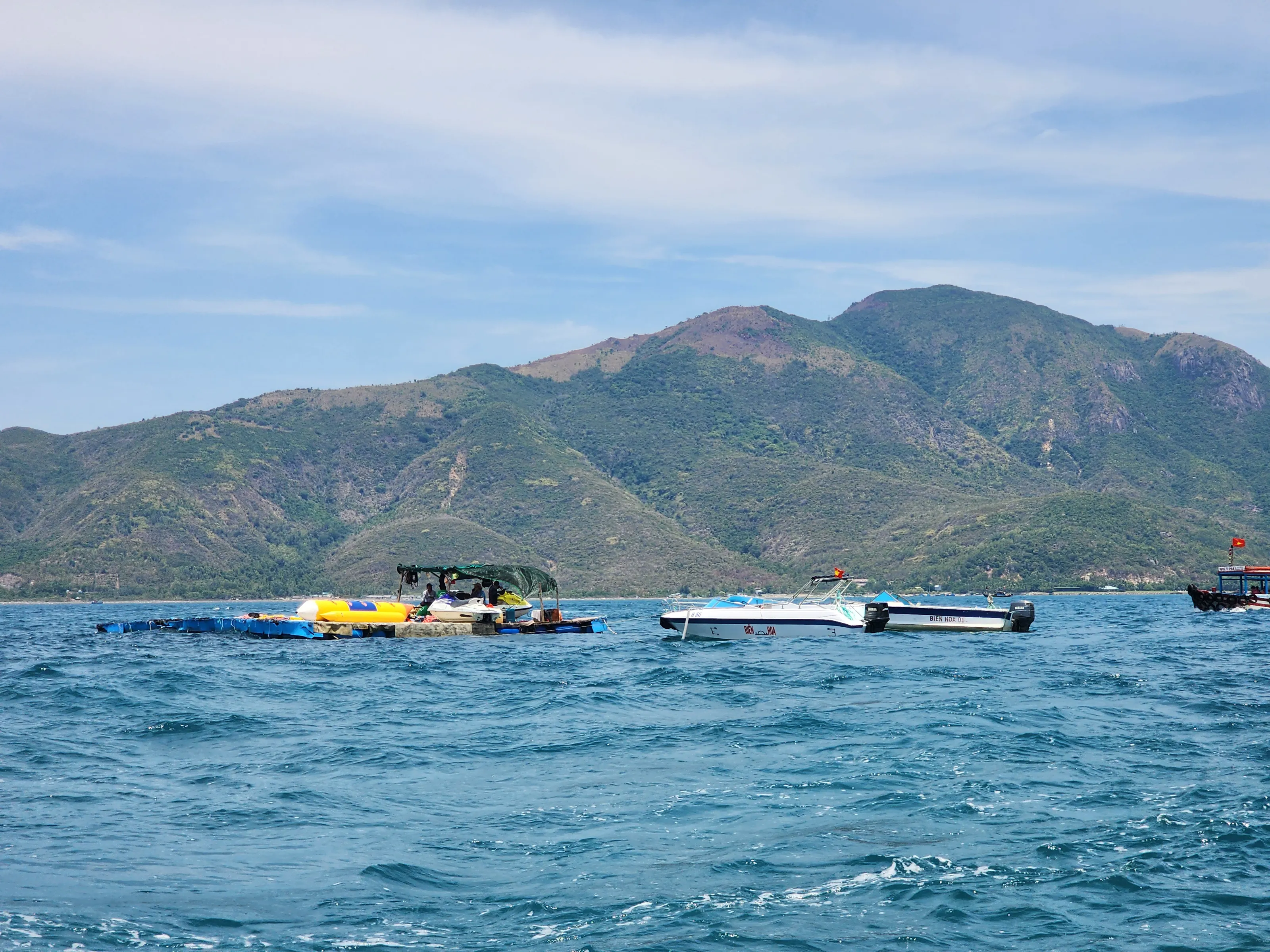
Vietnam
Nha Trang
Nha Trang: the bay, beaches, the Po Nagar Cham towers and diving, with price alerts on flights to Cam Ranh (CXR).
DiscoverFAQ
Frequently asked questions about Vietnam
Which airport do I fly into for Vietnam?
It depends on your route: Hanoi (HAN) for the north, Ho Chi Minh City (SGN) for the south, Da Nang (DAD) for the centre, Cam Ranh (CXR) for Nha Trang, and Phu Quoc (PQC) and Con Dao (VCS) for the islands. SniperAir tracks all six.
When is the best time to travel to Vietnam?
It depends on the region: October to April in the north, February to August in the centre, November to April in the south. Because the country is long you can almost always find a sunny coast, but the typhoon season mostly affects the centre in autumn.
Is travelling to Vietnam expensive?
On the ground, living costs are generally moderate, especially for street meals, bus rides and simple stays. The flight is the most variable item: choosing your dates and watching prices helps keep the bill down.
Do I need a visa for Vietnam?
It depends on your nationality: some countries enjoy a short-stay exemption, others must apply for an e-visa before leaving. Rules change, so check the official site and your government's travel advice.
How long should I spend in Vietnam?
Ten days are enough for half the country, for example Hanoi, Ha Long and Hue, or Ho Chi Minh City, the Mekong and an island. Allow two to three weeks to link north and south at an easy pace.
What should I see first?
Ha Long Bay and Ninh Binh for scenery, Hue and Hoi An for heritage, Ho Chi Minh City and Hanoi for urban energy and food, then Phu Quoc or Nha Trang for a few beach days.
How do I get alerted when a flight to Vietnam gets cheaper?
Create a SniperAir alert profile with your departure airport and Hanoi, Ho Chi Minh City or another Vietnamese city as the destination: we watch prices and notify you as soon as an opportunity matches. See how it works.
Ready to track fares to Vietnam?
Create an alert and let SniperAir do the rest.
Create my alert