
Travel to Oceania
Isolated islands, coral reefs and a corner of the world worth exploring — Oceania remains one of the most far-flung regions for a big trip. Discover the countries already covered by SniperAir.
Travel to Oceania
Australia, New Zealand and the islands of the Pacific
Oceania is one of the most varied and spectacular regions in the world. It brings together the vast landscapes of Australia, the mountains and fjords of New Zealand, and a huge collection of tropical islands scattered across the Pacific.
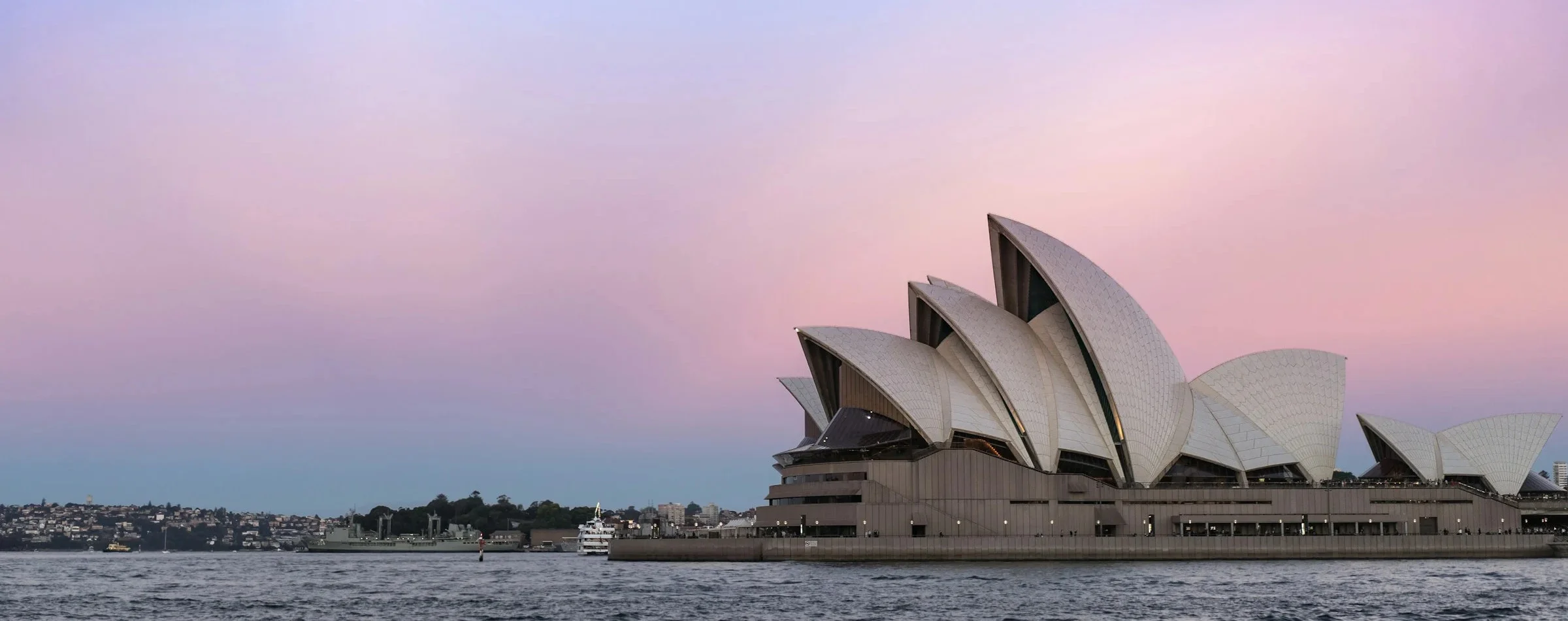
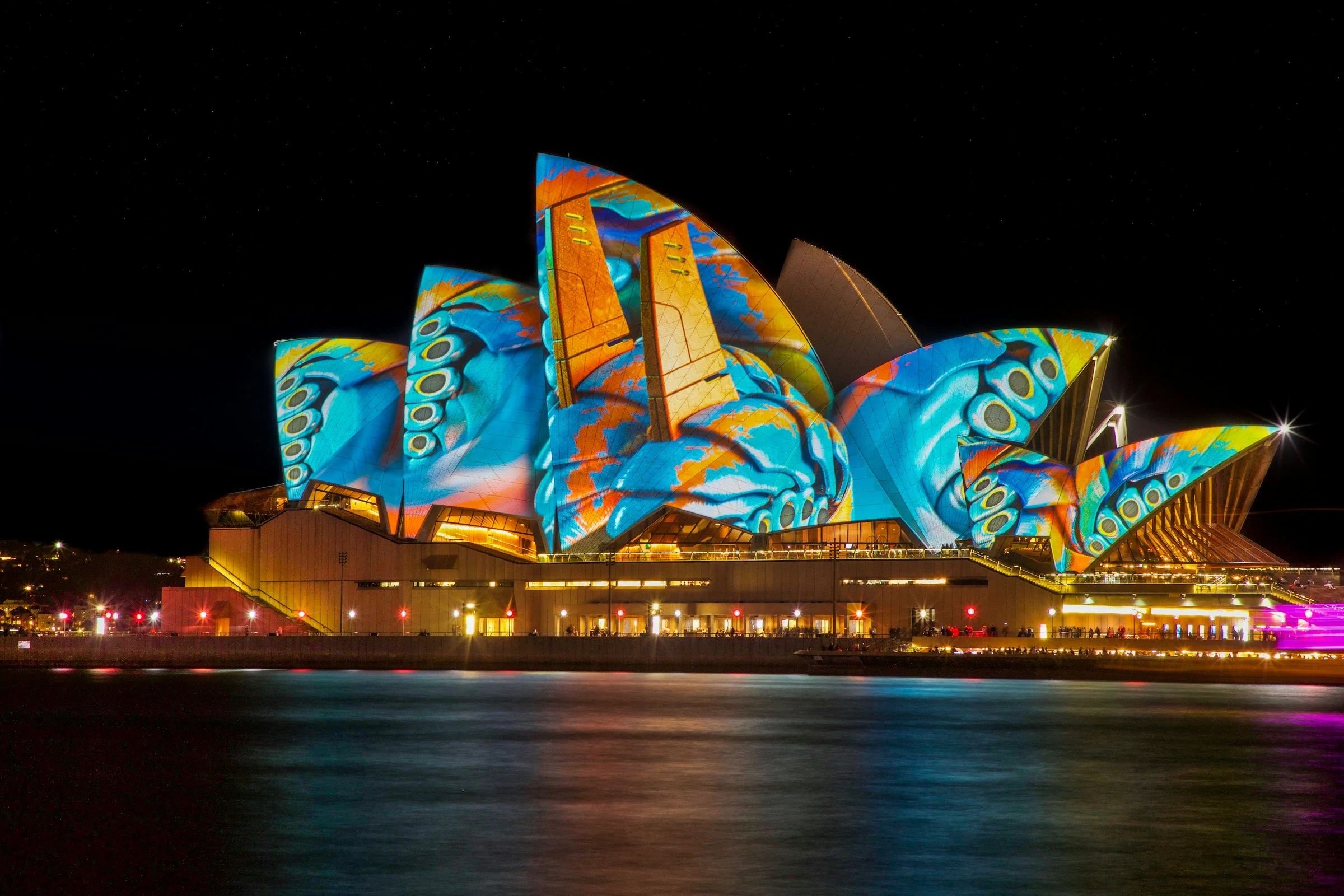
For many travellers, Australia is the natural starting point. Sydney combines an iconic harbour, beaches and urban life, while Melbourne is known for culture, food, neighbourhoods and a very different atmosphere. Further north, Queensland opens the door to tropical landscapes and the Great Barrier Reef, while the country's interior reveals the red landscapes of the Outback and destinations such as Uluru. Australia is also made for road trips: the east coast, the Great Ocean Road, Tasmania and Western Australia all offer completely different itineraries.
Australia is the sixth-largest country on Earth and the only nation that occupies an entire continent. Its Great Barrier Reef, the largest coral reef system on Earth, was listed by UNESCO in 1981, and the country now counts 21 World Heritage properties, including the Sydney Opera House, Uluru-Kata Tjuta, Kakadu, the Tasmanian Wilderness and the Wet Tropics of Queensland. Kakadu has been occupied for more than 40,000 years, and the Budj Bim landscape preserves an Aboriginal aquaculture system about 6,000 years old. Climbing Uluru has been permanently closed since 26 October 2019.
Across the Tasman Sea, New Zealand offers another kind of adventure. Auckland and Wellington can serve as city gateways, but much of the country's appeal lies outside the major urban areas. The North Island is known for volcanic landscapes, geothermal areas and Māori culture, while the South Island brings together mountains, lakes, glaciers and dramatic fjords. Destinations such as Queenstown, Rotorua, Milford Sound and the Southern Alps make New Zealand especially attractive to travellers interested in nature, hiking and outdoor activities.
New Zealand's North Island is known as the "smoking island", with active volcanoes, the geysers of Rotorua and a milder climate year-round, and Auckland, the "City of Sails", sits between two harbours on a field of dormant volcanoes. On the South Island, Milford Sound, the Southern Alps and Lake Wakatipu make a spectacular playground for hiking and adventure sports, with Queenstown as its adventure capital. The haka, pounamu (jade) carving and tā moko remain living pillars of New Zealand identity, and Marlborough and Central Otago rank among the country's great wine regions.
Then there is the wider Pacific. French Polynesia, Fiji, Samoa, Tonga, Vanuatu, the Cook Islands and New Caledonia all offer a very different pace of travel. Lagoon beaches, volcanic islands, coral reefs, tropical forests and strong local cultures make the Pacific far more than a simple beach destination.
New Caledonia's lagoon has been on the UNESCO World Heritage list since 2008 and ranks among the largest and most biodiverse in the world, with dozens of white-sand islets reachable by water-taxi from Nouméa. The Tjibaou Cultural Centre, designed by Renzo Piano and opened in 1998, is the best introduction to Kanak history, while the Isle of Pines and the Loyalty Islands show a wilder side of the archipelago. Tonga is the only kingdom in the Pacific never to have been colonised, and from July to October the calm waters around Vava'u are among the few places on Earth where swimming with humpback whales is permitted and regulated.
A journey through Oceania can therefore be a road trip, island escape, hiking adventure, luxury holiday, cultural journey or once-in-a-lifetime long-haul trip.
Available countries
Choose a country to discover its destinations
Australia
Sydney and 10 other airports already covered.
Explore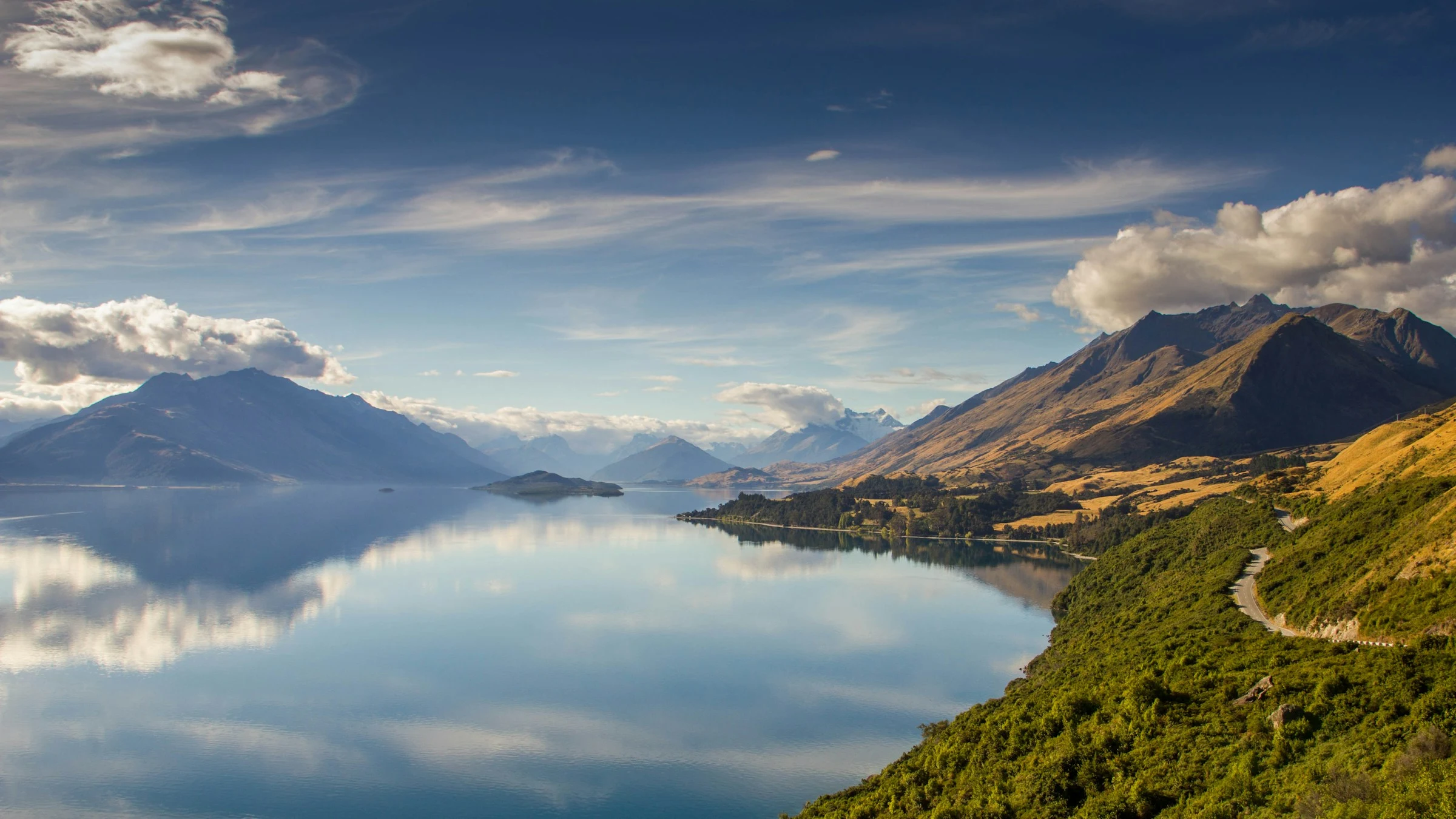
New Zealand
Auckland and 5 other airports already covered.
Explore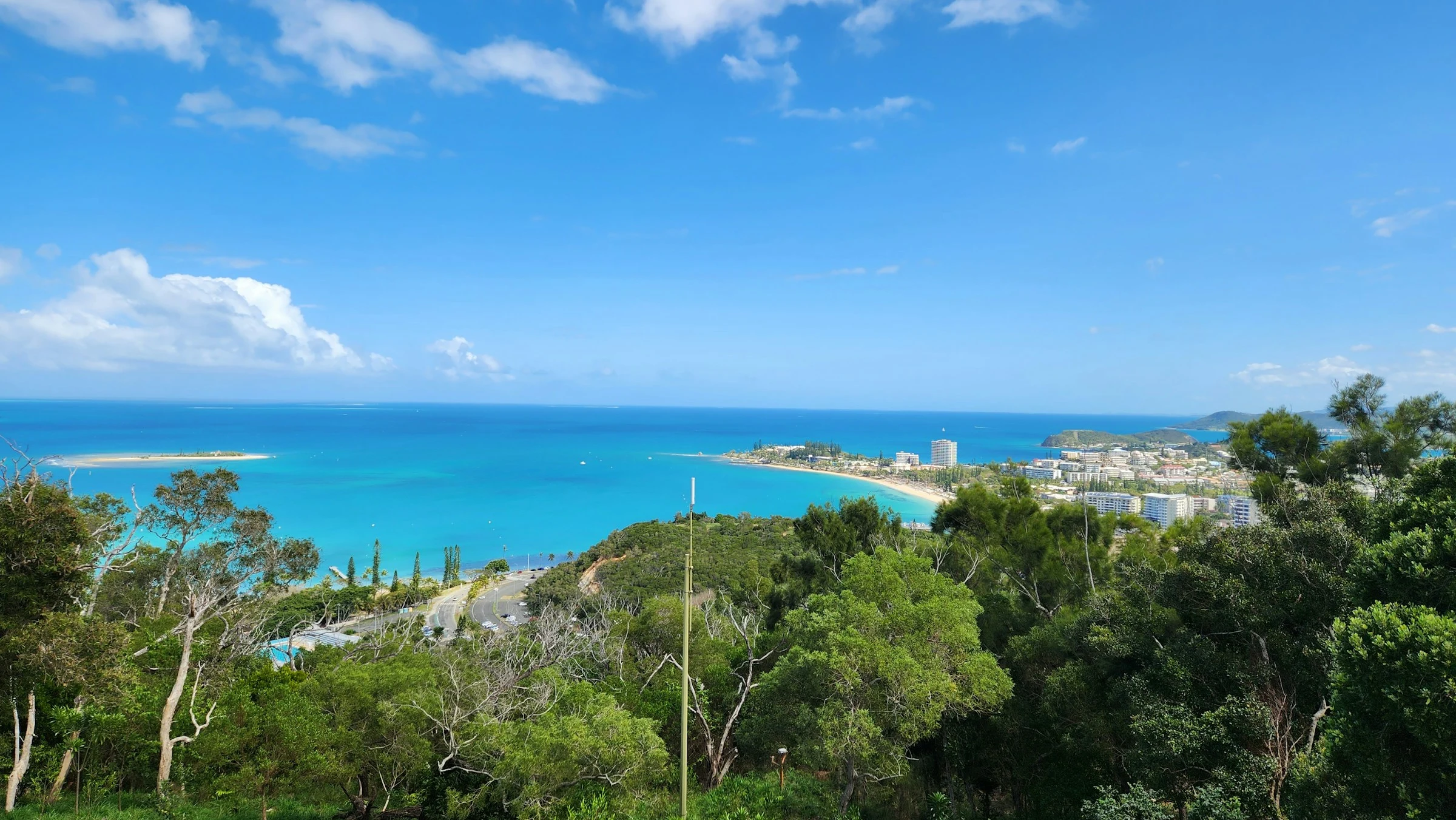
New Caledonia
Nouméa and its lagoon already covered.
Explore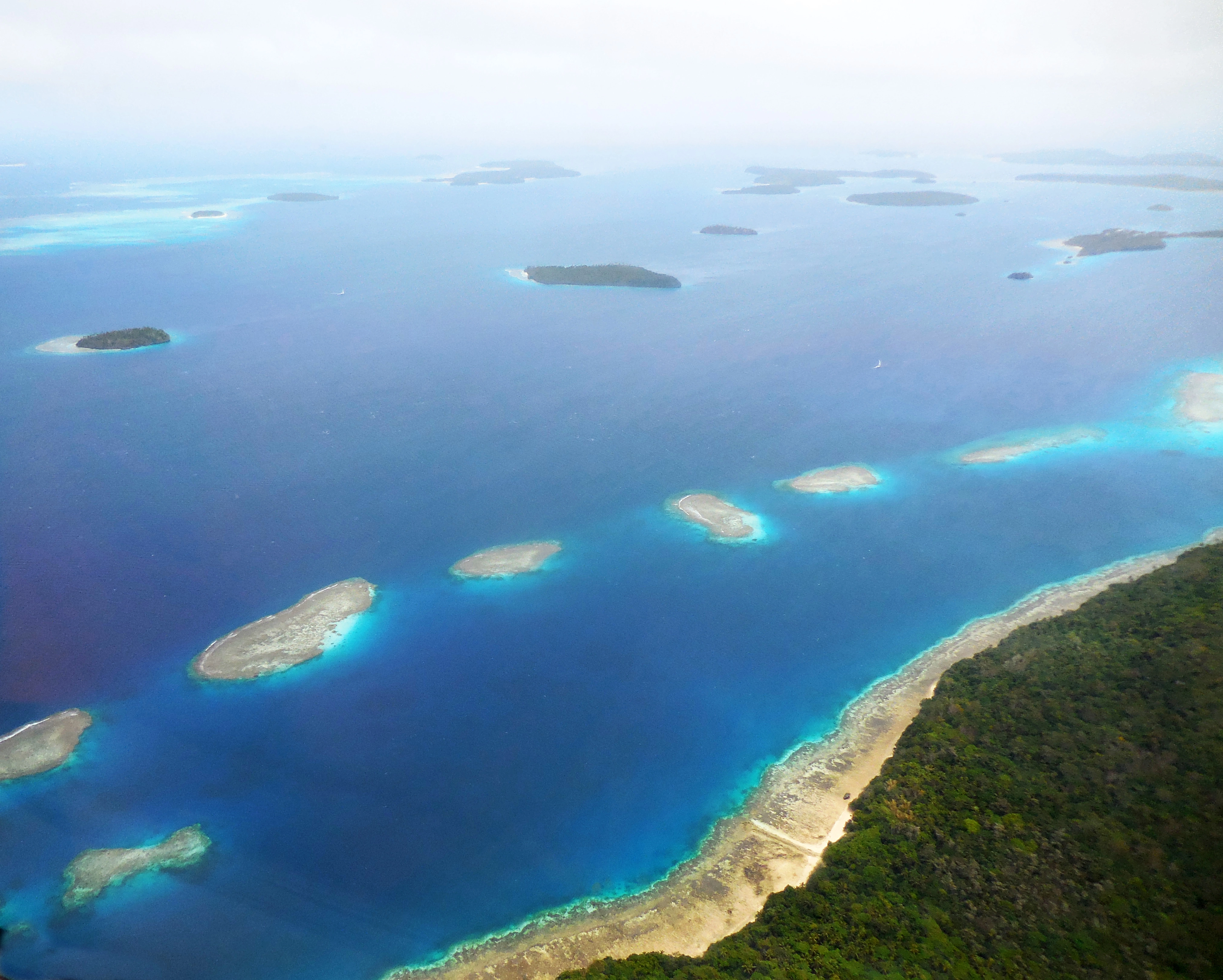
Tonga
Nuku'alofa and Vava'u already covered.
Explore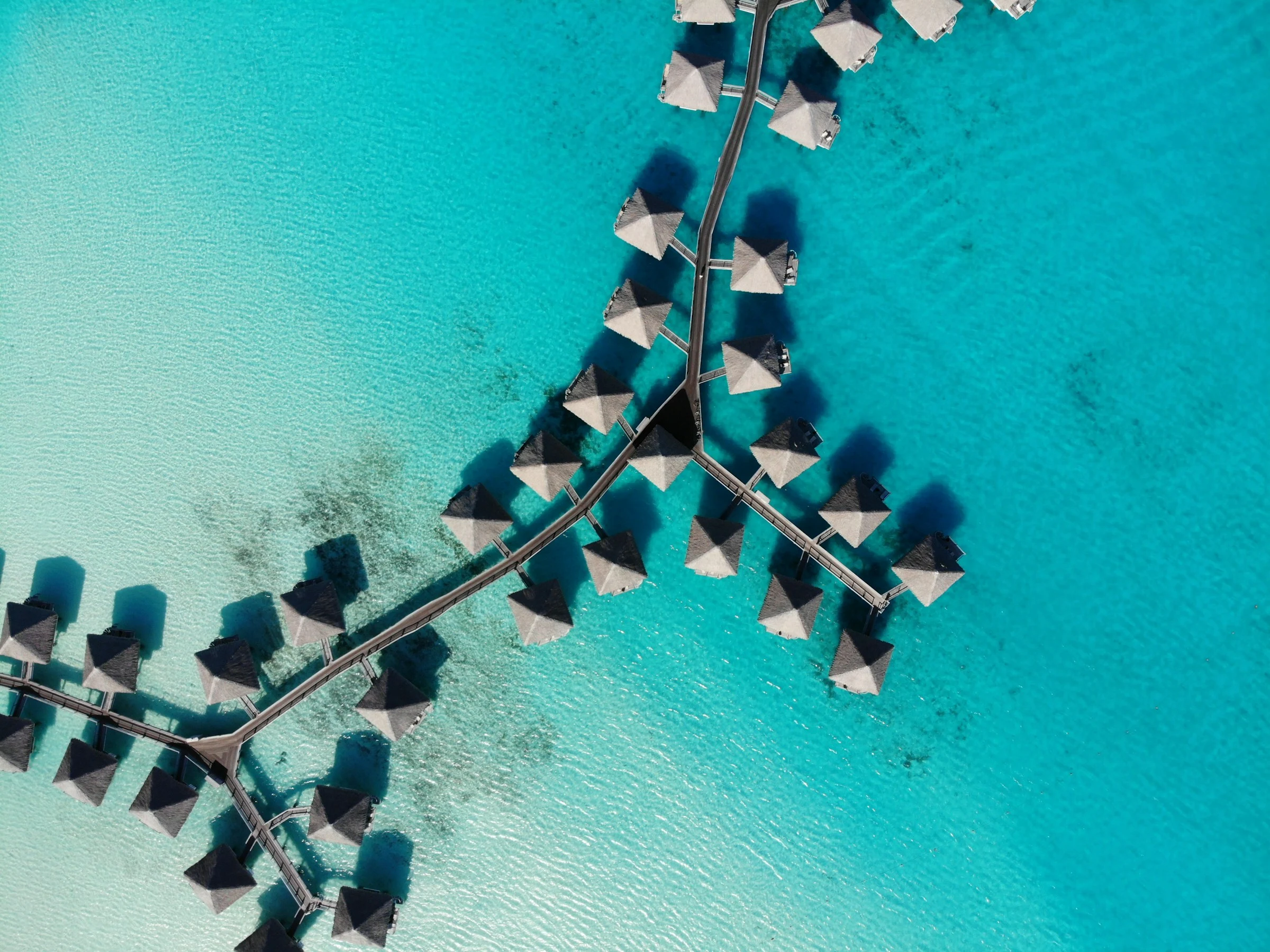
French Polynesia
Tahiti, Moorea and Bora Bora: three airports already tracked.
Explore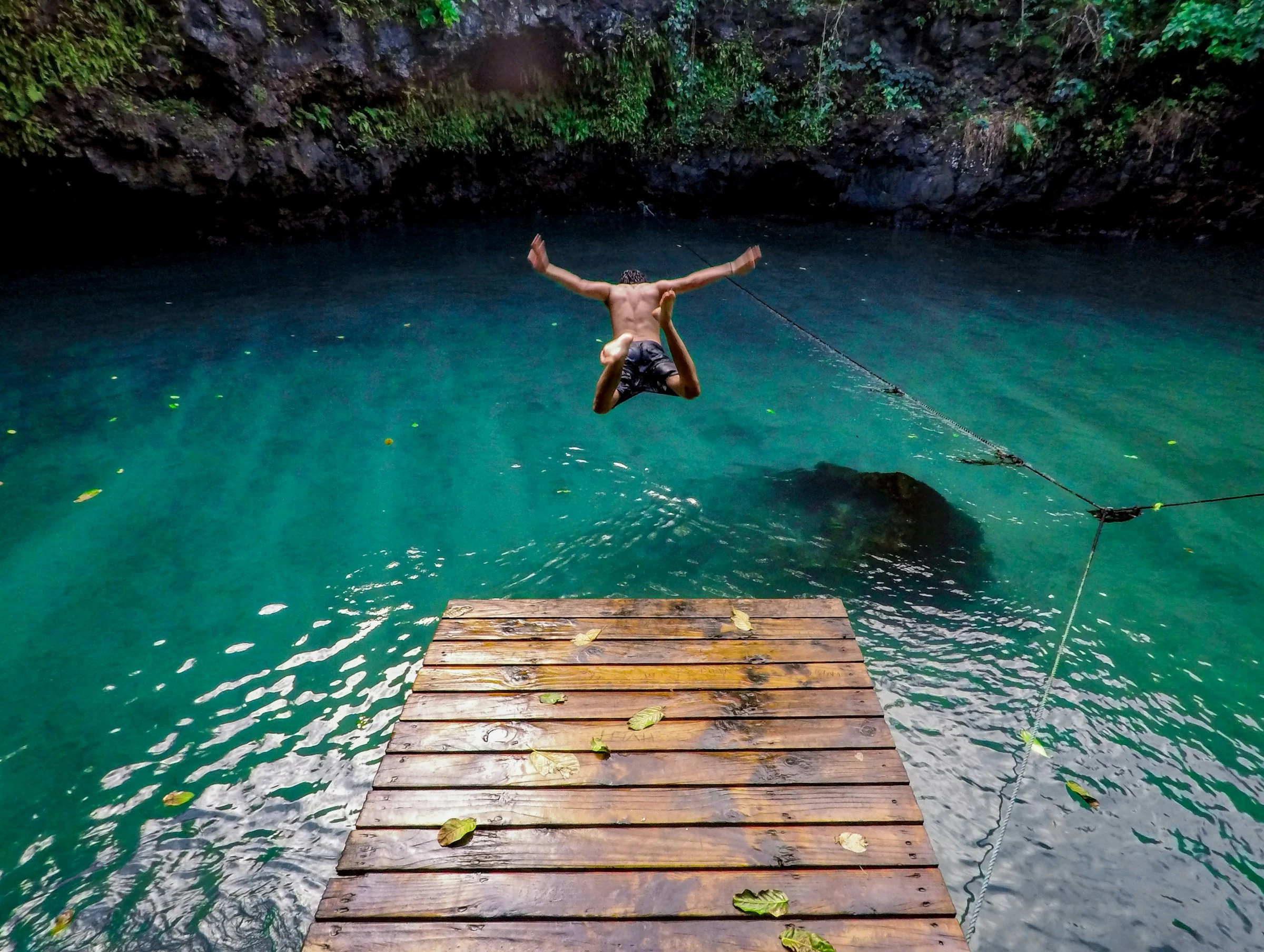
Samoa
Apia, Upolu and Savai'i: lagoons, waterfalls and fa'a Samoa.
Explore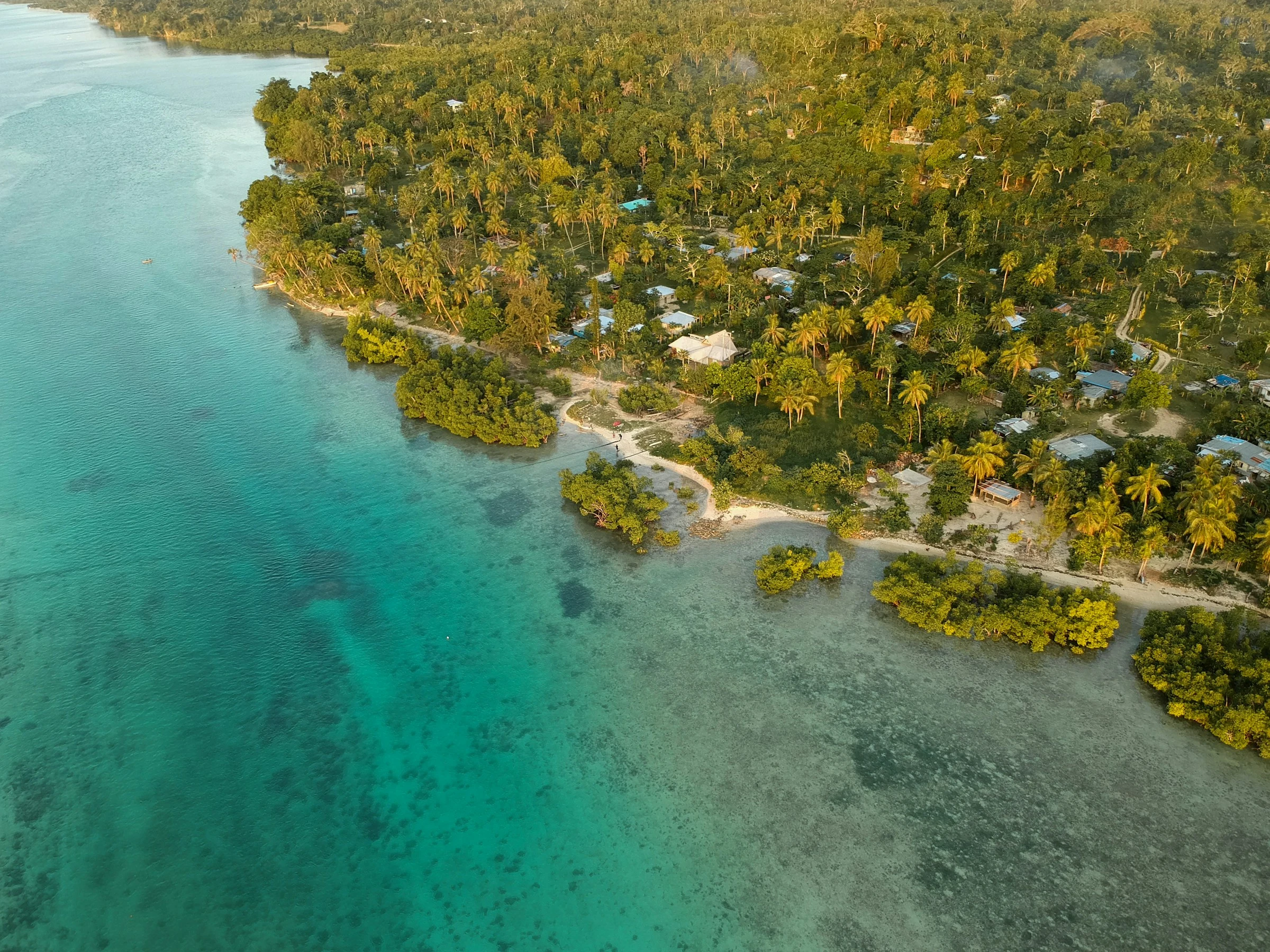
Vanuatu
Port Vila and Luganville: volcanoes, diving and villages.
Explore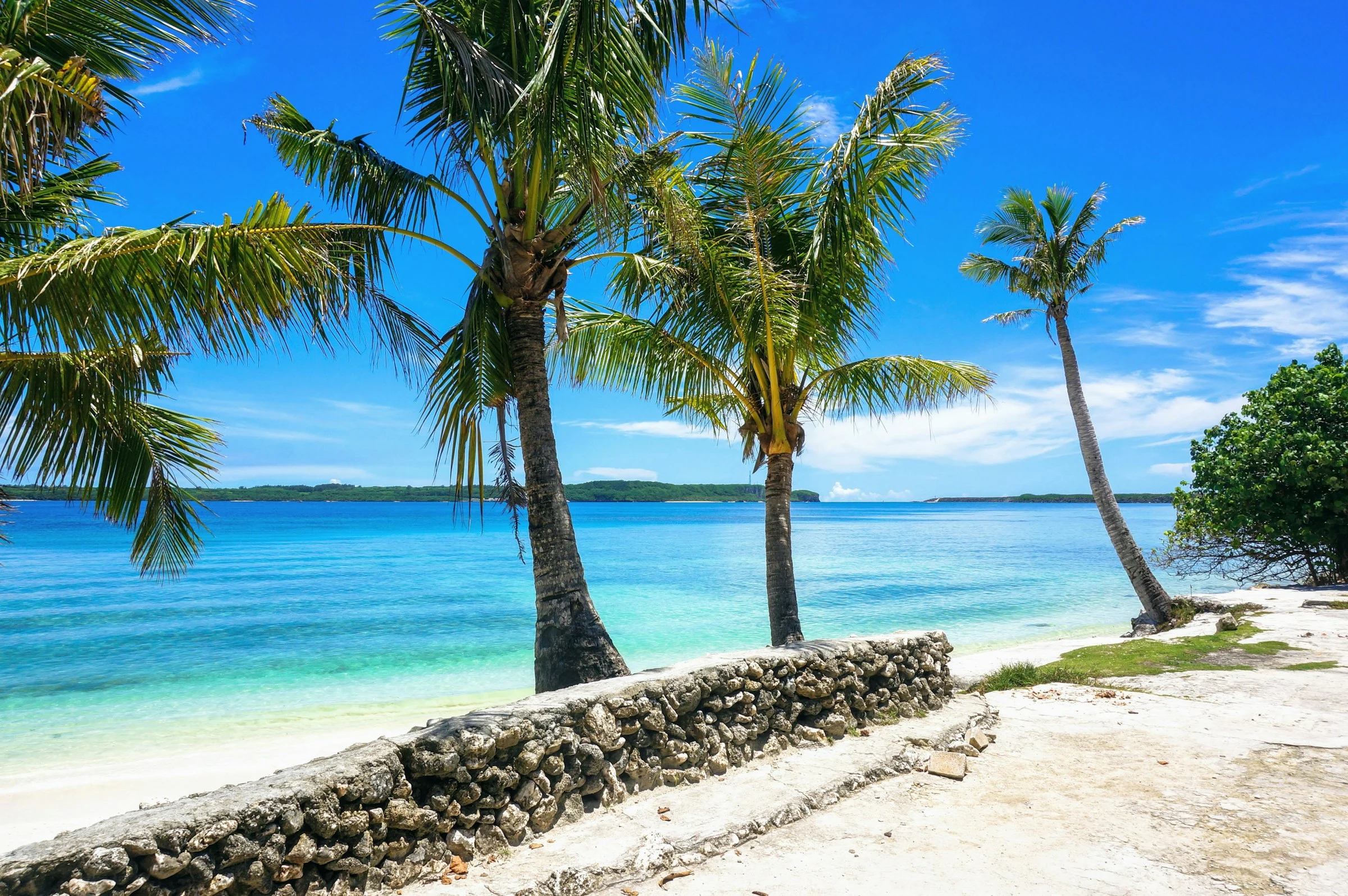
Guam
Tumon, Hagåtña and an airport already covered.
Explore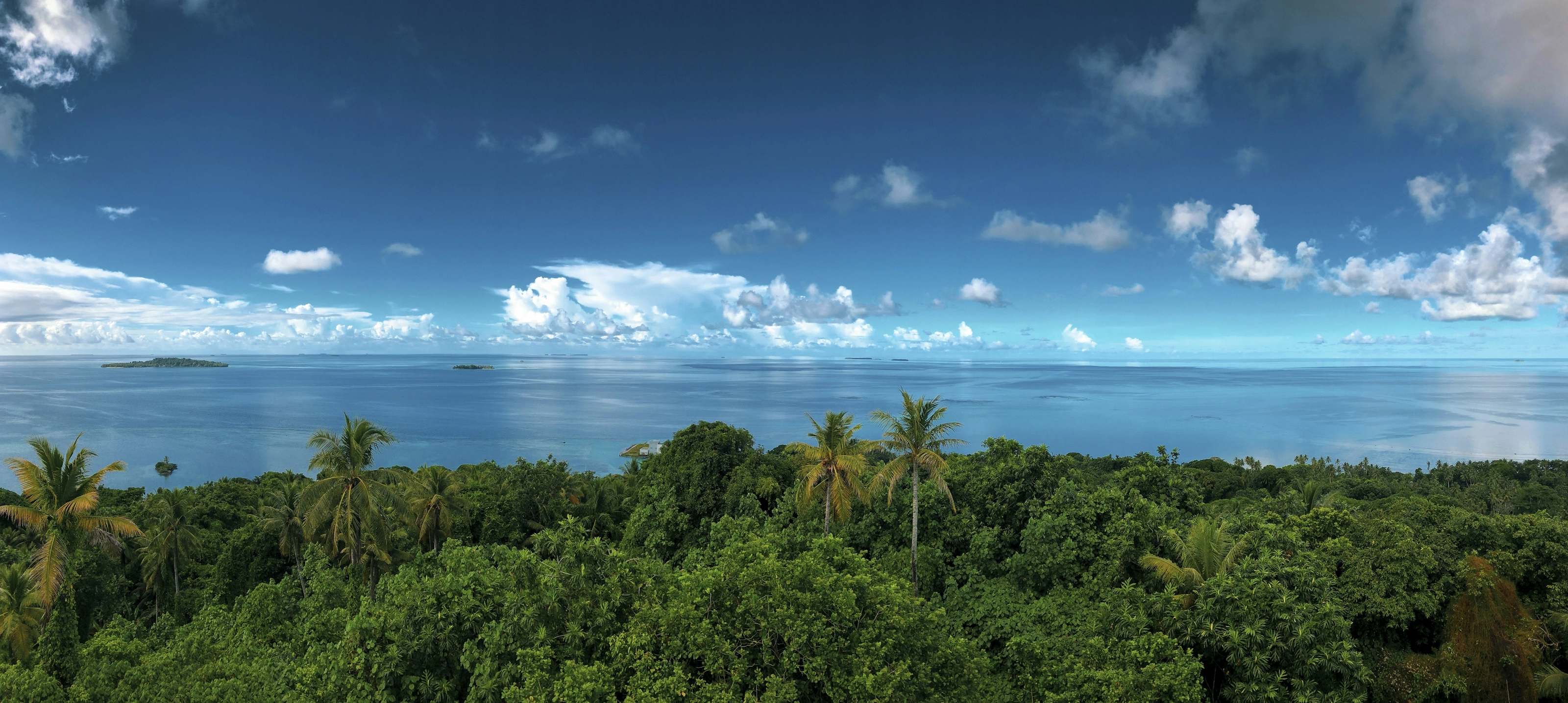
Micronesia
Yap, stone money and an airport already covered.
Explore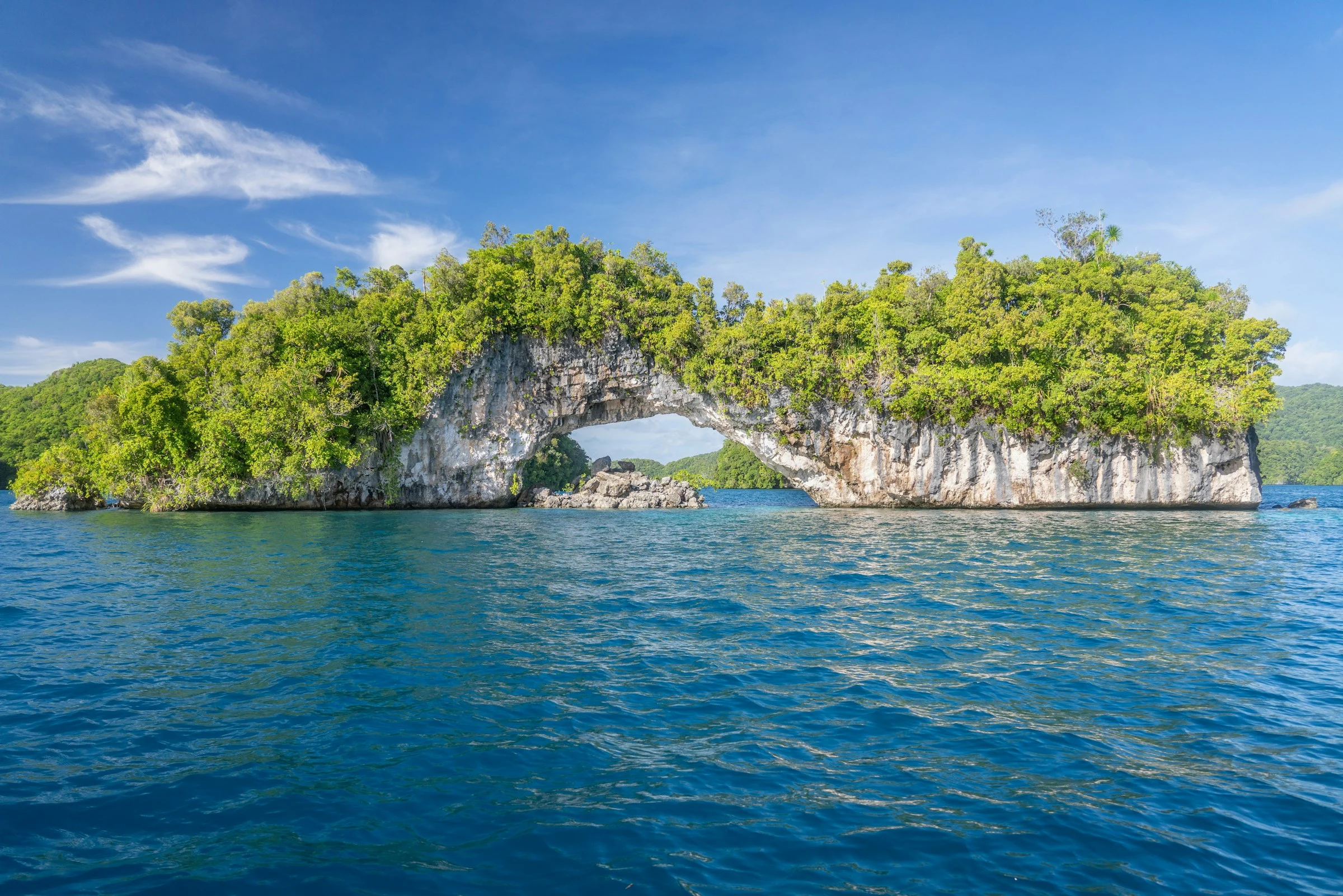
Palau
Koror and the Rock Islands: an airport already covered.
Explore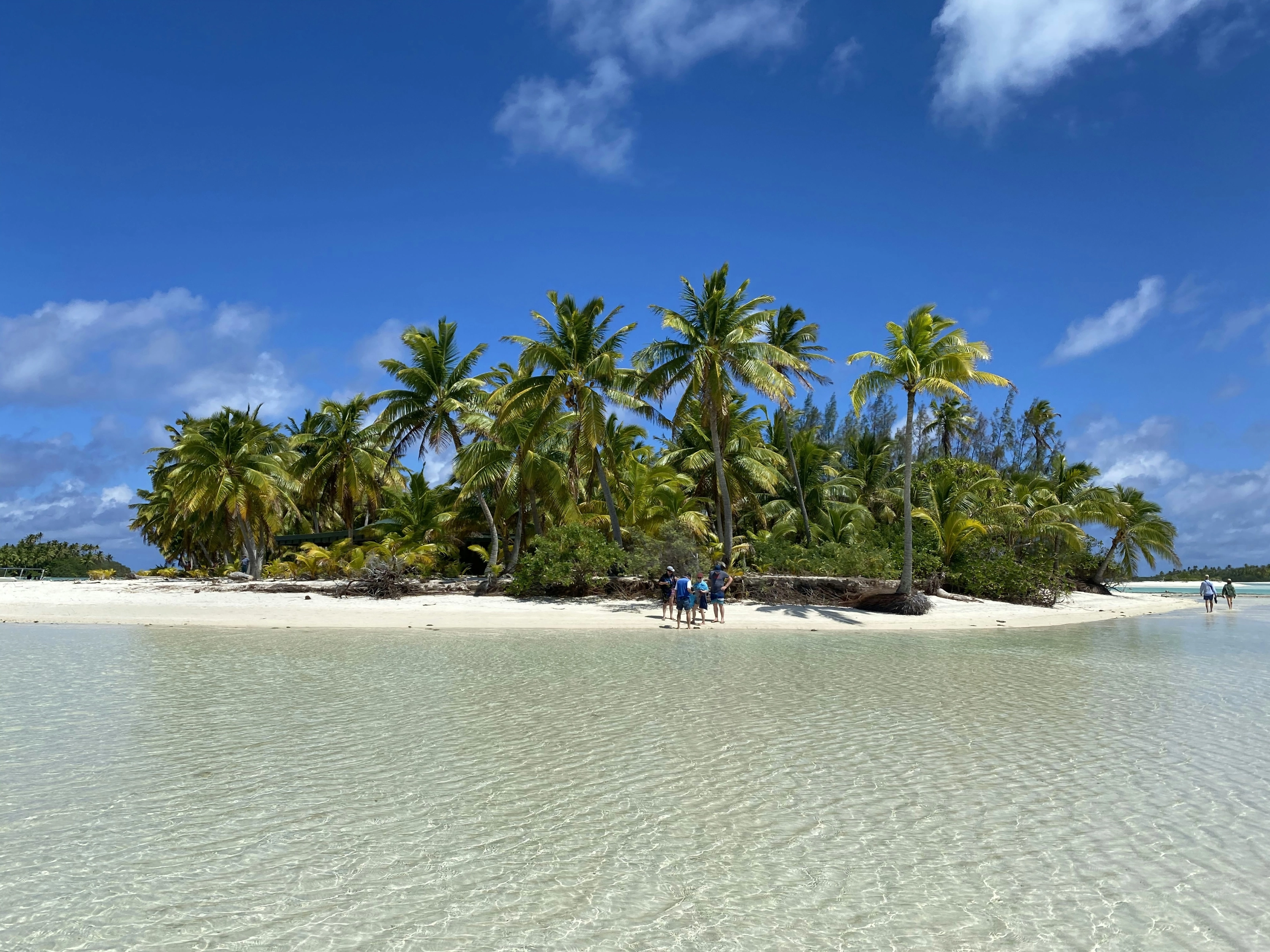
Cook Islands
Rarotonga, the gateway to the Cook Islands' lagoons.
ExploreMore Oceania countries will be added to this list over time.
Where to go in Oceania?
Choose the destination that fits your travel style
There is no single best destination in Oceania. The right choice depends on whether you are looking for adventure, beaches, nature or a more relaxed island experience.
For a road trip
Australia and New Zealand are the two obvious choices. In Australia, a road trip can follow the east coast, cross desert landscapes, explore Tasmania or connect major cities with national parks and beaches. The distances are often large, which makes route planning especially important.
Distances can be surprisingly large. The Great Ocean Road follows 243 km of coastline, and the Twelve Apostles lie about 275 km from Melbourne, roughly four hours by road, which is why many travellers allow more than a day.
New Zealand offers a more compact road-trip experience. Scenic roads, mountain passes, lakes and small towns make driving part of the journey itself. The South Island is especially popular for travellers who want dramatic landscapes, while the North Island combines volcanic regions, beaches and Māori culture.
For beaches and tropical islands
The Pacific islands are ideal for travellers looking for warm water, lagoons and a slower pace. Tahiti, Moorea and Bora Bora are among the best-known destinations in French Polynesia. Fiji offers a mix of resorts, local islands, diving and sailing. The Cook Islands, Samoa, Tonga and Vanuatu provide different combinations of beach, culture, volcanoes and more remote island experiences. New Caledonia adds another mix of lagoon landscapes and Pacific culture.
Timing matters in the Southern Hemisphere, where the seasons are reversed. Summer runs from December to February and winter from June to August. In tropical northern Australia the dry season from May to October is best, with the wet season and cyclones roughly from October to April, and box jellyfish are a risk on Queensland's coast from November to May. The Red Centre is best from April to October, while Tasmania is at its best from December to February.
For nature and outdoor adventure
Oceania is a dream region for travellers who prefer landscapes to cities. New Zealand offers mountains, fjords, lakes, geothermal areas and hiking routes. Australia adds deserts, rainforests, reefs, coastal national parks and remote wilderness. The Pacific islands contribute volcanic scenery, coral ecosystems and tropical forests. For outdoor travellers, the region can support activities ranging from hiking and diving to kayaking, surfing and wildlife experiences.
Australia is also home to wildlife found nowhere else: about 84 percent of its mammals and 85 percent of its flowering plants are endemic. Spring from September to November and autumn from March to May usually balance weather and prices, and bushfire season, from November to March in several southern states, deserves attention when planning a summer trip.
For Pacific culture
Oceania is not only about scenery. Aboriginal cultures in Australia, Māori traditions in New Zealand and the many cultures of the Pacific islands are central to understanding the region. Language, navigation, dance, art, food and relationships with land and sea vary greatly from one destination to another. Travelling through Oceania can therefore be just as much about cultural discovery as beaches and landscapes.
In Tonga, the Royal Palace in Nuku'alofa, built in 1867, embodies a living constitutional monarchy, and Talamahu Market is the best place to find woven mats and carvings, busiest on Saturday mornings before the constitutionally mandated Sunday rest. In New Caledonia, the Port-Moselle market in Nouméa brings local produce and Kanak crafts together every weekend. These details are worth keeping in mind when planning how much time to give each island.
Cheap flights to Oceania
Find cheap flights to Oceania with SniperAir
For many European travellers, the flight is one of the biggest parts of the total budget for a trip to Oceania. Routes to Sydney, Melbourne, Auckland, Brisbane, Perth, Papeete or Nadi are long, and many itineraries involve one or more connections. That means airfare can vary considerably depending on the departure airport, travel dates, route, airline and stopover options.
This is where SniperAir becomes especially relevant.
Instead of repeatedly checking the same long-haul flight, SniperAir monitors price movements and helps identify cheap flight opportunities to Oceania when they appear.
Flexibility can be particularly valuable. A traveller planning Australia may monitor Sydney, Melbourne, Brisbane and Perth rather than committing immediately to one city. For New Zealand, Auckland and Christchurch can work for very different itineraries. And for a Pacific island holiday, travellers may remain open between French Polynesia, Fiji, the Cook Islands or other island destinations depending on the opportunities available.
Finding the fare at the right price is what SniperAir does: it spots the opportunity, and you then book directly with the airline or the partner agency. In a region where simply changing the arrival city can lead to a completely different itinerary, a good fare to Sydney can become the start of a trip across Australia, a deal to Auckland can open the door to a New Zealand road trip, and a drop to Papeete can turn a tropical holiday into a real journey through Polynesia.
To widen your chances of finding a better fare, it can help to:
- monitor several departure airports;
- compare different cities in Australia and New Zealand;
- keep several Pacific island destinations open;
- compare different travel periods;
- consider different stopover routes;
- set a maximum airfare budget.
This changes the traditional flight-search question. Instead of asking only "How much is a flight to Sydney today?", you can also ask "Which destination in Oceania becomes interesting when the right fare appears?" That is exactly where SniperAir becomes useful.
Whether you are dreaming of Australia, New Zealand, French Polynesia, Fiji, the Cook Islands or another Pacific island, choose your preferred destinations and budget and let SniperAir monitor cheap flights and worthwhile travel opportunities.
Your next trip to Oceania could already be a great deal.
SniperAir tracks prices to help you travel at the best time.