
Traveling to Croatia
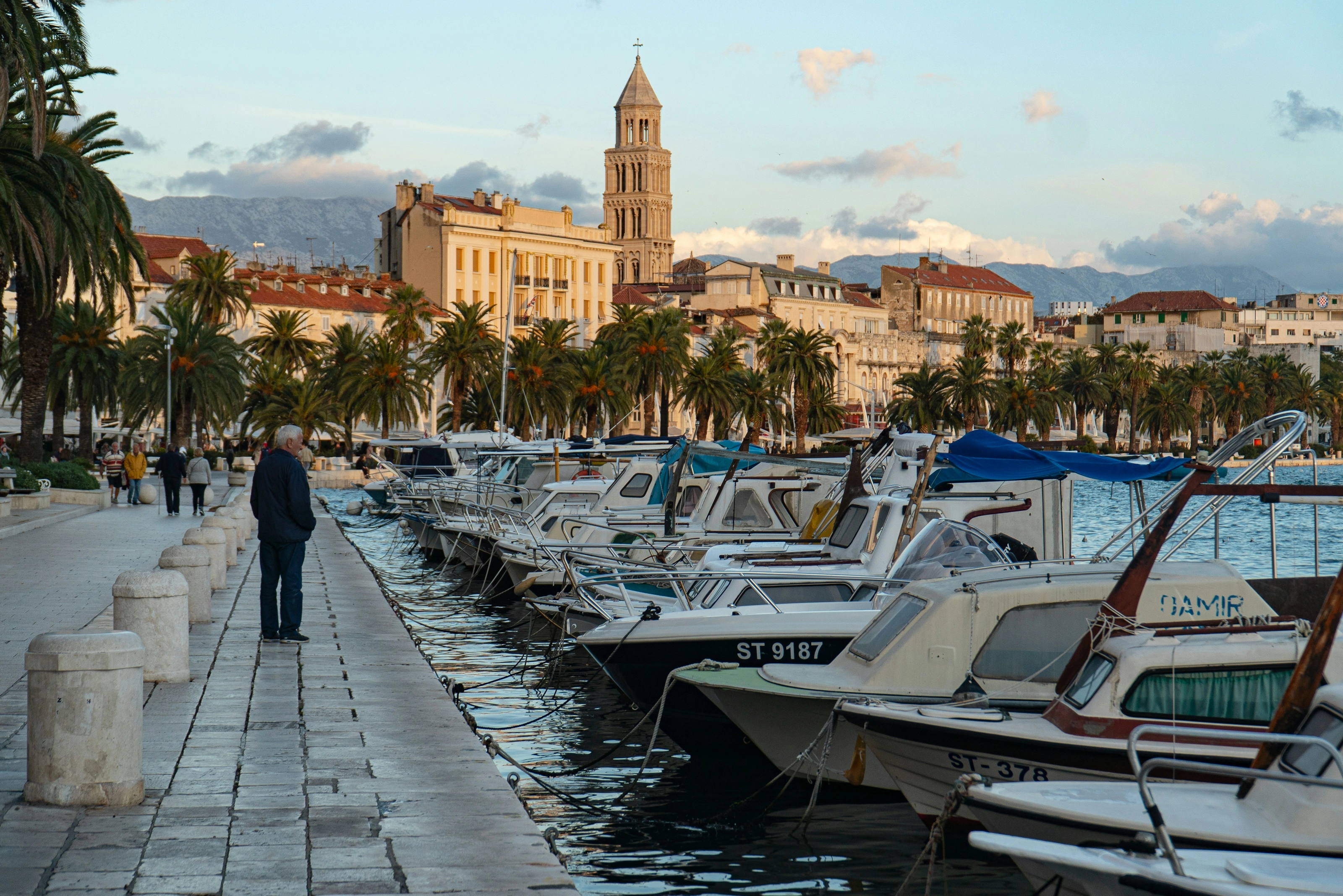
Reducing Croatia to its beaches would mean missing what makes it fascinating. The country reads as a string of landscapes and histories: a Roman palace still inhabited in Split, Venetian ramparts in Zadar, an amphitheatre and Austro-Hungarian heritage in Pula, a port city's memory in Rijeka. Here's what to know before you go.
Croatia in numbers
Capital
Zagreb
Population
3.82-3.88 M
Currency
Euro (EUR)
Language
Croatian
UNESCO sites
10
Continent
Europe
Time zone
UTC+1 (CET)
Airports covered
6
Why visit Croatia
Five gateways, five ways to read the country
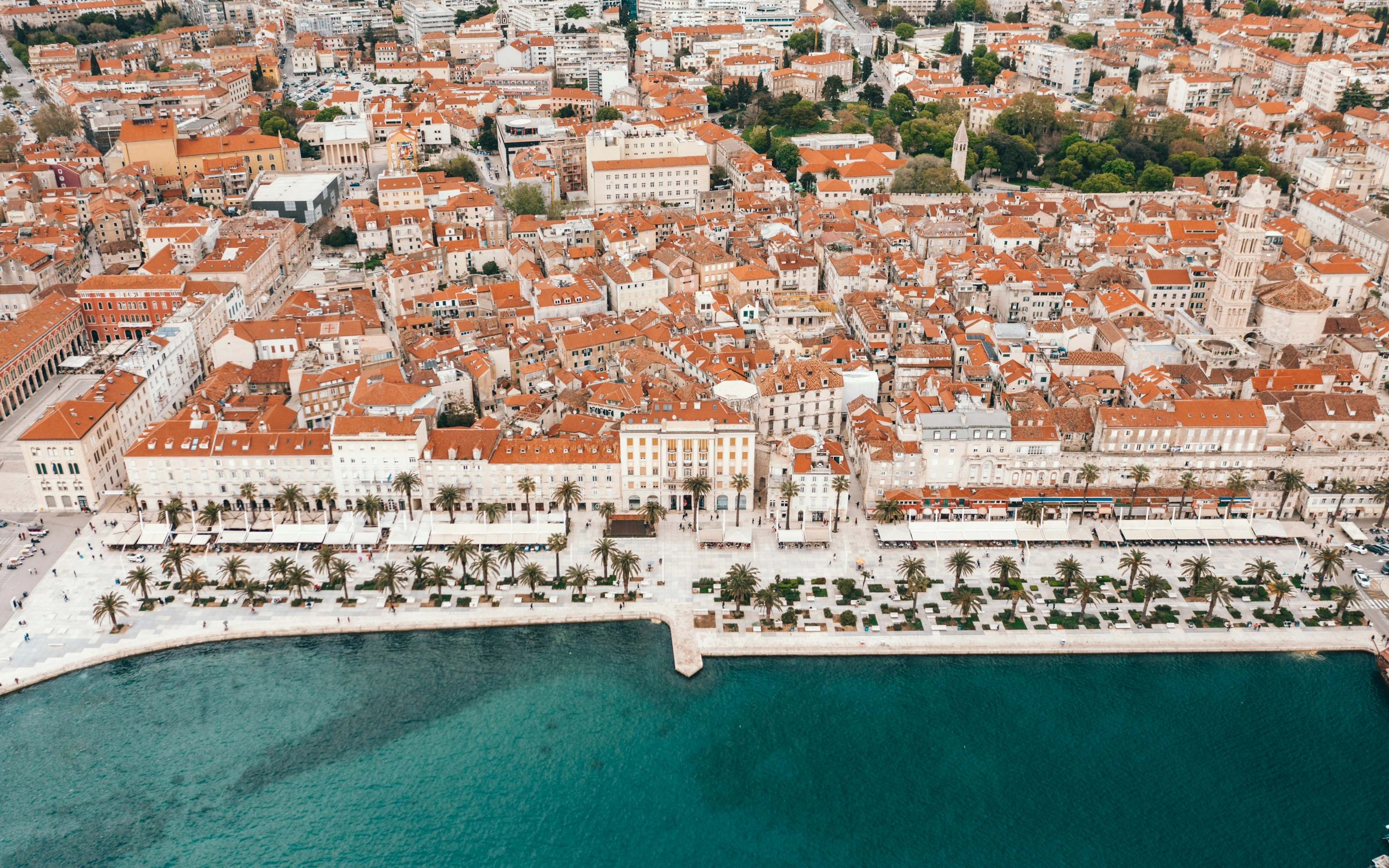
Split and Diocletian's Palace
A UNESCO-listed historic centre built into and around a Roman palace that is still inhabited today.
Zadar, two millennia of urbanism
Venetian ramparts, Roman ruins and contemporary art installations facing the Adriatic sunset.
Pula, Rome in Istria
One of the world's best-preserved Roman amphitheatres, amid coves and peninsula gastronomy.
Rijeka, a Central European port city
Industrial and Mediterranean identity, an ideal base for the Kvarner and its winter Winter Pass.
Traveling to Croatia
Six airports covered by SniperAir
Split Airport
The gateway to central Dalmatia and Diocletian's Palace.
Zadar Airport
Access to northern Dalmatia and the Kornati archipelago.
Dubrovnik Airport (Čilipi)
The gateway to the Pearl of the Adriatic.
Pula Airport
Access to Istria, its coves and its gastronomy.
Rijeka Airport
The gateway to the Kvarner, on the island of Krk.
Zagreb Airport (Franjo Tuđman)
Located in Velika Gorica, it serves the capital and the Turopolje.
SniperAir already tracks prices to the country's main gateways.
SniperAir destinations in Croatia
Discover our destination pages
More Croatian cities will progressively join this list.
FAQ
Frequently asked questions about Croatia
What's the best airport to arrive in Croatia?
It depends on the region: Split for central Dalmatia, Zadar for northern Dalmatia, Dubrovnik for the south, Pula for Istria, Rijeka for the Kvarner and Zagreb for the capital.
Is Croatia more than just beaches?
Yes — Roman archaeology, Venetian fortifications, Rijeka's industrial heritage and the wooden architecture of the Turopolje broadly complement the coastline.
What currency is used in Croatia?
The euro, since the country joined the eurozone on 1 January 2023.
Can you visit Croatia without a car?
Yes in Split, Zadar and Rijeka, especially for the urban centres. Pula remains possible by public transport, but a car makes Istrian villages easier to reach.
How do I get alerted when a flight to Croatia drops below my budget?
Create a SniperAir alert profile with your departure airport and your Croatian destination: we track prices for you and notify you as soon as a deal matching your criteria appears.
Ready to track prices to Croatia?
Create an alert and let SniperAir do the rest.
Create my alert