
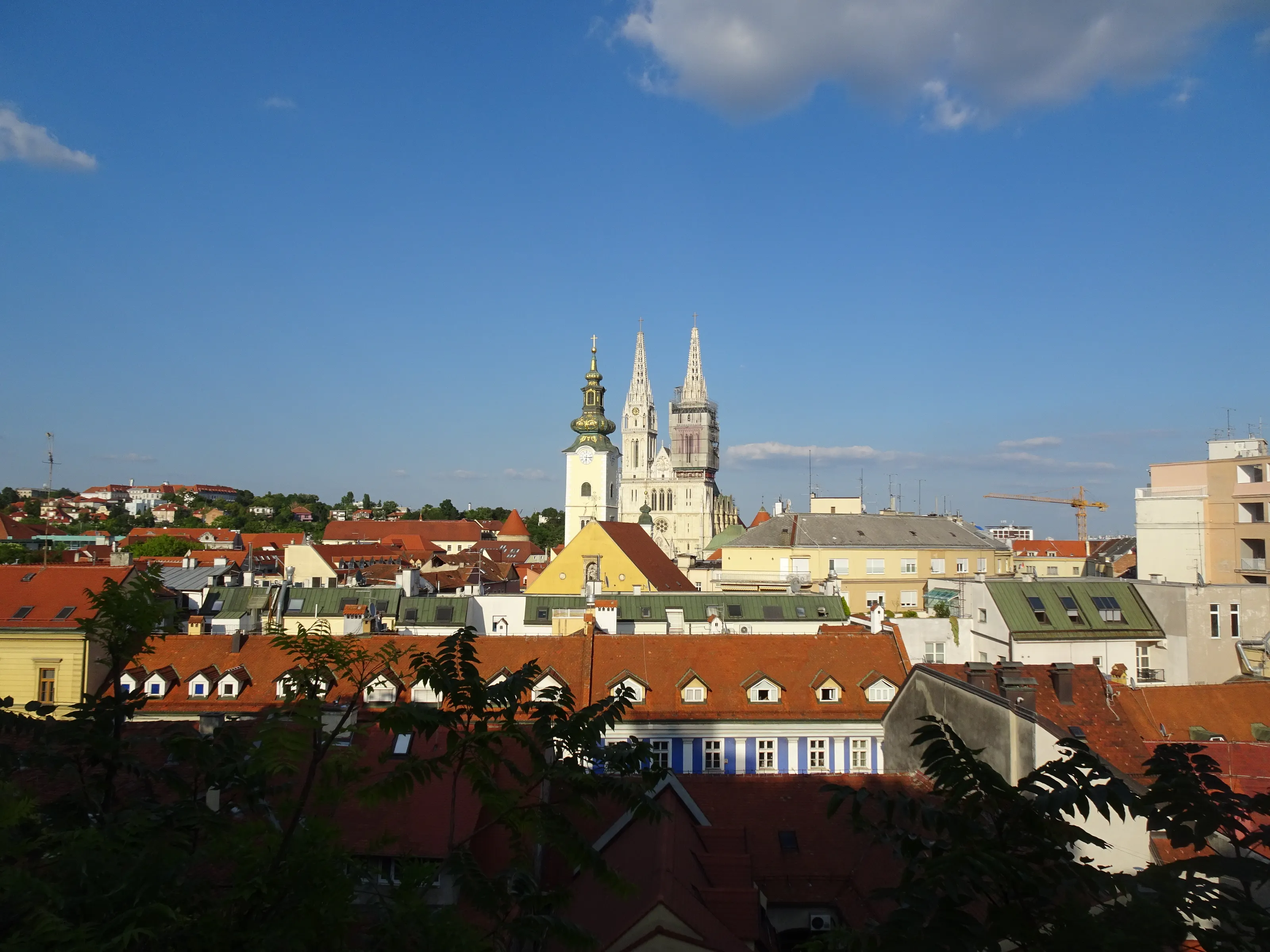
Cheap flights to Zagreb
Set your departure airport and maximum budget: SniperAir tracks prices to Zagreb and alerts you the moment a deal matching your criteria appears.
Quick summary
Country
Croatia
Continent
Europe
Airport
ZAG
Currency
Euro (EUR)
Time zone
UTC+1 (UTC+2 in summer)
Deals already spotted to Zagreb
Real flight examples detected by SniperAir, with their reference price.
Loading examples…
Why watch Zagreb with SniperAir
A Central European capital worth catching at the right moment
Choose your departure
Enter your departure airport and your maximum budget for a flight to Zagreb (ZAG).
SniperAir watches
Our systems continuously compare new prices with the route's real price history. SniperAir monitors prices and alerts you; it does not sell or book tickets.
You get an alert
As soon as a price matches your criteria, you are notified without having searched anything yourself.
Zagreb is Croatia's capital and the only Croatian city whose metropolitan area passes a million people. It stands apart from the coast with an Austro-Hungarian face: a medieval Upper Town, a 19th-century Lower Town, parks, cafés and a string of surprising museums. Flight prices swing with the season, especially around Advent, so an alert helps you catch a good fare.
Airport and getting into town
A south-east airport linked by bus, city bus and taxi
Franjo Tuđman Airport, Zagreb (ZAG)
Zagreb Airport is at Pleso, about 17 km south-east of the centre. A shuttle bus reaches the main bus station in roughly half an hour, according to Wikivoyage; the cheaper ZET city bus 290 also serves the town, and taxis or ride-hailing take about the same time outside rush hour. The main railway station, a neo-classical building from 1892, is in the centre beside the tram stops.
Distances and times are approximate, based on Wikivoyage (EN, FR); bus timetables change. We do not quote fares.
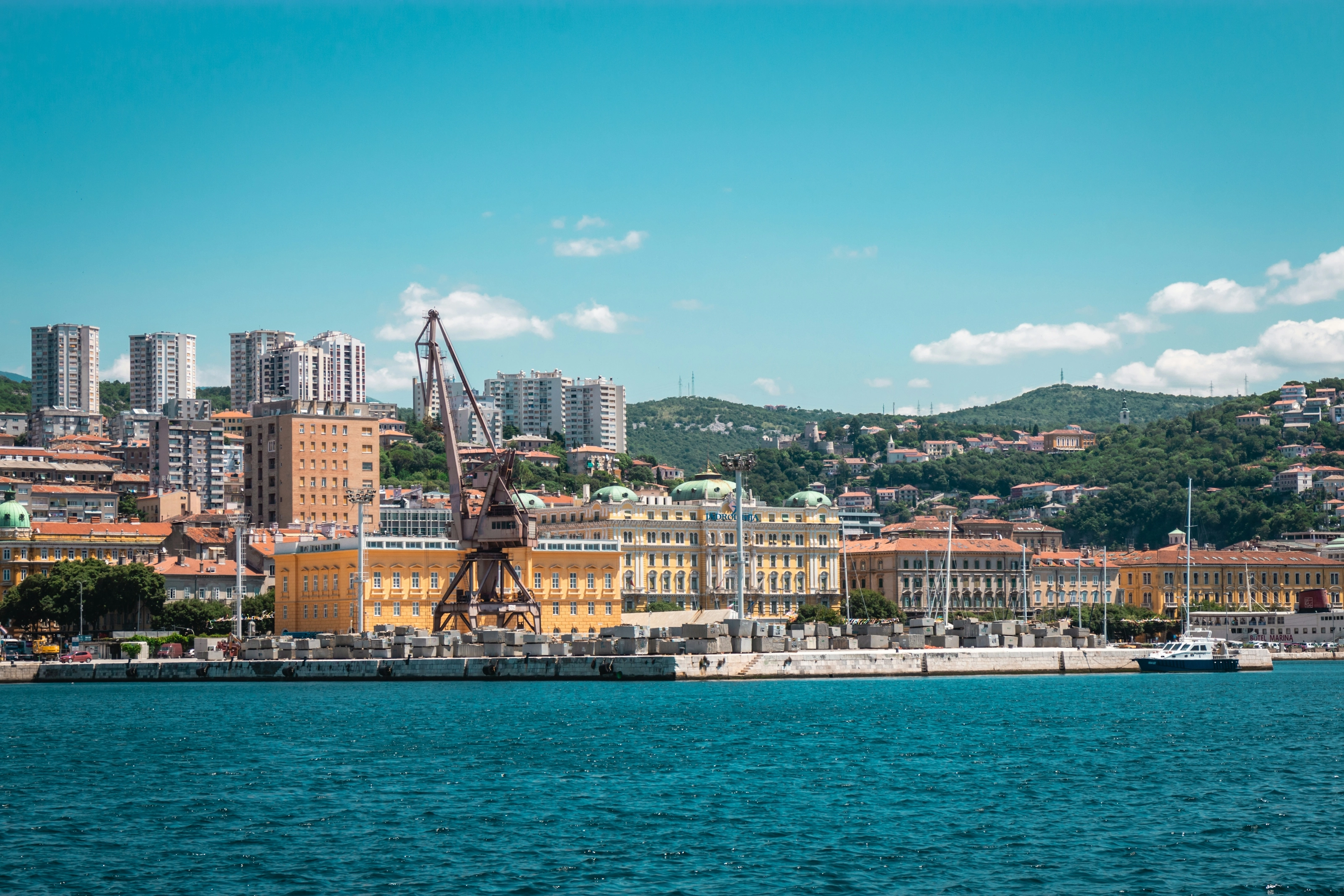
Almost every Croatian motorway starts or ends in Zagreb, and trains link it with Ljubljana in about two and a half hours. Domestic trains are slow, so many people take the coach to the coast. For comparison, the nearby airports of Ljubljana, Graz or Rijeka can be watched as well.
Upper Town, Lower Town and landmarks
Two twin towns united in 1850
Zagreb grew from two neighbouring settlements: Kaptol, seat of a diocese founded in 1094, and Gradec, a merchant town that received a Golden Bull in 1242. They have been one city only since 1850. The Upper Town (Gornji Grad) keeps its medieval lanes; the Lower Town (Donji Grad) unrolls its squares and horseshoe of parks. The places below have photos; Dolac market, the funicular and Mirogoj cemetery are covered in text.
The cathedral and its twin spires
The city's symbol, the cathedral in the Kaptol district raises two neo-Gothic spires above the rooftops. The present building dates from 1906, according to Wikivoyage. It was damaged in the earthquake of 22 March 2020 and scaffolding capped its towers for a long time, so check access before you come.
St Mark's Church
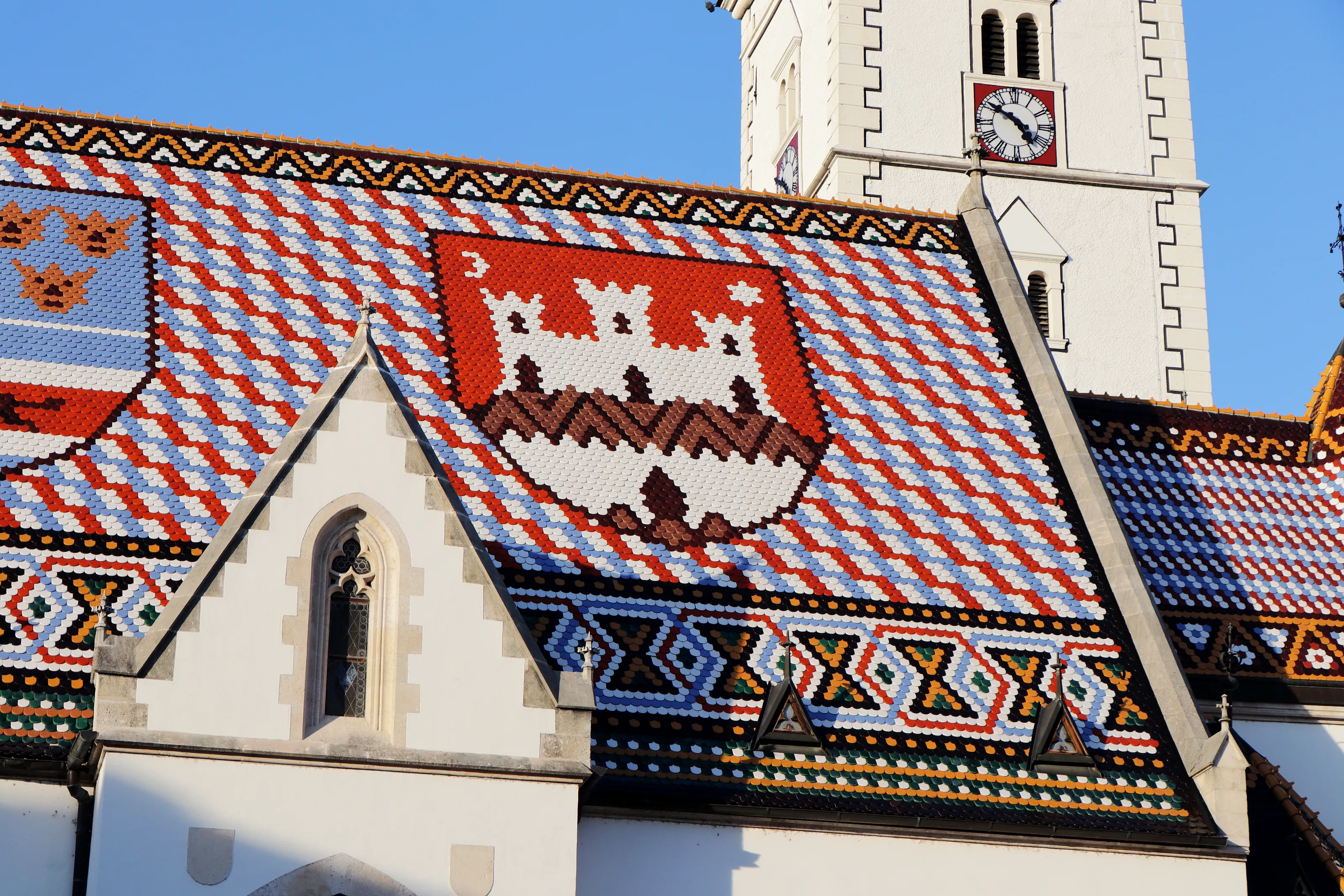
On the square of the same name in the Upper Town, St Mark's Church, built in 1499 according to Wikivoyage, is famous for its glazed tile roof. The coats of arms of Croatia and Zagreb stand out in red, white and blue. Parliament and the government palace face the same square.
Lotrščak Tower
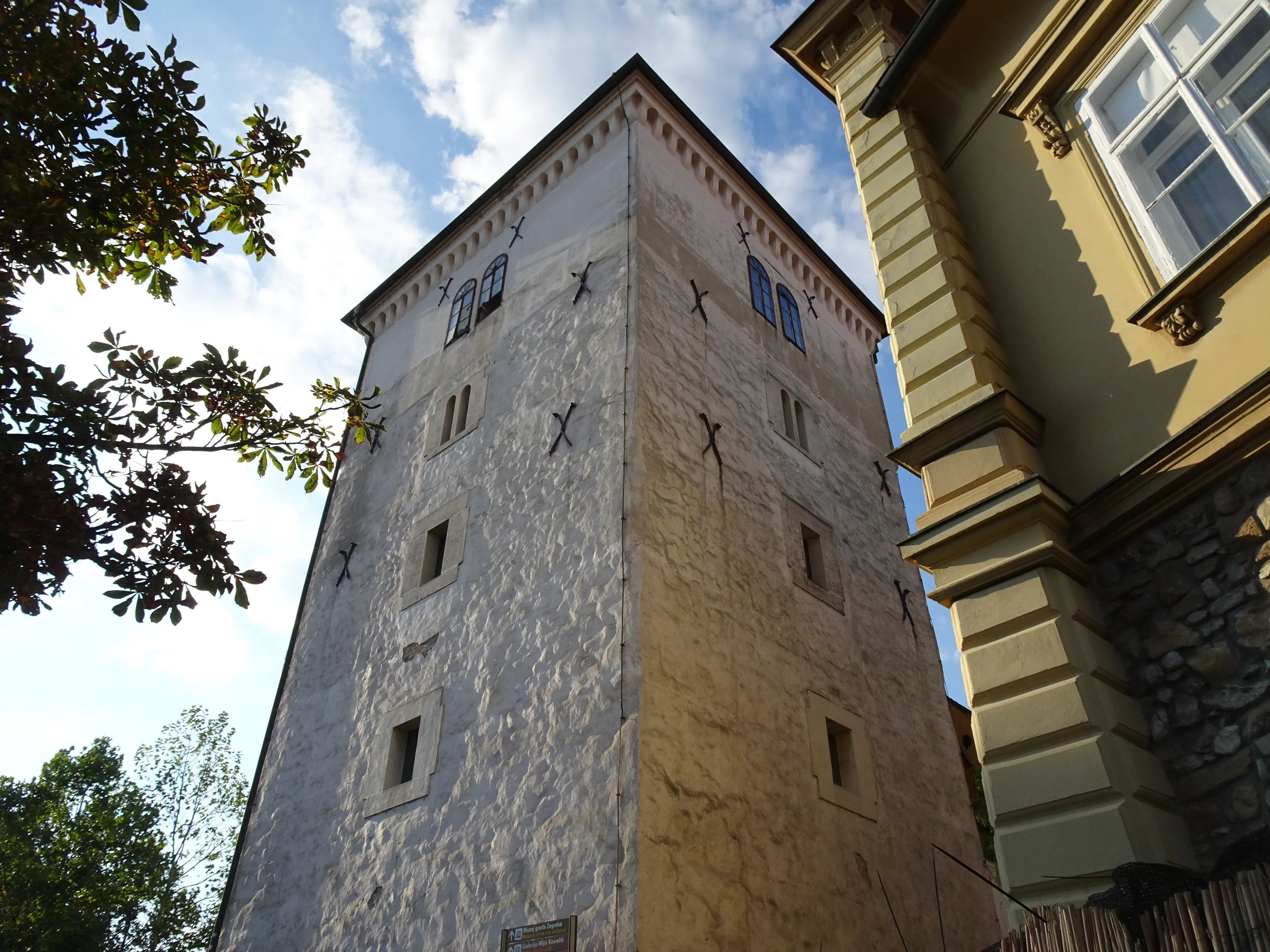
At the top of the funicular, Lotrščak Tower is a relic of the Upper Town's medieval defences. A cannon is fired from it every day at noon, according to Wikivoyage (FR), and visitors can climb up for a view of the rooftops.
King Tomislav Square
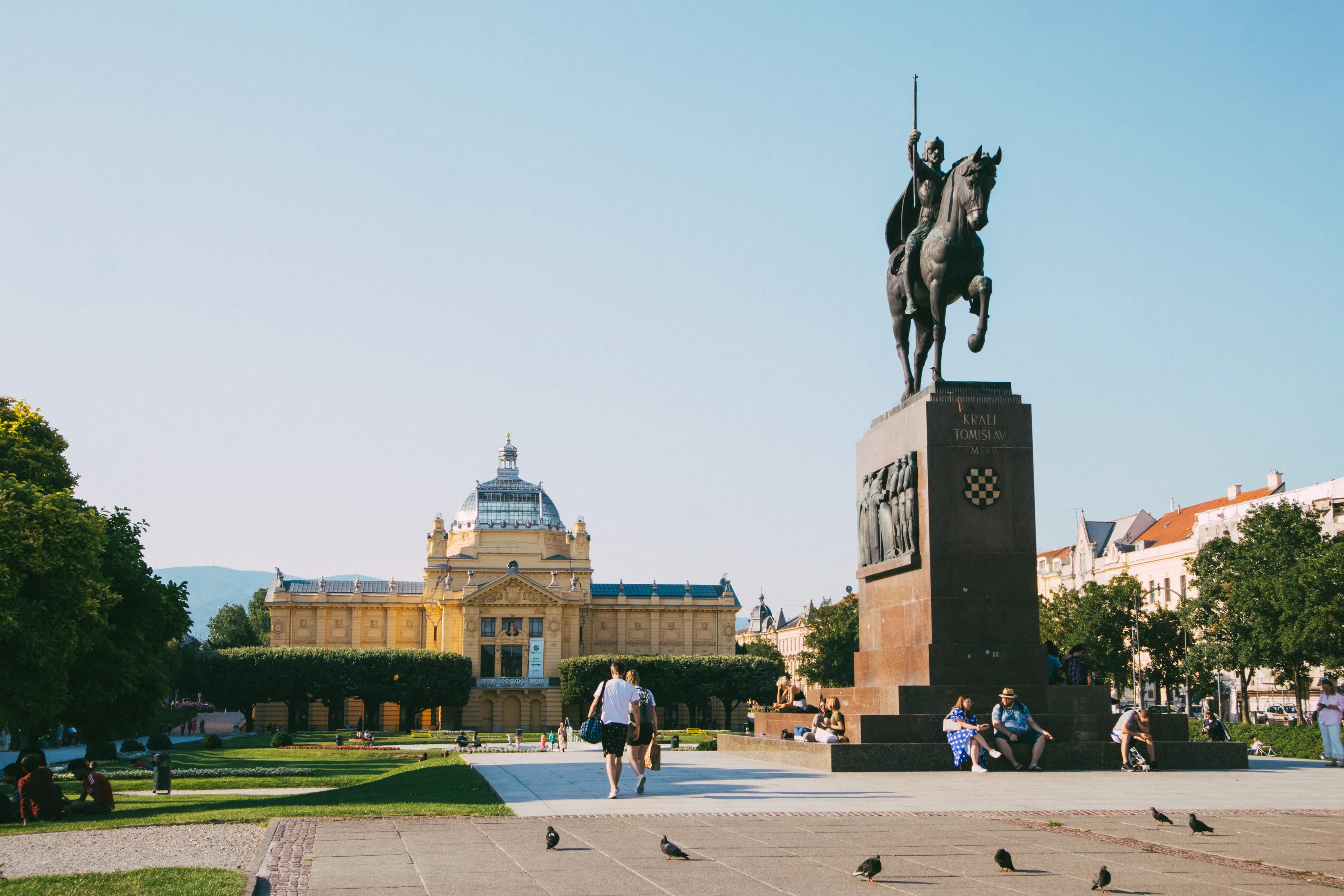
At the head of the Lower Town, facing the station, King Tomislav Square is a broad open park dominated by the equestrian statue of the first Croatian king. At the far end stands the Art Pavilion, a yellow-domed building made for exhibitions. It belongs to Lenuci's green horseshoe.
Dolac, the funicular and Mirogoj, in text
Dolac market, on a raised square above Ban Jelačić Square, is the most visited in the city, with its red umbrellas and a covered hall below; it has been the city's main trading place since 1930 according to Wikipedia. The funicular joining the two towns, one of the shortest and steepest in the world according to Wikivoyage, takes a minute. Mirogoj cemetery, opened in 1876, is known for its arcades and domes.
Museums and culture
Quirky museums, galleries and a theatre from 1895
Museums not to miss
Zagreb has a name for original museums: the Museum of Broken Relationships, which displays objects left over from finished love stories, the Museum of Contemporary Art in the Novi Zagreb district, the Nikola Tesla Technical Museum and the Archaeological Museum are among the best known. The Croatian Museum of Naïve Art holds over a thousand works, according to Wikivoyage.
Galleries and stage
The Klovićevi dvori Gallery in the Upper Town and the Zagreb City Museum tell the story of the city. The Croatian National Theatre, opened in 1895, dominates the Republic of Croatia Square. Several institutions were closed or limited after the 2020 earthquake, so check opening hours and the state of the collections before you visit.
Good to know
Most museums close on Sunday in early afternoon and reopen on Tuesday, according to Wikivoyage. We do not quote admission prices.
Food and drink
Štrukli, Dolac market and Tkalčićeva street cafés
Specialities
Štrukli, thin dough filled with cheese and baked or boiled, is a speciality of Zagreb and the Zagorje region, added in 2007 to Croatia's intangible heritage list according to Wikipedia. You find it in the city's national-cuisine restaurants.
Markets and pastry
At Dolac, farmers and growers sell fruit, vegetables and fresh produce, and the hall below holds butchers and fishmongers. Zagreb also has pastry shops, ice-cream parlours and pancake places in the centre, according to Wikivoyage.
Cafés and evenings
Pedestrian Tkalčićeva street lines up café and restaurant terraces, and Ban Jelačić Square is the city's meeting point.
Getting around
Trams, funicular and bike sharing
Trams and buses
Zagreb has an efficient network run by ZET: about fifteen day tram lines from around 04:30 to midnight, four night lines and buses for the outer districts. Tickets are sold at newsstand kiosks or through the ZET app and are validated on board.
Funicular and walking
The funicular joins Lower Town to Upper Town in a minute. The centre is easy to walk: the Lower Town is flat, the Upper Town gently sloping.
Bikes and the Zagreb Card
A bike-sharing network exists, as does a Zagreb Card that bundles public transport and museum discounts, according to Wikivoyage. We do not quote prices.
Budget and precautions
A more measured budget than on the coast, to be checked
Price level
Zagreb is a Central European capital. We give no ranges or figures because we could not cross-check up-to-date numbers from two independent sources; some guides still quote prices in kuna, which are out of date. The currency is the euro.
By air
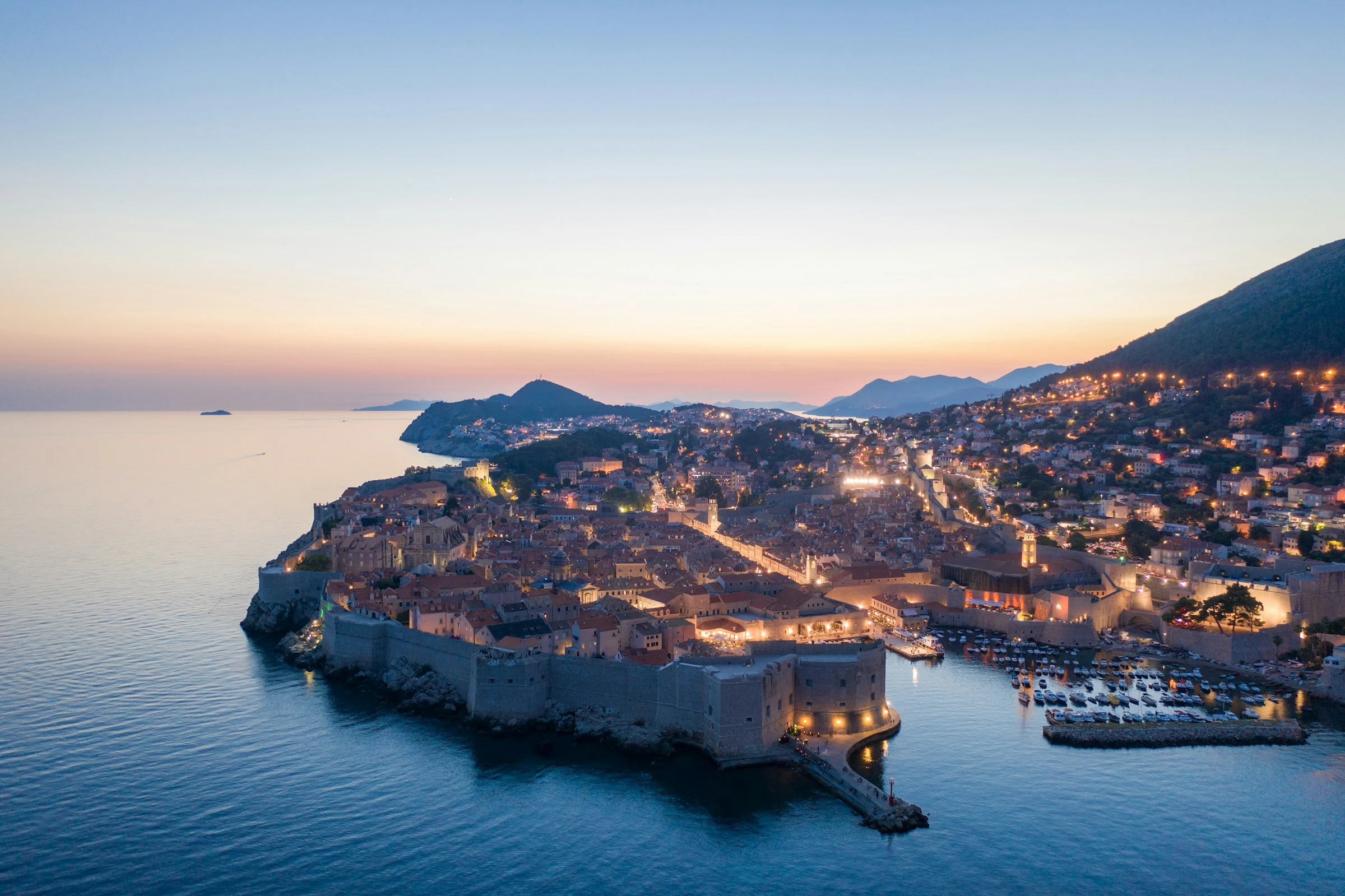
The flight is the most variable item. SniperAir monitors prices to ZAG and compares them with the route's history, but it does not sell or book tickets. Rijeka (RJK), Split (SPU) or Dubrovnik (DBV) can be watched alongside.
Entry and safety
Croatia is in the Schengen area and the euro zone: entry rules depend on your nationality, so check official sources and your own government's advice. As in any capital, keep an eye on your belongings in busy places.
Best time to go
Four real seasons, hot summers and cold winters
Winter (December to February)
Cold, with the Advent market from December to early January that fills the squares and streets of the centre.
Spring (March to May)
Parks turn green and terraces reopen; a good time to walk around town.
Summer (June to August)
Hot, with Jarun and Bundek lakes to cool off. Some cultural venues slow down.
Autumn (September to November)
Soft light and colourful parks at Maksimir and in town; November turns damper.
The climate is moderate continental, with four marked seasons, hot summers and cold winters, and no clear dry season according to Wikipedia (FR, ES). We give no precise temperatures because they could not be cross-checked; look at the forecast before you go. May-June and September-October are often the most pleasant for walking, and December for Advent.
By length of stay
What to do in Zagreb depending on how long you stay
The essentials
Upper Town, the cathedral, St Mark's Church, Dolac, Ban Jelačić Square, a quirky museum and a café on Tkalčićeva street.
Museums and parks
The art, technical and archaeological museums, Lenuci's squares, Maksimir and Mirogoj cemetery.
Around Zagreb
Medvednica and Medvedgrad castle, Jarun and Bundek lakes, or getaways to the rest of Croatia.
In pictures
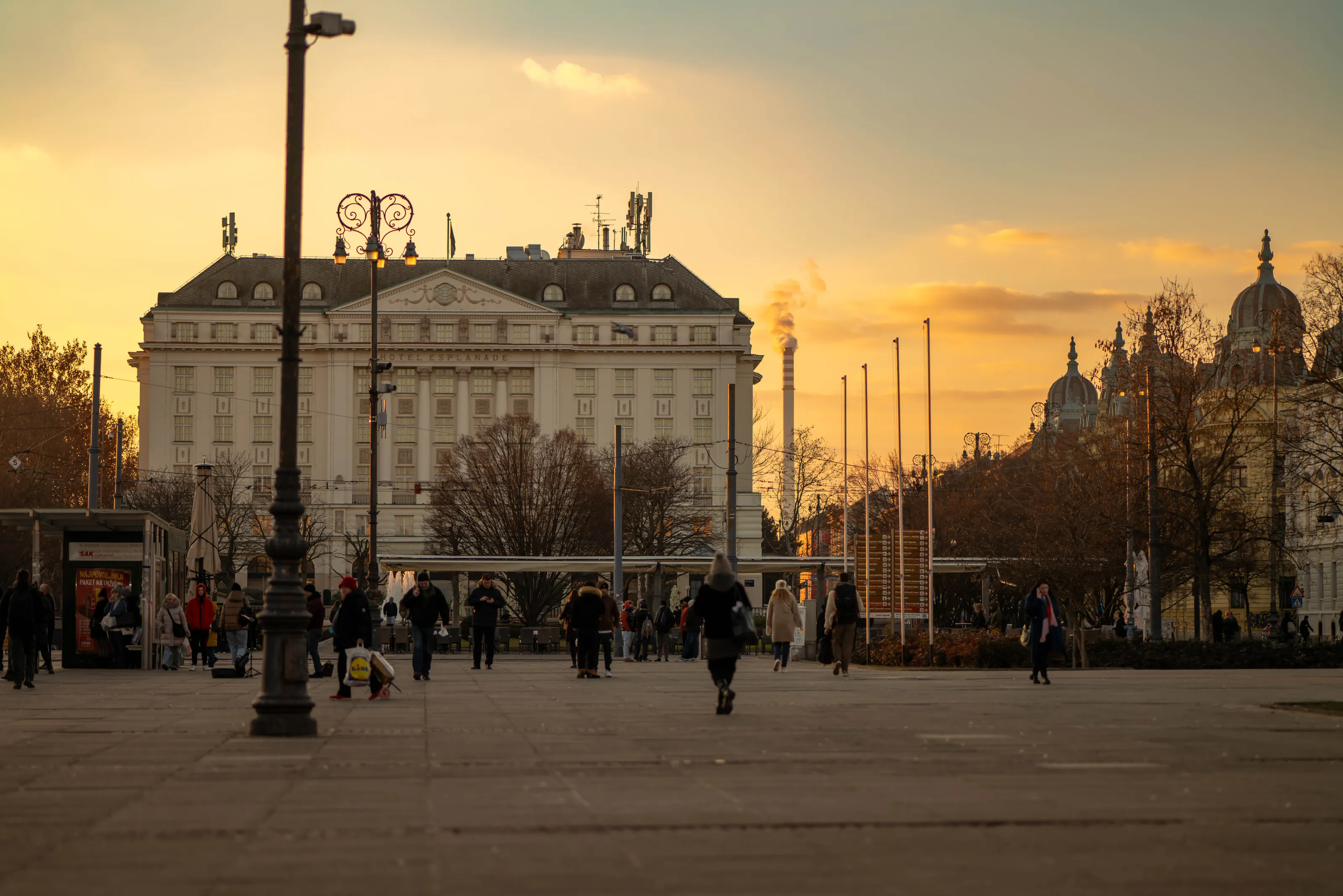
Zagreb in pictures
You might also like
Similar destinations
FAQ
Frequently asked questions about flights to Zagreb
How do I get from Zagreb Airport to the centre?
The airport (ZAG) is about 17 km south-east of the centre. A shuttle bus reaches the main bus station in roughly half an hour; ZET city bus 290 also serves the town. Taxis and ride-hailing are available. Timetables change, so check before you travel.
When is the best time to visit Zagreb?
May-June and September-October for walking and parks; December for the Advent market; summer is hot and quieter on the cultural side.
Is Zagreb expensive?
We do not quote amounts because we could not cross-check them. The flight is the part you can optimise with a price alert.
How long should I stay in Zagreb?
Two days for the Upper Town, the cathedral, Dolac and a museum; three to four days if you add the art museums, parks and Medvednica.
How do I get around Zagreb?
On foot in the centre and by tram for the rest; night lines complete the network. The funicular links the Lower Town to the Upper Town in a minute.
What should I eat in Zagreb?
Štrukli, pastries and produce from Dolac market; the cafés on Tkalčićeva street are a good place to start.
How much does a flight to Zagreb usually cost?
The price depends mainly on your departure city, the season and how far ahead you book. The opportunities section above shows real examples of prices SniperAir has already detected for this destination.
How can I be alerted when a flight to Zagreb drops below my budget?
Create an alert profile with your departure airport, Zagreb (ZAG) as the destination and your maximum budget. You are notified automatically as soon as a matching price is detected. SniperAir monitors prices and alerts you; it does not sell or book tickets.
Ready to head to Zagreb?
Set your budget and let SniperAir monitor fares for you.
Create my alert