
Travel to the Republic of the Congo
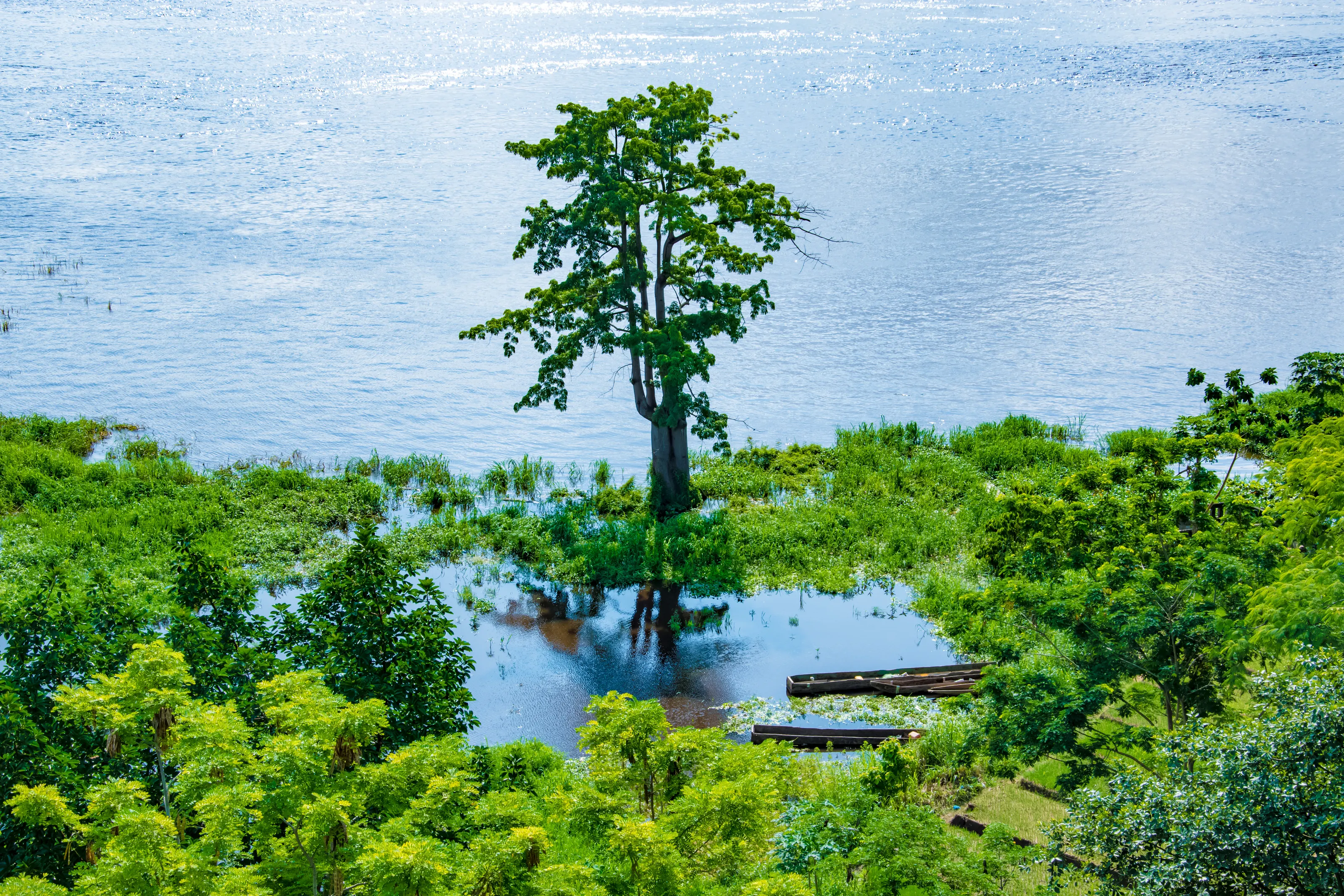
The Republic of the Congo, or Congo-Brazzaville, straddles the equator: a great river, 170 kilometres of Atlantic beaches, red gorges in the greenery and one of Africa's largest gorilla forests. Not to be confused with the Democratic Republic of the Congo, whose capital is Kinshasa. Here is what to know before you look for cheap flights to the Republic of the Congo.
The Republic of the Congo in numbers
Capital
Brazzaville
Population
About 6M
Area
~342,000 km²
Currency
CFA franc
Languages
French, Lingala, Kituba
Atlantic coast
~170 km of beaches
Continent
Africa
Time zone
UTC+1
Airports covered
1
Why visit the Republic of the Congo
A river, a coastline and the gorilla forest
The Congo River and Brazzaville
Brazzaville, on the Congo River, faces Kinshasa on the opposite bank. The capital of Free France in 1940, it is now a city of music, named a UNESCO City of Music in 2013.
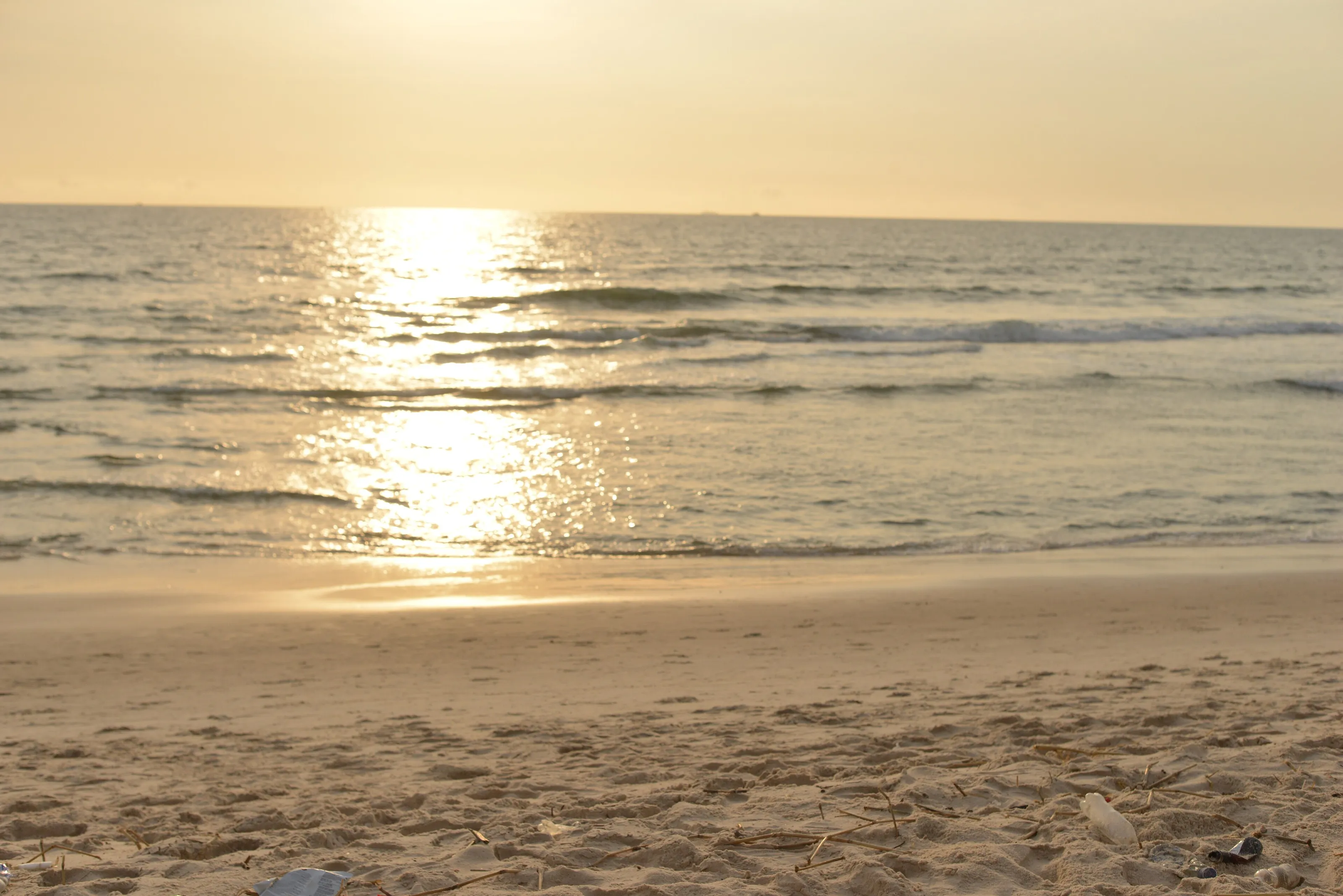
The beaches of Pointe-Noire
On the Atlantic, the Congolese coast offers about 170 kilometres of sandy beaches. Pointe-Noire, a busy port and the economic capital, is the starting point for the coast and the Diosso gorges.
Odzala-Kokoua and the northern forests
Odzala-Kokoua National Park, of more than 13,000 km², holds one of the continent's most varied primate populations. Further north Nouabalé-Ndoki protects forest elephants and great apes.
A rumba born on both banks
With DR Congo, the Republic of the Congo is a founding country of Congolese rumba. The OK Jazz orchestra was founded in 1956 by musicians from Brazzaville and Kinshasa.
Where to go
Brazzaville, Pointe-Noire, Diosso and the northern forests
Tourism is still undeveloped: facilities are concentrated in Brazzaville and Pointe-Noire, and many sites call for local support. For the parks and forest areas, go through a recognised agency or operator.
Brazzaville and the Congo River
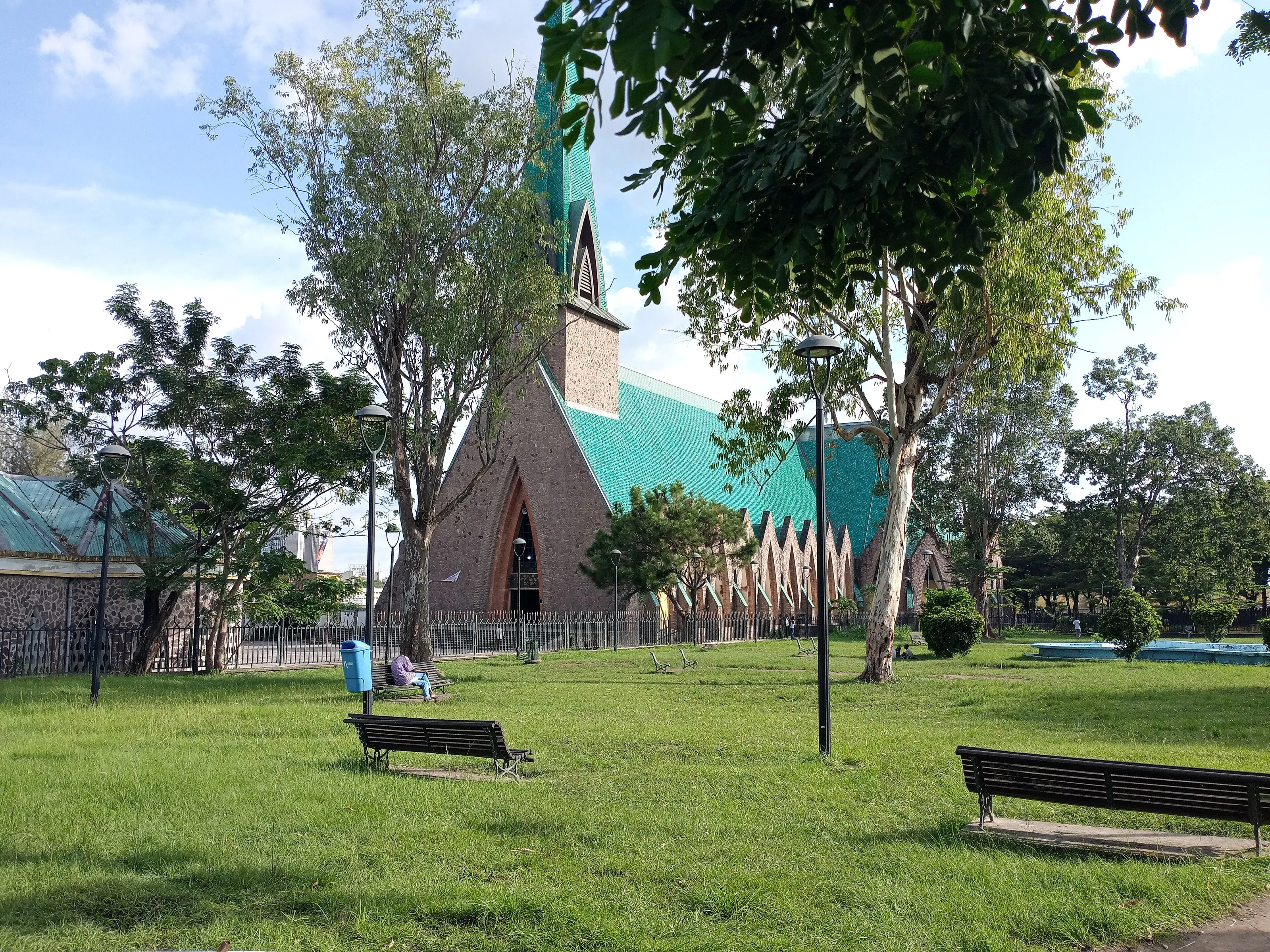
Brazzaville lies on the north bank of the Congo River, at Malebo Pool, facing Kinshasa. It was the capital of French Equatorial Africa and keeps a colonial heritage that Congolese are restoring. You can visit the Sainte-Anne-du-Congo basilica with its green roof, the Poto-Poto district, known for its school of painting, and the riverbank where you eat grilled fish looking across at the city opposite.
Pointe-Noire and the Atlantic coast
The country's second city, Pointe-Noire is the economic engine, with a deep-water port and an active nightlife. The sandy beaches along the city, especially at sunset, offer a contrast with the capital. Conkouati-Douli National Park, further north, combines forest, lagoons and coastline, but needs good preparation.
Odzala-Kokoua, Nouabalé-Ndoki and the northern forests
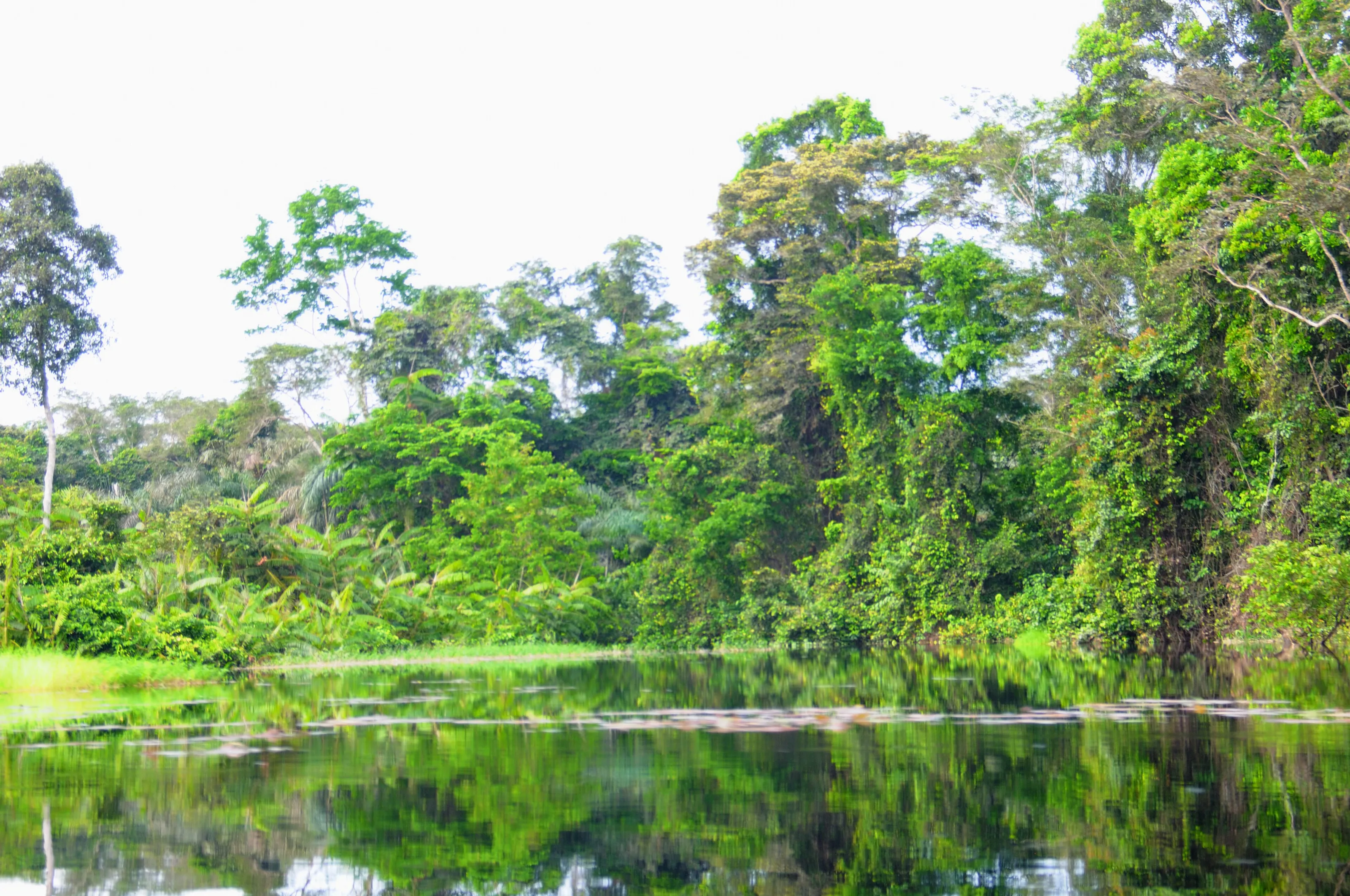
In the north-west, Odzala-Kokoua, about 13,500 km², is managed with the organisation African Parks. It is known for forest clearings where forest elephants and lowland gorillas come. Further north, Nouabalé-Ndoki and the Likouala rivers cross flooded forest. Estimates put tens of thousands of western lowland gorillas in the north of the country. You get there by light aircraft or long road journeys.
The Diosso gorges and the Kouilou
About thirty kilometres from Pointe-Noire, the Diosso gorges carve cirques of red earth into the greenery: rain has sculpted the laterite, a landscape sometimes compared to the Grand Canyon on a smaller scale. The Kouilou area and the forested Mayombe massif complete a stay on the coast.
Before you go
Dry season from June to August, humid heat the rest of the year
| Area | Climate | Best time to visit |
|---|---|---|
| Brazzaville and centre-south | Hot and humid tropical; dry season from June to August, a little cooler and less rainy. | June to August |
| Pointe-Noire and coast | Dry season from about mid-May to mid-October, with cooler days mid-year; about 1,200 mm of rain a year. | Mid-May to mid-October |
| Northern forests | Equatorial: hot and humid all year, up to 2,000 mm of rain a year. | Least rainy periods, check with the operator |
| Niari valley and plateaus | Tropical, with a marked dry season in the southern winter and less rain than the north. | June to September |
The equator crosses the country: the average temperature stays close to 24 °C, with nights between 16 and 21 °C. Sunshine is not abundant, especially in the southern winter. Bring rain and insect protection, and keep an eye on flight prices before fixing your dates.
Getting around
The Congo-Ocean railway, roads and light aircraft
A historic railway, the Congo-Ocean, about 510 kilometres long, links Brazzaville to Pointe-Noire, and more than 3,000 kilometres of roads are paved. Check timetables and availability locally. Pointe-Noire also has an international airport.
For the northern parks, forest camps are arranged in advance with an operator and often involve a light aircraft. Roads between regions are long and uneven, so allow slack. Before you go, check your government's official travel advice.
Food and culture
Rumba, Poto-Poto painting and cassava cooking
The Republic of the Congo is a country of music, literature and painting: rumba was born on both banks, the Poto-Poto district gave rise to a school of painting, and the writer Alain Mabanckou has evoked his childhood in Pointe-Noire. French is the official language, with Lingala and Kituba as lingua francas.
The table relies on cassava, as chikwangue or pounded leaves, with fish and meat in sauce, often cooked in palm oil, served with rice or plantains. On the coast, grilled fish is eaten by the sea.
Flying to the Republic of the Congo
The Congolese airport tracked by SniperAir
Maya-Maya
Brazzaville's international airport, in the capital. It is the main gateway to the Republic of the Congo and the starting point for flights to Pointe-Noire and the interior.
FAQ
Frequently asked questions about the Republic of the Congo
Which airport should I use to travel to the Republic of the Congo?
Maya-Maya International (BZV) in Brazzaville is the country's main gateway and the one SniperAir tracks. Pointe-Noire also has an international airport, on the coast.
When is the best time to travel to the Republic of the Congo?
The dry season, June to August in the centre and until mid-October on the coast, is the most pleasant: less rain and slightly cooler days. The north is hot and humid all year.
Is travelling in the Republic of the Congo expensive?
Park stays, domestic flights and forest camps weigh on the budget because the offer is limited. The international flight is the most variable part: choosing your dates and watching prices helps keep the bill down.
Do I need a visa for the Republic of the Congo?
Entry rules depend on your nationality and change over time. A visa is often required before departure, and a yellow fever vaccination certificate is generally requested. Check official websites and your government's travel advice before you book.
What is the difference from DR Congo?
The Republic of the Congo, or Congo-Brazzaville, has Brazzaville as its capital, on the north bank of the river. The Democratic Republic of the Congo, or Congo-Kinshasa, has Kinshasa as its capital, on the south bank: the two cities face each other. They are two separate countries, each with its own airport.
How long do I need to visit the Republic of the Congo?
Allow four to five days for Brazzaville and Pointe-Noire, and ten days to two weeks if you add the Diosso gorges and a stay in the northern forests, which takes preparation.
How do I get alerted when a flight to the Republic of the Congo gets cheaper?
Create a SniperAir alert profile with your departure airport and Brazzaville as the destination: we monitor prices and notify you as soon as a deal matches. See how it works.
Ready to track prices to the Republic of the Congo?
Create an alert and let SniperAir do the rest.
Create my alert