
Cheap flights to Jeju
Set your departure airport and maximum budget: SniperAir tracks prices to Jeju and alerts you the moment a deal matching your criteria appears.
Quick summary
Country
South Korea
Continent
Asia
Airport
CJU
Currency
South Korean won
Time zone
UTC+9
Deals already spotted to Jeju
Real flight examples detected by SniperAir, with their reference price.
Loading examples…
South Korea's volcanic island
Jeju, the island South Koreans call their Hawaii
Jeju is South Korea's largest island, with an area of about 1,833 square kilometers, lying roughly 83 kilometers south of the Korean Peninsula. It rose from the sea in volcanic eruptions around 2 million years ago, and the result is a landscape of basalt, lava and some 360 small extinct cones known as oreum. Jeju City, in the north, is the gateway: it is where the island's only airport sits.
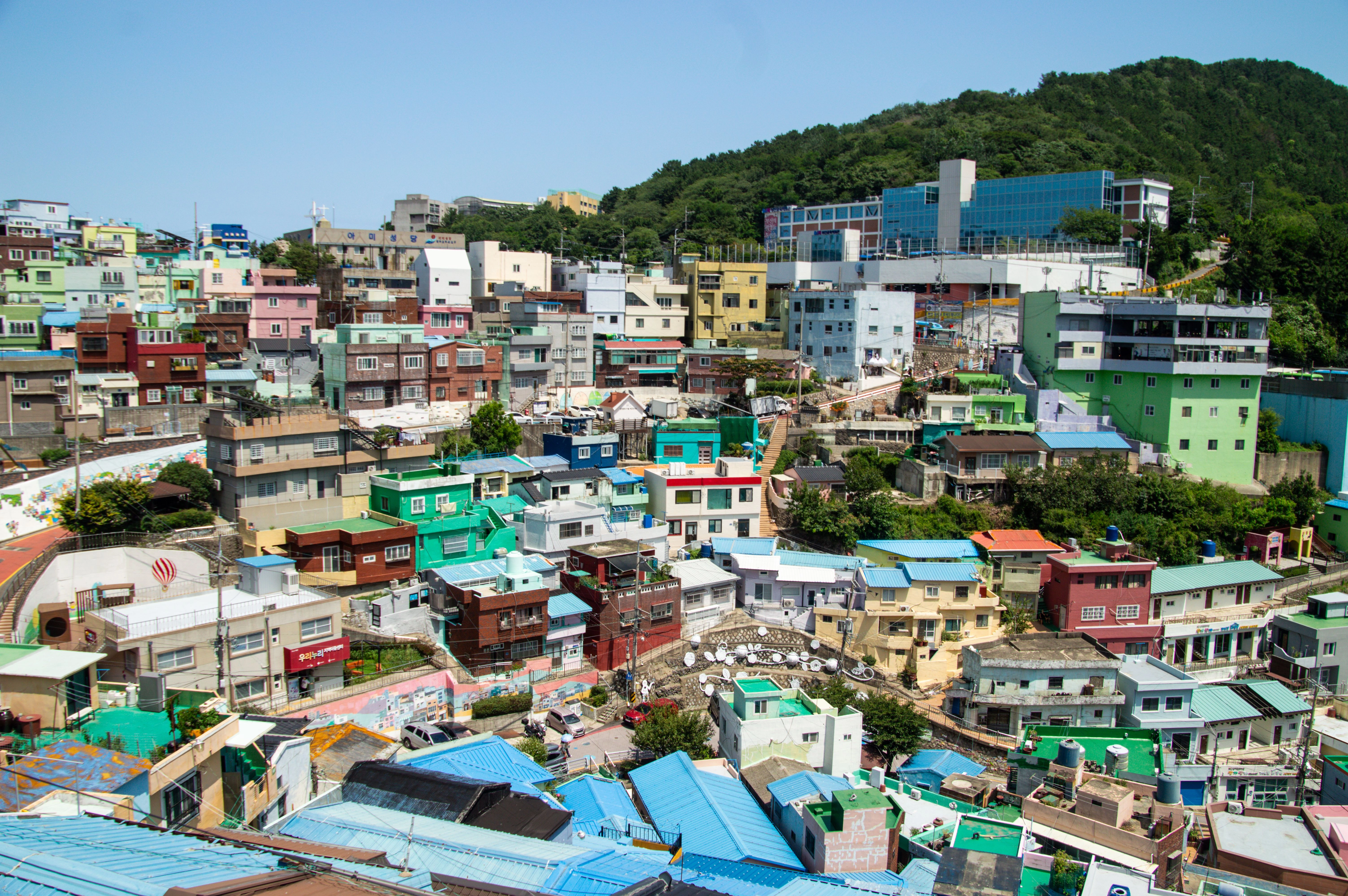
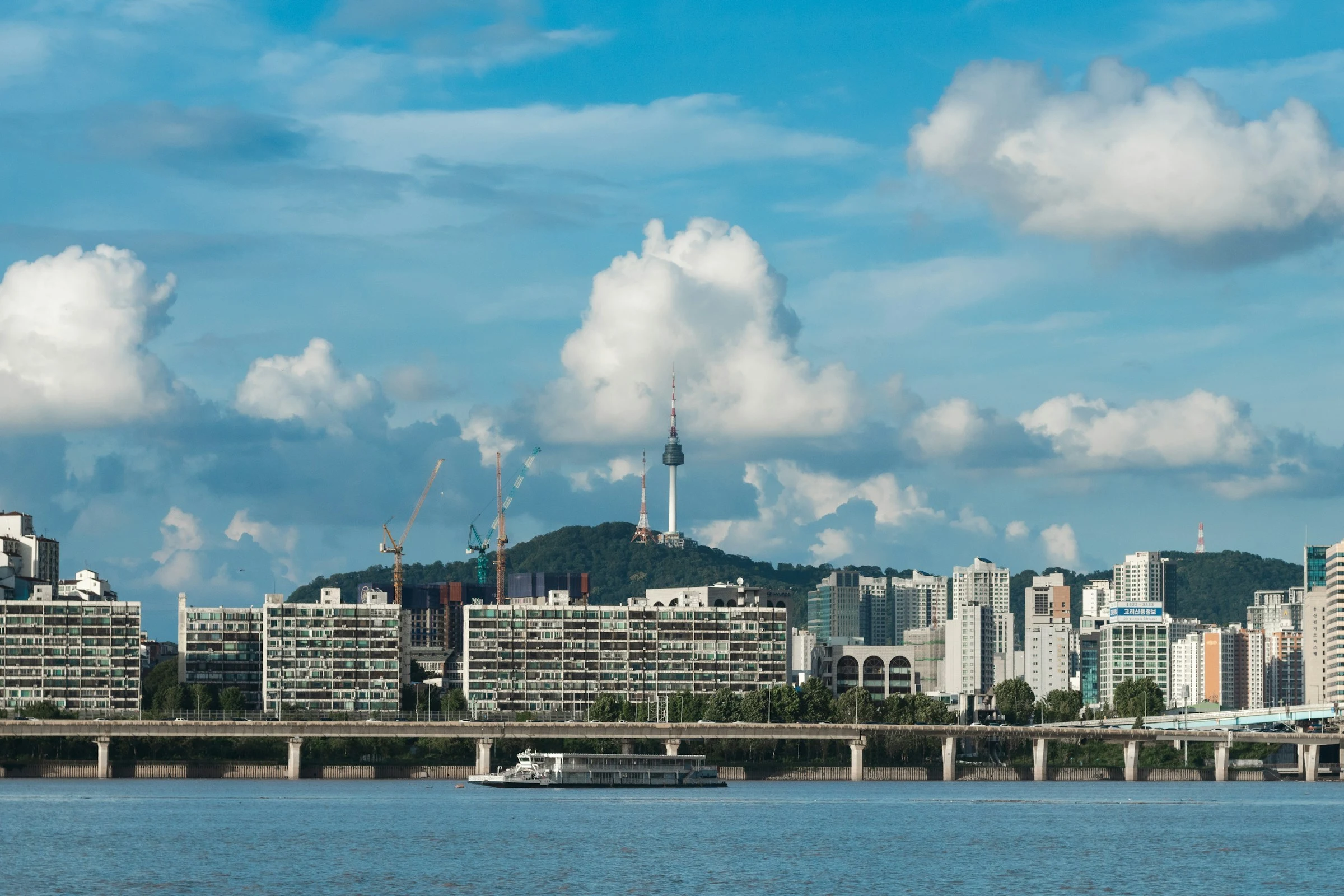
Winters here rarely drop below freezing, which helps explain the island's reputation as a honeymoon favorite and a family getaway. It is nature and coastline first, nightlife a distant second, and a very different trip from the capital Seoul or the port city of Busan.
A UNESCO triple
World Heritage, volcanic island and living traditions
In 2007 UNESCO inscribed Jeju Volcanic Island and Lava Tubes as a Natural World Heritage Site, covering Hallasan, the Geomunoreum lava tube system and the tuff cone of Seongsan Ilchulbong. About 12% of the island is gotjawal, forest that grew on rough lava and now feeds the island's groundwater.
Culture matters here too. Farmers have built roughly 22,000 kilometers of black basalt walls to shelter their fields from the wind, and the stone grandfather statues called dol hareubang have become the island's emblem.
Why watch Jeju with SniperAir
You do not need to compare prices every day
Choose your departure
Tell us your departure airport and your maximum budget for a flight to Jeju.
SniperAir keeps watch
Our systems continuously compare new fares with the real price history of the route.
You get an alert
As soon as a fare matches your criteria, you are notified without having searched for anything yourself.
Three must-sees
From the summit of Hallasan to the lava tubes
Hallasan
A dormant shield volcano at the center of the island and, at roughly 1,950 meters, the highest peak in South Korea. A crater lake, Baengnokdam, sits at the top, and the mountain forms Hallasan National Park. The Seongpanak trail (about 9.6 km) and the Gwaneumsa trail (about 8.7 km) are the two routes that reach the summit; plan a full day and check whether a permit is required.
Seongsan Ilchulbong, Sunrise Peak
A 182-meter tuff cone with a crater about 600 meters wide, on the island's eastern tip. The climb takes around 20 minutes, and its position makes it the best spot on Jeju to watch the sun come up. Haenyeo divers work the waters nearby.
Manjanggul
A lava tube of about 7.5 kilometers, of which roughly 1 kilometer is open to visitors. It is cool inside, so bring a layer, and it has a 7.6-meter lava column. It belongs to the Geomunoreum system listed by UNESCO.
Coast and waterfalls
Basalt cliffs, beaches and a waterfall that falls into the sea
| Place | What makes it special |
|---|---|
| Jusangjeolli cliffs | Hexagonal basalt columns formed where lava met the sea |
| Jeongbang waterfall | About 23 meters high, and it drops directly into the ocean |
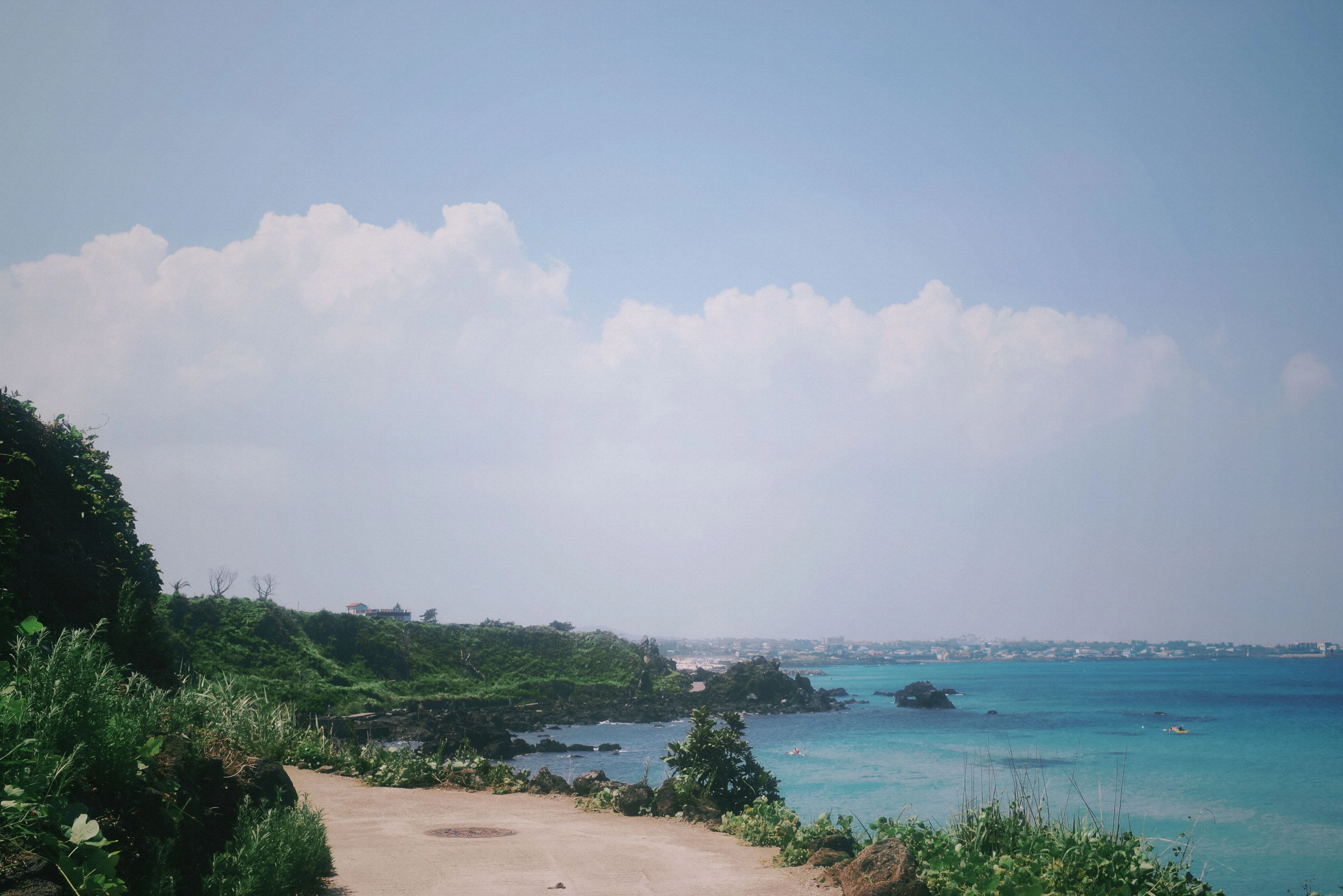
| Hamdeok Beach | Turquoise water and a coastal path, with haenyeo stalls nearby |
| Hyeopjae and Jungmun | Two of the island's best-known beaches |
| Udo | A small island off the east coast, an easy day trip |
Eat and drink
Black pork, haenyeo seafood and hallabong
Jeju black pork
Heukdwaeji is darker, more marbled and more flavorful than standard Korean pork, grilled at the table and wrapped in lettuce with garlic and ssamjang. Black Pig Street, close to Dongmun Market in Jeju City, packs in the specialist restaurants.
Seafood from the haenyeo
The haenyeo are the island's famous women free-divers. They hold their breath for one to three minutes, dive as deep as 20 meters, and bring up abalone, sea urchin and sea cucumber. You can taste their catch at small stalls near Hamdeok Beach and around Seongsan. Abalone porridge is another local classic.
Hallabong
This large, very sweet tangerine is named after Mount Halla. It is in season from November to March and sold at roadside stalls and at Dongmun Market, which opens at 7 a.m.
When to go
Which season suits Jeju?
Spring
March to May. Flowers in bloom and moderate temperatures, one of the two best windows for hiking.
Summer
Hot and humid, with the heaviest rain. It is the beach season and the peak of the holidays, with typhoons possible from late June.
Autumn
September to November. Mild weather and autumn color, the other favorite season.
Winter
Cool, with the coast rarely below freezing. Snow can close the Hallasan trails.
Getting to Jeju
Jeju International Airport
Jeju International
The island's only airport, about 4 km from central Jeju City. Bus 100 or 500 takes around 30 minutes and a taxi around 15. The Seoul to Jeju route counts among the busiest air routes in the world. A rental car is the usual way to explore the island.
In pictures
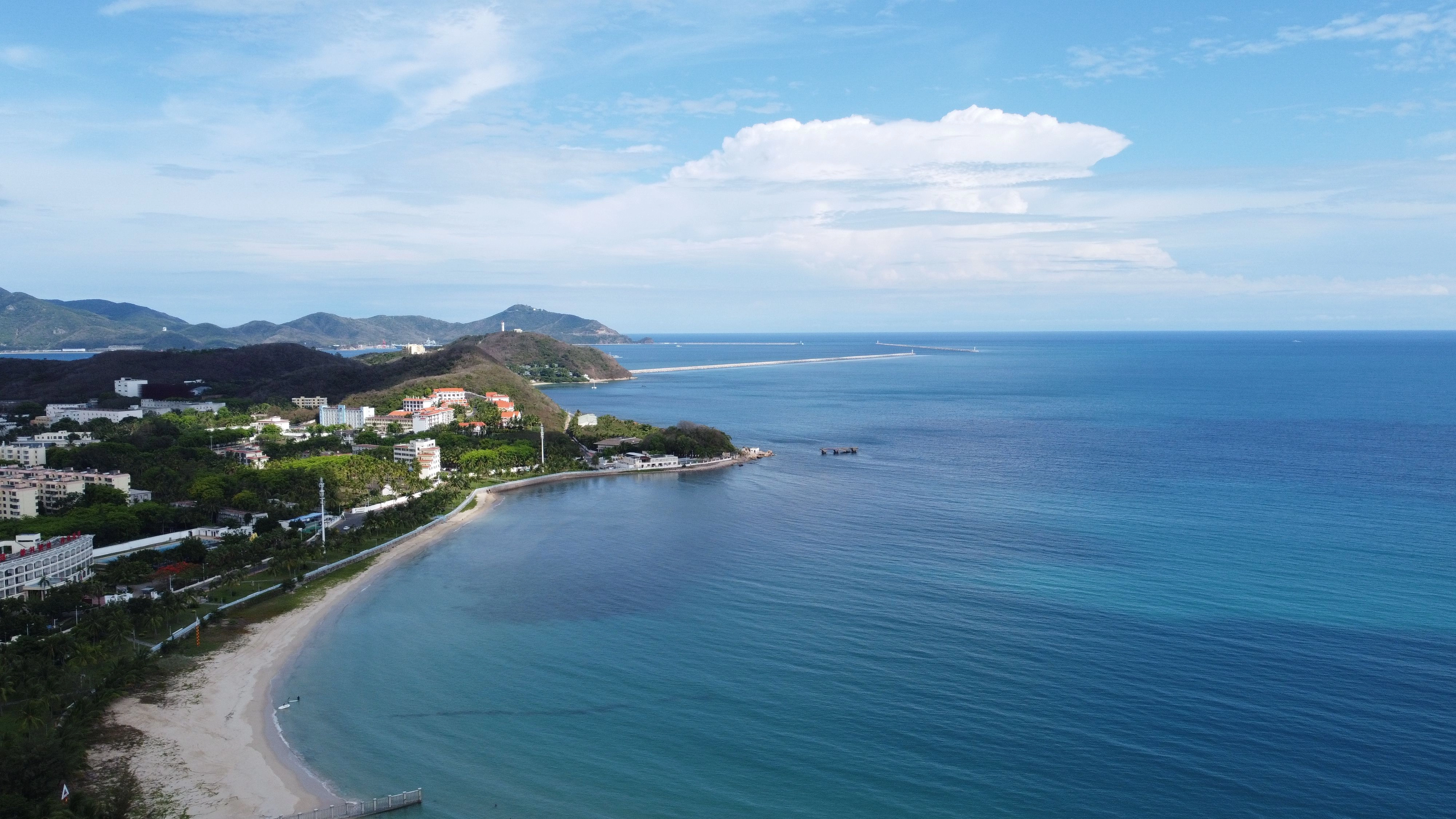
Jeju in pictures
You might also like
Similar destinations
FAQ
Frequently asked questions about flights to Jeju
Which airport serves Jeju Island?
Jeju International Airport (CJU), the island's only airport, about 4 km from central Jeju City. Bus 100 or 500 takes around 30 minutes and a taxi around 15.
When is the best time to visit Jeju?
Spring (March to May) and autumn (September to November) are the most recommended. Summer is hot, humid and rainy, with typhoons possible, and snow can close the Hallasan trails in winter.
How long does it take to hike Hallasan?
Plan a full day. The Seongpanak trail is about 9.6 km and takes roughly 4.5 hours one way, and the Gwaneumsa trail is about 8.7 km. Start early and check the current trail rules.
What should I eat on Jeju?
Grilled black pork, abalone, sea urchin and other seafood from the haenyeo divers, abalone porridge, and hallabong tangerines in season.
How many days do I need on Jeju?
Between three and five days lets you cover Hallasan, the east coast around Seongsan and the south coast at an easy pace. Renting a car makes the island far simpler to explore.
How much does a flight to Jeju usually cost?
It mostly depends on your departure city, the season and how far ahead you book. The "deals" section above shows real examples of prices already detected by SniperAir for this destination.
How do I get alerted when a flight to Jeju drops below my budget?
Create an alert profile with your departure airport, Jeju as the destination and your maximum budget. You'll be notified automatically the moment a matching price is detected.
Ready to head to Jeju?
Set your budget and let SniperAir monitor fares for you.
Create my alert