
Cheap flights to Hamburg
Set your departure airport and maximum budget: SniperAir tracks prices to Hamburg and alerts you the moment a deal matching your criteria appears.
Quick summary
Country
Germany
Continent
Europe
Airport
HAM
Currency
Euro (EUR)
Time zone
UTC+1 (UTC+2 during summer time)
Deals already spotted to Hamburg
Real flight examples detected by SniperAir, with their reference price.
Loading examples…
Why track Hamburg with SniperAir
You do not need to compare prices every day
Choose your departure
Enter your departure airport and your maximum budget for a flight to Hamburg (HAM).
SniperAir keeps watch
Our systems continuously compare new prices with the real price history of the route. SniperAir monitors prices and alerts you: it does not sell or book tickets.
You receive an alert
As soon as a price matches your criteria, you are notified, without having searched for anything yourself.
Airport and getting into town
An airport to the north, linked by the S1 to the main station
Hamburg (HAM)
Hamburg Airport is in Fuhlsbüttel, about 8 km north of the centre according to Wikivoyage (EN). The S1 S-Bahn line reaches the main station in about 25 to 30 minutes according to Wikivoyage (EN, FR, ES), every 10 minutes by day; on the way back, board the part of the train that goes to the airport, since it splits at Ohlsdorf, warns Wikivoyage (ES). A night bus complements the service, according to Wikivoyage (DE). Long-distance trains link the main station with the rest of Germany and several neighbouring countries. Bremen, Hanover, Berlin and Copenhagen are other gateways worth watching.
Distances and times are approximate, based on Wikivoyage (EN, FR, DE, ES); sources differ by a few minutes and timetables change, so check them before you travel. We do not quote fares.
Hamburg is the second-largest city in Germany: about 1.9 million people according to the Wikipedia editions (EN, FR, DE, ES), which give slightly different figures. It is a city-state, officially the Free and Hanseatic City, on the Elbe about 110 km from the North Sea. It has seven boroughs and more than a hundred quarters, and almost 2,500 bridges according to Wikipedia (DE, EN), a European record according to the English edition. The historic centre, Neustadt-Altstadt, groups the town hall and HafenCity; Altona-St Pauli, by the river, is the nightlife district, according to Wikivoyage (EN).
Landmarks
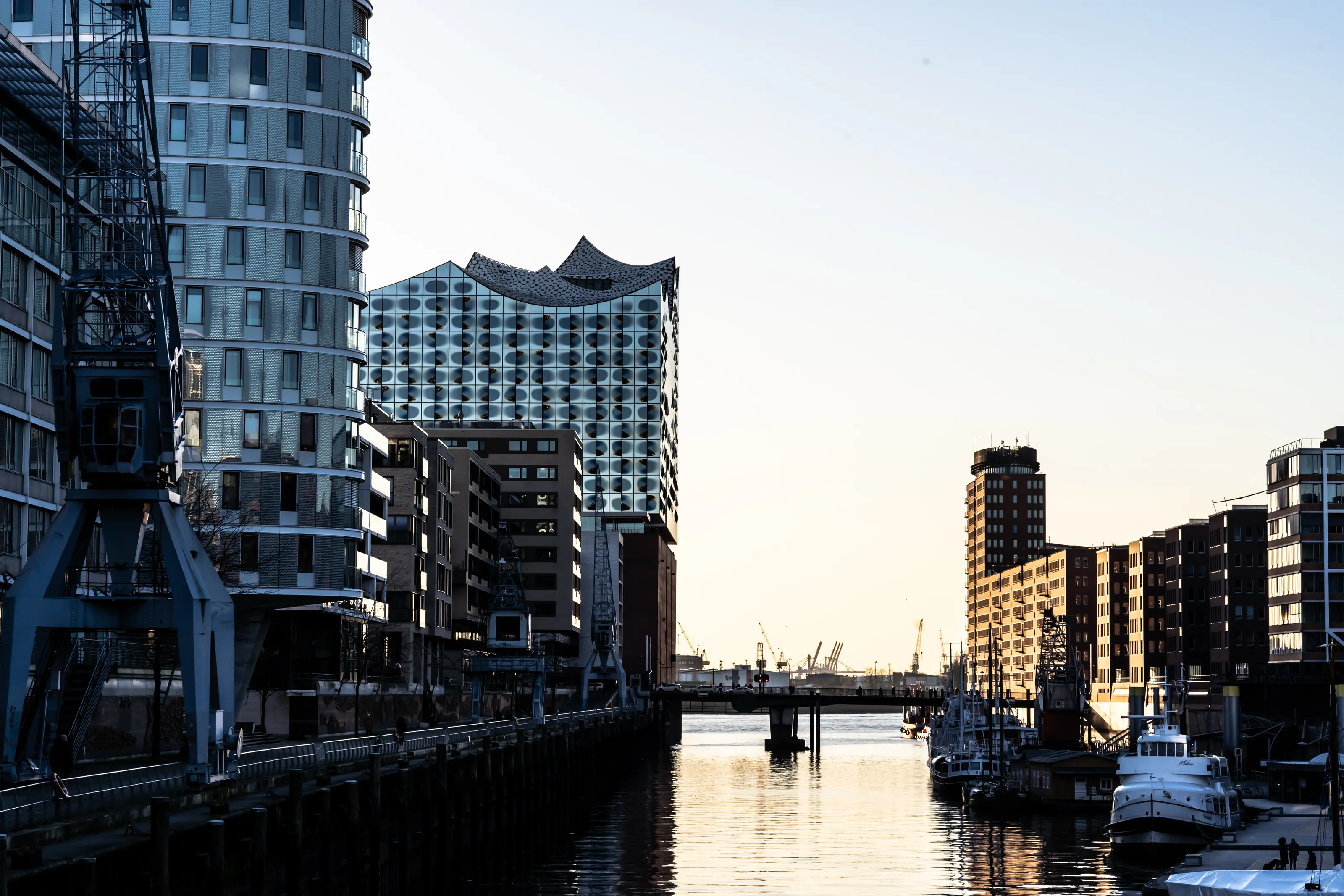
The Speicherstadt, the Elbphilharmonie, the town hall and the Alster lakes
Hamburg grew around the Hammaburg castle, ordered by Charlemagne around 808, became a Free Imperial City in 1189 and joined the Hanseatic League, according to Wikipedia (EN, ES). A great fire in 1842 and the bombing of 1943 shaped its rebuilding. The places below are illustrated; the port, the churches and the Reeperbahn are described at the end of the section.
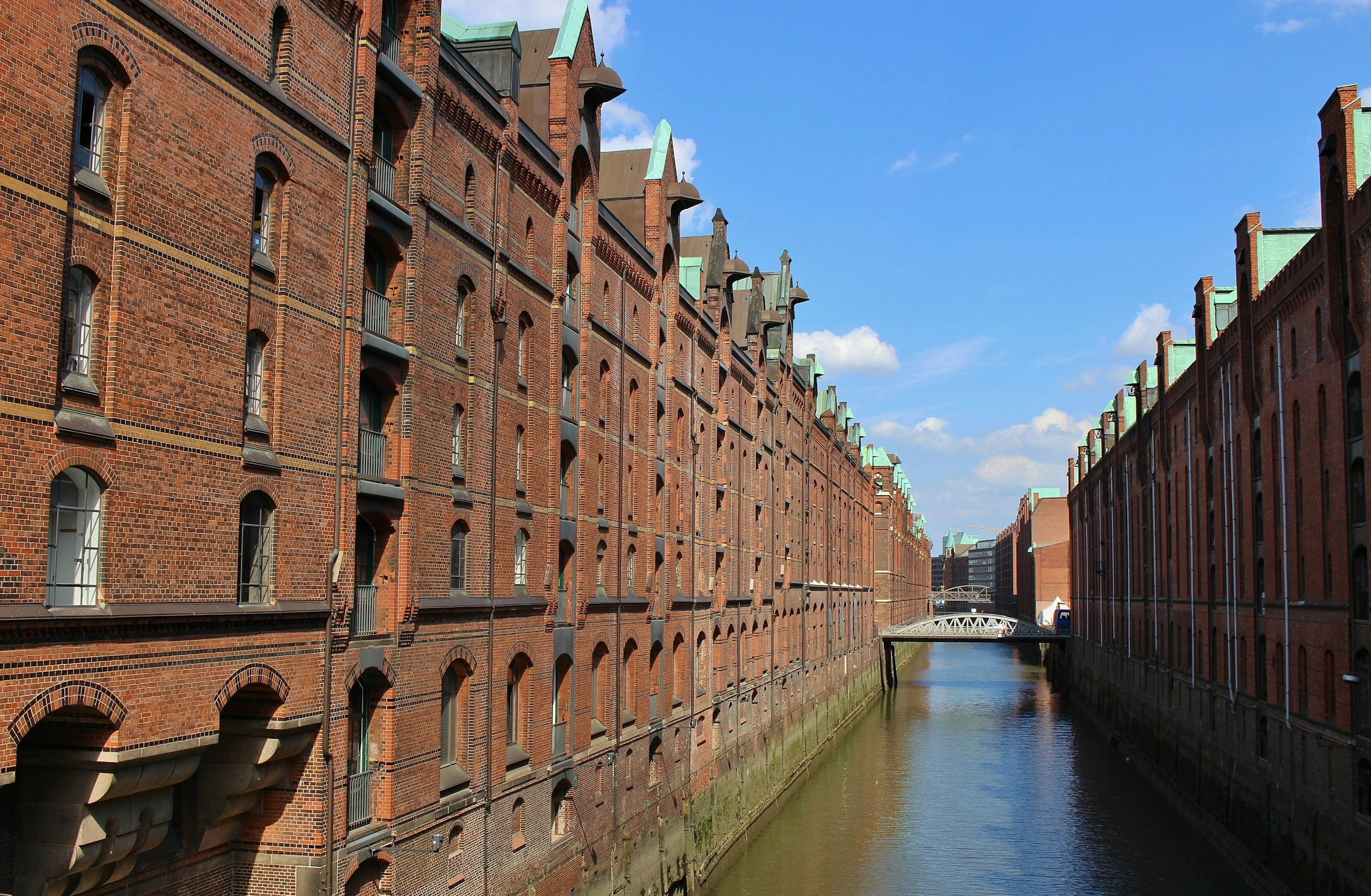
The Speicherstadt
The Speicherstadt is a group of red-brick warehouses built on the water, with canals, bridges and verdigris roofs. Together with the Kontorhausviertel it has been a UNESCO World Heritage Site since 2015, according to Wikipedia (EN, DE). Wikivoyage (EN) lists it among the must-sees; it is best explored on foot, with beautiful light in the late afternoon.
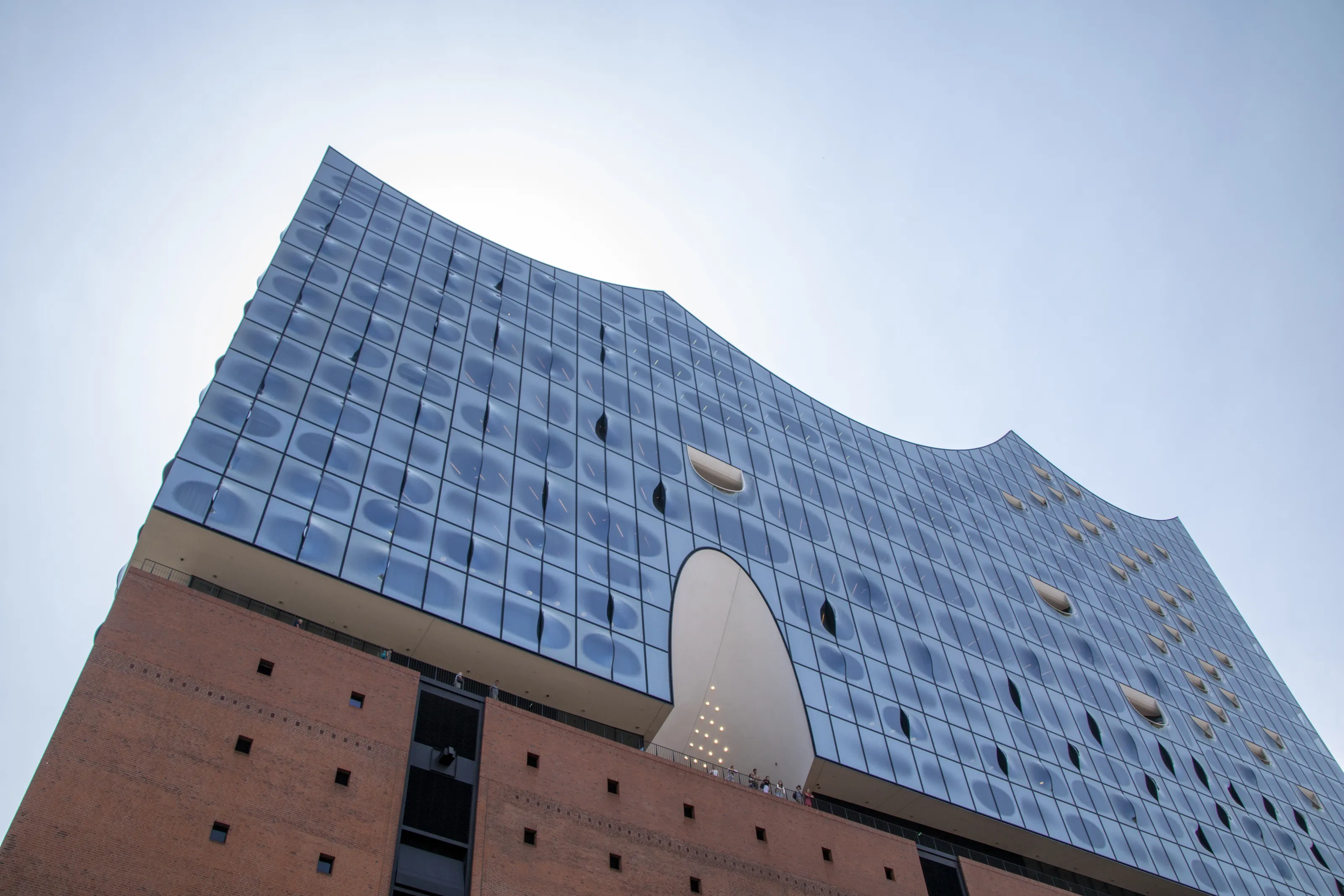
The Elbphilharmonie
Opened in January 2017 according to Wikipedia (ES, EN), the concert hall in HafenCity rises above a former brick warehouse. The Plaza, a circular walkway 37 m up, offers views of the port and the city according to Wikivoyage (EN). Book concerts ahead.
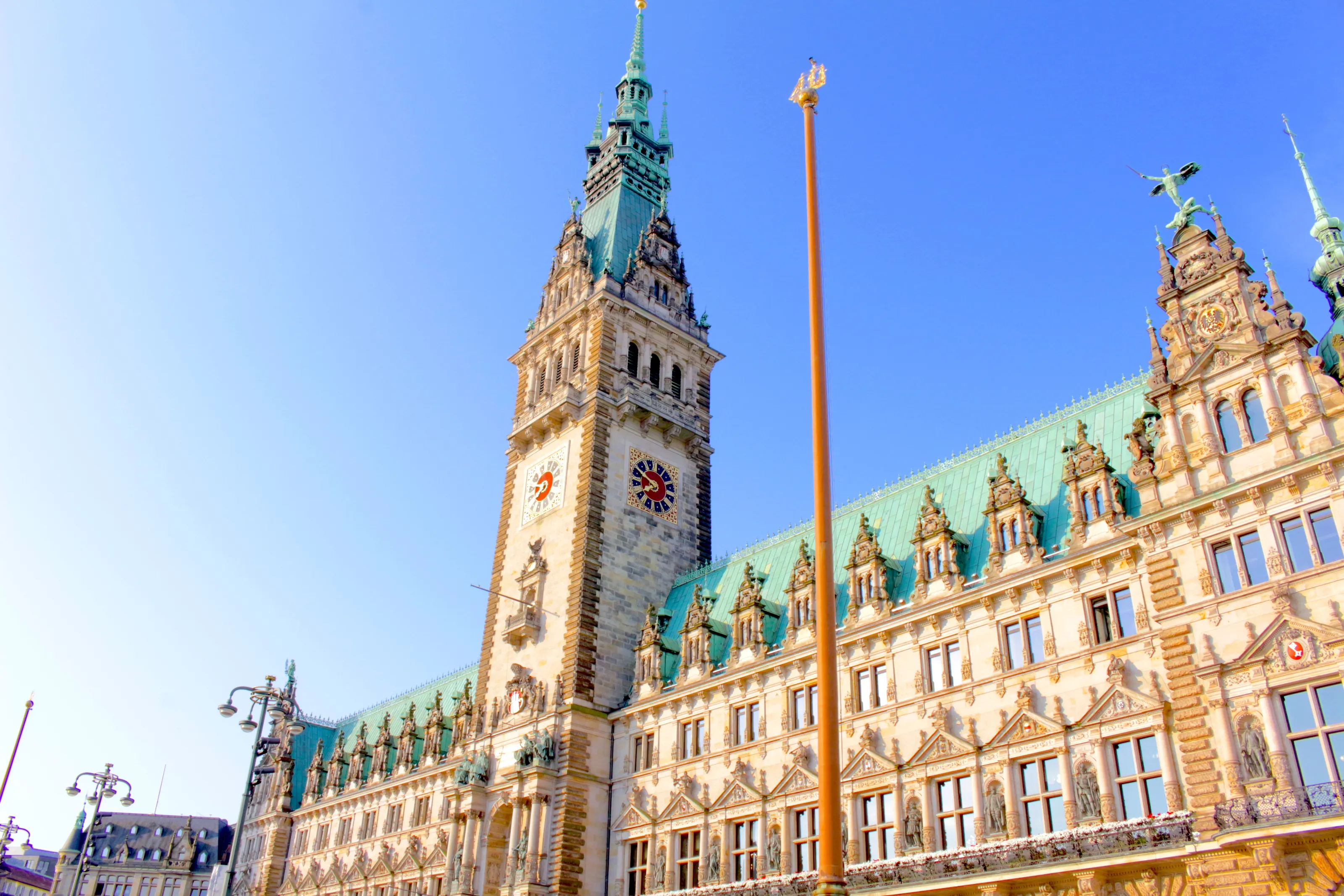
The town hall
The neo-Renaissance Rathaus dominates the centre with its tall tower. It stands in the heart of Neustadt-Altstadt and Wikivoyage (FR, DE) lists it among the monuments to see. It is mostly visited on guided tours; ask on the spot.
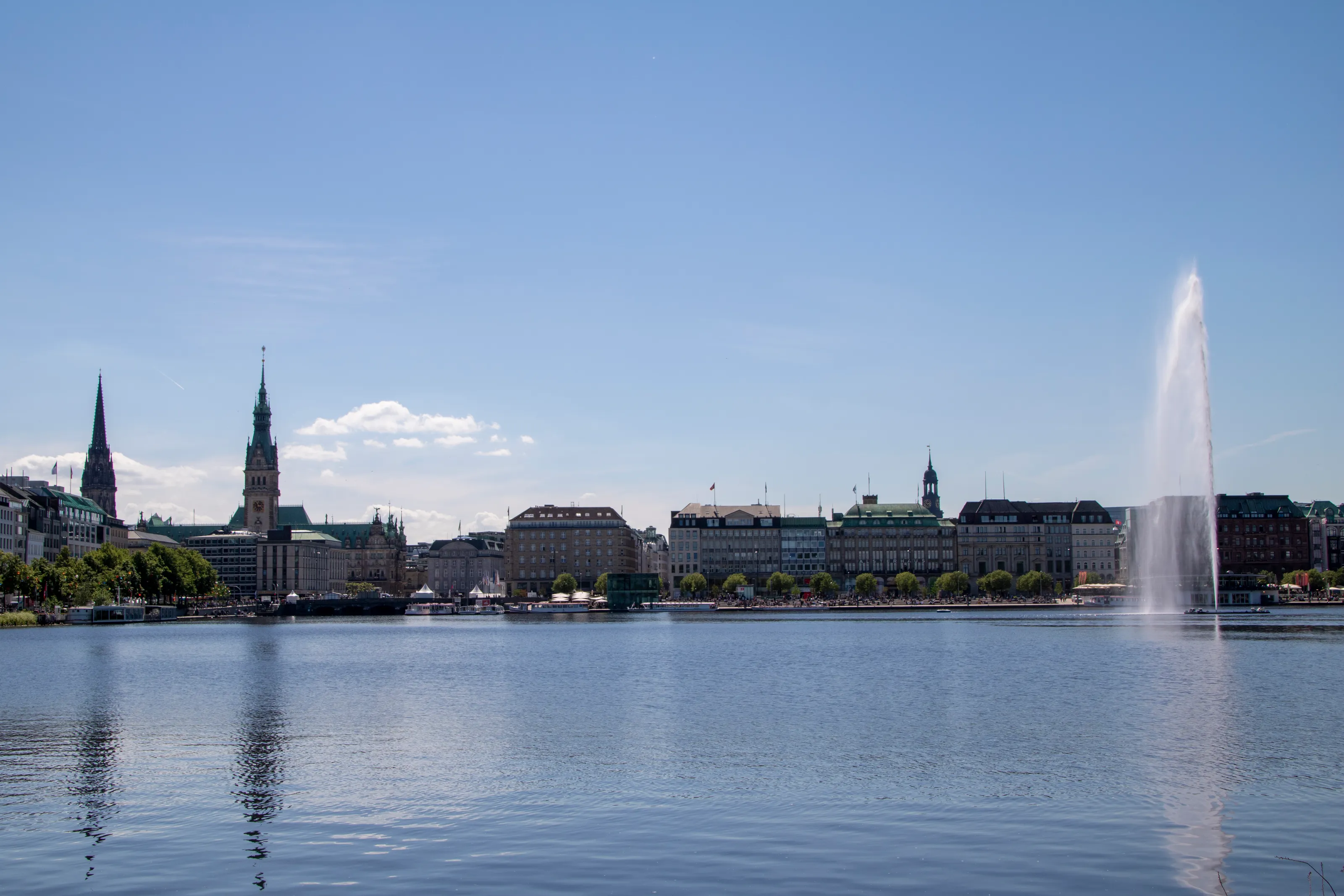
The Alster lakes
The Binnenalster and the Außenalster are lakes created by damming since the Middle Ages, according to Wikipedia (DE). Walkers gather on the Binnenalster shore around a fountain; to the north the Außenalster is a place for walks and sailing, with Hagenbeck Zoo nearby, according to Wikivoyage (EN). Boats cross the lake, but they are not part of the HVV network, notes Wikivoyage (ES).
HafenCity and the quays
HafenCity, a new waterfront district, has been under development since 2001 according to Wikipedia (FR); it contains housing, offices and the Elbphilharmonie. Old harbour cranes recall the activity of the quays, best seen from a basin at sunset.
Port, Landungsbrücken and St Michael's
The port of Hamburg is the largest in Germany and the third-largest in Europe according to Wikipedia (EN, FR), although the Spanish edition ranks it second. The Landungsbrücken, the landing stages, are the starting point for ferries and boat trips. St Michael's, the Michel, is one of the city's symbols and offers views from its tower, according to Wikivoyage (FR). The Old Elbe Tunnel is reserved for pedestrians and cyclists, according to Wikivoyage (DE).
Reeperbahn and day trips
The Reeperbahn, in St Pauli, concentrates bars, clubs and theatres; Wikivoyage (FR) says it is lively at night. Lübeck, whose old town is a UNESCO site, and Kiel are about an hour away; Lüneburg, Bremen, Heligoland and the Altes Land are other outings, according to Wikivoyage (FR, ES).
Museums and culture
Opera, concerts, theatres, museums and the Hafengeburtstag
Stages and concert halls
Hamburg has more than 40 theatres according to Wikipedia (ES), an opera house and several musical theatres performing in German according to Wikivoyage (FR). The Elbphilharmonie and the Laeiszhalle are the main concert halls, according to Wikipedia (DE). Free water-light concerts at Planten un Blomen run from May to September, according to Wikivoyage (EN).
Museums and museum ships
The city has dozens of museums; the figures quoted range from 60 to 79 in the Spanish edition of Wikipedia. The museum ships Rickmer Rickmers and Cap San Diego, moored in the port, are mentioned by Wikivoyage (DE). The Kunsthalle and the Miniatur Wunderland are often recommended; check opening times. We do not quote fares.
Events
The port anniversary, the Hafengeburtstag, draws a very large number of visitors each year according to Wikivoyage (FR). The Sunday-morning fish market in Altona is one of the city's institutions, according to Wikivoyage (DE, EN).
Food and drink
Fischbrötchen, Labskaus, Franzbrötchen and Alsterwasser
Harbour cooking
Labskaus is a North German dish of salted meat, potatoes and beetroot, according to local custom; Wikivoyage (EN) also lists Finkenwerder plaice, eel soup (Aalsuppe) and Rote Grütze, a red-berry dessert. The Fischbrötchen, a fish roll, is eaten on the go, and matjes herring is among the specialities, according to Wikivoyage (FR).
Bakery and drinks
The Franzbrötchen is a cinnamon pastry and Rundstück is the local word for a bread roll, according to Wikivoyage (EN). Alsterwasser is beer mixed with lemonade, and the Mexikaner is a strong shot, according to Wikivoyage (EN).
Districts for going out
The Schanzenviertel and Ottensen are known for their restaurants and bars, according to Wikivoyage (FR). The Altona fish market takes place early on Sunday morning. Kebabs are widespread and a budget option, according to Wikivoyage (FR).
Getting around
S-Bahn, U-Bahn, harbour ferries and the HVV network
An integrated network
The HVV combines the S-Bahn, the U-Bahn, buses and harbour ferries with shared tickets, according to Wikivoyage (DE, ES). There are no trams; tickets are checked on board, with no turnstiles, and a fine applies without a valid ticket, according to Wikivoyage (EN, ES).
Harbour ferries
The ferries, part of the network, are an economical way to see the port: line 72 links the Landungsbrücken with the Elbphilharmonie, while lines 62 and 64 serve Finkenwerder and Teufelsbrück, according to Wikivoyage (DE).
Bikes, night and accessibility
Bicycles may be taken on public transport outside rush hours, according to Wikivoyage (DE); a bike-share service, StadtRAD, also exists. The S1 runs all night on Fridays and Saturdays, according to Wikivoyage (EN). Fares are not quoted here, because they change every year.
Budget and precautions
A budget to plan for, with alternatives for accommodation
Price level
Accommodation ranges from hostels to grand hotels, according to Wikivoyage (FR). We do not quote amounts, as we could not confirm them from two independent sources. Taxis are dearer than public transport; the harbour ferries remain an economical option.
Flights and precautions
SniperAir monitors prices to HAM and compares them with the route's price history, but it does not sell or book tickets. Also watch Bremen and Hanover. Germany is in the Schengen area: check entry requirements for your nationality and your government's official advice.
Safety
Wikivoyage (FR) describes Hamburg as no more dangerous than the rest of Germany; as anywhere, keep an eye on your belongings in busy places, according to Wikivoyage (ES). The Reeperbahn area is very lively at night.
When to go
Mild, damp summers, cool winters and rain all year
Winter (December to February)
Cool, with temperatures around 0 to 2 C in January depending on the edition of Wikipedia and Wikivoyage. The sky is often grey.
Spring (March to May)
Changeable and fairly cool, with lengthening days. The parks and the Alster shores come back to life.
Summer (June to August)
Mild, with highs near 23 C in July and August according to Wikivoyage (EN), though sometimes hotter: the record is 40.1 C on 20 July 2022 according to Wikipedia (DE, EN).
Autumn (September to November)
Often damp and windy, with shortening days. Mists on the water give the city a particular charm.
Hamburg's climate is oceanic according to Wikipedia (EN, FR, ES): mild in summer, cool in winter. Precipitation is about 770 mm a year, spread through the year, according to Wikipedia (EN, DE); Wikivoyage (EN) mentions 55 to 82 mm a month. We do not give monthly averages, because the Wikipedia editions differ by about one degree.
By length of stay
What to do in Hamburg depending on how long you stay
The essentials
The Speicherstadt, the Elbphilharmonie and its viewing plaza, the town hall, a walk around the Binnenalster and a Fischbrötchen.
Port and districts
The Landungsbrücken, a ferry on the Elbe, the Michel, the Schanzenviertel, Altona and a concert.
Day trips
Lübeck, Kiel, Lüneburg, Bremen, Heligoland or the Altes Land.
In pictures
Hamburg in pictures
You might also like
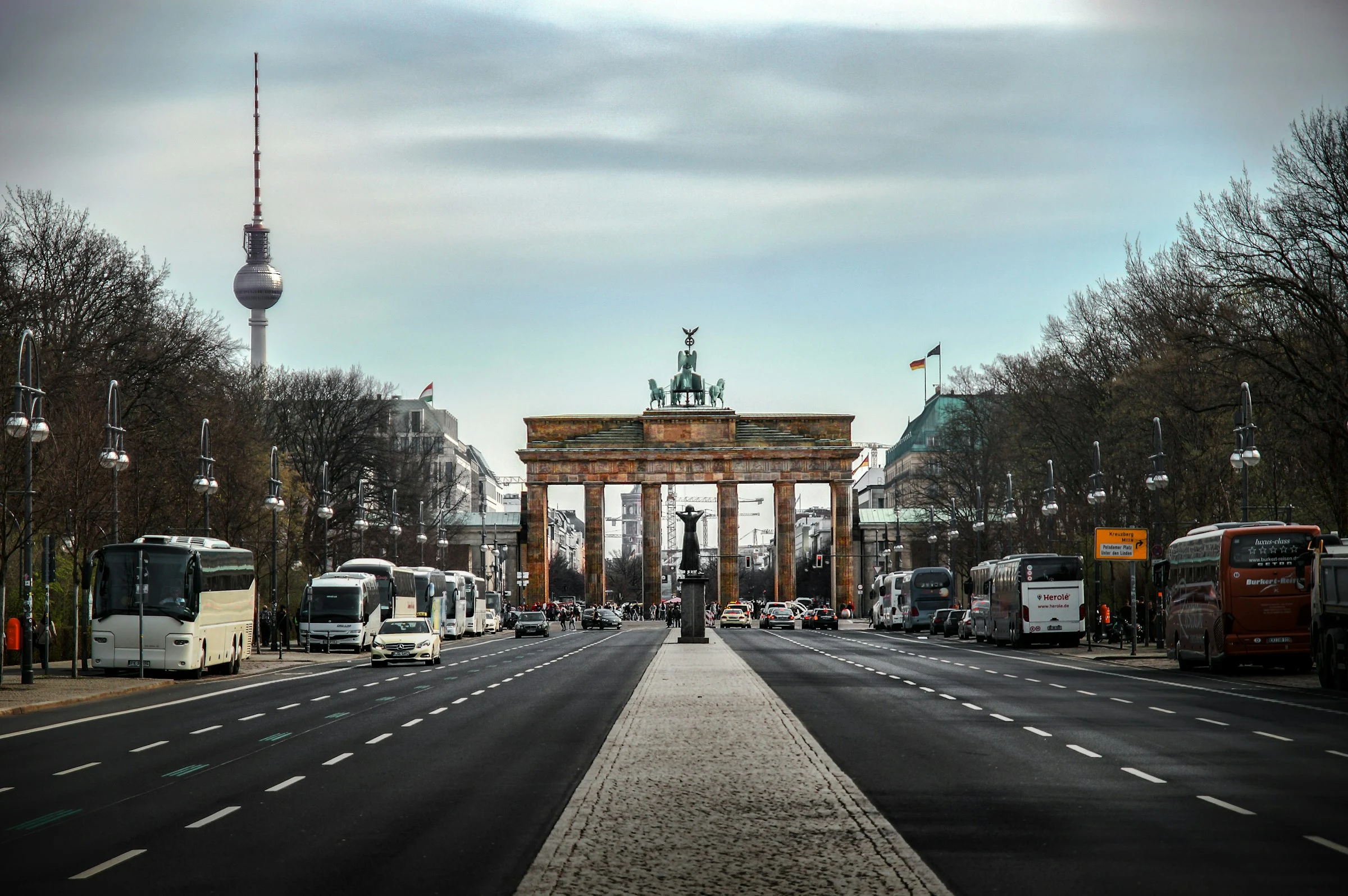
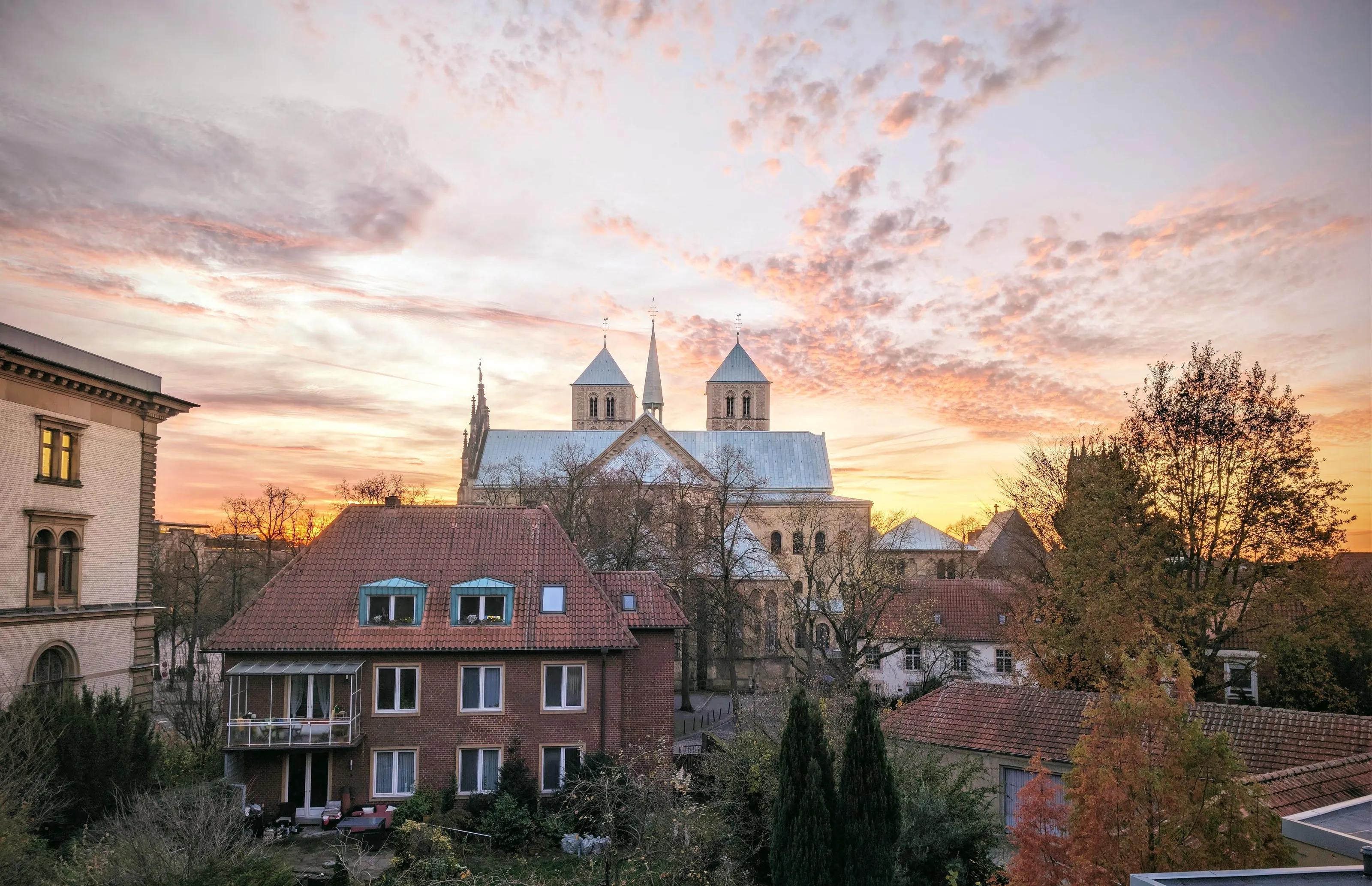
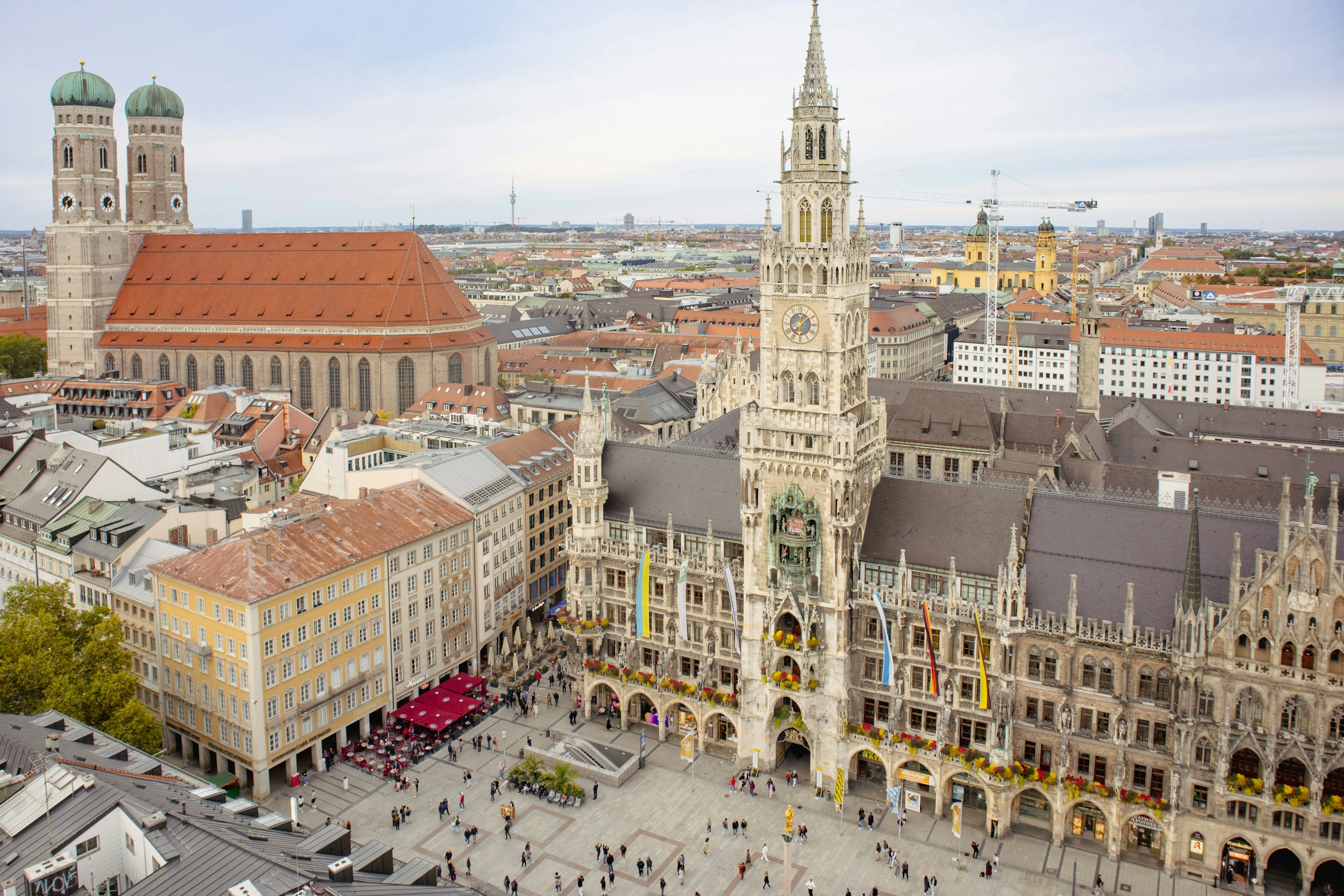
Similar destinations
FAQ
Frequently asked questions about flights to Hamburg
How do I get from Hamburg airport to the city centre?
The airport is about 8 km north of the centre. The S1 S-Bahn line takes 25 to 30 minutes to the main station, every 10 minutes by day. Check timetables before you go.
When is the best time to visit Hamburg?
May to September for waterside walks and open-air concerts; winter is cool and often grey. The port anniversary draws crowds in spring.
Is Hamburg expensive?
Cost depends mainly on accommodation and season. We do not quote amounts because we could not confirm them from two sources.
How long should I stay in Hamburg?
Two days for the Speicherstadt, the Elbphilharmonie and the Alster; four days if you add the districts, museums and a day trip to Lübeck.
What should I eat and drink in Hamburg?
A Fischbrötchen, Labskaus, eel soup, a cinnamon Franzbrötchen and an Alsterwasser.
How do I get around Hamburg?
With the HVV: S-Bahn, U-Bahn, buses and harbour ferries. There are no trams. Tickets must be validated before boarding.
How much does a flight to Hamburg usually cost?
The price depends mainly on your departure city, the time of year and how far ahead you book. The "opportunities" section above shows real examples of prices SniperAir has already detected to this destination.
How do I get alerted when a flight to Hamburg drops below my budget?
Create an alert profile with your departure airport, Hamburg as the destination and your maximum budget. You are notified automatically as soon as a matching price is detected.
Ready to head to Hamburg?
Set your budget and let SniperAir monitor fares for you.
Create my alert