
Cheap flights to Berlin
Set your departure airport and maximum budget: SniperAir tracks prices to Berlin and alerts you the moment a matching opportunity appears.
Quick summary
Country
Germany
Continent
Europe
Airport
BER
Currency
Euro (€)
Time zone
UTC+1
Opportunities already detected to Berlin
Real flight examples spotted by SniperAir, with their reference price.
Loading examples…
Things to do in Berlin
Activities and tickets to book on the spot
A real selection, with up-to-date prices and reviews, from our partners.
Why monitor Berlin with SniperAir
You do not need to compare flight prices every day
Choose your departure
Select your departure airport and set the maximum amount you are willing to pay for a flight to Berlin.
SniperAir monitors the route
SniperAir continuously compares newly detected fares with the actual price history of the route.
Get notified
When a fare matches your criteria, you receive an alert without having to repeat the same flight search yourself.
Once the trip begins to take shape, SniperAir can also help you discover things to do in Berlin, including museum tickets, guided history tours, attractions, cultural experiences and excursions.
Berlin Airport
One main airport for the entire capital
Berlin Brandenburg Airport
Berlin Brandenburg Airport has been the German capital's main commercial airport since 2020, replacing Tegel and the former passenger operations at Schönefeld. Located southeast of central Berlin, BER is connected to the city by regional trains, the S-Bahn and other public transport services.
For travellers searching for cheap flights to Berlin, BER is the airport code to use for almost all scheduled passenger services to the capital.
Identity
A capital shaped by the Cold War
Few European capitals display the traces of 20th-century history as visibly as Berlin. The city was divided by the Berlin Wall from 1961 until 1989, and reminders of that period still appear throughout the urban landscape. At the same time, modern Berlin has reinvented itself as a creative, multicultural and unusually spacious European capital, known for contemporary art, independent culture, nightlife and large areas of greenery.
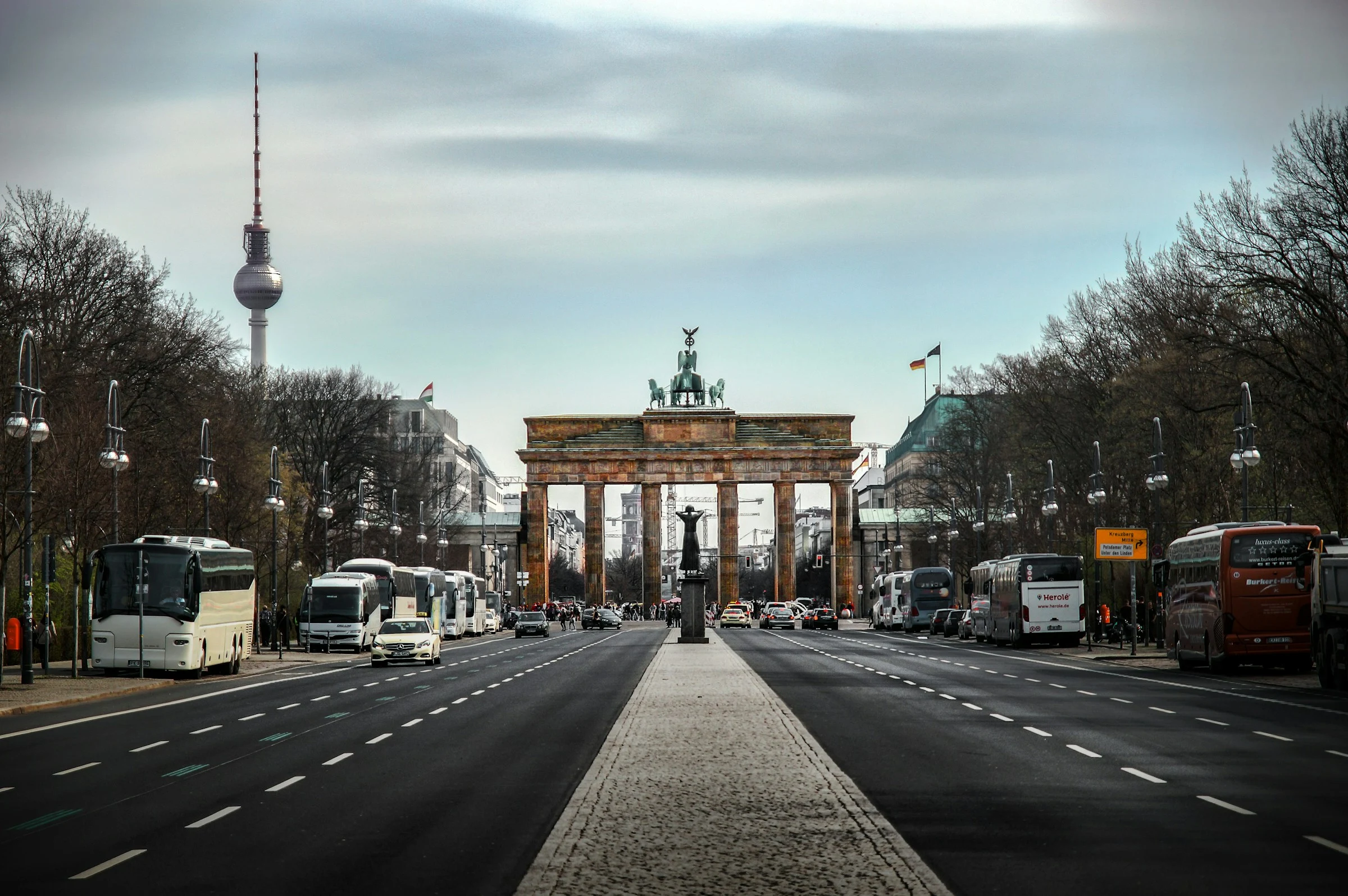
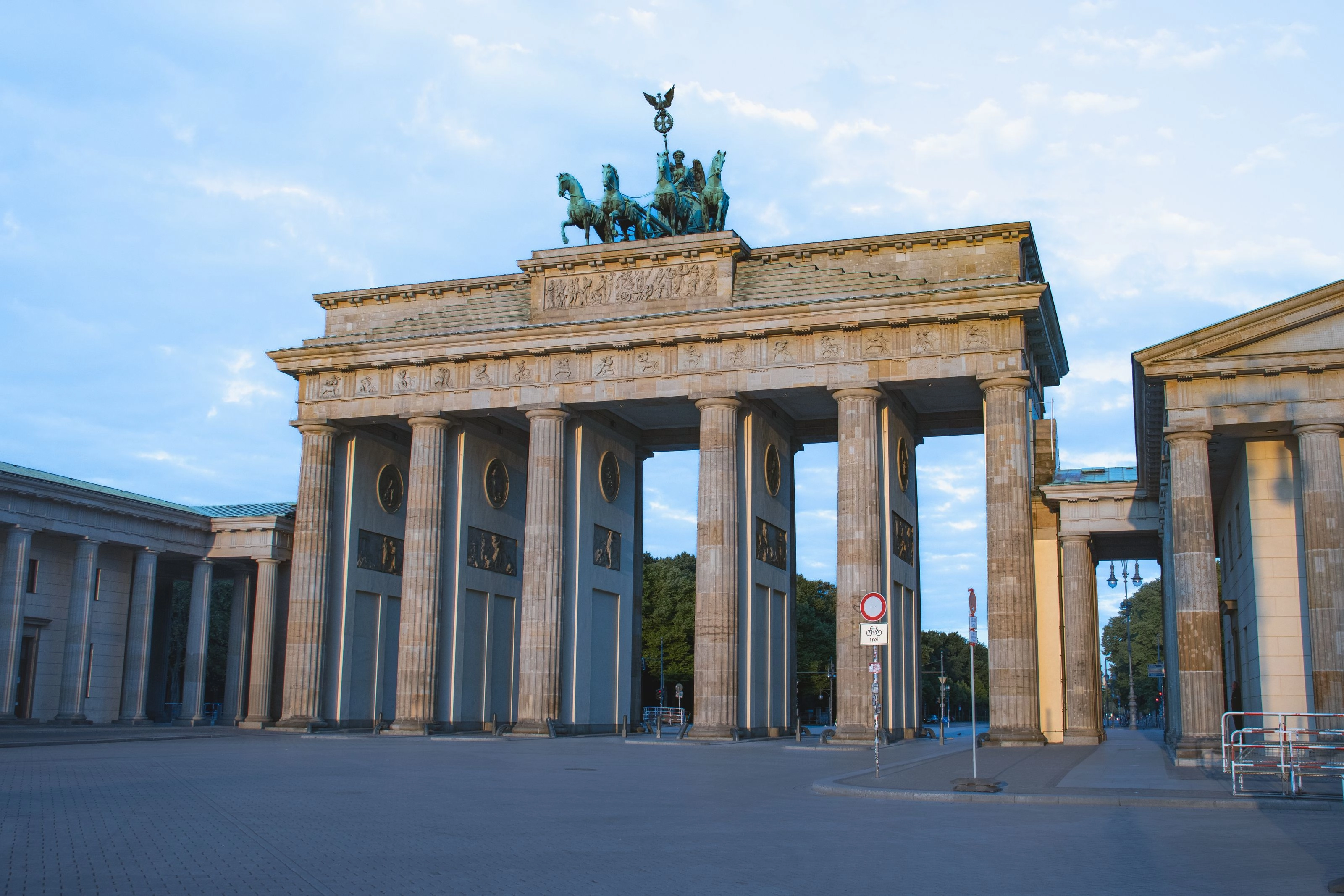
The Brandenburg Gate is perhaps the clearest symbol of that transformation. Once standing beside the line that divided East and West Berlin, it became one of the defining images of German reunification after 1990. Today, Pariser Platz and the Brandenburg Gate are natural starting points for a first visit to Berlin.
Don't miss
The Berlin Wall: remembrance and street art
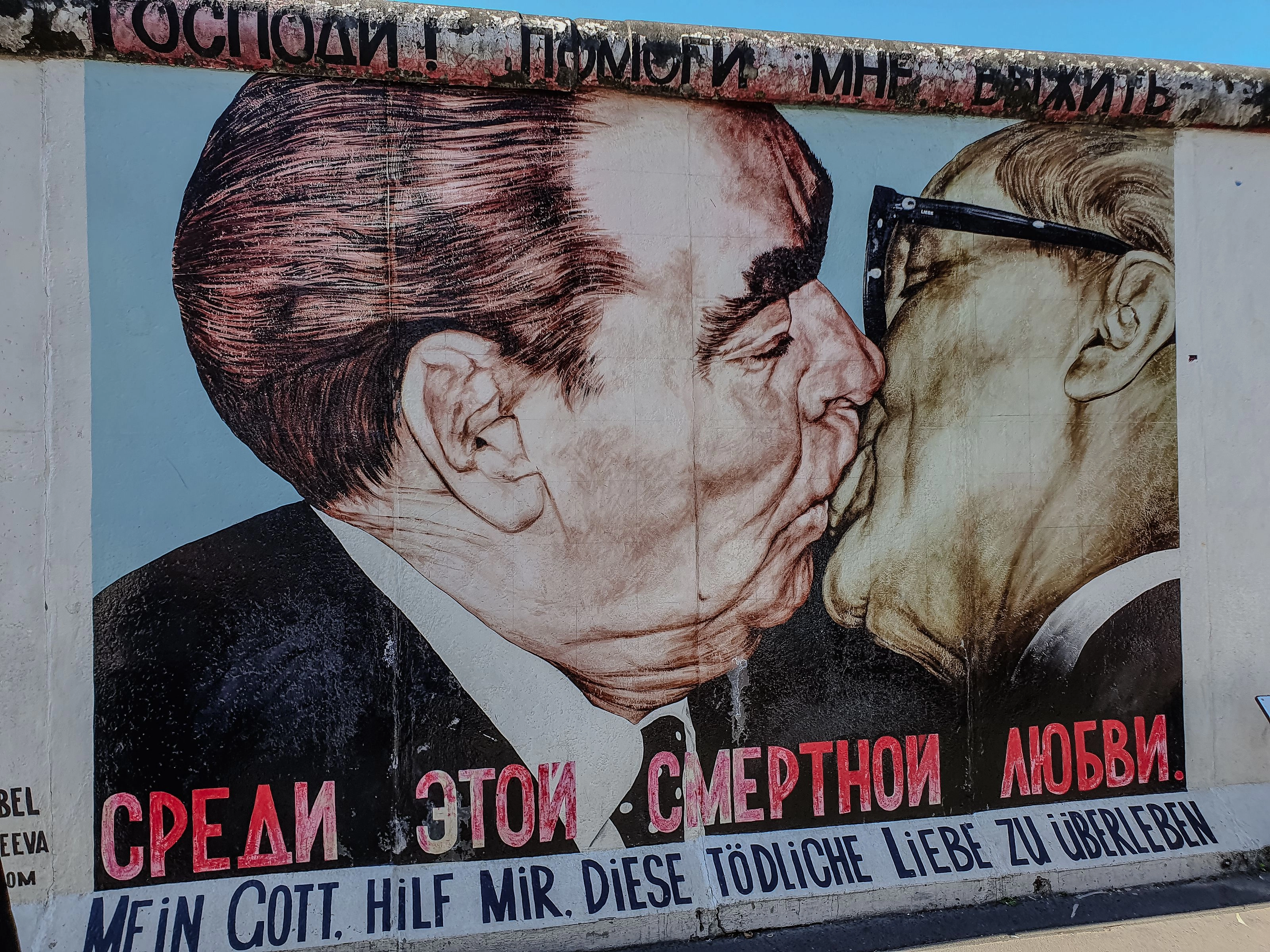
The East Side Gallery is the longest major surviving section of the Berlin Wall. Stretching for around 1.3 kilometres beside the River Spree, it was transformed into an open-air art gallery shortly after the fall of the Wall. Artists from different countries covered the concrete with murals reflecting freedom, political change and the end of Germany's division. One of the best-known works is Dmitri Vrubel's depiction of the embrace between Leonid Brezhnev and Erich Honecker. Elsewhere, Checkpoint Charlie recalls one of the most famous crossing points between the American and Soviet sectors during the Cold War. Guided Berlin Wall and Cold War tours can provide much more context than simply visiting the sites independently.
Heritage & institutions
Museum Island and the Reichstag
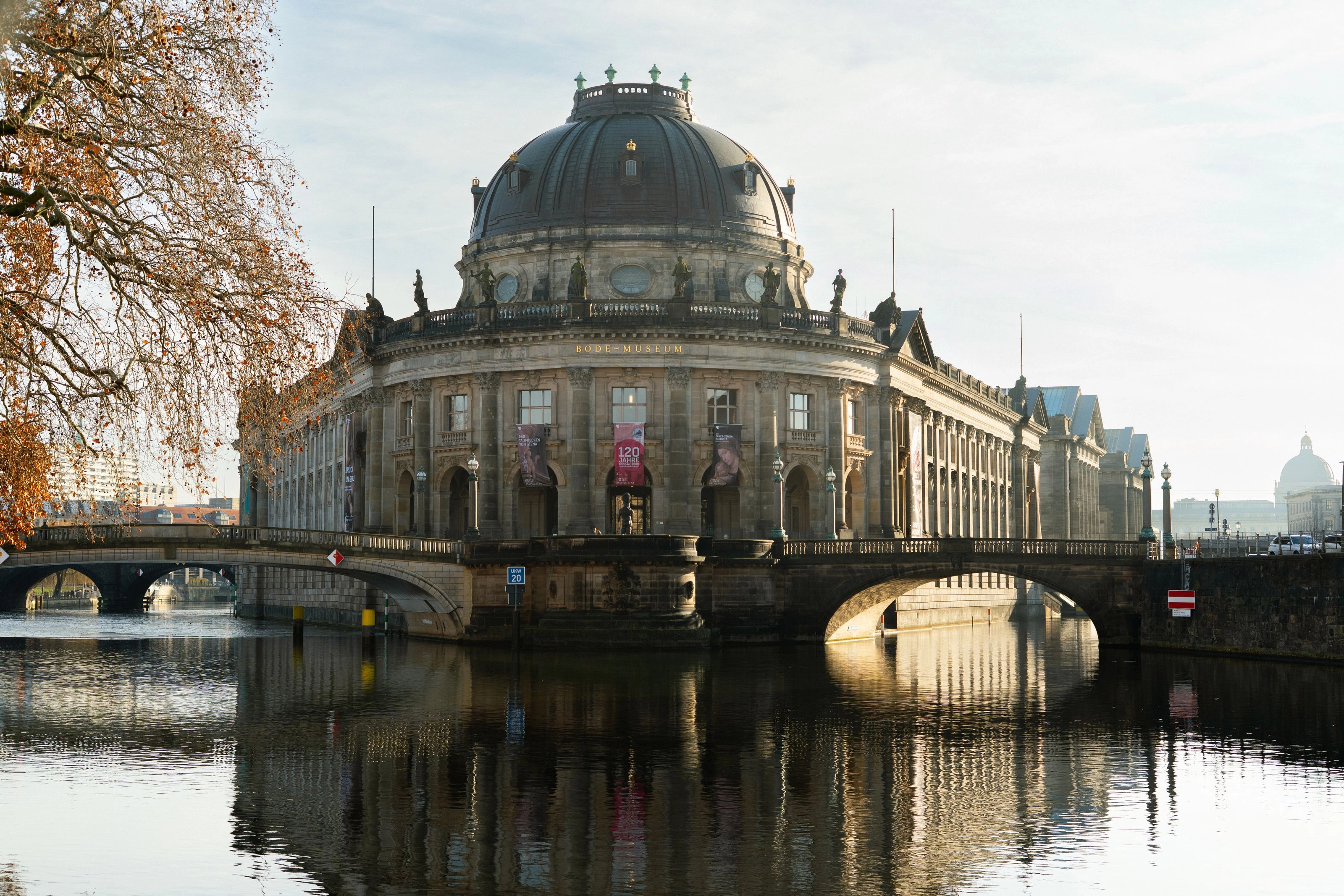
Berlin's Museum Island, or Museumsinsel, has been a UNESCO World Heritage Site since 1999. Located on the River Spree, the ensemble brings together some of Germany's most important museum buildings, including the Neues Museum, Bode Museum, Altes Museum and Alte Nationalgalerie. The Neues Museum is particularly famous for the bust of Nefertiti. The Pergamonmuseum is undergoing a major long-term renovation, so travellers should check which collections and buildings are accessible before planning their visit.
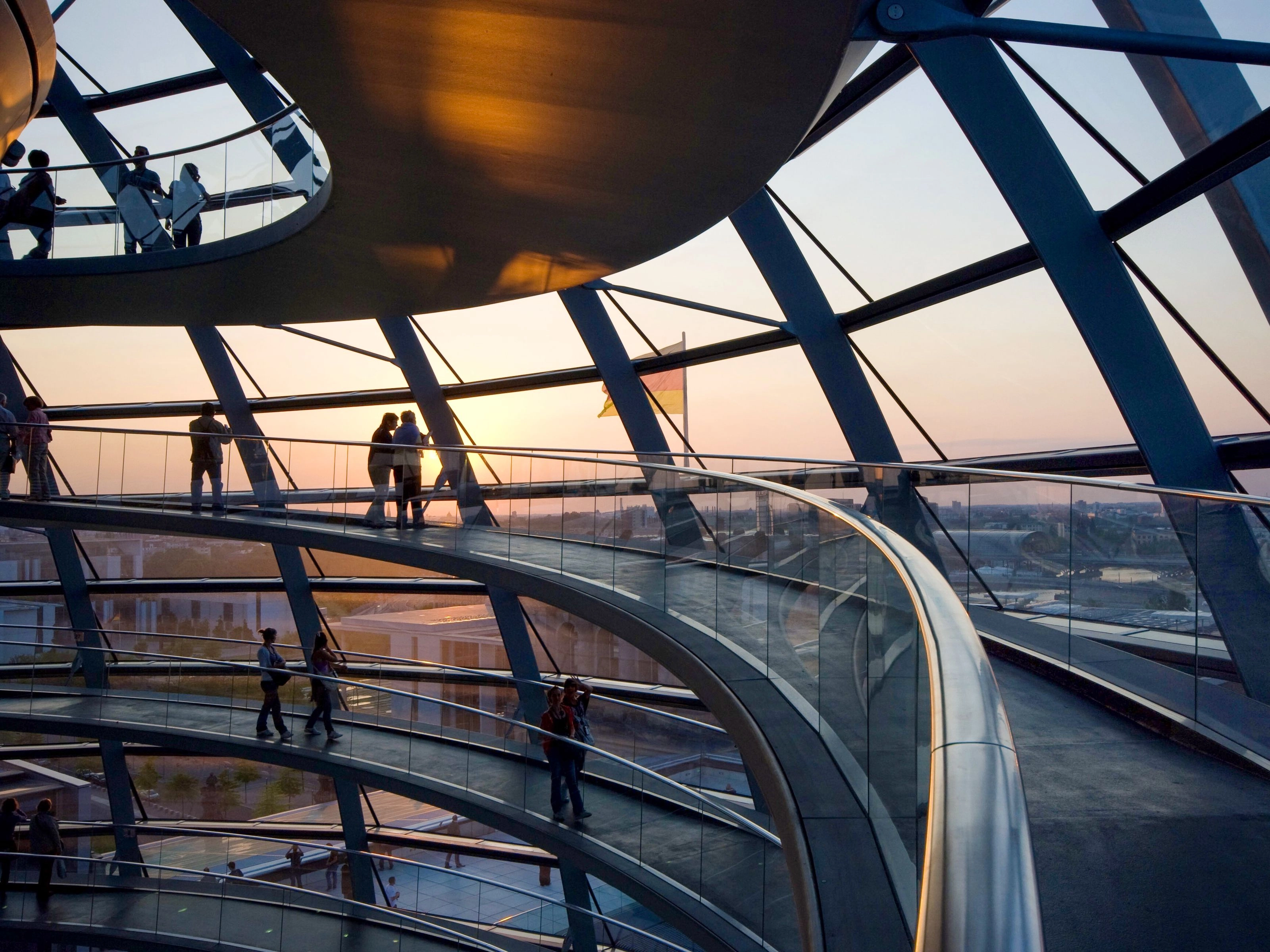
Not far away stands the Reichstag, home of the German Bundestag. Its historic façade contrasts with the modern glass dome designed by Norman Foster, which offers panoramic views across the government district and central Berlin. Access to the dome is generally free, but advance registration is required. Museum tickets, guided Museum Island tours and Reichstag experiences can easily be combined within the same central Berlin itinerary.
Neighbourhoods
Kreuzberg and Prenzlauer Berg, two very different sides of Berlin
Berlin is best understood through its neighbourhoods rather than through a single historic centre.
Kreuzberg — historically working-class and multicultural, Kreuzberg became one of the centres of Berlin's alternative culture. Turkish and international restaurants, independent bars, street art, markets and nightlife remain central to the district's identity.
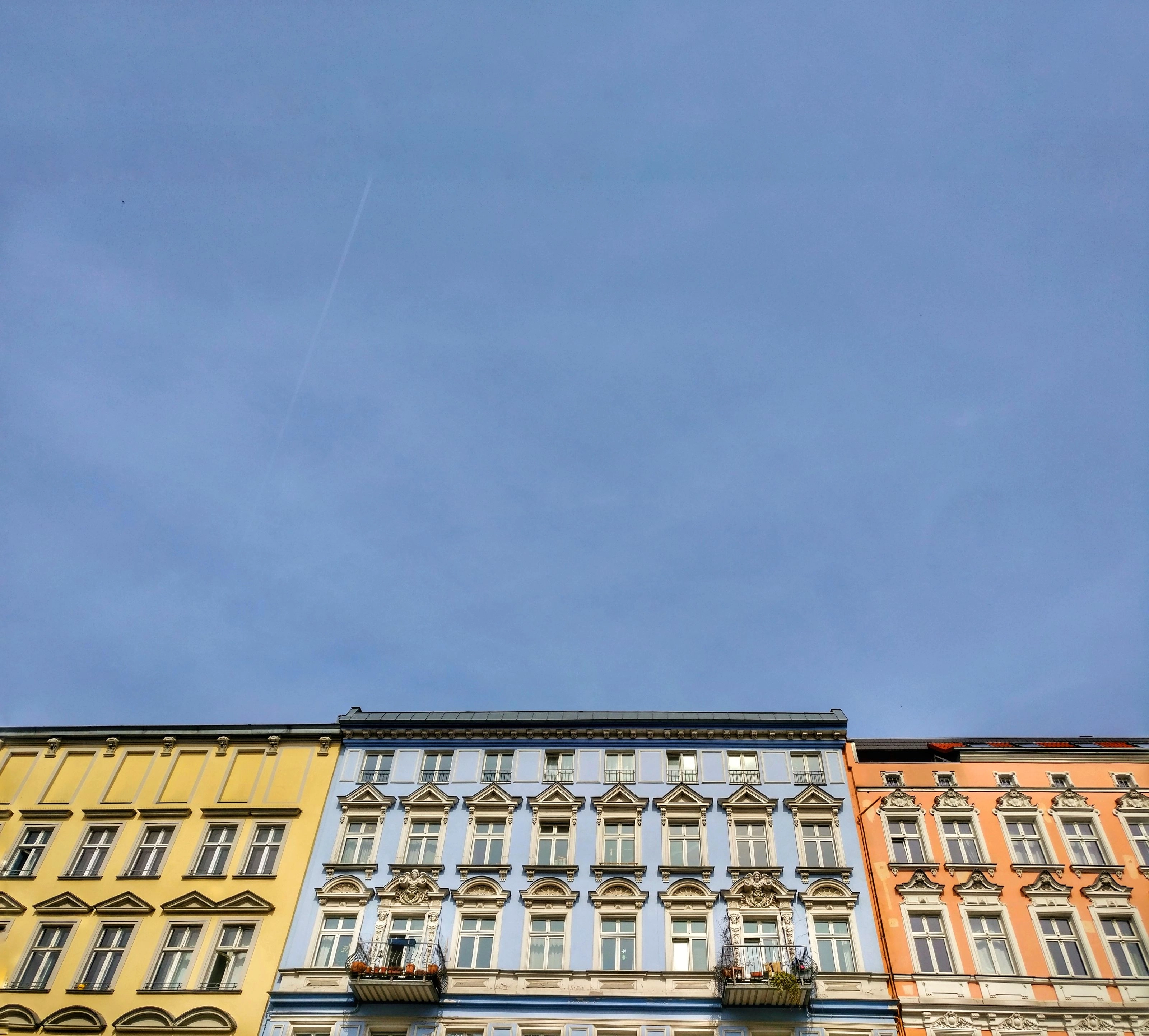
Prenzlauer Berg offers a different atmosphere. Restored Altbau apartment buildings, tree-lined streets, courtyards, cafés and neighbourhood markets give the area a calmer residential character. Between Kreuzberg and the East Side Gallery, Friedrichshain combines former industrial spaces, nightlife, restaurants and residential streets.
Neukölln, Berlin's evolving alternative district
Neukölln has changed considerably in recent decades while retaining a strong multicultural identity. Around areas such as Weserstraße and Sonnenallee, traditional local businesses now sit beside independent cafés, restaurants, bars, vintage shops and creative spaces. For visitors interested in contemporary Berlin rather than only its monuments, Neukölln, Kreuzberg and Friedrichshain offer some of the most interesting neighbourhood walks in the city.
Discover
Potsdamer Platz and Alexanderplatz: two faces of modern Berlin
Potsdamer Platz
Potsdamer Platz was one of Europe's busiest intersections before the Second World War. After wartime destruction and decades beside the Berlin Wall, much of the area became empty ground during the Cold War. Following reunification, it was extensively redeveloped with contemporary architecture, offices, entertainment venues and public spaces.
Alexanderplatz
Alexanderplatz has a very different identity. The square remains closely associated with former East Berlin and is dominated by the Fernsehturm, Berlin's television tower. At 368 metres, the tower is the tallest structure in Germany and one of the city's most useful visual landmarks. Nearby, the Weltzeituhr world clock has been a popular meeting point since the late 1960s. Berlin TV Tower tickets are among the city experiences that can be worth reserving ahead during busy periods.
A uniquely Berlin experience
Tempelhofer Feld: an airport transformed into public space
Tempelhof is one of the most unusual examples of urban reuse in Europe. The site served military and aviation purposes before becoming closely associated with the Berlin Airlift of 1948–49, when aircraft supplied West Berlin during the Soviet blockade. Commercial airport operations ended in 2008. Rather than immediately redeveloping the airfield, Berlin opened the huge open space to the public in 2010. Today, former runways are used by cyclists, runners, skaters and kite enthusiasts, while other sections include community gardens and recreational areas.
Nightlife
One of the world capitals of electronic music
Berlin's nightlife became internationally famous after the fall of the Wall, when abandoned industrial buildings and spaces in the former East Berlin provided a setting for a new generation of clubs and electronic music. Techno became inseparable from the city's post-reunification cultural identity. Berghain, housed in a former power station in Friedrichshain, remains the best-known international symbol of Berlin club culture.
But the city's nightlife goes far beyond one venue. Clubs, concert spaces, bars and cultural projects are spread across Friedrichshain, Kreuzberg, Neukölln and other districts, with styles ranging from techno and house to jazz, experimental music and live concerts. Nightlife tours and guided experiences can also help visitors understand how club culture became part of Berlin's modern identity.
Food
Currywurst and döner: two Berlin classics
| Speciality | Background | What to expect |
|---|---|---|
| Currywurst | Closely associated with post-war Berlin | Sliced sausage served with a tomato-based sauce and curry powder |
| Berlin-style döner | Developed through Berlin's large Turkish community | Meat served in bread with salad, vegetables and sauces |
Berlin's food scene now goes much further than these two classics. Turkish, Vietnamese, Middle Eastern, Italian and contemporary German cooking all form part of everyday city life. Food tours through Kreuzberg, Neukölln or central Berlin can be an interesting way to explore the city through migration and local culture. For more traditional shopping, KaDeWe in western Berlin remains one of Germany's best-known department stores, while Sunday flea markets such as Mauerpark offer vintage clothing, records, design objects and second-hand finds.
Getting around
One of Europe's most extensive public transport networks
Berlin covers a very large area, so public transport is essential when moving between neighbourhoods.
The underground network
Particularly useful within the inner city, linking many major districts and attractions.
Berlin's urban railway
Ideal for longer journeys across the city and surrounding region, including connections towards BER Airport and Potsdam.
The surface network
Trams are particularly common in the eastern districts, while buses fill many gaps across the wider network.
Berlin uses an integrated fare system, allowing travellers to combine different forms of public transport within the relevant ticket zones and validity period. For longer stays, day passes and multi-day options may be more practical than buying individual tickets repeatedly.
Travel budget
Berlin can still offer good value for a major European capital
Berlin is no longer the exceptionally inexpensive city it once was, and accommodation prices in particular have increased. However, travellers can still find a broad range of affordable restaurants, public transport options, free public spaces and low-cost cultural activities. Neighbourhood food, parks, street art, markets and many historic sites make it possible to experience Berlin without relying exclusively on expensive attractions.
Monitoring flight prices can therefore help keep the overall cost of a Berlin city break under control. SniperAir lets travellers follow flights to Berlin and then discover activities and experiences once the trip starts taking shape.
How long to stay
What to do in Berlin depending on your trip length
The essentials
Brandenburg Gate, Reichstag, East Side Gallery, Checkpoint Charlie and Museum Island.
Go deeper
Add Potsdamer Platz, Alexanderplatz and time in Kreuzberg or Prenzlauer Berg.
Experience the city
Explore Tempelhofer Feld and Neukölln, spend more time in Berlin's museums or take a day trip to Potsdam.
Travellers interested in nightlife can also dedicate an evening to Friedrichshain, Kreuzberg or another of the city's club districts.
When to go
When to visit Berlin
Spring
Milder weather and a good period for walking, parks and neighbourhood exploration.
Summer
Long days, outdoor events, open-air venues and plenty of activity around the city.
Autumn
Cooler temperatures and an attractive period for museums, neighbourhoods and parks.
Winter
Cold weather and short days, but Christmas markets and seasonal events create a very different atmosphere.
Book with SniperAir
Flights, attractions and experiences in Berlin
Alongside cheap flights to Berlin, SniperAir can help travellers discover bookable experiences such as Berlin Wall tours, Cold War guided walks, Museum Island visits, Reichstag experiences, TV Tower tickets, street-art tours, food tours, bike tours, Potsdam excursions and other Berlin attractions.
The idea is simple: monitor your flight, discover Berlin, compare activities and access the relevant booking offer once you have chosen.
FAQ
Frequently asked questions about flights and travel to Berlin
Which airport serves Berlin?
Berlin Brandenburg (BER), the capital's only commercial airport since 2020.
How do I get from BER Airport to central Berlin?
BER is connected to the city centre by regional trains and the S-Bahn, with journeys generally taking around 30 minutes.
How much does a flight to Berlin usually cost?
The price mainly depends on your departure city, the season, and how far in advance you book. The "opportunities" section above shows real price examples already detected by SniperAir for this destination.
How long is a flight to Berlin from other European cities?
Generally between 1 and 3 hours depending on your departure city.
Do I need to register in advance to visit the Reichstag dome?
Yes, access is generally free but advance online registration is required, often several days or even weeks ahead during busy periods.
How many days should I spend in Berlin?
Two to three days let you see the essentials (Brandenburg Gate, East Side Gallery, Museum Island), but the city is large and rewards longer stays for exploring neighbourhoods and nightlife.
What is the best time to book a flight to Berlin?
There's no universal rule — the best price depends on your specific route. That's exactly why SniperAir tracks prices for you instead of giving generic advice.
How can I get notified when a flight to Berlin falls below my budget?
Create an alert profile with your departure airport, Berlin as the destination, and your maximum budget. You'll be notified automatically as soon as a matching price is detected.
Can I find tickets, tours and activities in Berlin through SniperAir?
Yes. Alongside cheap flights, SniperAir lets you discover bookable experiences in Berlin: Berlin Wall tours, Museum Island visits, Reichstag experiences, TV Tower tickets and Potsdam excursions.
Ready to head to Berlin?
Set your budget and let SniperAir watch the fares.
Create my alert