
Cheap flights to London
Set your departure airport and maximum budget: SniperAir tracks prices to London and alerts you as soon as an opportunity matching your criteria appears.
Quick summary
Country
United Kingdom
Continent
Europe
Airport
LHR
Currency
Pound sterling (£)
Time zone
UTC+0
Opportunities already detected to London
Real flight examples spotted by SniperAir, with their reference price.
Loading examples…
Things to do in London
Activities and tickets to book on the spot
A real selection, with up-to-date prices and reviews, from our partners.
Identity
Two thousand years of history along the Thames
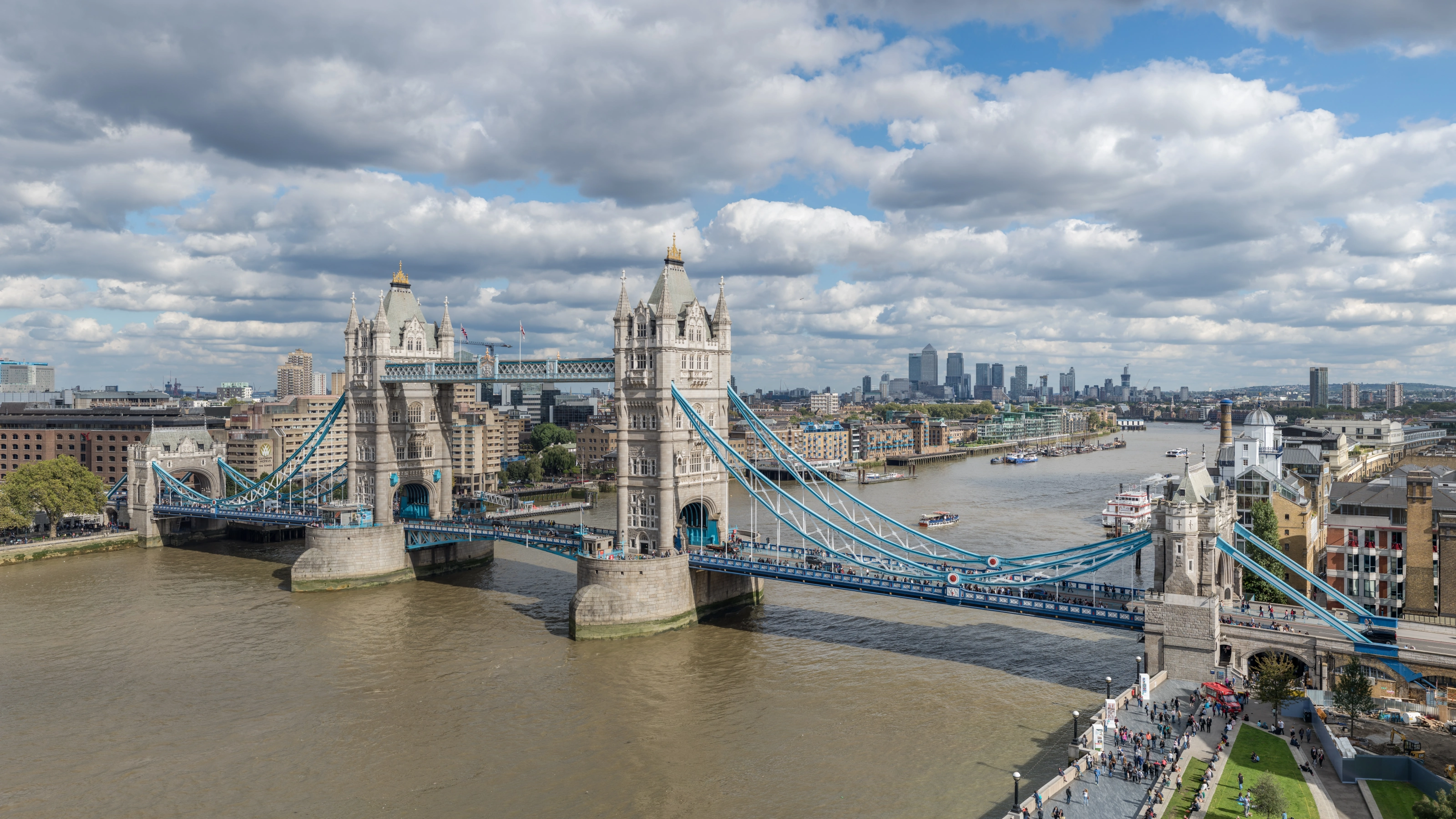
Founded by the Romans in the 1st century AD under the name Londinium, London has grown for almost two thousand years around the River Thames. The river remains one of the best ways to understand the British capital: Westminster and the country's political institutions to the west, the City and its modern towers around the old Roman core, the regenerated docks of the East End, and Greenwich further downstream.
London does not have a single centre in the traditional sense. Instead, the city is made up of neighbourhoods with very different personalities: Westminster for royal and political landmarks, Soho for restaurants and nightlife, Covent Garden for theatres and shopping, Camden for alternative culture, Notting Hill for colourful houses, Shoreditch for street art and creative venues, and South Bank for riverside walks along the Thames.
This variety is one of the reasons London works equally well for a first city break or a much longer stay. Royal history, museums, contemporary architecture, markets, West End musicals, football, international food and nightlife can all be part of the same trip.
For travellers searching for things to do in London, the city also offers a major advantage: several of the country's leading national museums provide free access to their permanent collections, making it possible to enjoy an exceptionally rich cultural trip without paying admission everywhere.
Don't miss
The Tower of London, Westminster and Big Ben
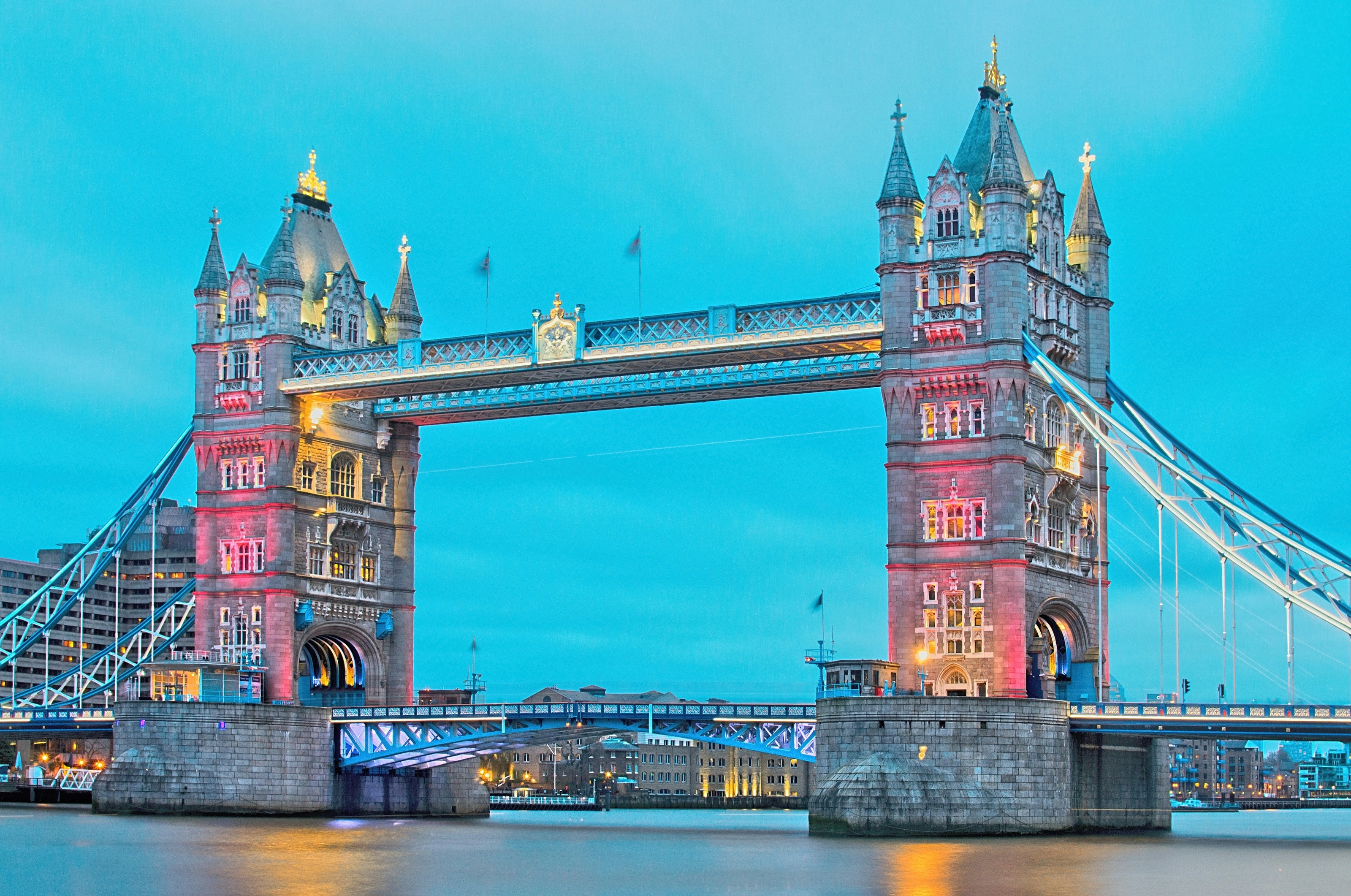
The Tower of London is one of the capital's oldest and most historically significant landmarks. At its heart stands the White Tower, built from the late 11th century under William the Conqueror as a symbol of Norman power over the newly conquered city. Over the centuries, the complex has served as a royal residence, fortress, prison, armoury and place of execution.
Today, the Tower of London is best known as the home of the Crown Jewels, but a visit also reveals medieval walls, former royal apartments and the famous ravens that feature prominently in the legends surrounding the fortress.
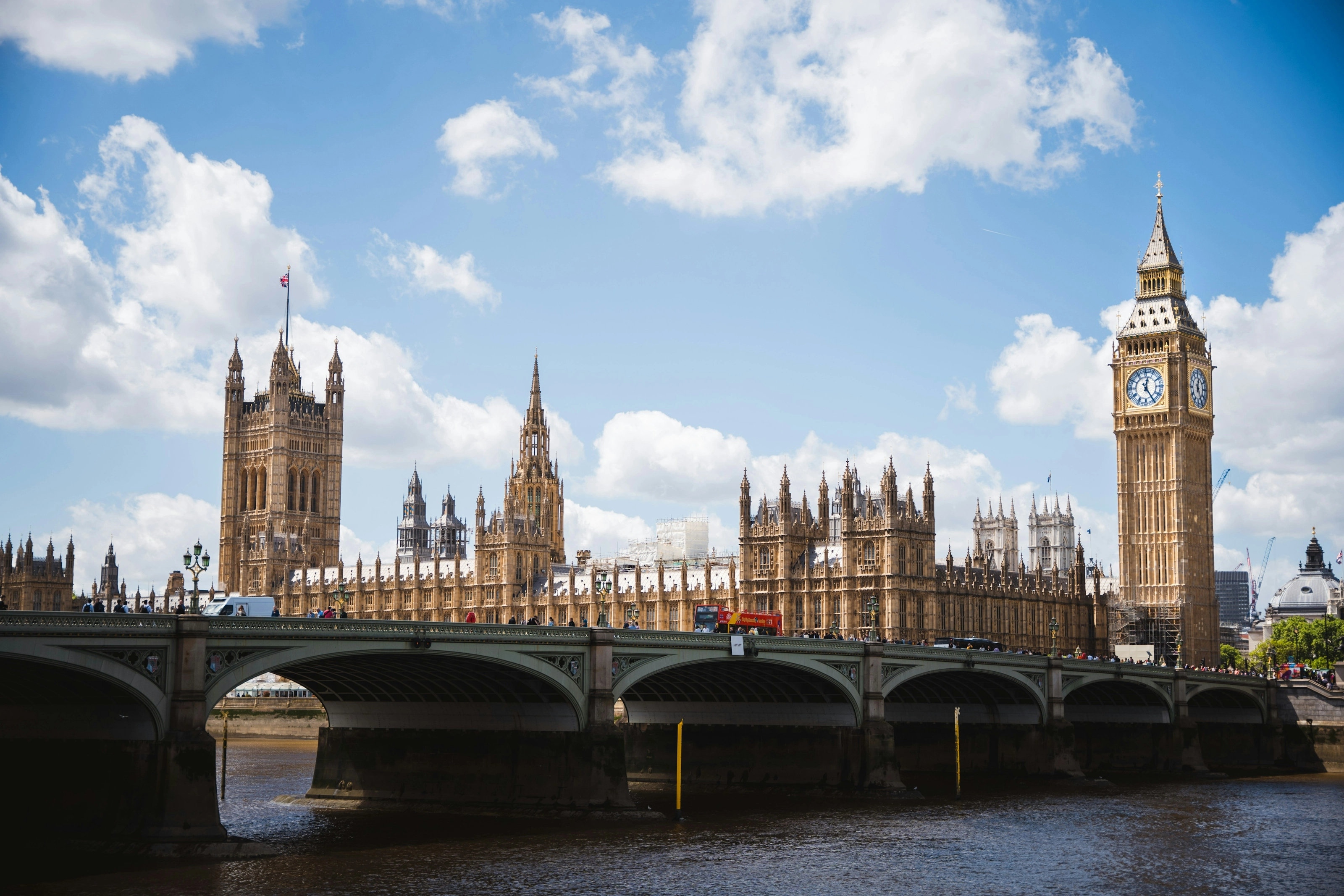
A few kilometres upstream lies another historic centre of London: Westminster. Westminster Abbey has been closely associated with the British monarchy for centuries and remains the traditional setting for coronations. Next door, the Palace of Westminster is home to the UK Parliament. Its Gothic Revival skyline is dominated by the Elizabeth Tower, commonly referred to as Big Ben, although Big Ben is technically the name of the great bell inside the tower. A guided Westminster tour can combine Westminster Abbey, Parliament Square, Big Ben, Whitehall and, on some itineraries, Buckingham Palace.
Discover
See London differently on a River Thames cruise
The Thames offers one of the best viewpoints over London. A river cruise can reveal a succession of major landmarks without dealing with road traffic: the Palace of Westminster, London Eye, St Paul's Cathedral, Tate Modern, Shakespeare's Globe, the Shard, the Tower of London and Tower Bridge. Some cruises are simple sightseeing journeys, while others offer live commentary, sunset departures, afternoon tea or dinner experiences.
For first-time visitors, a Thames cruise is also one of the easiest ways to understand the distances between Westminster, the City, South Bank and Tower Bridge. River cruise tickets are easy to fit into a two- or three-day London itinerary and can often be combined with other London attractions.
Culture
British Museum, National Gallery and free museums
Founded in 1753 and opened to the public a few years later, the British Museum holds one of the world's most important collections of human history and culture. Its galleries span continents and thousands of years, with highlights including the Rosetta Stone and major Egyptian, Greek, Roman and Mesopotamian collections. Permanent collections are generally free to visit, while some temporary exhibitions require a separate ticket.
But the British Museum is only one part of London's cultural landscape. At Trafalgar Square, the National Gallery offers free access to masterpieces of European painting. In South Kensington, the Victoria and Albert Museum, Natural History Museum and Science Museum together form one of the world's richest museum districts. Across the river on South Bank, Tate Modern occupies a former power station and focuses on modern and contemporary art. For culture lovers, London can easily fill several days without leaving the central parts of the city.
Royal London
Buckingham Palace and London's parks
Buckingham Palace remains one of the most recognisable symbols of the British monarchy. Located at the end of The Mall, the palace draws large crowds during major royal events and during the Changing of the Guard when the ceremony is scheduled.
Several of London's most attractive green spaces are located nearby. St James's Park links the palace area with Westminster through landscaped lawns, gardens and a lake. Further west, Hyde Park offers much more space for walking, running or simply escaping the busier streets of central London. To the north, Regent's Park and Primrose Hill offer another side of the city, with wide open spaces and excellent views towards the London skyline.
This abundance of parks helps London alternate surprisingly easily between dense urban districts and quieter green spaces.
Discover
Camden Town and Notting Hill, two very different sides of London
Camden Town
North of central London, Camden Town has become one of the neighbourhoods most strongly associated with the city's alternative culture. Its markets combine international street food, vintage clothing, independent shops, crafts and unusual finds. The area also has a long connection with live music, punk, rock and alternative British scenes. Along Regent's Canal, former industrial spaces have gradually been transformed into restaurants, markets and walking areas. Camden is particularly interesting for travellers who want to move beyond the royal and monumental London of Westminster and experience a younger, more eclectic side of the city.
Notting Hill
To the west, Notting Hill offers an almost complete contrast. The neighbourhood is famous for its colourful houses, elegant residential streets and Portobello Road. Portobello Road Market combines antiques, vintage items, clothing, food stalls and independent businesses. Notting Hill becomes even more lively during the annual Notting Hill Carnival, which transforms the area into a major celebration of Caribbean culture, music and street life. For photography, colourful architecture and neighbourhood walks, Notting Hill remains one of London's most appealing districts.
Neighbourhoods
Soho, Covent Garden and the West End
Central London changes character quickly from one neighbourhood to the next.
Soho
Soho is packed with restaurants, cocktail bars, clubs and small streets that remain lively well into the night. Chinatown sits immediately beside it, making the area one of the best places to experience London's international food scene.
Covent Garden
Covent Garden has a more theatrical and shopping-focused atmosphere. Its historic market building, street performers, boutiques and restaurants attract visitors throughout the day.
West End
The West End is London's equivalent of Broadway. Musicals, plays and major productions fill dozens of historic theatres. Seeing a West End show can be one of the highlights of a London trip, and the most popular productions may require booking well in advance.
Modern London
The City, the Shard and Canary Wharf
London is not only about historic architecture. The City, the traditional financial core of the capital, places medieval churches and historic streets beside modern glass skyscrapers. Around St Paul's Cathedral, several contemporary buildings have become defining elements of London's modern skyline.
On the opposite side of the Thames, the Shard rises above London Bridge and offers one of the highest panoramic viewpoints over the city. Further east, Canary Wharf reveals another side of London: office towers, regenerated docks, shopping centres and waterfront walks. This contrast between Victorian architecture, medieval landmarks and 21st-century skyscrapers is one of the most distinctive features of the London cityscape.
Discover
Borough Market and South Bank
Under the railway arches near London Bridge, Borough Market is one of London's best-known food markets. British produce, international food, cheese, pastries, street food and independent traders attract both locals and visitors. It is also an excellent starting point for a walk towards the Thames.
The South Bank route connects several major attractions, including Tate Modern, Shakespeare's Globe, Millennium Bridge, London Eye and Westminster. For a first visit to London, this walk is one of the best ways to combine food, architecture, museums and iconic landmarks without constantly using public transport.
Heritage
St Paul's Cathedral and the history of the City
St Paul's Cathedral was rebuilt under architect Christopher Wren following the Great Fire of London in 1666. Its enormous dome remains one of the most recognisable features of the London skyline.
The surrounding City goes back much further. Some street patterns have medieval origins, while traces of Roman Londinium survive at several locations. Within only a few Underground stops, visitors can move from Roman history to Gothic churches and modern glass towers. That concentration of different historical periods is one of the great strengths of visiting central London.
Nightlife
Pubs, shows and neighbourhoods that stay lively after dark
London nightlife is about much more than clubs. The pub remains a genuine British social institution. Traditional and contemporary pubs can be found throughout the city, from historic establishments in the City to modern venues in Shoreditch and Camden.
Soho remains one of the busiest nightlife areas in central London, while Shoreditch and Dalston attract travellers looking for independent bars, music venues and a more alternative scene. For a more cultural evening, the West End offers theatre and musicals, while South Bank regularly hosts concerts and performances. Guided experiences focused on historic pubs, British music or specific neighbourhoods can also provide a different way to discover London at night.
Food
Much more than fish and chips
London now has one of the most internationally diverse food scenes in Europe. Traditional British cooking remains easy to find, but it exists alongside Indian, Caribbean, Chinese, Middle Eastern, African and European influences.
| What to try | Description |
|---|---|
| Fish and chips | Battered fish served with chips, one of Britain's best-known classics |
| Sunday roast | Roast meat with potatoes, vegetables, gravy and often Yorkshire pudding |
| Full English breakfast | A generous breakfast with eggs, bacon, sausages, baked beans, tomatoes and mushrooms |
| Afternoon tea | Tea served with small sandwiches, cakes and scones |
| Street food | Borough Market, Camden and Spitalfields offer food from around the world |
London is also well suited to food tours, market tastings, historic pub tours and afternoon tea experiences.
Day trip
Greenwich: the Prime Meridian, maritime history and city views
Greenwich is an excellent excursion without actually leaving London. Located downstream along the Thames, the area is known for its maritime heritage, green spaces and the Royal Observatory. The Greenwich Meridian, used as the reference for global longitude and timekeeping, passes through the observatory site.
The National Maritime Museum and Cutty Sark highlight London's long relationship with seafaring, trade and navigation. From Greenwich Park, the view towards Canary Wharf and the London skyline is particularly impressive. Greenwich can also be reached by boat from central London, turning the journey itself into part of the experience.
Why monitor London with SniperAir
You do not need to compare flight prices every day
Choose your departure
Select your departure airport and set the maximum amount you are willing to pay for a flight to London.
SniperAir monitors the route
SniperAir continuously compares newly detected fares with the actual historical pricing of the route. This helps place a fare in context instead of looking only at the price shown at a single moment.
Get notified
When a fare matches your criteria, SniperAir can alert you without requiring you to repeat the same flight search every day.
Once your flight begins to take shape, SniperAir can also help you discover activities in London, including Thames cruises, guided tours, attraction tickets, food experiences, excursions and other bookable experiences available for your stay.
London airports
Several airports serve the British capital
London has one of Europe's largest airport systems.
London Heathrow
Heathrow is the United Kingdom's main international airport. It handles a large number of long-haul and European flights and is connected to central London by several rail services, including the Elizabeth line.
London Gatwick
Located south of London, Gatwick serves many European and international routes. Rail connections are generally the most practical way to reach central London.
London Stansted
Stansted is particularly important for low-cost airlines operating European routes. It lies northeast of the capital and has a dedicated rail connection towards central London.
London City Airport
London City is much closer to central London and Canary Wharf. It is mainly used for selected European and business routes.
London Luton
Luton is another important airport for low-cost airlines and European services.
When searching for cheap flights to London, comparing several airports can be more useful than looking only at Heathrow. However, the cheapest airfare is not always the cheapest overall journey: transfer cost and travel time between the airport and your accommodation should also be considered.
Getting around
Tube, buses and walking: how to explore London
The London Underground, better known as the Tube, forms the backbone of the city's public transport network. London's iconic red double-decker buses complement the Underground and can also be a good way to see the city above ground. Contactless payment is widely used across London transport, making it easy to travel without buying a separate paper ticket for every journey.
Central London is also highly walkable. Westminster, Covent Garden, Soho, Trafalgar Square and South Bank can easily be linked during the same day. For neighbourhoods such as Camden, Greenwich, Notting Hill or Canary Wharf, public transport becomes much more important.
By trip length
What to do in London depending on how long you stay
The essentials
Start with Westminster, Big Ben and Westminster Abbey. Add the Tower of London, Tower Bridge and a Thames cruise. If time allows, finish the day around Covent Garden or Soho.
Go deeper
Add the British Museum, Buckingham Palace and a walk along South Bank. Plan half a day in Camden Town or Notting Hill. An evening in the West End also gives you the chance to see a musical or theatre performance.
Discover several versions of London
Explore Greenwich, Borough Market, Shoreditch, the City and St Paul's Cathedral. Allow more time for London's museums, markets and residential neighbourhoods.
With five days, it becomes much easier to spend an entire day in a more distant area without rushing between landmarks.
When to go
What's the best time to visit London?
Spring
Parks return to colour, temperatures become milder and long walks are particularly enjoyable.
Summer
Long days and many outdoor events, but the city's major attractions are also at their busiest.
Autumn
Parks become especially photogenic and visitor numbers may ease after the summer peak.
Winter
Days are short and cool, but festive lights, Christmas markets, shop windows and West End entertainment give the city a distinctive atmosphere.
Book with SniperAir
Flights, activities and experiences in London
SniperAir goes beyond flight monitoring. In addition to finding and monitoring flights to London, travellers can discover experiences available across the capital: Thames cruises, Tower of London tickets, Westminster tours, guided London sightseeing, Harry Potter-themed experiences, food tours, Greenwich excursions, attraction tickets, stadium tours, themed walks and other activities.
The idea is simple: find the right time to book your flight, discover London, compare activities that match your trip and then access the relevant booking offer once you have chosen.
You might also like
Similar destinations

FAQ
Frequently asked questions about flights and travel to London
Which airport is best for arriving in London?
Heathrow (LHR) is the largest airport and offers the most direct international connections. Gatwick, Stansted, Luton and London City are also tracked by SniperAir and can offer good fares depending on your route.
What is the difference between Heathrow, Gatwick and Stansted?
Heathrow handles most long-haul flights and the widest range of direct connections. Gatwick, south of the city, covers many European and international routes. Stansted, northeast of London, is mainly used by low-cost airlines on European routes.
How do I get from Heathrow Airport to central London?
The Elizabeth line and the Underground both connect Heathrow directly to central London, with several other rail options available depending on your terminal.
How many days do I need to visit London?
Two to three days let you cover the essentials between Westminster, the Tower of London and the British Museum. Four to five days allow time for Greenwich, Shoreditch and other neighbourhoods further out.
What are the must-see attractions in London?
The Tower of London, Westminster and Big Ben, Buckingham Palace, Tower Bridge, the British Museum and a Thames cruise cover the essentials of a first visit.
Which museums in London are free?
The British Museum, National Gallery, Victoria and Albert Museum, Natural History Museum, Science Museum and Tate Modern all offer free access to their permanent collections.
Can I visit London without a car?
Yes, easily. The Underground (Tube), red double-decker buses and walking are more than enough to get around the centre and reach neighbourhoods further out like Camden or Greenwich.
What is the best time of year to visit London?
Spring and autumn offer a good balance between pleasant weather and moderate crowds. Summer is livelier but busier, while winter is popular for its festive atmosphere around the West End.
How can I find cheap flights to London?
The price mainly depends on your departure city, the season and how far in advance you book. The "opportunities" section above shows real price examples already detected by SniperAir for this destination.
How can I get notified when a flight to London falls below my budget?
Create an alert profile with your departure airport, London as the destination and your maximum budget. You'll be notified automatically as soon as a matching price is detected.
Can I find Thames cruises, guided tours and London activities through SniperAir?
Yes. Alongside cheap flights, SniperAir lets you discover bookable experiences in London: Thames cruises, Tower of London tickets, guided tours and Greenwich excursions.
Ready to head to London?
Set your budget and let SniperAir watch the fares.
Create my alert