
Cheap flights to Frankfurt
Set your departure airport and maximum budget: SniperAir tracks prices to Frankfurt and alerts you the moment a deal matching your criteria appears.
Quick summary
Country
Germany
Continent
Europe
Airport
FRA
Currency
Euro (EUR)
Time zone
UTC+1 (UTC+2 during summer time)
Deals already spotted to Frankfurt
Real flight examples detected by SniperAir, with their reference price.
Loading examples…
Why track Frankfurt with SniperAir
You do not need to compare prices every day
Choose your departure
Enter your departure airport and your maximum budget for a flight to Frankfurt (FRA).
SniperAir keeps watch
Our systems continuously compare new prices with the real price history of the route. SniperAir monitors prices and alerts you: it does not sell or book tickets.
You receive an alert
As soon as a price matches your criteria, you are notified, without having searched for anything yourself.
Airport and getting into town
Germany's biggest airport, a few minutes from the centre by S-Bahn
Frankfurt am Main (FRA)
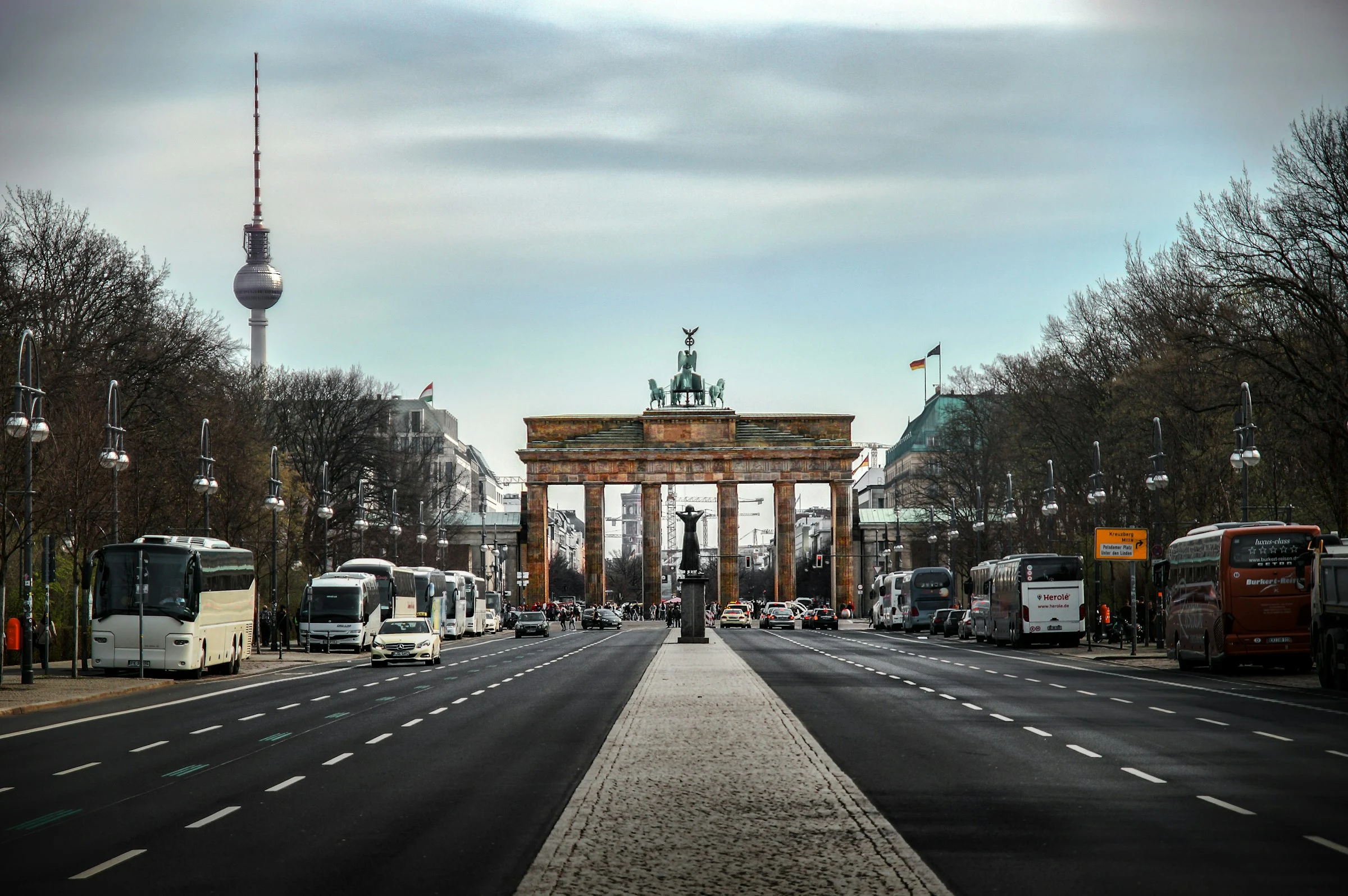
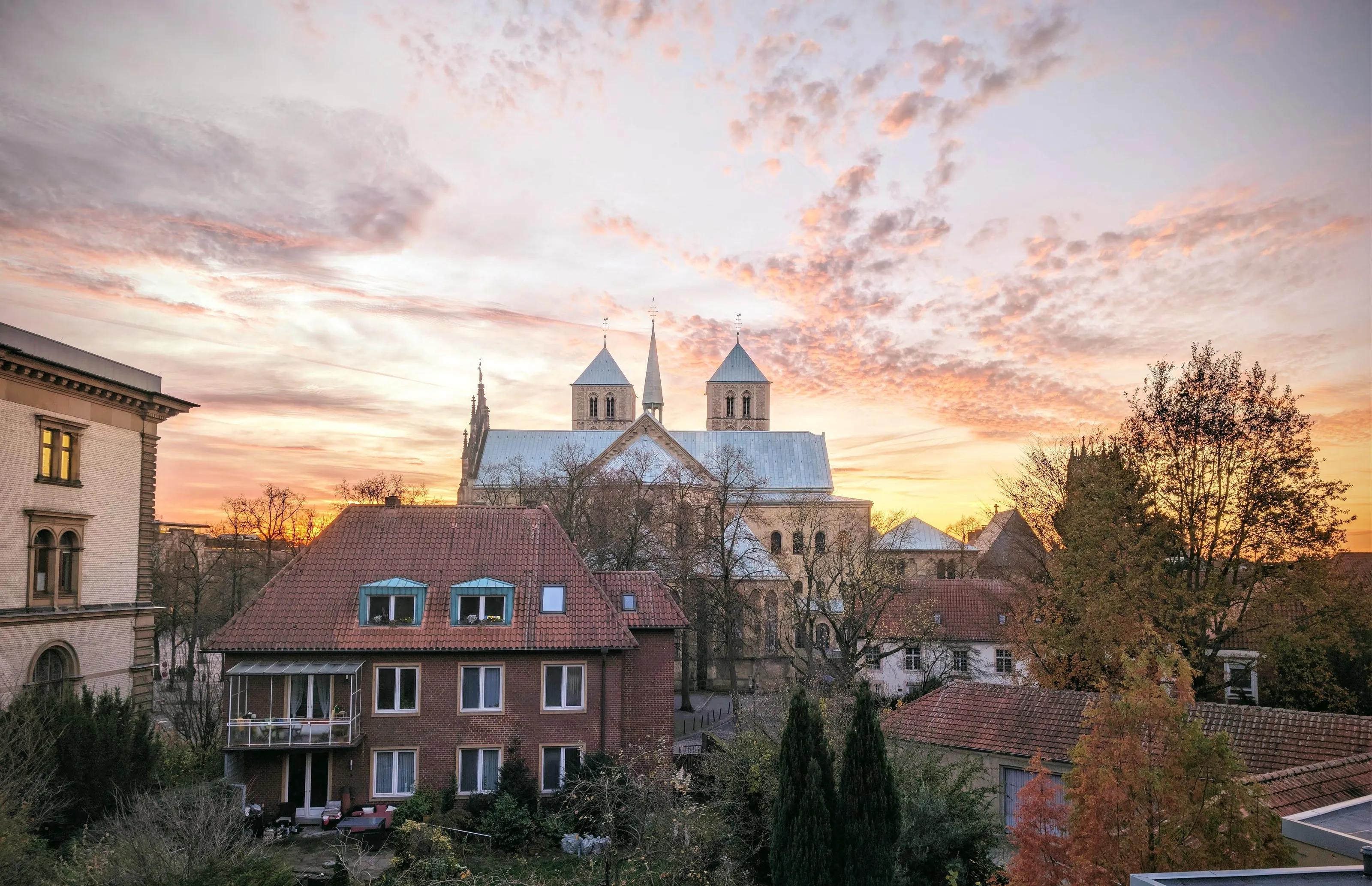
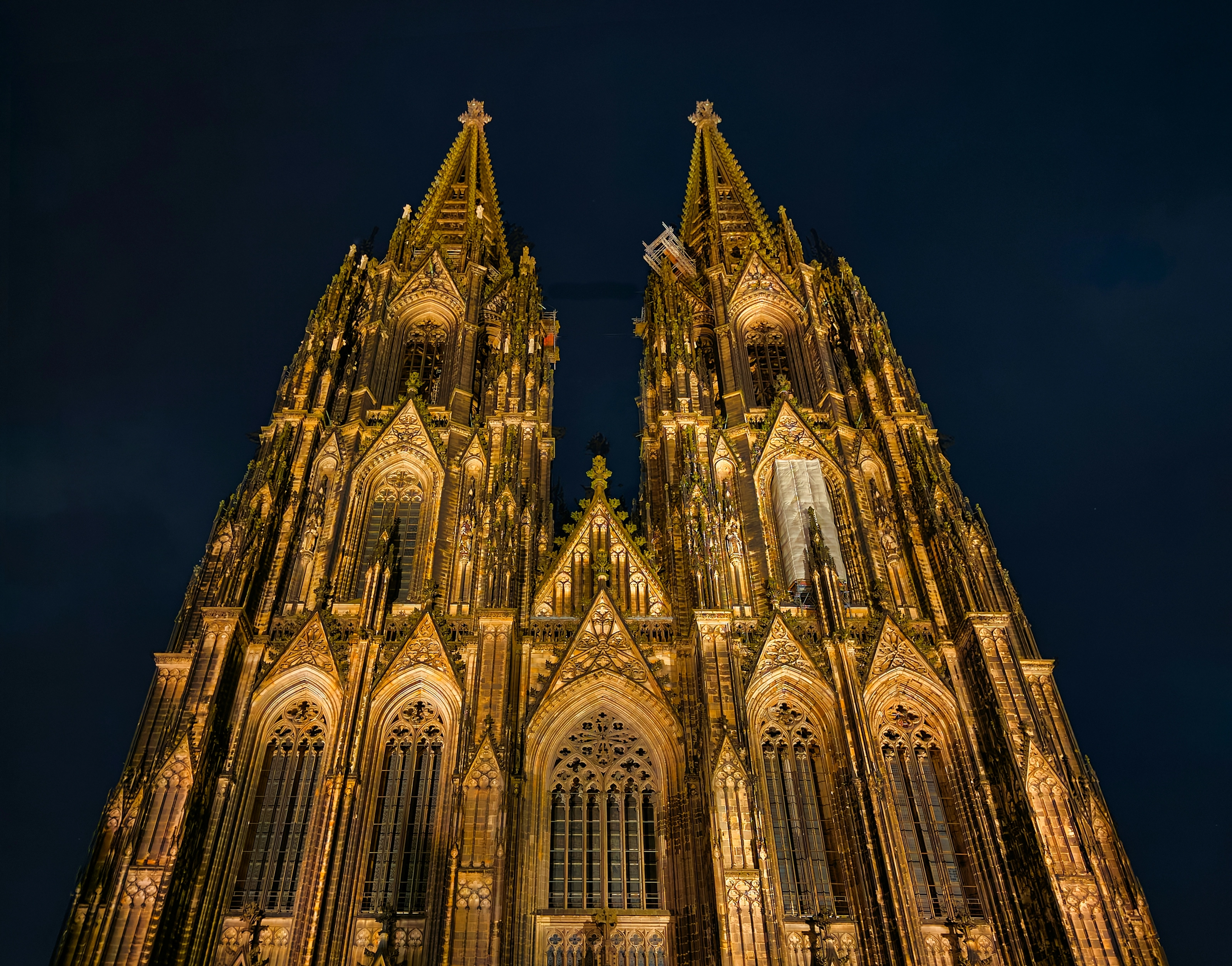
Frankfurt Airport, the largest in Germany according to Wikivoyage (FR), lies on the edge of the city and has a regional rail station and a long-distance station. The S8 and S9 S-Bahn lines reach the main station in 11 to 20 minutes depending on the edition of Wikivoyage (DE, FR, EN, ES), at fifteen-minute intervals by day. A fixed-fare taxi is also available. Frankfurt-Hahn, used by some low-cost airlines, is about 125 km away, roughly 90 minutes, and is not convenient. Direct ICE trains link the main station with Paris Est in about four hours according to Wikivoyage (FR). Cologne, Munich and Nuremberg are other gateways worth watching.
Distances and times are approximate, based on Wikivoyage (EN, FR, DE, ES); sources differ by a few minutes and timetables change, so check them before you travel. We do not quote fares.
Frankfurt am Main is the largest city in Hesse and the fifth largest in Germany, with about 760,000 people according to Wikipedia (EN, DE, FR, ES), whose editions give slightly different figures, and more than 2.3 million in the urban area. It lies at about 112 m above sea level on both banks of the Main. Home to the European Central Bank, the stock exchange and major trade fairs, it is nicknamed Mainhattan and Bankfurt. More than half of the city's area is green according to Wikipedia (ES).
Landmarks
Römerberg, the cathedral, the skyline on the Main and the Eiserner Steg
Frankfurt is first mentioned in 794 as Franconofurd, the ford of the Franks, according to Wikipedia (EN, DE, ES). Holy Roman emperors were crowned here between 1562 and 1792, and the 1848 Parliament met in St Paul's Church. The centre was almost entirely destroyed by the bombing of 1944 and partly rebuilt. The places below are illustrated; the cathedral, the Alte Oper and the parks are described at the end of the section.
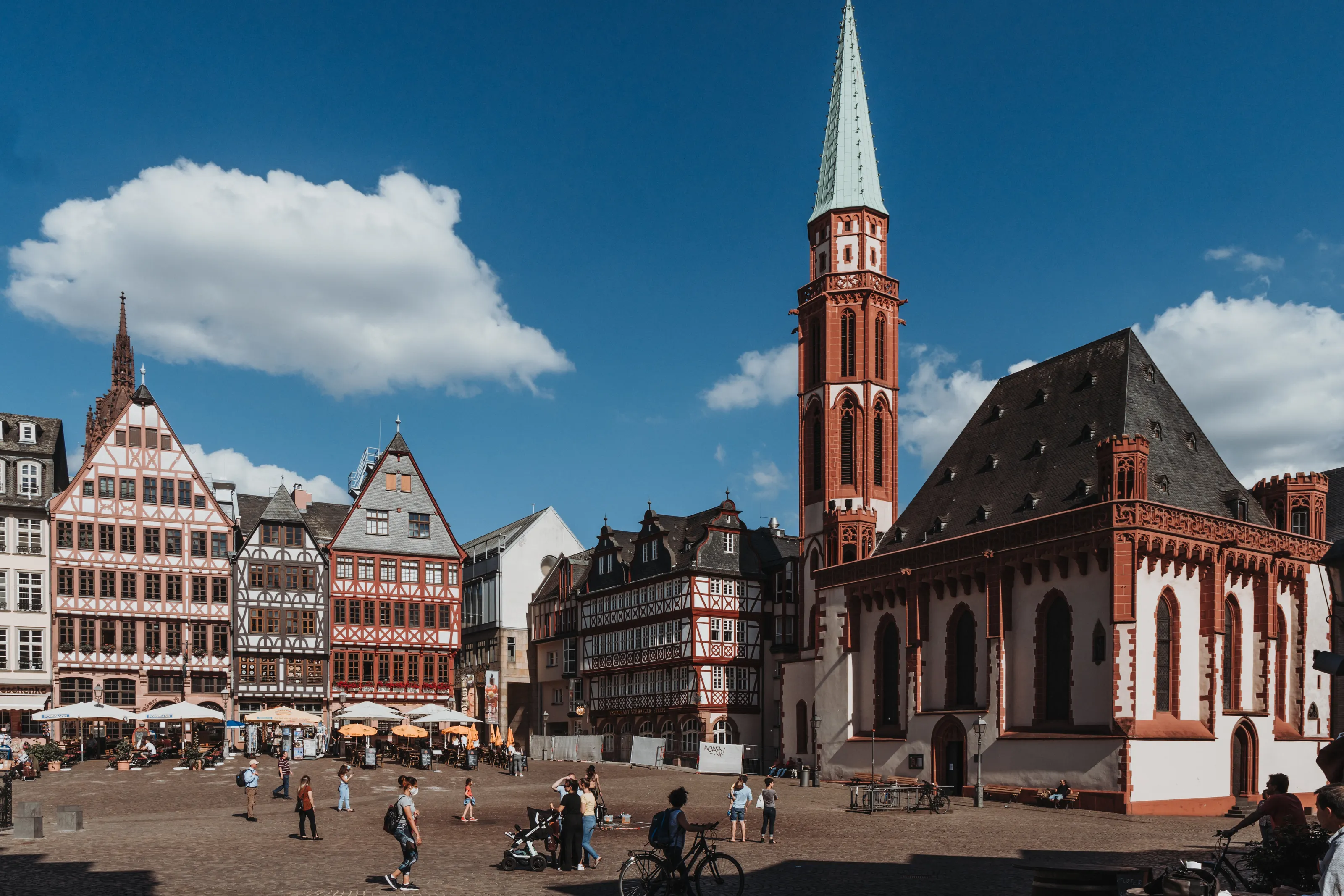
The Römerberg and the Römer
The Römerberg is the square at the heart of the historic quarter: the Römer, the town hall, faces half-timbered houses rebuilt after the war, according to Wikivoyage (ES). Wikivoyage (EN) describes the rebuilt old town, the Dom-Römer quarter, as a walk around the square, with the imperial cathedral and the Goldene Waage. It is a busy spot, pleasant in the late afternoon.
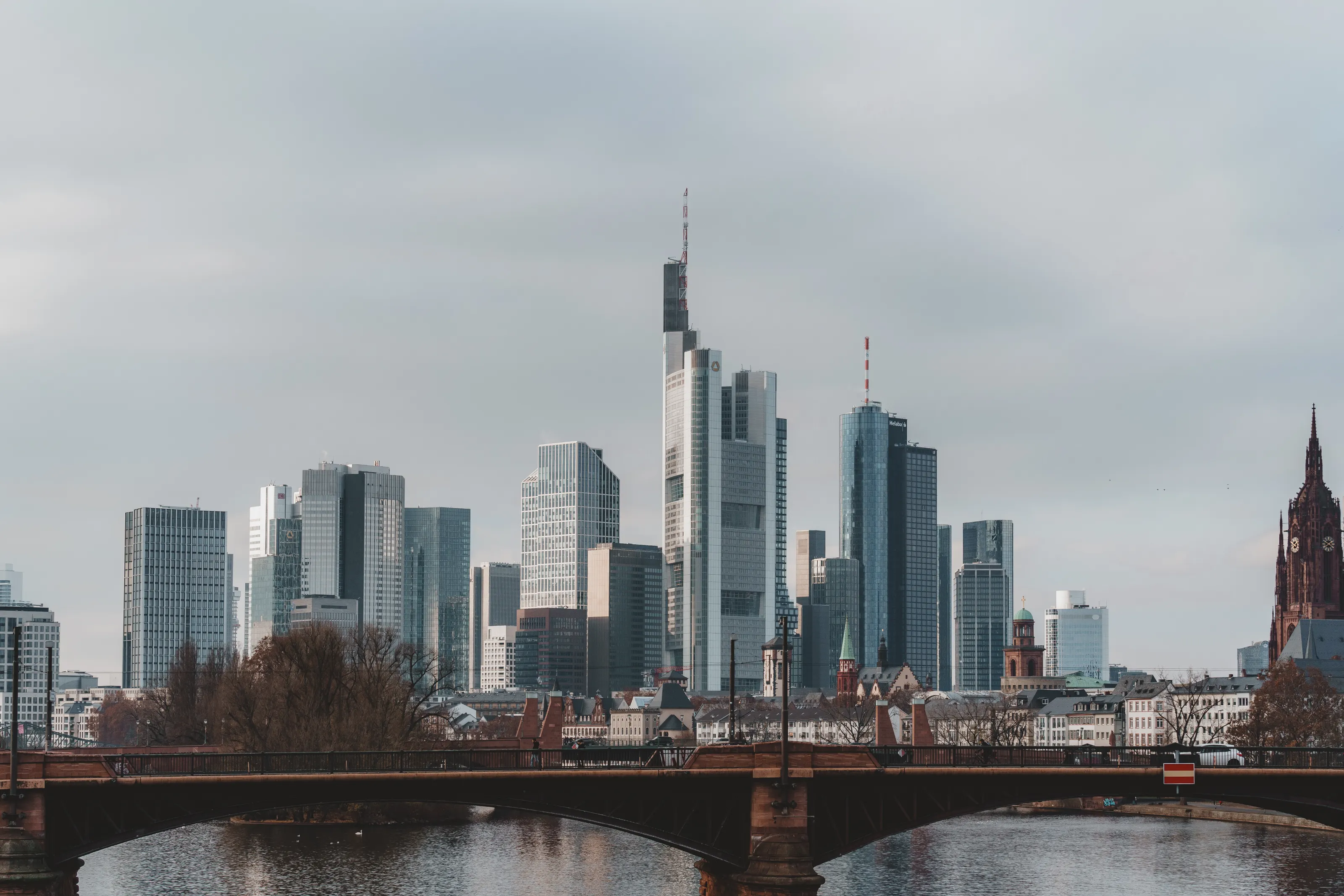
The Mainhattan skyline
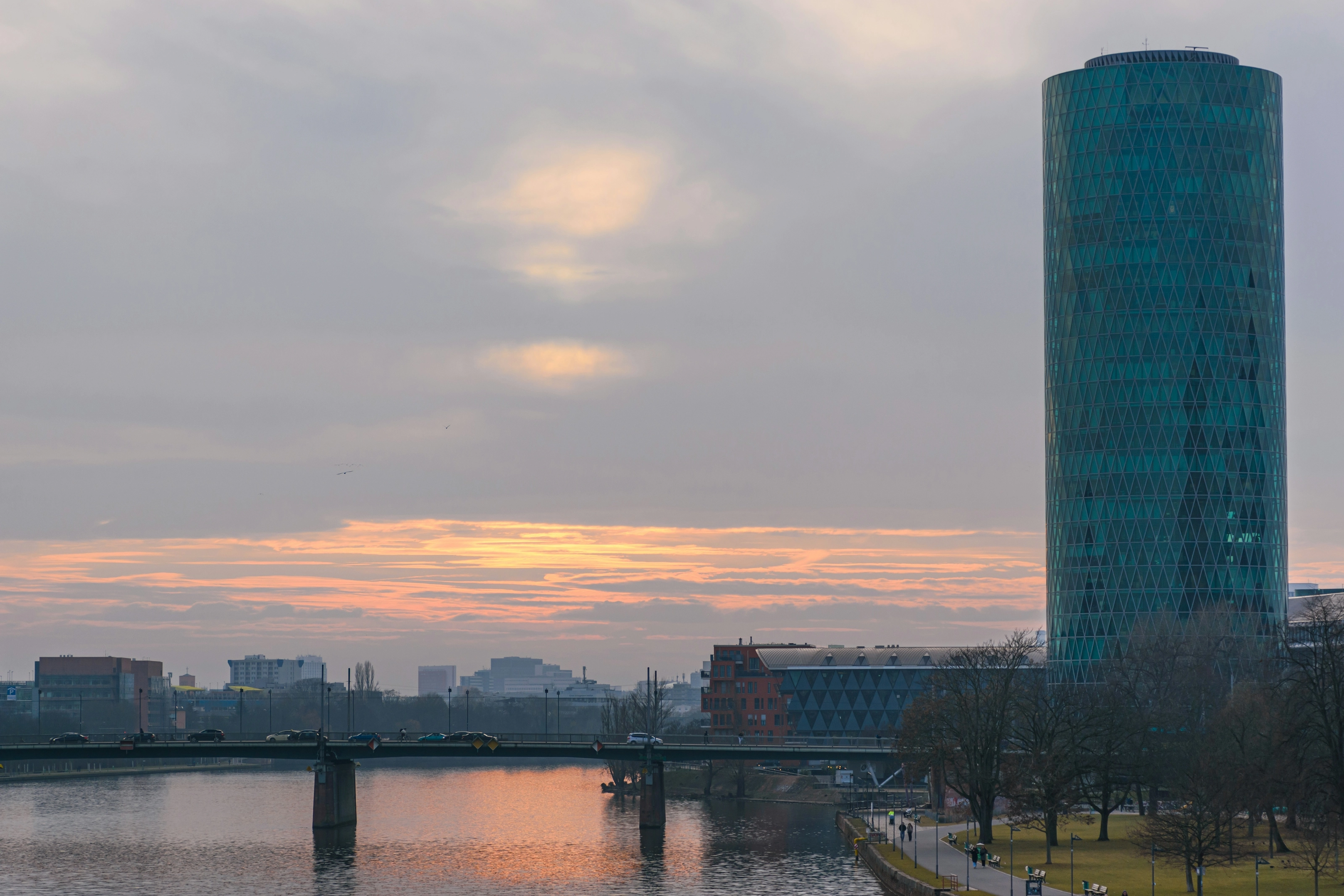
The skyscrapers of the financial district are the modern face of the city; some are among the tallest in Europe according to Wikipedia (DE). Wikivoyage (EN) recommends viewing them from the bridges on the eastern side of the Main. The Main Tower is the only skyscraper with a public viewing platform, according to Wikivoyage (DE).
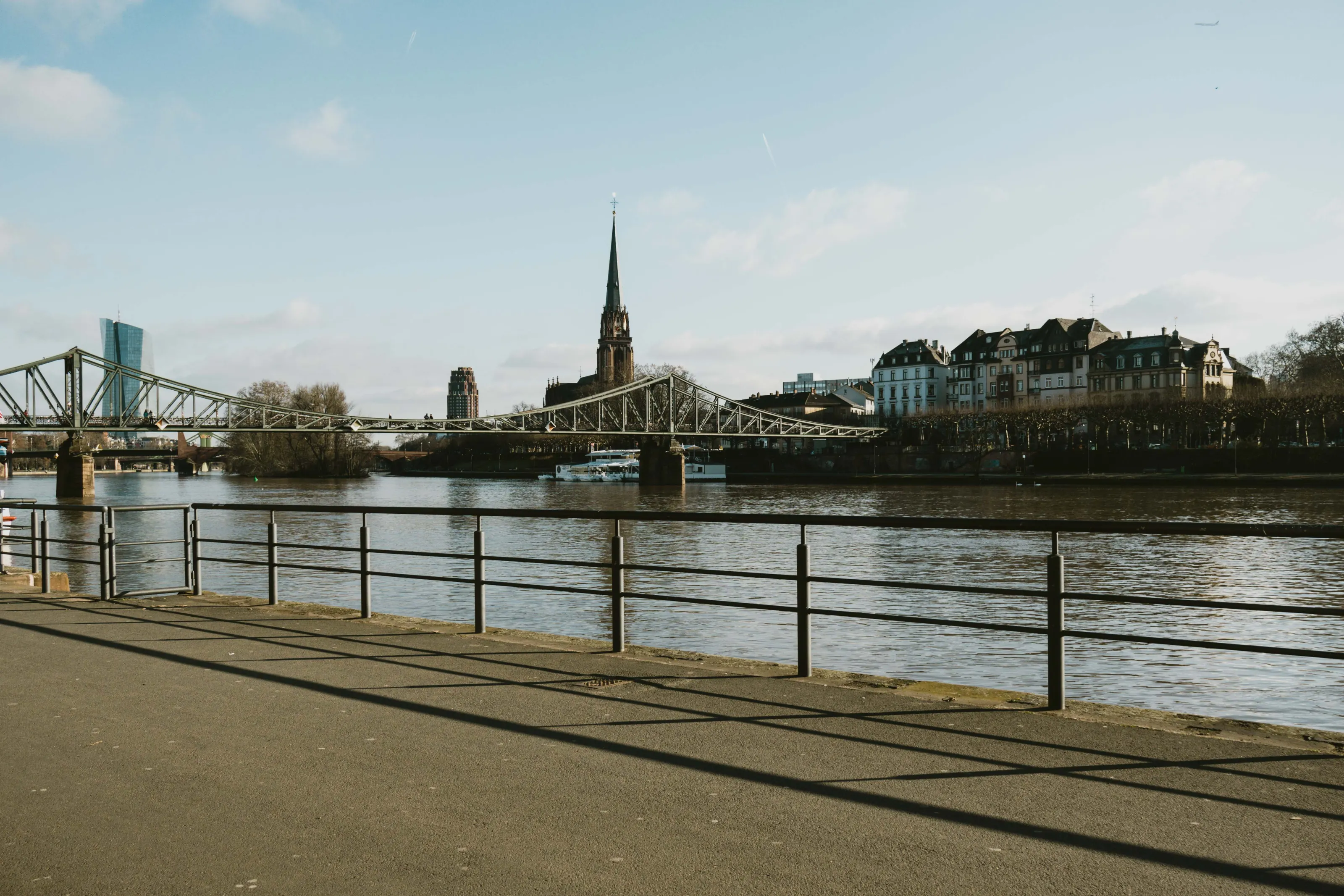
The Eiserner Steg
This iron footbridge for pedestrians links the two banks of the Main and offers one of the best views of the skyline, according to Wikipedia (EN) and Wikivoyage (EN). On the other side lies Sachsenhausen with its taverns. In the evening the light on the river is especially beautiful.
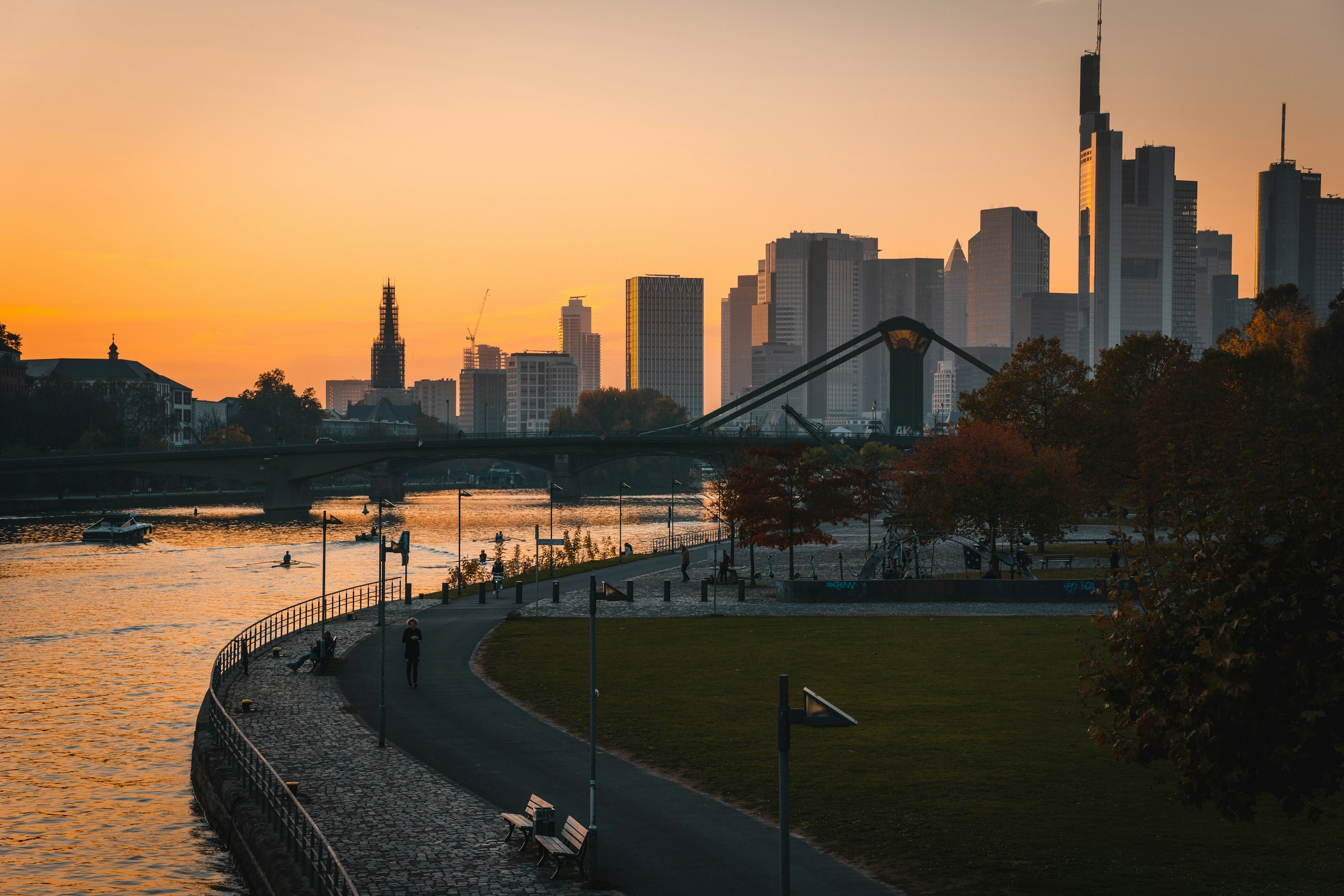
The Main riverbanks
The banks of the Main, laid out as promenades, lead to the Museumsufer museums and to parks; walkers, joggers and rowers share the paths. Wikipedia (DE) notes that more than 40 percent of the city is parkland and protected landscape, and the green belt (Grüngürtel) surrounds the centre.
Cathedral, St Paul's Church and Alte Oper
The Imperial Cathedral of St Bartholomew, whose 95 m tower was completed in 1415 according to Wikipedia (EN), keeps the memory of the coronations. St Paul's Church hosted the first German parliament in 1848. The Alte Oper, rebuilt after the war, is a concert hall in the heart of the business district, according to Wikivoyage (DE). Goethe's birthplace is one of the city's literary visits.
Parks and day trips
The Palmengarten and the Grüneburgpark offer large green spaces, according to Wikivoyage (DE) and Wikipedia (ES). Mainz and Wiesbaden are about forty minutes away by S-Bahn, Heidelberg is under an hour by train and Cologne about an hour by ICE, according to Wikivoyage (EN).
Museums and culture
Museumsufer, the Städel, the Film Museum and international fairs
The Museumsufer
The Museumsufer groups 13 museums along the Main, including the Städel, which brings together seven centuries of painting, and the Liebieghaus, according to Wikivoyage (DE) and Wikipedia (ES). The city has more than 60 museums in all according to Wikivoyage (DE). The German Film Museum, the Schirn Kunsthalle and the Museum für Moderne Kunst round out the offer.
Science, history and literature
The Senckenberg Natural History Museum, the Historical Museum, Goethe's house and the Deutsches Romantik-Museum let you combine science and literature, according to Wikipedia (EN, DE). Most museums close on Mondays; a combined two-day ticket exists for the Museumsufer according to Wikivoyage (EN, ES). We do not quote fares.
Events and fairs
The Museumsuferfest takes place in August and the Night of the Museums in April, according to Wikivoyage (DE). The Book Fair, one of the largest in the world according to Wikipedia (ES, DE), and the Musikmesse draw visitors from everywhere; during major fairs, affordable accommodation becomes scarce, according to Wikivoyage (ES).
Food and drink
Apfelwein, green sauce, Handkäs and Sachsenhausen taverns
Frankfurt's cider
Apfelwein, called Ebbelwoi, is the local apple wine; it is often ordered as a Sauergespritzte, mixed with sparkling water, according to Wikivoyage (EN). Traditional taverns are found in Alt-Sachsenhausen and Bornheim. The historic Ebbelwei-Expreß tram offers a loop with cider and pretzels, according to Wikivoyage (DE).
Local dishes
Grüne Soße is a herb sauce served with potatoes and eggs; Handkäs mit Musik is a sour-milk cheese dressed with onions. Other specialities include Frankfurter Rippchen, Rindswurst and Bethmännchen, small almond pastries, according to Wikivoyage (EN).
Where to eat
Alt-Sachsenhausen and Bornheim are known for their taverns; book popular places ahead, advises Wikivoyage (EN). The station district has many restaurants but is also known for street crime.
Getting around
S-Bahn, U-Bahn, trams and the RMV network
An integrated network
The RMV combines nine U-Bahn lines, nine S-Bahn lines, trams and buses under one ticketing system, according to Wikivoyage (FR) and Wikipedia (ES). Tickets must be bought before boarding and a fine applies to passengers without a valid ticket. The centre is walkable, and the main station is Germany's second-busiest railway station after Hamburg, according to Wikipedia (EN).
Car and low-emission zone
A low-emission zone requires a green sticker, according to Wikivoyage (FR, DE). Parking is expensive and limited in the centre; public transport is recommended, including park-and-ride.
Accessibility and tips
The main stations are linked to the central station. The Frankfurt Card combines transport and discounts at several attractions according to Wikivoyage (EN, DE); fares are not quoted here because they change regularly.
Budget and precautions
A business city, with prices that rise during trade fairs
Price level
Frankfurt is a city of finance and trade fairs: affordable accommodation is hard to find during major fairs, according to Wikivoyage (ES). Taxis are expensive and parking is costly according to Wikivoyage (EN). We do not quote amounts, as we could not confirm them from two independent sources.
Flights and precautions
SniperAir monitors prices to FRA and compares them with the route's price history, but it does not sell or book tickets. Also watch Cologne and Munich. Germany is in the Schengen area: check entry requirements for your nationality and your government's official advice.
Safety
Street crime is concentrated around the central station, in the Bahnhofsviertel, according to Wikivoyage (EN); in daytime and early evening it is generally fine, but avoid drunk or aggressive people at night. Bogus police officers have been reported; genuine officers carry a green ID card.
When to go
Mild to warm summers, cold winters with little snow
Winter (December to February)
Cold, with a January average of about 3 C according to Wikipedia (FR, DE). Winters are rarely colder than -10 C and there is little snow, according to Wikivoyage (EN).
Spring (March to May)
Changeable, with increasingly mild days. Late spring is one of the best times, according to Wikivoyage (EN).
Summer (June to August)
Often around 25 C, with a few days near 35 C; the July average is about 20 to 21 C according to Wikipedia (FR, DE).
Autumn (September to November)
Pleasant at first, then increasingly grey. The parks and riverbanks are colourful in October.
Frankfurt has a temperate oceanic climate according to Wikipedia (ES), with around 600 to 640 mm of rain a year. The heat record is 40.2 C, set on 25 July 2019 according to Wikipedia (DE, ES). Wikivoyage (EN) recommends the period from late spring to early autumn. We do not give other monthly averages, because the Wikipedia editions differ slightly.
By length of stay
What to do in Frankfurt depending on how long you stay
The essentials
The Römerberg and the cathedral, a walk on the Eiserner Steg and the quays, the skyline and a glass of Apfelwein in Sachsenhausen.
Museums and districts
The Museumsufer, the Städel, Goethe's house, the Palmengarten and the districts of Bornheim or Nordend.
Day trips
Mainz, Wiesbaden, Heidelberg, the Middle Rhine valley or the Taunus with the Großer Feldberg.
In pictures
Frankfurt in pictures
You might also like
Similar destinations
FAQ
Frequently asked questions about flights to Frankfurt
How do I get from Frankfurt airport to the city centre?
The S8 and S9 S-Bahn lines reach the main station in about 15 to 20 minutes, every fifteen minutes by day. Check timetables before you travel.
When is the best time to visit Frankfurt?
From late spring to early autumn for walks along the Main. Trade fairs, including in autumn, push accommodation prices up.
Is Frankfurt expensive?
It is a business city where accommodation rises during trade fairs. We do not quote amounts because we could not confirm them from two sources.
How long should I stay in Frankfurt?
One to two days for the Römerberg, the riverbanks and the skyline; four days if you add the museums and day trips to Mainz or Heidelberg.
What should I eat and drink in Frankfurt?
Apfelwein, often as a Sauergespritzte, Grüne Soße with potatoes and eggs, Handkäs mit Musik and Frankfurter Rippchen.
Is Frankfurt safe?
Generally yes, but street crime is concentrated around the central station; be careful at night and keep your belongings close.
How much does a flight to Frankfurt usually cost?
The price depends mainly on your departure city, the time of year and how far ahead you book. The "opportunities" section above shows real examples of prices SniperAir has already detected to this destination.
How do I get alerted when a flight to Frankfurt drops below my budget?
Create an alert profile with your departure airport, Frankfurt as the destination and your maximum budget. You are notified automatically as soon as a matching price is detected.
Ready to head to Frankfurt?
Set your budget and let SniperAir monitor fares for you.
Create my alert