
Cheap flights to Paro
Set your departure airport and maximum budget: SniperAir tracks prices to Paro and alerts you the moment a deal matching your criteria appears.
Quick summary
Country
Bhutan
Continent
Asia
Airport
PBH
Currency
Ngultrum (BTN)
Time zone
UTC+6
Deals already spotted to Paro
Real flight examples detected by SniperAir, with their reference price.
Loading examples…
Why watch Paro with SniperAir
Paro, the gateway to Bhutan between farmland valley and monasteries
Choose your departure
Enter your departure airport and your maximum budget for a flight to Paro (PBH).
SniperAir watches
Our systems continuously compare new prices with the route's real price history. SniperAir monitors prices and alerts you; it does not sell or book tickets.
You get an alert
As soon as a price matches your criteria, you are notified without having searched anything yourself.
Paro is a small town in south-western Bhutan, in the heart of a wide, green valley that Wikivoyage (EN) ranks among the most beautiful in the country. It has the kingdom's only international airport (Wikipedia, EN; Wikivoyage, EN), so almost all visitors arrive there before continuing to Thimphu, the capital, or Punakha. With Punakha and Jakar, Wikivoyage (EN) makes it one of the high points of the classic tourist circuit.
Important: tourism in Bhutan is regulated by the authorities, with a visa required for almost all nationalities and a sustainable development fee; the rules have changed in recent years and may change again (Wikivoyage, EN, DE). We publish no amount: check the official sources of Bhutan's tourism authority and your own government's official information, which varies. SniperAir monitors prices for flights to Paro (PBH) and alerts you; it does not sell or book tickets or trips.
Airport and getting into town
Paro Airport, at the bottom of a narrow valley
Paro International Airport (PBH)
The airport is about 6 km from Paro town, in a deep valley a little over 2,200 m above sea level, among peaks reaching about 5,500 m (Wikipedia, EN, ES). It is often cited among the world's most challenging; Wikipedia (EN, ES) says flights are allowed only in visual conditions and by daylight, and only a few pilots are certified to land there. Wikivoyage (EN) lists routes to Bangkok, Delhi, Dhaka, Kathmandu, Kolkata, Singapore and other cities; they change with the seasons.
Altitude and peaks from Wikipedia (EN, ES), rounded. Schedules depend on the weather and can change late, so we publish no precise durations or fares.
From Paro to Thimphu, Wikivoyage (EN) indicates a road trip of about 45 to 60 minutes by taxi; the distances quoted vary between sources, so we publish no figure. Taxis are found in Thimphu and Paro, and fares are posted or agreed; we give none.
Because flights depend on visibility and daylight, build slack into your plans, especially if you have connections. Before entering Bhutan, check current entry and stay rules with the official sources before booking anything.
Landmarks and icons
Rinpung Dzong, Kyichu Lhakhang and the Tiger's Nest
Paro is rich in sacred sites scattered across the valley (Wikipedia, EN). Here are the places pictured below, from the town's dzong to the cliff-hanging monastery, and the nearby capital.
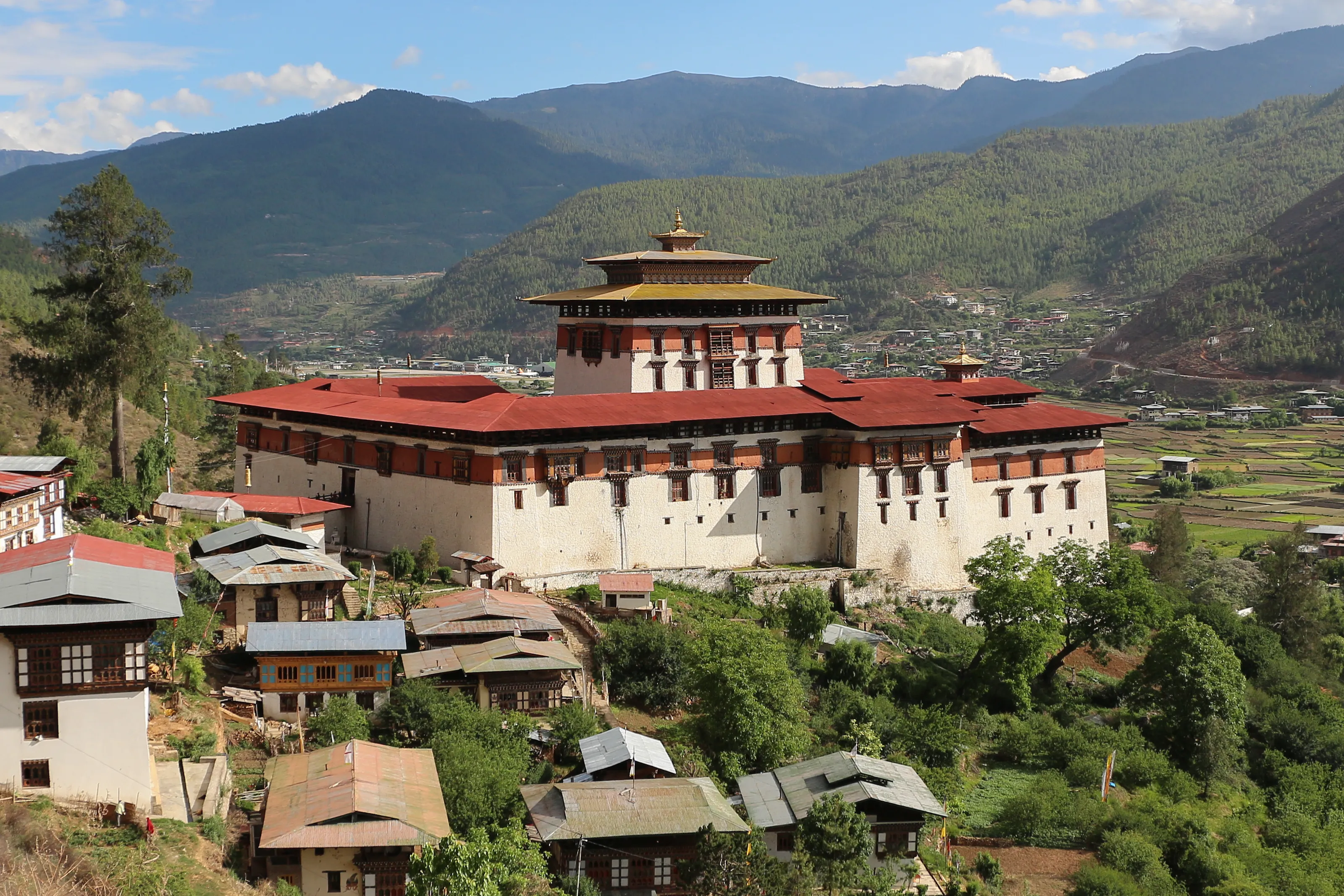
Rinpung Dzong
This large dzong, both fortress and temple, overlooks the town: it houses the district's monastic community and government offices (Wikipedia, FR). Its white walls, red roofs and gilded tower can be seen from afar. Wikivoyage (EN) places a former watchtower, now a museum, nearby. Access and dress rules are strict, so ask before visiting.
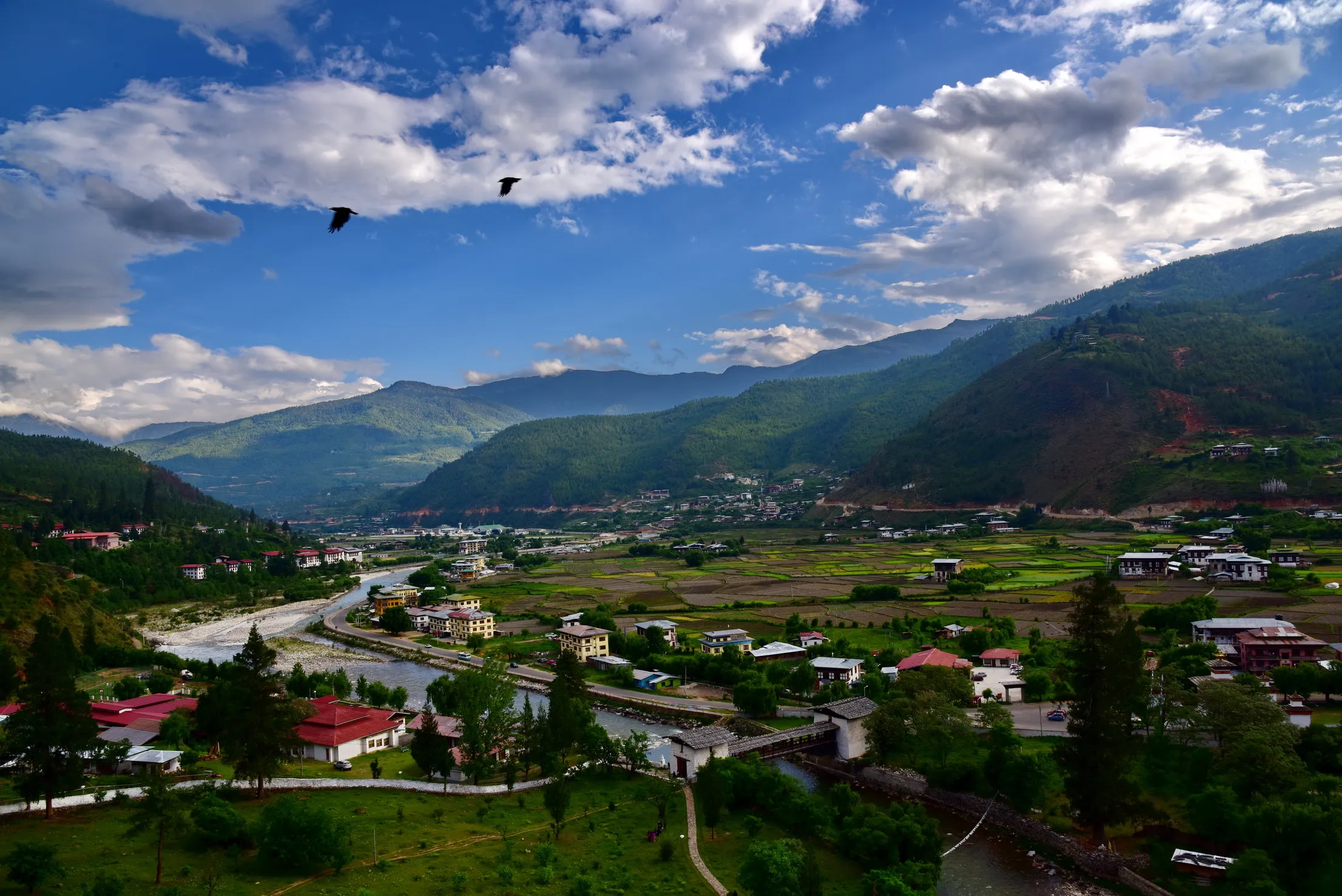
The Paro Valley
The valley is wide, green and agricultural: Wikivoyage (EN) recommends it to those who like nature and quiet. Rice fields, the Paro Chhu river and traditional houses make a landscape with few equals in the region. Wikivoyage (EN) adds that the sites are spread across the valley and a vehicle is needed to link them.
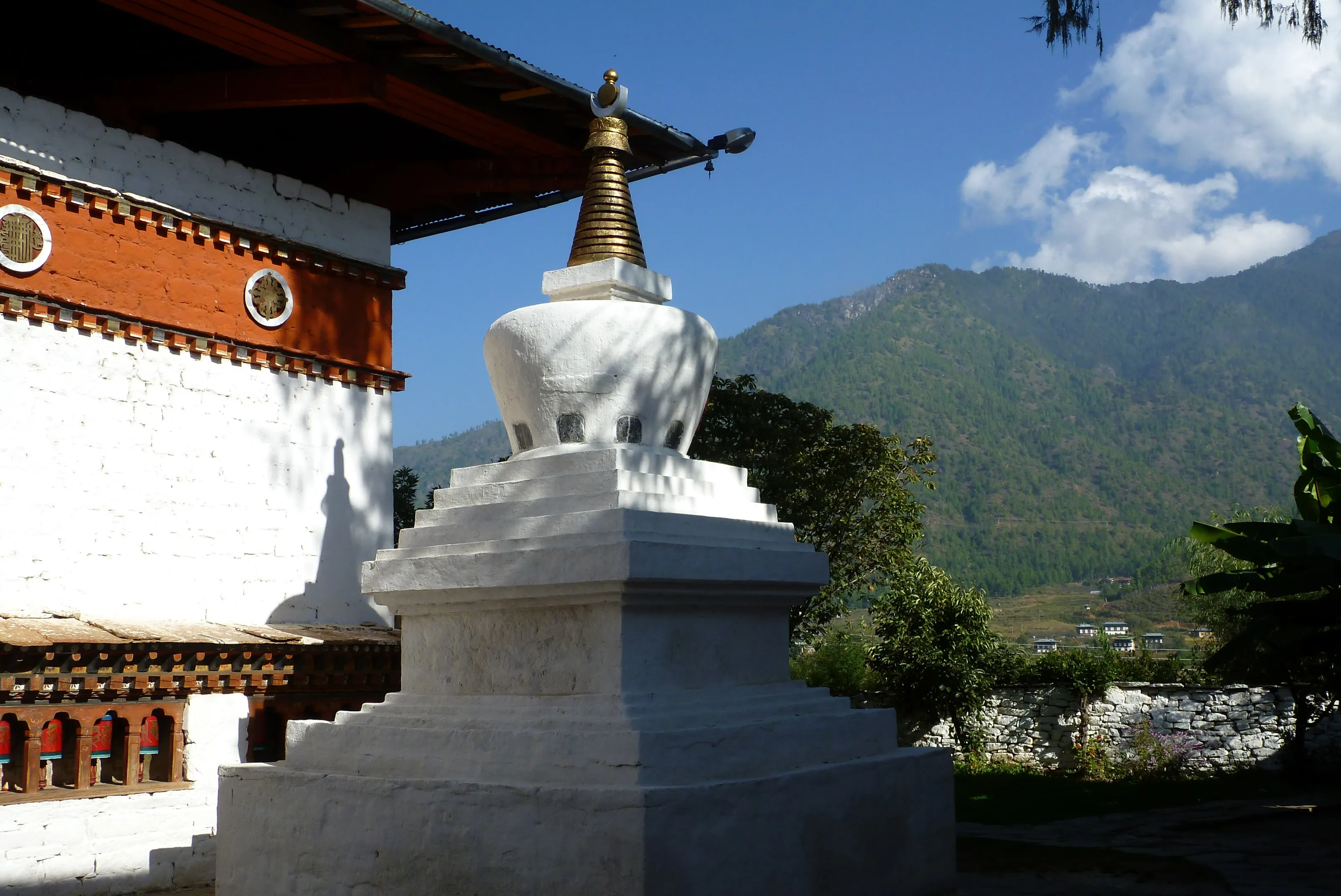
Kyichu Lhakhang
This temple, just off the road between Paro bazaar and Taktsang, is one of the 108 temples tradition credits to King Songtsen Gampo, built, says the legend, in a single night (Wikivoyage, EN). The white chorten in the courtyard and the painted woodwork are typical of Bhutanese architecture. As in any place of worship, dress modestly and keep quiet.
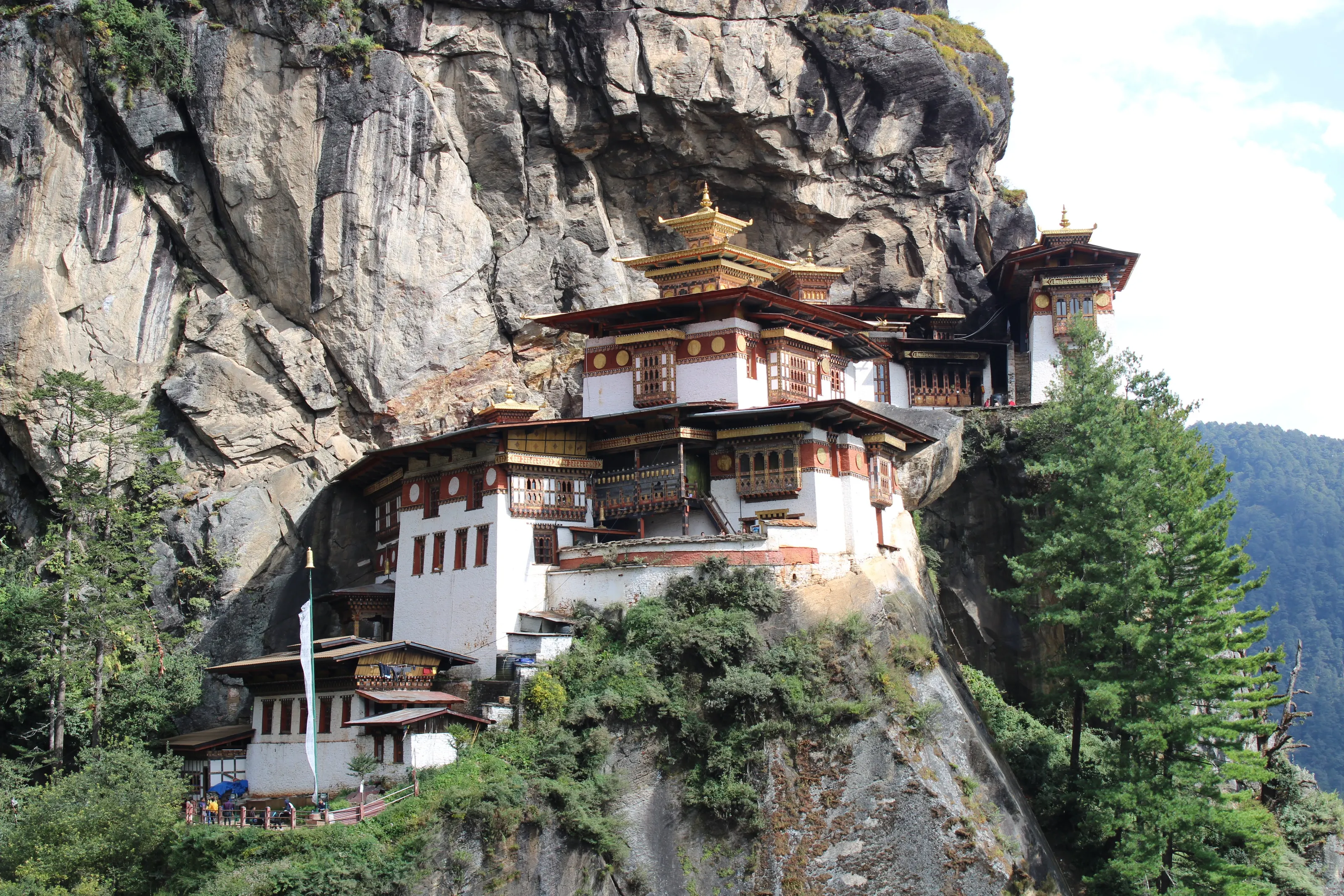
Taktsang Monastery, the Tiger's Nest
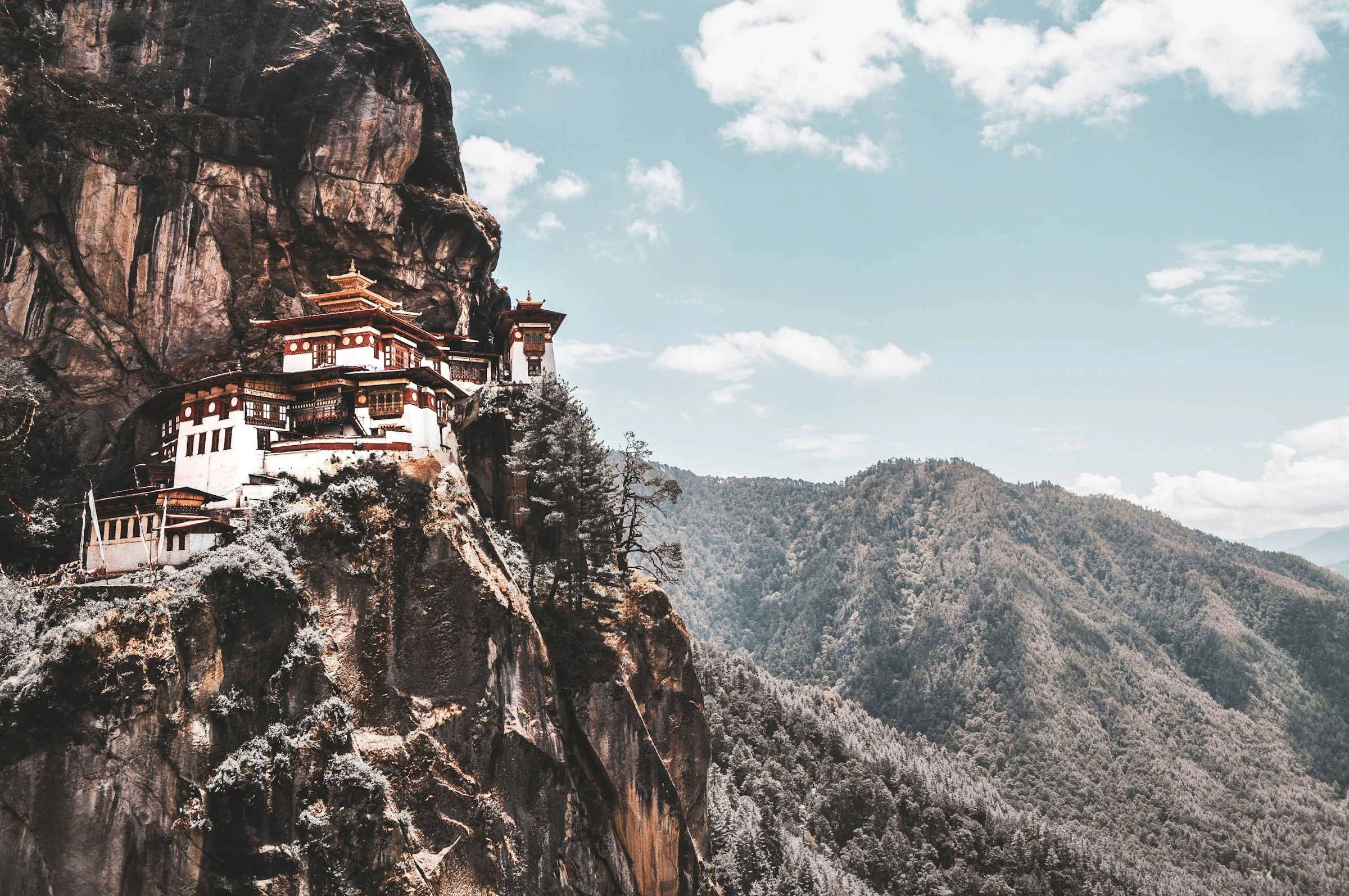
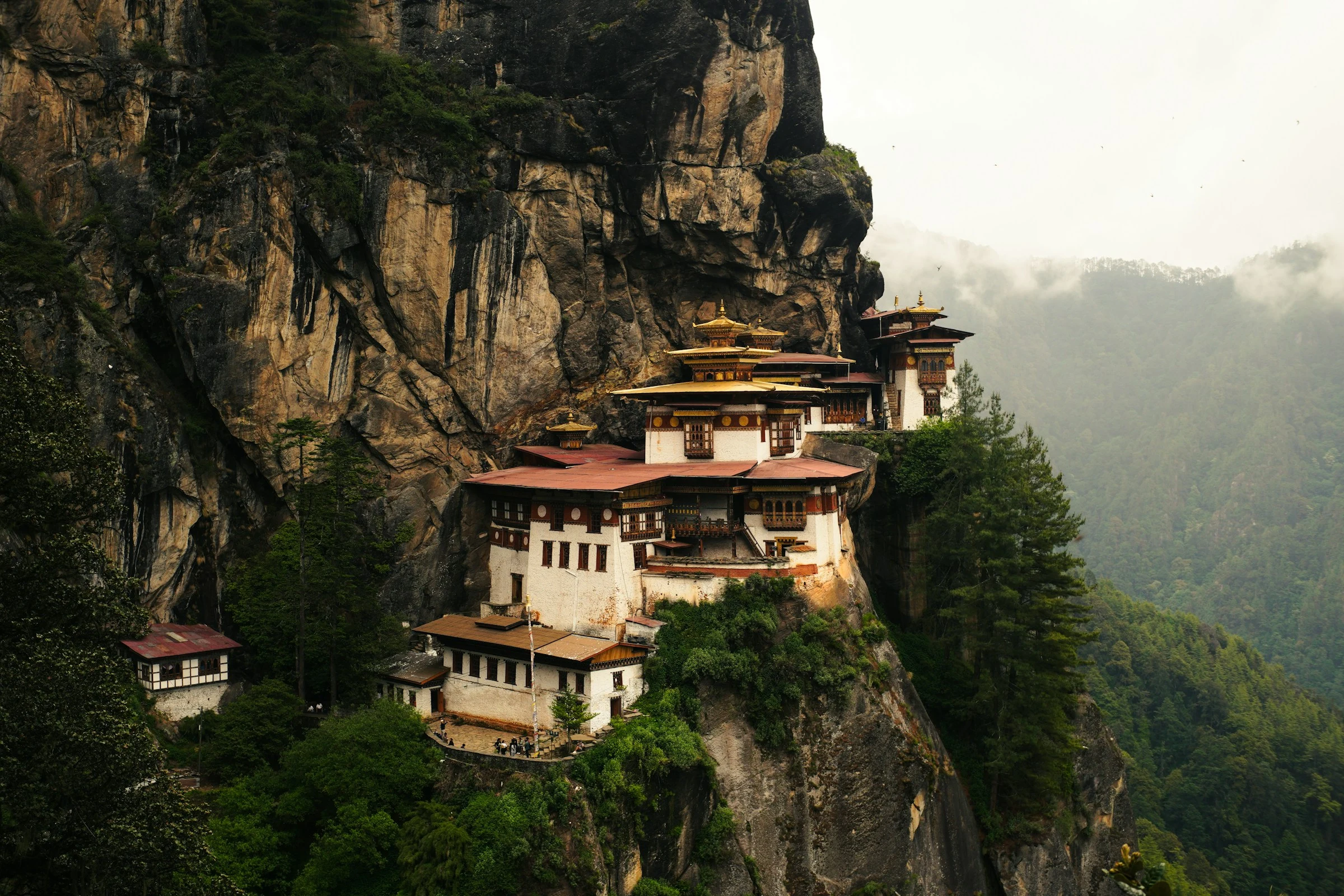
Perched on a cliff above the valley, about 10 km from Paro according to Wikipedia (EN), Taktsang is the country's best-known monastery. It was built in 1692 around the cave where Padmasambhava is said to have meditated (Wikipedia, EN, ES). It can only be reached on foot: Wikivoyage (EN) allows two to three hours of steep climbing from the car park, with a cafe halfway. Bring good shoes and water, and keep a margin for fitness and weather.
Thimphu, the neighbouring capital
Thimphu, the capital, is about an hour away by road (Wikivoyage, EN). It is the usual next stop after Paro, with its dzongs, markets and major Buddhist monuments; the city has, among others, a huge seated Buddha statue visible across the valley. Altitude makes winters cold: Wikivoyage (EN) cites about -2.5 degrees C in January.
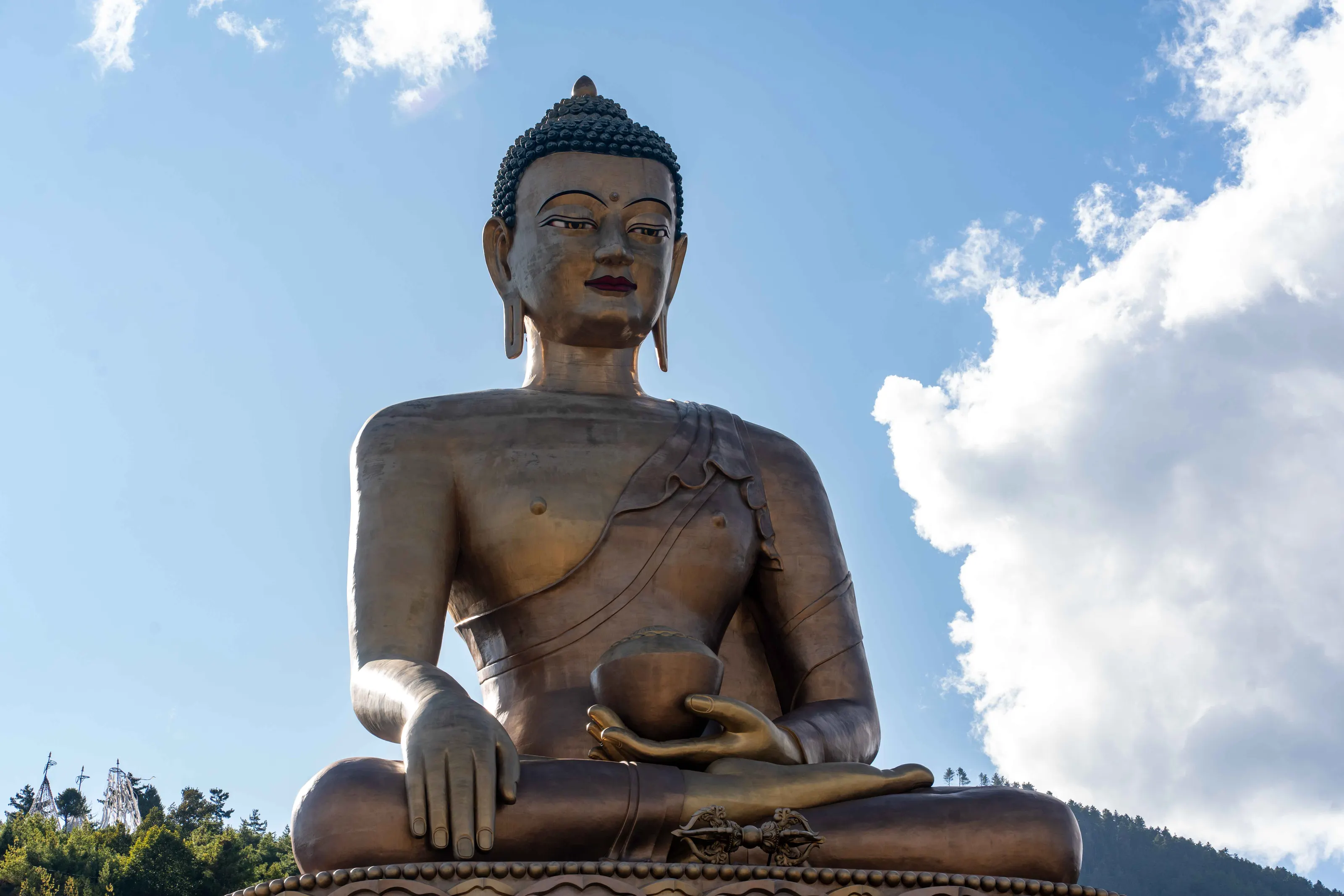
Also worth seeing around Paro: Drukgyel Dzong, a fortress raised to celebrate a victory and now in ruins after a fire (Wikipedia, EN; Wikivoyage, EN), the 15th-century Dungtse Lhakhang and the Jangsarbu Lhakhang behind the dzong. The Paro Tshechu, the great spring religious festival, has dates that vary each year.
Museums and culture
Museum, dzongs and Buddhist culture
The national museum
Wikivoyage (EN) mentions the National Museum of Bhutan, housed in a former watchtower above the dzong: it displays objects from the country's history and examples of its flora and fauna. Hours and prices change, so we do not publish them.
Temples and monasteries
Wikipedia (EN) lists many sacred sites in the valley, including Kyichu, Drukgyel and several nunneries and gonpas. Visiting temples comes with precise rules (dress, photography inside); follow the posted instructions.
Festivals and traditions
Tshechus, religious festivals with masked dances, mark the year; the Paro one takes place in spring according to the sources (February-March or March-April per Wikivoyage and Wikipedia, EN): check dates on official sites. The kira, the traditional women's dress, is seen daily (Wikivoyage, EN).
Food and drink
Bhutanese cooking, momos and neighbouring cuisines
Local cuisine
Wikivoyage (EN) lists Bhutanese, Indian and Nepali dishes in Paro's restaurants, and momos, steamed dumplings, in simple places. Chilli-and-cheese dishes, red rice and valley vegetables are often mentioned by guides.
Drinks
People drink tea, notably butter tea, and coffee in a few bazaar cafes. Alcohol served in hotels is imported or local depending on the venue.
Where to eat
Paro's main street, lined with traditional buildings, concentrates cafes and restaurants. Wikivoyage (EN) notes that beyond this street the bazaar is more ordinary. We name no addresses and no prices.
Getting around
Taxis, private vehicle and walking up to Taktsang
In the valley
Wikivoyage (EN) says the sites are scattered and a vehicle is needed; taxis are available in the bazaar. The rules on travelling and being accompanied as a visitor have evolved, so check the official sources.
To Thimphu and Punakha
Taxis, shared or reserved, link Thimphu in about 45 to 60 minutes (Wikivoyage, EN); Punakha is further, about three hours. Mountain roads are winding and weather can disrupt them.
On foot
The climb to Taktsang is on foot only, by a steep forest path, over several hours (Wikivoyage, EN). Paro's bazaar is easy to explore on foot.
Budget and precautions
A regulated, priced framework, no amounts published
Price level
Bhutan runs a regulated tourism policy, with a sustainable development fee to be paid in advance for the whole stay (Wikivoyage, DE). Amounts and procedures have changed and may change again: we publish none and refer you to the official sources.
Flights
The flight is a major and variable item. SniperAir monitors prices to PBH and compares them with the route's history, but it does not sell or book tickets. Since only a few airlines serve Paro, connections via Bangkok, Delhi, Kathmandu or Dhaka are common: set up several alerts.
Formalities and precautions
A visa is required for almost all nationalities (Wikivoyage, EN). Read the official information from your country of departure and from the Bhutanese authorities on formalities, insurance and health, and allow for altitude: Paro stands above 2,200 m and Taktsang much higher.
Best time to go
Spring and autumn most sought after, cold winters
March to May
Spring is popular: rhododendrons bloom (Wikivoyage, EN) and the Paro Tshechu takes place around then.
June to September
The rainy season is wetter, with misty slopes and slippery paths; some trails can be difficult.
October to December
Skies are generally clear, with unobstructed views of the snow-capped mountains (Wikivoyage, EN).
January and February
Winters are cold in the valleys; Wikipedia (EN) classes Paro's climate as dry-winter subtropical highland (Cwb).
Wikivoyage (EN) recommends spring and the October to December stretch for clear skies. Conditions vary from valley to valley with altitude; check the forecast before you leave.
By length of stay
What to do in Paro by length of stay
The essentials
The Paro Valley, Rinpung Dzong, the museum and the climb to the Tiger's Nest if fitness and weather allow.
Paro and Thimphu
Kyichu Lhakhang, Drukgyel Dzong, then the capital Thimphu about an hour away by road.
Other valleys
Punakha and other valleys, subject to current travel rules; check them with the official sources.
In pictures
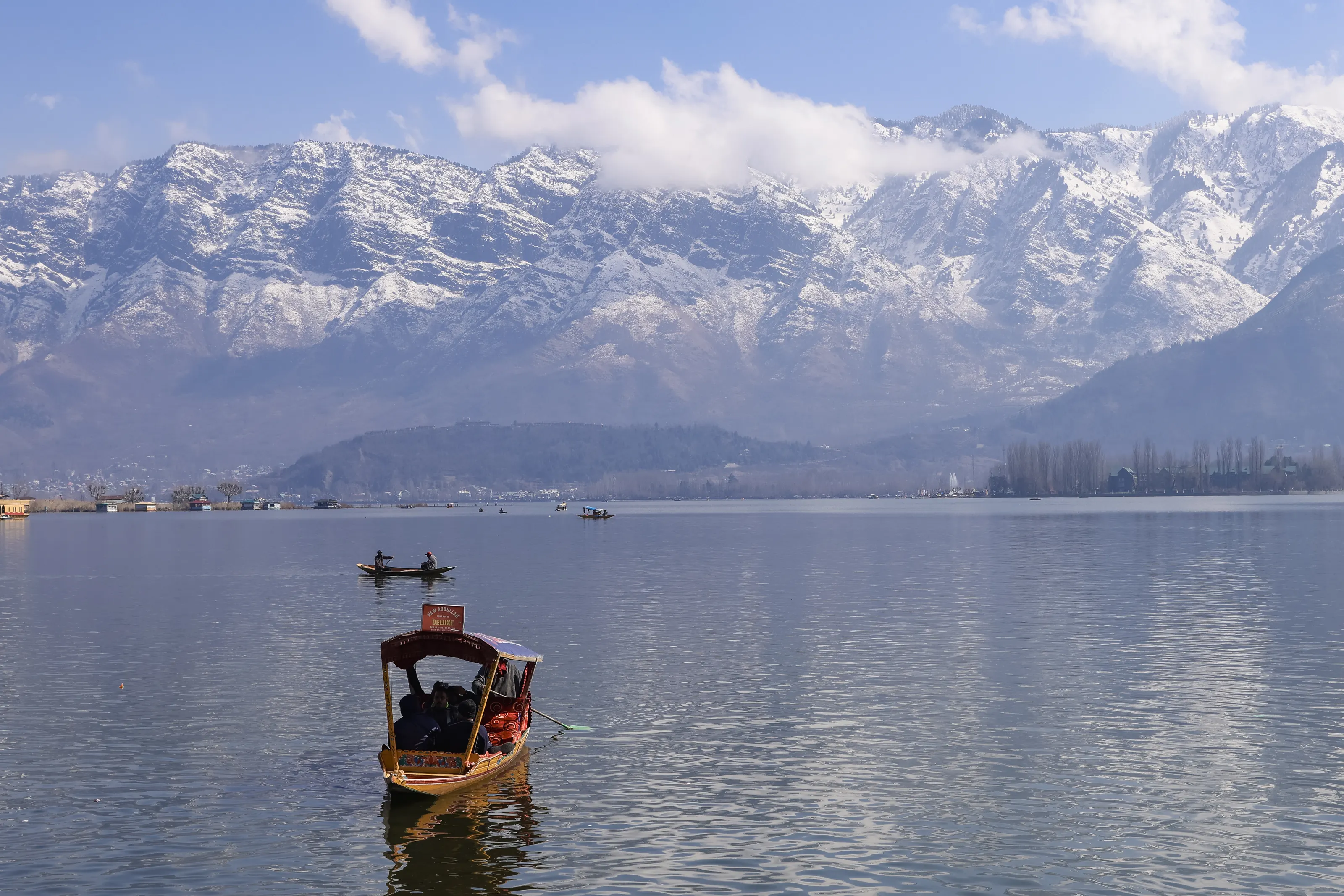
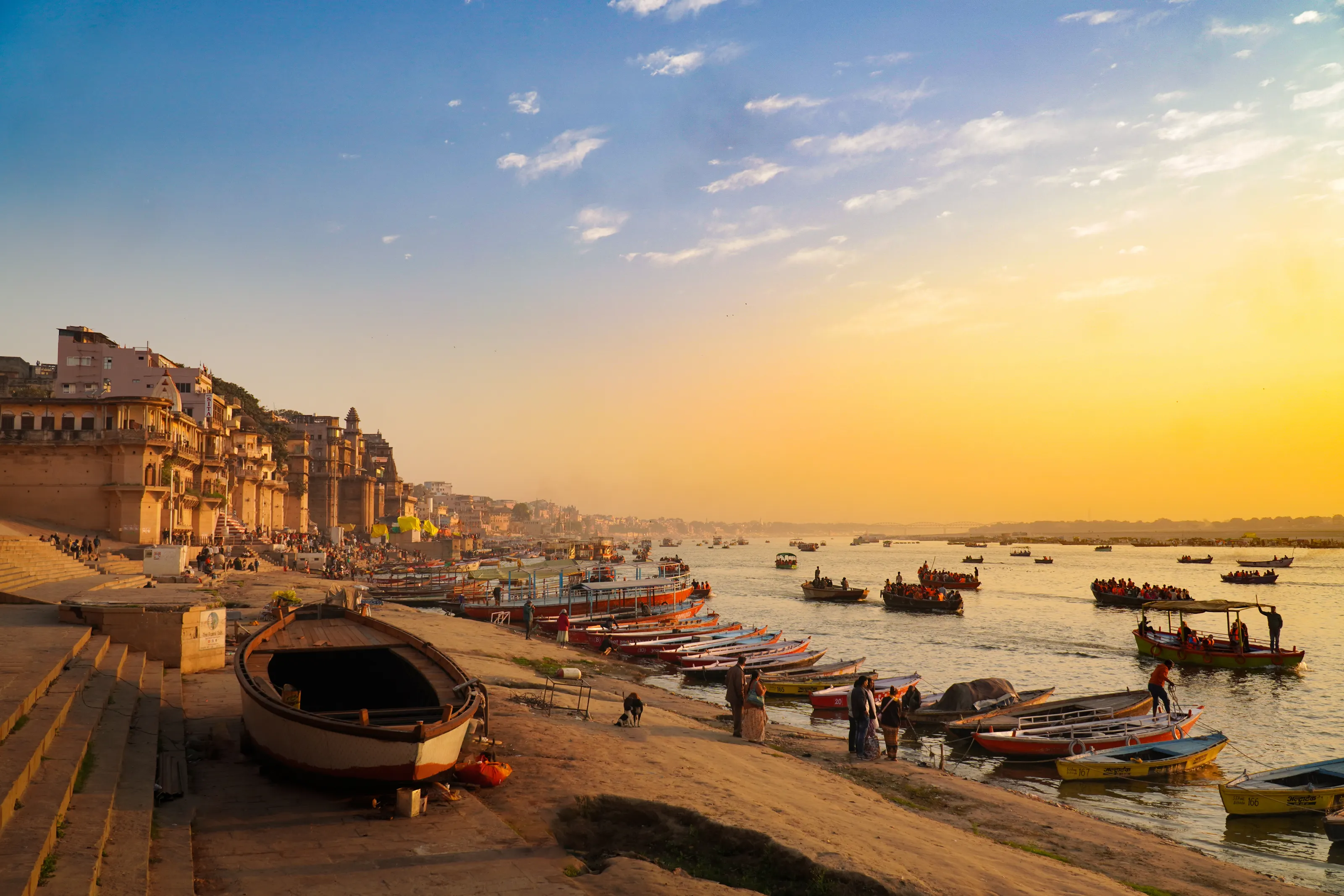
Paro in pictures
You might also like
Similar destinations
FAQ
Frequently asked questions about flights to Paro
Where is Paro airport (PBH)?
About 6 km from Paro town, in a narrow valley a little over 2,200 m above sea level (Wikipedia, EN, ES). It is Bhutan's only international airport.
Can I travel freely in Bhutan?
Tourism is regulated: a visa is required for almost all nationalities, plus a sustainable development fee. Rules change: check the official Bhutanese sources and your own government's information; we publish no amount.
How do I get up to the Tiger's Nest?
On foot only: two to three hours of steep climbing from the car park according to Wikivoyage (EN), with a cafe halfway. Bring good shoes and water.
What is there to see in and around Paro?
Rinpung Dzong, Kyichu Lhakhang, the valley, Drukgyel Dzong and Taktsang, then Thimphu, the capital, about an hour away by road.
When should I visit Paro?
Spring and the autumn-winter stretch (October to December) are the most sought after for clear skies; winters are cold in the valleys.
How much does a flight to Paro usually cost?
The price depends mainly on your departure city, the season and how far ahead you book. The opportunities section above shows real examples of prices SniperAir has already detected for this destination.
How can I be alerted when a flight to Paro drops below my budget?
Create an alert profile with your departure airport, Paro (PBH) as the destination and your maximum budget. You are notified automatically as soon as a matching price is detected. SniperAir monitors prices and alerts you; it does not sell or book tickets.
Ready to head to Paro?
Set your budget and let SniperAir monitor fares for you.
Create my alert