
Cheap flights to Pointe-à-Pitre
Set your departure airport and maximum budget: SniperAir tracks prices to Pointe-à-Pitre and alerts you the moment a deal matching your criteria appears.
Quick summary
Country
Guadeloupe
Continent
North America
Airport
PTP
Currency
Euro (EUR)
Time zone
UTC-4 (no daylight saving time)
Deals already spotted to Pointe-à-Pitre
Real flight examples detected by SniperAir, with their reference price.
Loading examples…
Why track Pointe-à-Pitre with SniperAir
You do not need to compare prices every day
Choose your departure
Enter your departure airport and your maximum budget for a flight to Pointe-à-Pitre (PTP).
SniperAir keeps watch
Our systems continuously compare new prices with the real price history of the route. SniperAir monitors prices and alerts you: it does not sell or book tickets.
You receive an alert
As soon as a price matches your criteria, you are notified, without having searched for anything yourself.
Airport and getting into town
An airport a few kilometres north of the centre
Guadeloupe Pôle Caraïbes (PTP)
Guadeloupe's airport, called Pôle Caraïbes and also Pointe-à-Pitre International, lies in the neighbouring commune of Les Abymes. Wikivoyage (FR, DE) puts it about 3 km north of the centre, while Wikipedia (EN) says 2.4 km. It is the only airport in the archipelago that handles long-haul flights (Wikipedia FR) and the largest of its six airports (Wikipedia EN). Two linked terminals share the traffic: the first for international and regional flights, the second for regional flights only. Wikipedia (EN) lists links to Paris, Fort-de-France, St Martin, St Barth, Port of Spain, Castries, Miami, Montréal and Toronto.
Distances differ between sources (2.4 km or 3 km); expect a short drive outside rush hour. We do not quote fares: check the transfer before you travel.
Pointe-à-Pitre is Guadeloupe's commercial capital and, since 2007, the only subprefecture of the archipelago (Wikipedia FR). It sits at the south-western tip of Grande-Terre, facing the roadstead beside a mangrove, on less than 3 square kilometres: about 15,000 people live in the commune in 2023 and more than 250,000 in the urban area with Les Abymes (Wikipedia FR).
Buses and taxis
The city has two bus stations: Bergevin for Basse-Terre and École normale for Grande-Terre (Wikipedia FR). Wikivoyage (DE) puts Bergevin about 300 m from the centre and lists taxi ranks on Boulevard Chanzy and Boulevard Faidherbe; this information is undated, so check it locally. With luggage, a taxi is the simplest way to reach the airport.
A French territory
Guadeloupe is part of France. Entry rules depend on your nationality: check official websites before you book.
Landmarks
An iron church, a shaded square, the harbour and the Mémorial ACTe
The city is best explored on foot. Its centre is a grid of streets laid out after the great fire of 1780 and rebuilt after the earthquake of 8 February 1843 (Wikipedia FR). Along the way you pass Creole houses of wood and metal and old iron market halls; Wikivoyage (FR) notes the city's Ville d'art et d'histoire label, and a quiet day is enough to see the centre.
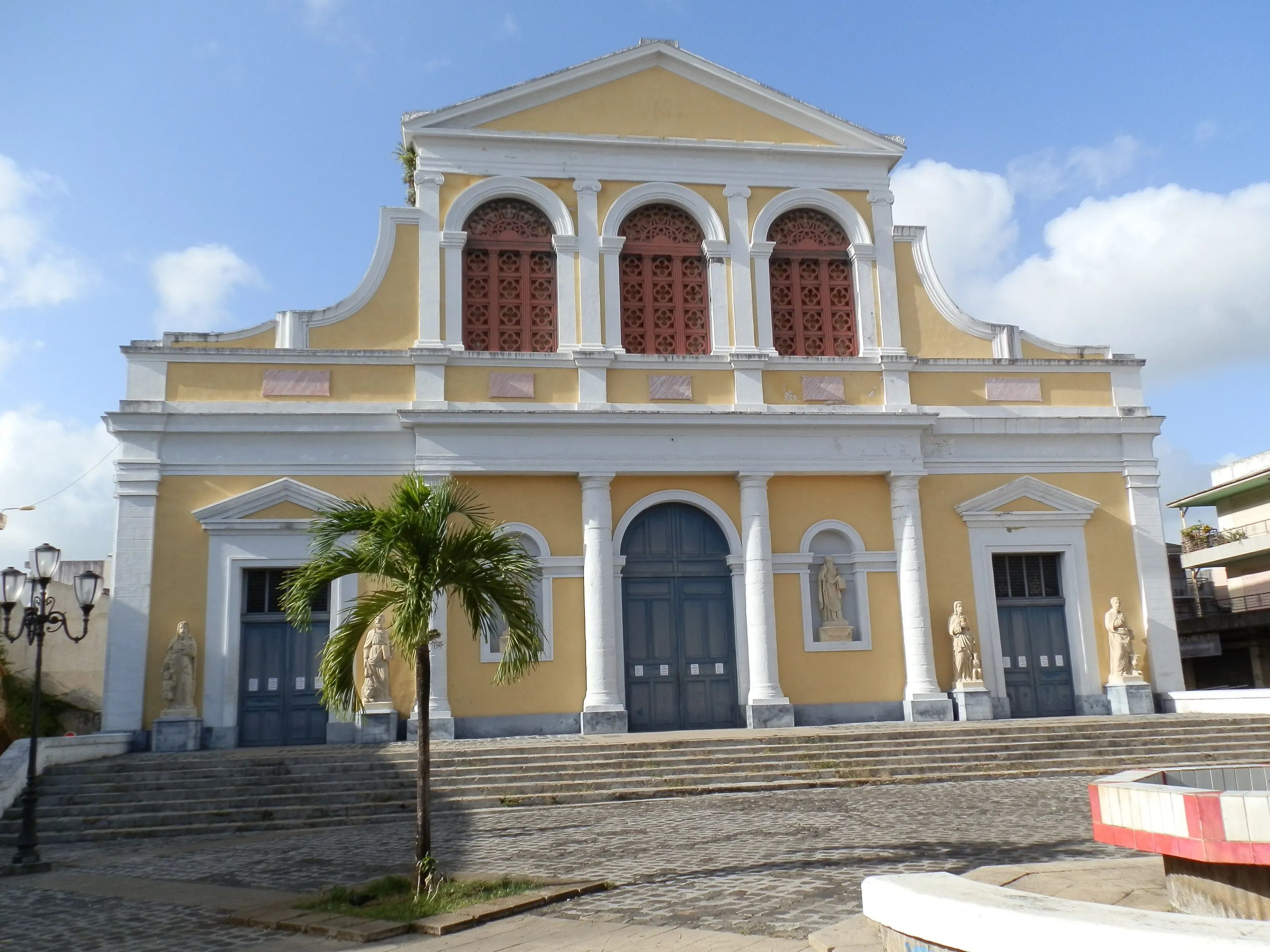
The Saints Peter and Paul church
Locals call it the cathedral, or the iron cathedral, although it was never consecrated as one. Listed as a historic monument in 1978, it was rebuilt after the 1843 earthquake with a metal frame. Its yellow and white neoclassical facade carries statues of the four evangelists; france.fr mentions fine stained glass and a Carrara marble altar inside.
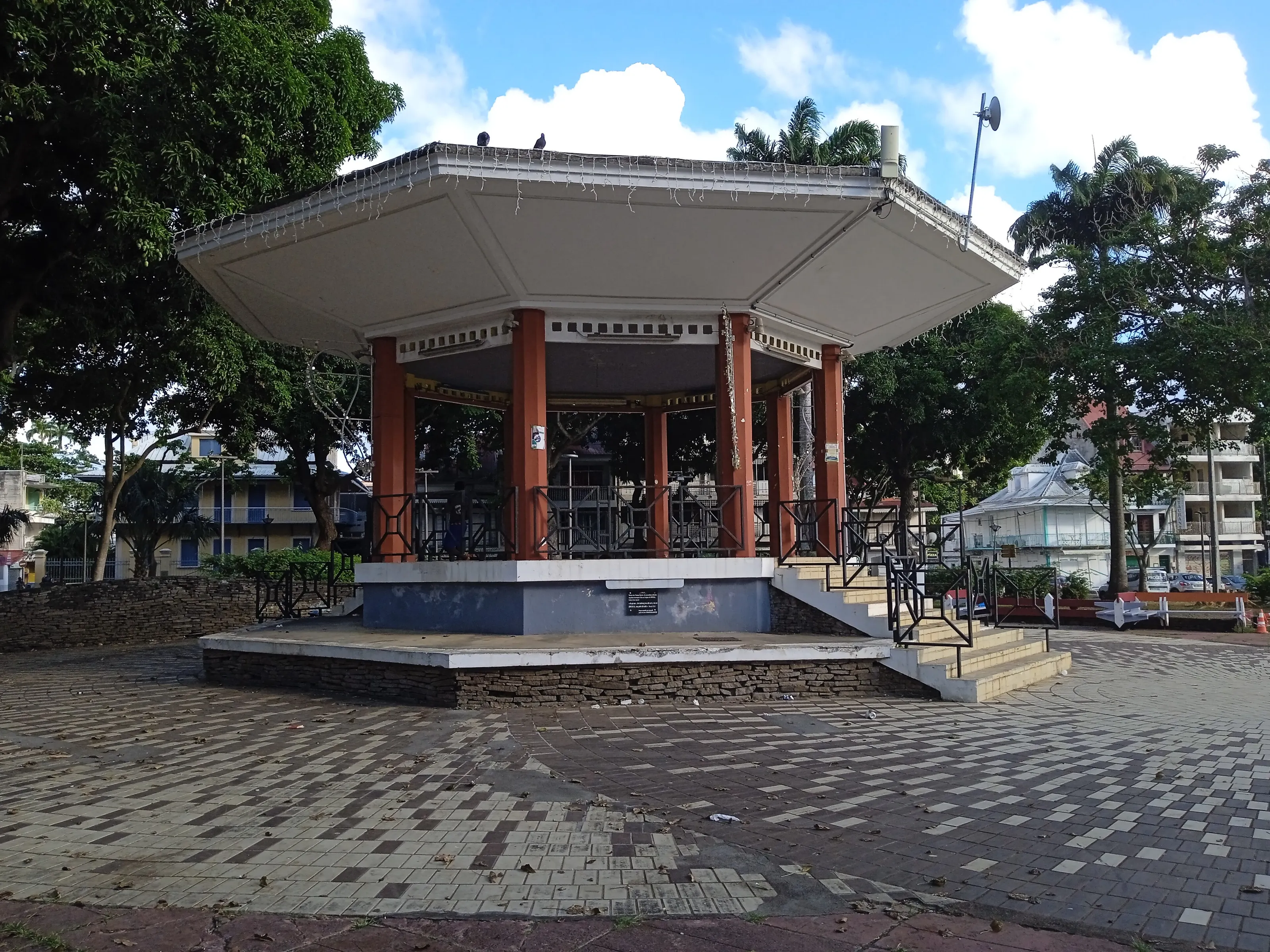
Place de la Victoire
The heart of the city is a large park shaded by palms and big trees, surrounded by cafés, old houses, the tourist office and the subprefecture (Wikivoyage FR, Wikipedia FR). It has a bandstand and the war memorial 'La Douloureuse', unveiled in 1925. It is the natural starting point for a walk towards the shopping streets.
The Darse and the marina
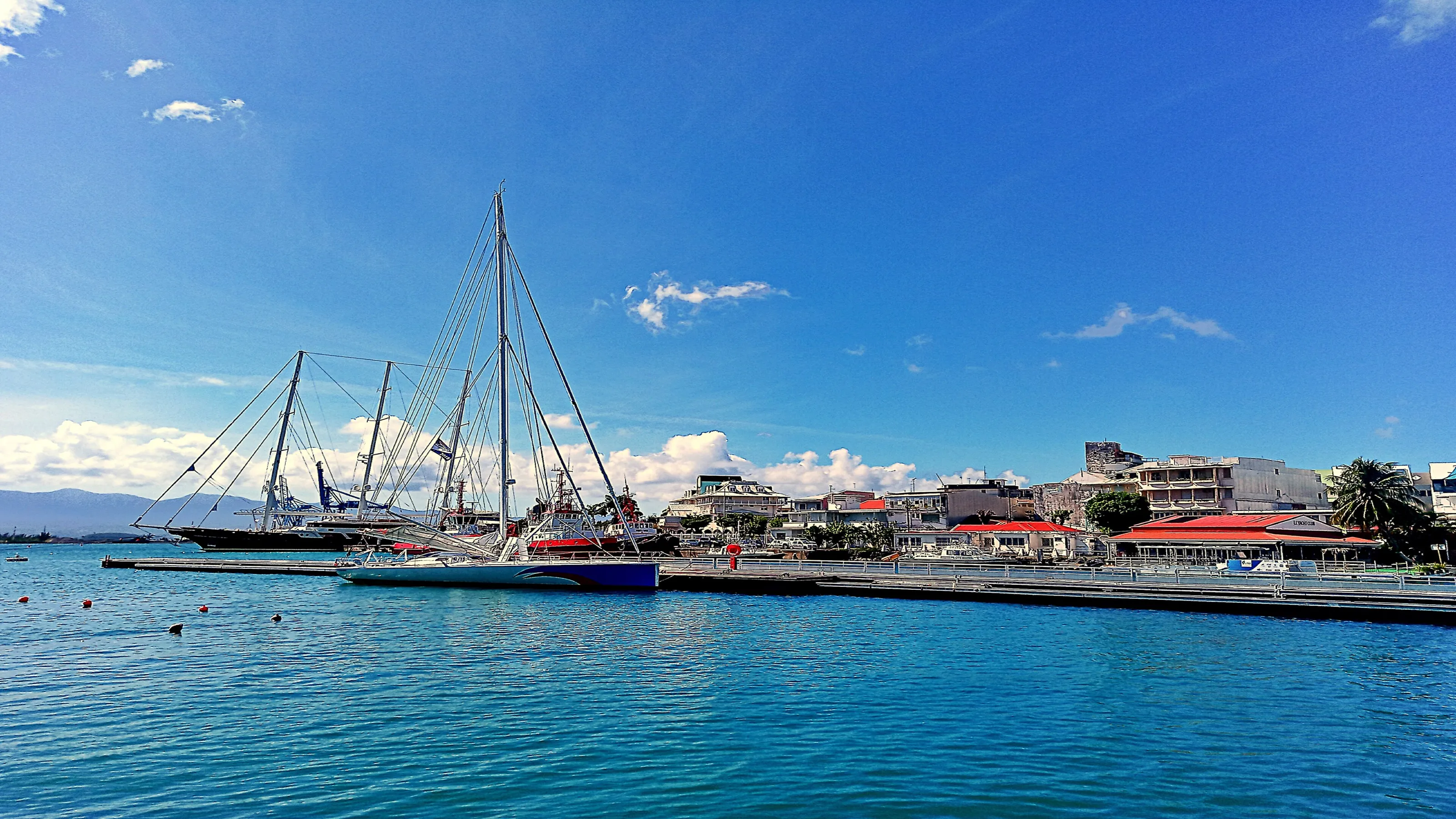
On the roadstead, the Darse is the harbour where boats leave for the neighbouring islands. Wikivoyage (FR) says you can buy fresh fish there and visit other islands from it; the marina has bars and restaurants. The port also has a cruise terminal (Wikipedia FR).
The Mémorial ACTe
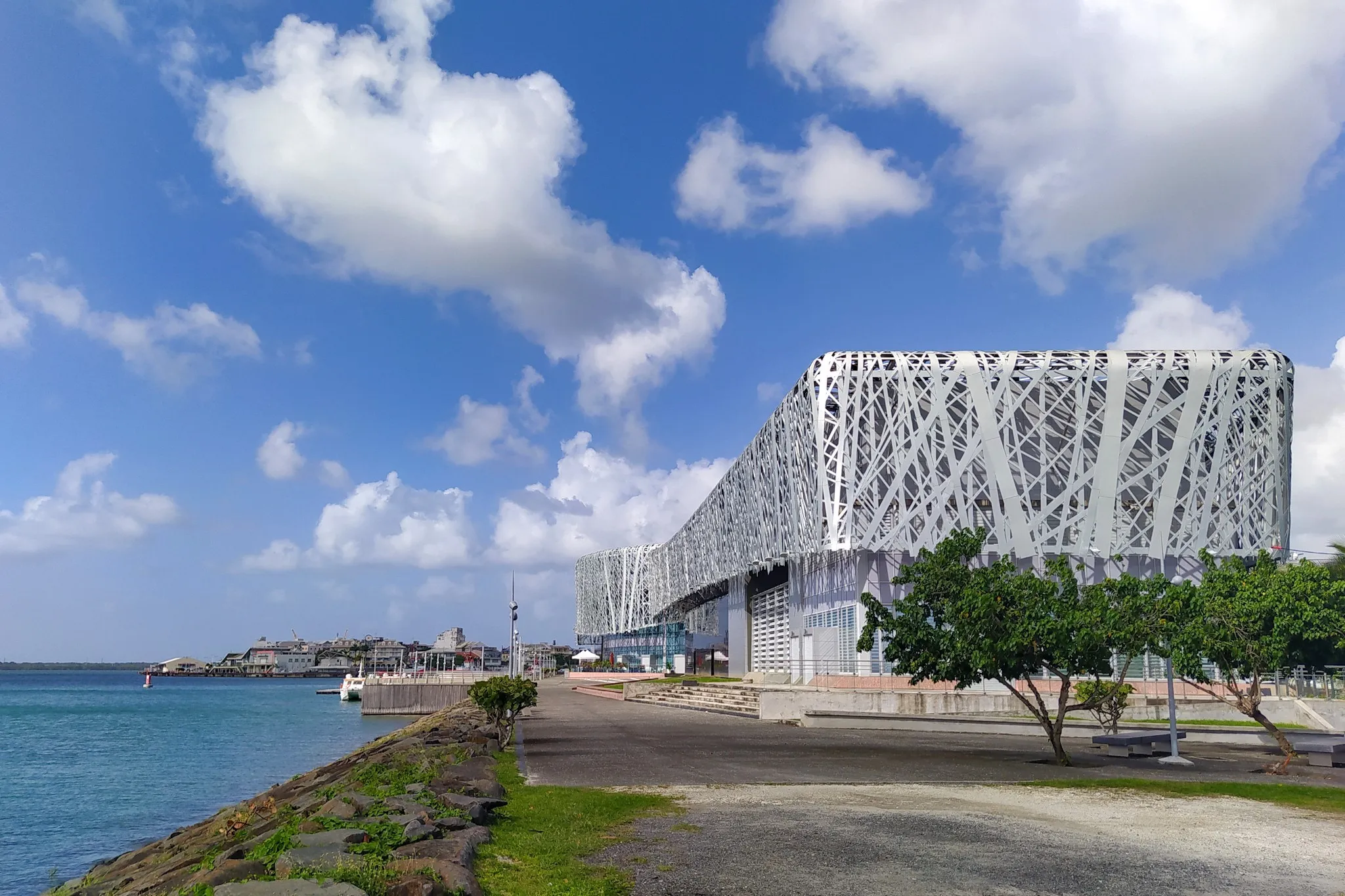
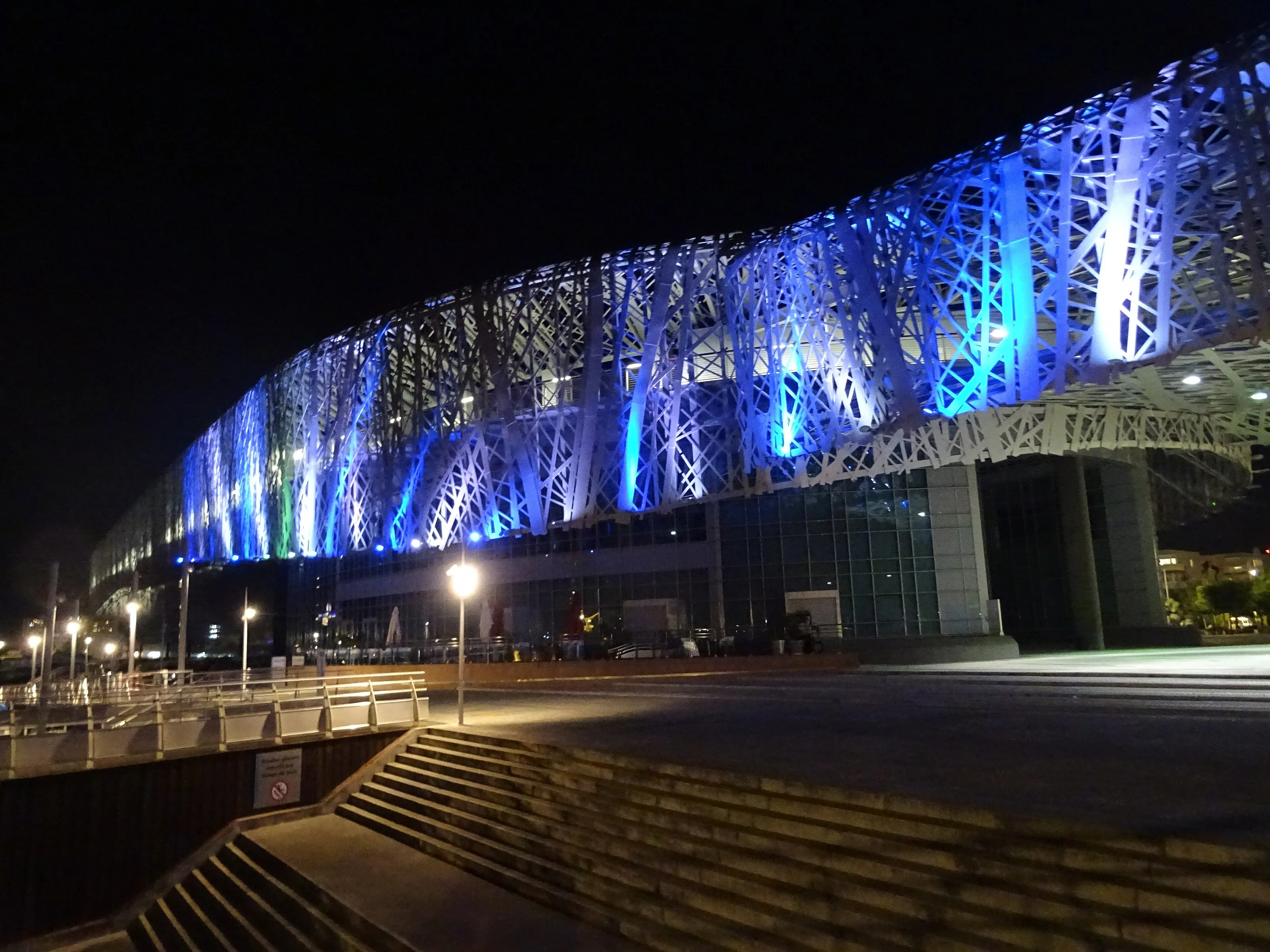
The Mémorial ACTe stands on the site of the former Darboussier sugar factory, rue Raspail. It was inaugurated by François Hollande on 10 May 2015 and opened to the public on 7 July 2015 (Wikipedia FR). Its facade weaves silver-coloured steel bands over black granite, and a 2.2-hectare panoramic garden, the Morne Mémoire, goes with it. Wikipedia (FR) calls it the most ambitious memorial ever dedicated to slavery.
The Saint-Antoine market
Known as the spice market, it is an iron hall renovated in 2006, between rue Peynier and rue Frébault (france.fr). It is open Monday to Saturday, 6 a.m. to 3 p.m. according to france.fr, and Saturday morning is the liveliest. You will smell cinnamon, vanilla and bois bandé, and find tropical fruit, Creole dolls, baskets and artisanal punch.
Shopping streets and the Darse market
Rue Frébault, rue de Nozières and rue Schœlcher make up the shopping district (Wikivoyage DE, FR). The Darse market sells fruit, spices, crafts and fresh fish (Bouger-Voyager guide).
Museums and culture
Slavery, Creole poetry and the story of abolition
Pointe-à-Pitre keeps its museums in the central streets and along the waterfront. Here are the main ones; always check opening hours and admission before you go, as we do not quote prices.
Mémorial ACTe
Wikipedia (FR) describes a permanent exhibition on slavery from Antiquity to today, a museum, a live-arts centre and a conference centre, with 7,800 square metres of buildings. Wikivoyage (EN) mentions audioguides, including in English. Allow half a day if the subject interests you.
Saint-John-Perse Museum
At 9 rue Nozières, in a colonial house of metal and brick built in 1880, it opened to the public in 1987. It shows Creole costumes and the life of the poet Saint-John Perse, winner of the 1960 Nobel Prize in Literature, who never lived in this house (Wikipedia FR).
Schœlcher Museum
At 24 rue Peynier, a neoclassical building inaugurated in 1887 keeps objects belonging to Victor Schœlcher, a figure of the abolition of slavery: a bust, a model of a slave ship and iron collars. It reopened in 2022 under the name Musarth (Wikipedia FR).
Festivals and events
The Fête des cuisinières takes place in August, on the Saturday closest to 10 August, with a costume parade and a banquet of Creole dishes (Bouger-Voyager guide). Carnival runs from January to March. The Route du Rhum, a solo sailing race, finishes in Pointe-à-Pitre every four years (Wikipedia FR).
Food and drink
Accras, bokit, colombo and ti-punch
Specialities
Guadeloupe's cooking is a mix of traditions: cod accras, bokit (filled fried bread), colombo, fish blaff, Creole black pudding and matété. The spice market suggests trying a colombo and an artisanal punch. The guides we read describe bokit as a simple, inexpensive meal.
Markets and harbour
The Saint-Antoine and Darse markets are the best places to smell the spices, taste the fruit and buy fresh fish near the harbour.
Drinks
Agricultural rum and ti-punch are the island's emblems. We do not recommend a specific address: ask your host or the tourist office.
Getting around
On foot in the centre, a rental car for the rest
On foot
The centre is walkable, from Place de la Victoire to the market and then the Darse. The Mémorial ACTe is on rue Raspail, facing the roadstead and away from the main shopping streets: check the route from where you start.
Boats to the islands
Boats link Pointe-à-Pitre with Marie-Galante and Les Saintes in about 55 minutes according to Wikivoyage (DE). Depending on the operator, departures are from Bergevin or from the Darse: check the times and the boarding point with the operator.
Car and bus
Public transport is limited on the island (france.fr). A rental car is handy for the beaches of Le Gosier and Sainte-Anne or for Basse-Terre; the road network is good (Wikipedia FR).
Budget and precautions
Prices above mainland France, no ranges published
Price level
The cost of living in Guadeloupe is higher than in mainland France according to our research on the archipelago. The currency is the euro. We publish no price ranges because we could not confirm them on two independent sources; museum admissions vary and should be checked before you visit.
Flights
The flight is the most variable item in the budget. SniperAir tracks prices to PTP and compares them with the route's history, but it does not sell or book tickets.
Caution and hurricanes
The usual city precautions apply: keep valuables discreet, especially in the evening, and check your own government's official advice. The Atlantic hurricane season runs from June to November, and the archipelago is also in an earthquake zone. Follow forecasts, keep your dates flexible and consider suitable travel insurance.
When to go
Drier from December to May, hurricane season from June to November
December to March
Dry season and high season: pleasant temperatures, little rain and carnival from January to March; accommodation books early.
April to May
End of the dry season: heat builds and rainfall is still limited.
June to August
Rising heat and humidity; the Atlantic hurricane season starts in June.
September to November
The wettest months (September tops the airport station) and the end of the hurricane season.
Wikipedia (FR) gives, for the Le Raizet station, an annual mean temperature of 26.7 degrees Celsius, a rainfall peak in September and more than 2,400 hours of sunshine a year. Wikipedia (DE) gives daily highs of 29.1 degrees in January to 31.6 in August. Annual rainfall totals differ between sources, so we do not publish one.
By length of stay
What to do in Pointe-à-Pitre depending on how long you stay
The essentials of the centre
The Saints Peter and Paul church, Place de la Victoire, the Saint-Antoine market, a Creole lunch, then the Darse and marina late in the day.
Museums and memory
The Mémorial ACTe, the Saint-John-Perse Museum and the Schœlcher Museum, with a stop at the markets.
Beyond the city
Use the city as a gateway: the beaches of Le Gosier and Sainte-Anne, boats to Marie-Galante and Les Saintes, then Basse-Terre by car.
In pictures
Pointe-à-Pitre in pictures
You might also like
Similar destinations
FAQ
Frequently asked questions about flights to Pointe-à-Pitre
How do I get from Guadeloupe airport to Pointe-à-Pitre centre?
Pôle Caraïbes airport (PTP) is about 3 km north of the centre, in the commune of Les Abymes. A taxi or rental car is the simplest option; the distances quoted differ between sources.
What is there to see in Pointe-à-Pitre?
The Saints Peter and Paul church, Place de la Victoire, the spice market, the Darse, the Mémorial ACTe, the Saint-John-Perse Museum and the Schœlcher Museum.
Is Pointe-à-Pitre a beach town?
No: it is a city of harbour, markets and memory. The beaches are at Le Gosier and Sainte-Anne, a few kilometres away and easier to reach by car.
How do I reach Marie-Galante or Les Saintes from Pointe-à-Pitre?
Boats leave from Bergevin or the Darse depending on the operator, for a crossing of about 55 minutes. Check the times and boarding point with the operator before you book.
When is the best time to visit Pointe-à-Pitre?
Preferably December to May for the dry season; the Atlantic hurricane season runs from June to November. Keep your dates flexible if you travel in summer or autumn.
Is Pointe-à-Pitre safe?
The usual city precautions apply, especially in the evening. Check your government's official advice before you leave and follow weather forecasts during the hurricane season.
How much does a flight to Pointe-à-Pitre usually cost?
The price depends mainly on your departure city, the time of year and how far ahead you book. The "opportunities" section above shows real examples of prices SniperAir has already detected to this destination.
How do I get alerted when a flight to Pointe-à-Pitre drops below my budget?
Create an alert profile with your departure airport, Pointe-à-Pitre as the destination and your maximum budget. You are notified automatically as soon as a matching price is detected.
Ready to head to Pointe-à-Pitre?
Set your budget and let SniperAir monitor fares for you.
Create my alert