
Cheap flights to Washington D.C.
Set your departure airport and your maximum budget: SniperAir tracks prices to Washington D.C. and alerts you the moment an opportunity matching your criteria appears.
Quick summary
Country
United States
Continent
North America
Airport
IAD
Currency
US dollar (USD)
Time zone
UTC-5
Opportunities already detected to Washington D.C.
Real flight examples spotted by SniperAir, with their reference price.
Loading examples…
Identity
A planned capital that belongs to no state
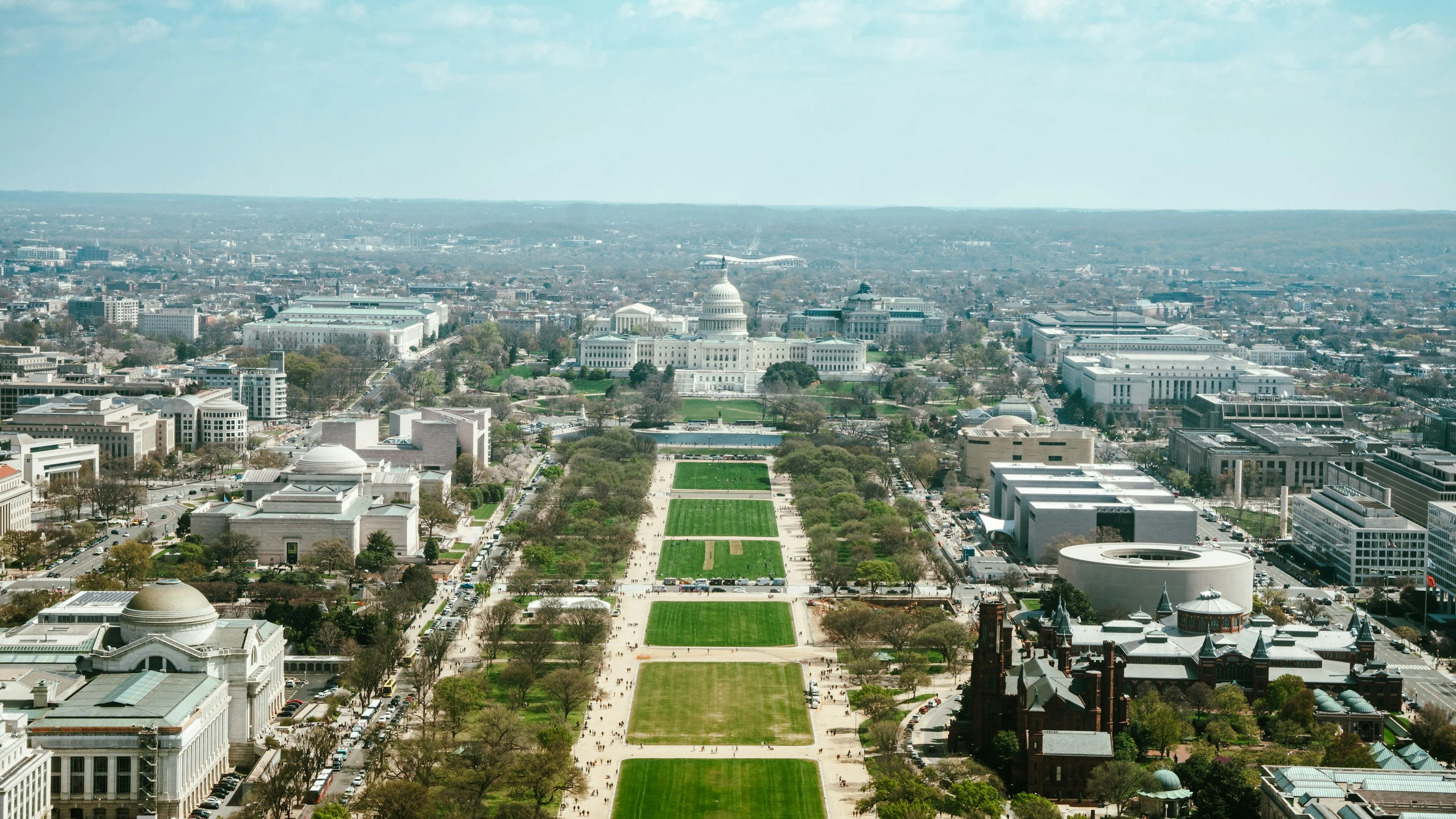
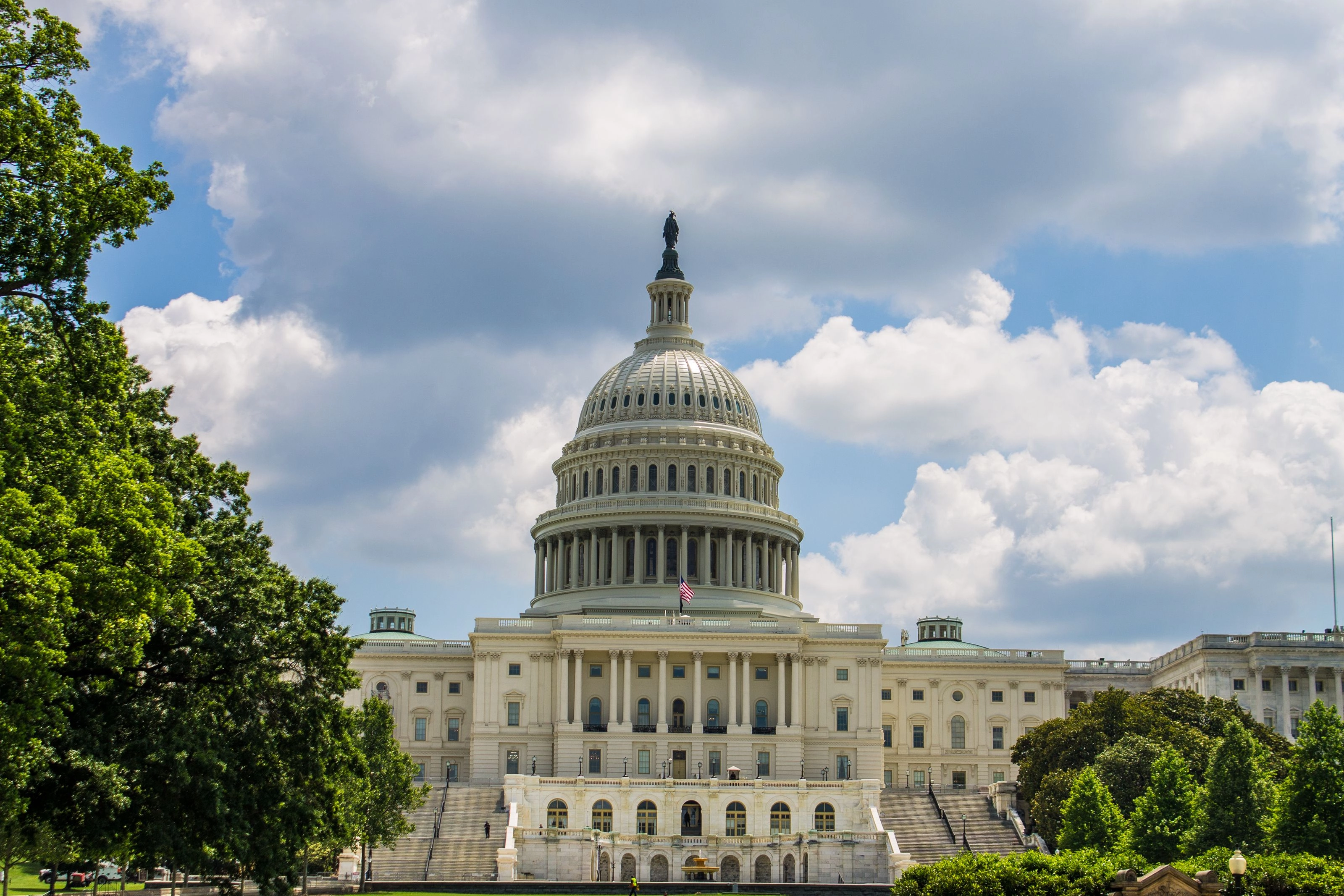
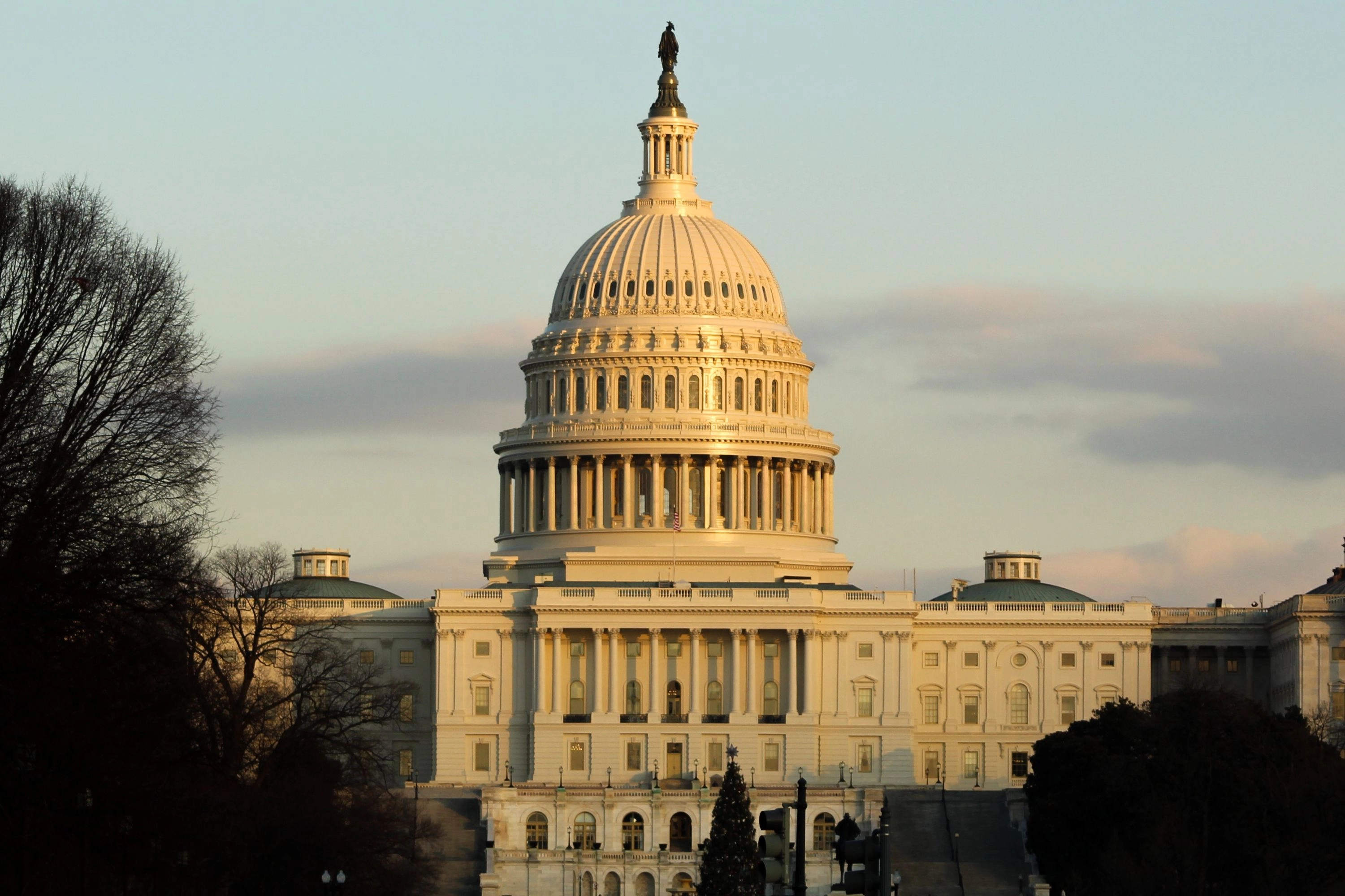
Unlike most capitals, Washington was planned in full from the start by the architect Pierre L'Enfant, who chose Jenkins Hill, which he described as "a pedestal waiting for a monument", for the Capitol; George Washington laid its cornerstone in 1793. His plan already included a grand ceremonial axis, which became the National Mall and was reworked by the McMillan Plan in 1902 into the monumental core seen today.
Washington, D.C. answers to Congress rather than to any state legislature, a status written into the Constitution in 1790, when the site was carved out of land ceded by Maryland and, on the Virginia side of the Potomac, later handed back to that state in 1846. Its roughly 690,000 residents (2020 census) still have no voting representation in the Senate, a quirk visible on local license plates stamped "Taxation Without Representation". British troops burned the White House and the Capitol in 1814; both were rebuilt within years.
Not to be missed
The National Mall, from the Capitol to the Lincoln Memorial
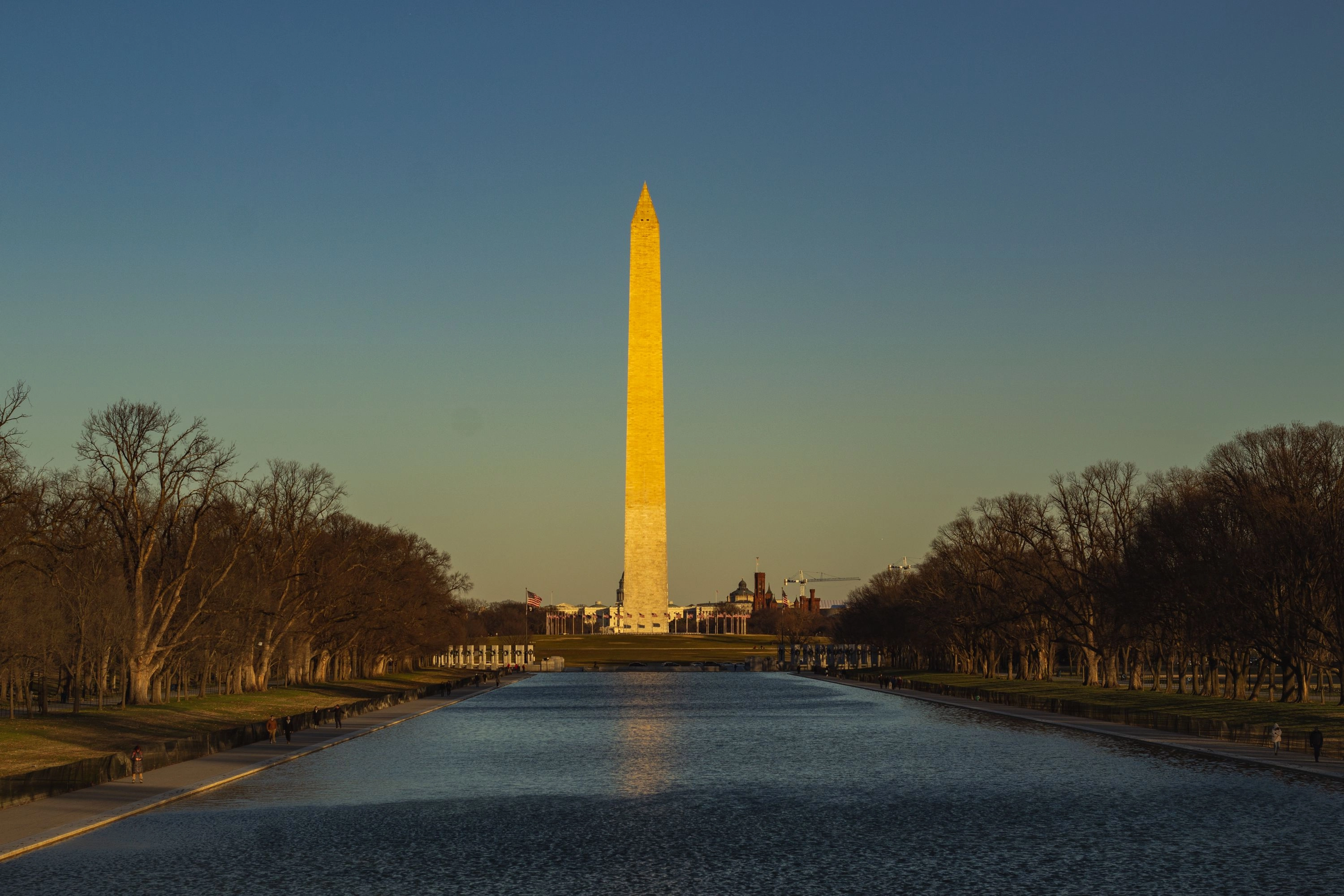
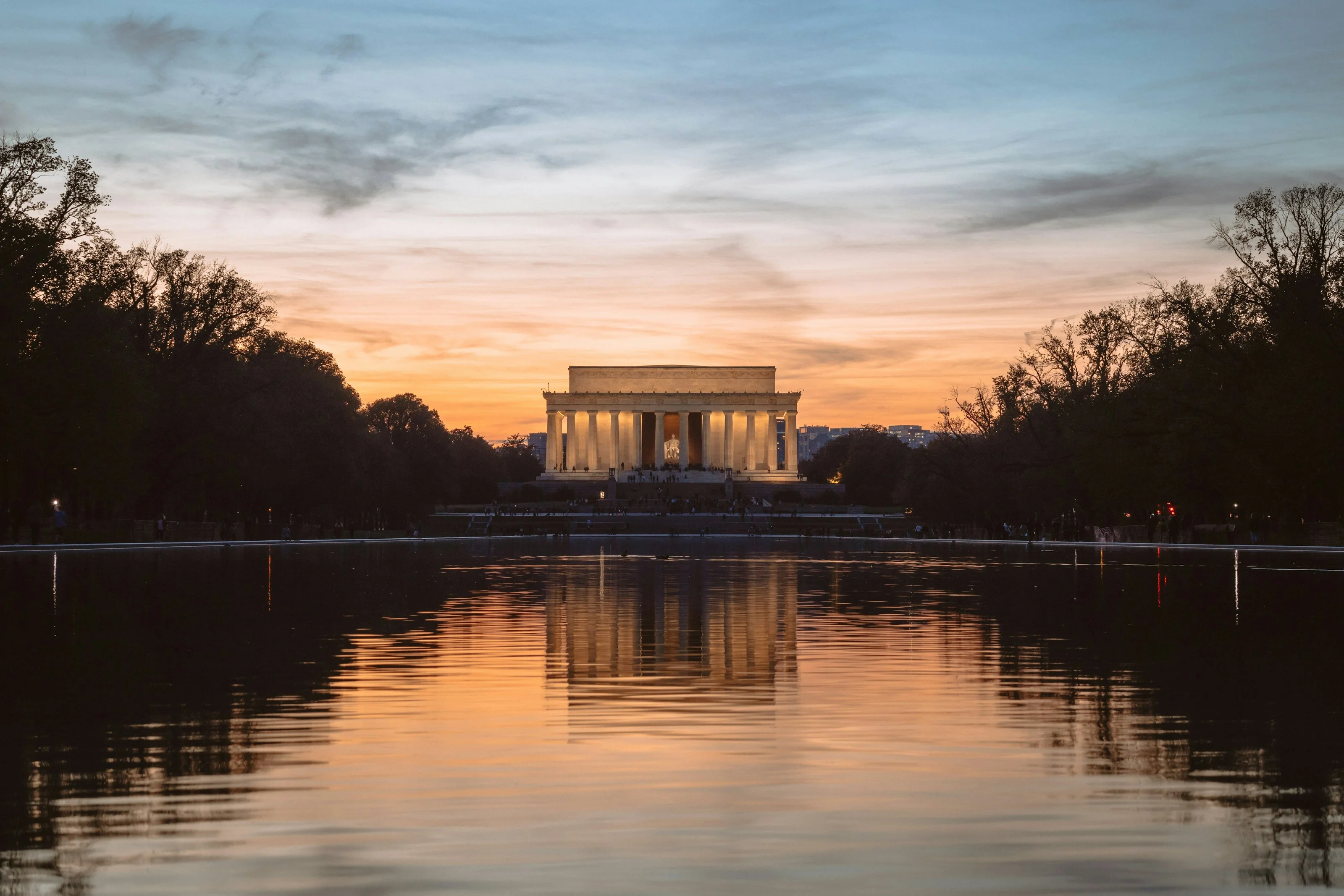
The Mall stretches about three kilometres (1.9 miles) from the Capitol steps to the Lincoln Memorial, with about 1.8 km between the Capitol and the Washington Monument. Along it stand the Washington Monument, a 169 m obelisk opened in 1885, the White House nearby, and the Vietnam Veterans Memorial, whose black granite wall lists more than 58,000 names.
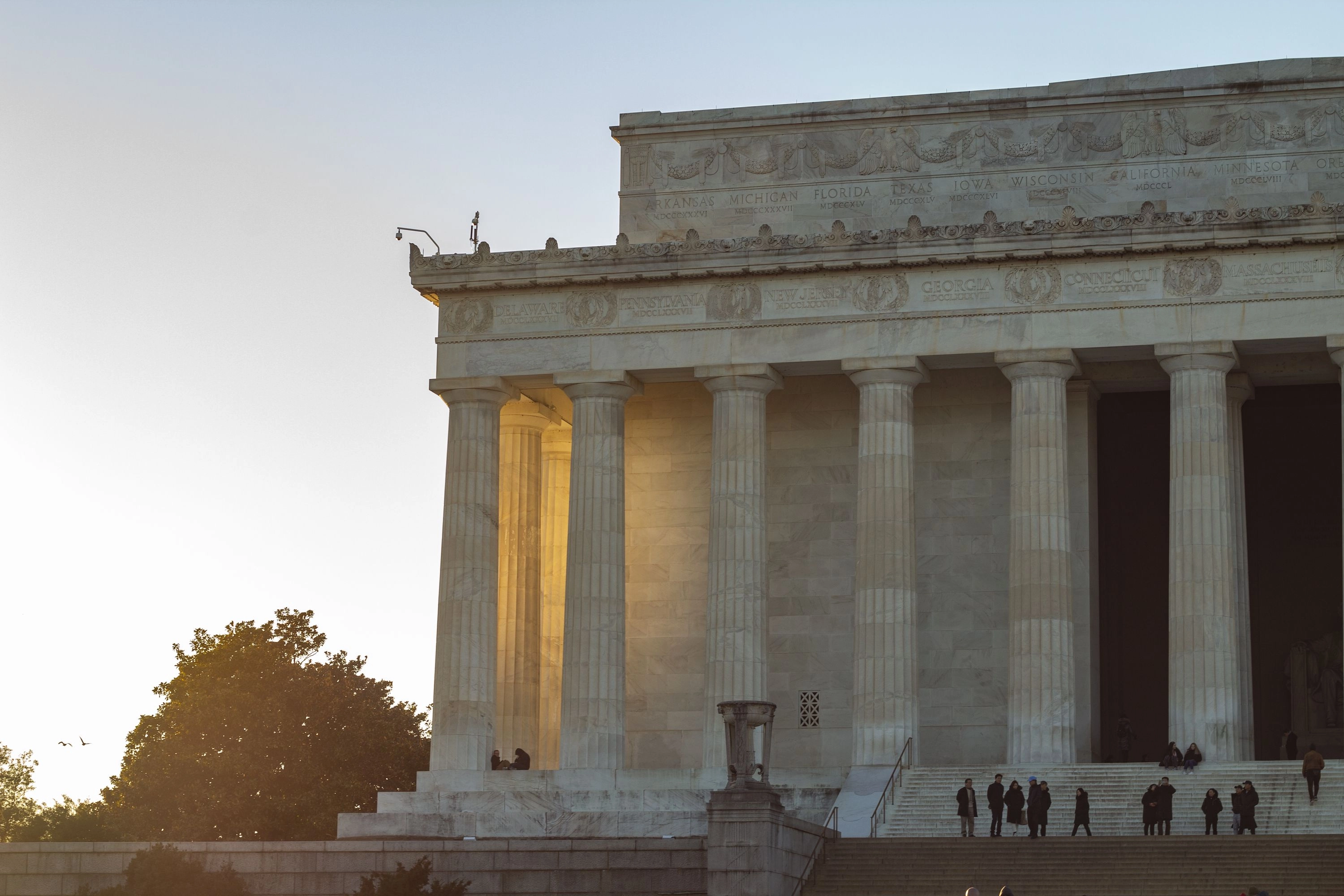
On the steps of the Lincoln Memorial, Martin Luther King Jr. delivered his "I Have a Dream" speech in 1963, the exact spot marked on the marble. The axis can be walked in a day, but wear good shoes: distances are longer than they look.
Why watch Washington D.C. with SniperAir
You don't need to compare prices every day
Pick your departure
Enter your departure airport and your maximum budget for a flight to Washington D.C. (IAD).
SniperAir watches
Our systems continuously compare new prices with the real price history of the route. SniperAir watches prices and alerts you: it does not sell or book tickets.
You get an alert
As soon as a price matches your criteria you are notified, without having searched anything yourself.
To discover
Cherry blossoms and the Capitol
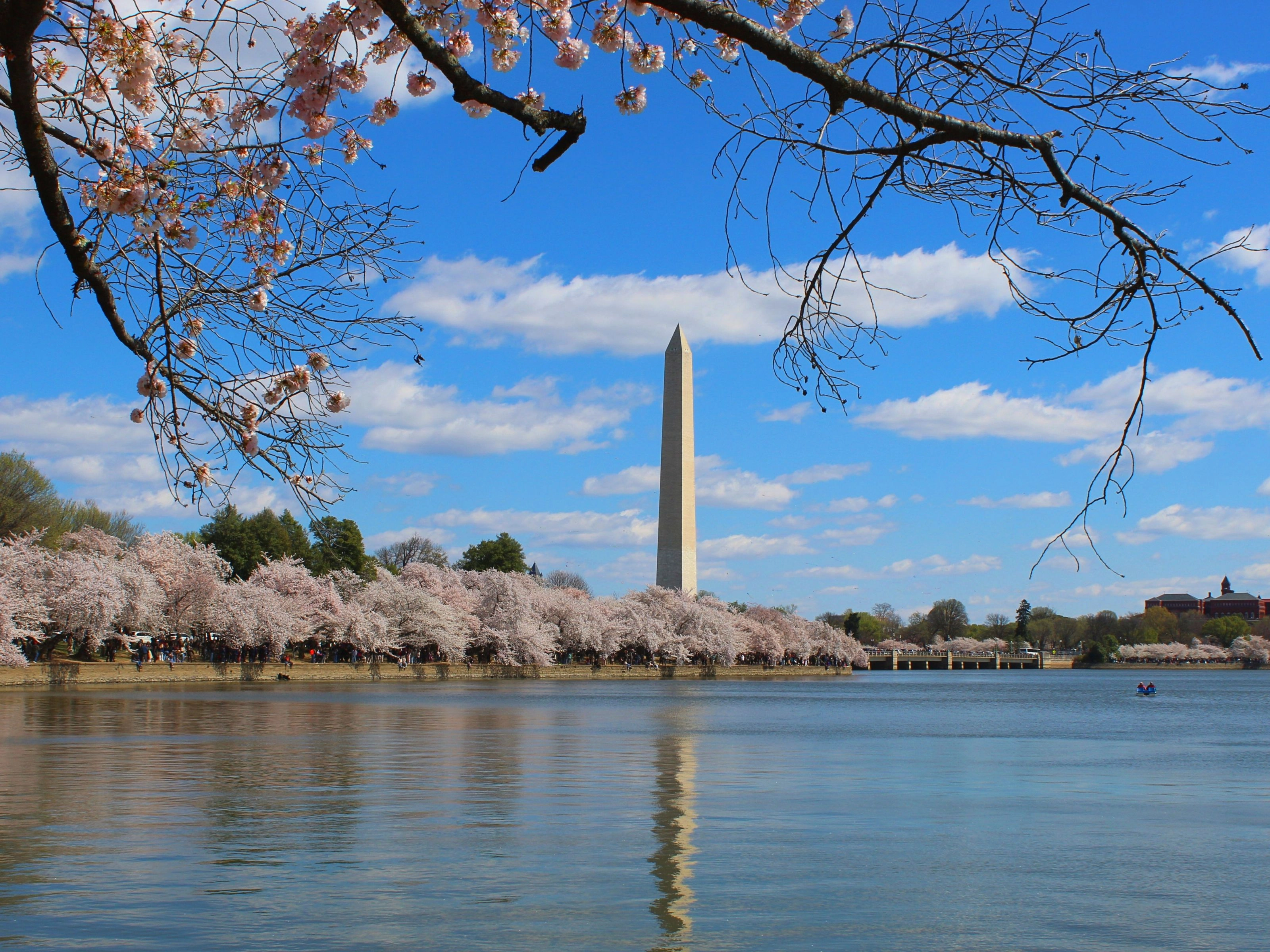
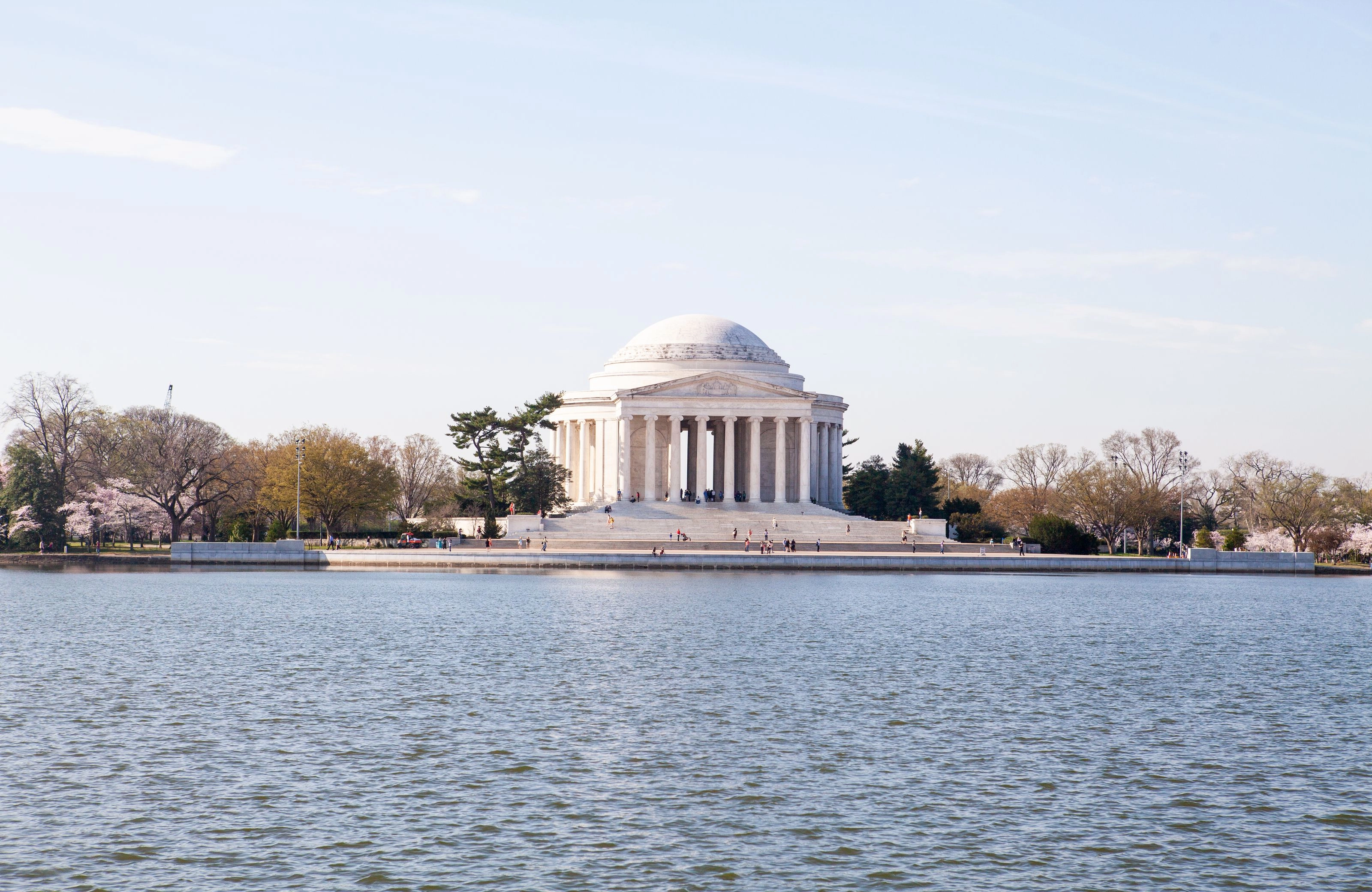
Given by the city of Tokyo in 1912 as a gesture of friendship, more than 3,000 cherry trees now line the Tidal Basin around the Jefferson Memorial, a neoclassical memorial completed in 1943. Each spring the National Cherry Blossom Festival celebrates the bloom over several weeks, one of the capital's most photographed events.
Museums
The Smithsonian museums, free of charge
The Smithsonian Institution, founded in 1846 with the bequest of the British chemist James Smithson, runs 17 museums and a zoo in the District, all free to enter, from the National Air and Space Museum to the National Museum of African American History and Culture. These two are popular enough that they can require a free timed-entry pass, so check the official site before you come.
Along the Mall you will also find the National Museum of Natural History, the National Museum of American History, the National Museum of the American Indian, the Hirshhorn Museum and the National Gallery of Art. A 1910 law caps most buildings near the Mall at roughly the height of the Capitol, which is why Washington has no skyscraper skyline in the usual American sense: the monuments stay the tallest landmarks.
Neighbourhoods
Georgetown, Capitol Hill and U Street
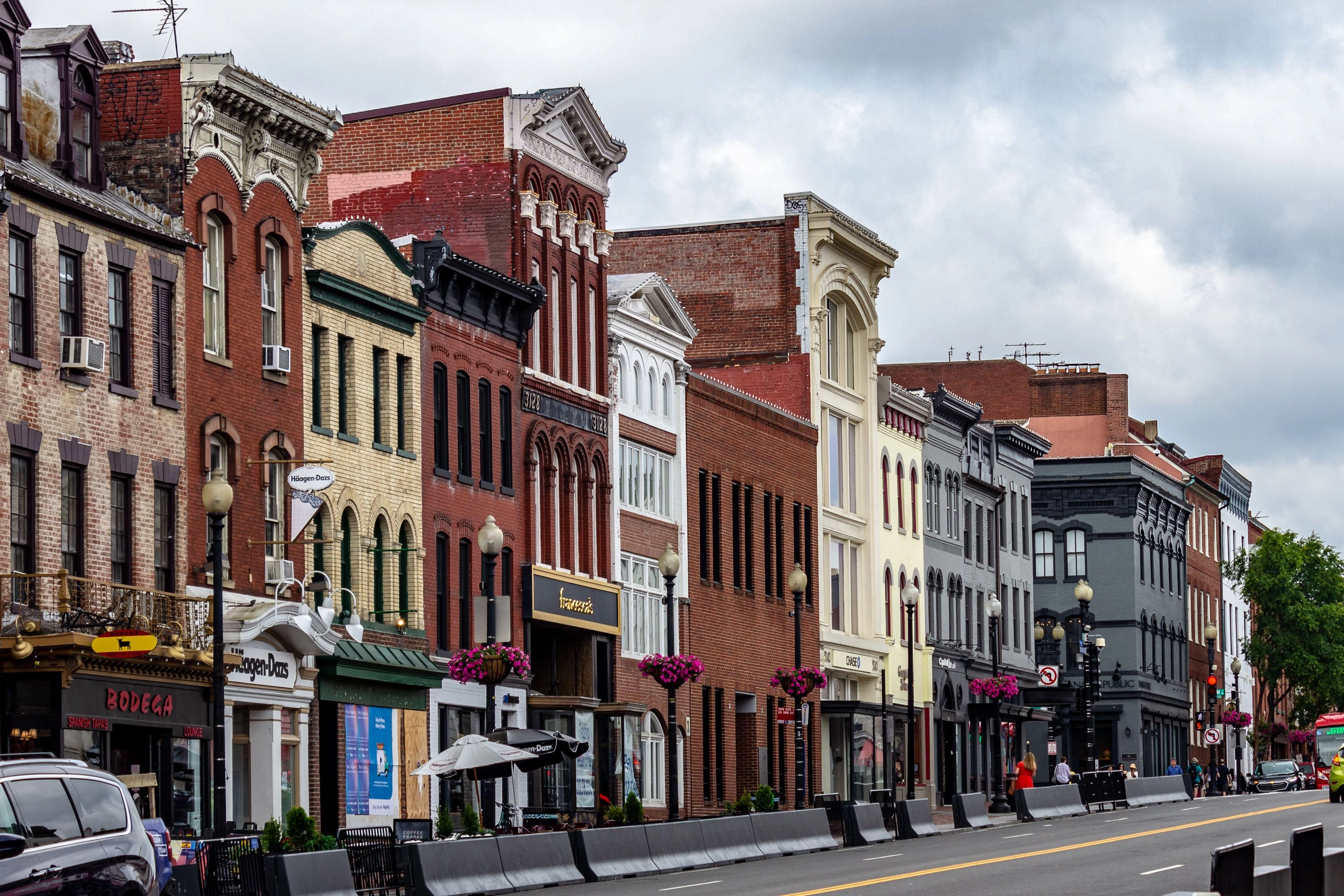
Georgetown. One of the oldest districts, a former independent town, mixes 18th-century brick houses, shops, a university and views of the Potomac from its old canal.
Capitol Hill. Around the Capitol, a residential area of brick townhouses; the Eastern Market stands a few blocks from the Capitol.
U Street, Shaw and Adams Morgan. This area concentrates nightlife, music and much of the city's Ethiopian dining scene.
Food
The half-smoke, mumbo sauce and the city's Ethiopian scene
The half-smoke. DC's signature street food, a coarser, smokier cousin of the hot dog piled with chili and onions; Ben's Chili Bowl on U Street has served them since 1958.
Mumbo sauce. A sweet and tangy sauce, close to barbecue sauce but sweeter, that is a Washington takeout speciality: it goes on fried wings and fries. Its origin is disputed.
Ethiopian food. The city has one of the largest Ethiopian communities outside Ethiopia, with injera and doro wat served in many family-run restaurants around Shaw and U Street.
Eastern Market. An 1873 market hall on Capitol Hill: indoor stalls of meat, baked goods and cheese, fresh produce under awnings, and artisans and antiques dealers at weekends.
By length of stay
What to do in Washington D.C. depending on how long you stay
The essentials
The National Mall's monuments, then one or two free Smithsonian museums.
Go deeper
Add Georgetown, the Tidal Basin, and dinner on U Street.
East Coast
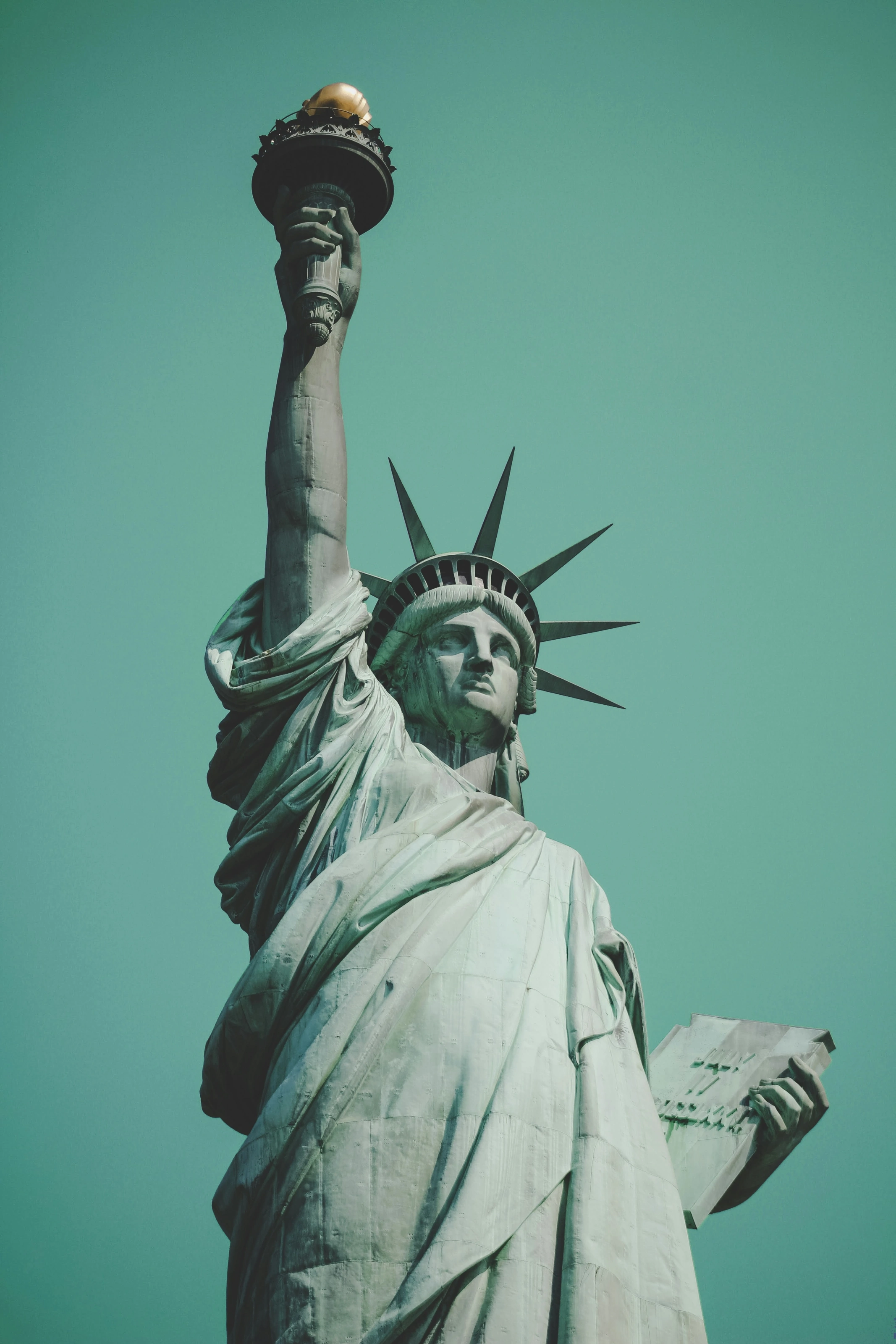
Continue to New York to extend the trip up the coast.
Washington D.C. airports
Three airports serve the capital
Washington Dulles International
The region's main international gateway, about 42 km (26 miles) west of downtown. A Silver Line Metro station has served it since November 2022; allow roughly an hour by Metro to the centre, or 40 to 60 minutes by taxi or ride-hailing depending on traffic.
Ronald Reagan Washington National
Just across the Potomac, about 5 km from downtown, with a Metro stop on the Blue and Yellow lines: about 15 minutes to the centre.
Baltimore/Washington International
About 50 km north-east of downtown, favoured by low-cost carriers; a free shuttle links to BWI rail station, where Amtrak and MARC trains leave.
Journey times are indicative, based on Wikivoyage. DCA and BWI are neighbouring airports of the Washington D.C. area; the SniperAir alert on this page covers IAD.
If you are flexible on your arrival airport, compare all three: price and timing can differ from one airport to another.
Getting around
Metro, walking and trains
The Washington Metro, opened in 1976, has six lines (Red, Orange, Blue, Silver, Yellow, Green) and serves the main sights; stations near the Mall are within walking distance of the monuments. Union Station, on the Red Line, handles Amtrak trains and most intercity buses.
The centre can largely be seen on foot, though distances on the Mall are long. Taxis and ride-hailing apps complement the network, and bike-sharing is widespread; check current fares.
When to go
When to visit Washington D.C.?
Spring
Peak season: the cherry blossoms around the Tidal Basin bloom usually from late March into early April, though the exact date shifts with the weather.
Summer
Hot and heavily humid, with average highs of about 32 C in July and frequent late-afternoon thunderstorms.
Autumn
Mild and pleasant, with fine colours on the National Mall: one of the best periods.
Winter
Cold: highs of 7 C and lows of -1 C in January, with occasional snow that can disrupt the city.
Rainfall is close to 1,000 mm a year, spread through all months. Museums stay open in winter, when crowds are smallest.
Budget
A mid-range to high budget, free museums
Washington is a mid-range to high budget destination, above all for accommodation, whose prices jump during major events such as cherry blossom season. On the other hand the Smithsonian museums and the monuments on the Mall are free, which cuts the cost of sightseeing a great deal.
Allow for meals, transport and parking if you rent a car: in the centre hotels often charge for parking by the day. We do not publish a price list; compare several offers before booking.
In pictures
Washington D.C. in pictures
You might also like
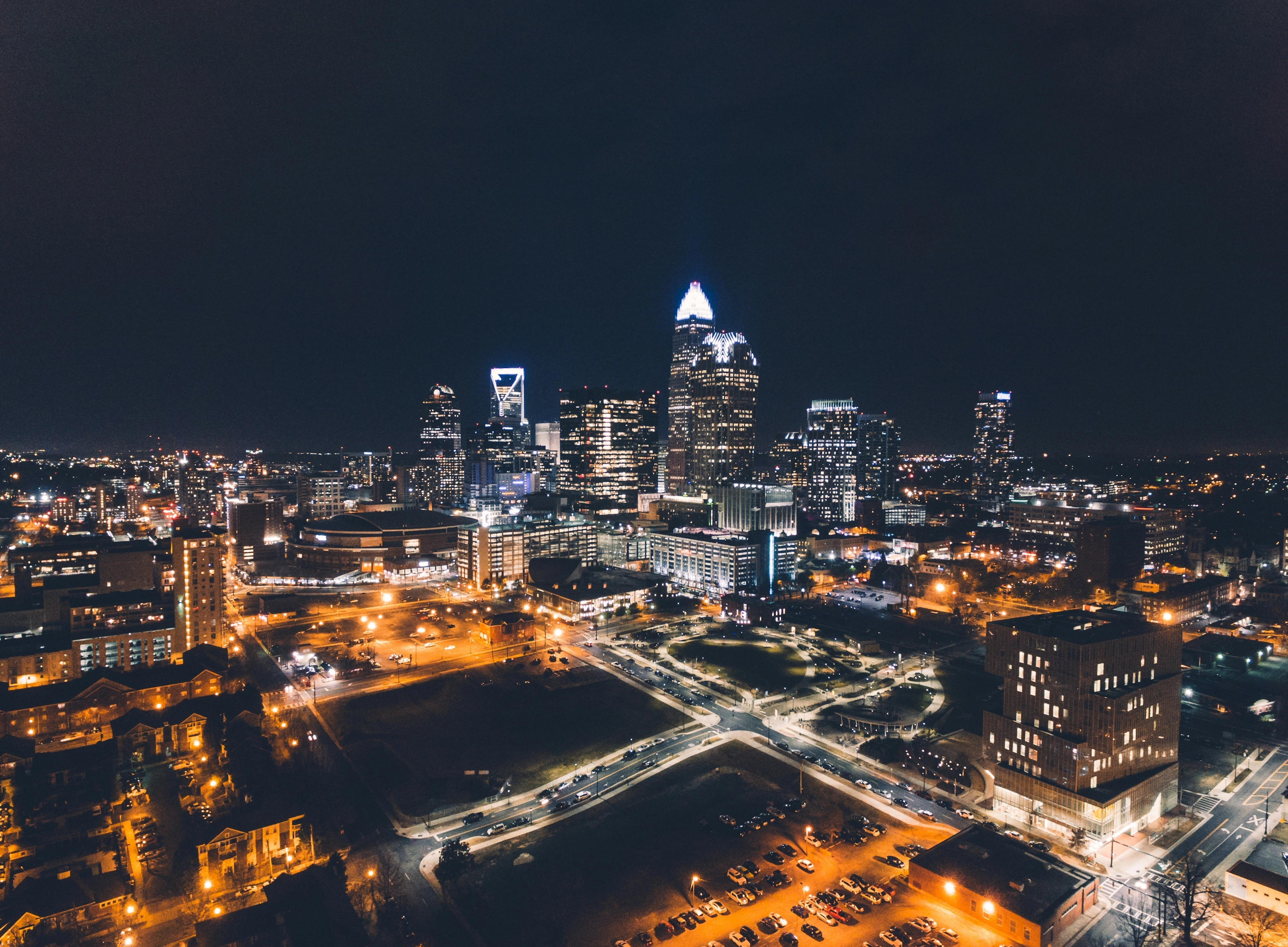
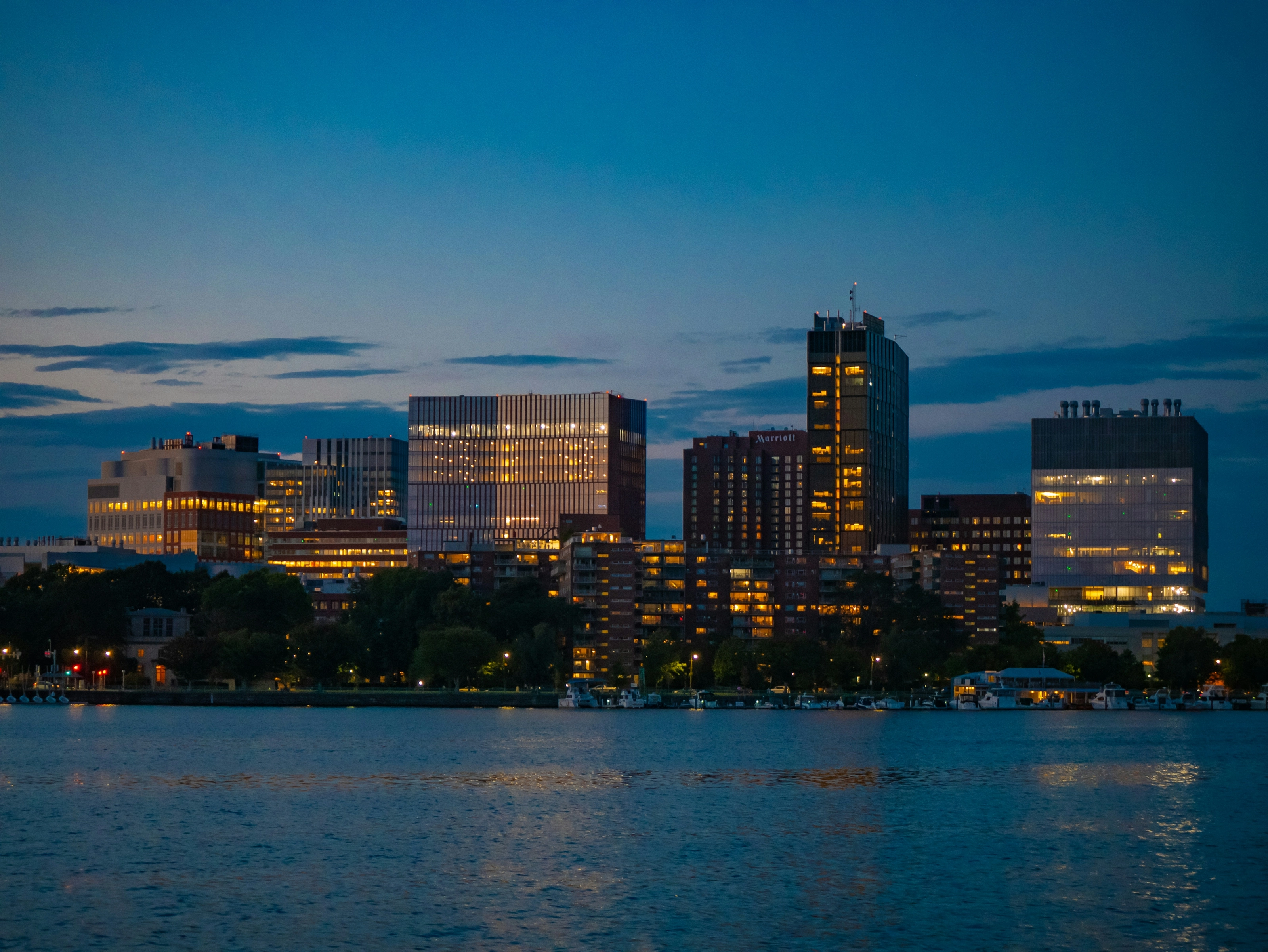
Similar destinations
FAQ
Frequently asked questions about flights to Washington D.C.
Which airport should I fly into for Washington D.C.?
Dulles (IAD) handles most international and long-haul flights. Reagan National (DCA) sits closest to downtown for domestic trips, while BWI, near Baltimore, is worth checking for low-cost fares.
How do I get from Dulles airport to downtown Washington D.C.?
By Metro on the Silver Line, which has served the airport since November 2022, in about an hour, or by taxi or ride-hailing in 40 to 60 minutes depending on traffic. The airport is about 42 km from the centre.
How much does a flight to Washington D.C. usually cost?
The price mainly depends on your departure city, the time of year and how far ahead you book. The "opportunities" section above shows real price examples already detected by SniperAir for this destination.
How long is a flight to Washington D.C. from Europe?
Typically between 8 and 9 hours depending on your departure city.
What's the best time to book a flight to Washington D.C.?
There's no universal rule: the best price depends on your specific route. That's exactly why SniperAir tracks prices on your behalf instead of giving you generic advice.
When do the cherry blossoms bloom in Washington D.C.?
The National Cherry Blossom Festival runs for several weeks each spring, usually late March into early April, around the Tidal Basin and the Jefferson Memorial; the exact bloom date varies with the weather.
Are the Smithsonian museums really free?
Yes, all 17 Smithsonian museums and the National Zoo are free to enter. A few of the busiest may require a free timed-entry pass.
What should I see first in Washington D.C. if I only have two days?
The National Mall and its monuments, one or two free Smithsonian museums, then the Tidal Basin and Georgetown.
How do I get around Washington D.C.?
Mostly on foot and by Metro, which serves the Mall sights and the two nearest major airports, complemented by taxis and ride-hailing apps.
What should I eat in Washington D.C.?
The half-smoke, mumbo sauce on fried wings, Ethiopian food around Shaw and U Street, and the produce of Eastern Market on Capitol Hill.
Is Washington D.C. expensive?
The budget is mid-range to high, above all for accommodation, but the Smithsonian museums and the monuments are free.
How do I get alerted when a flight to Washington D.C. drops below my budget?
Create an alert profile with your departure airport, Washington D.C. as the destination, and your maximum budget. You'll be notified automatically as soon as a matching price is detected.
Ready to head to Washington D.C.?
Set your budget and let SniperAir track fares for you.
Create my alert