
Cheap flights to Béjaïa
Set your departure airport and maximum budget: SniperAir tracks prices to Béjaïa and alerts you the moment a deal matching your criteria appears.
Quick summary
Country
Algeria
Continent
Africa
Airport
BJA
Currency
Algerian dinar
Time zone
UTC+1
Deals already spotted to Béjaïa
Real flight examples detected by SniperAir, with their reference price.
Loading examples…
Why watch Béjaïa with SniperAir
You don't need to compare prices every day
Pick your departure
Enter your departure airport and your maximum budget for a flight to Béjaïa (BJA).
SniperAir watches
Our systems continuously compare new prices with the real price history of the route. SniperAir watches prices and alerts you: it does not sell or book tickets.
You get an alert
As soon as a price matches your criteria you are notified, without having searched anything yourself.
Airport and distances
An airport 5 km away, Algiers over 200 km off
Soummam–Abane Ramdane Airport
Béjaïa Airport lies about 5 km south of the city (Wikipedia EN, FR; Wikivoyage FR) and is the gateway to Petite Kabylie. Airlines and routes change with the season, so check current schedules before you book.
Over such a short distance a taxi is the simplest way into the centre. For longer trips you go by road: Béjaïa is about 220 km east of Algiers according to Wikipedia EN and FR, and German Wikipedia gives roughly 250 km of driving distance. Mountain roads often slow the journey, and the time depends a lot on traffic.
| Landmark | Indicative distance |
|---|---|
| Airport to city centre | about 5 km |
| Algiers | about 220 km (about 250 km by road per German Wikipedia) |
| Tizi Ouzou | about 93 km |
| Sétif | about 70 km |
| Jijel | about 61 km |
Sea and mountain
Where Kabylia drops straight into the Mediterranean
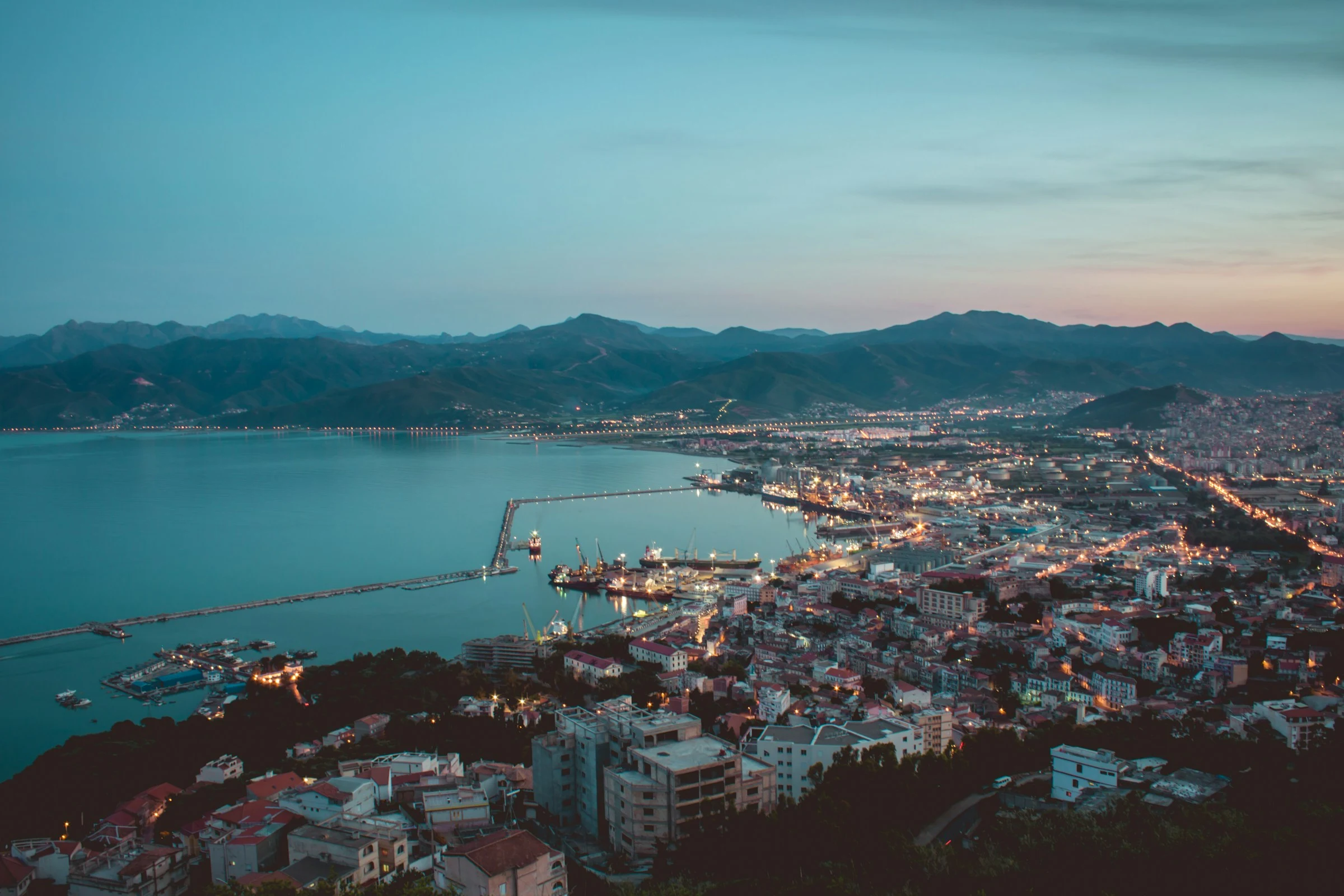
Béjaïa is one of the best counterpoints to the other cities of northern Algeria: here the sea meets the Petite Kabylie ranges head on. The city spreads at the foot of Mount Gouraya, facing the bay, and its port ranks second in Algeria by activity, after Algiers (Wikipedia FR).
A port town since antiquity
Founded by Augustus as Saldae (Spanish Wikipedia), the town was a prosperous medieval port, known for the beeswax used to make candles. That long history explains the number of old monuments in the centre.
A headland over the sea
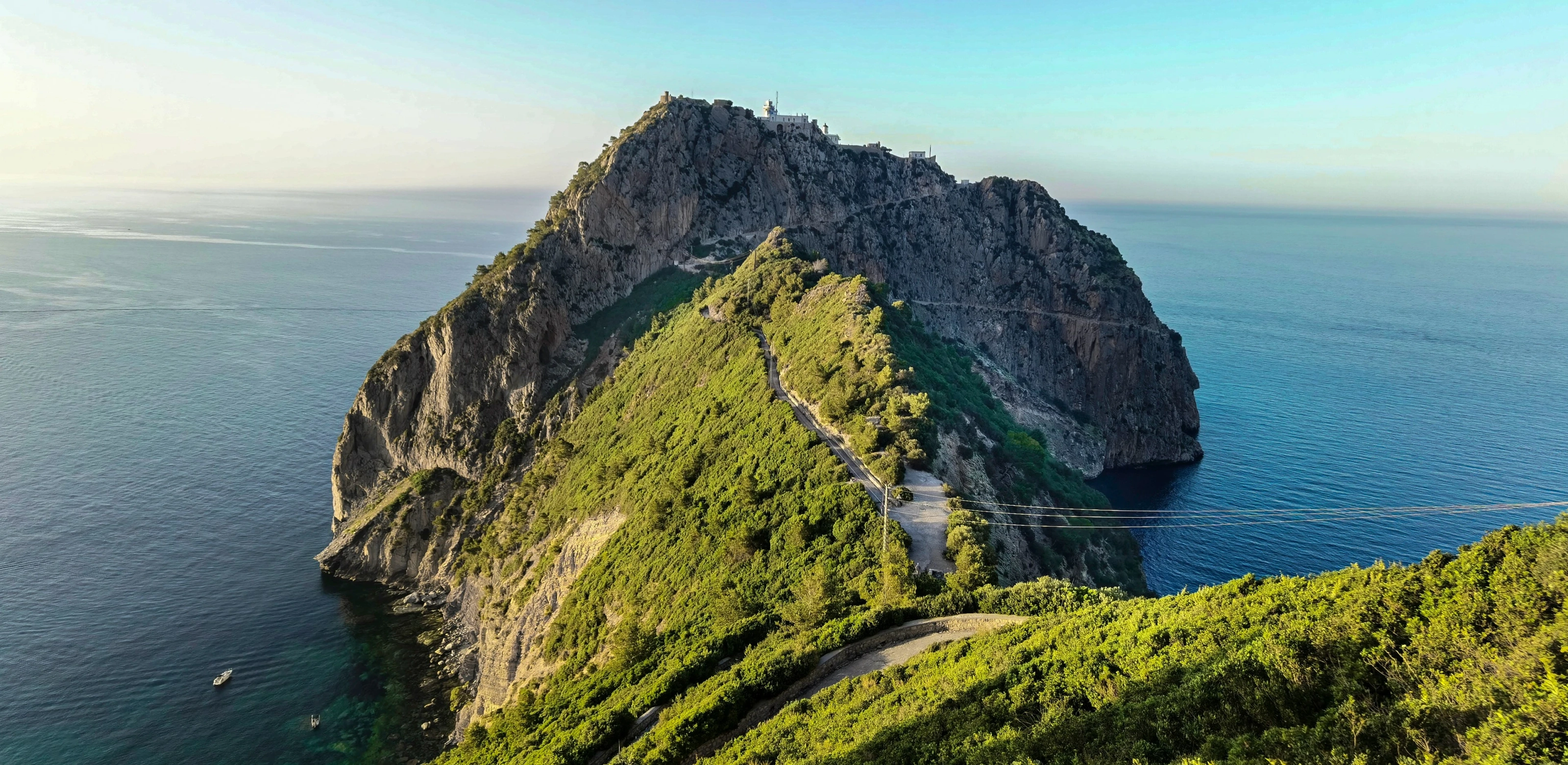
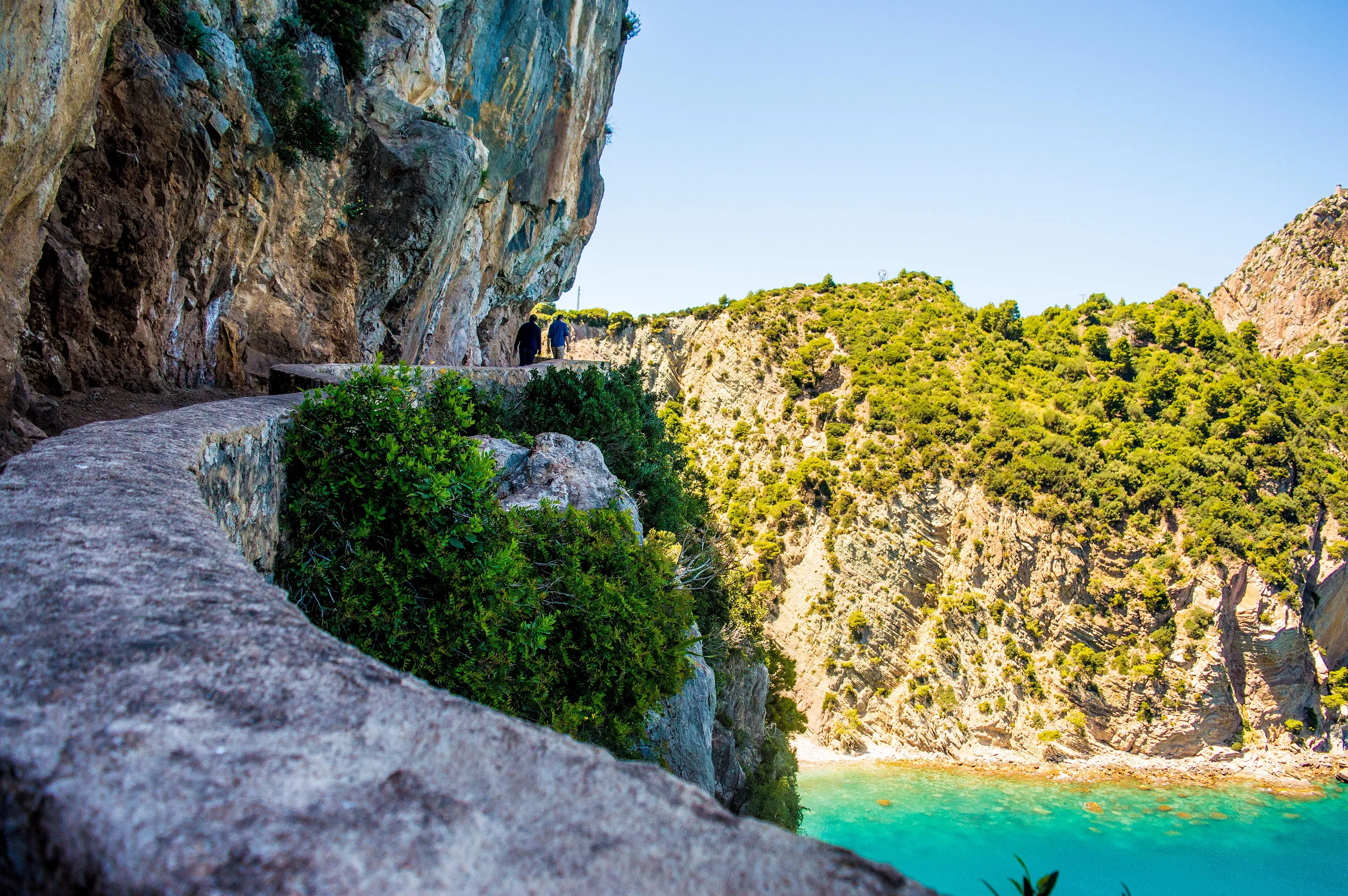
North-east of the city the coast rises into cliffs, forest and Mediterranean scrub. The views over the bay and the capes are among the finest on the Algerian coast, provided you respect the trails, the weather and the protected areas.
Gouraya National Park
Hiking, macaques and the Cap Carbon lighthouse
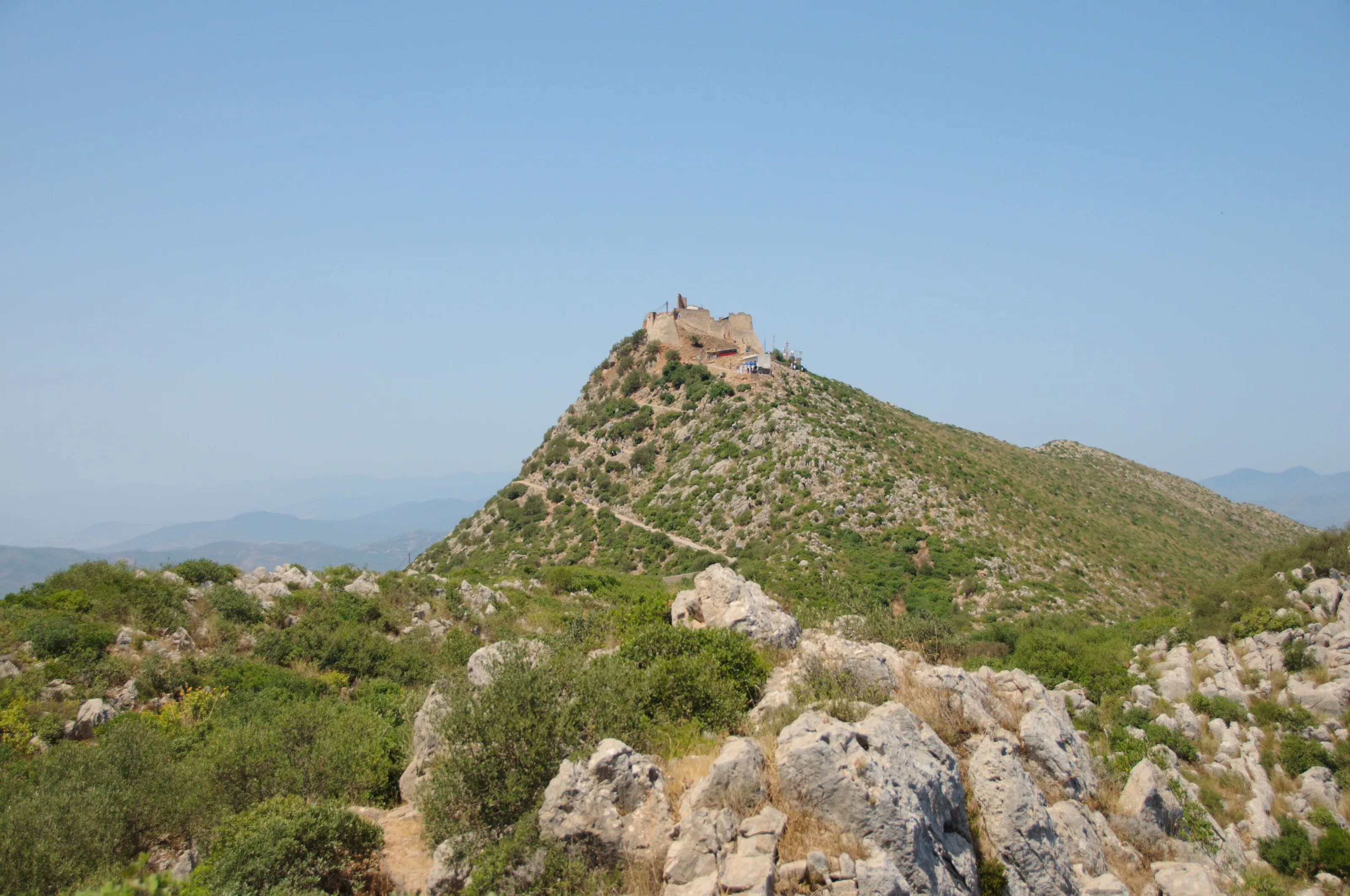
Gouraya National Park overlooks the city and the port. Mount Gouraya rises to 660 m (Wikipedia EN, FR). The park covers about 2,080 hectares of land plus a marine zone of nearly 7,800 hectares (Wikipedia FR); it was created in 1984 and became a UNESCO biosphere reserve in 2004 (Wikipedia EN). Sights include the ruined Gouraya fort, the Monkey Peak, the Aiguades beach and Cap Carbon, where a lighthouse built in 1906 stands (Wikipedia EN).
Barbary macaques
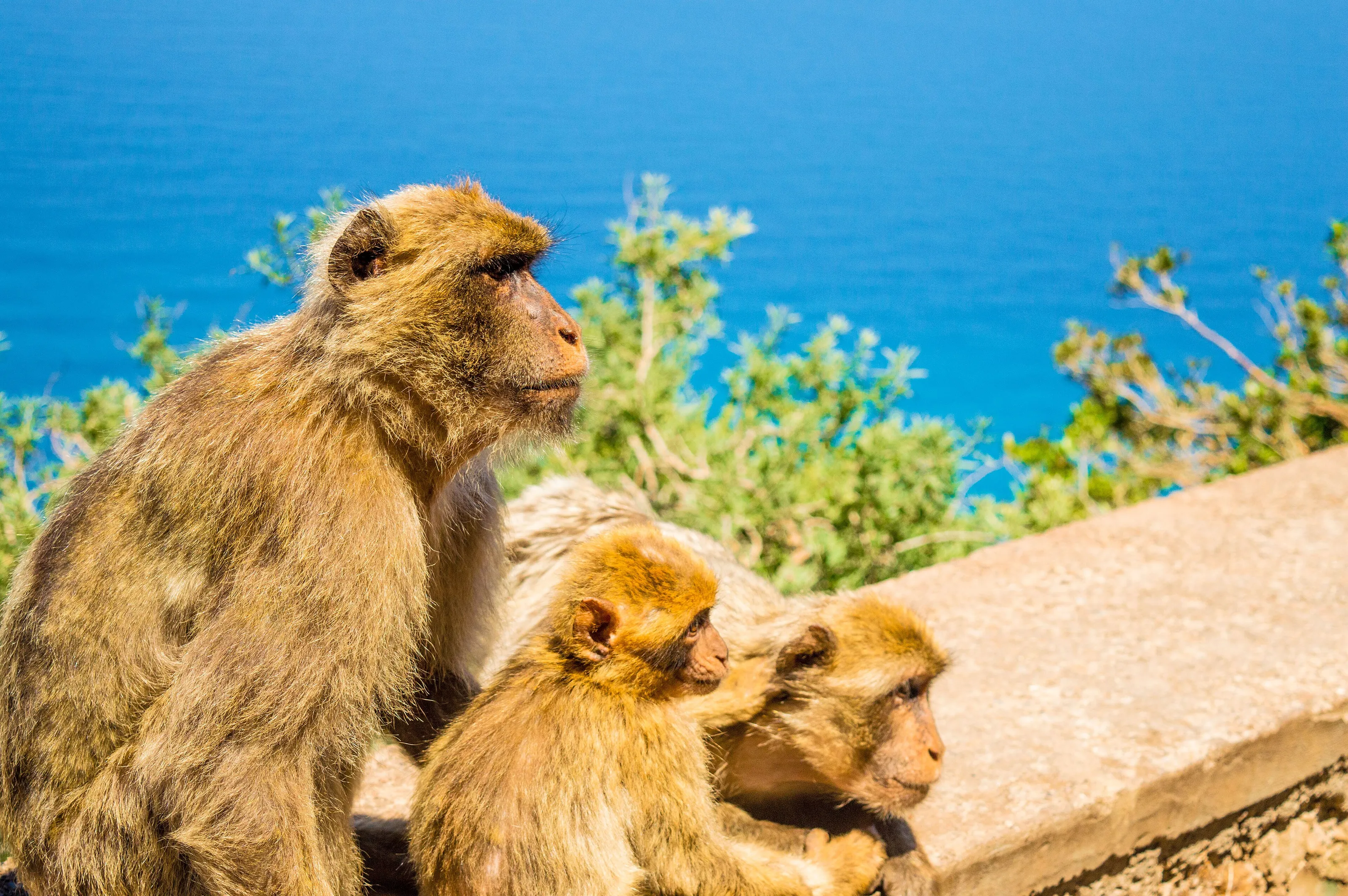
The forest shelters Barbary macaques and golden jackals (Wikipedia EN, FR). As anywhere wildlife is close, the rule is simple: never feed, touch or approach them for a photo.
Planning the hike
Bring water, closed shoes and choose a dry day; opening hours, exact access and any restrictions change. Ask your accommodation or the park services before setting out.
Coves and the Kabyle coast
A coastline that sees fewer visitors than average
The coast around Béjaïa strings together coves and beaches of different character, such as Tichy, Aokas and Souk El Tenine, while the hinterland opens onto forested mountains and a lively Kabyle craft tradition. This is not a standardised resort destination: it suits people who like walking, stopping at a village café, combining sea and hiking, and then trying a more rural cuisine.
In the hinterland
Wikivoyage FR points to the fairy caves of Aokas, Lake Ighil Emda near Kherrata, the Akfadou forest and the Black Lake, and many caving sites. Opening and access vary with the season.
Summer vigilance
The forest is at its best in spring, but wildfires can affect northern Algeria in summer, so follow local advice before a hike in the hot season.
Museums and monuments
Bordj Moussa, the Casbah and medieval gates
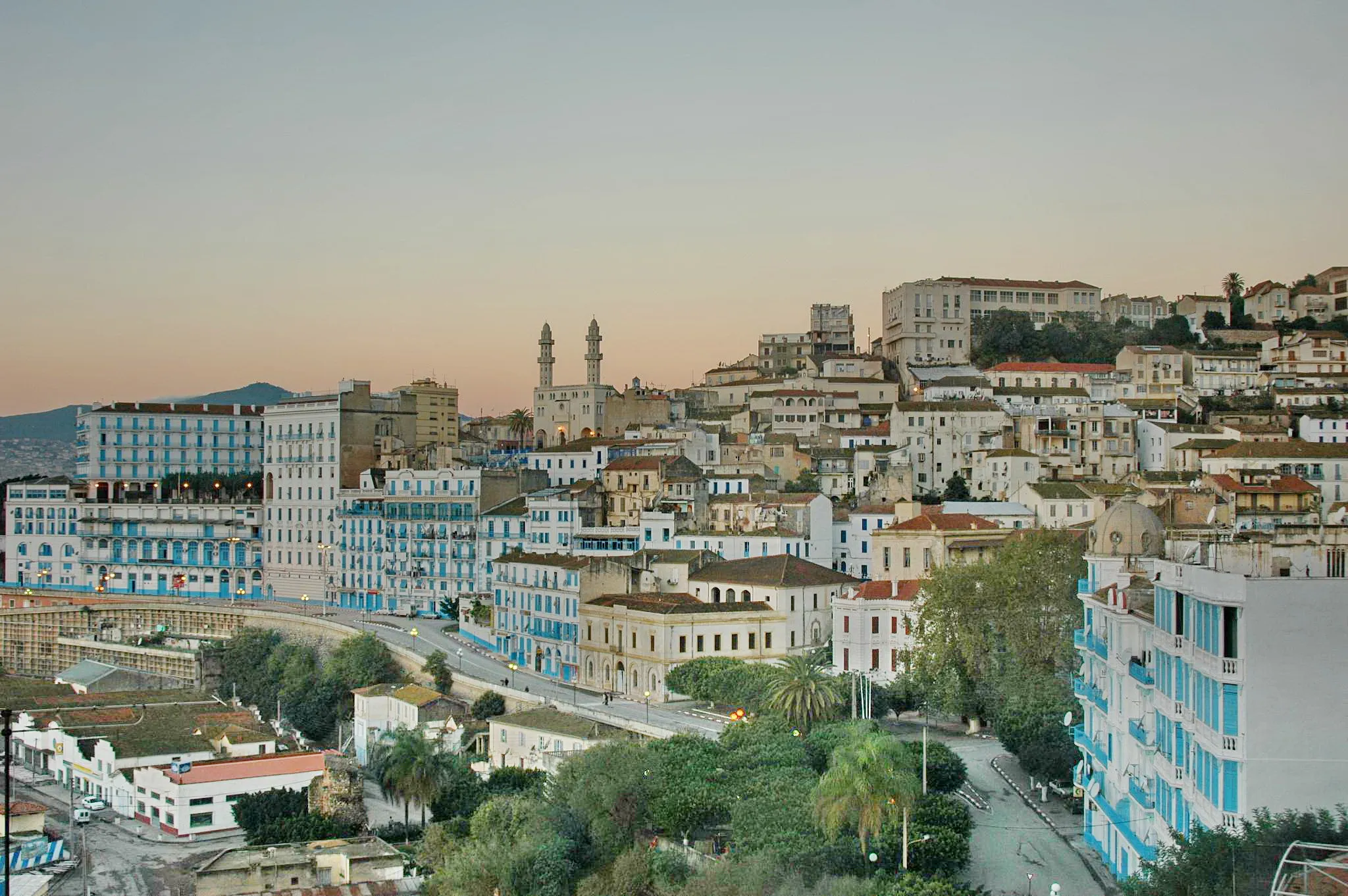
Béjaïa is not a city of big museums, but its old centre gathers a fort, gates and mosques that can be visited on foot. Opening hours and fees change, so check before you go.
Bordj Moussa Museum
It occupies a 16th-century Spanish fortress (1545 according to German Wikipedia), turned into a museum in the late 1980s. It shows prehistoric, Roman and Hafsid finds, a collection of birds and insects, and paintings by Maurice Boitel (Wikipedia FR, DE).
The Casbah
The city's main defensive work, of Almohad origin according to French Wikipedia, overlooks the port from a height.
Bab el Bahr and Bab el Bounoud
Bab el Bahr, the "sea gate" also called the Saracen Gate, is one of the old gates of the medieval wall. Bab el Bounoud, the "gate of the standards", dates from the Hammadid period (Wikipedia FR).
Sidi Soufi Mosque and a Roman mosaic
The Sidi Soufi Mosque was rebuilt in 1889 on the site of a 16th-century building (German Wikipedia). A Roman mosaic of Oceanus is displayed at the town hall (Wikipedia FR).
Water museum in Toudja
In the neighbouring town of Toudja a museum open since 2010 explains how water was brought in during Roman times (Wikipedia FR).
Food and drink
Couscous, chorba, pastries and Kabylia olive oil
None of the open sources we consulted describes a cuisine specific to Béjaïa, so here are the Algerian and Kabyle staples you will meet there.
Couscous and semolina
Couscous is presented as the true national dish, prepared in countless ways: with vegetables and meat, but also with seafood in coastal towns. Kabylia has its own versions, such as couscous amekfoul and couscous tassilt. Berkoukes, a semolina dish of Amazigh origin, and aghroum lahwal bread complete the table (Wikipedia FR).
Soups and brik
Chorba, the national soup inherited from the Ottoman period and scented with coriander, also comes in a coastal fish version (chorba bahriya). Bourek are fried "cigars" of thin pastry stuffed according to region (Wikipedia FR).
Pastries and drinks
Look for makroud, baklava and griwech. Mint tea and coffee are the drinks of social life (Wikipedia FR). Kabylia olive oil is described as the most renowned in the country (Wikipedia FR).
Where to eat
Cafés and small restaurants cluster near the port and the centre, while seafront restaurants are more numerous in summer. Ask your accommodation for current addresses.
Getting around
Taxis, national roads, train and ferry from Marseille
The centre of Béjaïa is best explored on foot, and taxis cover longer trips, including the airport about 5 km south. A bus station serves the city.
By road
The city is served only by national roads, and the motorway is still under construction according to French Wikipedia. The RN 9 reaches Sétif through the Kherrata gorges, the RN 24 leads to Algiers via Bouira and the RN 12 to Tizi Ouzou; the routes are often congested.
By train
The Beni Mansour–Béjaïa line dates from 1889 and ends at Béjaïa station (Wikipedia FR, EN). Rail services are described as inefficient (Wikipedia FR), so check timetables before relying on the train.
By sea
A ferry runs from Marseille; the crossing takes about twenty hours on average, counting frequent delays, plus one to two hours for formalities (Wikivoyage FR). A new maritime station opened in June 2018 (Wikipedia FR).
Caution
As everywhere in Algeria, read your own government's travel advice, ask your accommodation and local authorities before travelling outside the city.
Climate and seasons
Mild sea, wet winters, hot and dry summers
Spring
March to May: about 186 mm of rain in total per the monthly data on Wikipedia EN. The Gouraya forest is at its greenest, the best season for hiking.
Summer
June to August: very dry (around 30 mm of rain in all). August is the hottest month, averaging about 25 °C with a 29 °C daily maximum (Wikipedia FR). Beaches are busy, and wildfire awareness matters.
Autumn
September to November: still mild, with about 225 mm of rain over the period. A good alternative to summer for walking and swimming.
Winter
December to February: about 330 mm of rain; December is the wettest month (about 135 mm). January averages around 12 °C (Wikipedia FR). Snow is possible at altitude in the nearby ranges.
The climate is Mediterranean with hot summers (Köppen Csa). Average temperatures run from about 11 °C in winter to nearly 25 °C in summer, and annual rainfall is a little over 760 to 770 mm according to Wikipedia FR and EN; mountain areas of the region get more. The best balance for hiking and the coast falls in spring and early autumn.
Budget
Moderate prices, no published rates
Price levels are generally moderate: accommodation in town or by the sea, simple restaurants and local transport. We do not publish dinar prices because they change quickly and cannot be cross-checked on two open sources. For a summer stay, book earlier, as the beaches mostly attract Algerian visitors.
By length of stay
What to do in Béjaïa depending on your trip length
The essentials
City centre, port, Casbah, the Bordj Moussa museum and a hike in Gouraya National Park out to Cap Carbon.
Going deeper
Add a beach day among Tichy, Aokas and Souk El Tenine, and half a day in the old centre.
Excursion
Head up towards Kherrata, Akfadou or Tizi Ouzou for mountain scenery and Kabyle crafts.
In pictures
Béjaïa in pictures
You might also like
Similar destinations
FAQ
Frequently asked questions about flights to Béjaïa
What makes Béjaïa different from other Algerian cities?
Its unique position where the Mediterranean meets the Petite Kabylie mountains head on, with Gouraya National Park overlooking the city and the port.
What's the best airport for arriving in Béjaïa?
Soummam–Abane Ramdane Airport (BJA) serves the city directly, about 5 km south of the centre; Algiers is about 220 km away (about 250 km by road per German Wikipedia).
How do I get from the airport to Béjaïa city centre?
The trip is short, about 5 km, and a taxi is the simplest option. Check the current conditions with your accommodation.
When is the best time to visit Béjaïa?
Spring and early autumn for hiking and the sea. Summer is hot and very dry; winter is mild but wet.
How long should I spend in Béjaïa?
Two to three days cover the old centre, the Bordj Moussa museum, Gouraya park and a beach day.
Which museums and monuments are worth visiting in Béjaïa?
The Bordj Moussa museum, the Casbah, Bab el Bahr and Bab el Bounoud, the Sidi Soufi Mosque and, in Toudja, the water museum. Check hours before you go.
What should I eat in Béjaïa?
Couscous (including seafood versions), chorba, bourek, pastries such as makroud, with mint tea or coffee, and Kabylia olive oil.
How do I get around Béjaïa?
On foot in the centre, by taxi for longer trips, along the national roads, on the Beni Mansour–Béjaïa railway (check timetables) or by ferry from Marseille.
Is Béjaïa an expensive destination?
Price levels are moderate. We do not publish precise rates because they change and cannot be cross-checked.
Can you see Barbary macaques in Béjaïa?
Yes, in Gouraya National Park, but never feed or touch them or approach for a photo.
Is there a wildfire risk in Béjaïa in summer?
Yes, forests in northern Algeria can be hit by fires in summer; follow local advice before any hike in the hot season.
How much does a flight to Béjaïa usually cost?
The price depends mostly on your departure city, the period and how far ahead you book. The "opportunities" section above shows real examples of prices SniperAir has already detected to this destination.
How do I get alerted when a flight to Béjaïa drops below my budget?
Create an alert profile with your departure airport, Béjaïa as the destination and your maximum budget. You are notified automatically as soon as a matching price is detected.
Ready to head to Béjaïa?
Set your budget and let SniperAir monitor fares for you.
Create my alert