
Cheap flights to Marsa Alam
Set your departure airport and maximum budget: SniperAir tracks prices to Marsa Alam and alerts you the moment a deal matching your criteria appears.
Quick summary
Country
Egypt
Continent
Africa
Airport
RMF
Currency
Egyptian pound (EGP)
Time zone
UTC+2 (UTC+3 during daylight saving time)
Deals already spotted to Marsa Alam
Real flight examples detected by SniperAir, with their reference price.
Loading examples…
Why track Marsa Alam with SniperAir
A reef coast, away from the big resort towns
Choose your departure
Enter your departure airport and your maximum budget for a flight to Marsa Alam (RMF).
SniperAir keeps watch
Our systems continuously compare new prices with the real price history of the route. SniperAir monitors prices and alerts you: it does not sell or book tickets.
You receive an alert
As soon as a price matches your criteria, you are notified, without having searched for anything yourself.
Marsa Alam is a small town in south-eastern Egypt on the western shore of the Red Sea, roughly 270 km south of Hurghada. It is a recent development: building began in 1995 with Kuwaiti investment and accelerated once the international airport opened in 2003, according to Wikipedia (EN). Hotels are strung along the coast beside reef-lined bays, while the town itself is mainly a crossroads where the coastal highway meets the road to Edfu in the Nile valley. Flights to this coast are strongly seasonal and often charters from Europe, so the price of the same trip can swing widely by month and weekday. A SniperAir alert saves you from checking comparison sites every day: you set a budget, we compare new fares with the route's real price history and let you know.
Airport and getting into town
A holiday airport about an hour's drive from town
Marsa Alam International (RMF)
Marsa Alam airport (RMF) lies about 60 km north-west of the town, near Port Ghalib, according to Wikipedia (EN) and Wikivoyage (EN). It is mainly a leisure airport, handling scheduled and charter flights, especially from Europe, with an offer that changes sharply from season to season. Most travellers reach their hotel by pre-arranged transfer or taxi; the hotels sit along the coastal road, north and south of the airport. Bus and taxi timetables change, so we give no durations or fares that we could not cross-check.
Approximate distance from Wikipedia (EN) and Wikivoyage (EN); sources disagree on when the airport opened (2001 or 2003). No transfer fares are given.
Hurghada (HRG), about 270 km to the north, often has more flights and can be tracked in parallel. Buses link Marsa Alam to Cairo via El Quseir and Hurghada, and a desert road runs west to Edfu in the Nile valley.
Landmarks
Reefs, turtles and desert: the Red Sea comes first
Most sights here are underwater or in the desert. The four places below are illustrated; Wadi El Gemal National Park, Abu Dabbab beach and the Temple of Seti I are described in text only further down.
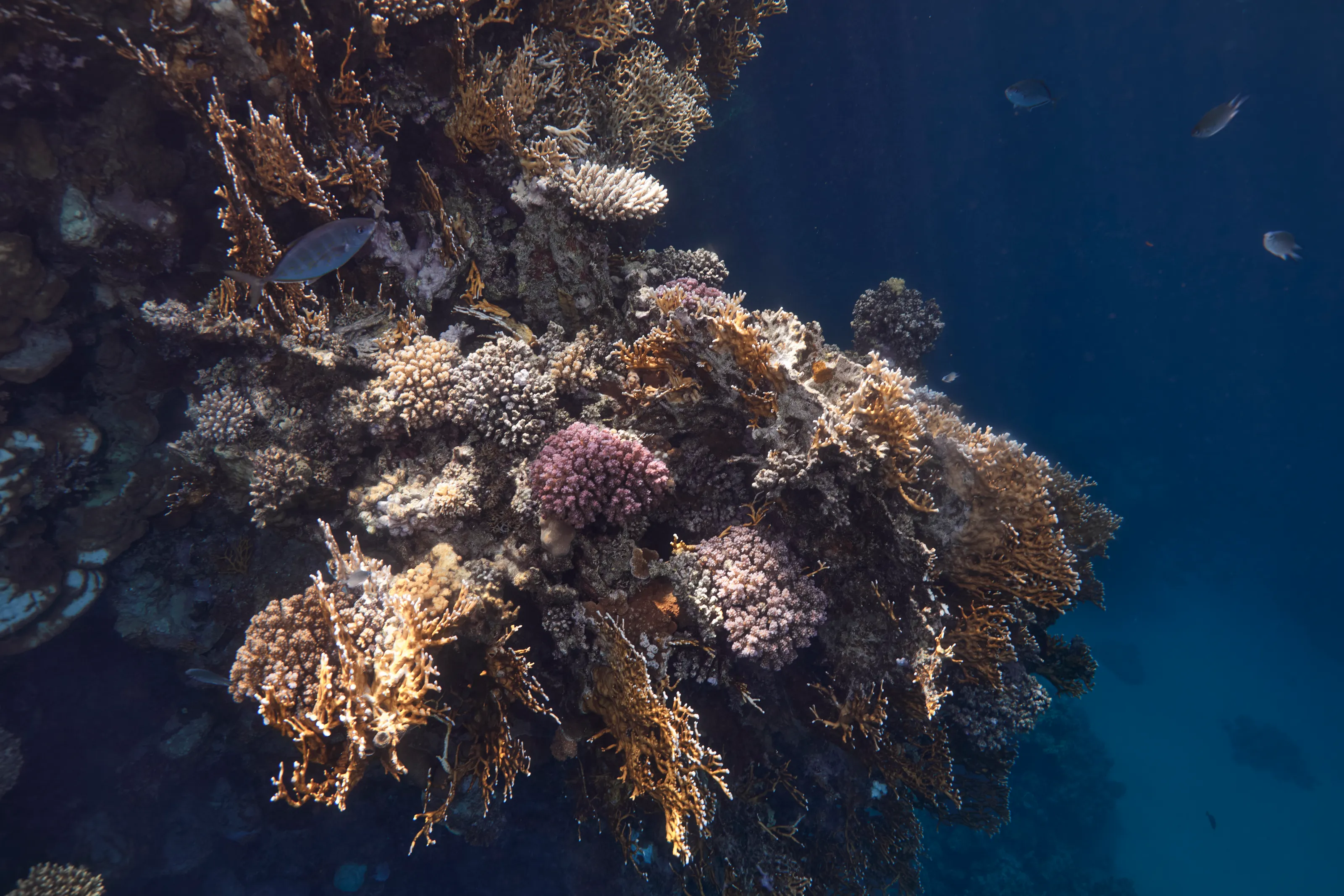
The coral reefs
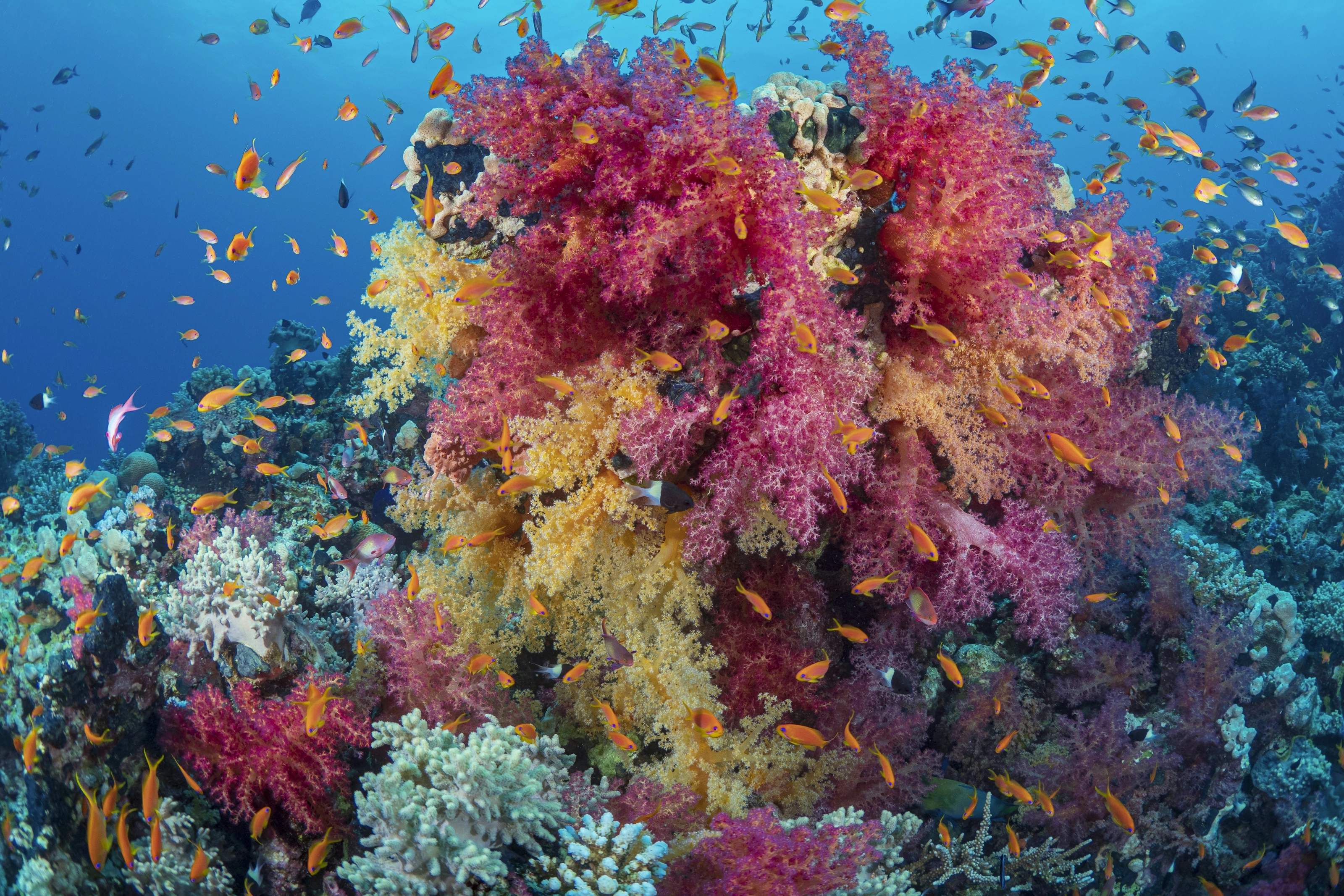
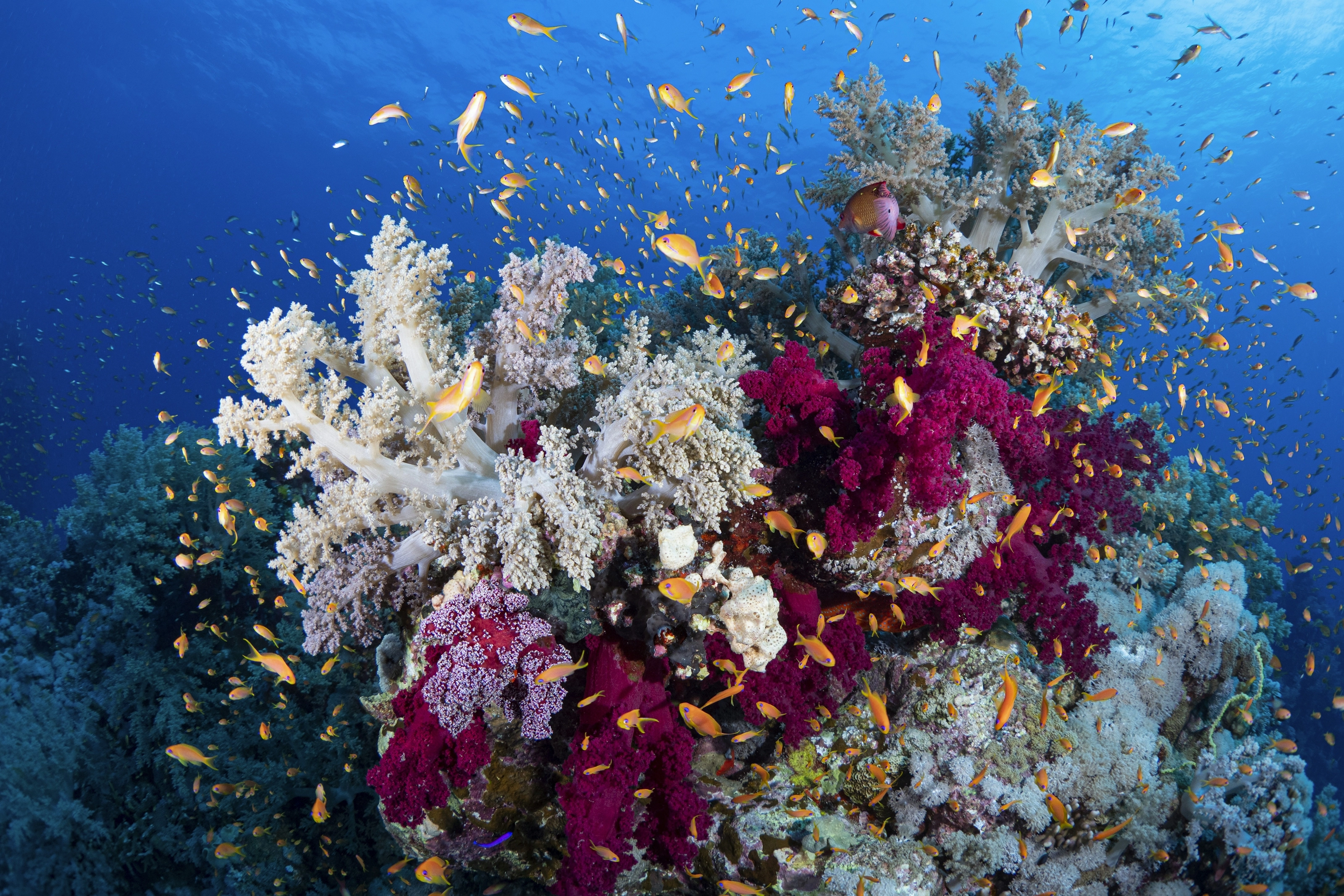
The Marsa Alam coast is lined with fringing reefs, often a short swim from the beach. Wikivoyage (EN) says largely intact coral reefs run along the whole coast and that many hotels face bays where a footbridge leads to the reef. The Red Sea stays between 22 and 29 degrees Celsius through the year according to Wikipedia (EN), so swimming and snorkelling are possible almost year round.
Soft corals and fish
On the drop-offs, soft corals turn pink, purple or yellow and schools of small orange fish gather around them. The colours show best in shallow water around midday, when light reaches down. Look after the reef: do not stand on the coral or touch it, as Wikivoyage (EN) advises.
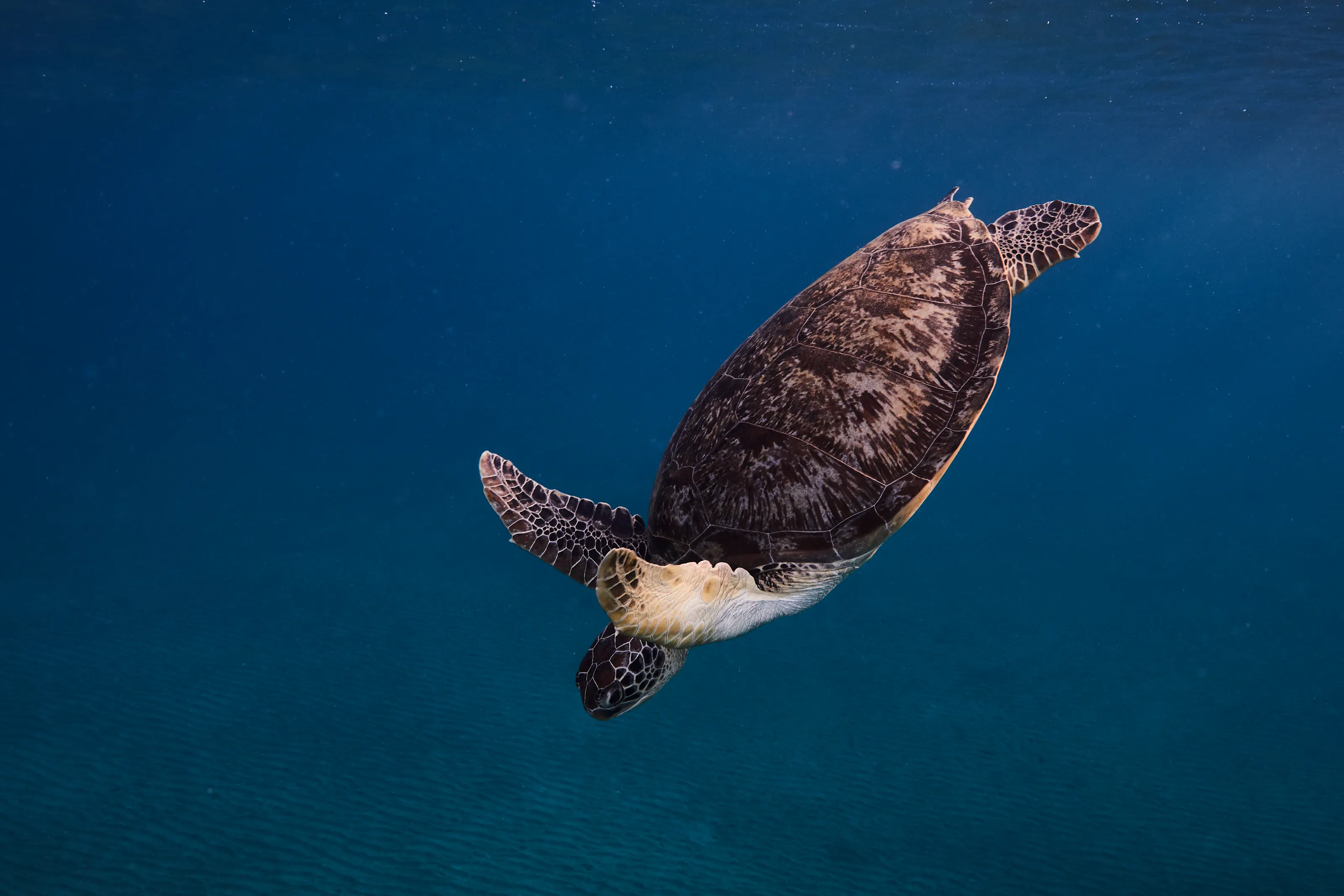
The green sea turtle
The coast is known for its green turtles, which you may meet swimming over seagrass. Wikipedia (EN) lists Abu Dabbab beach among the places where visitors report seeing turtles, dolphins, sharks and other marine life. Do not chase or touch them: they are protected animals.
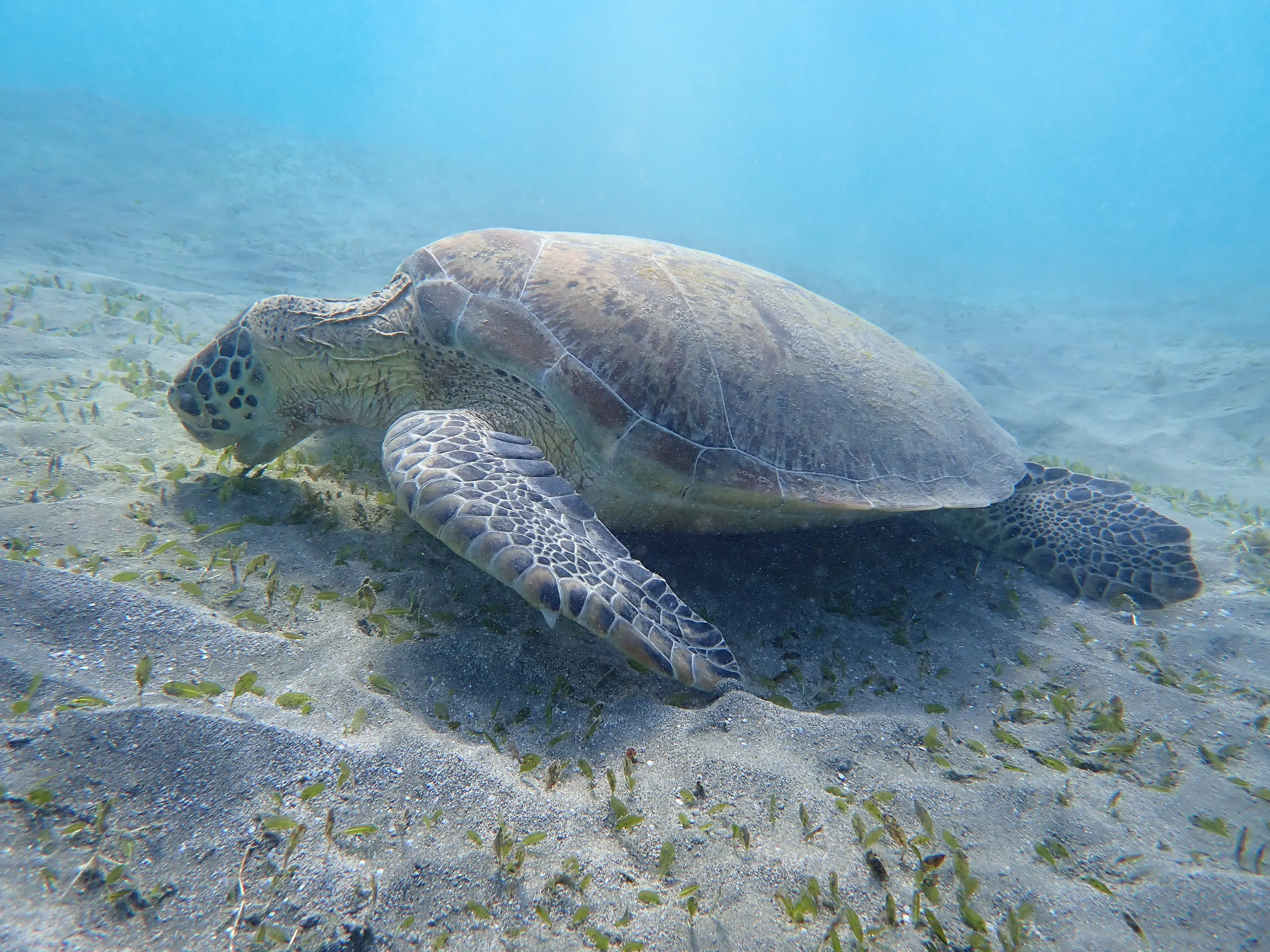
Seagrass and sandy bottoms
Turtles feed on seagrass beds. In Wadi El Gemal National Park the waters also shelter dugongs and green turtles, according to Wikipedia (EN). Boat trips must keep out of dugong bays, says Wikivoyage (EN), to avoid injuring the animals with propellers.
Wadi El Gemal National Park covers about 7,450 square kilometres, part of it marine, along 60 km of coast, with reefs, seagrass, mangroves at Hamata and wildlife that includes ibex, dorcas gazelle and rare birds, according to Wikipedia (EN). Inland, the road to Edfu passes the Temple of Seti I at Wadi Miya and old gold and emerald mines that have been worked since pharaonic times, says Wikipedia (DE).
Museums and culture
Few museums, but a long desert history
No major museum in town
Marsa Alam is a small, recent resort: apart from its mosques and local market there are no sights in the town itself, according to Wikivoyage (EN). Culture is found around the town instead.
The Temple of Seti I at Wadi Miya
On the Edfu road, Wikipedia (DE) mentions the temple built by Seti I at Wadi Miya, close to ancient mining areas. Visits depend on how the trip is organised, so ask before you go.
The Temple of Edfu
Edfu, in the Nile valley, is about 220 km from Marsa Alam according to Wikipedia (FR, DE); it is the closest base for a great Egyptian temple. Some agencies run day trips, which are long.
Mines, rock art and Bedouin culture
The area was known in pharaonic times for gold, emeralds, copper and lead, says Wikipedia (FR, DE). Prehistoric rock engravings are found across the region, and two Bedouin peoples, the Ababda in the north and the Bedja in the south, have lived here for a long time, according to Wikipedia (DE).
Food and drink
Hotel dining, fish and tea
At the table
Most visitors eat at their hotel, on half board or all inclusive. In town, small restaurants serve basic Egyptian food: grilled fish, rice, vegetables, flatbread and falafel. We do not list addresses because places change quickly.
Drinks
Tea is the everyday drink; fresh fruit juices and Turkish coffee go with meals. Alcohol is served in hotels but rarely outside them, so check local customs before you travel.
Markets and produce
The local market in Marsa Alam, mentioned by Wikivoyage (EN), is where residents shop for fruit, vegetables and spices. Avoid tap water and drink sealed bottled water.
Getting around
Getting around: on foot in town, by car or excursion elsewhere
In town
The town is small, and almost everything can be reached on foot, according to Wikivoyage (EN). The public beach is in the north of the town.
Between hotels
Hotels are spread along the coastal road, so people use taxis, excursion minibuses or hire cars. Agree the fare before you get in.
Buses and roads
Buses run from Marsa Alam to Cairo via El Quseir and Hurghada several times a day, says Wikivoyage (EN); services to Edfu and Shalateen are less frequent. Highway 24 follows the coast and the Edfu road branches west north of town.
Budget and precautions
A budget that depends on the season, to compare before you go
Price level
We give no price ranges because we could not cross-check them with two independent, current sources. The currency is the Egyptian pound, and all-inclusive hotel packages are common on this coast.
Flights
The flight is still the most variable item. SniperAir tracks prices to RMF and compares them with the route's history; it does not sell or book tickets. Hurghada (HRG) can complete your watch.
Entry rules and precautions
Entry requirements depend on your nationality: check official sites and your government's travel advice. At sea, follow your guides' instructions, do not stand on corals and protect yourself from the sun, which is strong all year.
When to go
A hot desert climate, even in winter
Winter (December to February)
Mild and dry; January highs are between 22 and 25 degrees Celsius according to Wikipedia (EN). It is a popular period.
Spring (March to May)
Temperatures climb while the sea stays pleasant. A record 45 degrees Celsius was logged on 10 May 2010, says Wikipedia (EN).
Summer (June to September)
Very hot: August highs range from 33 to 40 degrees Celsius according to Wikipedia (EN), so outings are best early or late in the day.
Autumn (October and November)
Heat becomes more bearable and the sea is still warm, between 22 and 29 degrees Celsius over the year according to Wikipedia (EN).
Marsa Alam has a hot desert climate (BWh), with steadier temperatures than Hurghada or Sharm el-Sheikh and some of the warmest nights of Egypt's resorts, according to Wikipedia (EN). The record low is 5 degrees Celsius, on 3 January 2008. Rain is very rare. We give no other figures because sources disagree on seasonal averages.
By length of stay
What to do in Marsa Alam by length of stay
Sea and rest
Beach time, snorkelling on the hotel reef, one boat trip to see turtles and fish, and an evening on the coast.
Reefs and park
Several snorkelling or diving outings, a day in Wadi El Gemal National Park and, if you are sporty, a kitesurf session at the Wadi Lahami lagoon.
Desert and Nile
A trip to the Temple of Seti I and Edfu, or a combination with Luxor and Aswan by extending your stay into the Nile valley.
In pictures
Marsa Alam in pictures
You might also like
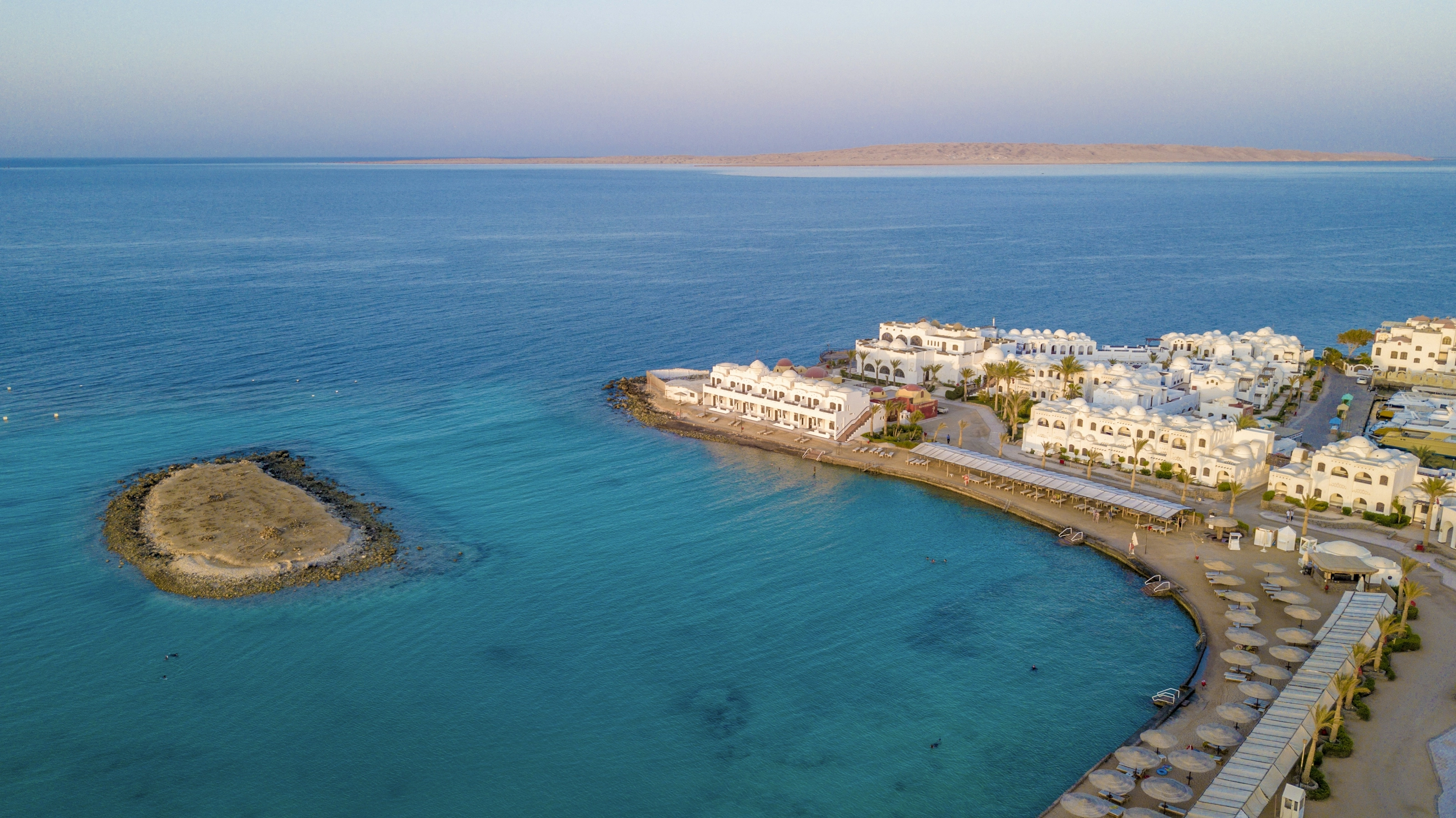
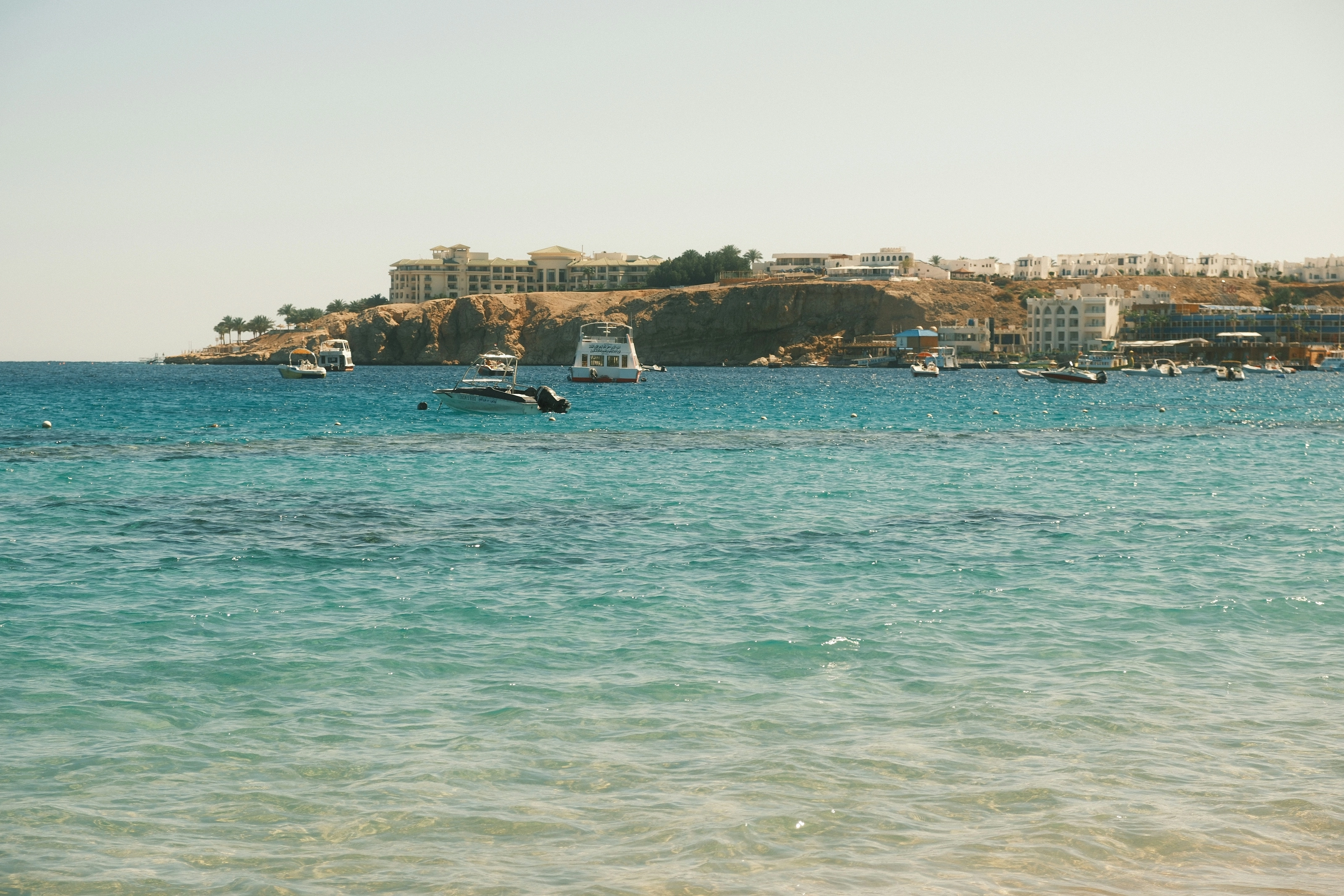
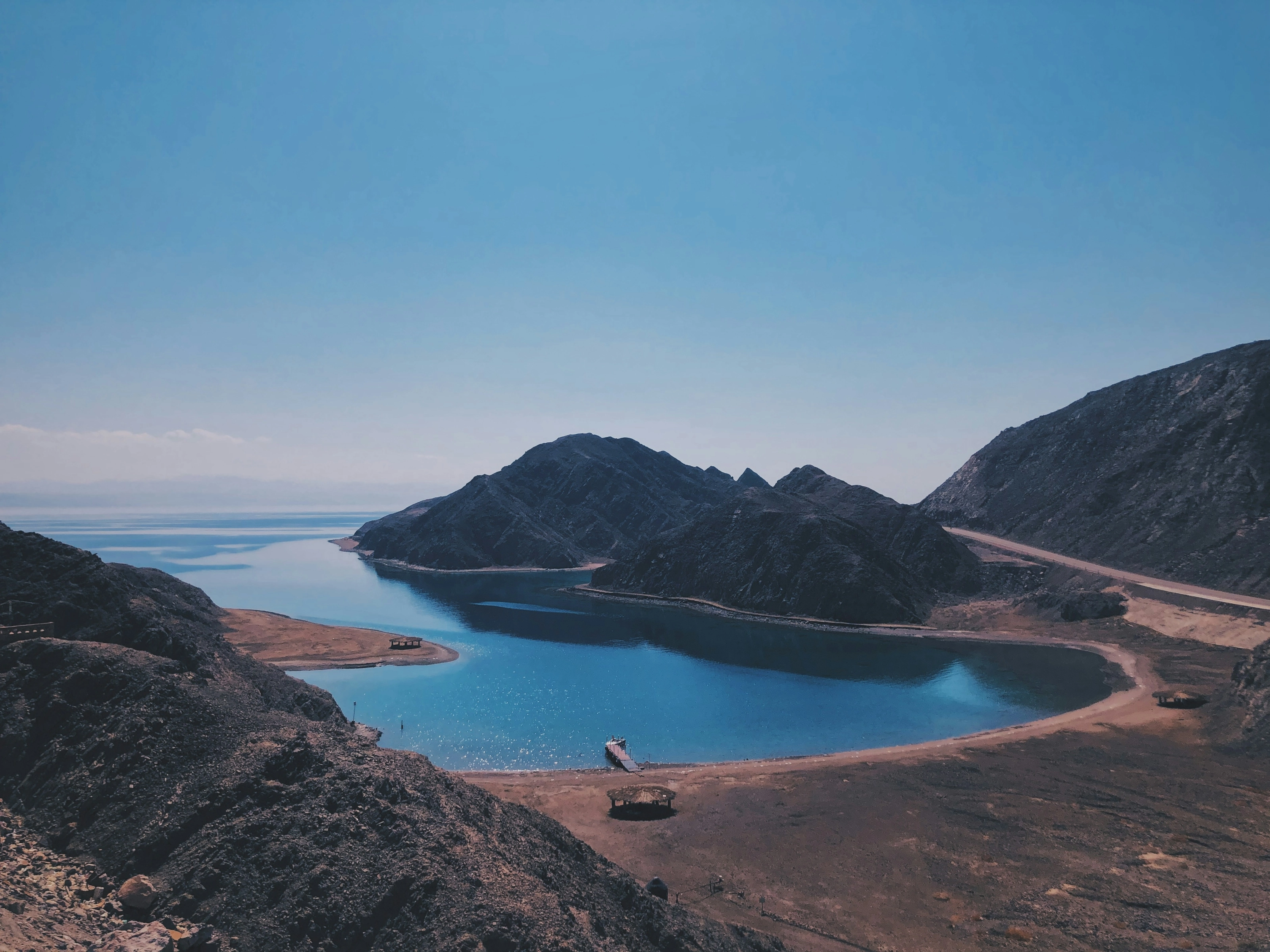
Similar destinations
FAQ
Frequently asked questions about flights to Marsa Alam
Where is Marsa Alam airport?
The international airport (RMF) is about 60 km north-west of the town, near Port Ghalib. Most travellers reach their hotel by pre-arranged transfer or taxi.
When can I see green turtles in Marsa Alam?
Green turtles are seen over seagrass and in bays along the coast, notably around Abu Dabbab, according to Wikipedia (EN). No date is guaranteed: it depends on the spot and some luck, and the animals must not be touched.
What is the best time to go?
Winter is mild and dry, summer very hot. The sea stays between 22 and 29 degrees Celsius over the year. The choice mostly depends on your heat tolerance and on flight prices, which SniperAir tracks for you.
Is there anything to see in town?
Very little: apart from the mosques and the local market, the town has no sights according to Wikivoyage (EN). The interest lies on the coast, in Wadi El Gemal park and on trips inland.
Can I go kitesurfing?
Yes: Wikipedia (EN) lists Marsa Alam as a kitesurfing destination, and Wikivoyage (EN) mentions the Wadi Lahami lagoon, 140 km south, for kitesurfing and diving.
Which other Egyptian cities can I track?
Hurghada, Sharm el-Sheikh and Taba are Red Sea or Sinai resorts; Luxor and Aswan are in the Nile valley. SniperAir follows their airports.
How much does a flight to Marsa Alam usually cost?
The price depends mainly on your departure city, the time of year and how far ahead you book. The "opportunities" section above shows real examples of prices SniperAir has already detected to this destination.
How do I get alerted when a flight to Marsa Alam drops below my budget?
Create an alert profile with your departure airport, Marsa Alam (RMF) as the destination and your maximum budget. You are notified automatically as soon as a matching price is detected. SniperAir monitors and alerts, it does not sell or book tickets.
Ready to head to Marsa Alam?
Set your budget and let SniperAir monitor fares for you.
Create my alert