
Cheap flights to Baku
Set your departure airport and maximum budget: SniperAir tracks prices to Baku and alerts you the moment a deal matching your criteria appears.
Quick summary
Country
Azerbaijan
Continent
Asia
Airport
GYD
Currency
Azerbaijani manat (AZN)
Time zone
UTC+4 (all year)
Deals already spotted to Baku
Real flight examples detected by SniperAir, with their reference price.
Loading examples…
Why track Baku with SniperAir
The Caucasus capital of stone, oil and glass
Choose your departure
Enter your departure airport and your maximum budget for a flight to Baku (GYD).
SniperAir keeps watch
Our systems continuously compare new prices with the real price history of the route. SniperAir monitors prices and alerts you: it does not sell or book tickets.
You receive an alert
As soon as a price matches your criteria, you are notified, without having searched for anything yourself.
Baku is the capital and largest city of Azerbaijan, with about 2.3 million inhabitants according to Wikivoyage (EN) and Wikipedia (DE). It stretches along the Caspian Sea on the southern shore of the Absheron Peninsula, 28 m below sea level according to Wikipedia (EN), which makes it the lowest-lying national capital in the world. Nicknamed the "City of Winds", it combines a walled Old City listed by UNESCO in 2000, the facades of the 19th-century oil boom and a skyline of very recent glass towers.
Flights to Baku vary by season and by departure airport: a SniperAir alert saves you from comparing every day. You set your budget, we compare new prices with the route's real history and we let you know.
Airport and getting into town
Baku Airport, 20 to 25 km from the centre
Baku Heydar Aliyev (GYD)
Heydar Aliyev International Airport (GYD) is 25 km from the centre according to Wikivoyage (EN) and Wikipedia (DE); Wikivoyage (FR) says 20 to 25 km. An expressway links it to the centre, and an airport express bus runs to the railway station according to Wikivoyage (EN). Only one taxi operator is allowed on site, which pushes fares up: a pre-booked transfer is more predictable; no fares are published here.
Distance GYD to centre: about 20 to 25 km depending on the source (Wikivoyage EN and FR, Wikipedia DE). No transfer fares are published here.
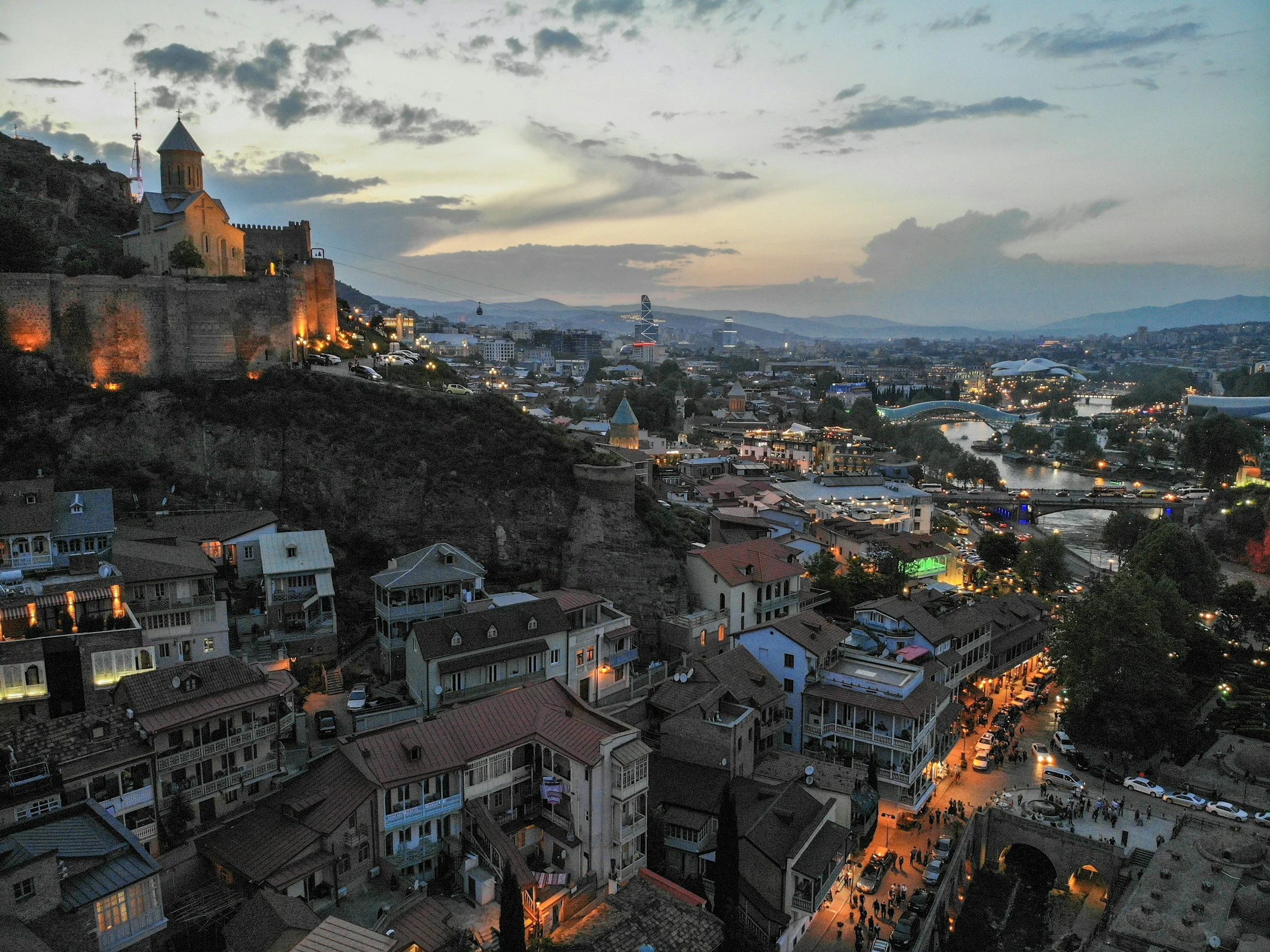
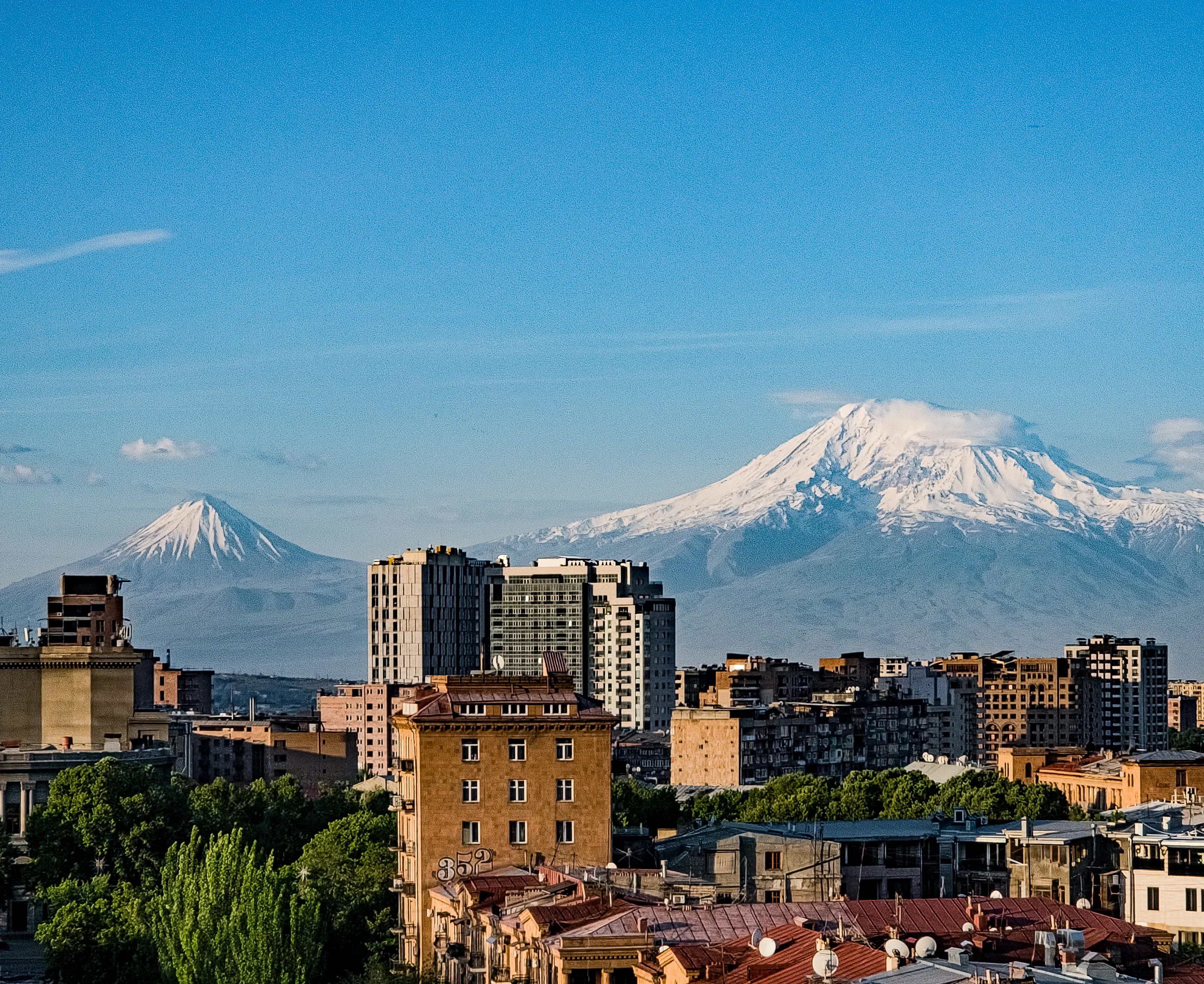
Wikivoyage (EN) states that the country's land borders are closed to civilian traffic, so flying is the simplest way in. Check the situation before considering any overland trip. For a Caucasus trip you can also track Tbilisi (TBS) and Yerevan (EVN).
Landmarks
Flame Towers, Old City, Heydar Aliyev Centre and the Maiden Tower
The centre is best discovered on foot, from the Old City to the boulevard. The five places below are illustrated with photos; others are described further down in text only.
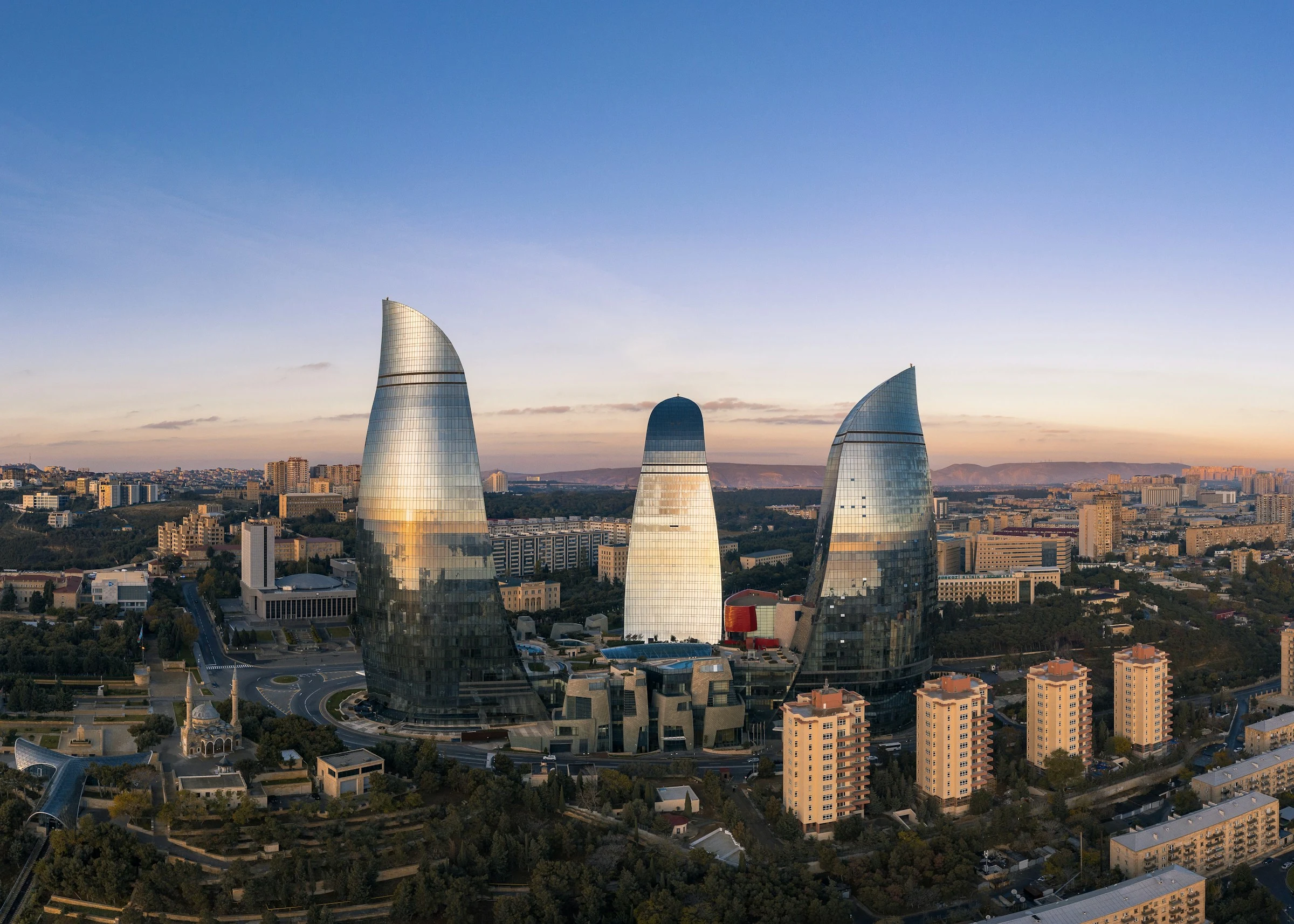
The Flame Towers
These three flame-shaped glass towers have become the emblem of Baku's modern skyline. Wikipedia (EN) lists them among the all-glass buildings that have appeared since the early 2000s. They can be seen from across the bay, the Old City and most high points; they light up in the evening.
The walled Old City
Icheri Sheher, Baku's Old City, has been a UNESCO World Heritage Site since 2000 together with the Palace of the Shirvanshahs and the Maiden Tower according to Wikipedia (EN, DE and ES). Its narrow cobbled lanes, walls, caravanserais, baths and mosque make a quarter to explore on foot, with the glass towers as a backdrop.
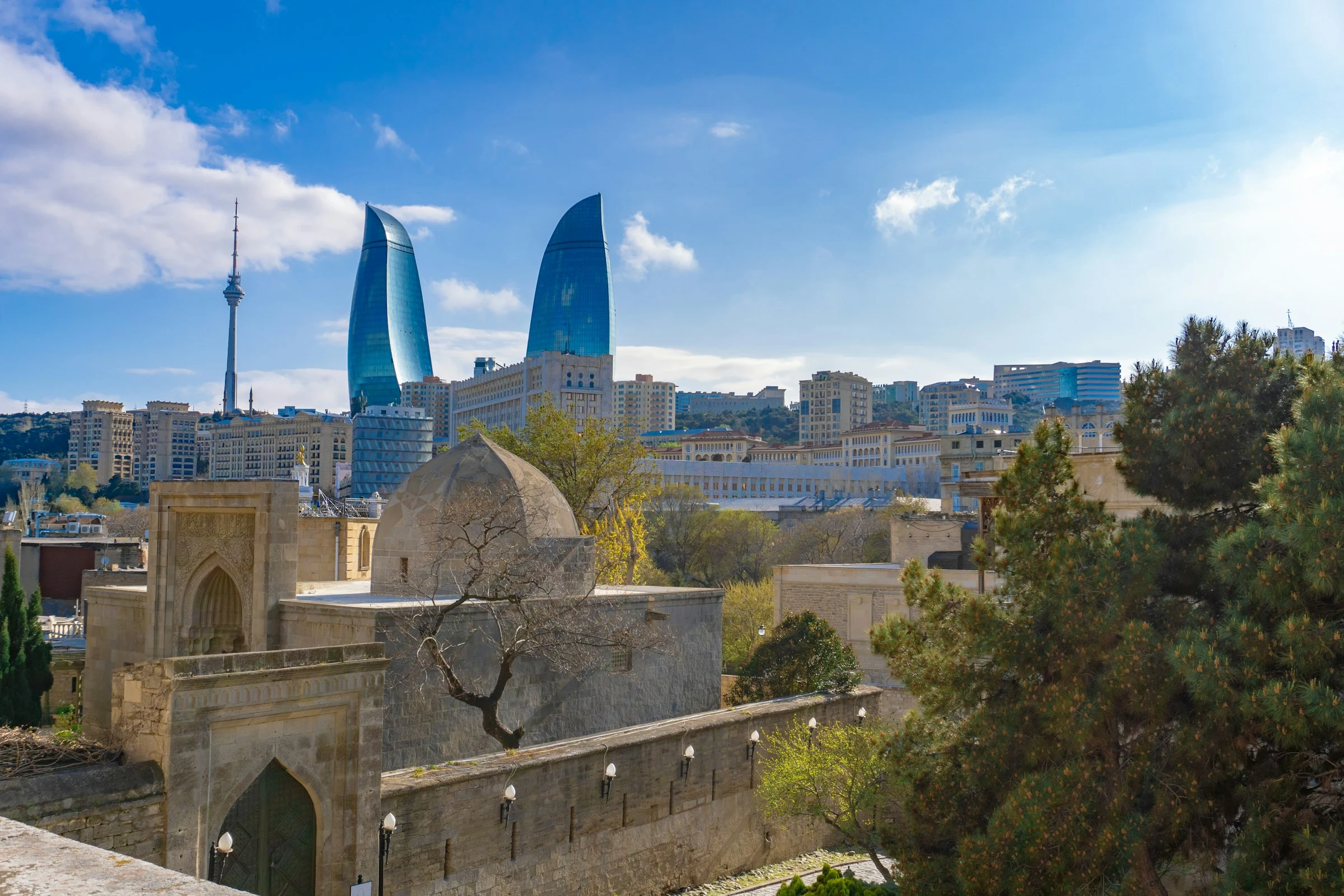
The Heydar Aliyev Centre
Designed by architect Zaha Hadid according to Wikipedia (ES), this cultural centre is recognisable by its undulating white surfaces with no obvious right angle. It hosts exhibitions and events; hours and prices change, check the official site.
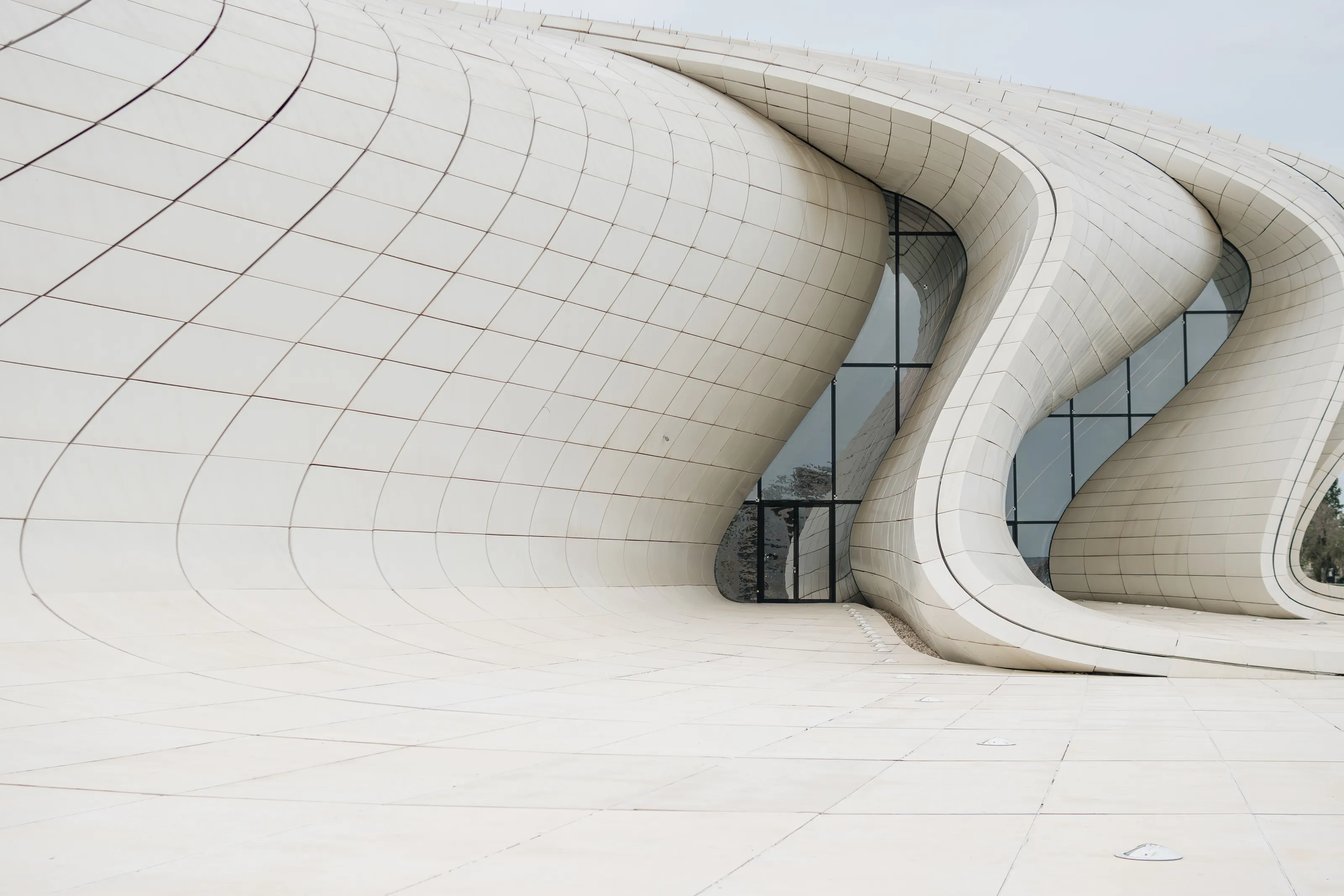
A portal, domes and lanes
The paved ground, carved stone portals and domed roofs illustrate the architecture of the Old City, whose oldest parts date back to at least the 12th century according to Wikipedia (EN). In the background, the Flame Towers recall the contrast with the modern city.
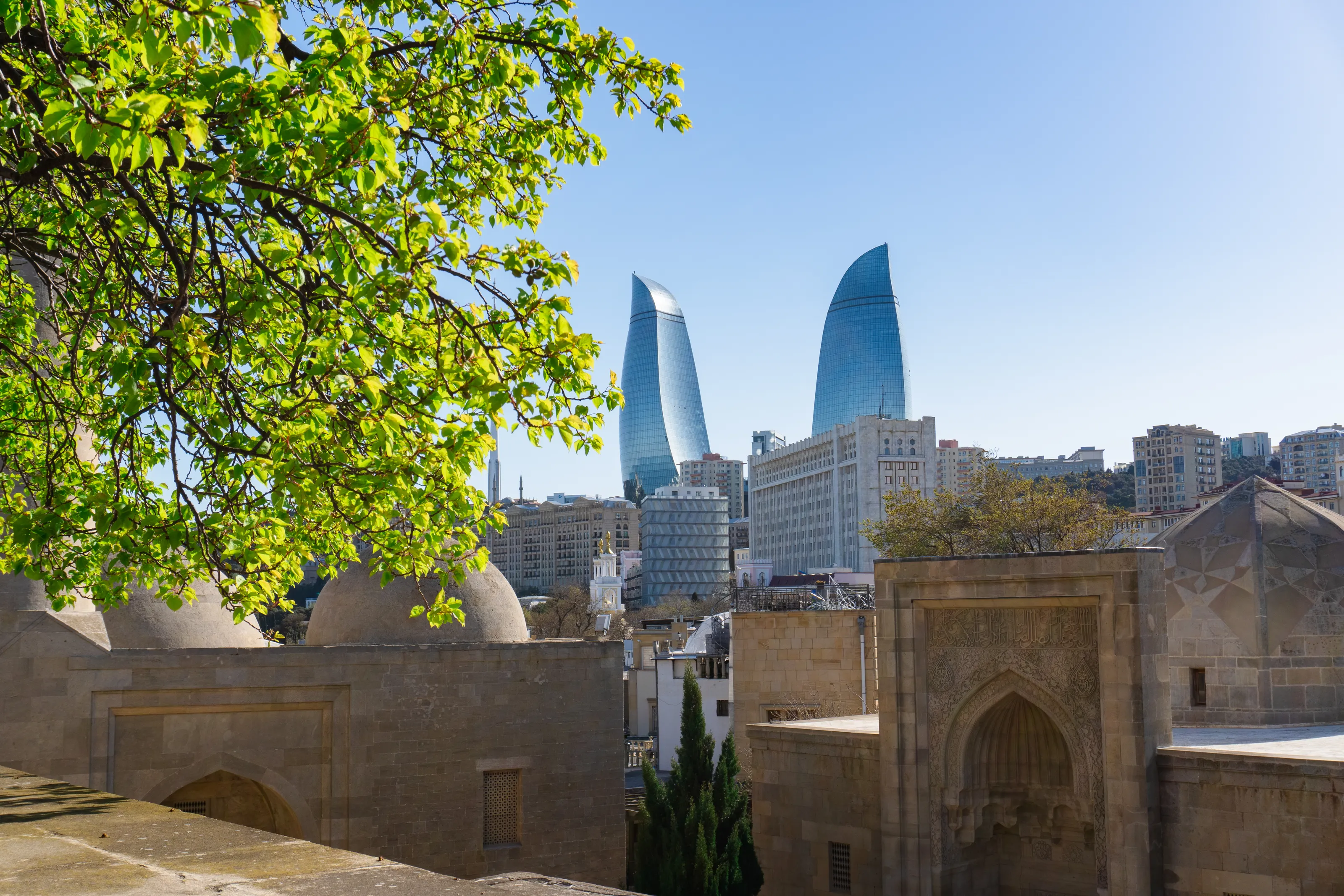
Arcaded gallery and dome
Courtyards and arcaded galleries in pale stone give visitors a glimpse of former residences, away from the traffic. The view of the glass towers from these stone terraces illustrates the nickname "Paris of the East", a city that mixes European and Eastern styles according to Wikipedia (EN).
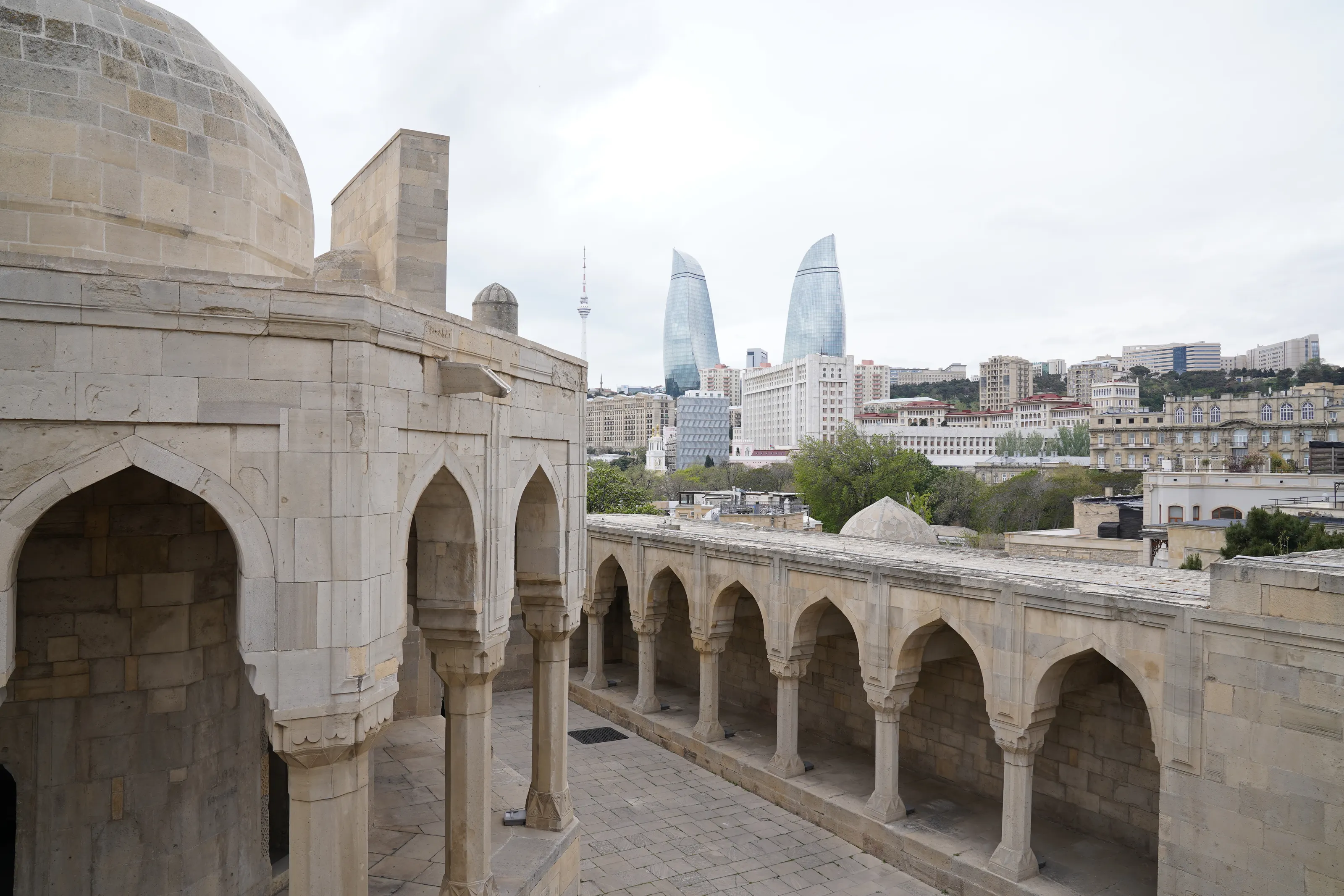
Other places to look out for include the Maiden Tower (Qiz Qalasi), one of the city's medieval towers according to Wikipedia (EN), Baku Boulevard, a pedestrian promenade along the seafront with an amusement park, a yacht club and a musical fountain, Fountain Square and the International Mugham Centre. The funicular climbs to the heights of the city.
Museums and culture
Museums: art, history, carpets and literature
The National Art Museum of Azerbaijan
Founded in 1936 according to Wikipedia (DE), it presents Azerbaijani, Russian and European art, as well as Persian, Turkish, Chinese and Japanese artists.
The National Museum of History
It presents historical objects from the region and Azerbaijani traditions, according to Wikipedia (EN and ES).
The National Carpet Museum
Carpet weaving is one of the city's traditional crafts according to Wikipedia (EN); this museum is devoted to it. Hours and prices change, check the official site.
The Museum of Modern Art
Wikipedia (DE) lists it among the city's museums, along with the Museum of Applied Arts and the Nizami Museum of Literature.
The opera and mugham
Wikipedia (EN) cites the State Academic Opera and Ballet Theater and the International Mugham Centre near the boulevard as major music venues in Baku.
Food and drink
Food and drink: plov, piti, kebabs and tea
Dishes to try
Plov, rice served with meat, is one of the country's most famous dishes: Wikipedia (ES) counts more than 40 recipes. Piti soup, simmered in a clay pot, dolma, kebabs and Caspian fish complete the table. Wikivoyage (EN) notes kebab shops and takeaway bistros all over the city.
Sweets and drinks
Pakhlava and shekerbura are the most common sweets according to Wikipedia (ES). Tea, served in tea houses in the centre according to Wikivoyage (DE), sets the rhythm of the day. Local beer is also available.
Markets and districts
Restaurants gather around Fountain Square, the boulevard and the Old City. No addresses are named here because venues open and close quickly.
Getting around
Getting around Baku
On foot and by bike
The centre is flat and easy to walk, with pedestrian zones around Fountain Square, the seafront and the Old Town according to Wikivoyage (EN). Zebra crossings are not always safe, especially at night.
Metro and buses
The metro, opened in 1967 according to Wikipedia (EN), serves the centre; newer buses accept only electronic cards according to Wikivoyage (EN). Check on the spot.
Funicular
Wikipedia (EN) lists the Baku Funicular among local transport; it links the seafront to the heights.
Taxis
Ride-hailing taxis show the price up front, which avoids haggling; Wikivoyage (EN) notes that driving is the city's biggest hazard.
Budget and precautions
Budget and precautions
Price level
Baku is a capital with a mid to high price level in the centre, with differences by district and season. No figures are published here because prices move quickly and sources differ.
Everyday safety
Wikivoyage (EN) describes the city as safe, with regular security checks at some sites and metro stations. The main thing to be careful about is traffic.
Regional context
The Caucasus is a sensitive region: regional disputes persist and some borders in the region are closed. Check your own government's travel advice before you go.
When to go
When to go to Baku
Spring (March to May)
Cool and changeable, with wind; days lengthen and the city turns green.
Summer (June to August)
Hot and dry: the July-August mean is about 26 degrees according to Wikipedia (EN and ES), with higher peaks. The khazri, the north wind, sometimes cools things down.
Autumn (September to November)
Pleasant in September and October; it cools and gets windier afterwards.
Winter (December to February)
Cool, with a January-February mean of about 4 degrees according to Wikipedia (EN and ES). It snows most winters, briefly according to Wikipedia (FR).
Wikipedia (EN) classes Baku's climate as semi-arid, with about 200 mm of rain a year and strong winds all year round. May-June and September-October are the most comfortable times to walk the Old City.
By length of stay
How many days in Baku
Old City and boulevard
Two days cover the Old City, the Flame Towers and the seafront boulevard.
Museums and architecture
With three days, add the Heydar Aliyev Centre, a museum or two and Fountain Square.
Absheron Peninsula and beyond
With five days, add a day trip on the Absheron Peninsula or further into the country.
In pictures
Baku in pictures
You might also like
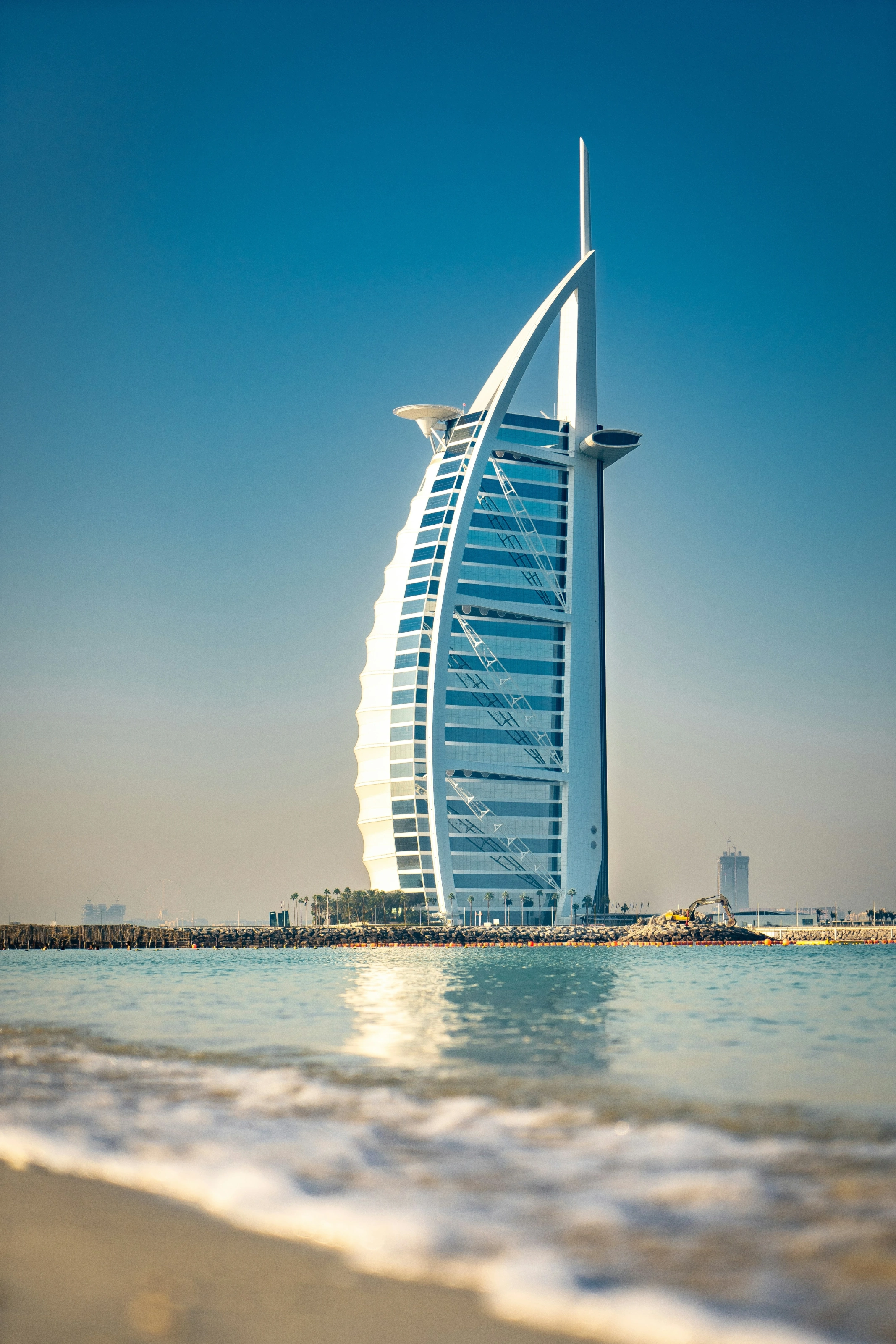
Similar destinations
FAQ
Frequently asked questions about flights to Baku
Where is Baku Airport?
Heydar Aliyev Airport (GYD) is about 20 to 25 km from the centre depending on the source; an expressway, an express bus and taxis link it to the city.
What currency is used in Baku?
The Azerbaijani manat (AZN). Check payment methods and exchange fees before you travel.
What should I see first in Baku?
The walled Old City, the Maiden Tower, the Flame Towers, the Heydar Aliyev Centre and the seafront boulevard.
Can I enter Azerbaijan by road?
According to Wikivoyage (EN), land borders are closed to civilian traffic and flying is the simplest way in. Check the situation before you go.
When is the best time to visit Baku?
May to June and September to October; summer is hot and dry, winter cool, and the city is windy all year.
Is Baku safe for tourists?
Wikivoyage (EN) describes it as safe, with regular security checks. For anything about the wider region, refer to your own government's official advice.
How much does a flight to Baku usually cost?
The price depends mainly on your departure city, the time of year and how far ahead you book. The "opportunities" section above shows real examples of prices SniperAir has already detected to this destination.
How do I get alerted when a flight to Baku drops below my budget?
Create an alert profile with your departure airport, Baku (GYD) as the destination and your maximum budget. You are notified automatically as soon as a matching price is detected. SniperAir monitors and alerts, it does not sell or book tickets.
Ready to head to Baku?
Set your budget and let SniperAir monitor fares for you.
Create my alert