
Cheap flights to Xi'an
Set your departure airport and maximum budget: SniperAir tracks prices to Xi'an and alerts you the moment a deal matching your criteria appears.
Quick summary
Country
China
Continent
Asia
Airport
XIY
Currency
Chinese yuan (CNY)
Time zone
UTC+8
Deals already spotted to Xi'an
Real flight examples detected by SniperAir, with their reference price.
Loading examples…
Why track Xi'an with SniperAir
You do not need to compare prices every day
Choose your departure
Enter your departure airport and your maximum budget for a flight to Xi'an (XIY).
SniperAir keeps watch
Our systems continuously compare new prices with the real price history of the route. SniperAir monitors prices and alerts you: it does not sell or book tickets.
You receive an alert
As soon as a price matches your criteria, you are notified, without having searched for anything yourself.
Airport and getting into town
A large airport about 40 km from the centre
Xi'an Xianyang (XIY)
Xi'an Xianyang International Airport, the largest in north-west China according to Wikipedia (EN), lies north-west of the city, about 40 km from the centre according to Wikivoyage (EN) and Wikipedia (EN); Wikipedia (FR) gives a shorter distance, which is why we say about forty kilometres. Metro Line 14 links the airport with Xi'an North station, with connections to Lines 2 and 4, per Wikivoyage (EN); Wikivoyage (ZH) mentions about forty minutes. An airport bus also reaches the centre in about an hour, according to Wikivoyage (EN).
Distances and times are approximate and vary by source. We do not quote fares.
Xi'an is the capital of Shaanxi Province and has more than 12 million residents according to the 2020 census cited by Wikipedia (EN, DE, ES). It is one of China's five great ancient capitals, per Wikipedia (EN), and was known as Chang'an for much of its history; its present name, "Western Peace", dates from 1369 according to Wikipedia (EN).
Wikipedia (EN) mentions flights to Tokyo, Seoul, London, Paris and Sydney, but routes change: check what is actually offered from your departure airport. For a price alert, track XIY. Entry rules for China depend on your nationality and can change: check your departure country's official recommendations.
Landmarks
City wall, Bell and Drum Towers, pagodas and the Terracotta Army
Xi'an is one of China's oldest cities and the eastern end of the Silk Road, per Wikipedia (FR); Wikipedia (EN) lists several component sites of the UNESCO Silk Roads network (Chang'an-Tianshan Corridor) in and around the city. The places below are illustrated.
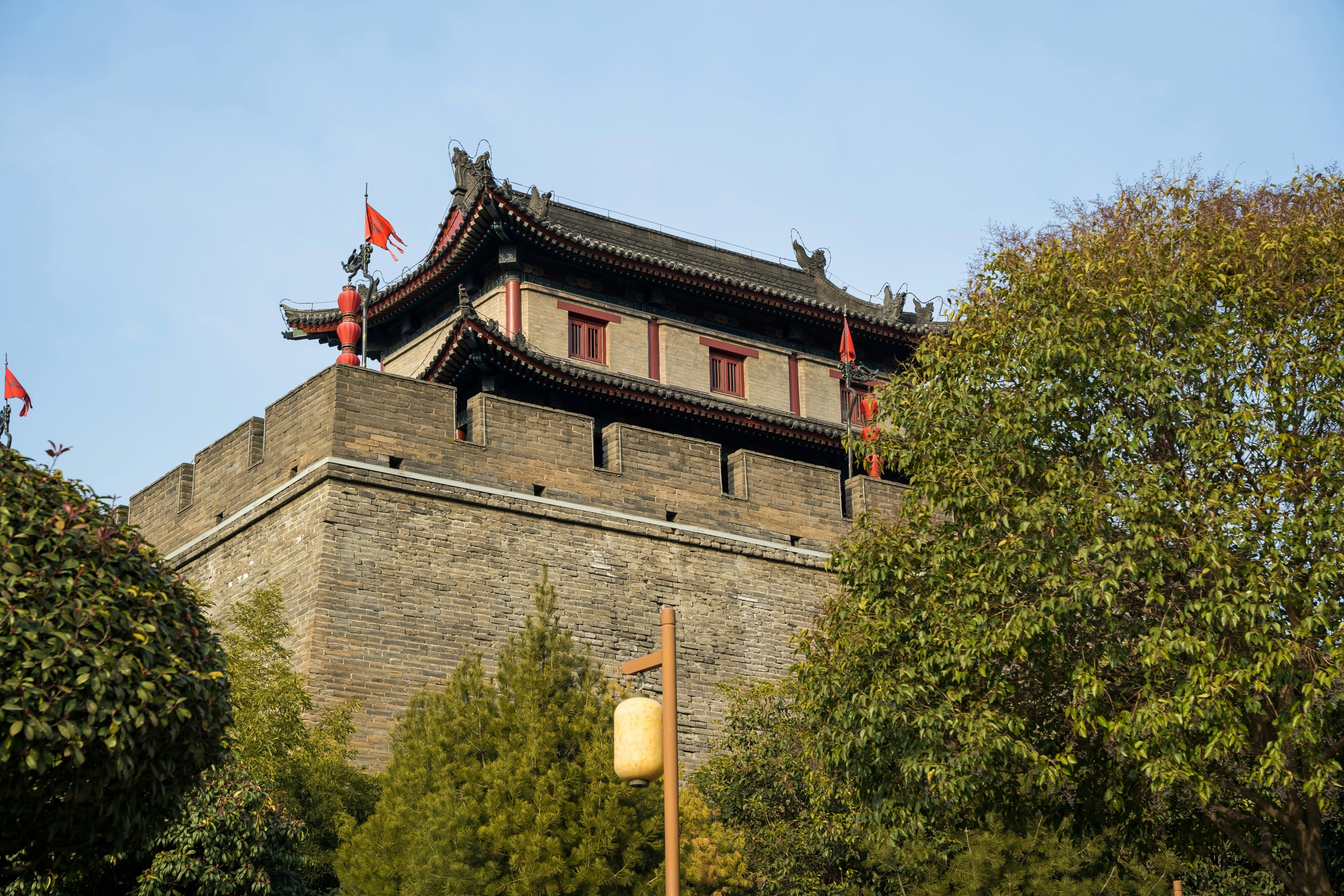
The old city walls
The present walls were built in 1370, early in the Ming dynasty, according to Wikipedia (EN, ES) and Wikivoyage (DE); they stand about 12 m high per Wikipedia (EN) and Wikivoyage (EN, DE). The full circuit is between 12 and 14 km depending on the source (11.9 km for Wikipedia (EN, ES), 13.7 km for Wikivoyage (EN)). You can walk the top or rent a bike, per Wikivoyage (EN, DE).
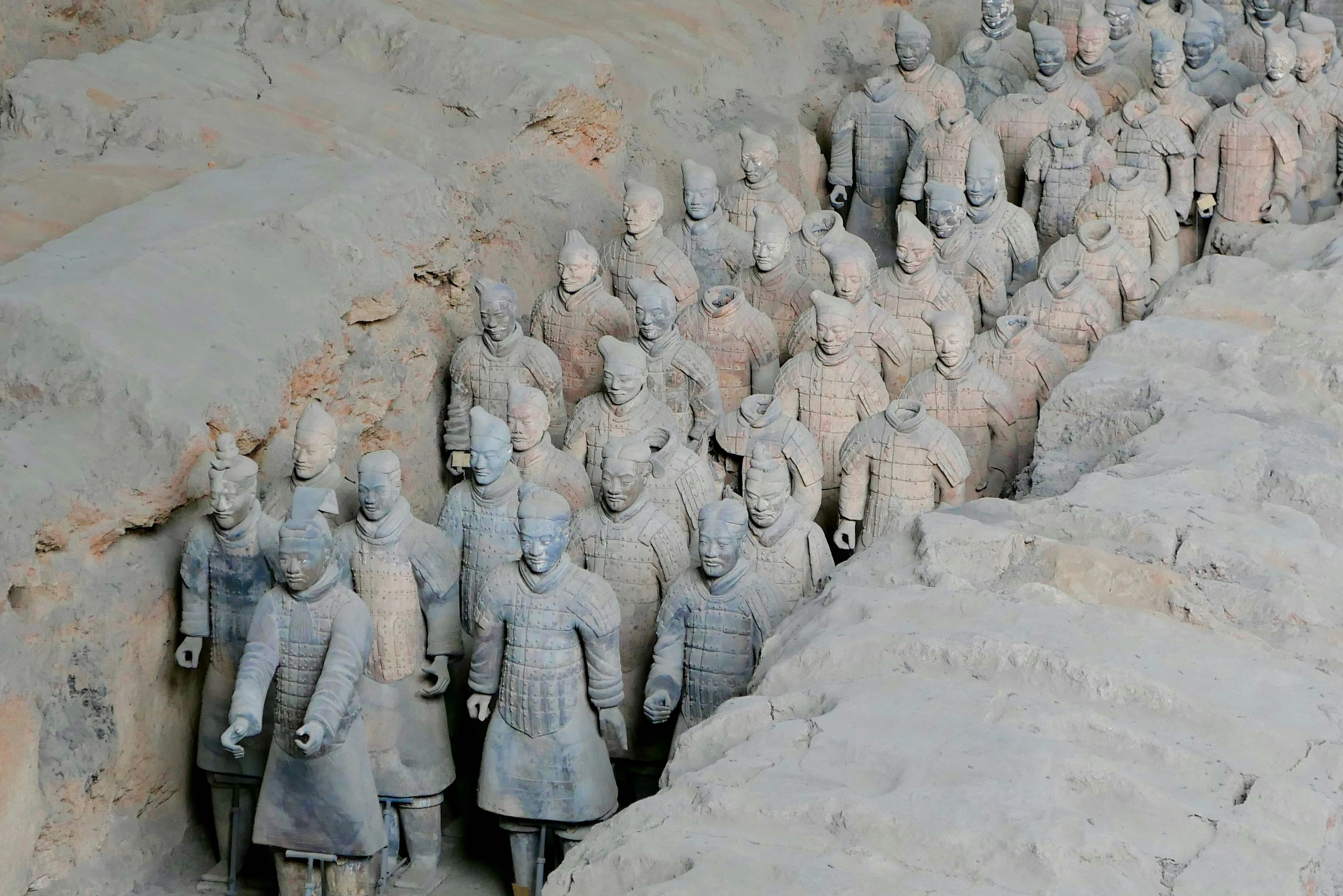
The Terracotta Army
The mausoleum of the First Qin Emperor, with its army of terracotta warriors, lies about 40 km east of the centre according to Wikipedia (EN). It was discovered in 1974 by farmers, per Wikipedia (FR, ES). It is a UNESCO site; to get there, Wikivoyage (EN, DE) cites Metro Line 9 or tourist bus 306, allowing about an hour.
The Bell Tower
The Bell Tower stands at the exact centre of the walled city, from which four main avenues run to the compass points, per Wikivoyage (EN, DE). It dates from the Ming dynasty per Wikivoyage (DE) and, with the Drum Tower about 200 m away, forms the historic heart of the city.
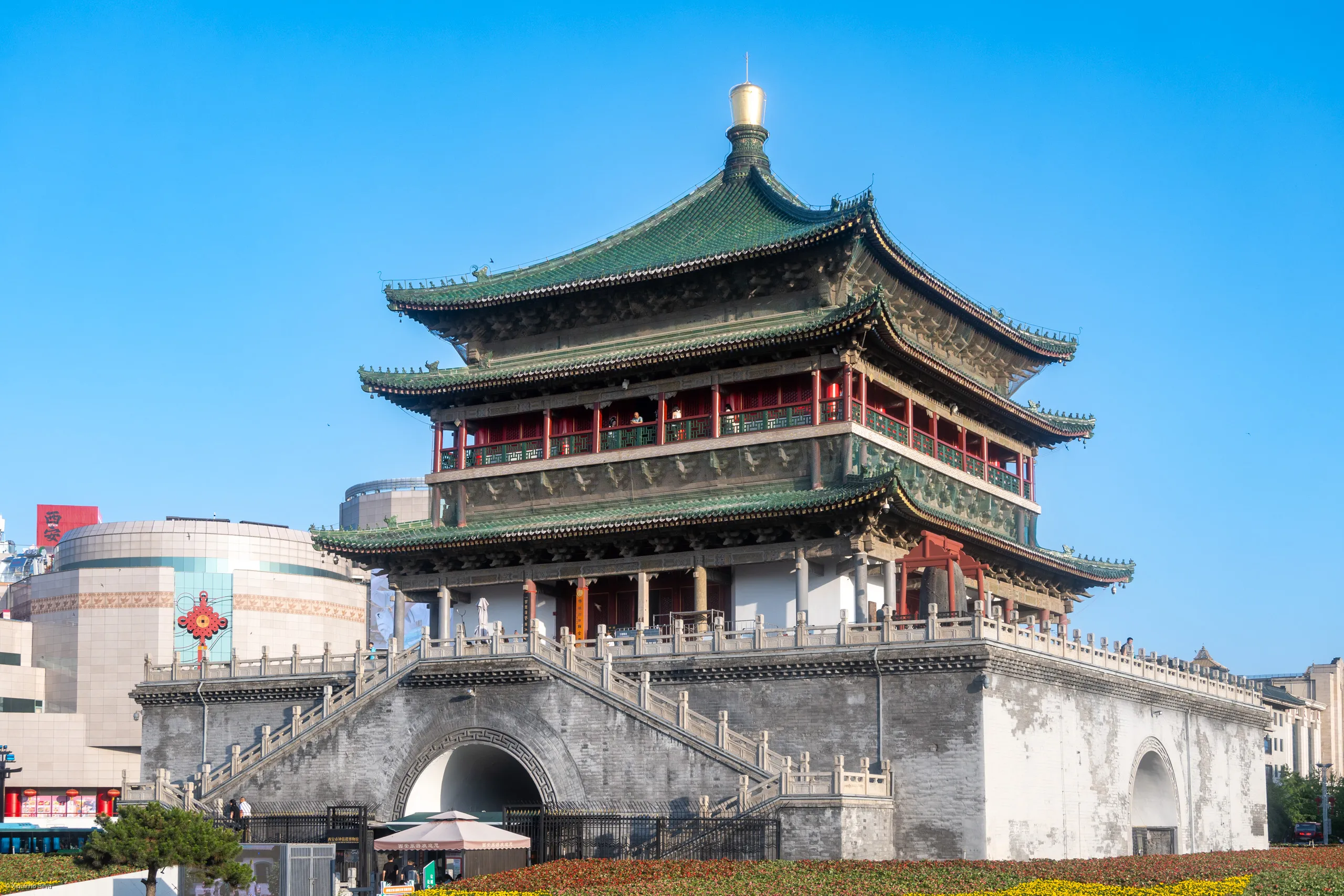
The Bell Tower at night
At night the tower is lit up in the middle of its roundabout: one of the most photogenic moments in the city. It is served by the metro (Line 2), per Wikipedia (EN).

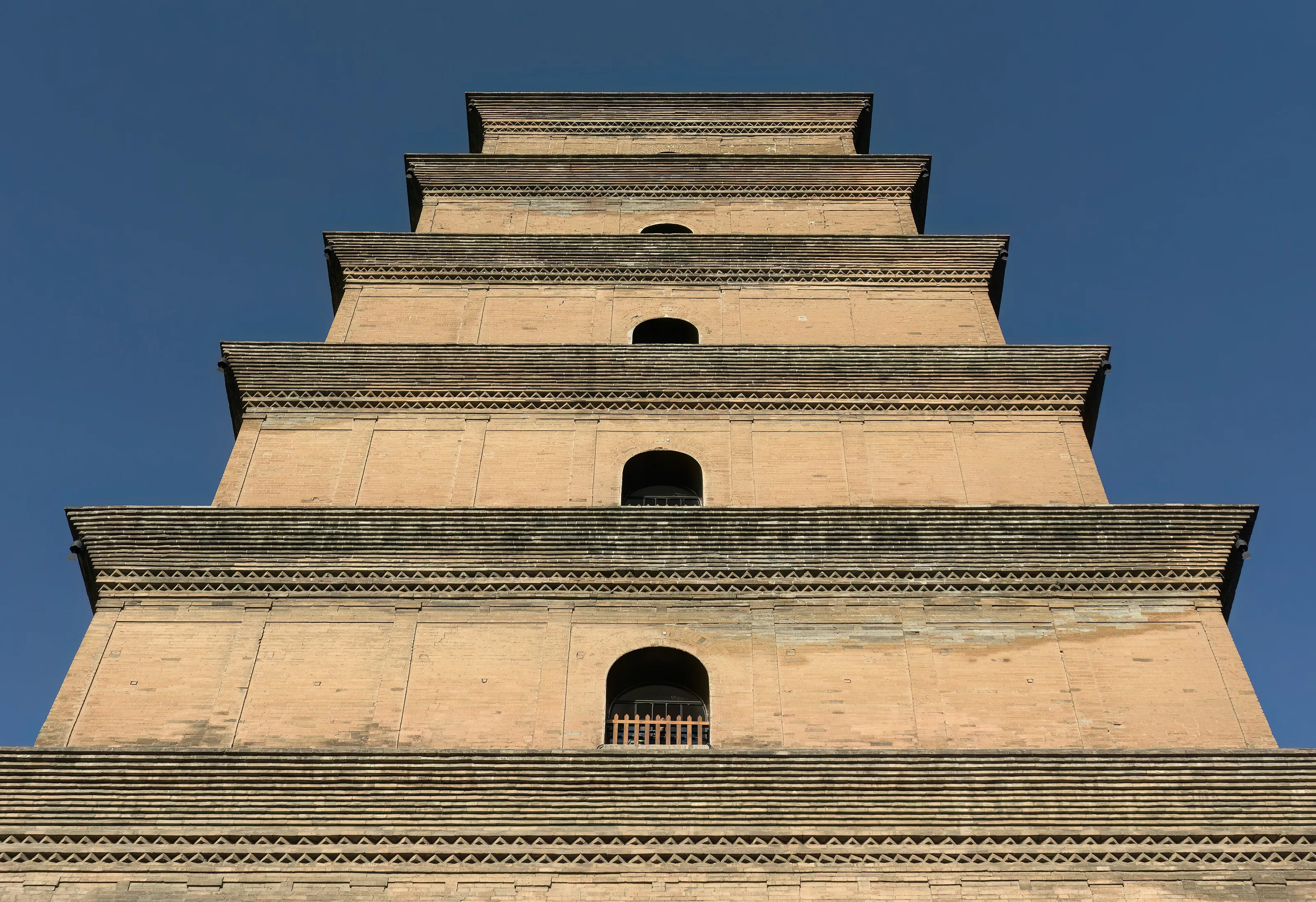
The Giant Wild Goose Pagoda
Construction began in 652 to store the Buddhist sutras Xuanzang brought back from India, per Wikipedia (EN). It was then 64 m tall; the Small Wild Goose Pagoda, begun in 707, and its neighbour have both survived great earthquakes, according to Wikipedia (EN).
The Muslim Quarter
The Hui quarter behind the Drum Tower is a maze of lanes for eating and buying souvenirs, per Wikivoyage (EN, DE). Flatbreads, skewers and sweets are tasted at the stall, often at sunset.
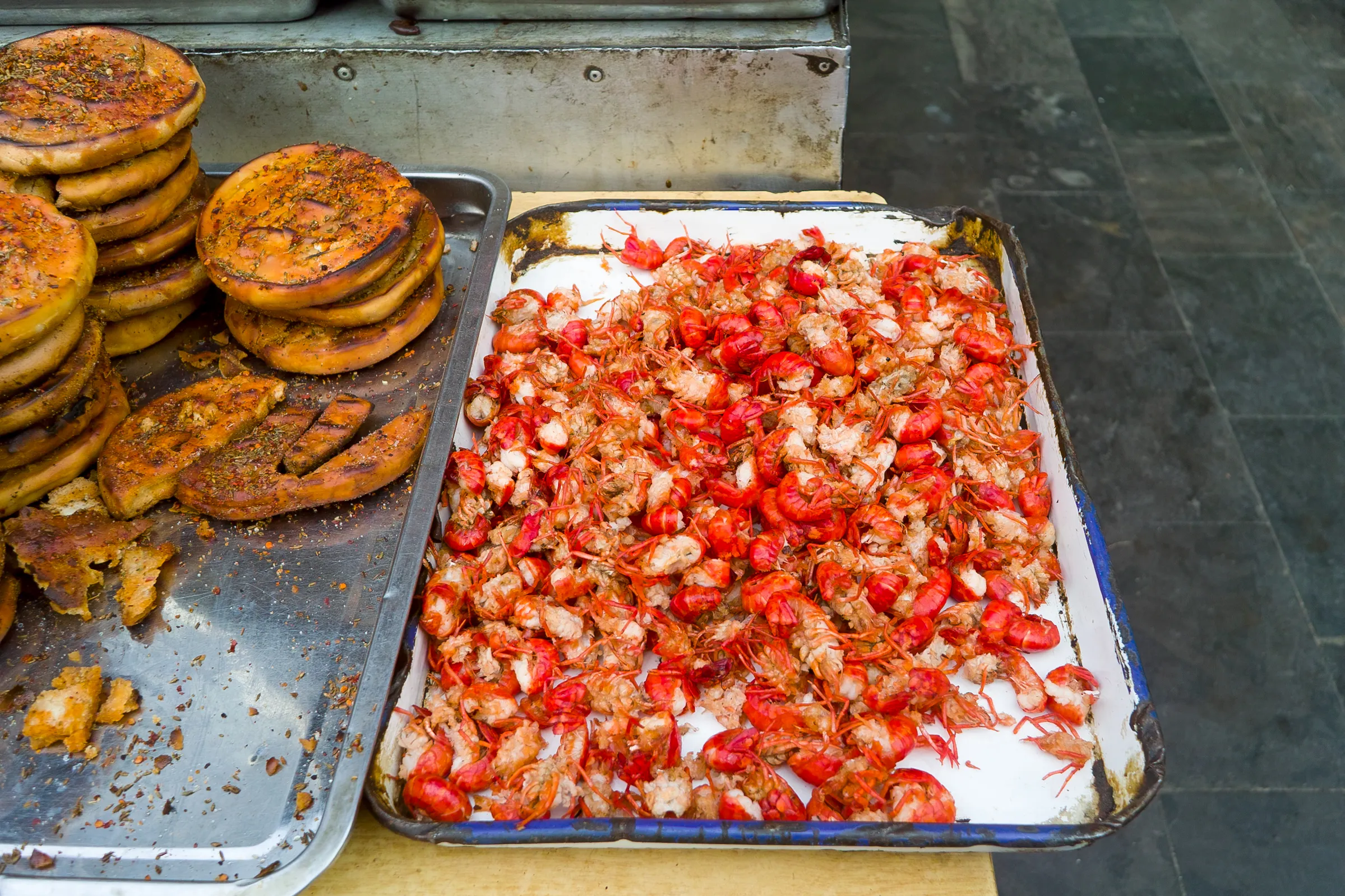
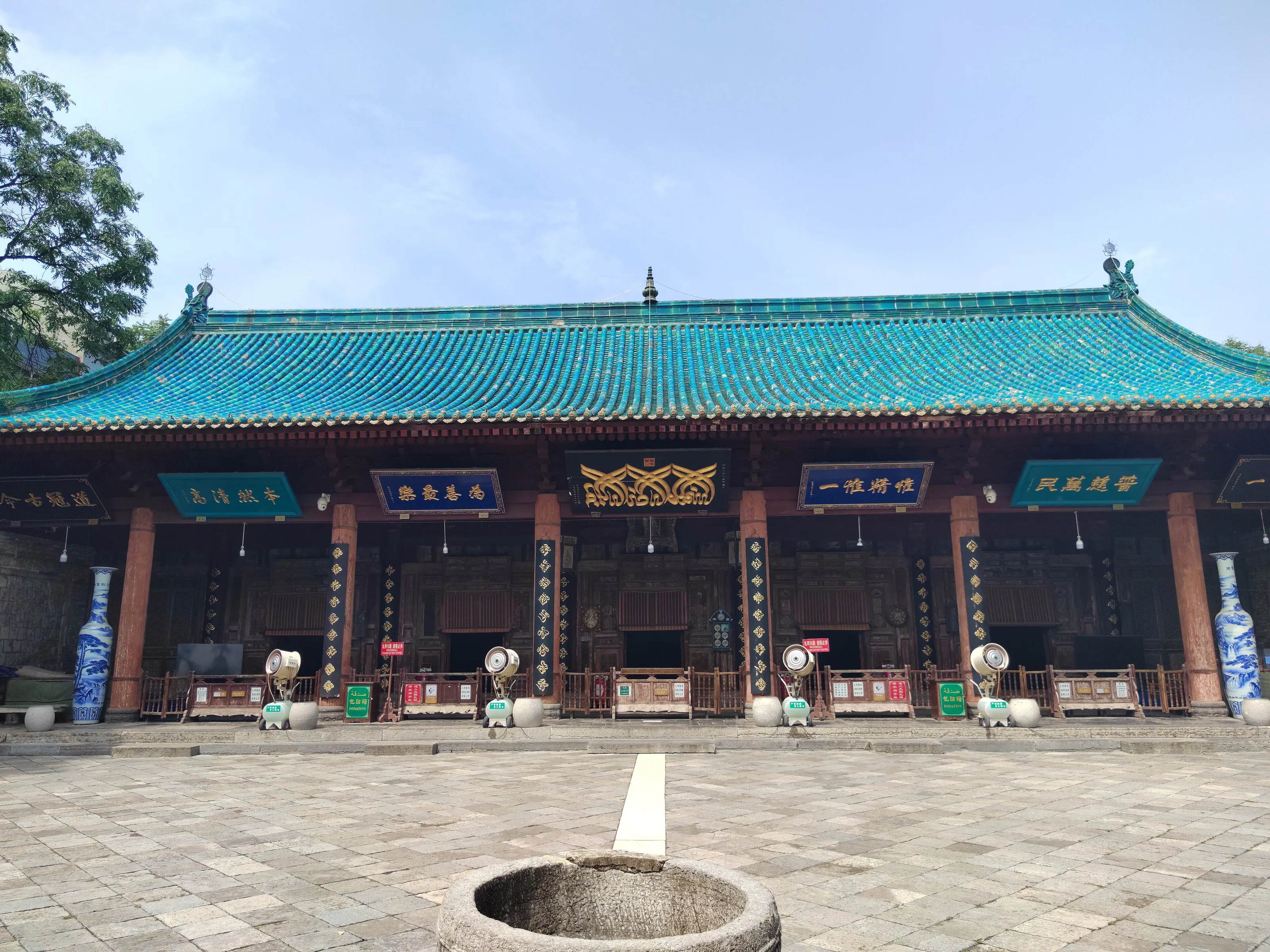
The Great Mosque
The Great Mosque is one of the oldest and most significant mosques in China according to Wikipedia (EN). It is built in a traditional Chinese architectural style per Wikivoyage (EN, DE): tiled roofs, successive courtyards and timber pavilions.
Huashan and Huaqing
Mount Hua, one of the five sacred Taoist mountains, is about 100 km east according to Wikipedia (EN); Wikivoyage (EN) cites 2 to 3 hours by bus. The Huaqing hot springs at Lintong are another classic stop, per Wikipedia (EN) and Wikivoyage (EN).
Famen Temple
Famen Temple and its modern pagoda lie about 120 km west, per Wikipedia (FR, EN).
Museums and culture
Shaanxi history, steles, Neolithic remains
Shaanxi History Museum
Near the Giant Wild Goose Pagoda, it has a large collection of historical artefacts, per Wikipedia (EN) and Wikivoyage (EN). It is served by several metro lines.
The Forest of Steles museum
The Beilin Museum houses the Nestorian Stele of 781, documenting the early days of Christianity in China, per Wikipedia (EN); Wikivoyage (EN) places it near the south wall.
Banpo and the Xi'an Museum
The Neolithic village of Banpo, found in 1953 and about 6,500 years old according to Wikipedia (EN), can be reached by metro (Line 1). The Xi'an Museum, near the Small Wild Goose Pagoda, completes a visit, per Wikipedia (EN) and Wikivoyage (EN).
Before you visit
We do not quote fares or opening hours: they change and sources disagree.
Food and drink
Lamb and bread soup, biangbiang noodles and Silk Road flavours
Signature dishes
Wikivoyage (EN) cites yangrou paomo, shredded bread in a lamb soup, wide biangbiang noodles, roujiamo, a meat sandwich, and liangpi, cold noodles. Steamed dumplings are also a local speciality, per Wikivoyage (FR).
The Muslim Quarter
The Hui quarter is known for Chinese-Muslim cooking, often with lamb, per Wikivoyage (DE); Wikivoyage (EN) also mentions fried persimmon cakes.
Street food
Street food comes alive mostly after sunset, per Wikivoyage (EN); family-run restaurants inside the walls are often the most reliable.
Souvenirs
Folk prints and crafts can be found in the Muslim Quarter bazaar, per Wikivoyage (EN).
Getting around
A practical metro and tourist buses
The metro
The metro serves several major sights, including the Bell and Drum Towers (Line 2), the city wall, the Giant Wild Goose Pagoda (Lines 3 and 4) and the Shaanxi History Museum, per Wikipedia (EN). Wikivoyage (EN) says the metro is the easiest way to get around.
Finding your way
The Bell Tower, at the centre of the walled city, is the landmark; four avenues run to the compass points, per Wikivoyage (EN, FR). Locals speak of "inside the walls" and "outside the walls".
Taxis
Wikivoyage (EN) advises asking for the meter and warns of illegal taxis around the airport: prefer official transport.
High-speed rail
Xi'an North station is the city's major rail hub, linked to the airport by Line 14, per Wikivoyage (EN).
Budget and precautions
A budget to compare, and entry rules to check
Price level
The amounts found in our sources date from different years and disagree, so we give no figures. Neighbourhood eating and public transport are cheap, according to Wikivoyage (EN).
Currency
The currency is the yuan (renminbi).
Flights and entry rules
SniperAir monitors prices to XIY and compares them with the route's history, but it does not sell or book tickets. Entry conditions for China depend on your nationality and can change: check your departure country's official recommendations before booking.
Payment and connectivity
Payment methods and mobile connectivity may differ from what you are used to: find out before you go.
When to go
Hot, humid summers and cold, dry winters
Winter (December to February)
Cold and dry: the mean temperature is close to 0 °C in January per Wikipedia (EN). Snow falls occasionally but rarely settles.
Spring (March to May)
Dry spring; dust storms are possible in March and April, per Wikipedia (EN). Wikivoyage (EN) nevertheless recommends spring for a visit.
Summer (June to August)
Hot and humid, with frequent short thunderstorms: around 27 °C on average in July per Wikipedia (EN). The midday sun is intense according to Wikivoyage (EN), so avoid the walls at the hottest hour.
Autumn (September to November)
A recommended season along with spring, per Wikivoyage (EN, ZH). Most of the year's rain falls from July to late October, according to Wikipedia (EN).
The climate is temperate, on the borderline between humid subtropical and hot-summer humid continental (Cwa/Dwa) according to Wikipedia (EN); the mean annual temperature is about 14 °C per the same source. We do not give detailed monthly averages, because open sources do not cross-check them.
By length of stay
What to do in Xi'an depending on how long you stay
Old city
The city wall, the Bell and Drum Towers, the Muslim Quarter and the Great Mosque.
Pagodas and museums
The Giant Wild Goose Pagoda, the Shaanxi History Museum, the Beilin Museum and the Xi'an Museum.
Terracotta Army
A day at the Qin Shi Huang mausoleum, with Huaqing on the way, or an excursion to Mount Hua.
In pictures
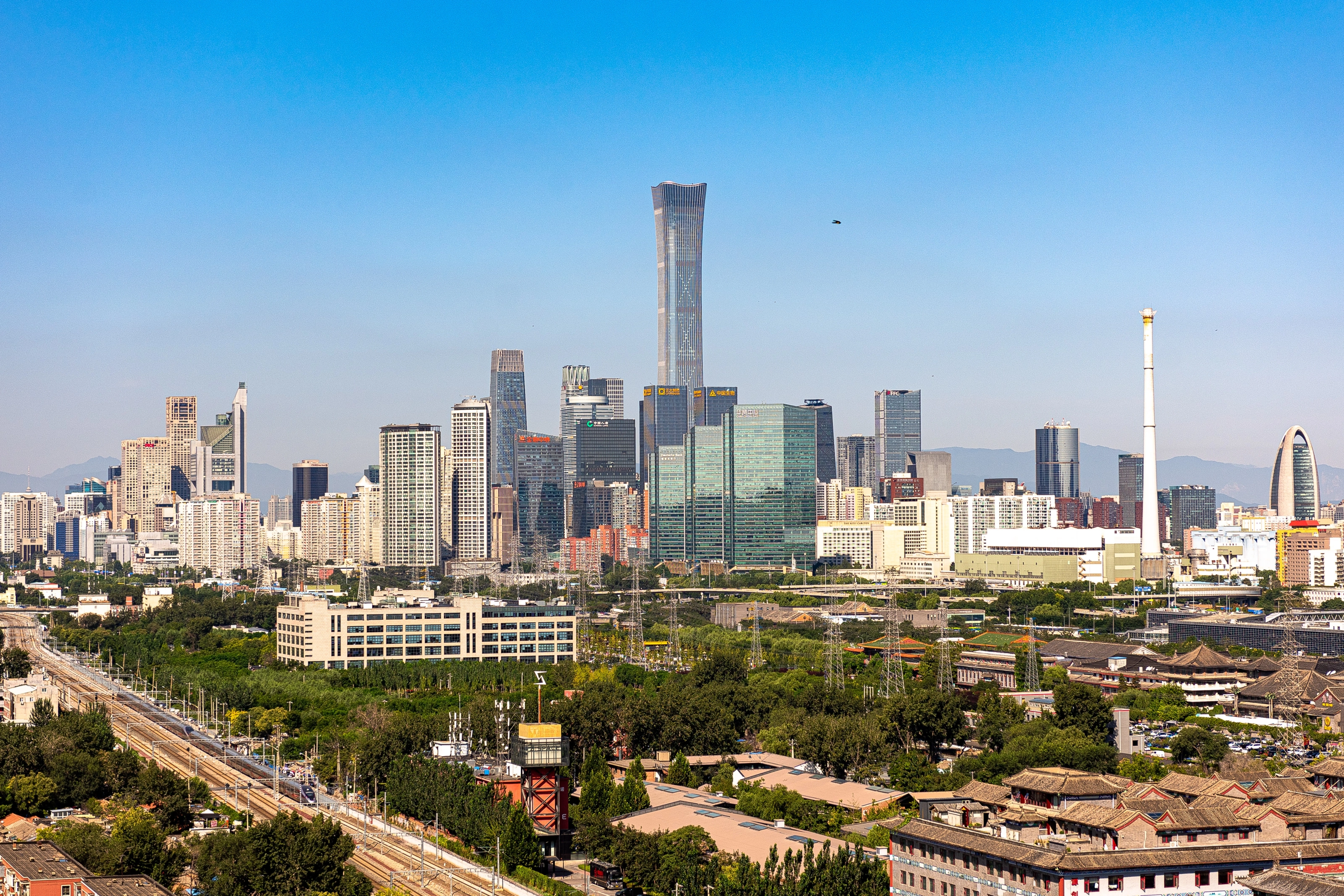
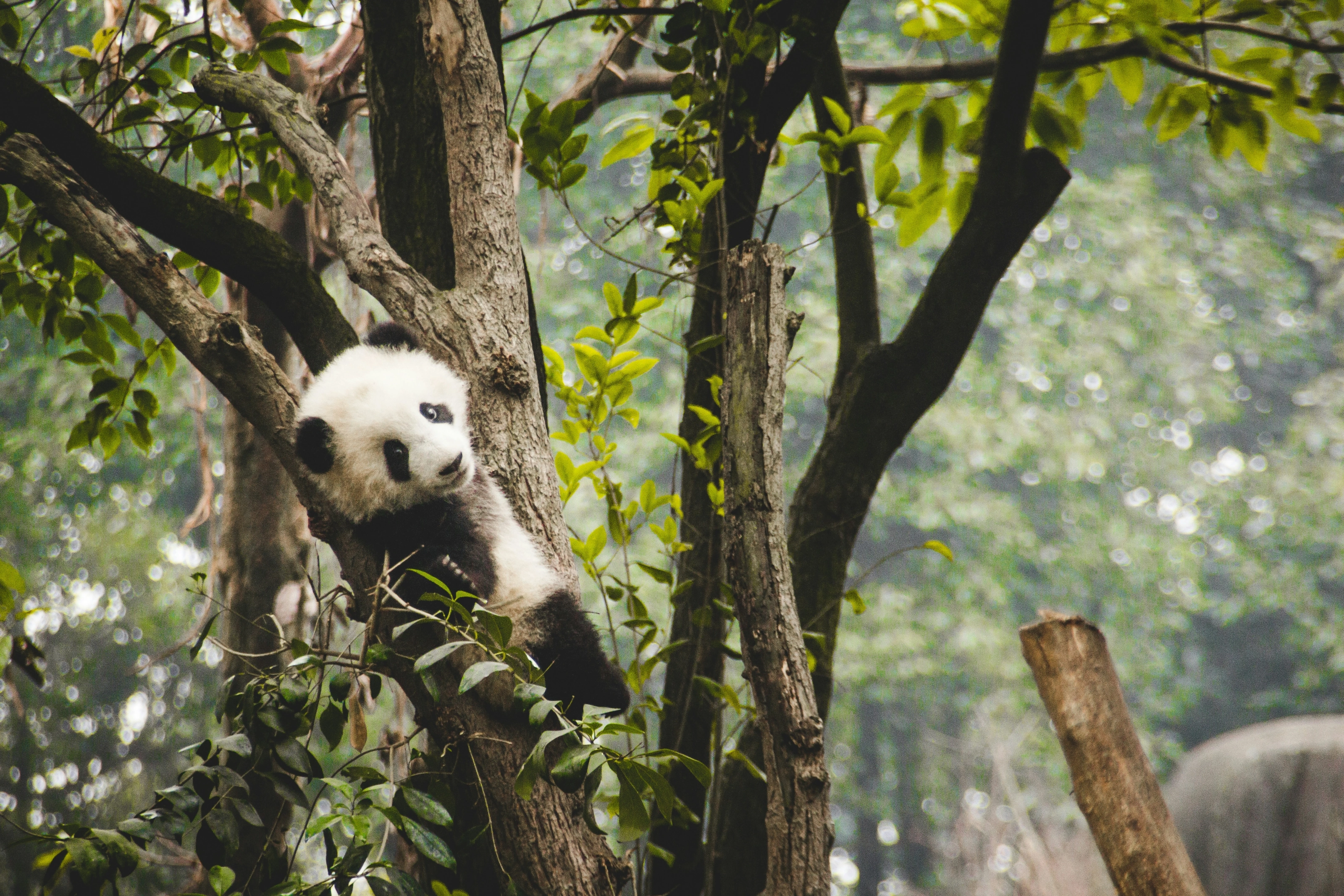
Xi'an in pictures
You might also like
Similar destinations

FAQ
Frequently asked questions about flights to Xi'an
How do I get from Xi'an airport to the city centre?
XIY is about forty kilometres away. Metro Line 14 reaches Xi'an North station, with a connection to the centre, and a bus also serves the centre in about an hour, according to the sources.
How do I visit the Terracotta Army?
The site is about 40 km east of the centre. Wikivoyage cites Metro Line 9 and tourist bus 306, with about an hour by bus.
Can you walk or cycle the city wall?
Yes: you can walk or rent a bike, according to guides. The full circuit is between 12 and 14 km depending on the source.
What should I eat in Xi'an?
Yangrou paomo (bread in lamb soup), biangbiang noodles, roujiamo and the specialities of the Muslim Quarter.
What is the best season to visit Xi'an?
Spring and autumn, according to Wikivoyage. Summer is hot and humid; winter is cold and dry.
How long should I stay in Xi'an?
Two days for the old city; three to four with the museums and the Terracotta Army; more with Mount Hua.
How much does a flight to Xi'an usually cost?
The price depends mainly on your departure city, the time of year and how far ahead you book. The "opportunities" section above shows real examples of prices SniperAir has already detected to this destination.
How do I get alerted when a flight to Xi'an drops below my budget?
Create an alert profile with your departure airport, Xi'an as the destination and your maximum budget. You are notified automatically as soon as a matching price is detected.
Ready to head to Xi'an?
Set your budget and let SniperAir monitor fares for you.
Create my alert