
Cheap flights to Tallinn
Set your departure airport and maximum budget: SniperAir tracks prices to Tallinn and alerts you the moment a deal matching your criteria appears.
Quick summary
Country
Estonia
Continent
Europe
Airport
TLL
Currency
Euro (EUR)
Time zone
UTC+2 (UTC+3 during daylight saving time)
Deals already spotted to Tallinn
Real flight examples detected by SniperAir, with their reference price.
Loading examples…
Why track Tallinn with SniperAir
A medieval Baltic capital, 80 km from Helsinki
Choose your departure
Enter your departure airport and your maximum budget for a flight to Tallinn (TLL).
SniperAir keeps watch
Our systems continuously compare new prices with the real price history of the route. SniperAir monitors prices and alerts you: it does not sell or book tickets.
You receive an alert
As soon as a price matches your criteria, you are notified, without having searched for anything yourself.
Tallinn is the capital and largest city of Estonia, with about 450,000 inhabitants according to Wikipedia (EN, DE). It lies on the southern shore of the Gulf of Finland, roughly 80 km from Helsinki, and its Old Town, among the best preserved in Europe, is a UNESCO World Heritage Site. A former Hanseatic port, it combines an upper town on Toompea hill, a lower town of merchants, city walls and towers, and a modern business district with a well-known digital scene. Flight prices to the Baltic capitals vary with the season and the departure airport, so a SniperAir alert saves you from checking every day. You set your budget, we compare new prices with the real price history of the route and we let you know.
Airport and getting into town
Lennart Meri Airport, close to the centre
Tallinn Lennart Meri (TLL)
Tallinn Airport (TLL), officially named after Lennart Meri, sits in Ülemiste on the shore of the lake of the same name, a few kilometres south-east of the centre: 2 km according to Wikivoyage (EN) and 5 km according to Wikipedia (EN). The two sources do not agree, so no exact figure is given here. It is a small, quiet airport, the busiest in the country, with a single runway. Most flights are operated by European carriers, with a second hub for the Latvian airline airBaltic, and there are no direct intercontinental services according to Wikivoyage (EN). A tram links the airport to the city centre, so a taxi is not needed.
Distance TLL to centre: a few kilometres (2 to 5 km depending on the source). Easiest option: the tram. No transfer fare is published here.
From Helsinki, the ferry is an alternative: many daily departures and a crossing of about two hours on the fast ships according to Wikivoyage (EN). For a trip across the Baltic states, you can also track Riga (RIX) and Vilnius (VNO).
Landmarks
City walls, Toompea hill and Kadriorg Palace
The Old Town is best explored on foot over a day of strolling between cobbled lanes and viewpoints. The six places below come with photos; other addresses are described further down in text only.
Tallinn's Old Town
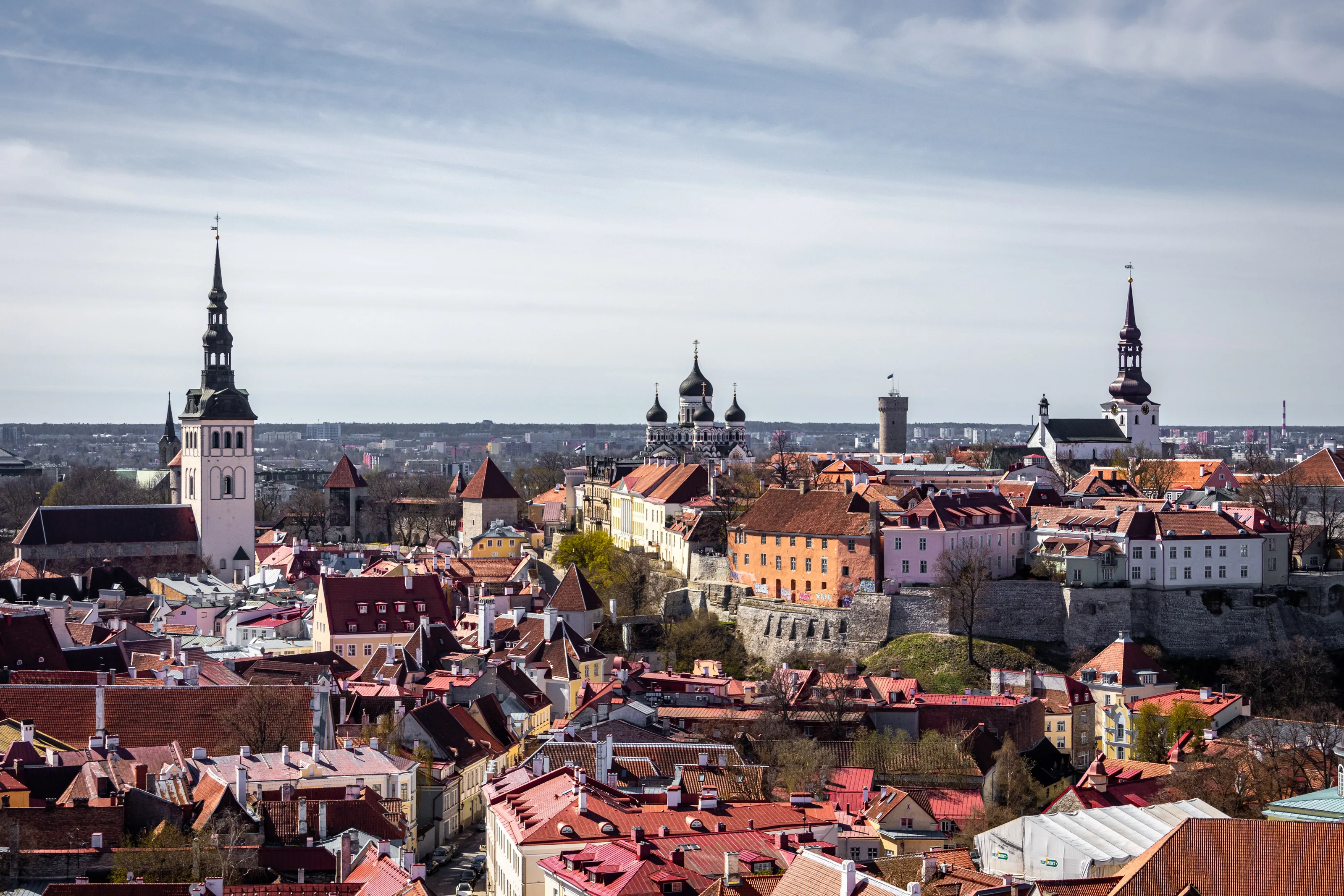
From Toompea hill and its viewing platforms you can see the patchwork of red roofs of the lower town, the church spires and the dark domes of the Alexander Nevsky Cathedral. Tallinn's Old Town is a UNESCO site and one of the best-preserved medieval centres in Europe according to Wikipedia (EN). The city became a member of the Hanseatic League in the late 13th century.
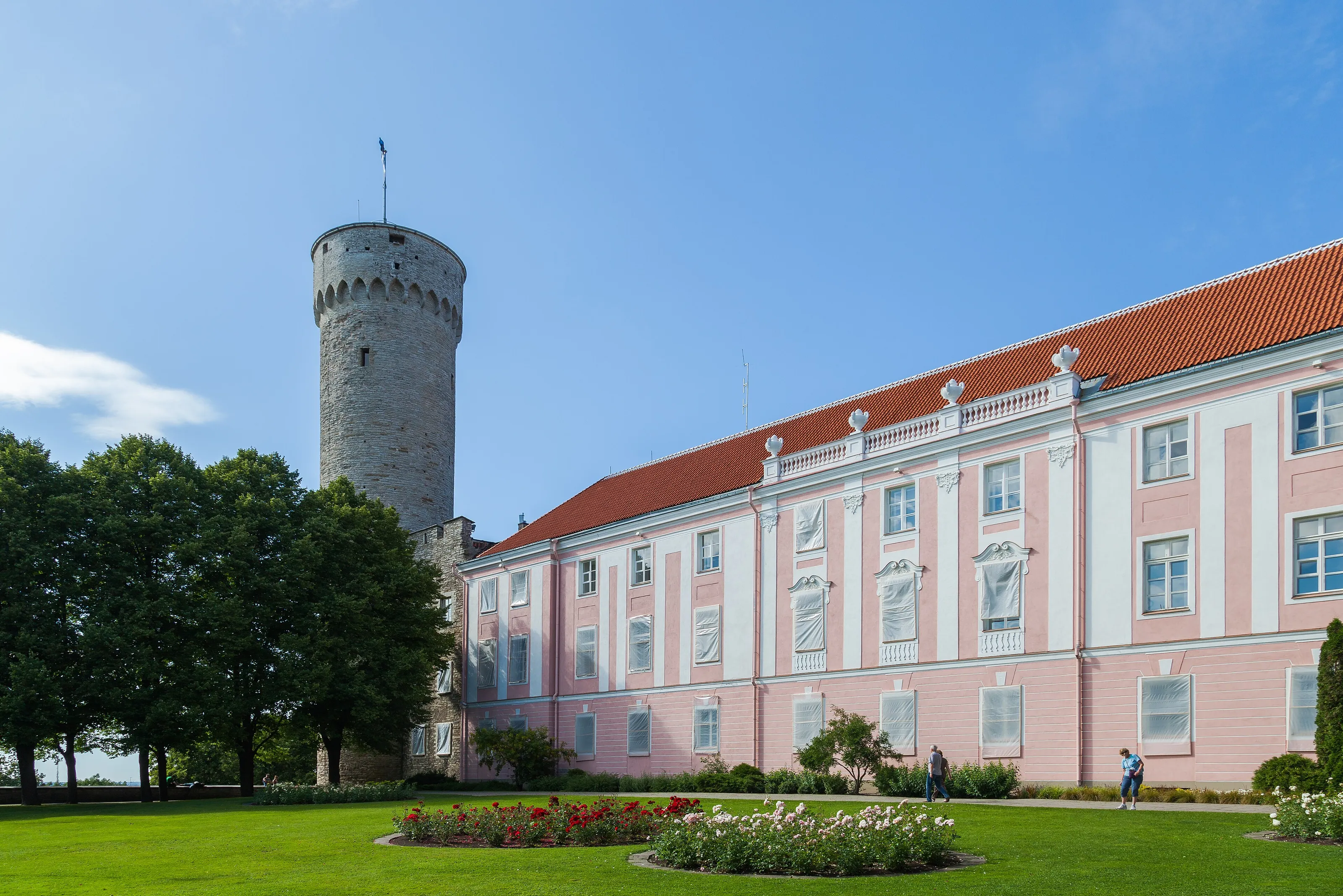
Toompea and the Pikk Hermann tower
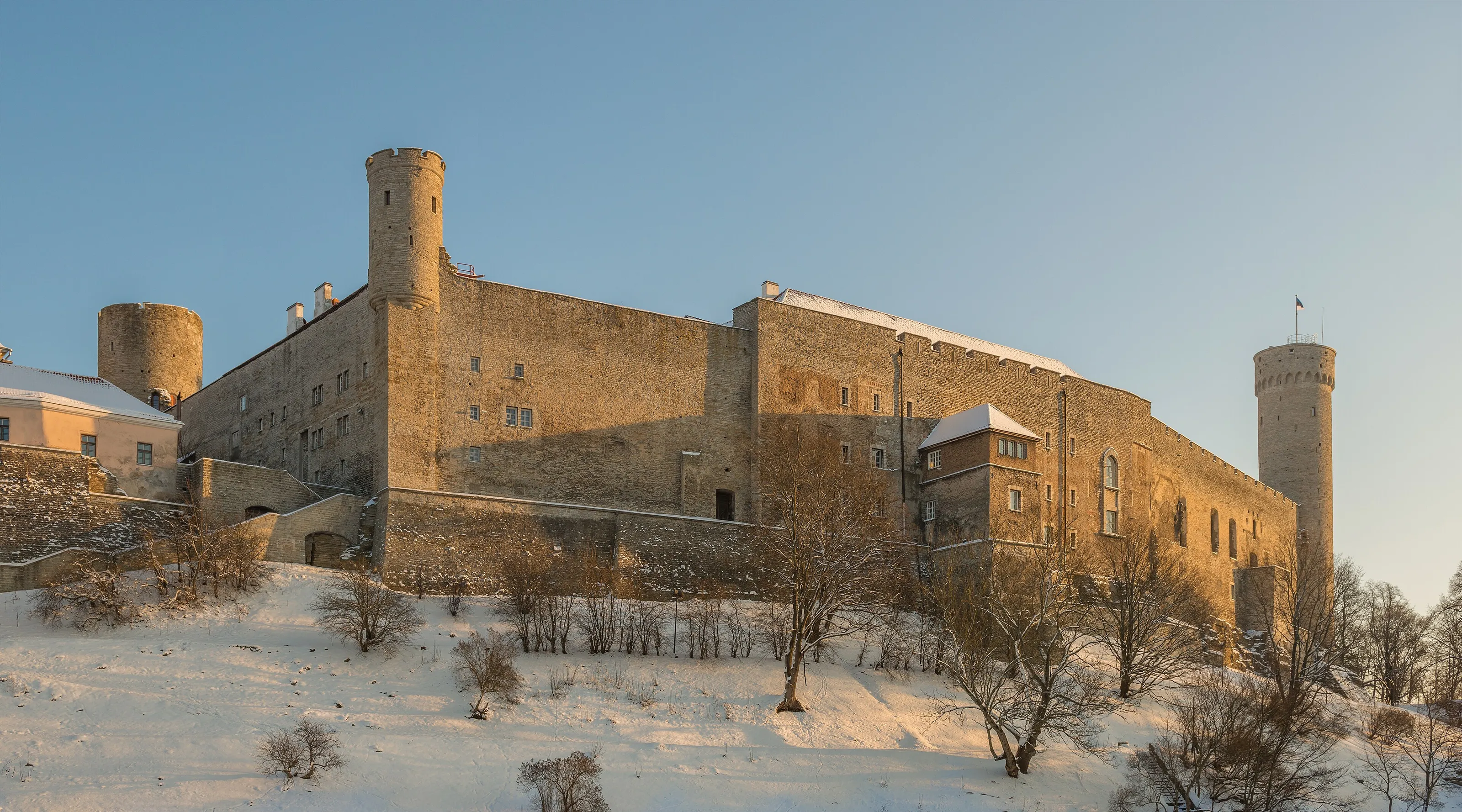
Toompea is the limestone hill above the city, a seat of power since the Middle Ages. Toompea Castle now houses the Estonian parliament, and its tall Pikk Hermann tower carries the national flag. According to Wikivoyage (EN), the hill was once the quarter of the Baltic German aristocracy, set apart from the merchants' lower town.
Kadriorg Palace
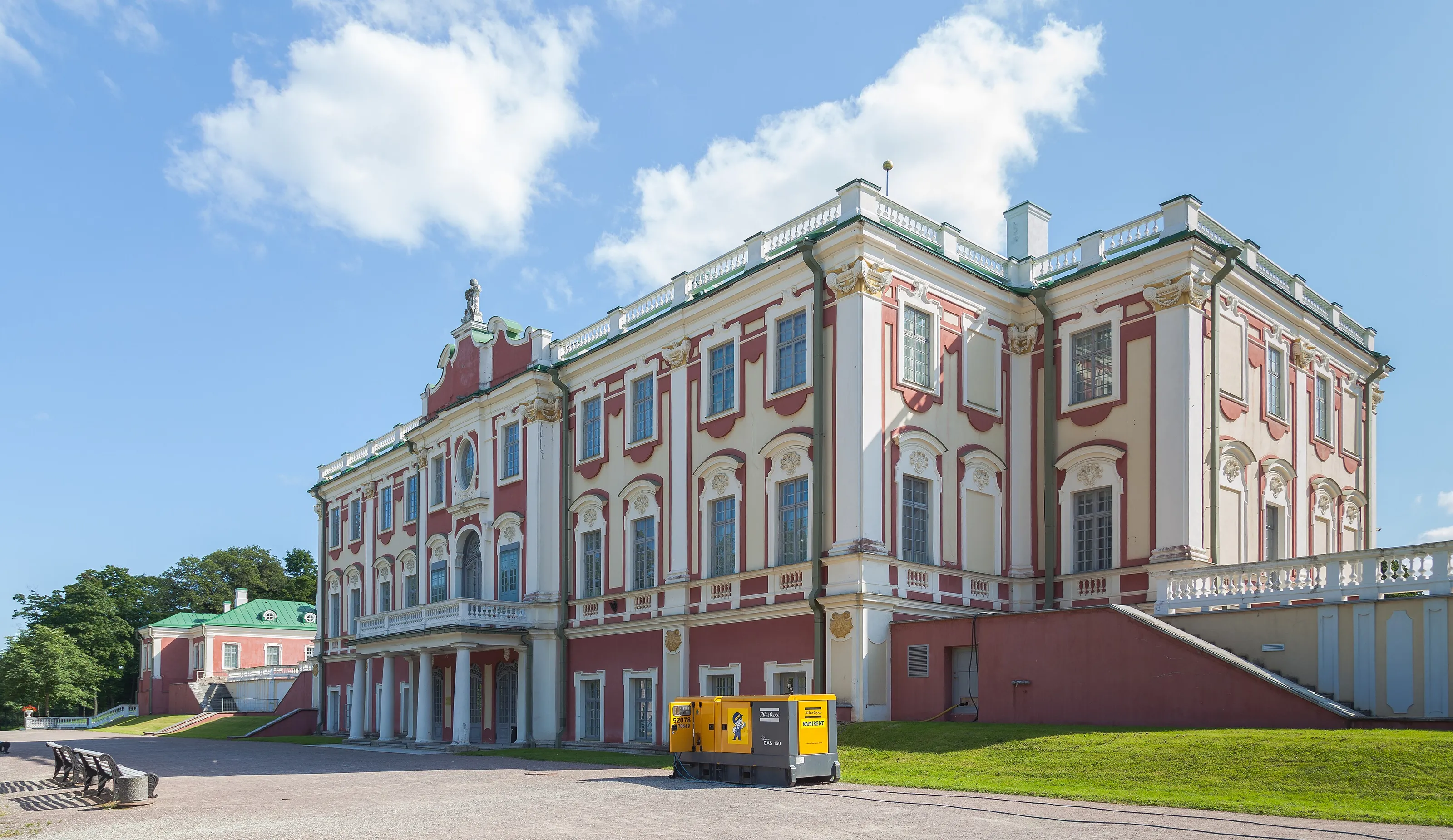
The Baroque Kadriorg Palace, about 2 km east of the centre according to Wikipedia (EN), was built after the Great Northern War for Peter the Great. It now houses the foreign art department of the Art Museum of Estonia. The district is served by trams and buses and combines well with a walk in the park.
St Nicholas' Church (Niguliste)
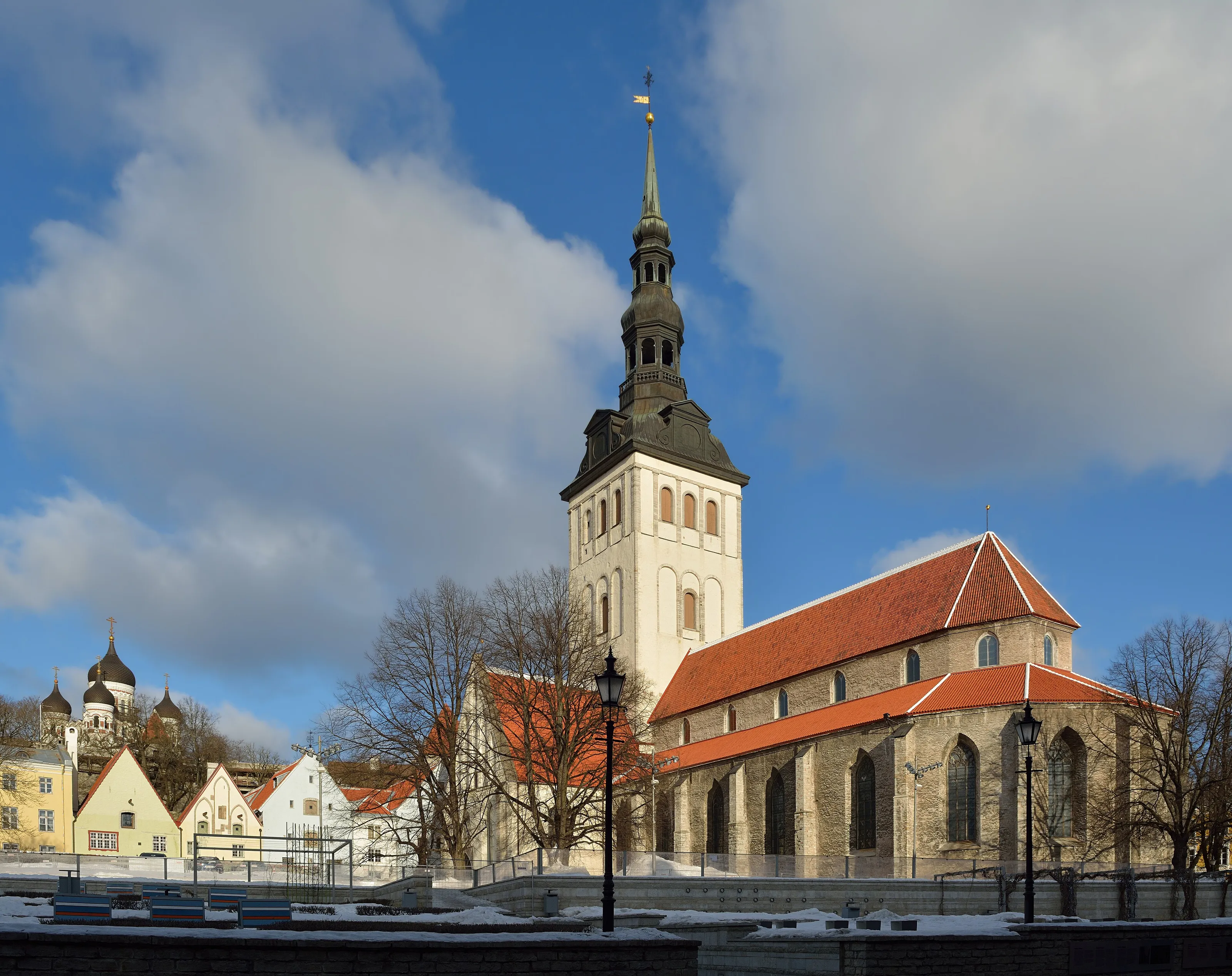
Built in the Middle Ages, Niguliste church is recognisable by its tall dark spire. It has been turned into a museum and is a branch of the Art Museum of Estonia according to Wikipedia (EN). It rises above the roofs of the lower town and is visible from far away from the Toompea viewpoints.
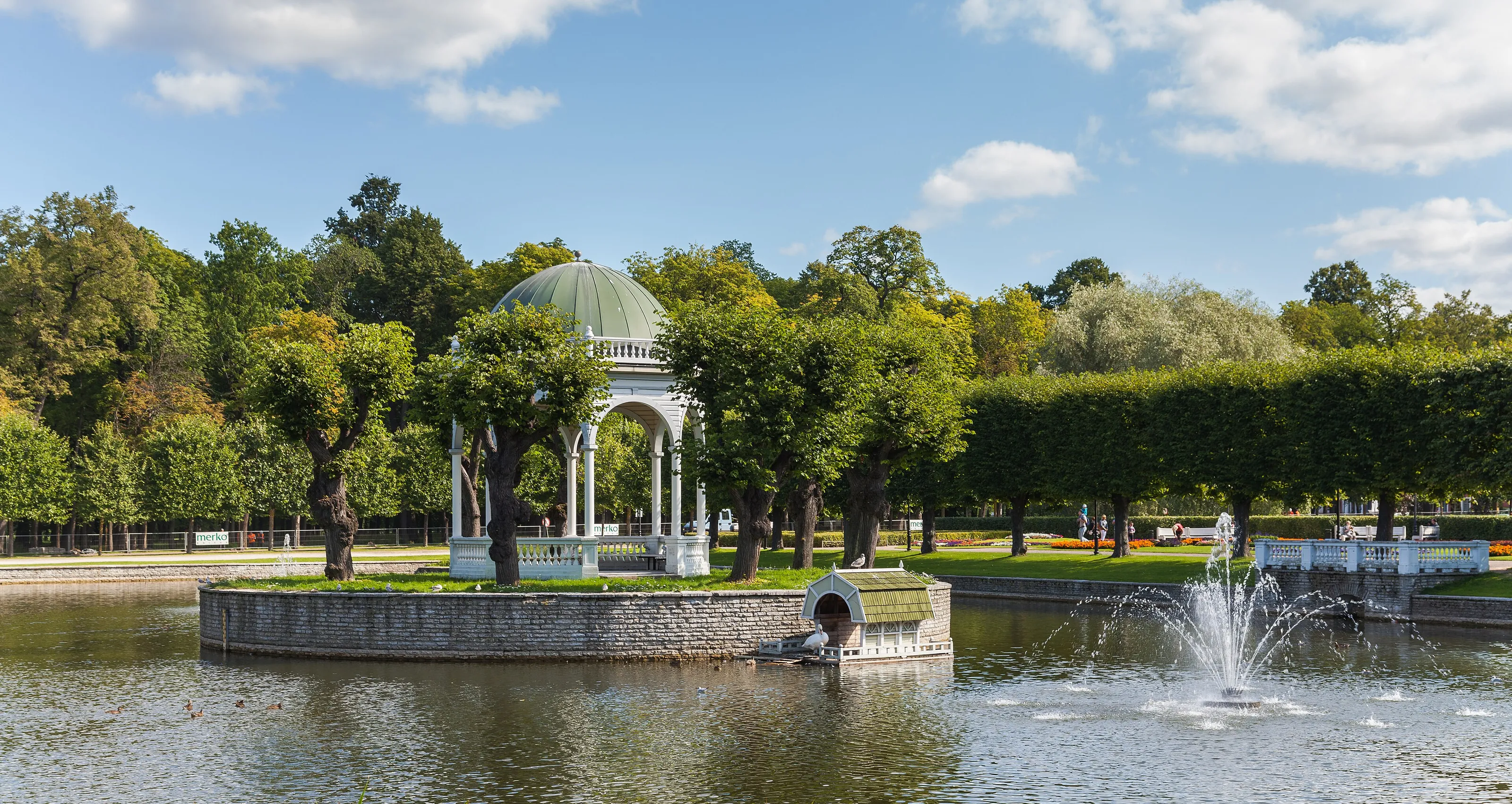
Kadriorg Park
The park around the palace has ponds, paths and fountains. The Kumu art museum, which opened in the park in 2006, holds a large collection of Estonian art according to Wikipedia (EN). It is a calm break a few minutes from the centre by tram.
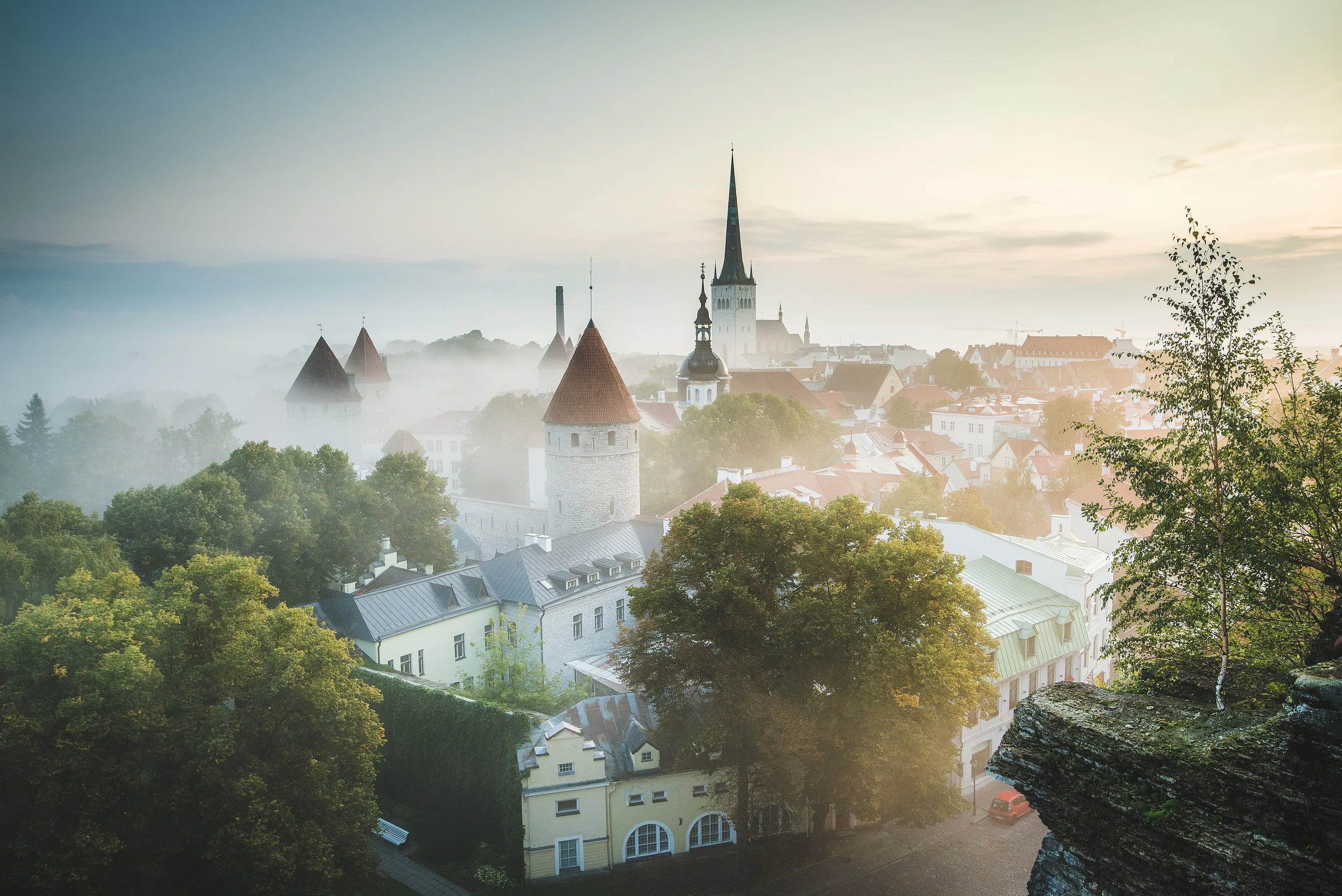
City walls and towers in the mist
Several towers of the old city walls survive around the Old Town, and one of them, Fat Margaret, houses the Estonian Maritime Museum according to Wikipedia (EN). In misty weather the red roofs and spires stand out especially well: autumn and early spring give lovely moods.
Other places worth noting include the Viru Gate, which opens the pedestrian street towards the Town Hall Square (Raekoja plats), Freedom Square with St John's Church, and the Kalamaja district, known for its 19th-century wooden houses according to Wikivoyage (EN). The TV tower in Pirita has an observation deck over the city and, on a clear day, you can see Finland.
Museums and culture
Museums: history, art and seaplanes
Kumu art museum
Kumu, in Kadriorg Park, is Estonia's national art museum; Wikivoyage (EN) says its architecture alone justifies a visit. It belongs to the Art Museum of Estonia, together with Kadriorg Palace, the Mikkel Museum and Niguliste.
Vabamu, Museum of Occupations and Freedom
Vabamu covers the years 1940 to 1991, when Estonia was occupied first by the Soviet Union, then by Nazi Germany, and then again by the USSR according to Wikipedia (EN). It is a sober place, useful for understanding the country's recent history and that of the region.
Seaplane Harbour (Lennusadam)
This maritime museum occupies a former seaplane hangar from 1916 according to Wikivoyage (EN), by the sea, with ships and submarines on display. It is open daily in summer; check seasonal hours on the official site before you go.
Fotografiska and Telliskivi
Fotografiska Tallinn, an international photography institution, is in the Telliskivi Creative City according to Wikipedia (EN). This former factory district also has shops, workshops and cafés, and is worth the detour for its atmosphere.
Estonian Open Air Museum
West of the centre, it gathers traditional farmhouses, mills and wooden churches according to Wikivoyage (EN). It makes a good outing for anyone who wants to see something beyond the Old Town.
Food and drink
Food and drink: black bread, smoked fish and markets
Specialities to try
Estonian cooking leans on dark rye bread, potatoes, pork, smoked fish and Baltic herring. Traditional dishes include sült (meat in aspic), blood sausage (verivorst) served with lingonberries and sauerkraut at Christmas, and fish soups. For breakfast or dessert you will find kama, a roasted grain flour mixed with soured milk, and small glazed curd snacks.
Markets, districts and drinks
The Baltic Station Market (Balti jaama turg) in the Kalamaja district has stalls of fresh produce and ready-to-eat dishes. The Telliskivi, Rotermann and Kalamaja districts gather cafés, restaurants and craft breweries. Estonia produces beer, ciders and a spiced rum-based liqueur; at Christmas, Town Hall Square hosts a market serving mulled wine.
Where to eat in town
In the Old Town, medieval-themed restaurants are numerous and mainly aimed at visitors. To eat like the locals, head to Kalamaja, Telliskivi or Rotermann. No venue is named here: check recent reviews before you book.
Getting around
Getting around Tallinn
On foot in the Old Town
The Old Town is explored on foot, with cobblestones, slopes and a few staircases. Wear comfortable shoes and allow time between the lower town and Toompea.
Trams, buses and trolleybuses
A network of trams, buses and trolleybuses covers the rest of the city according to Wikivoyage (EN), with vehicles coloured by type. A one-hour or day ticket can be bought online or with a contactless bank card according to some sources; check current conditions on the official site. The tram also serves the airport.
Taxis and ferries
Taxis are common and cheap according to Wikivoyage (EN), but avoid those that approach travellers at the port or the airport, and prefer an app or a well-known company. For Helsinki, ferries leave from the port district north of the centre.
Around Tallinn
Beyond the city, Lahemaa National Park to the east, the beaches of Pirita, or the university city of Tartu (about 187 km away according to Wikipedia EN) can be reached by bus or by car.
Budget and precautions
Budget and precautions
Price level
Tallinn is a mid-priced European capital, higher in summer and when cruise ships are in port. No figures are published here: accommodation and restaurant prices vary too much between sources. SniperAir alerts mainly help you find a cheap flight; the rest of the budget depends on your stay.
Precautions and neighbourhood
Estonia has been a member of the European Union and of NATO since 2004, and has a land border with Russia in the east of the country. Tallinn, in the north-west, is about 320 km from Saint Petersburg according to Wikipedia (EN). Tourist visits are normal there; as with any destination, check your own government's travel advice before leaving. As in any busy capital, keep an eye on your belongings in crowded areas and avoid unlicensed taxis.
When to go
When to go to Tallinn
Spring (March to May)
Cool in March and April, with frosts possible, then milder and sunnier in May, when daytime temperatures average around 15 °C according to Wikipedia (EN).
Summer (June to August)
The best season for terraces, the Pirita beaches and long days: afternoons average around 19 to 22 °C according to Wikipedia (EN), with rain possible.
Autumn (September to November)
September is still mild, then it turns cloudier; snow can fall as early as October. The park colours are lovely early in the season.
Winter (December to February)
Cold but tempered by the sea: February, the coldest month, averages about -3.6 °C according to Wikipedia (EN). The Christmas market gives the Old Town a special charm.
Tallinn has a humid continental climate, with warm, rainy summers and cold, snowy winters tempered by the sea according to Wikipedia (EN). Recorded extremes run from about -32 °C to 34 °C. For the Old Town without the crowds, aim for spring or early autumn; for long days and beaches, summer.
By length of stay
How many days in Tallinn
Old Town and Kadriorg
Two days are enough for the upper and lower town, one museum and a walk in Kadriorg Park.
Museums and districts
With three days, add Kumu or the Seaplane Harbour, the Telliskivi and Kalamaja districts, or a trip to Lahemaa National Park.
Beaches, nature and day trips
With five days, add the Pirita beaches, the open-air museum, a day in Tartu or a ferry escape to Helsinki.
In pictures
Tallinn in pictures
You might also like
Similar destinations
FAQ
Frequently asked questions about flights to Tallinn
Where is Tallinn Airport?
Lennart Meri Airport (TLL) is in Ülemiste, a few kilometres south-east of the centre (2 to 5 km depending on the source), and a tram links the airport to the city centre.
What currency is used in Tallinn?
Estonia uses the euro. Estonia is part of the Schengen Area and of the European Union.
What are the main sights in Tallinn?
The UNESCO-listed Old Town, Toompea hill and its viewpoints, Niguliste church, Kadriorg Park and Palace, and the Telliskivi district.
Can you do Helsinki to Tallinn in a day?
Yes: ferries link the two capitals, with many departures a day and a crossing of about two hours on the fast ships according to Wikivoyage (EN).
When is the best time to visit Tallinn?
May to September for warmth and long days; December for the Christmas market. Winters are cold and snowy.
Does proximity to Russia affect travellers?
Estonia, a member of the European Union and of NATO, has a land border with Russia in the east. Tallinn lies in the north-west. For any practical question, rely on your own government's official travel advice.
How much does a flight to Tallinn usually cost?
The price depends mainly on your departure city, the time of year and how far ahead you book. The "opportunities" section above shows real examples of prices SniperAir has already detected to this destination.
How do I get alerted when a flight to Tallinn drops below my budget?
Create an alert profile with your departure airport, Tallinn (TLL) as the destination and your maximum budget. You are notified automatically as soon as a matching price is detected. SniperAir monitors and alerts, it does not sell or book tickets.
Ready to head to Tallinn?
Set your budget and let SniperAir monitor fares for you.
Create my alert