
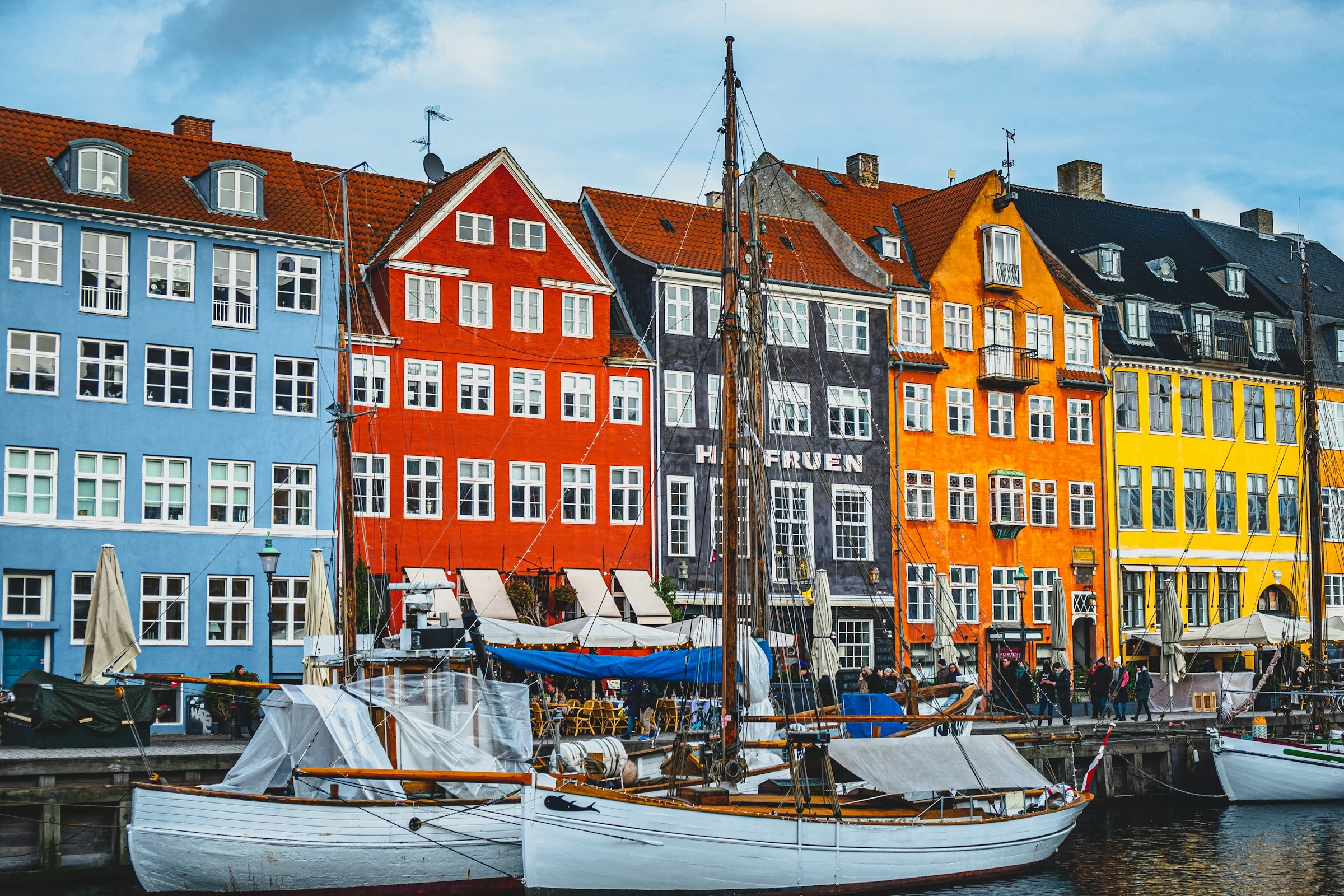
Cheap flights to Copenhagen
Set your departure airport and maximum budget: SniperAir tracks prices to Copenhagen and alerts you the moment a deal matching your criteria appears.
Quick summary
Country
Denmark
Continent
Europe
Airport
CPH
Currency
Danish krone
Time zone
UTC+1
Deals already spotted to Copenhagen
Real flight examples detected by SniperAir, with their reference price.
Loading examples…
Why track Copenhagen with SniperAir
You don't need to compare prices every day
Pick your departure
Tell us your departure airport and maximum budget for a flight to Copenhagen.
SniperAir watches
Our systems continuously compare new prices against the route's real price history.
You get an alert
The moment a price matches your criteria, you're notified, with no searching on your end.
Copenhagen airport
Kastrup, minutes from the center by train or metro
Copenhagen Airport (Kastrup)
On the island of Amager, about 8 to 10 km from the center, Denmark's main international airport. Its station has trains to Copenhagen Central Station (København H) and, across the Øresund Bridge, to Malmö; the metro also reaches the center.
Rough orders of magnitude; lines, timetables and tickets change, so check before you travel.
| Mode | Approximate time | Good to know |
|---|---|---|
| Train | about 12 to 15 min to København H | The fastest option; some trains continue to Malmö, Sweden |
| Metro (line M2) | about 15 to 20 min to the center | Runs day and night; stops near Kongens Nytorv and Nørreport |
| Taxi or ride-hailing | about 20 to 30 min | Depends on traffic; handy with luggage |
| Bicycle | about 30 to 45 min | Possible thanks to the cycle paths, best without heavy luggage |
What makes Copenhagen unique
A cycling capital with an amusement park in the middle
The cycling city
Close to half of all trips are made by bike (49 percent in 2018) on roughly 400 km of cycle paths. The Christianshavn canals, the bridges and the big squares are best discovered on two wheels rather than from the metro.
Tivoli Gardens
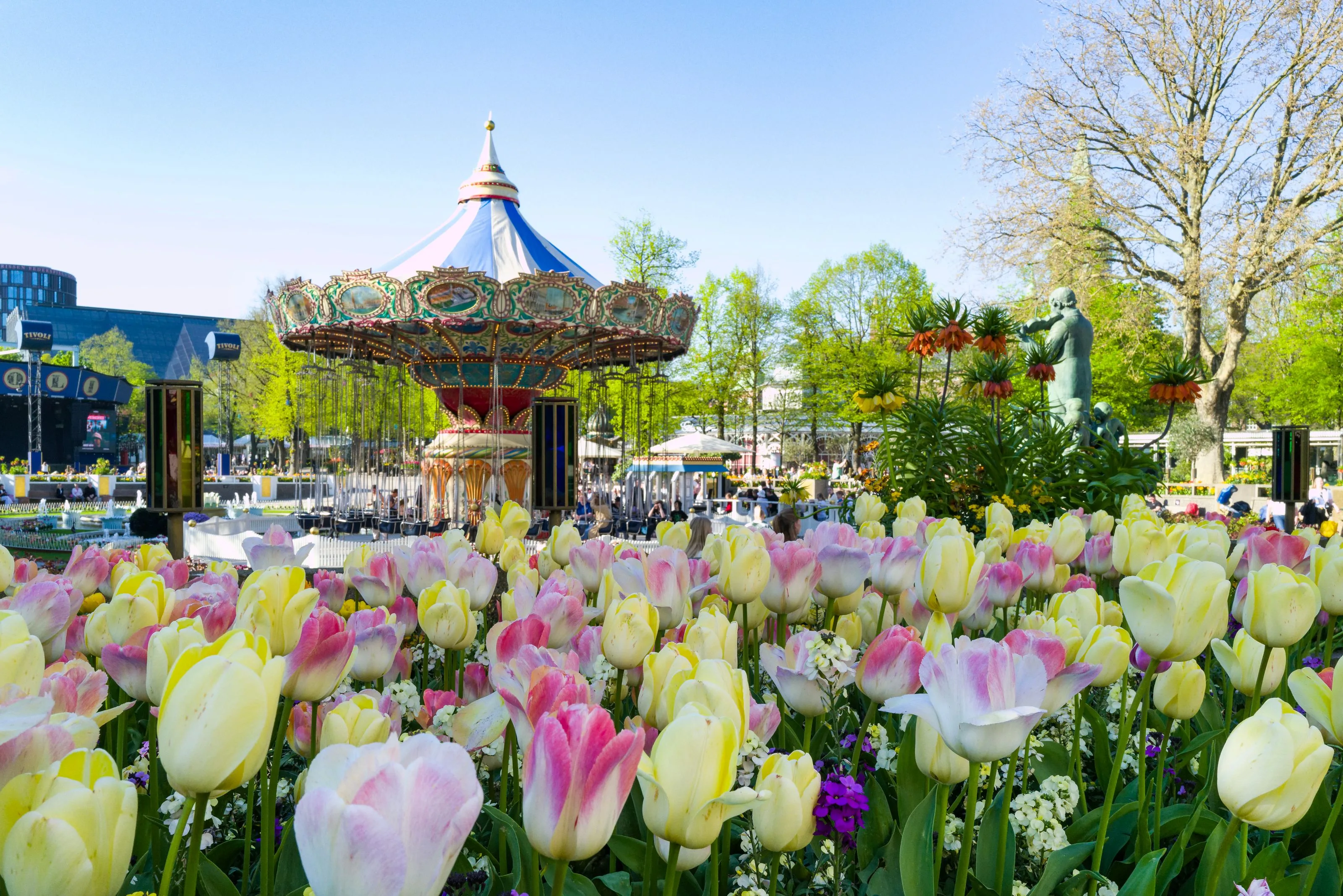
Opened in 1843, this amusement park sits in the heart of the city, among gardens, rides and lights. It opens from April to September, with rides charged separately.
A park from 1843 beside the central station
Between flower beds, rides and pavilions, this is one of the oldest amusement parks in the world, lively in spring with the tulips and in the evening with its lights.
Christiania and the harbor
Christiania is a self-governing community that has existed since 1971. In summer you can also swim in the harbor water, at the Havnebadet baths.
The districts
Indre By is the medieval center, Christianshavn the canal district, Vesterbro and Nørrebro the lively multicultural neighborhoods, and Frederiksstaden the one around Amalienborg.
History
From a Viking fishing settlement to the Øresund Bridge
From Bishop Absalon to fires and the Øresund Bridge
Copenhagen began as a Viking fishing settlement, and Bishop Absalon built a fortress here in 1167. It became a royal residence and then the capital in the 15th century. The University of Copenhagen was founded in 1479. A plague killed some 22,000 people in 1711, and a fire destroyed over a quarter of the city in 1728. After British naval attacks in the early 19th century and German occupation from 1940 to 1945, the city opened the Øresund Bridge to Malmö in 2000 and its Metro in 2002.
Landmarks
Nyhavn, Amalienborg, Rosenborg and the Little Mermaid
Nyhavn
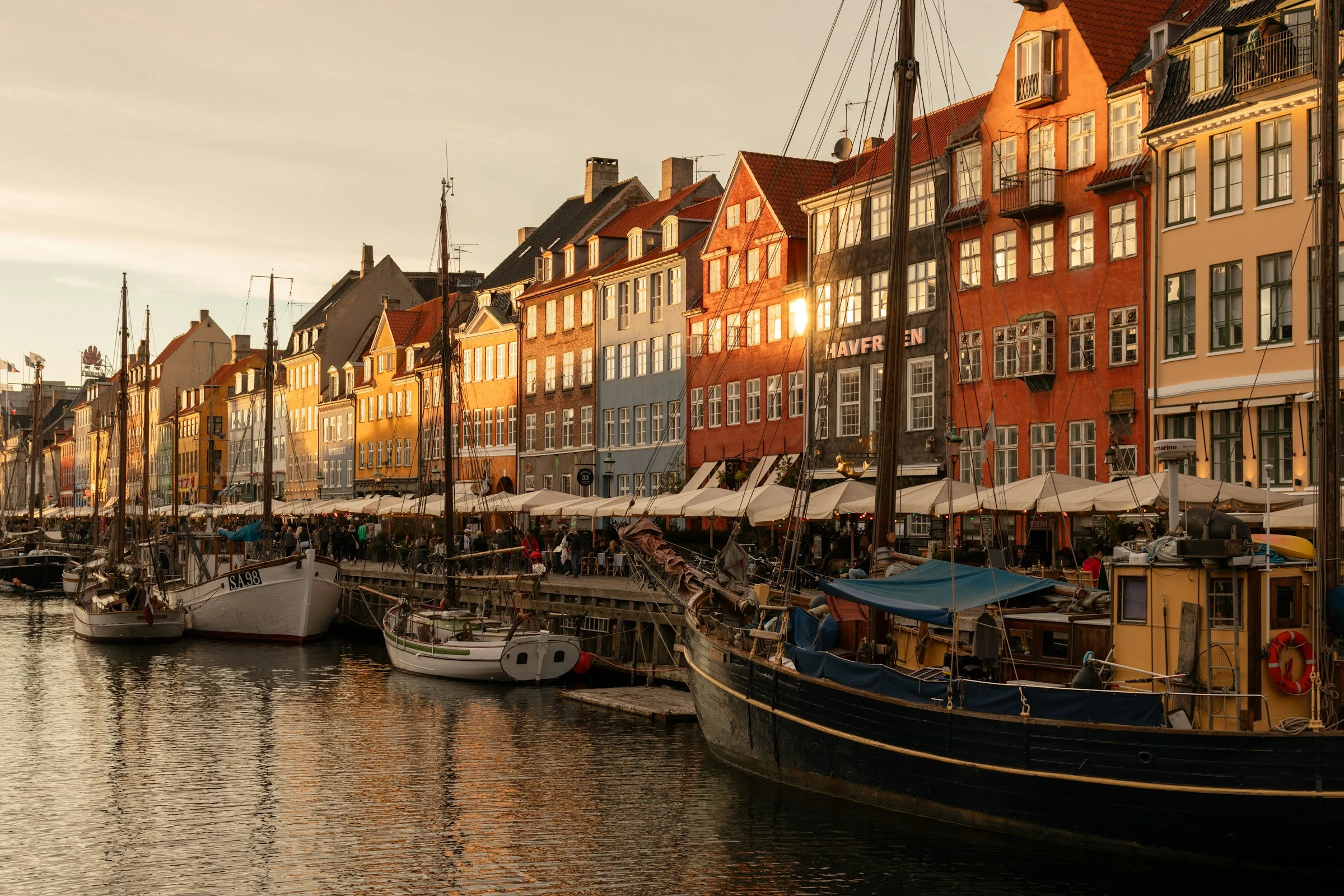
The old harbor with its 17th-century colored houses and waterside terraces is the city's postcard view.
Palaces and castles
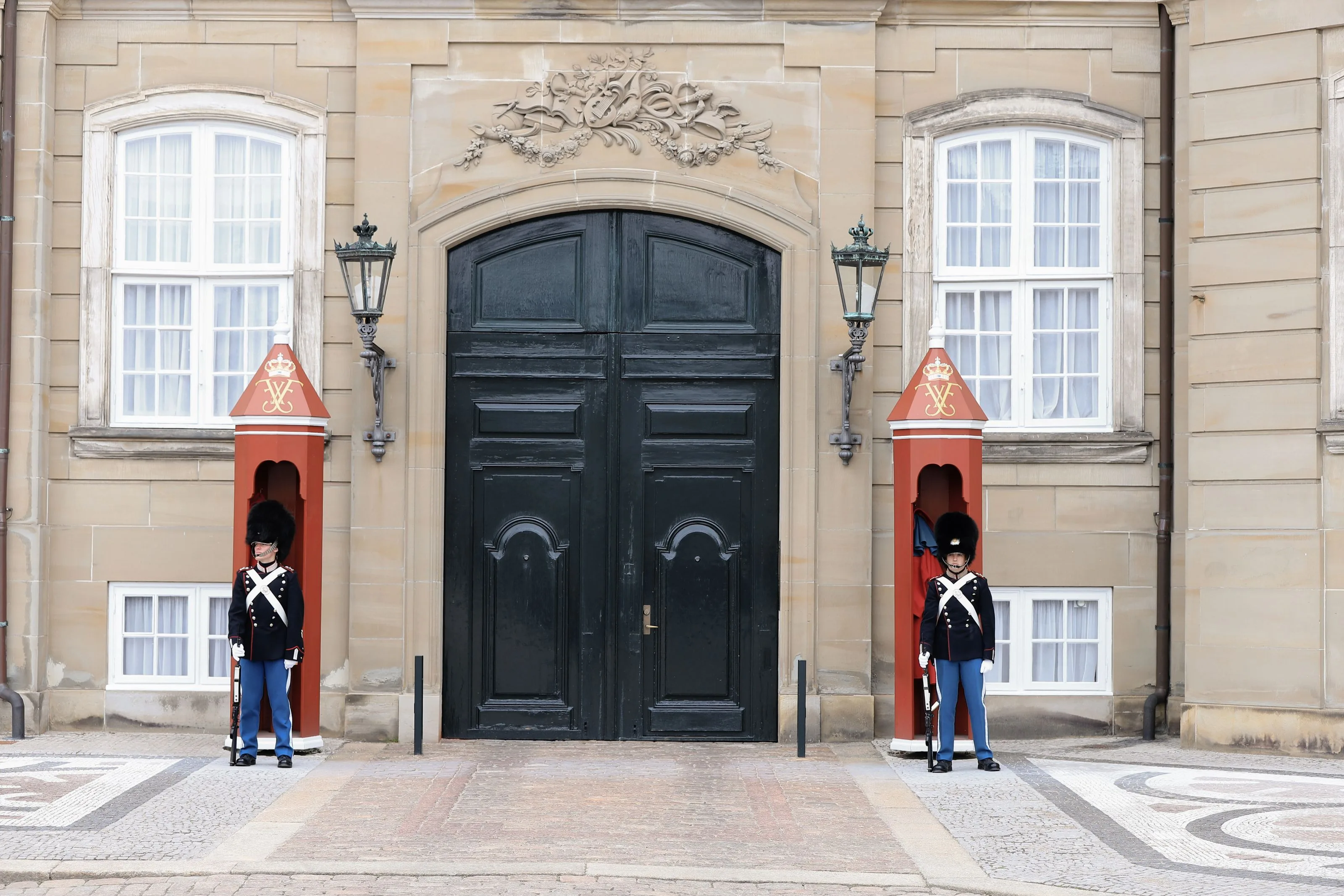
Amalienborg Palace holds a guard change at noon every day, Rosenborg Castle, built between 1607 and 1617, houses the crown jewels, and Christiansborg Palace is the seat of parliament, with a 90-meter tower.
The changing of the guard
Guards in full dress uniform stand in front of their sentry boxes at the palace; the changing of the guard takes place every day at noon.
Towers and monuments
The Little Mermaid, unveiled in 1913, is a modest 1.25 meters tall and the city's icon, though many visitors are surprised by its size. Among the heights to climb, the Round Tower (built 1637 to 1642) and the tower of Vor Frelsers Kirke, at 93 meters, offer views over the rooftops.
Museums
Art, history and design
The main museums
The National Gallery (Statens Museum for Kunst), Designmuseum Danmark, the National Museum, the Ny Carlsberg Glyptotek and the Thorvaldsens Museum cover art, history and design. Many museums have a free day each week, typically Wednesday.
With children
The Experimentarium science museum and Copenhagen Zoo are good bets for families; check opening hours before you go.
Food and shopping
Smørrebrød, pølser and Strøget
Food
Hot dog stands, bakery pastries and smørrebrød open sandwiches cover everyday eating, while the city also has a leading restaurant scene with several Michelin-starred tables.
Shopping
Strøget and Købmagergade are the main shopping streets, Illums Bolighus is the place for Scandinavian design, and the Magasin du Nord department store is a landmark. Flea markets run on Saturdays from April to October at Nørrebro and Israels Plads.
Day trips
Malmö, Roskilde and Helsingør from Copenhagen
| Destination | Getting there |
|---|---|
| Malmö, Sweden | about 25 to 40 minutes by train over the Øresund Bridge |
| Roskilde | about 25 to 30 minutes by train: cathedral and Viking ship museum |
| Helsingør (Kronborg Castle) | about 45 to 60 minutes by train, north of the city |
| Bakken amusement park | just north of the city, reachable by public transport |
Durations are rough orders of magnitude from the information available; check timetables before you go.
Budget
What cost level to expect in Copenhagen?
Copenhagen is an expensive capital, like the rest of Denmark: dining, drinks and accommodation weigh the most, especially in summer. The currency is the Danish krone, not the euro. You can ease the bill with bakeries, hot dog stands, cycling, the parks and the free days at some museums.
We do not publish a price grid, which would quickly go out of date: the plane ticket is often the easiest item to optimize, and that is where SniperAir's price tracking helps.
Getting around
Metro, train, bus, harbor bus and bicycle
The center is easy to cover on foot and by bike. The automatic metro runs day and night; the S-tog urban trains, buses and harbor buses complete the network, with shared zone-based tickets that can be bought in an app. Rental and shared bikes are available. For longer trips, regional trains serve Roskilde, Helsingør and Malmö. Lines, zones and fares change: check them before you travel.
By length of stay
What to do in Copenhagen depending on your trip length
The essentials
Nyhavn, Amalienborg, Strøget and an evening at Tivoli.
Design and districts
Add Rosenborg, Christianshavn, a design museum and a bike ride through Nørrebro or Vesterbro.
Across the bridge
A day trip to Malmö or Roskilde by train, or a harbor swim in summer.
When to go
When to visit Copenhagen?
Spring
Late May and early June bring longer days and fewer crowds, and spring flowers in the parks.
Summer
July highs are around 21 to 22 degrees C, with up to 18 hours of daylight around 21 June. Early May to late August is the best stretch overall.
Autumn
September is a calmer shoulder season with fewer visitors.
Winter
January highs hover around 3 degrees C, with only one or two hours of sunshine a day. December is the month for Christmas markets.
The climate is temperate oceanic: mild summers, cool and damp winters, with little sun in December and January. A waterproof jacket is useful all year, and swimming in the harbor is mostly a June to August activity.
In pictures
Copenhagen in pictures
You might also like
Similar destinations
FAQ
Frequently asked questions about flights to Copenhagen
What's the best airport for arriving in Copenhagen?
Copenhagen Airport (CPH), on the island of Amager, is the main international gateway, about 8 to 10 km from the center. A train reaches Central Station in about 12 to 15 minutes, and the metro takes roughly 15 to 20 minutes.
What's the best time to visit Copenhagen?
Early May to late August is the best stretch, with long days and the harbor at its liveliest. Late May, early June and September are calmer, and December suits Christmas markets.
How many days do you need in Copenhagen?
Two to three days is typical: the harbor, the royal sites, Tivoli and a couple of districts. Add a day for Malmö or Roskilde.
Is Copenhagen expensive?
Denmark is a pricey country, and Copenhagen is no exception for dining and accommodation. The currency is the Danish krone, not the euro. Many museums have a free day each week, and bakeries, hot dog stands and a bike keep daily costs down.
How do I get around Copenhagen?
On foot and by bike in the center, by metro (day and night), S-tog train, bus and harbor bus. Zone-based tickets exist; check fares before you travel.
What should I eat in Copenhagen?
Smørrebrød (open sandwiches), pølser (hot dogs), Danish pastries, and for food lovers a leading restaurant scene.
Which museums and landmarks should I see in Copenhagen?
Nyhavn, Amalienborg, Rosenborg, the Little Mermaid and the Round Tower, then the Ny Carlsberg Glyptotek, the National Museum and Designmuseum Danmark.
How much does a flight to Copenhagen usually cost?
It mostly depends on your departure city, the season and how far ahead you book. The "deals" section above shows real examples of prices already detected by SniperAir for this destination.
How do I get alerted when a flight to Copenhagen drops below my budget?
Create an alert profile with your departure airport, Copenhagen as the destination and your maximum budget. You'll be notified automatically the moment a matching price is detected.
Ready to head to Copenhagen?
Set your budget and let SniperAir monitor fares for you.
Create my alert