
Cheap flights to Murcia
Set your departure airport and maximum budget: SniperAir tracks prices to Murcia and alerts you the moment a deal matching your criteria appears.
Quick summary
Country
Spain
Continent
Europe
Airport
RMU
Currency
Euro (EUR)
Time zone
UTC+1 (UTC+2 during daylight saving time)
Deals already spotted to Murcia
Real flight examples detected by SniperAir, with their reference price.
Loading examples…
Why track Murcia with SniperAir
The baroque capital of the Levante, set in an orchard plain
Choose your departure
Enter your departure airport and your maximum budget for a flight to Murcia (RMU).
SniperAir keeps watch
Our systems continuously compare new prices with the real price history of the route. SniperAir monitors prices and alerts you: it does not sell or book tickets.
You receive an alert
As soon as a price matches your criteria, you are notified, without having searched for anything yourself.
Murcia is a city in south-eastern Spain and the capital of the Region of Murcia. English Wikipedia gives it 479,405 inhabitants in 2024, the seventh-largest city in the country, while the other sources we read quote slightly lower figures from earlier years, so think of it as a city of roughly 460,000 to 480,000 people. It sits on the Segura river in the middle of the huerta, a low, fertile plain of fruit, vegetables and flowers that earned it the nickname "the orchard of Europe" (Wikipedia DE, FR). Wikivoyage (EN) calls it "the baroque city in the Levante", with Moorish remains such as a stretch of city wall set against many baroque churches, and describes a peaceful, slightly cosmopolitan university town where people rarely hurry. It also records that neighbours from Cartagena call Murcians "green stomachs" because of all those vegetables, a nickname the locals do not like. Visitors come for the cathedral, the sculptures of Francisco Salzillo, the tapas bars and Holy Week processions that Wikipedia (EN) ranks among the most famous in Spain. This guide reflects open sources only; SniperAir watches flight prices to RMU, compares them with the route's real history and alerts you when one drops below your budget.
Airport and getting into town
A new airport between Murcia and Cartagena, roughly 25 km away
Murcia - Region of Murcia International Airport (RMU)
Region of Murcia International Airport (RMU), informally Murcia-Corvera, lies between the villages of Corvera, Los Martinez del Puerto and Valladolises within the municipality of Murcia, right on the A-30 motorway between Murcia and Cartagena (Wikipedia EN, FR, ES). Spanish Wikipedia puts it about 26 km from the old town, while an older Spanish Wikivoyage text says 23 km, so think of around 25 km by road. English Wikipedia states that it opened in January 2019 and notes that the area had been served by a smaller airfield with a military role, which is why several older guides still list San Javier (MJV) near the Mar Menor. Do not rely on those: check the airport written on your own booking. Wikivoyage (EN) says a bus line connects RMU with the city's bus station several times a day; we publish no timetable or fare because both change.
Distance per Wikipedia (ES): about 26 km; Wikivoyage (ES): 23 km. Alicante airport (ALC) is about 70 km away per Wikipedia (ES) and Wikivoyage (ES, DE). No fares or timetables are published, as they change.
For price alerts, RMU is the code to follow. Wikivoyage (EN) adds that Alicante airport (ALC), about an hour away, has a larger choice of domestic and international flights, so a second alert on ALC can make sense. Entry rules, travel advice and flight availability can differ depending on where you start from: check your own government's official guidance and confirm the actual flights before you book.
Landmarks
Cathedral, river bridges, the Casino and Plaza de las Flores
Central Murcia is a walkable old town of squares, pedestrian streets and a river lined with promenades. The five views below are followed by other places mentioned in the sources.
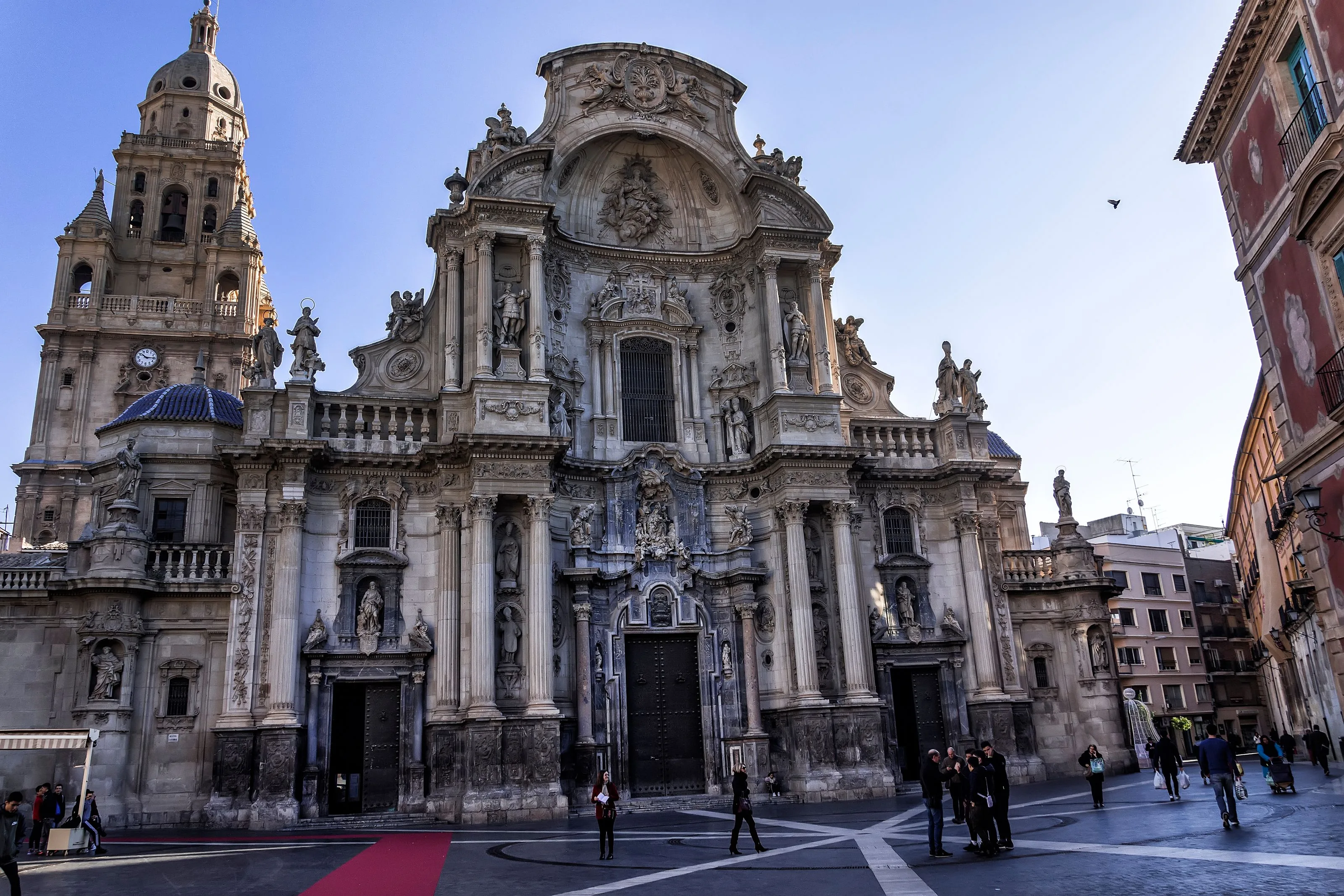
The cathedral's baroque west front
The Cathedral of Santa Maria stands on Plaza Cardinal Belluga. It was built between 1394 and 1465 in Castilian Gothic style, yet its main facade (1736-1754) is regarded as a masterpiece of Spanish Baroque, a kind of open-air altarpiece in stone (Wikipedia EN, ES, DE). The bell tower, finished in 1792, stacks Renaissance, Baroque, Rococo and neoclassical layers. The same square holds the colourful 18th-century Bishop's Palace and a controversial town hall extension by Rafael Moneo (Wikipedia EN, FR). We list no opening hours or ticket prices; check with the cathedral.
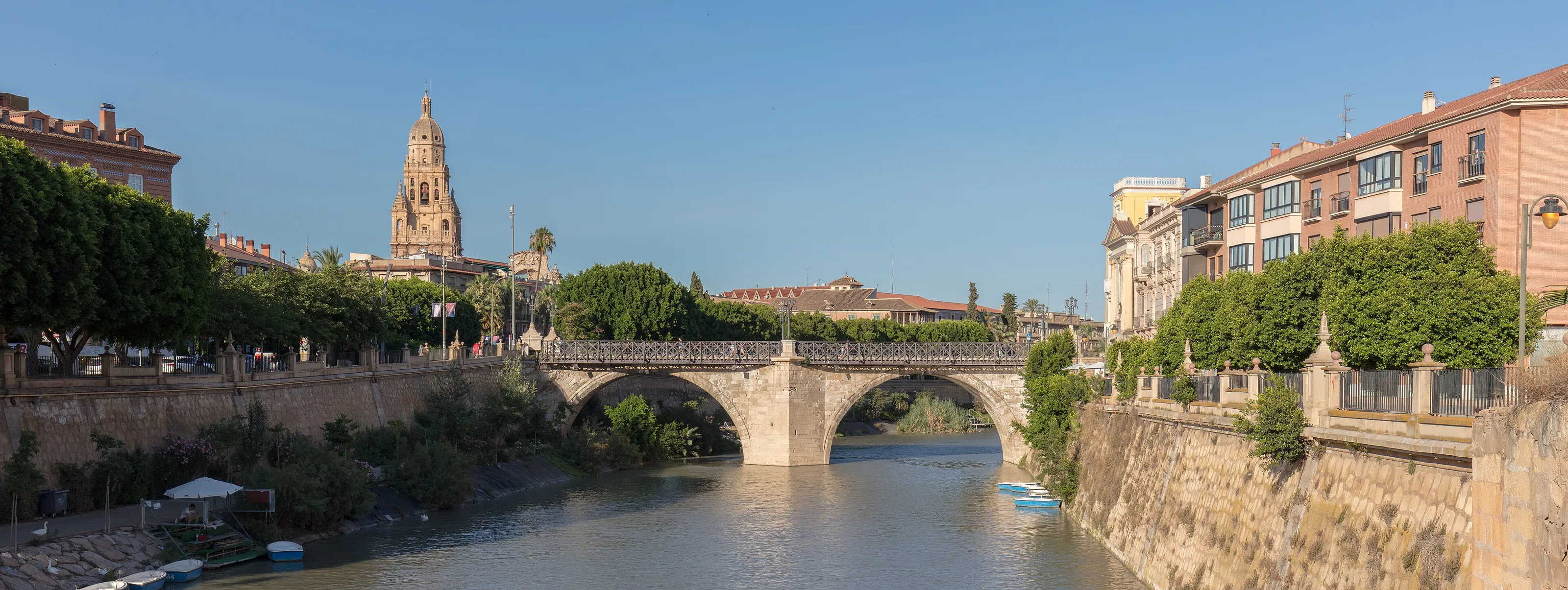
The Bridge of Dangers over the Segura
Several bridges of very different eras cross the Segura. The oldest, the Puente de los Peligros or Old Bridge, dates from the 18th century and takes its name from a small neoclassical chapel to the Virgin of Dangers (Wikipedia FR). In the photo the cathedral tower rises behind its arches. The river is usually low but has flooded the city in 1946, 1948, 1973 and 1989 (Wikipedia EN, FR), which explains the high embankment walls.
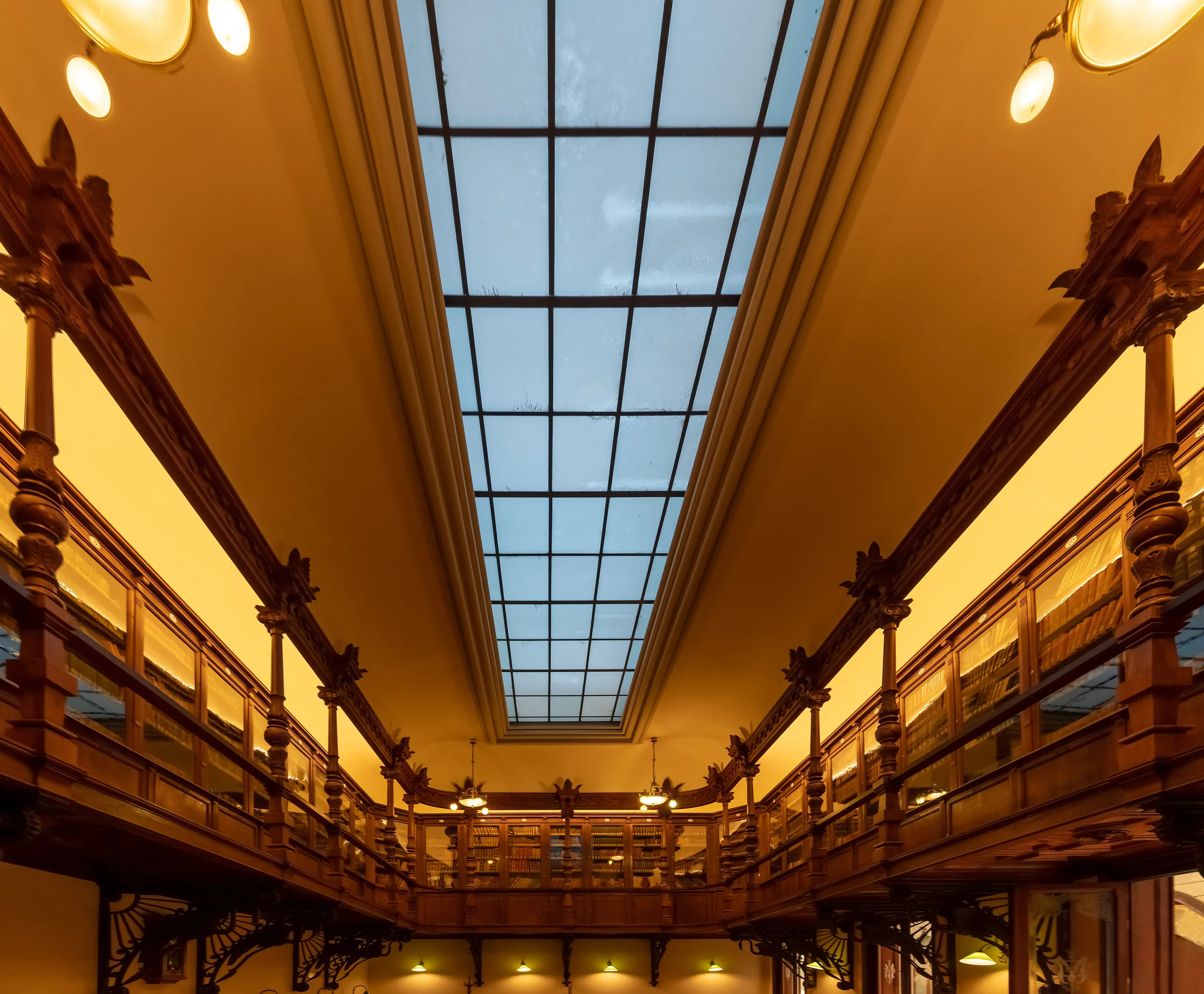
A library worthy of a gentlemen's club
The Real Casino, a social club founded in 1847, hides a lavish interior behind an eclectic facade on Calle Trapería: a Moorish-style patio modelled on the Alhambra, a Pompeian patio and an English-style library (Wikipedia FR, ES, DE). Visiting conditions vary, so confirm them before you go.
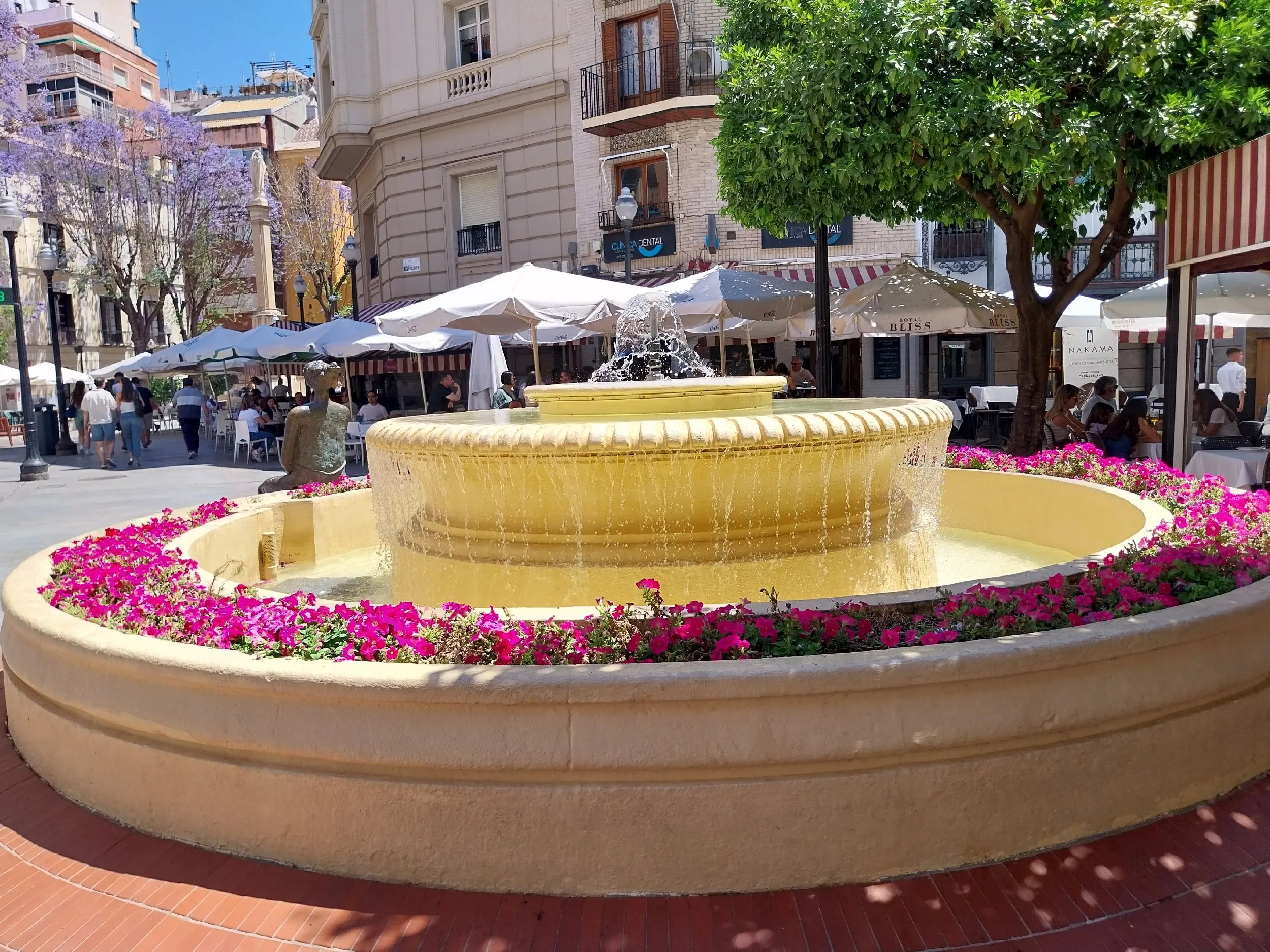
Plaza de las Flores at aperitif time
Wikivoyage (EN) describes Plaza de las Flores as the most traditional spot in town for an aperitivo, the small snacks and drinks before lunch, and Spanish Wikipedia lists it first among the tapas areas. Terraces circle a fountain; it is a relaxed place to sit after the cathedral.
The Segura after dark
French Wikipedia lists contemporary footbridges over the river by Santiago Calatrava and Javier Manterola alongside the historic bridges, including a 1997 pedestrian bridge with a single mast and stays. The picture shows a bridge of that type lit at night above a small weir; the riverside paths make an easy evening walk.
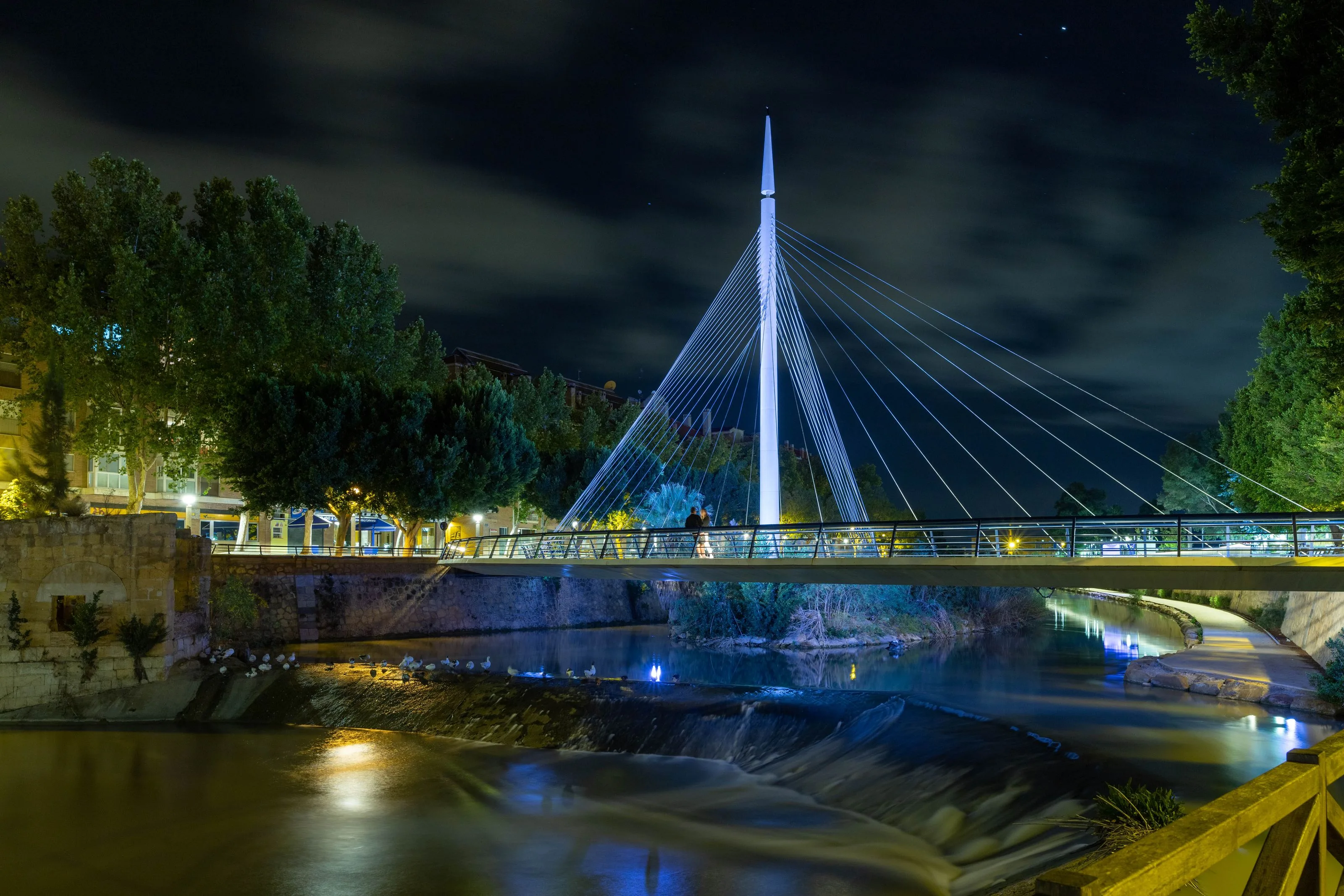
Other sights: the Teatro Romea, opened in 1862 by Queen Isabella II (Wikipedia FR); the 17th-century Almudi palace (Wikipedia FR); the medieval Monteagudo castle on its hill, visible from almost anywhere in town and crowned by a figure of Christ with open arms (Wikipedia FR; Wikivoyage EN); the Fuensanta sanctuary in the hills behind the city, a recommended sunset viewpoint (Wikivoyage EN, DE); and the shopping streets Trapería and Platería near the cathedral (Wikipedia ES; Wikivoyage DE).
Museums and culture
Salzillo, fine arts, archaeology and theatres
The Salzillo Museum
Murcia is closely tied to the sculptor Francisco Salzillo (1707-1783). His life-size polychrome wooden figures leave their museum every year to be carried through the streets in Holy Week processions, among the best known in Spain (Wikipedia EN, ES). Wikivoyage (EN) lists the Salzillo Museum first among the city's museums and singles out its nativity scene of small figures. We give no price or schedule.
Fine arts, archaeology and the Santa Clara monastery
Spanish Wikipedia names the Fine Arts Museum, the Archaeological Museum and the Santa Clara museum, housed in a monastery complex that preserves remains of the Moorish Alcazar Seguir (Wikipedia FR). The former church of San Juan de Dios keeps remains of another Moorish palace, the Alcazar Nasir, in its basement (Wikipedia FR). Wikivoyage (EN) also recommends the small Ramon Gaya museum, which can be seen in about an hour.
Theatre, festivals and processions
Wikipedia (EN, FR, ES) lists the Teatro Romea and a calendar of festivals, notably the Three Cultures International Festival in May, which celebrates the coexistence of Christians, Jews and Muslims in medieval Iberia. Dates vary yearly, so check the programme before booking.
Food and drink
Orchard cooking: zarangollo, michirones and paparajote
Dishes from the huerta
The sources agree that Murcian cooking follows the produce of the huerta. French and German Wikipedia name zarangollo, an egg, courgette and onion scramble often served warm as a tapa; michirones, a broad-bean stew with ham bone; pastel de carne, a puff pastry pie with veal, ham and spices of Arab origin; and pisto, a vegetable stew. German Wikipedia adds morcilla blood sausage spiced with cinnamon and pine nuts, and migas.
A dessert that is partly leaf
Paparajote is a lemon leaf coated in batter and fried; you eat the coating and leave the leaf (Wikipedia FR, DE). Lemons and citrus are part of the landscape here.
Tapas, markets and snacks
Wikivoyage (EN) mentions the marinera, a traditional bar snack made of a flour-based base topped with potato salad and an anchovy. Tapas areas cluster around Plaza de las Flores, Plaza Cardinal Belluga, Plaza San Juan and the Merced campus (Wikipedia FR, ES), and Spanish Wikivoyage points to the Mercado de Correos. We name no restaurants.
Getting around
On foot, by tram and by train
A compact centre
French Wikipedia says most of the old town is pedestrianised, and Wikivoyage (EN) mentions many safe pedestrian streets and large green areas. The cathedral, river, Plaza de las Flores and shopping streets lie close together.
Tram and buses
Murcia has one metropolitan tram line, opened in May 2011, linking the centre with the university campuses and the shopping areas to the north (Wikipedia ES, FR; Wikivoyage ES). Urban and intercity buses cover the districts. We publish no fares.
Rail and road
Murcia del Carmen station is about 1 km south of the centre (Wikivoyage EN). Wikivoyage (EN) quotes high-speed trains from Madrid in about 3 hours 30, and German Wikipedia says the city has been on the high-speed network since late 2022; check timetables with the operator. By road, Alicante is about 80 km away, Cartagena 50 km and Madrid roughly 400 km (Wikipedia FR; Wikivoyage EN).
Budget and precautions
Budget, health and general precautions
Price level
English Wikipedia notes that tourism in the region grew as a cheaper alternative to the Costa del Sol. The open sources we read do not allow us to publish reliable, cross-checked price ranges for the city, so we give no amounts. The currency is the euro.
Flights, entry rules and insurance
SniperAir monitors prices to RMU and compares them with the route's history, but it does not sell or book tickets. Entry rules, travel advice and health cover depend on where you travel from and may change, so check your government's official guidance before booking.
Heat and on-site checks
Summers are very hot (see the climate section): plan water, sun protection and visits early or late in the day. Opening days of museums and monuments change, so confirm them with the operators.
When to go
A hot semi-arid climate with very hot summers and mild winters
Winter
January averages a high of about 17 C and a low of about 5 C (Wikipedia EN, ES). Night frost happens in most winters, but snow is very rare (Wikipedia EN).
Spring
Spanish Wikivoyage recommends spring, with temperatures around 25 C and the major festivals: Holy Week, then the Spring Fest the week after Easter, with the Bando de la Huerta on Tuesday and the Burial of the Sardine on Saturday (Wikipedia EN, ES, DE).
Summer
Summers are long and very hot: August averages about 34 C by day and 22 C at night, and 40 C or more is usually reached on at least a few days (Wikipedia EN, ES, DE). Wikivoyage (EN) says the city is calmer in summer when people move to the coast.
Autumn
Spanish Wikivoyage notes heavy rain concentrated in August and September, and English Wikipedia mentions occasional torrential downpours. The September fair fills the first half of the month (Wikipedia ES).
Wikipedia (EN, ES, FR) classes the climate as hot semi-arid (BSh) with more than 320 sunny days a year. Record temperatures differ between sources (46.2 C in English Wikipedia, 47.2 C in French, 47.0 C at Alcantarilla in 2021 in Spanish), so we quote none.
By length of stay
What to do in Murcia depending on how long you stay
The essentials
The cathedral and Plaza Cardinal Belluga, the Casino, Trapería and Platería streets, the river bridges, then an aperitif on Plaza de las Flores.
Murcia in depth
The Salzillo Museum and one more museum, the Teatro Romea, the Fuensanta sanctuary or Monteagudo castle for the view, and a look at the huerta.
Beyond the city
Cartagena, the Roman port about 50 km away, the Mar Menor and La Manga coast, walking in the Sierra Espuña, or Caravaca de la Cruz, as suggested by Wikivoyage (EN).
In pictures
Murcia in pictures
You might also like
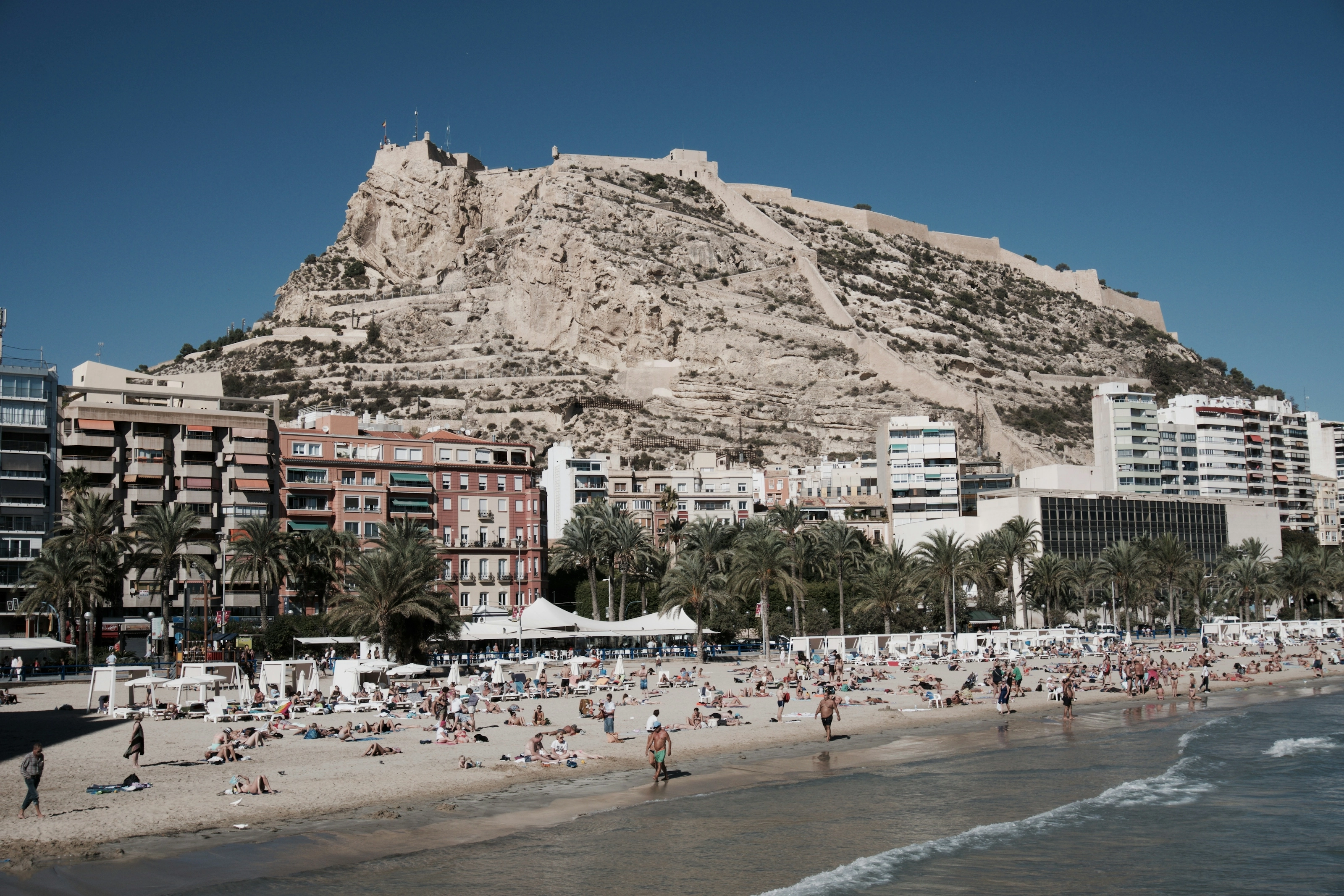
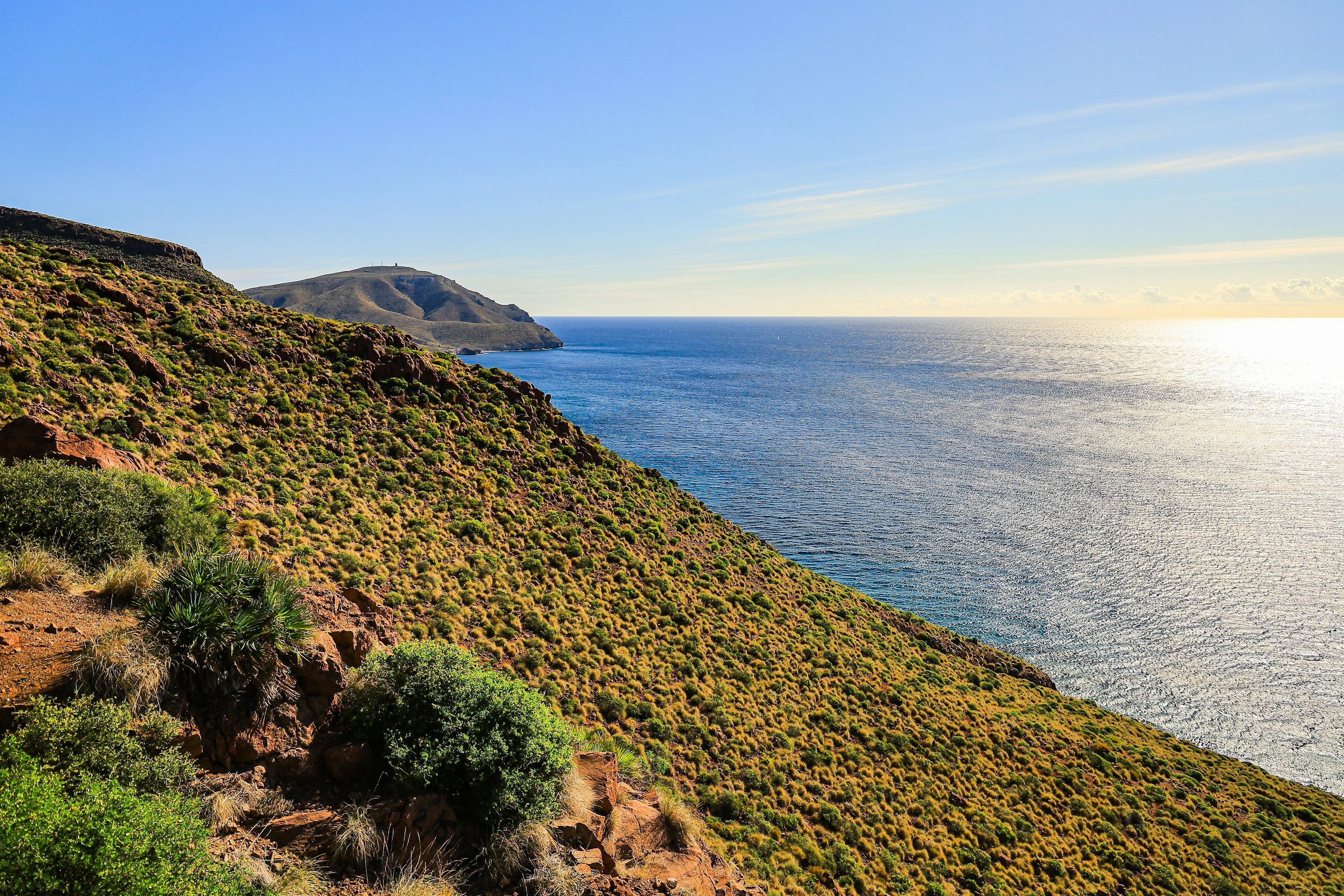
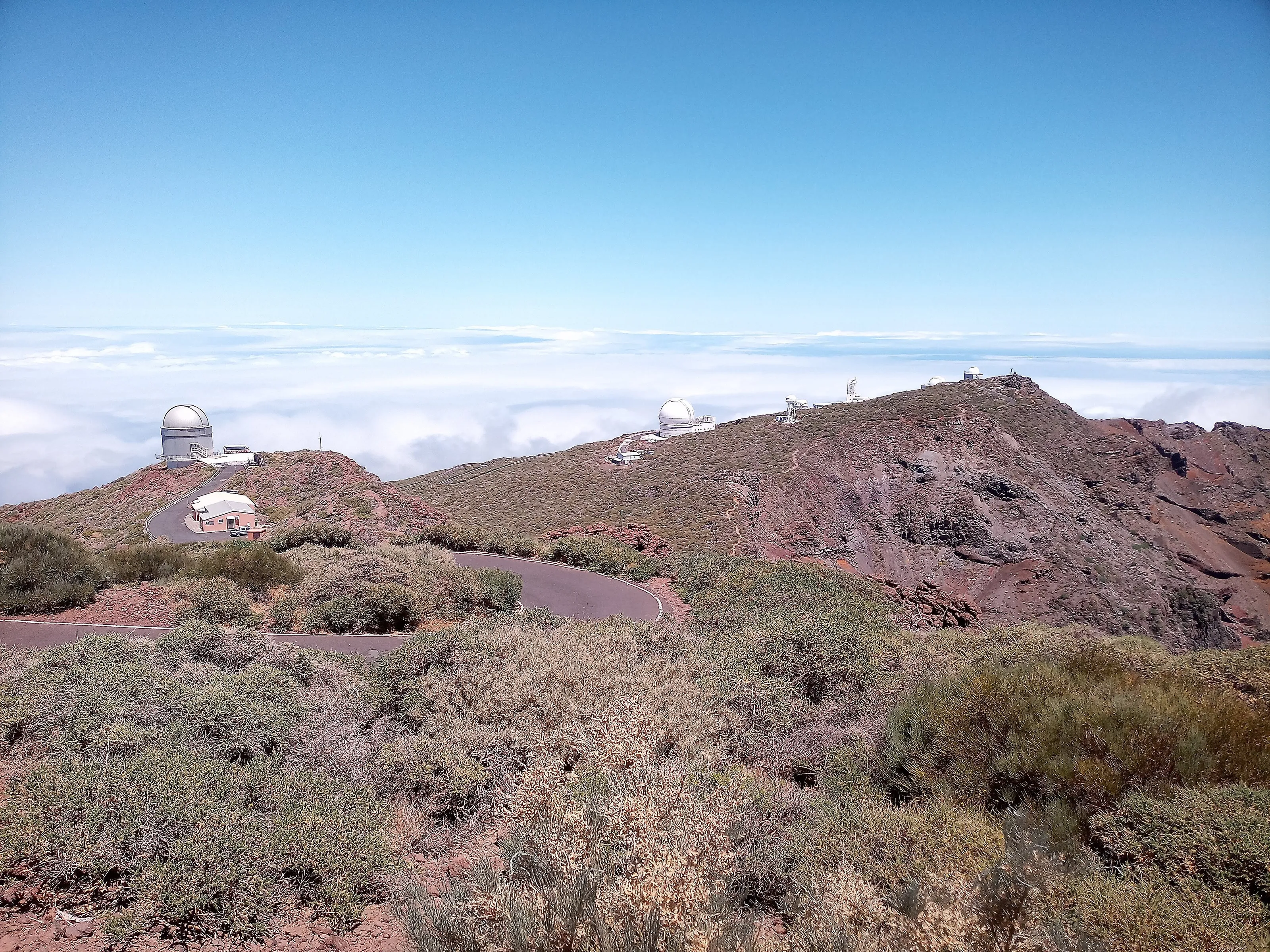
Similar destinations
FAQ
Frequently asked questions about flights to Murcia
How far is RMU airport from Murcia?
Region of Murcia International Airport (RMU) is roughly 23 to 26 km from the centre depending on the source (Wikipedia ES, Wikivoyage ES), via the A-30 motorway. It opened in January 2019 according to Wikipedia (EN, ES, DE). Alicante airport (ALC) is about 70 km away.
What should I see first in Murcia?
The cathedral and its baroque facade, the Bridge of Dangers over the Segura, the Real Casino, the Salzillo Museum and Plaza de las Flores, according to Wikipedia (EN, FR, ES) and Wikivoyage (EN).
What should I eat in Murcia?
Zarangollo, michirones, pastel de carne and pisto, plus the paparajote lemon-leaf dessert (Wikipedia FR, DE). Tapas are best sampled around Plaza de las Flores.
When is the best time to visit Murcia?
Spring, at around 25 C, brings the big festivals (Wikivoyage ES); summer is very hot, with about 34 C in August and spikes above 40 C (Wikipedia EN, ES), while winters are mild.
What entry requirements apply for Spain?
They depend on where you travel from and may change: check your own government's official guidance before booking.
How many days do I need in Murcia?
Two days cover the historic centre, three add the museums and viewpoints, and four or more allow day trips to Cartagena, the Mar Menor or the Sierra Espuna.
How much does a flight to Murcia usually cost?
The price depends mainly on your departure city, the time of year and how far ahead you book. The "opportunities" section above shows real examples of prices SniperAir has already detected to this destination.
How do I get alerted when a flight to Murcia drops below my budget?
Create an alert profile with your departure airport, Murcia (RMU) as the destination and your maximum budget. You are notified automatically as soon as a matching price is detected. SniperAir monitors and alerts, it does not sell or book tickets.
Ready to head to Murcia?
Set your budget and let SniperAir monitor fares for you.
Create my alert