
Cheap flights to Tenerife
Set your departure airport and maximum budget: SniperAir tracks prices to Tenerife and alerts you the moment a deal matching your criteria appears.
Quick summary
Country
Spain
Continent
Europe
Airport
TFS
Currency
Euro (EUR)
Time zone
UTC+0 (UTC+1 during summer time)
Deals already spotted to Tenerife
Real flight examples detected by SniperAir, with their reference price.
Loading examples…
Why track Tenerife with SniperAir
You do not need to compare prices every day
Choose your departure
Enter your departure airport and your maximum budget for a flight to Tenerife (TFS).
SniperAir keeps watch
Our systems continuously compare new prices with the real price history of the route. SniperAir monitors prices and alerts you: it does not sell or book tickets.
You receive an alert
As soon as a price matches your criteria, you are notified, without having searched for anything yourself.
Airports and getting into town
Two airports, south and north, and a capital on the east coast
Tenerife South – Reina Sofia (TFS)
Tenerife South, near Los Cristianos, is by far the busier of the two airports according to Wikivoyage, with flights from the UK, Germany and mainland Spain. It serves the southern resorts directly (Los Cristianos, Playa de las Americas, Costa Adeje) and lies about 60 km from Santa Cruz de Tenerife. Titsa buses run from the airport, though you may have to change routes, and services stop around midnight and restart between 05:00 and 06:00.
Tenerife North – Los Rodeos (TFN)
Tenerife North, by San Cristobal de La Laguna, is the older airport and receives mostly flights from mainland Spain and between the islands, according to Wikivoyage. It is much closer to the capital, Santa Cruz, than TFS. Persistent fog is a known problem there, and Tenerife South was built partly for that reason. It is the better choice if you are heading for Santa Cruz, La Laguna or the green north of the island.
Distances and timetables are approximate, based on Wikivoyage (EN); services change by season, so check before you travel. We do not quote fares.
Tenerife is the largest of the Canary Islands, with 2,034 km2 and more than 950,000 inhabitants according to Wikipedia (DE, ES, FR), and lies 288 km off the coast of Morocco according to Wikipedia (DE). The capital, Santa Cruz de Tenerife, is on the east coast; the historic capital, San Cristobal de La Laguna, is a UNESCO World Heritage Site according to Wikivoyage.
An island of two faces
The south, formed by the foothills of the Teide, is semi-desert according to Wikipedia (FR); Wikivoyage describes consistent summer weather and little wind there, with the big beach resorts. The north is greener and more humid, swept by the trade winds, and Puerto de la Cruz tends to appeal to families and older visitors, according to the same source. Your airport depends on where you are going: TFS for the south, TFN for Santa Cruz, La Laguna and the north.
Landmarks and nature
A 3,715 m volcano, laurel forests and an auditorium on the ocean
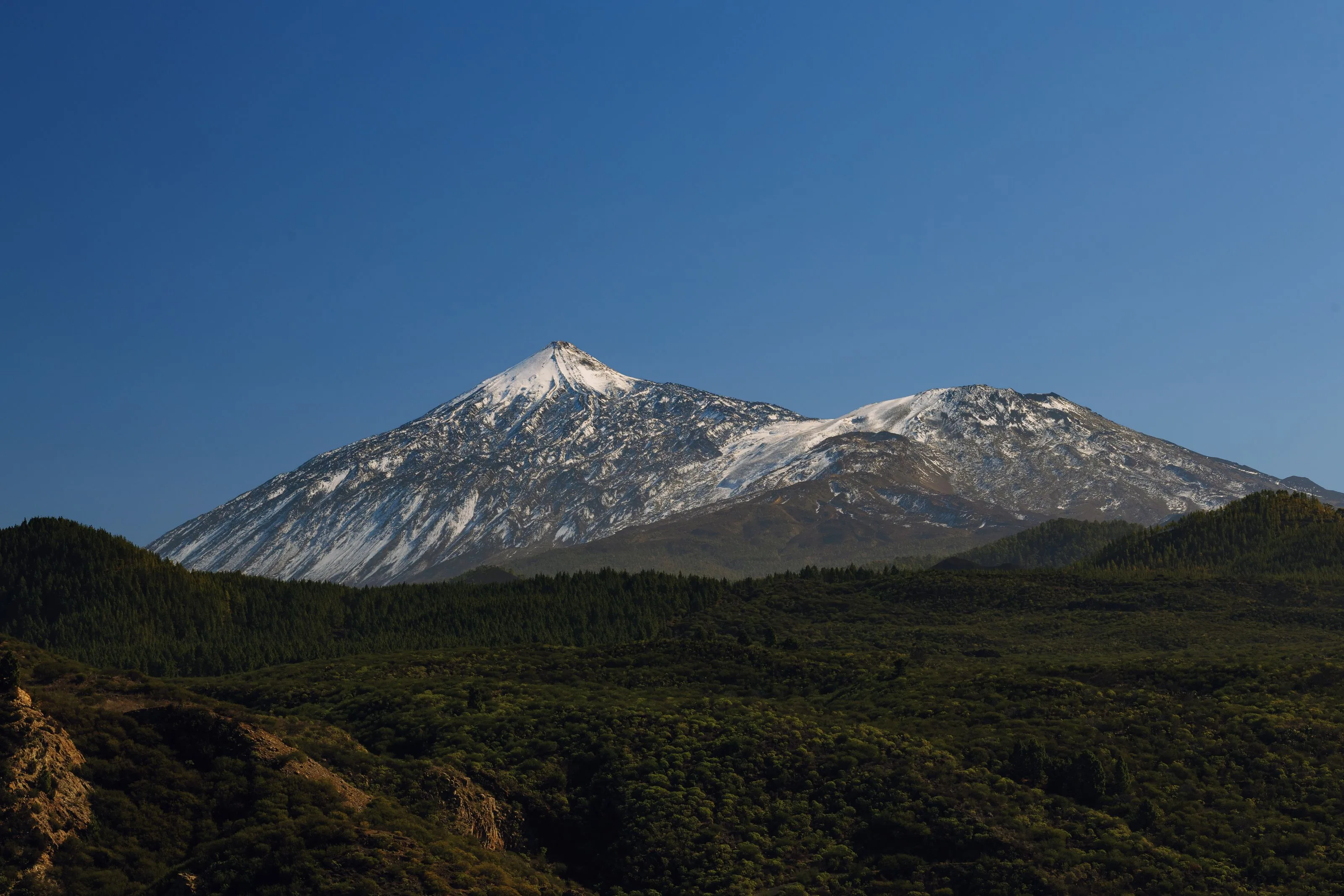
The Teide, at 3,715 m, is the highest point in Spain and dominates the centre of the island, reachable by cable car according to Wikipedia (FR). The national park around it is a World Heritage Site and receives about 3 million visitors a year, according to Wikivoyage. The places below are illustrated.
The Teide
The Teide is the highest mountain in Spain at 3,715 m, according to Wikipedia (DE, FR). The Teide Observatory sits at the foot of the volcano, and Wikivoyage calls the area one of the best places on the planet to observe the sky. Documented eruptions range from 1492, seen by Christopher Columbus, to 1909, which created the Chinyero cone, according to Wikipedia (DE).
Rocks and the Las Canadas caldera
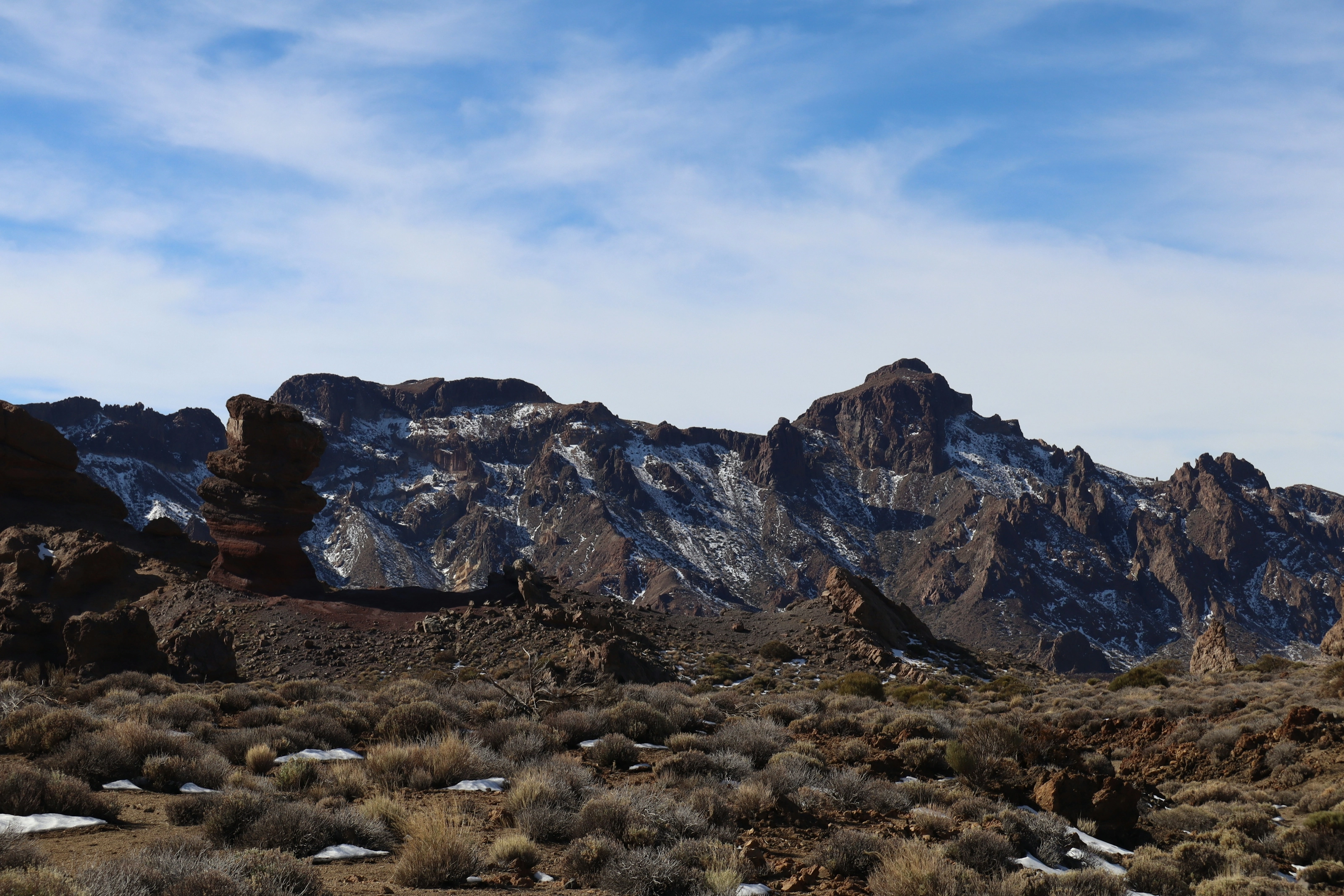
The centre of the island is occupied by the Las Canadas caldera, about 17 km across according to Wikipedia (DE); the landscape mixes red rocks, lava flows and winter snow. Wikivoyage says the park is about 90 minutes from La Orotava or Vilaflor, and that the cable car or a hike gives views of the neighbouring islands when it is clear.
A semi-desert volcanic plain
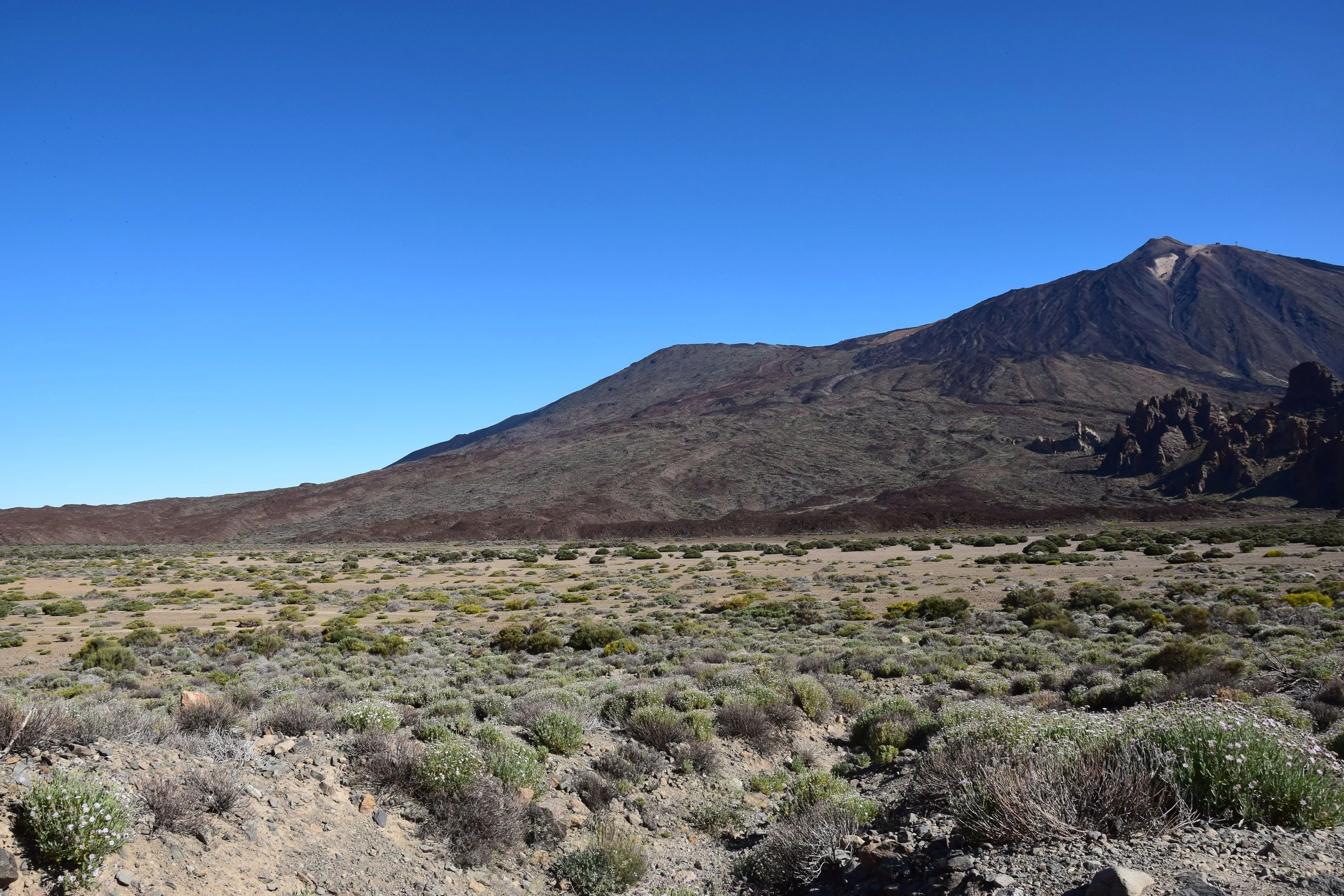
Around the Teide the vegetation is sparse and adapted to wind and drought. Wikipedia (ES) notes that the many microclimates create very varied natural habitats, with about 1,400 species of higher plants including Canary endemics.
The green north and the clouds
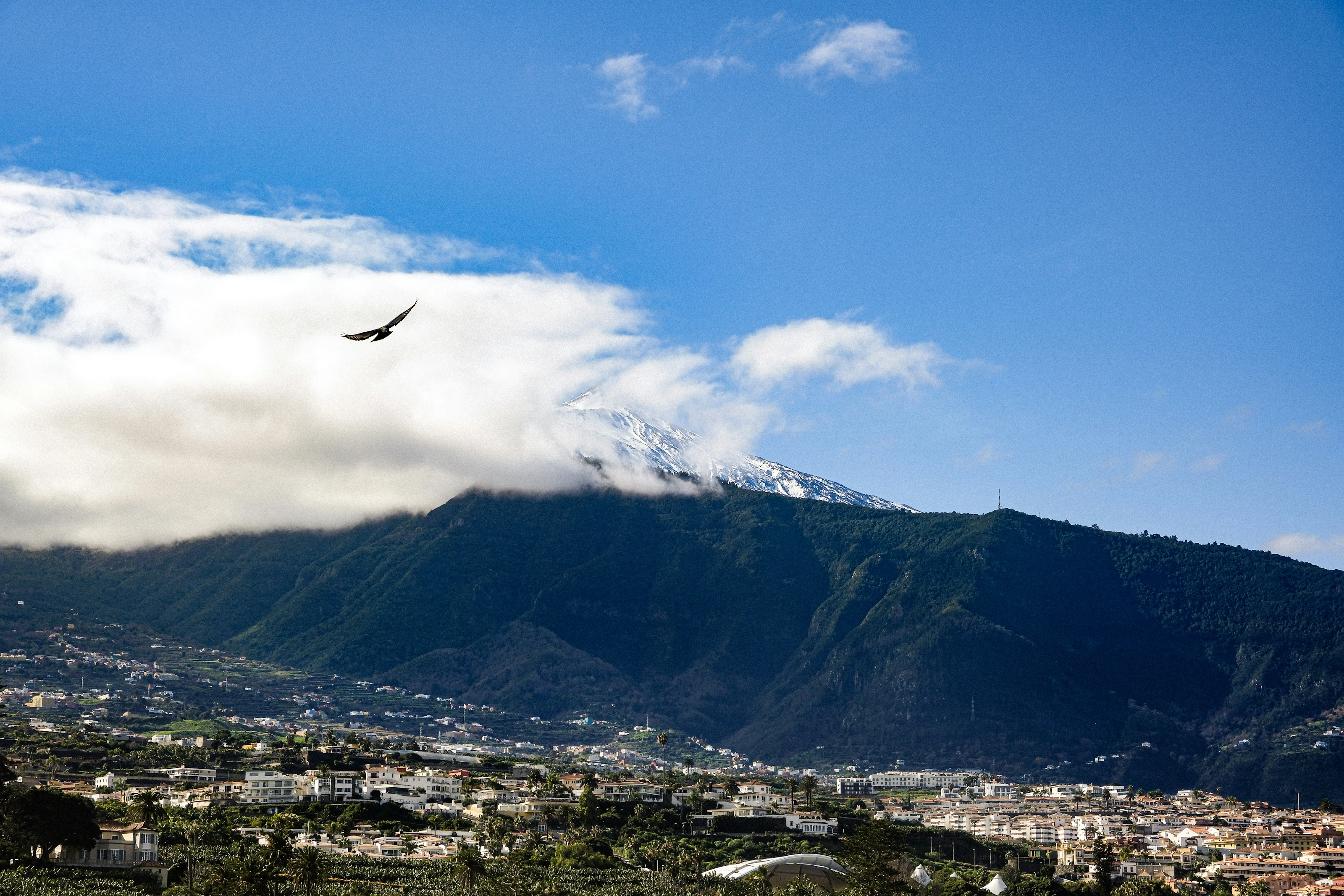
The trade winds bring cloud to the north, which is wetter and greener than the south according to Wikipedia (FR). The Anaga massif in the north-east holds a laurel forest, one of Europe's last remnants of primeval forest, and has been a biosphere reserve since 2015, according to Wikipedia (FR, ES). Wikivoyage also mentions Puerto de la Cruz, a family resort with the Loro Parque zoo.
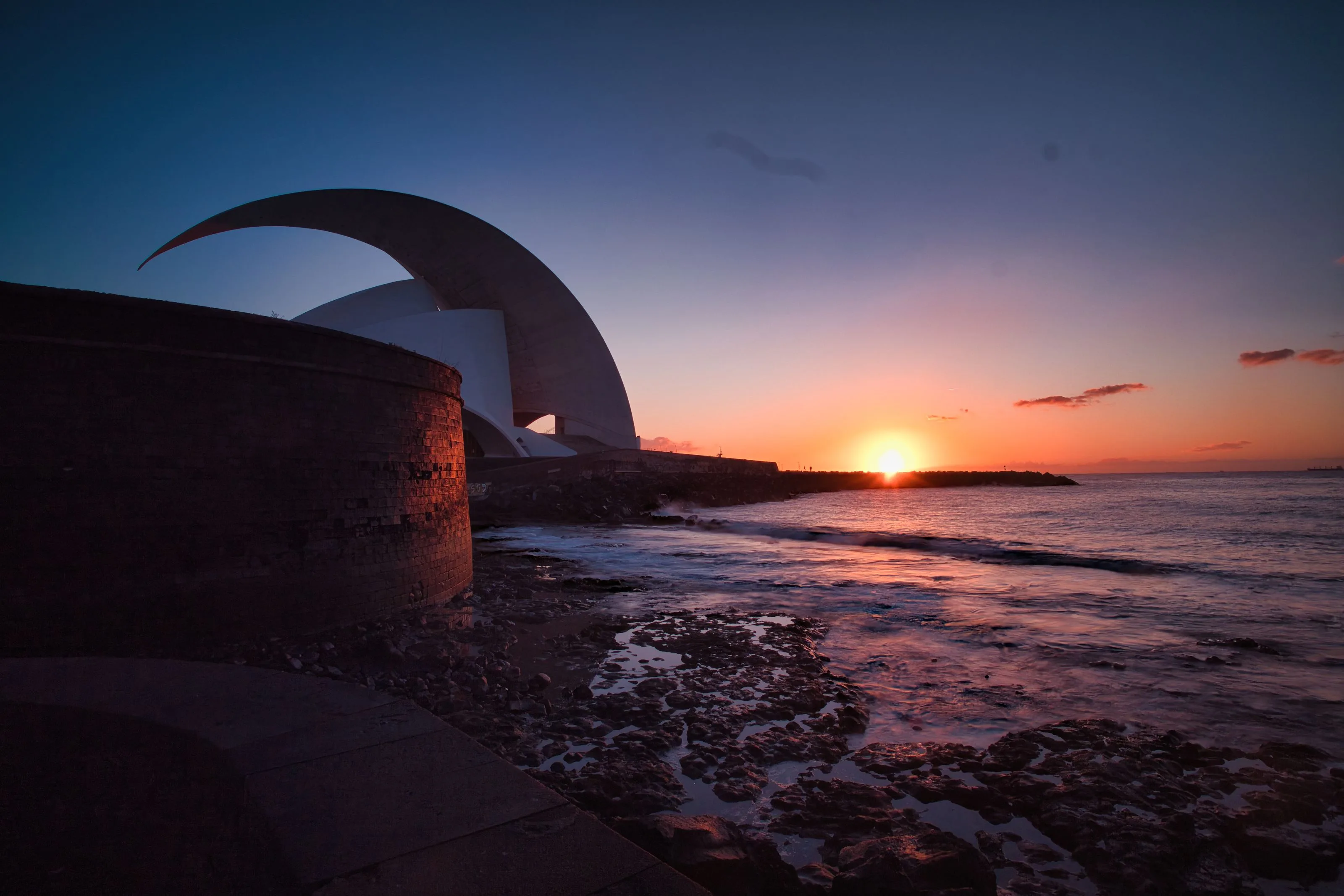
The Auditorio de Tenerife in Santa Cruz
In Santa Cruz, the auditorium designed by Santiago Calatrava, built between 1997 and 2003, is the city's most recognisable and most photographed building according to Wikivoyage; its great white sail stands out against the ocean. Beside it is a stone bastion on the seafront.
Santa Cruz, La Laguna and the coast
Santa Cruz also has the Torres de Santa Cruz (120 m, the tallest twin towers in Spain), the Parque Garcia Sanabria and the Plaza de Espana, according to Wikipedia (FR). Eight kilometres north, Las Teresitas beach is artificial, with sand brought from the Sahara, according to Wikipedia (FR, ES). Further south, Candelaria is known for its basilica and pilgrimage, and El Medano for windsurfing, according to Wikivoyage.
The north-west
Garachico, a former harbour town, was partly destroyed and rebuilt after an 18th-century eruption, and its rock stands on an islet 300 m offshore, according to Wikivoyage and Wikipedia (FR). The Teno massif closes off the west of the island.
Museums and culture
Art, Guanche archaeology and contemporary architecture
Santa Cruz museums
The municipal fine arts museum shows the Nava y Grimon triptych, and the Museum of Nature and Man presents objects from the Guanche period, according to Wikipedia (FR). TEA, Tenerife Espacio de las Artes, is a cultural centre with a library open 24 hours a day, according to the same source.
Military history and heritage
The Almeyda fort houses the Canary Islands military history museum, devoted to the battle of 25 July 1797 in which Admiral Nelson lost his right arm, according to Wikipedia (FR). The churches of the Immaculate Conception and San Francisco (1680, Baroque) complete a visit, according to Wikivoyage. We do not quote prices: tickets and opening hours change.
Carnival and festivals
The Santa Cruz carnival, in February or March, is the largest in Spain with more than 200,000 participants according to Wikipedia (FR), and is a Festival of International Tourist Interest according to Wikipedia (ES). Wikipedia (DE) also lists the feast of the Virgin of Candelaria on 2 February and the Noche de San Juan.
Food and drink
Wrinkled potatoes, mojo sauces, fresh fish and northern wines
Typical dishes
Many dishes are built around fish (vieja, sea bream, grouper, sardines), according to Wikipedia (FR). They come with papas arrugadas, potatoes cooked in their skins and heavily salted, and with red and green mojo sauces, the classic accompaniment of Canarian cooking.
Wine and bananas
Wikivoyage mentions the vineyards of El Sauzal and Tegueste and the sugar cane and wine of Taganana. The island was a poor, banana-growing region before tourism arrived. Today restaurants serve plenty of fish and local produce.
Where to eat
The southern resorts offer international and British food; the north and the inland towns have a more local atmosphere, according to Wikivoyage. Santa Cruz has a very local clientele, according to the same source.
Getting around
Hire car, Titsa buses, tram and ferries between the islands
Bus and tram
Titsa buses cover the island, and a rechargeable ten+ card gives discounts, according to Wikivoyage. Line 1 of the tram links Santa Cruz with La Laguna. Bus services pause around midnight.
Hire car
Wikivoyage calls a hire car the best option for remote places. Motorways are toll-free and mostly limited to 120 km/h, but on mountain roads an average speed of 30 km/h or less is realistic, and falling rocks are a recurring hazard.
Ferries between the islands
From Santa Cruz, ferries reach Las Palmas de Gran Canaria in about 3 hours and Agaete, on the west coast of Gran Canaria, in 50 minutes, according to Wikivoyage. There is also a link to Cadiz, taking two days.
Budget and precautions
An island outside the EU VAT area, with pricier groceries
Price level
The island lies outside the EU customs and VAT area: alcohol and tobacco are cheaper, but food and clothing, mostly imported, cost more than on the mainland, according to Wikivoyage. We do not quote figures, because we could not confirm them across two independent sources.
Currency and payment
The currency is the euro. Spain is in the Schengen area, so check the entry rules for your nationality.
Flights and precautions
SniperAir watches prices to TFS and compares them with the route's history, but it does not sell or book tickets. You can also watch TFN, or Las Palmas (LPA) and Fuerteventura (FUE) for comparison. The calima, a hot Saharan wind, can bring dust and heat; in the mountains the weather changes quickly.
When to go
A mild climate all year, a dry south and a wetter north
Winter (December to February)
Rain falls mainly from November to February, as snow on the Teide, according to Wikivoyage; on the coast days stay mild, at 20 to 23 C in Santa Cruz. The thermometer rarely drops below 15 C according to Wikipedia (FR).
Spring (March to May)
The wet season ends, and beach weather starts from May in Santa Cruz, according to Wikivoyage.
Summer (June to September)
Hot: 24 to 30 C by day in Santa Cruz, with the sea at 22 to 24 C, according to Wikivoyage. The trade winds cool the north coast.
Autumn (October and November)
Temperatures stay mild; the first rains return from November, according to Wikivoyage.
The mean annual temperature is about 22 C according to Wikipedia (FR), and the gap between summer and winter is often under 10 degrees according to Wikivoyage. Snow is common above 1,000 m in winter. We do not quote precise monthly averages, because the sources differ.
By length of stay
What to do in Tenerife depending on how long you stay
The essentials
The Teide or the cable car, Santa Cruz with the Auditorio and the seafront, or Las Teresitas beach.
North and south
La Laguna, the Anaga forest, Garachico, then the southern beaches; a hire car makes these trips easier.
The whole island
Walks in the Teide park, the Teno massif, El Medano for the wind, and perhaps a crossing to Gran Canaria.
In pictures
Tenerife in pictures
You might also like
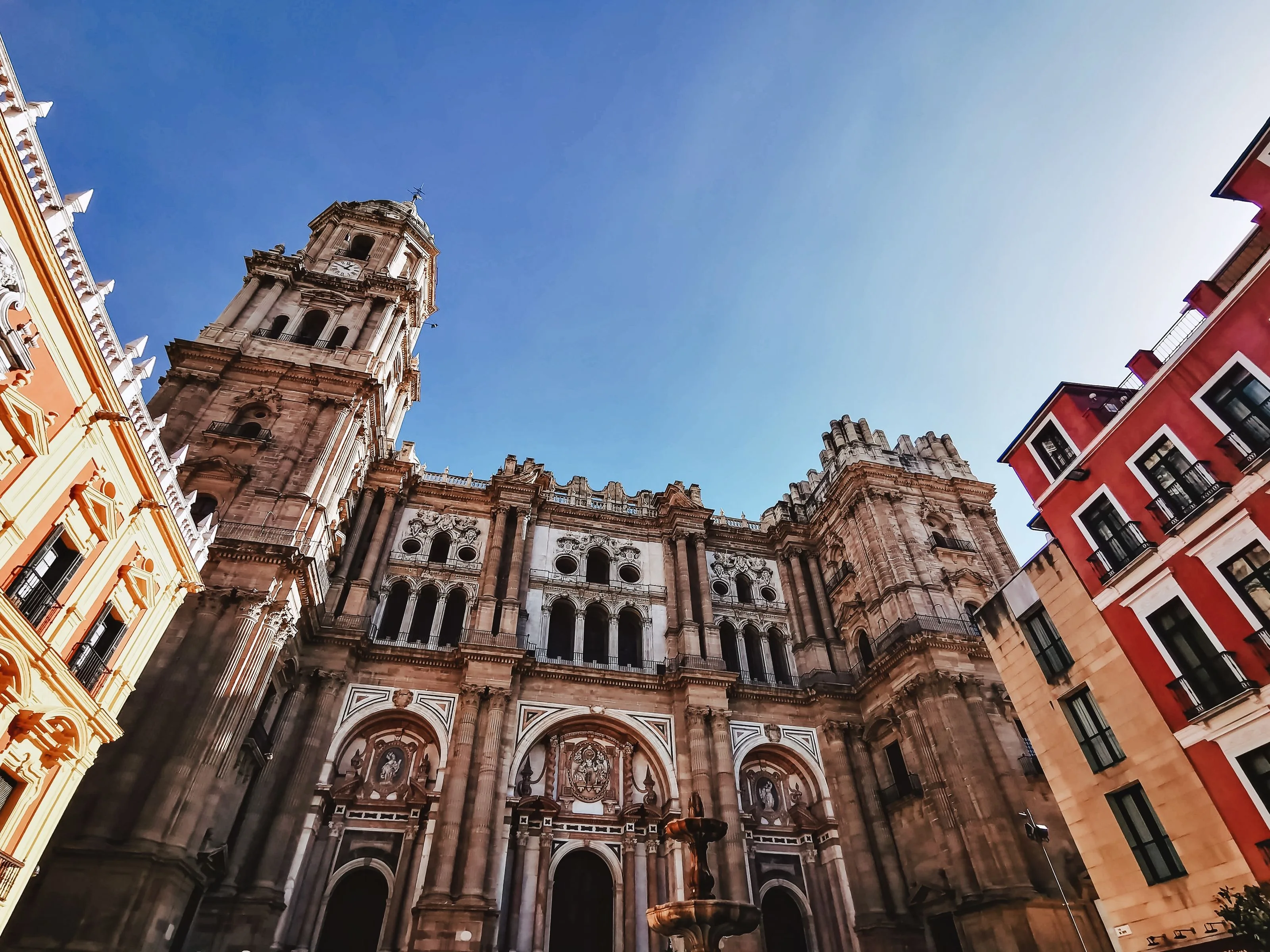
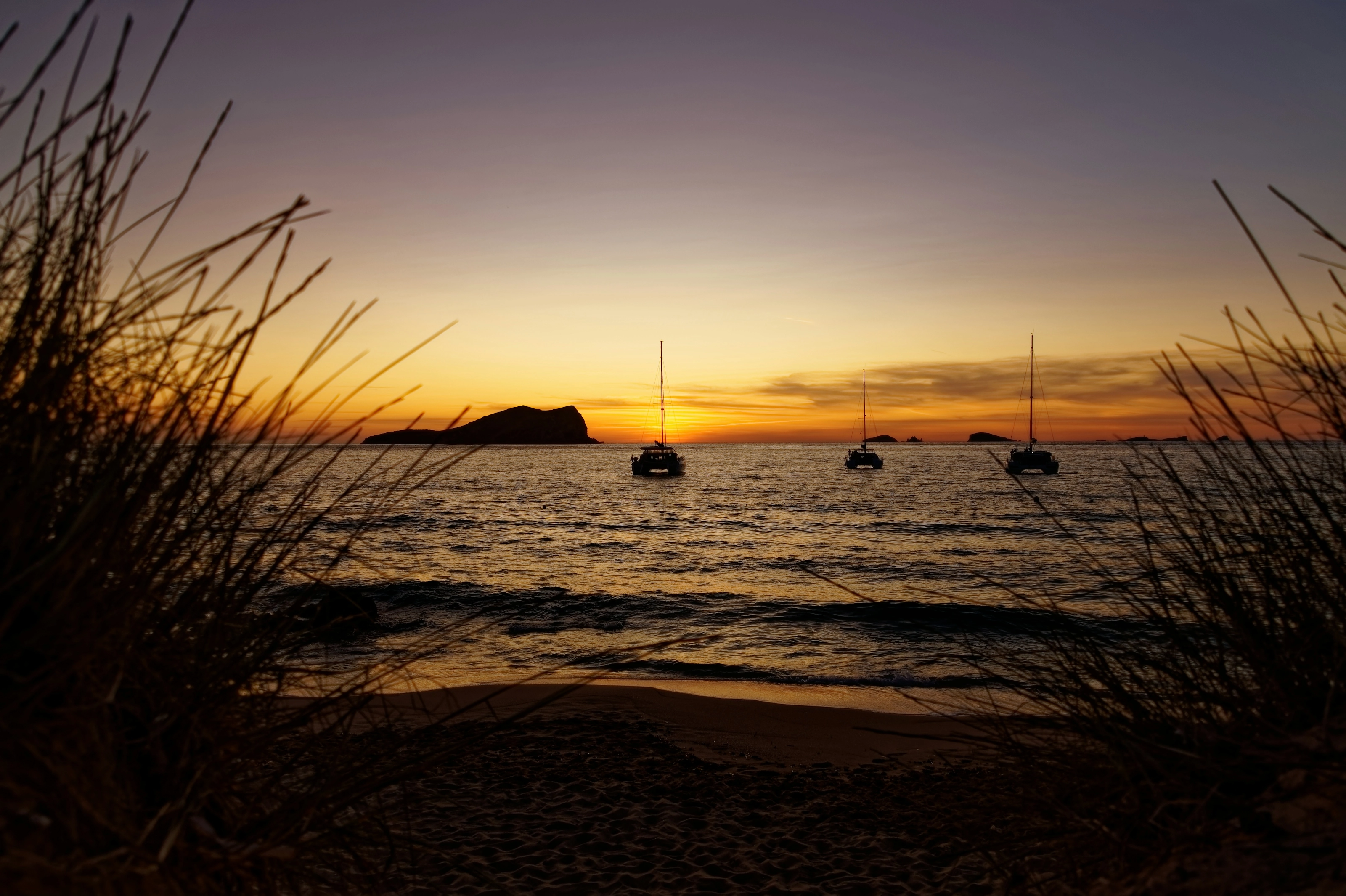
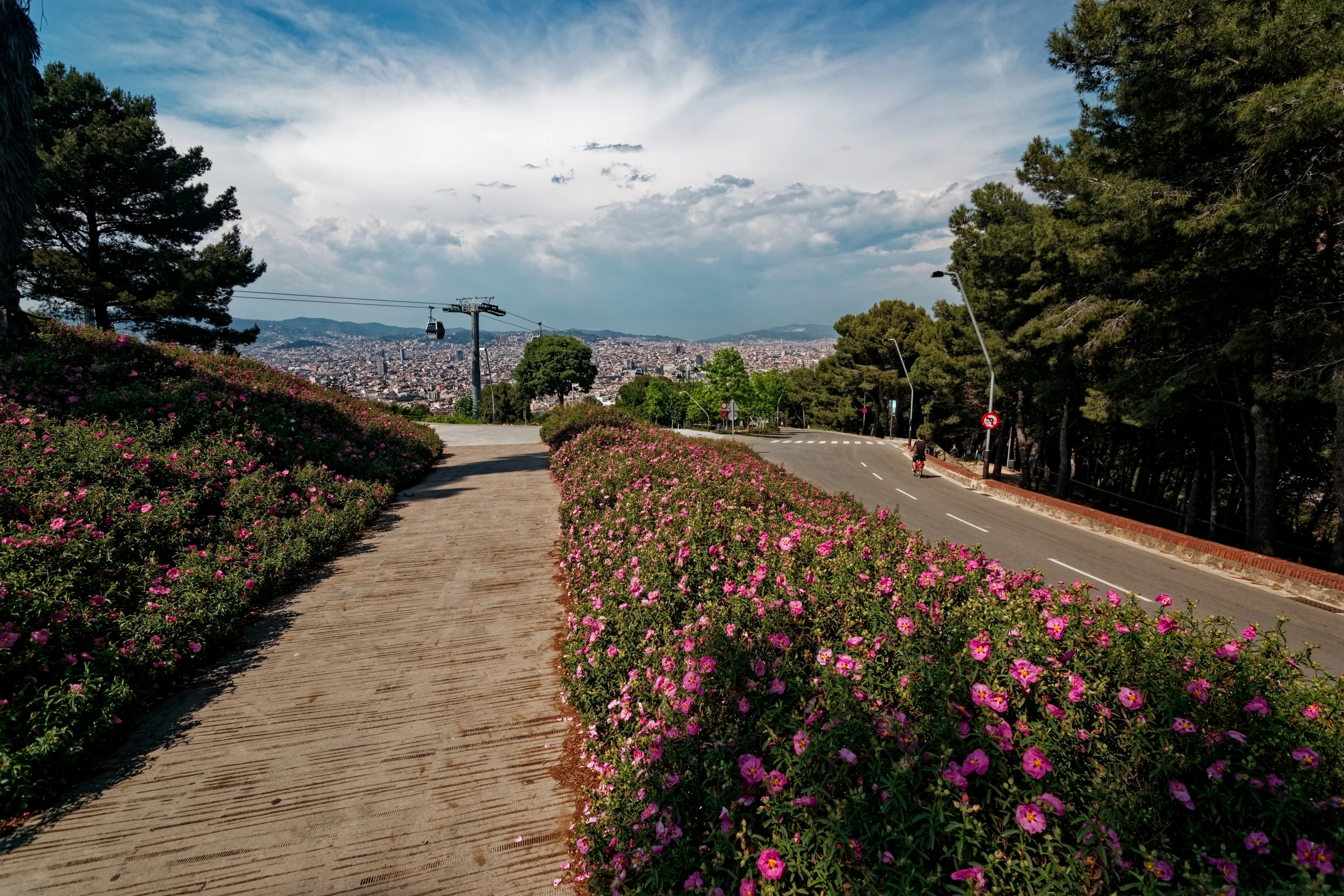
Similar destinations
FAQ
Frequently asked questions about flights to Tenerife
Which airport should I choose in Tenerife, TFS or TFN?
TFS (South) is the busier and suits the southern resorts; TFN (North), by La Laguna, is closer to Santa Cruz and the north but mostly handles flights from mainland Spain, according to Wikivoyage.
How high is the Teide?
3,715 m, the highest point in Spain, according to several sources; some mention 3,718 m, and we use 3,715 m.
When is the best time to visit Tenerife?
The climate is mild all year: May to October for the beach, November to February for cooler temperatures and a higher chance of rain, according to Wikivoyage.
Do I need a hire car in Tenerife?
It is the best option for remote places according to Wikivoyage. Titsa buses and the tram from Santa Cruz to La Laguna are enough for simple trips.
What should I see in Santa Cruz de Tenerife?
Calatrava's Auditorio, the Parque Garcia Sanabria, the Museum of Nature and Man and TEA, plus the carnival in February or March.
Can I travel between islands by boat?
Yes: ferries link Santa Cruz with Las Palmas (about 3 hours) and Agaete (50 minutes), according to Wikivoyage. Timetables change, so check them.
How much does a flight to Tenerife usually cost?
The price depends mainly on your departure city, the time of year and how far ahead you book. The "opportunities" section above shows real examples of prices SniperAir has already detected to this destination.
How do I get alerted when a flight to Tenerife drops below my budget?
Create an alert profile with your departure airport, Tenerife as the destination and your maximum budget. You are notified automatically as soon as a matching price is detected.
Ready to head to Tenerife?
Set your budget and let SniperAir monitor fares for you.
Create my alert