
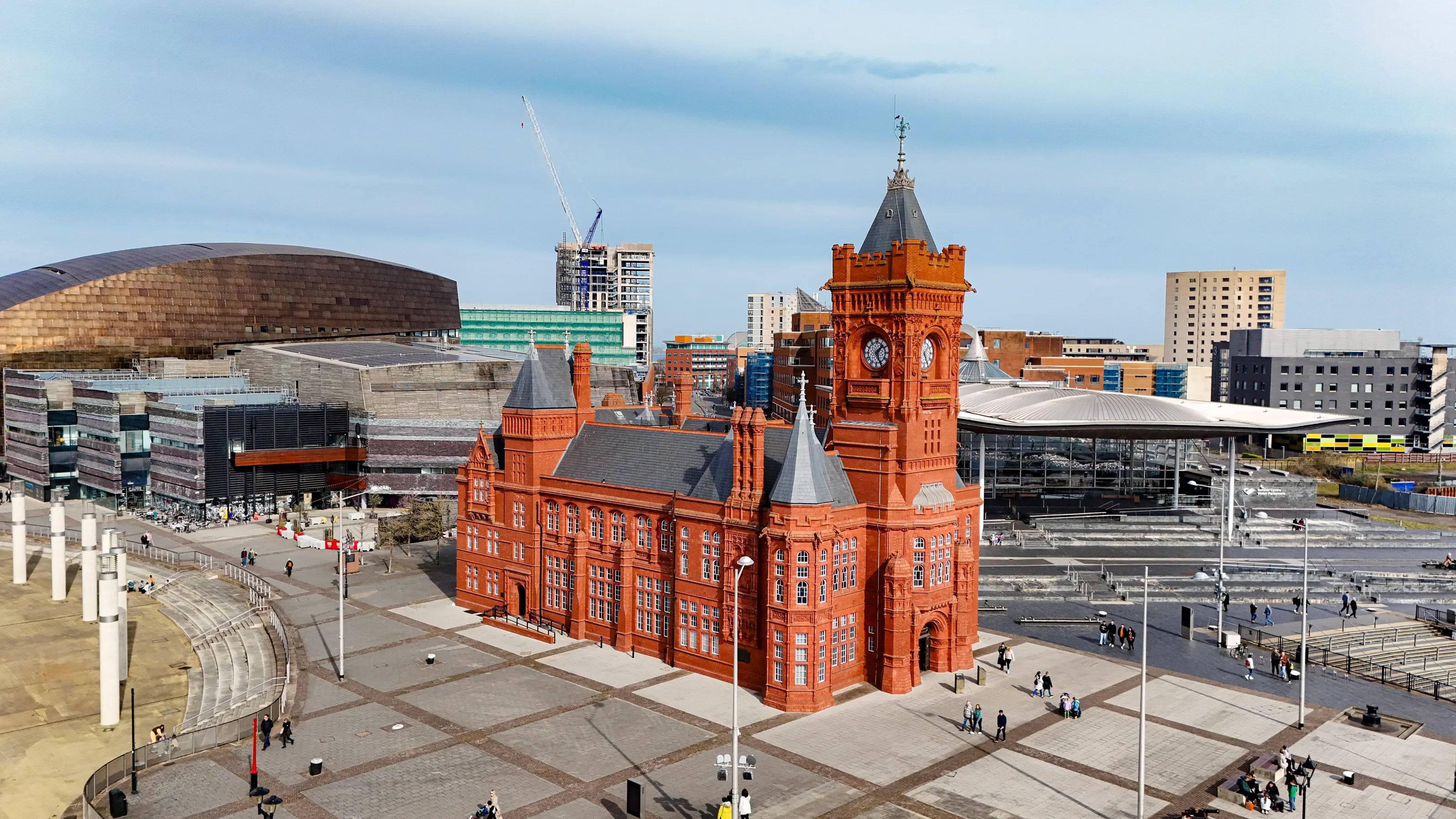
Cheap flights to Cardiff
Set your departure airport and maximum budget: SniperAir tracks prices to Cardiff and alerts you the moment a deal matching your criteria appears.
Quick summary
Country
United Kingdom
Continent
Europe
Airport
CWL
Currency
Pound sterling (GBP)
Time zone
UTC+0 (UTC+1 during summer time)
Deals already spotted to Cardiff
Real flight examples detected by SniperAir, with their reference price.
Loading examples…
Why track Cardiff with SniperAir
You don't need to compare prices every day
Choose your departure
Enter your departure airport and your maximum budget for a flight to Cardiff (CWL).
SniperAir keeps watch
Our systems continuously compare new fares with the real price history of the route. SniperAir tracks prices and alerts you: it does not sell or book tickets.
You get an alert
As soon as a fare matches your criteria, you are notified, without having searched for anything yourself.
Airport and getting into town
An airport west of Barry, linked to the centre by bus and train
Cardiff (CWL)
Cardiff Airport is in the Vale of Glamorgan, west of Barry, roughly 15 km from the city centre. A shuttle bus runs to Rhoose station, from where a train goes to Cardiff Central or Queen Street, and another bus line serves the bay, according to Wikivoyage (EN). A taxi or car is the most direct option. We do not give exact journey times. Most routes link the rest of the UK and European cities; Bristol (BRS), a short distance away, is a bigger airport whose fares are worth comparing, and London Heathrow is connected by the M4 motorway.
Distance is approximate, based on Wikivoyage (EN, DE); bus and train timetables change, so check them before you travel. We give no fares.
Cardiff, Caerdydd in Welsh, is the capital and largest city of Wales, with about 360,000 residents, on the south coast at the mouths of the Taff, Ely and Rhymney. The centre around the castle and the bay are about 1.6 km apart on a flat walk. Around one resident in eight speaks some Welsh and public signs are bilingual, but English is understood everywhere.
Old town and landmarks
Castle, regenerated bay and white stone civic buildings
Cardiff has two poles: the centre around the castle, Bute Park and Cathays Park, and the bay, redeveloped from the old coal docks. Four places are illustrated; the others are described in text only.
Cardiff Castle
Right in the middle of town, the castle stands on a Roman fort; a Norman keep was built here around 1090. In the 19th century it became one of the residences of the Marquess of Bute, who had the apartments decorated in a very rich Gothic Revival style. The grounds and the walls can be visited, and guided tours take you into the state rooms.
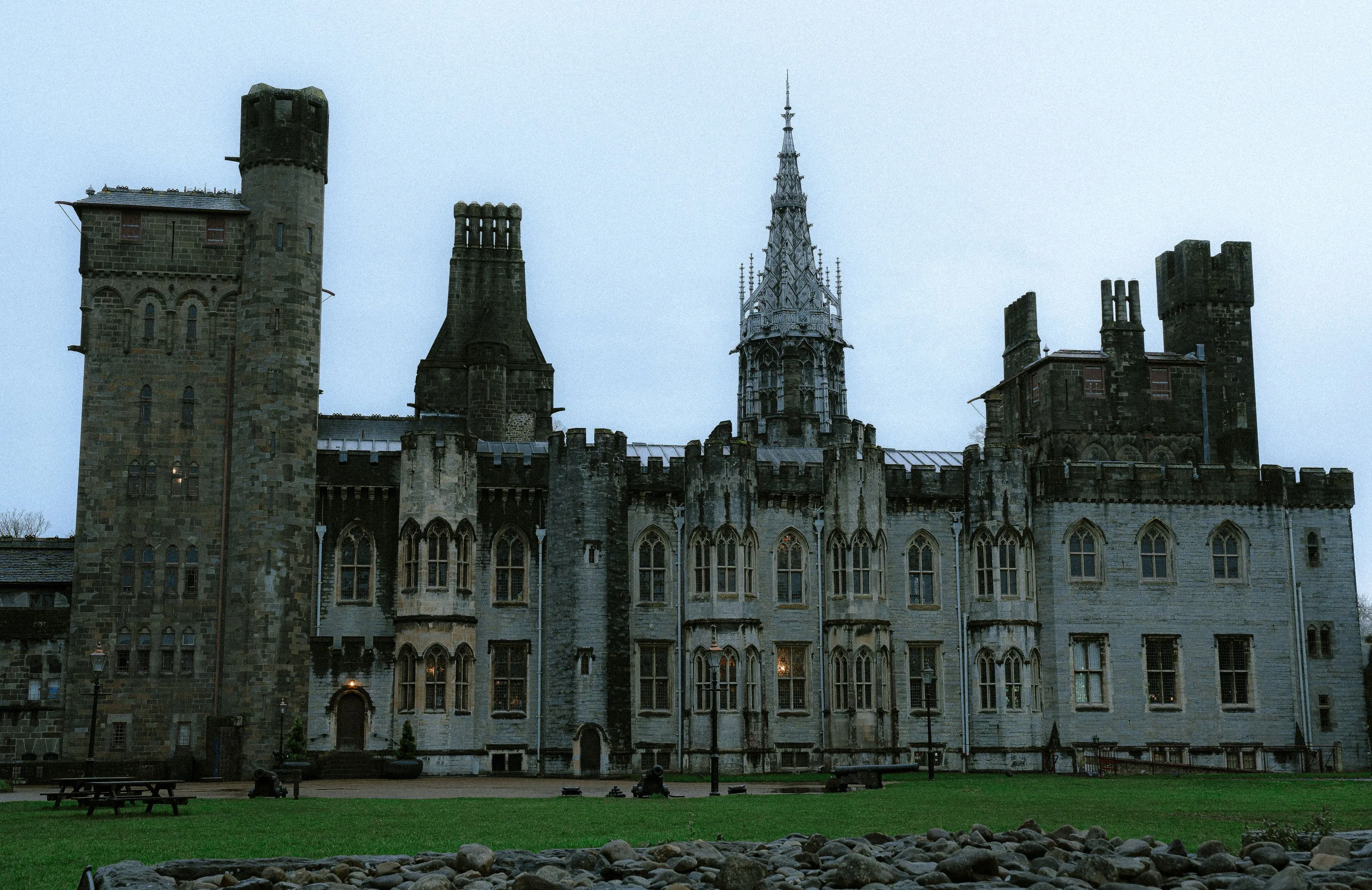
The Pierhead and the bay
The Pierhead, a red-brick building covered in dragons and heraldry, was once the headquarters of the railway and port company. It stands between the Wales Millennium Centre, the big performing arts venue opened in 2004, and the Senedd, the Welsh Parliament, opened in 2006 and open to visitors. The contrast sums up the city well.
Cardiff Bay
Since the barrage was built, the bay has been a permanent lake lined with restaurants, bars and promenades. Here you find the Norwegian Church, where Roald Dahl was christened, now a cafe and art gallery, and a two-kilometre walk to the barrage, facing Penarth.
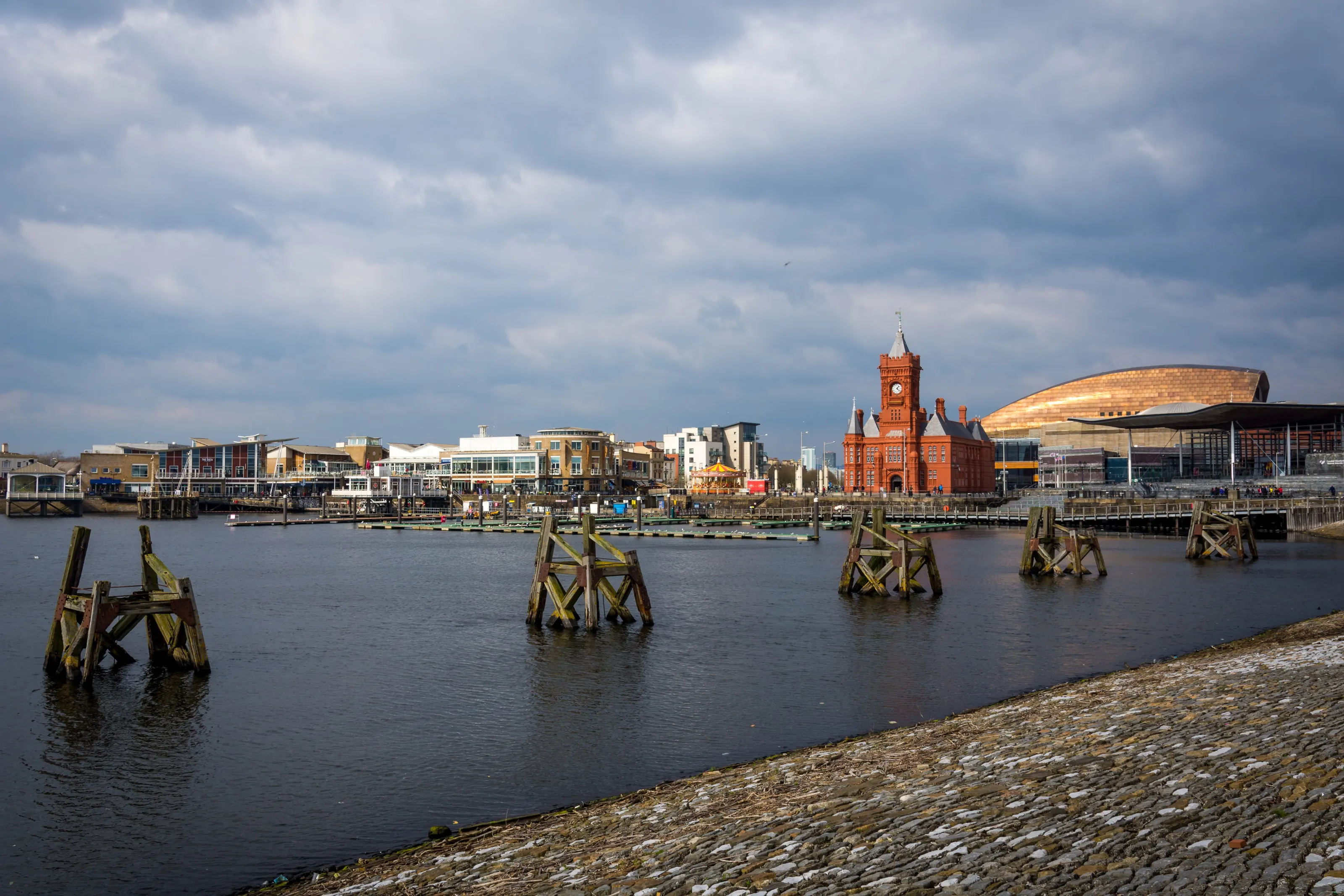
City Hall and Cathays Park
The civic centre of Cathays Park gathers white Portland stone buildings around formal gardens. City Hall, built at the start of the 20th century and topped with a dragon-crowned dome, is the most recognisable, along with its clock tower; the marble interior can be visited, depending on events.
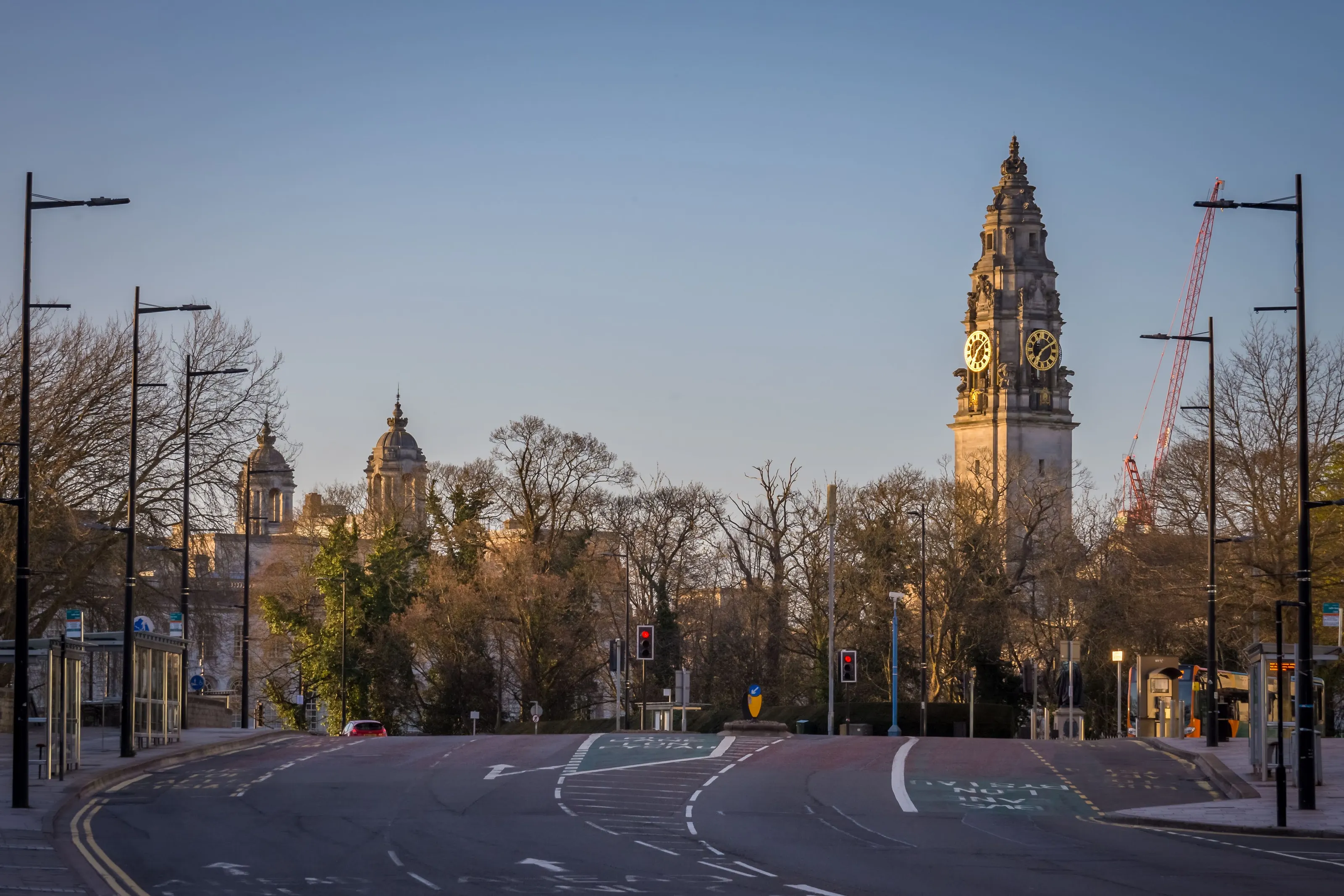
Stadium, cathedral and castles, in text
The Principality Stadium, opened for the 1999 Rugby World Cup, holds about 74,200 and has a fully retractable roof; it hosts Wales's home matches. Bute Park, an arboretum behind the castle, extends the centre. In Llandaff the cathedral dates back to 1107 and holds Epstein's sculpture Christ in Majesty. North of the city, Castell Coch, a fairytale castle rebuilt for the Marquess of Bute, guards the gateway to the Valleys.
Museums and culture
Art, Welsh history and an open-air museum
National Museum Cardiff
In Cathays Park, the national museum combines art and natural history. Its French art collection, assembled by the sisters Gwendoline and Margaret Davies, includes works by Rodin, Monet, Renoir and Van Gogh, and children enjoy the dinosaurs and mammoths in the Evolution of Wales section. Admission is free according to Wikivoyage (EN).
St Fagans, the open-air museum
West of the centre, St Fagans is an open-air museum that has rebuilt, stone by stone, buildings from every part of Wales in the grounds of an Elizabethan manor. Wikivoyage (EN) calls it the country's most popular visitor attraction; entry is free, but allow half a day.
The Cardiff Story, Techniquest and shows
The Cardiff Story, in the Old Library on The Hayes, tells the story of the city. Techniquest, in the bay, is a science centre for families. The Wales Millennium Centre programmes opera, dance and musicals all year, with free lunchtime concerts in the foyer. We give no admission prices.
Food and drink
Cawl, Welsh rarebit and Welsh pubs
The dishes
Welsh cooking is generous: cawl, a lamb and vegetable stew; Welsh rarebit, cheese melted on toast; Welsh cakes cooked on a griddle; bara brith, a fruit loaf; and laverbread, made from seaweed. Fish and chips and the full breakfast turn up in plenty of small cafes.
Markets and arcades
The covered market in the centre and Victorian arcades such as Castle Arcade house cafes, shops and local produce. The bay gathers restaurants around Mermaid Quay, while City Road offers a wide range of world cuisines.
Pubs and nights out
Cardiff has a reputation as a place to go out: St Mary Street, Greyfriars Road and Mill Lane are lively at weekends, and rugby match nights are festive. For a quieter pint, look for the historic pubs in the lanes of the centre.
Getting around
A flat, compact capital best explored on foot
On foot
The centre is compact, with wide pedestrian streets such as Queen Street, The Hayes and part of St Mary Street. The walk between the central library and the bay is about 1.6 km on the flat, with clear signposting. Llandaff is about 3 km from the castle.
By bike
The city is flat and has signposted cycle routes, often separated from traffic. The Taff Trail follows the river through Bute Park and runs north to Brecon; the Ely Trail reaches St Fagans. Bike locks and lockers are plentiful in the centre.
Bus and train
City buses link the bay, the districts and outlying sights, and a service runs to St Fagans from the centre. Trains from Cardiff Central and Queen Street serve the South Wales Valleys and neighbouring cities, including Bristol and Bath, and London in a little under two hours.
Budget and precautions
A reasonable capital-city budget, with flights to watch
Price level
Cardiff is thought to be cheaper than London, with many free museums, but we give no figures because we could not cross-check them against two independent open sources. The currency is the pound sterling (GBP).
Flights
The flight is the most variable cost. SniperAir tracks prices to CWL and compares them with the route's history, but it does not sell or book tickets. Bristol (BRS) can sometimes be a gateway worth comparing, a short trip away by road or rail.
Entry rules and precautions
The UK is not part of the Schengen area: entry rules, including a possible electronic travel authorisation, depend on your nationality, so check the official sites. Cardiff is fairly safe for a big city, but car thefts do happen: leave nothing visible in a vehicle.
When to go
A mild, damp climate with long summers for festivals
Winter (December to February)
Cool and damp, with short days; Christmas markets and the first Six Nations rugby matches in February.
Spring (March to May)
Parks, notably Bute Park, turn green; the weather stays changeable, so a waterproof jacket helps.
Summer (June to August)
The favourite season: festivals, terraces and outdoor dining, according to Wikivoyage (EN), with long evenings on the bay.
Autumn (September to November)
The trees of Bute Park change colour and the summer crowds thin out; the rain returns, which suits museums.
Cardiff's climate is oceanic, mild and fairly damp, with the Bristol Channel close by. We give no exact temperatures, as they were not cross-checked; look at the forecast before you go. June to September is the pleasantest time for outdoor plans, while matches at the Principality Stadium give February and March a special atmosphere.
By length of stay
What to do in Cardiff depending on how long you stay
The essentials
The castle, Bute Park, Cathays Park and the national museum, then the bay with the Pierhead, the Senedd and the Millennium Centre.
Museums and countryside
St Fagans, The Cardiff Story, Llandaff Cathedral, Castell Coch and an evening of theatre or rugby.
Around the city
Penarth and the coast, the Taff Trail towards the Valleys, or a train trip to Bristol, Bath or the Brecon Beacons.
In pictures
Cardiff in pictures
You might also like
Similar destinations
FAQ
Frequently asked questions about flights to Cardiff
How do I get from Cardiff airport to the city centre?
CWL is in the Vale of Glamorgan, about 15 km from the centre. A shuttle bus goes to Rhoose station and a train then reaches Cardiff Central; a taxi or car is more direct. Timetables change, so check them before you travel.
When is the best time to visit Cardiff?
June to September for festivals, terraces and the bay; February and March if you want to catch a Six Nations match; winter suits museums, with a waterproof jacket.
Is Cardiff expensive?
It is thought to be cheaper than London, with many free museums. We give no amounts because we could not cross-check them against two independent sources.
How long should I stay in Cardiff?
Two days for the castle, the centre and the bay; four days with St Fagans, Llandaff and Castell Coch; longer if you head to the Valleys, Bristol or Bath.
How do I get around Cardiff?
On foot in the centre and to the bay, about 1.6 km on the flat. Buses and trains cover St Fagans, Llandaff or the Valleys; by bike, the Taff Trail runs along the river.
What should I eat in Cardiff?
Cawl, a lamb stew, Welsh rarebit, Welsh cakes and bara brith, then a pint in a historic pub; the covered market is a good place to start.
How much does a flight to Cardiff usually cost?
The price depends mostly on your departure city, the season and how early you book. The opportunities section above shows real examples of fares SniperAir has already detected to this destination.
How do I get alerted when a flight to Cardiff drops below my budget?
Create an alert profile with your departure airport, Cardiff as the destination and your maximum budget. You are notified automatically as soon as a matching fare is detected.
Ready to head to Cardiff?
Set your budget and let SniperAir monitor fares for you.
Create my alert