
Cheap flights to New Orleans
Set your departure airport and your maximum budget: SniperAir tracks prices to New Orleans and alerts you the moment an opportunity matching your criteria appears.
Quick summary
Country
United States
Continent
North America
Airport
MSY
Currency
US dollar (USD)
Time zone
UTC-6
Population
~365,000
Opportunities already detected to New Orleans
Real flight examples spotted by SniperAir, with their reference price.
Loading examples…
A city like no other
Founded French, built on jazz, still one of a kind
French colonists founded New Orleans in 1718 on a bend of the Mississippi, and the city passed between French and Spanish rule before the United States bought it as part of the Louisiana Purchase in 1803 — a back-and-forth that still shows in its street names, its architecture and its Creole and Cajun traditions. What sets New Orleans apart from every other American city is how those threads never faded into a single homogenized identity: African, French, Spanish, Caribbean and Native influences still sit side by side in the food, the music and the festivals, and nowhere is that more audible than in jazz, which took shape here in the early 1900s out of ragtime, blues and brass-band traditions carried by musicians like Buddy Bolden and, later, Louis Armstrong.
Not to be missed
The French Quarter and its wrought-iron balconies
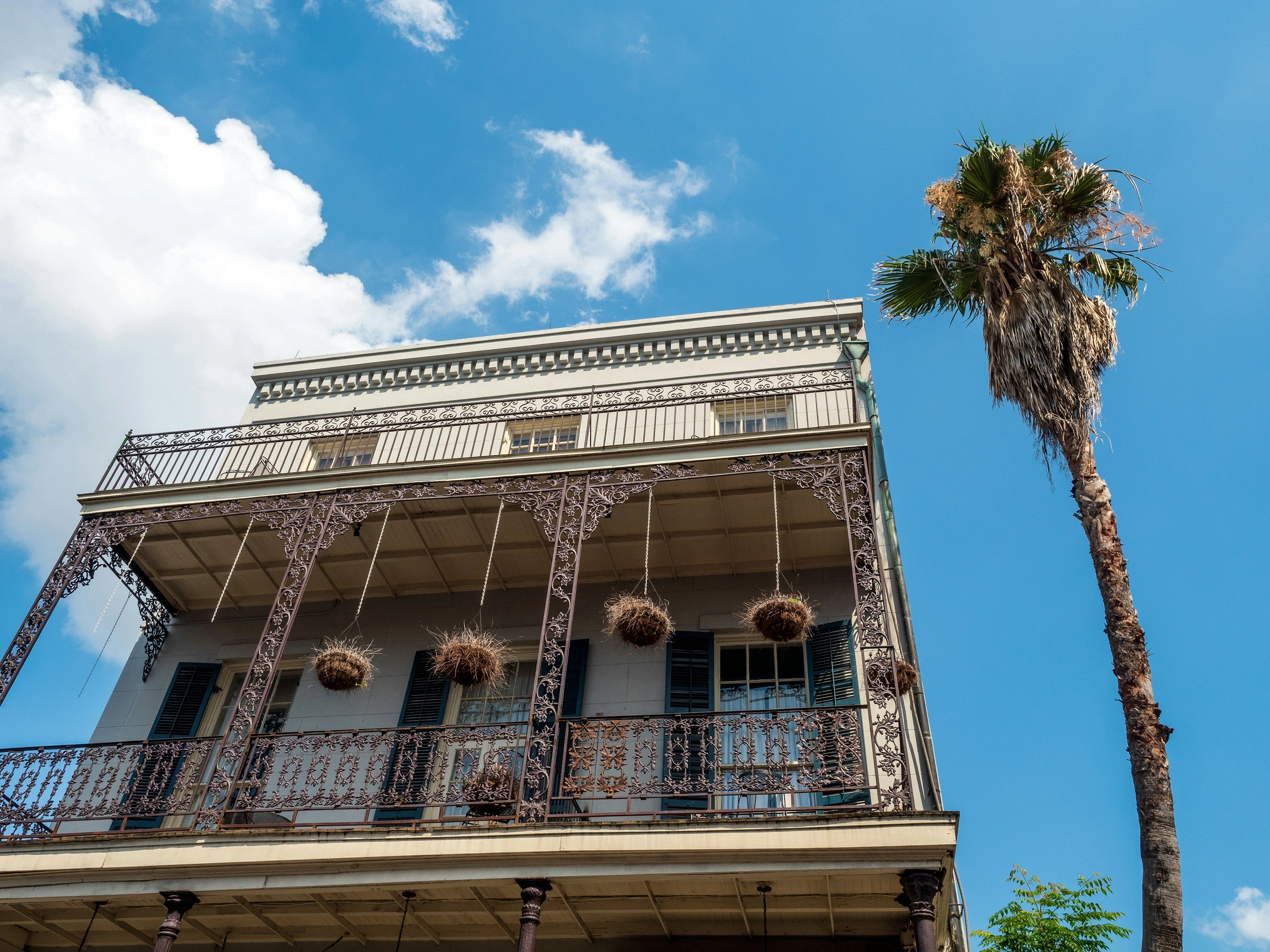
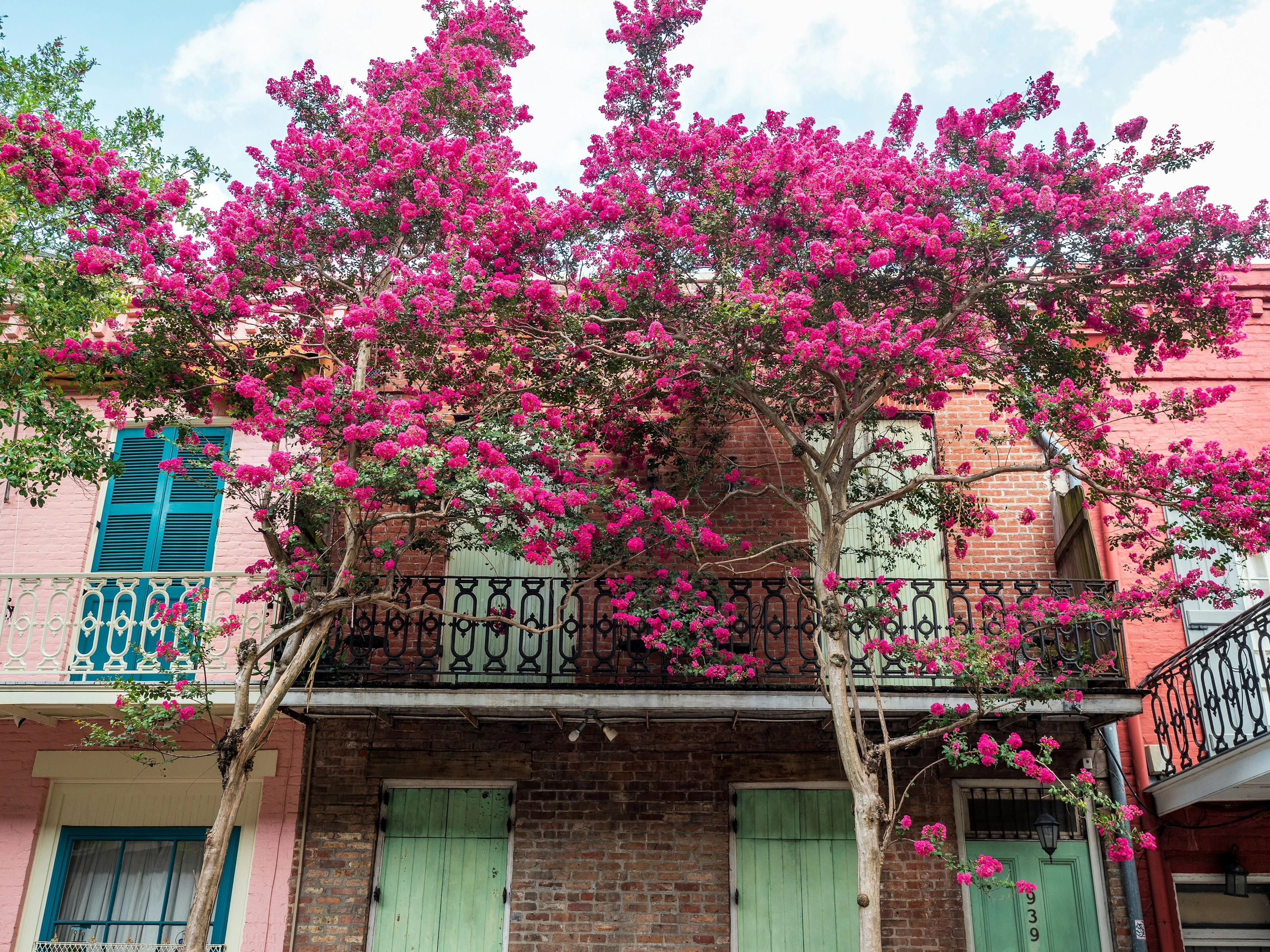
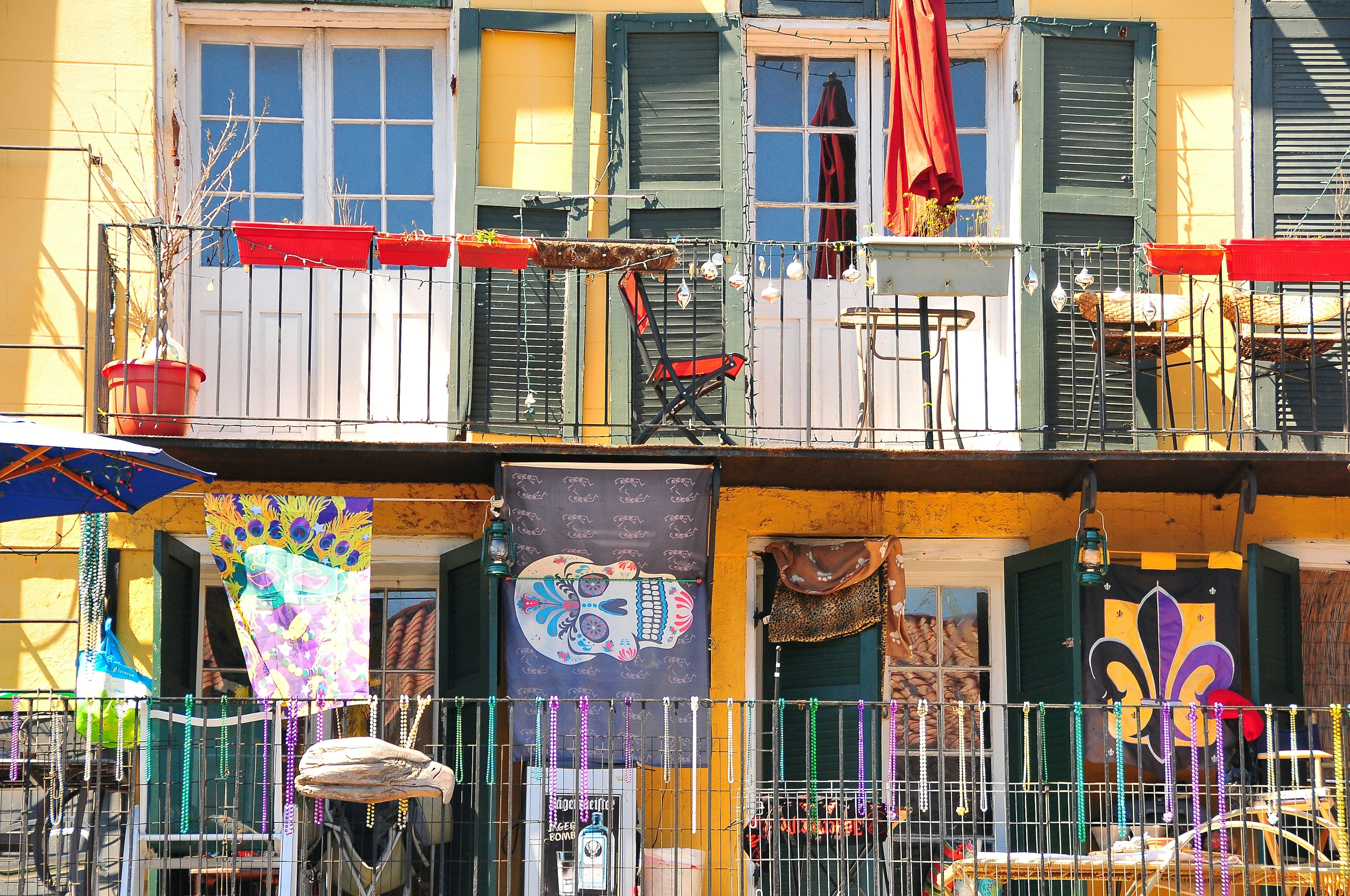
Also known as the Vieux Carré, the French Quarter is the original street grid laid out by French colonists, though most of its surviving architecture — the courtyards, the cast and wrought-iron balconies, the pastel facades — actually dates from Spanish colonial rule after fires in the 1780s. Jackson Square anchors the neighborhood, framed by St. Louis Cathedral, the oldest Catholic cathedral still in continuous use in the United States, with street artists and musicians filling the square most afternoons. Bourbon Street draws the crowds after dark, but the quieter side streets and the French Market, one of the oldest public markets in the country, reward a slower daytime walk.
To discover
Tremé, Congo Square and Frenchmen Street
Tremé
One of the oldest Black neighborhoods in the country and the birthplace of jazz and the brass-band tradition. Congo Square, now part of Louis Armstrong Park at its edge, is where enslaved and free people of color gathered on Sundays in the 18th and 19th centuries to play music and dance — a direct root of the rhythms that would become jazz. The New Orleans Jazz National Historical Park, run by the National Park Service, holds free performances and walking tours through the neighborhood.
Frenchmen Street
A few blocks from the French Quarter in the Faubourg Marigny, this is where locals go for live jazz, blues and funk — a stretch of clubs playing music most nights of the week, with a far less touristy feel than Bourbon Street. Nearby, Preservation Hall has been hosting traditional jazz sets in an unassuming room since 1961, with no drinks served and no air conditioning — just the music.
To discover
The Garden District and the St. Charles streetcar
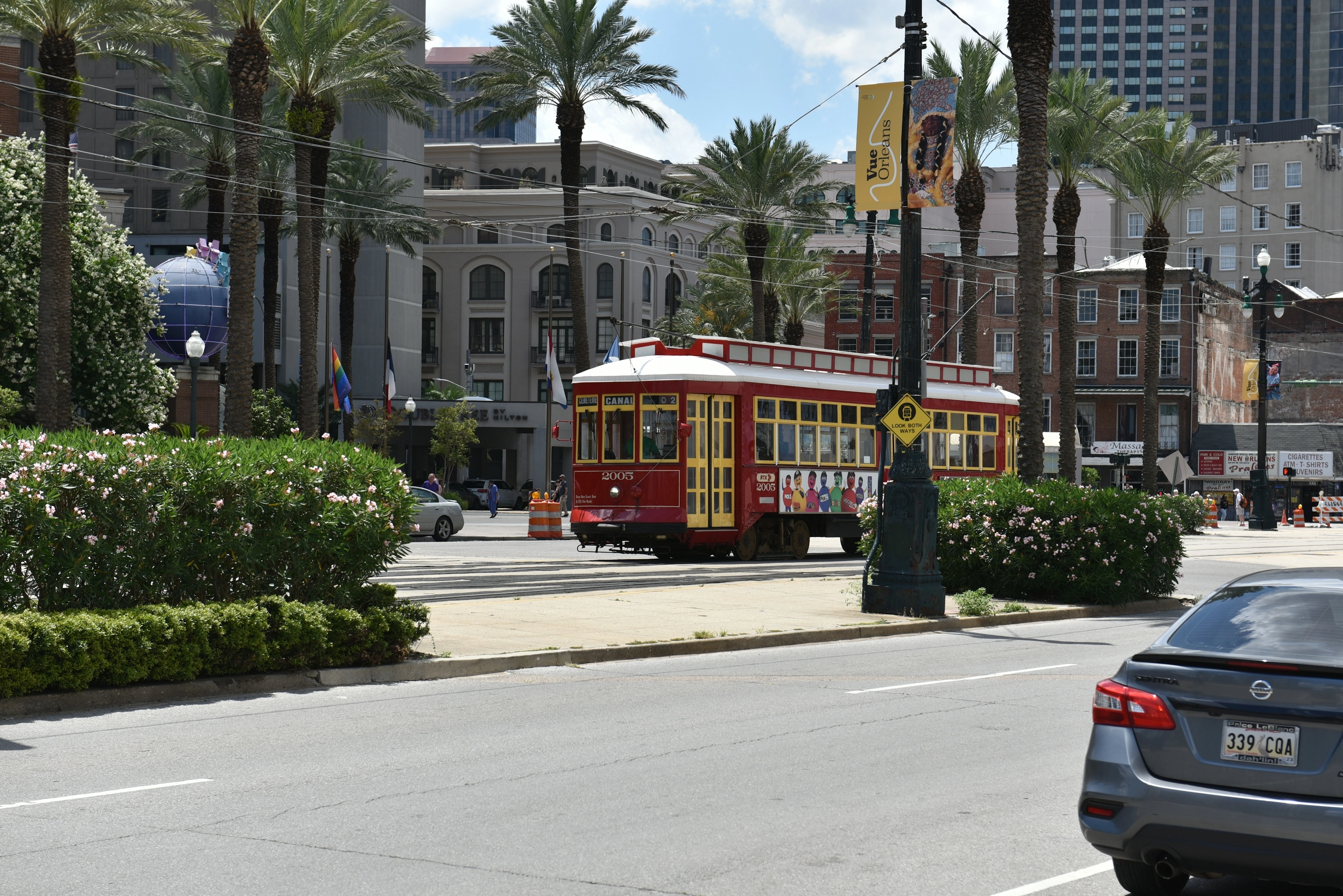
The St. Charles streetcar line, in continuous operation since 1835, is one of the oldest streetcar lines still running anywhere in the world. It rolls past the Garden District, where wealthy American merchants built columned mansions in the 19th century to rival — deliberately — the Creole townhouses of the French Quarter downtown. Spanish moss hangs from live oaks along the route, and the pace here is noticeably slower than in the Quarter.
Food
Creole and Cajun cooking, a cuisine worth the trip on its own
| Dish | What it is |
|---|---|
| Gumbo | A dark roux-based stew with meat or seafood and the "holy trinity" of onion, celery and bell pepper — Louisiana's signature dish, with African, French and Spanish roots. |
| Jambalaya | A one-pot rice dish descended from Spanish paella, packed with meat, sausage and/or seafood — a Creole and Cajun staple alike. |
| Po'boy | A sandwich on crusty French bread, classically stuffed with fried shrimp or oysters and dressed with remoulade. |
| Beignets | Square, pillowy fried dough buried in powdered sugar, best paired with chicory coffee — the signature order at Café du Monde. |
Creole cooking is the city's own, born downtown from a mix of French, Spanish, African and Caribbean influences and typically built around tomatoes; Cajun cuisine comes from the rural Acadiana region west of the city, brought by French-speaking exiles from Nova Scotia and leaning on rustic, one-pot dishes without tomato. Both show up on the same menus across town, which is part of what makes eating in New Orleans so distinctive.
Getting there and getting around
Airport, budget and getting oriented
New Orleans is a walkable city at its core, and the French Quarter, Faubourg Marigny and Garden District can largely be covered on foot or via the St. Charles streetcar. Overall, New Orleans runs close to the U.S. average cost of living, and travelers typically find hotel and dining prices in the historic core comparable to other major U.S. tourist cities — expect Bourbon Street and French Quarter restaurants to sit at the higher end, with better value found a few blocks over in Marigny or Bywater.
Why track New Orleans with SniperAir
You don't need to compare prices every day
Choose your departure
Tell us your departure airport and your maximum budget for a flight to New Orleans.
SniperAir tracks it
Our systems continuously compare new prices against the route's real historical data.
You get an alert
As soon as a price matches your criteria, you're notified — without having to search yourself.
New Orleans airport
An easy gateway from the major U.S. hubs
Louis Armstrong New Orleans International
Named after the jazz musician born in the city, about 11 miles (18 km) west of downtown in Kenner — plan on 20 to 25 minutes by car, longer to reach the French Quarter directly.
When to go
When to visit New Orleans?
Spring
Mardi Gras season and the Jazz & Heritage Festival, with pleasant temperatures before summer humidity sets in — widely considered the best time to visit.
Summer
Hot and heavily humid, with average highs in the upper 80s°F (around 32°C) and the heat index climbing higher — the toughest season to visit comfortably.
Autumn
Hurricane season officially runs June through November, peaking August to October; that said, October is typically the driest, sunniest month of the year.
Winter
Mild and comparatively dry, with January highs around the mid-60s°F (roughly 18°C) — a good option for sightseeing without the heat.
FAQ
Frequently asked questions about flights to New Orleans
What is New Orleans' airport?
Louis Armstrong New Orleans International (MSY), about 11 miles (18 km) west of downtown in Kenner.
Is New Orleans really the birthplace of jazz?
Yes — the genre took shape here in the early 1900s from a mix of ragtime, blues and African rhythms, notably around Congo Square, and the city still has an exceptionally active live jazz scene, especially on Frenchmen Street.
Should I visit during Mardi Gras?
It's the most festive time of year, but also the busiest and most expensive for accommodation. Late spring offers similarly pleasant weather with a calmer atmosphere.
How much does a flight to New Orleans usually cost?
The price mainly depends on your departure city, the time of year and how far ahead you book. The "opportunities" section above shows real price examples already detected by SniperAir for this destination.
How long is a flight to New Orleans from Europe?
Typically between 10 and 11 hours depending on your departure city, usually with a connection.
How do I get alerted when a flight to New Orleans drops below my budget?
Create an alert profile with your departure airport, New Orleans as the destination, and your maximum budget. You'll be notified automatically as soon as a matching price is detected.
Ready to head to New Orleans?
Set your budget and let SniperAir track fares for you.
Create my alert