
Cheap flights to Casablanca
Set your departure airport and maximum budget: SniperAir tracks prices to Casablanca and alerts you the moment a deal matching your criteria appears.
Quick summary
Country
Morocco
Continent
Africa
Airport
CMN
Currency
Moroccan dirham (MAD)
Time zone
UTC+1 (UTC+0 during Ramadan)
Deals already spotted to Casablanca
Real flight examples detected by SniperAir, with their reference price.
Loading examples…
Why track Casablanca with SniperAir
You do not need to compare prices every day
Choose your departure
Enter your departure airport and your maximum budget for a flight to Casablanca (CMN).
SniperAir keeps watch
Our systems continuously compare new prices with the real price history of the route. SniperAir monitors prices and alerts you: it does not sell or book tickets.
You receive an alert
As soon as a price matches your criteria, you are notified, without having searched for anything yourself.
Airport and getting into town
A large airport linked to the centre by train
Casablanca Mohammed V (CMN)
Mohammed V International Airport is the busiest gateway to Morocco, according to Wikivoyage (EN), and the largest in the Maghreb per Wikipedia (FR, ES). The train station sits under Terminal 1: hourly Al Bidaoui trains link the airport with Casa-Port and Casa-Voyageurs, about 45 minutes to Casa-Port according to Wikivoyage (EN, DE), and it is the only public transport, since there is no bus. A taxi costs several times the train fare according to Wikivoyage (EN, DE). Sources disagree on the road distance, so we give no kilometre figure. For onward trips, Casa-Voyageurs is the main station and the only one on the Al Boraq high-speed line to Rabat and Tangier, according to Wikivoyage (EN).
Approximate durations from Wikivoyage (EN, DE) and Wikipedia (EN); timetables change with the season, so check them before you travel. We do not quote fares.
Casablanca is Morocco's largest city and its economic heart, on the Atlantic coast, according to Wikivoyage (EN). The name means white house: the Arabic Dar al-Bayda, the Spanish Casablanca and the Portuguese Casa Branca all say the same. Population figures differ widely between sources and depend on the area counted, so we do not publish one.
Wikivoyage (EN) is candid: the medina is small and unassuming, the new town congested, and some travellers take the first train out to Rabat. Yet it calls the Hassan II Mosque, the nightlife and the architecture of the colonial period worth at least a day, and describes the city as the most liberal and cosmopolitan in Morocco, where young people mix Arabic and French in everyday speech.
Landmarks
The Hassan II Mosque, Art Deco streets, the medina and the corniche
The city has a turbulent past. Wikivoyage (EN) says the Portuguese destroyed the port, rebuilt it as Casa Branca and abandoned it after the 1755 earthquake; a Moroccan sultan then rebuilt it, and Spanish traders gave it the name Casablanca. The French occupied it in 1907 and made Morocco a protectorate in 1912, when the new town began to take shape, and Morocco became independent in 1956. The places below are illustrated.
The Hassan II Mosque
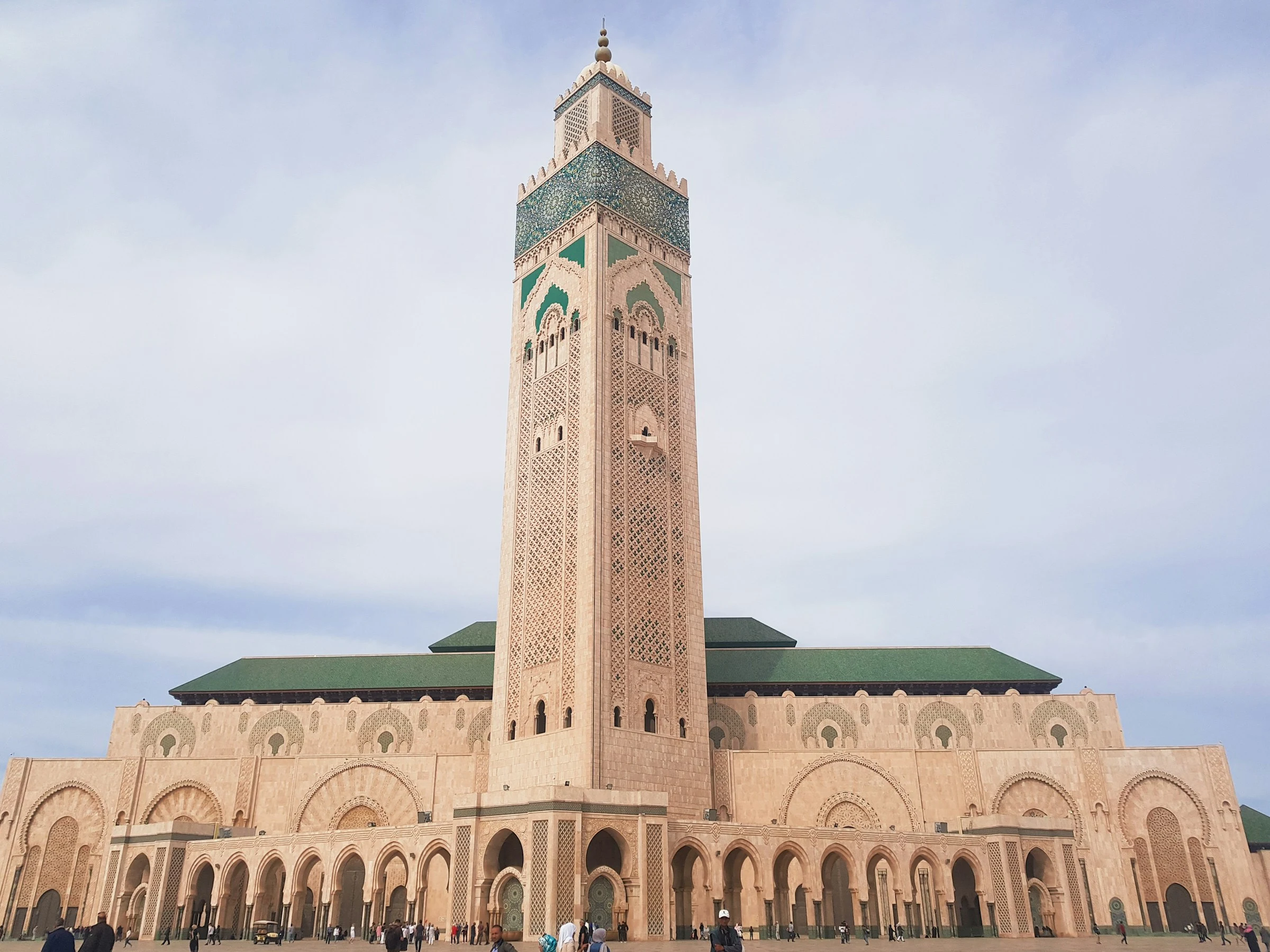
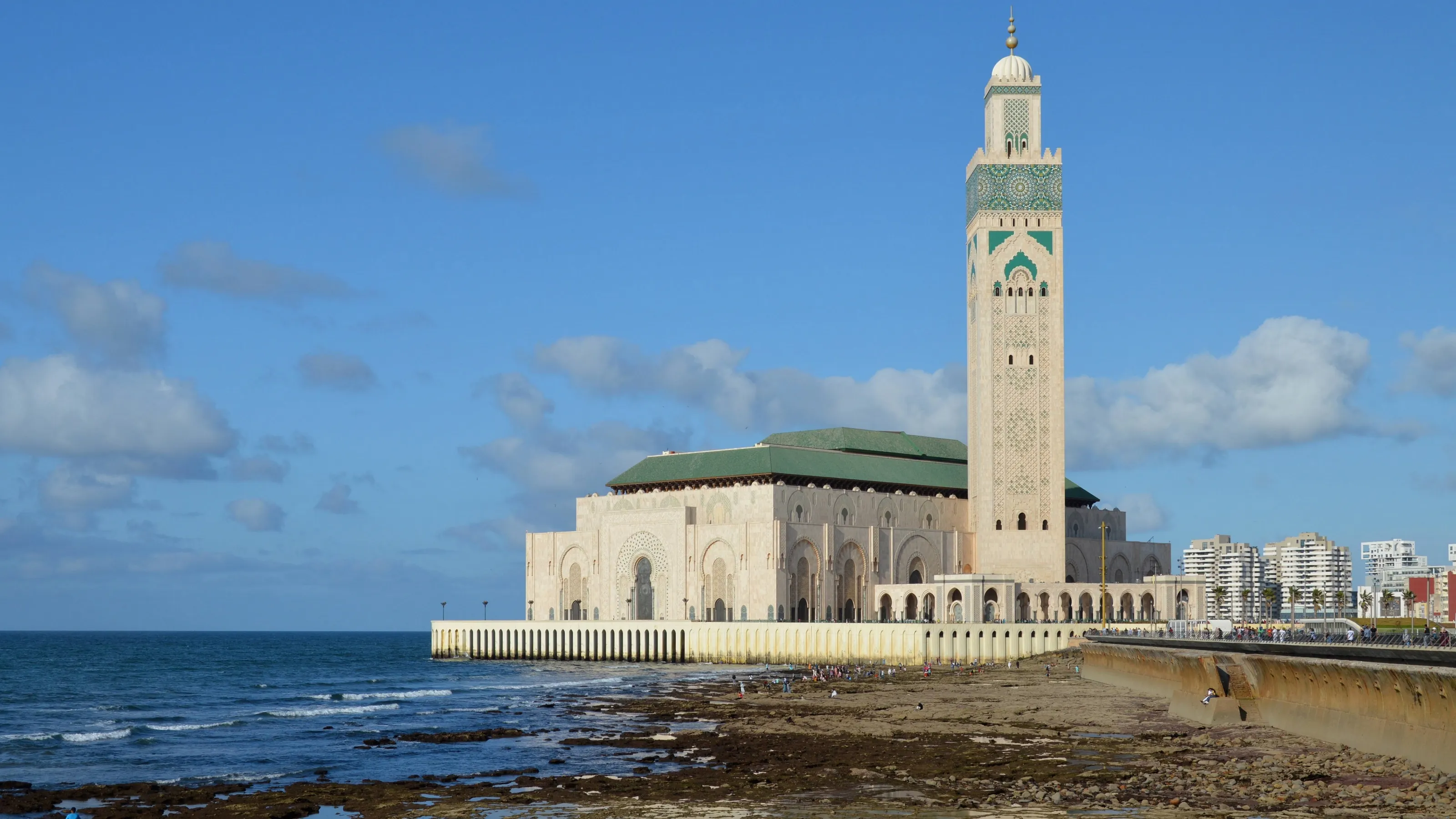
The Hassan II Mosque is the city's great landmark: built on a promontory over the Atlantic, it was completed in 1993 and its minaret is 210 m high, according to Wikipedia (EN) and Wikivoyage (EN). The prayer hall holds 25,000 worshippers and the complex up to 105,000 with its grounds, per Wikipedia (EN), and the roof retracts. It is one of the few mosques in Morocco open to non-Muslims, on guided tours outside prayer times, according to Wikivoyage (EN). Check hours and prices, which sources give differently.
Stone and tile decoration
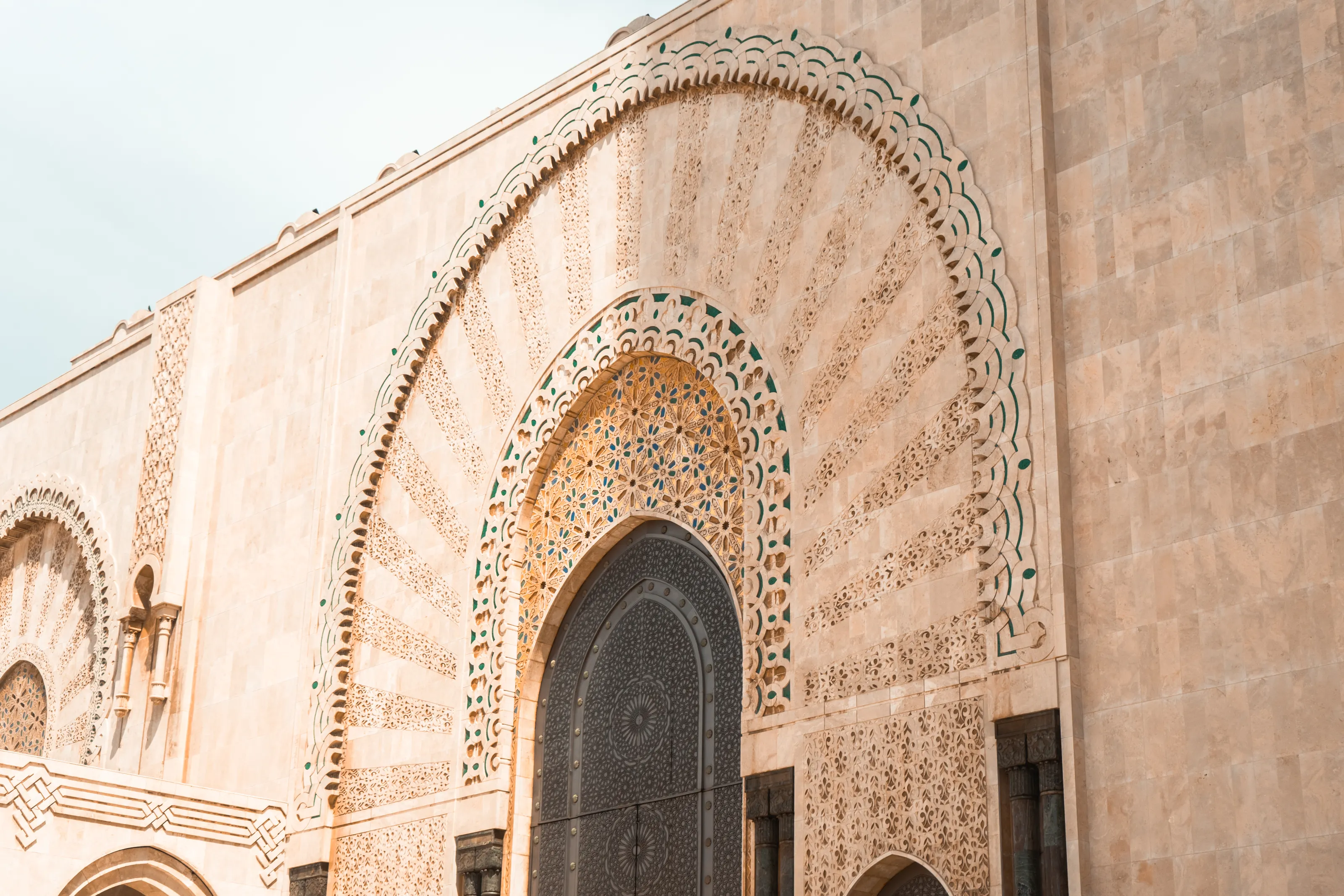
The project was designed by the French architect Michel Pinseau and built by the Bouygues group, according to Wikipedia (EN). Wikivoyage (EN) praises the interior, with its water features, retractable roof and tilework, and the German edition adds titanium doors on the sea side to resist the salt air.
The Art Deco centre
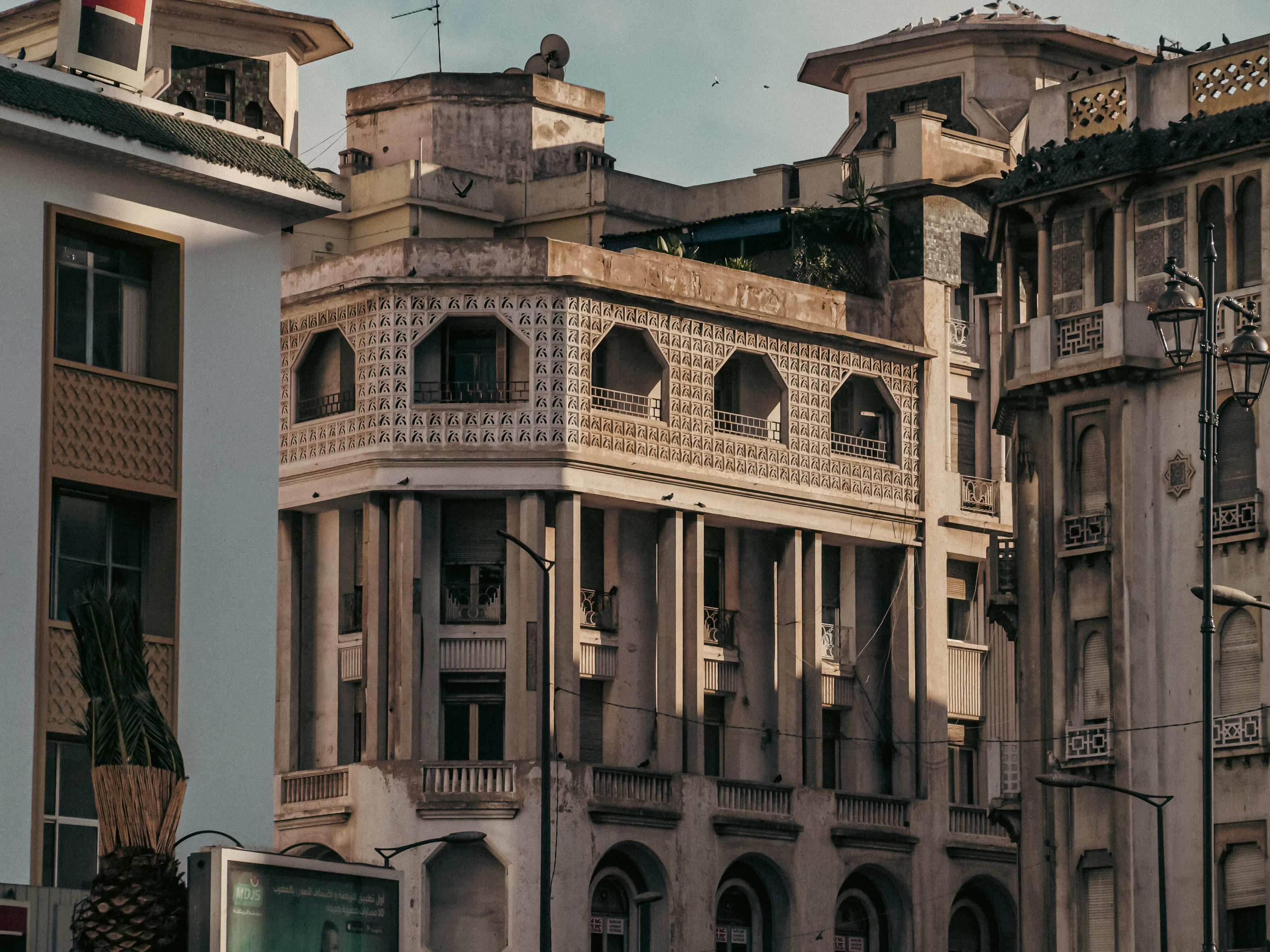
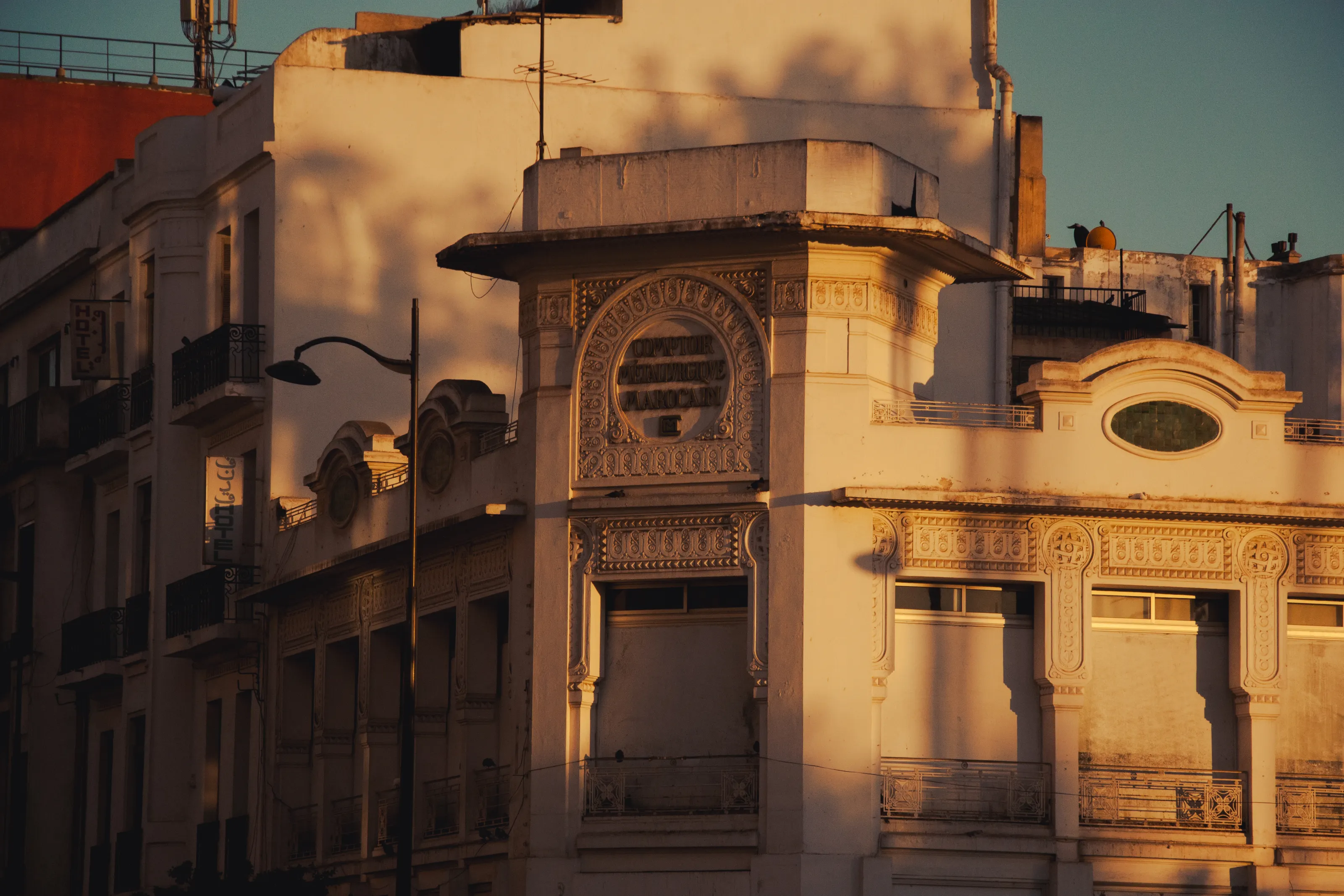
Wikivoyage (EN) lists the colonial-era buildings among the reasons to stop in Casablanca, and the German edition recommends a walk along Boulevard Mohammed V and Boulevard de Paris. Place Mohammed V is framed by the Wilaya and its campanile, while the former Sacred Heart Cathedral dates from 1930, according to Wikipedia (FR) and Wikivoyage (DE). Many buildings were long neglected, but restoration is under way.
Facades and streets
The French quarter built from the 1920s mixes Art Deco, neo-Moorish touches and Mediterranean influences, with ornate balconies and arcades. Maarif and Gauthier, former French residential districts, are now fashionable, according to Wikivoyage (DE). A morning walk, when the light is soft, does these facades justice.
The corniche and the ocean
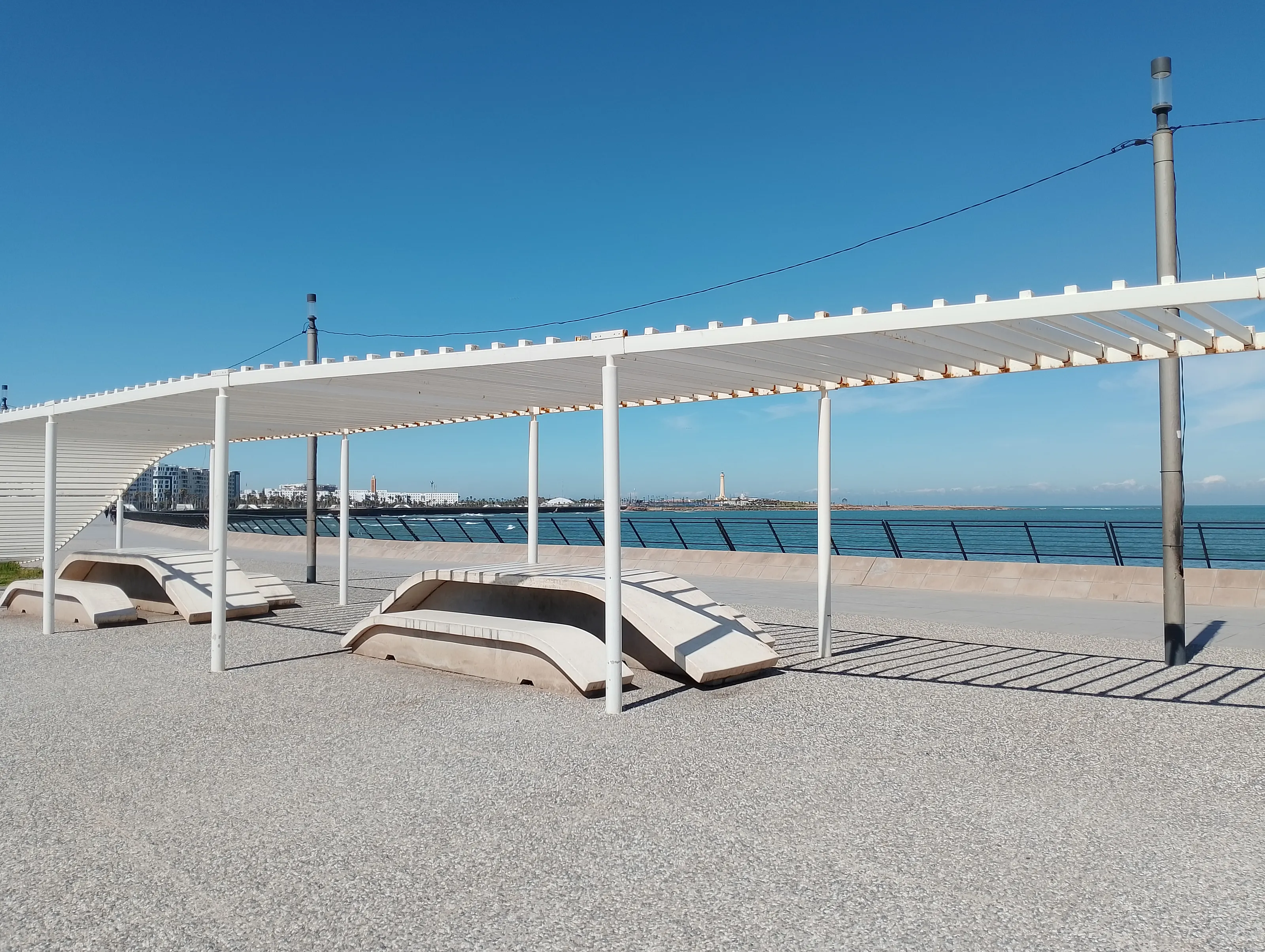
The Corniche runs along the ocean west of the mosque, lined with hotels, cafes and beaches, according to Wikivoyage (EN). It recommends walking up and down it and stopping at a cafe with a sea view. Further on, the Shrine of Sidi Abderrahman stands on a rock off shore, reachable at low tide; only Muslims may enter the shrine itself.
Old medina, Habous and the Sqala
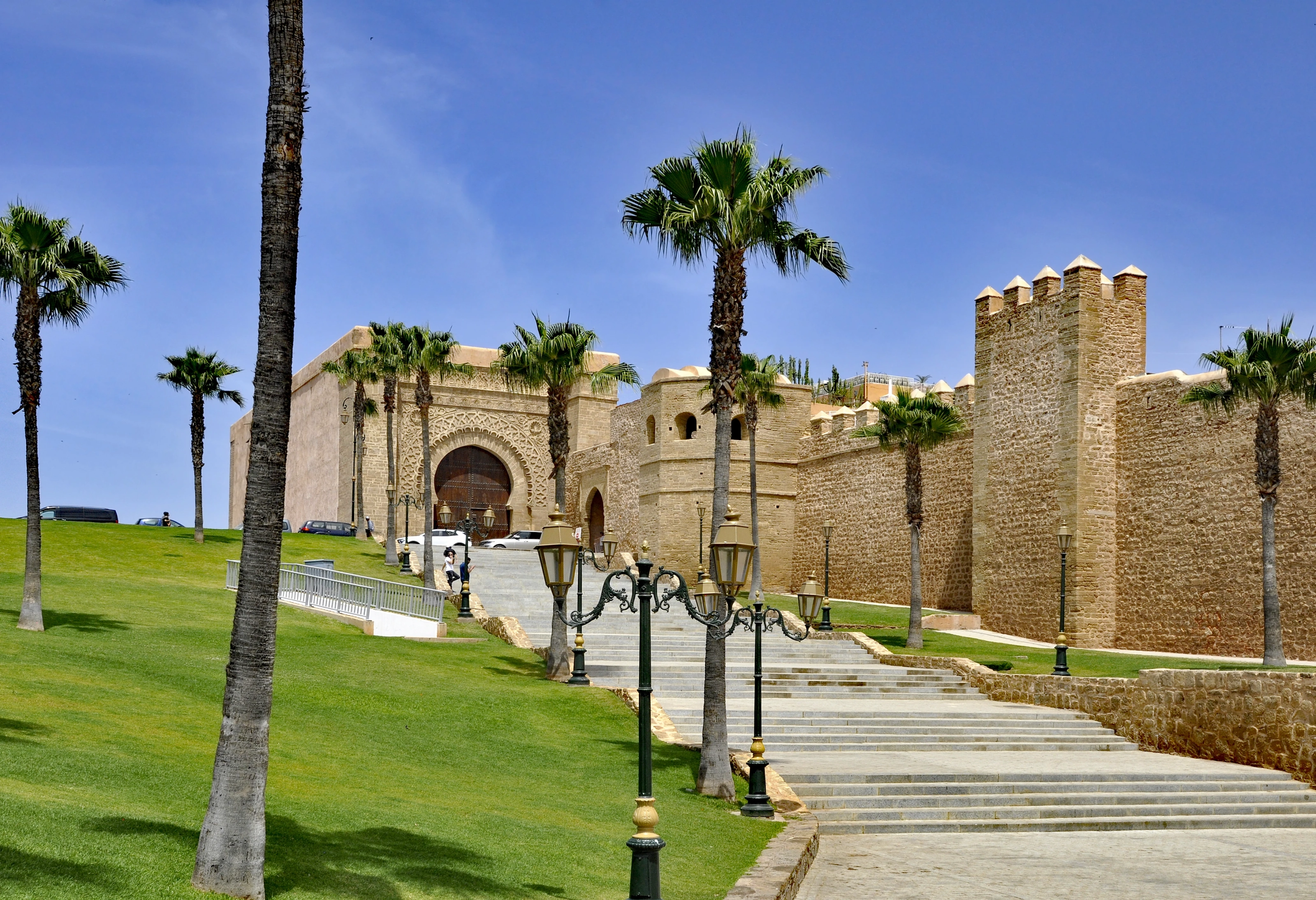
The old medina, small and walled, is north of Place des Nations Unies, according to Wikivoyage (EN), which finds it modest next to Fez or Marrakech. The Sqala, a former Portuguese bastion by the port, now houses a cafe-restaurant, according to Wikipedia (FR) and Wikivoyage (EN). The Habous quarter, or new medina, was built in the 1920s in Moorish style, according to Wikivoyage (DE).
Museums and culture
Moroccan art, Jewish heritage and interwar villas
Art and villas
The Villa des Arts, built in 1934 and run by a foundation, shows Moroccan and contemporary art, with free entry according to Wikivoyage (EN). Wikipedia (FR) also lists the Abderrahman Slaoui museum, with antique jewellery, posters and illuminated manuscripts.
Jewish heritage
The Museum of Moroccan Judaism is described by Wikivoyage (EN) as the only museum devoted to Judaism in the Arab world; it holds ritual objects and a collection on Berber history including costumes and jewellery.
Galleries and palaces
The Mahkama du Pacha, a Hispano-Moorish building with carved ceilings, can only be visited with a guide according to Wikivoyage (EN). Several commercial galleries in the centre can be browsed freely. We do not quote ticket prices: opening times and fees change.
Food and drink
Friday couscous, fish from the port and mint tea
Staples
Tagines, couscous and grilled meat and fish are everywhere; couscous is traditionally eaten on Fridays, according to Wikivoyage (ES). Wikivoyage (EN) says the fish at some seafood places comes fresh from the port.
Tea and sweets
Mint tea and Moroccan pastries at the Sqala, facing the sea, is a classic stop in Wikivoyage (EN, ES).
Markets and hours
The Central Market in the Art Deco centre is mentioned by Wikipedia (FR) and Wikivoyage (DE) for fresh produce. Restaurants open late, usually not before about 19:00, according to Wikivoyage (EN, ES), so call ahead. Alcohol is mostly served in European-style restaurants and hotel bars, per Wikivoyage (ES).
Getting around
Tram, red taxis and commuter trains
Tram and trains
The tram has run since late 2012 according to Wikivoyage (EN). A single ride costs 8 dirhams, or 6 with a rechargeable card, per Wikivoyage (EN, DE), from about 05:30 to 22:00 or 22:30. It connects the centre with Casa-Voyageurs station, and the Al Bidaoui airport train also stops in the city.
Taxis and buses
Red petits taxis are easy to hail downtown: insist on the meter, according to Wikivoyage (EN, DE). White grands taxis are shared and leave when full. City buses are cheap but hard to follow, with the vehicles in poor shape according to Wikivoyage (EN).
To other cities
Trains leave Casa-Voyageurs for Rabat, Marrakech and Tangier, and a toll motorway links Tangier and Casablanca, according to Wikivoyage (EN). Rabat is about 1.5 hours by bus and Marrakech about 3 hours by train.
Budget and precautions
A big city: keep an eye on your belongings
Price level
Casablanca is a big business city: hotels in the centre and on the corniche follow metropolitan prices, with large differences between districts. We quote no figures, since we could not confirm them against two independent open sources.
Currency and payment
The currency is the Moroccan dirham. Carry some cash for taxis and small shops.
Flights and precautions
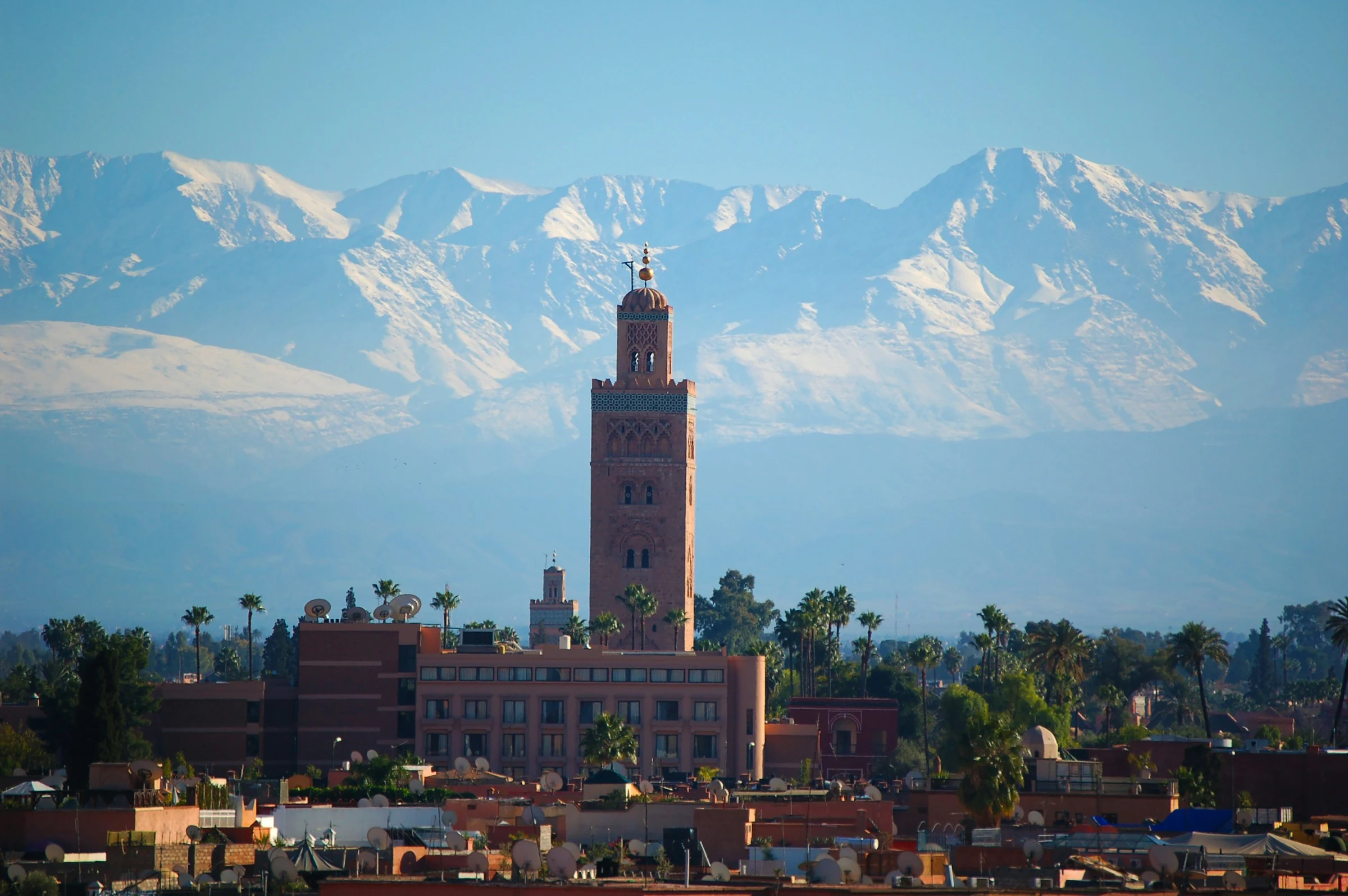
SniperAir tracks prices to CMN and compares them with the route's history, but it does not sell or book tickets. You can also track Marrakech (RAK) or other Moroccan airports to compare. For entry requirements and safety advice, consult the official guidance of your departure country. Wikivoyage (EN, ES) reports pickpocketing and moped snatching: keep valuables out of sight and avoid walking alone at night.
When to go
A mild Atlantic climate that rarely goes to extremes
Winter (December to February)
Mild and wetter, with almost no frost: the record low is -2.7 C, according to Wikipedia (FR, ES). Bring a jacket for the ocean wind.
Spring (March to May)
A pleasant time to walk the centre and visit the mosque before the summer heat.
Summer (June to August)
Warm without excess when the breeze comes off the Atlantic, but hot land winds can bring a few scorching days: the record high is 40.5 C according to Wikipedia (FR, ES). No rain in summer.
Autumn (September to November)
Still mild at first, before the wetter winter; a good season for the centre and the corniche.
Casablanca has a hot-summer Mediterranean climate (Csa) tempered by the ocean, with an average annual temperature of 18.9 C according to Wikipedia (FR, ES). Sources disagree on annual rainfall, so we do not quote it.
By length of stay
What to do in Casablanca depending on your stay
The essentials
The Hassan II Mosque, the corniche and a stroll through the Art Deco centre, with a tea at the Sqala.
The city in depth
The old medina, the Habous quarter, the Villa des Arts and the Museum of Moroccan Judaism, and the nightlife downtown.
And beyond
Rabat by train or bus (about 1.5 hours), Marrakech three hours by train, or Tangier on the high-speed line.
In pictures
Casablanca in pictures
You might also like
Similar destinations
FAQ
Frequently asked questions about flights to Casablanca
How do I get from Casablanca airport to the city?
The train leaves from the station under Terminal 1 about every hour and reaches Casa-Port in 45 minutes; there is no public bus. Timetables change: check them before you travel.
When is the best time to visit Casablanca?
Spring and autumn for mild temperatures; summer is warm and dry, though the ocean often keeps the heat in check.
Is Casablanca expensive?
It depends on the district and season, as in any big business city. We quote no figures since we could not cross-check them.
How long should I stay in Casablanca?
One day for the mosque and the centre; two to three days if you add the museums, the Habous and the corniche.
How do I get around Casablanca?
By tram, by red petit taxi with the meter on, and on foot in the centre. For other cities, trains leave from Casa-Voyageurs.
What should I eat in Casablanca?
Friday couscous, tagines, fish and seafood from the port, and mint tea with Moroccan pastries.
How much does a flight to Casablanca usually cost?
The price depends mainly on your departure city, the time of year and how far ahead you book. The "opportunities" section above shows real examples of prices SniperAir has already detected to this destination.
How do I get alerted when a flight to Casablanca drops below my budget?
Create an alert profile with your departure airport, Casablanca as the destination and your maximum budget. You are notified automatically as soon as a matching price is detected.
Ready to head to Casablanca?
Set your budget and let SniperAir monitor fares for you.
Create my alert